
Restoring Your Smile with Multiple Dental Implants: How the Strategy Works
One dental implant replaces one missing tooth. Simple. But what happens when the count is three, five, or a whole arch? The good news most patients have not heard: multiple-implant treatment is not a per-tooth multiplication problem. It is an engineering strategy, and done well, fewer implants than you would guess can restore more function than you would hope.
The Three Patterns of Multiple-Implant Treatment
Scattered gaps: individual implants. When missing teeth sit in different areas, each site typically gets its own implant and crown. Every restoration stands independently, nothing leans on your natural teeth, and each implant preserves the bone in its own neighborhood.
A row of missing teeth: the implant-supported bridge. When several teeth in a row are gone, two implants can anchor a bridge carrying three or four teeth. You gain fixed, natural-feeling teeth without an implant at every position, and without grinding down healthy neighbors the way a conventional bridge demands. When this configuration wins, and when it does not, is covered in our guide to fixed implant bridges.
Little or nothing left: full-arch solutions. When most or all teeth in a jaw are failing, a handful of strategically placed implants can support an entire fixed arch, an approach described in our overview of All-on-X treatment. This converts even long-suffering denture wearers to fixed teeth.
Real mouths often need combinations: an implant here, a bridge there, sequenced sensibly. That is why the plan matters more than the parts.
Why Implants Beat the Alternatives at Scale
Compared with removable partials and long conventional bridges, multiple implants win on the measures patients feel daily: stability that lets you chew anything on the menu, no clasps pulling on surviving teeth, and bone preservation at every replaced site, which protects both your facial support and your future options. The consequences of leaving multiple gaps untreated, drift, bite collapse, and a shrinking menu, are documented in Missing Teeth: More Than Just a Gap.
Difficult Cases Are the Point
Missing several teeth rarely happens in a tidy mouth. There is usually a story: old bridges failing, worn teeth, bone loss where extractions happened years ago. This is precisely where specialist planning earns its keep.
Dr. Gerald Marlin has placed more than 3,900 dental implants over a career of more than 40 years, with particular focus on the difficult cases: compromised bone that needs grafting, reconstructions sequenced in deliberate stages, and full rebuilds up to complete full-mouth reconstruction. Every restoration in every configuration is custom fabricated in our in-house laboratory, so the teeth carried by your implants are built to the same standard as the planning beneath them. You can see the approach in a finished case: an implant-supported reconstruction after a failing bridge.
Map Your Mouth Before You Decide Anything
If you are missing multiple teeth, the most valuable first step is a comprehensive evaluation: 3D imaging, an honest inventory of what can be saved, and a configuration designed for your bone and bite rather than a package. Call 202-244-2101 or schedule a consultation at Elite Prosthetic Dentistry in Friendship Heights, Washington, DC. We serve patients from across the District, Bethesda, Chevy Chase, Arlington, and nearby Maryland and Virginia.
See How We Resolve These Problems
Our patient success stories show real cases and real results. Browse outcomes from a specialist prosthodontist with decades of experience and 3,900+ implants placed.
Key Takeaways
- ✓ Replacing several missing teeth rarely means one implant per tooth. Strategic placement lets fewer implants carry more teeth safely.
- ✓ The main configurations: individual implants for scattered gaps, implant-supported bridges for rows, and full-arch solutions when little or nothing remains.
- ✓ Multiple implants outperform conventional bridges and partials on stability, chewing power, and bone preservation.
- ✓ Complex and heavily worn mouths benefit most from one specialist-led treatment plan for the whole reconstruction rather than tooth-by-tooth patchwork.
- ✓ Every configuration ends in restorations custom fabricated in our in-house laboratory.
Frequently Asked Questions
Do I need one implant for every missing tooth?
Usually not. Two implants can carry a three- or four-tooth bridge, and a full arch can be supported on a handful of strategically placed implants. The right count is an engineering decision based on your bone, bite forces, and the span being replaced, not a per-tooth formula.
What are my options if I am missing several teeth?
Three main patterns: individual implants for gaps scattered in different areas, implant-supported bridges when several missing teeth sit in a row, and full-arch fixed solutions when most or all teeth in a jaw are failing. Many treatment plans combine patterns across the mouth.
Are multiple implants better than a partial denture?
For most patients seeking a permanent answer, yes. Implants are fixed, restore near-natural chewing power, spare the remaining teeth from carrying clasps and hooks, and preserve the jawbone in each replaced site. Partials remain a reasonable interim or budget option, with real tradeoffs in stability and bone.
Can badly broken-down mouths still be restored with implants?
Very often, yes. Compromised bone can be grafted, failing teeth staged out deliberately, and the reconstruction sequenced over time. These cases demand comprehensive planning by a specialist, which is exactly the work our practice is built around.
Related Patient Success Stories
Explore similar patient success stories demonstrating our expertise in advanced prosthetic dentistry.
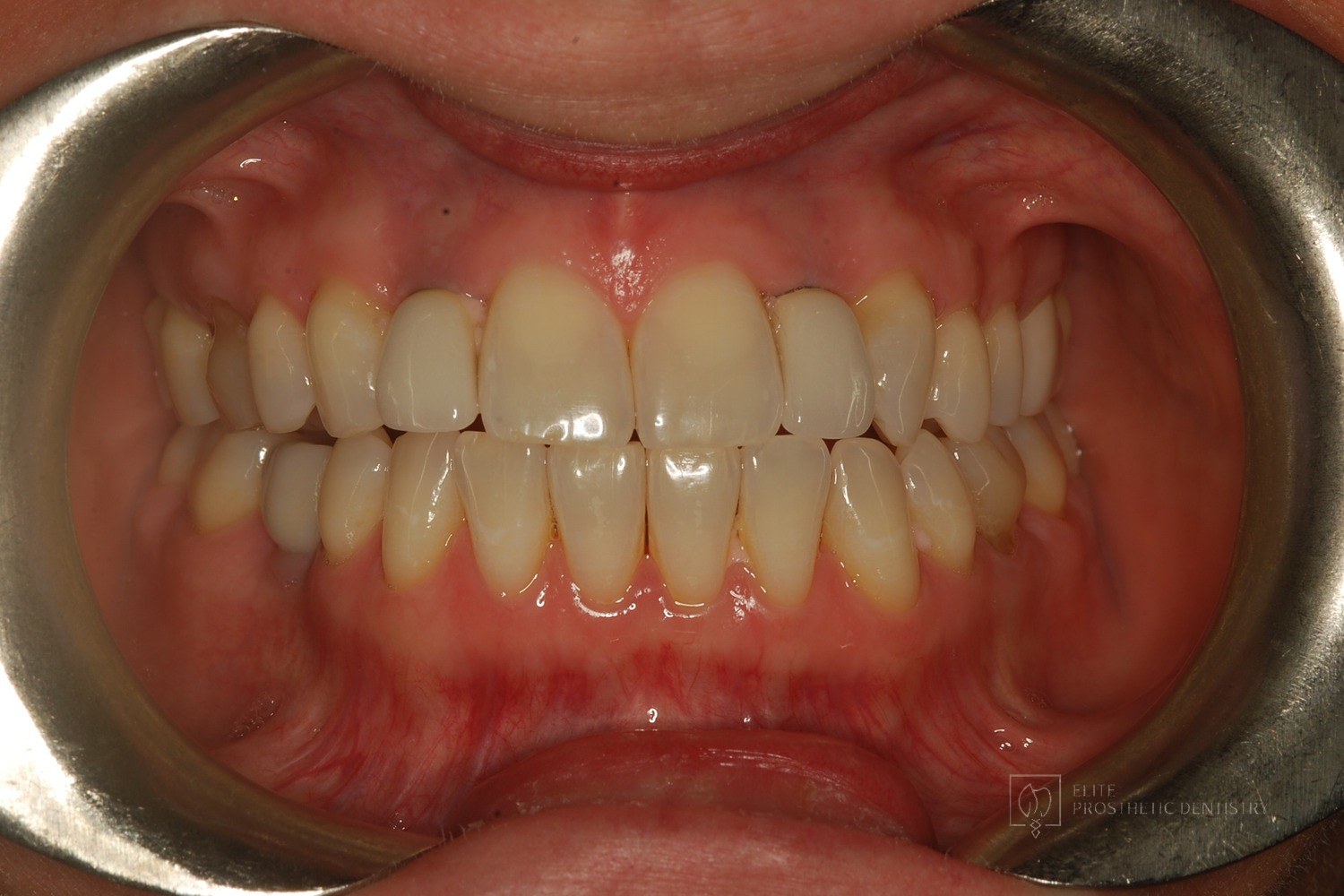 Before
 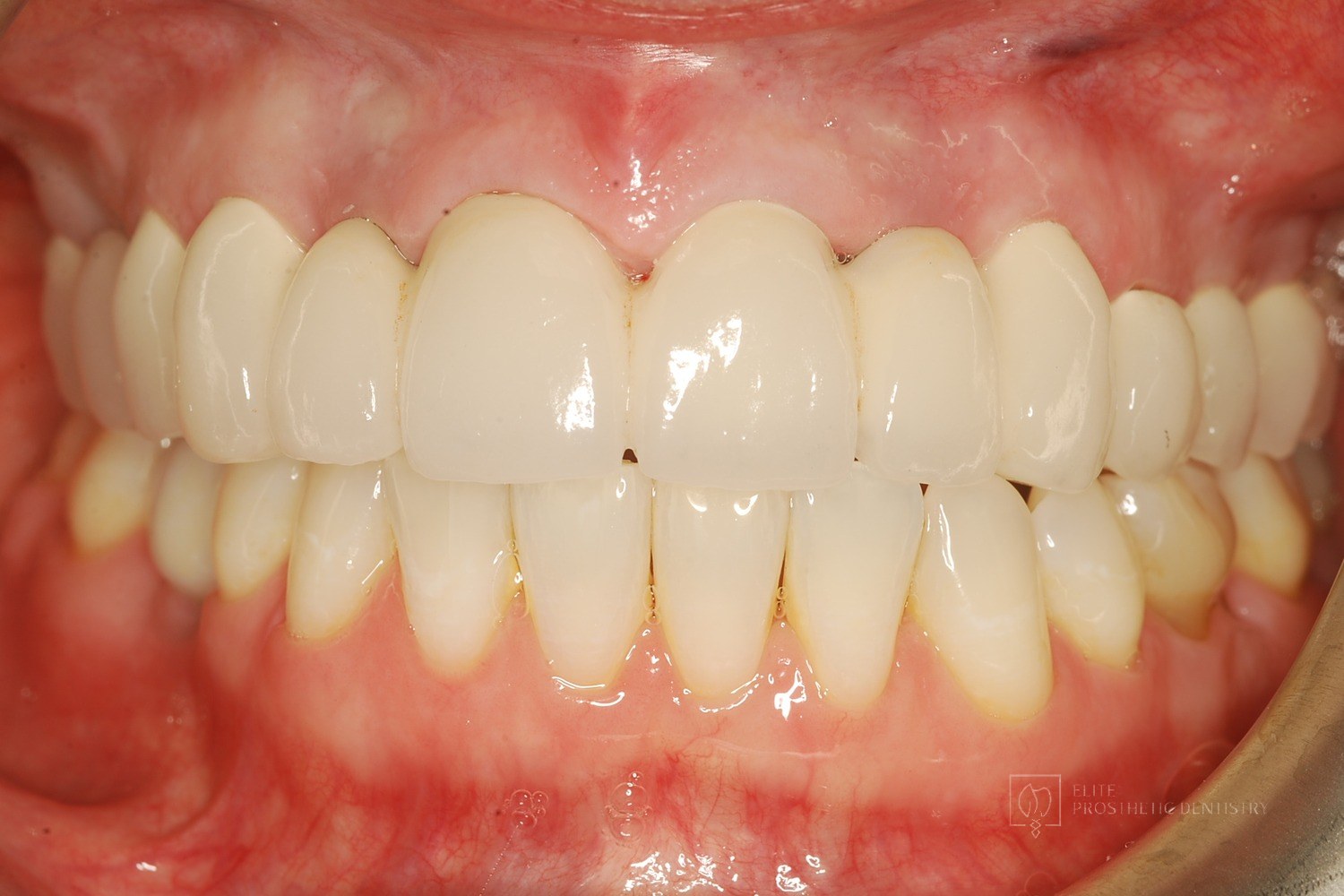 After
After How Older Implant Crowns Were Redesigned for a Better Bite and More Natural Appearance
The patient came in after years of living with implant-supported crowns placed more than twenty years earlier that no longer looked or functioned well. CBCT evaluation, reviewed with a radiologist colleague, showed the implants had been placed too far to the buccal in very thin bone and could not support a healthy long-term restoration.
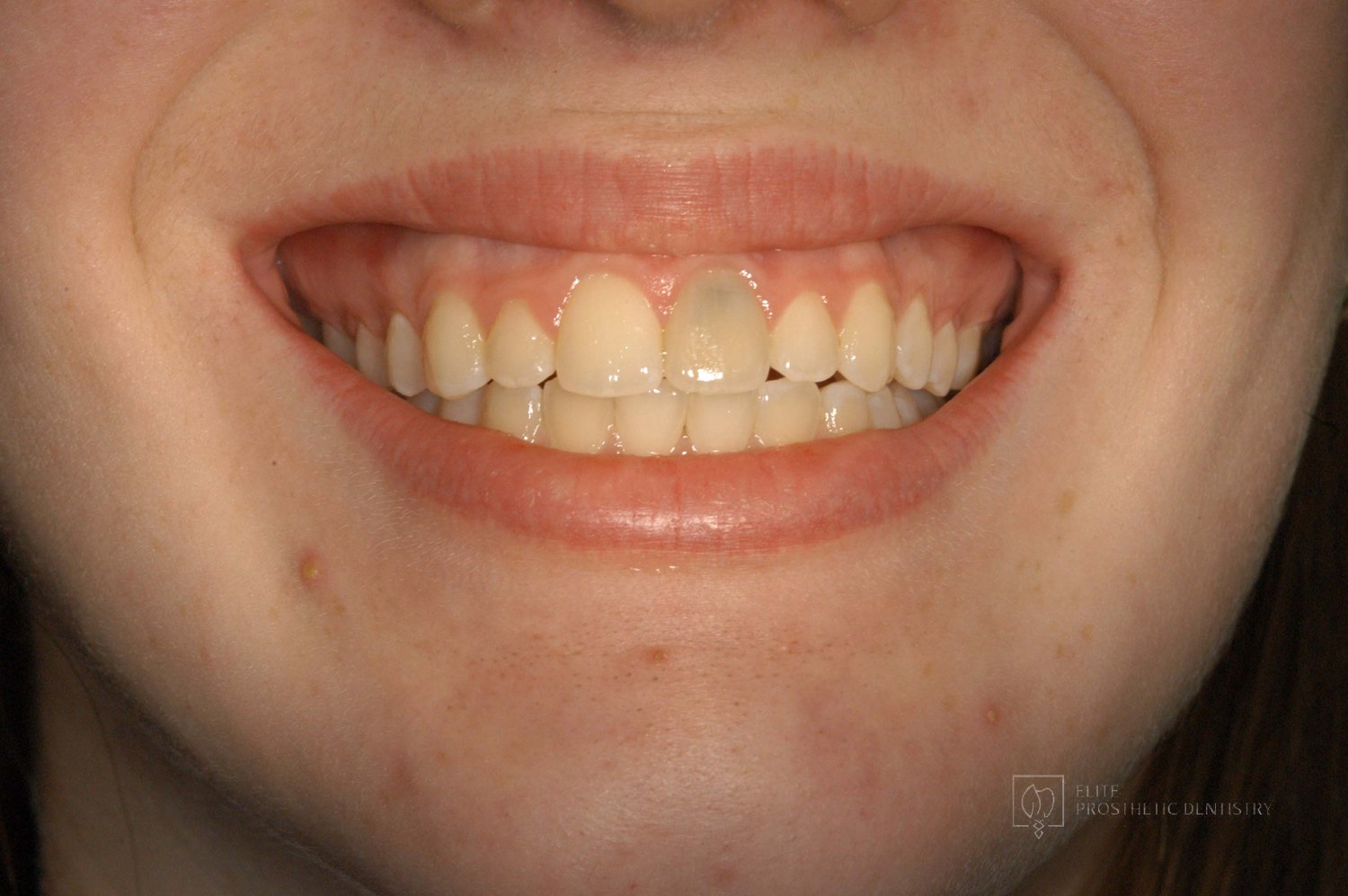 Before
 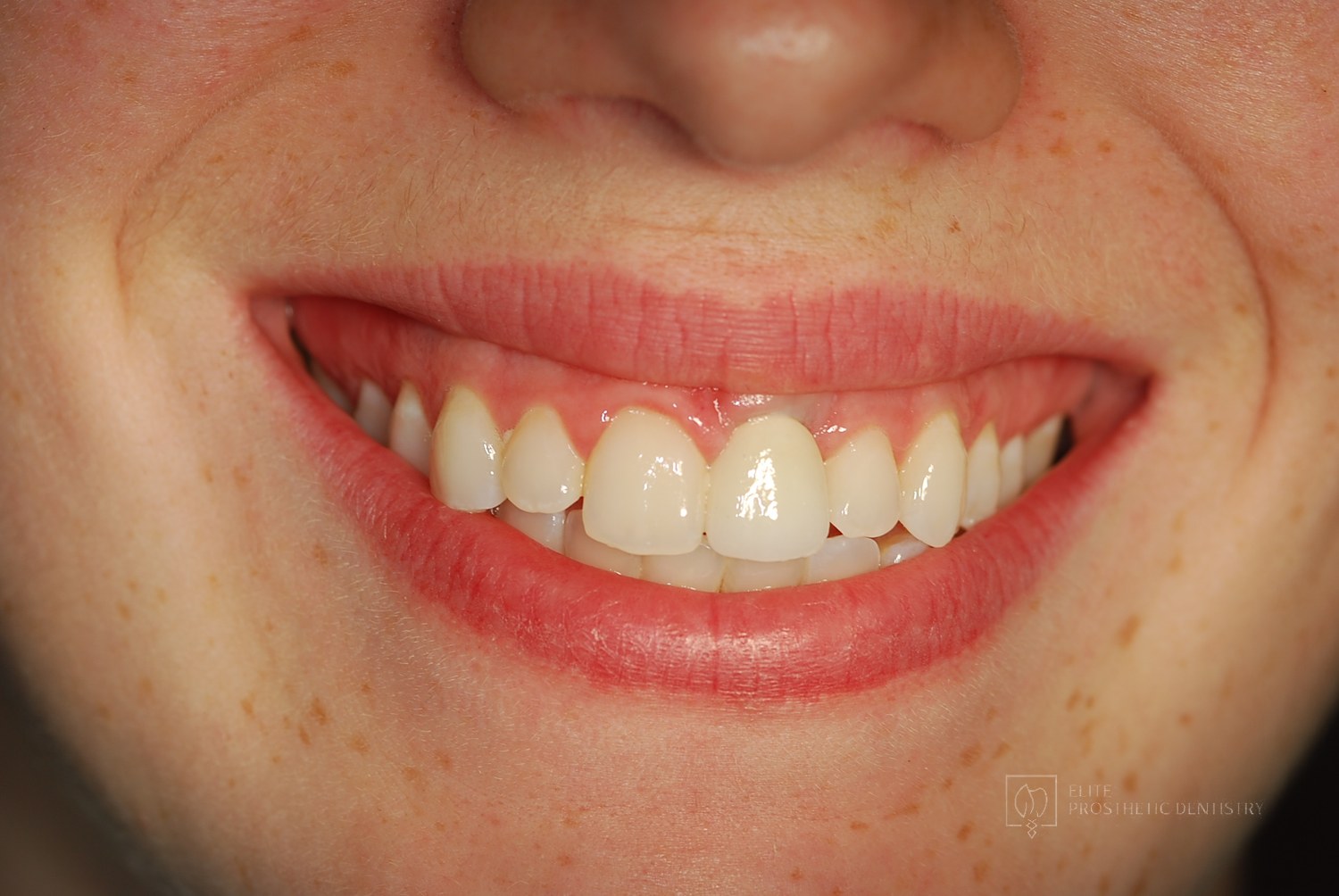 After
After How a Front Tooth Lost to Childhood Trauma Was Rebuilt with Bone Grafting and a Long-Lasting Implant
A teenager was referred by her father after earlier trauma left her upper left front tooth slowly failing from root resorption. She was still growing, so an immediate implant was the wrong move. The tooth had to be maintained to buy time, then replaced correctly once she reached skeletal maturity.
 Before
  After
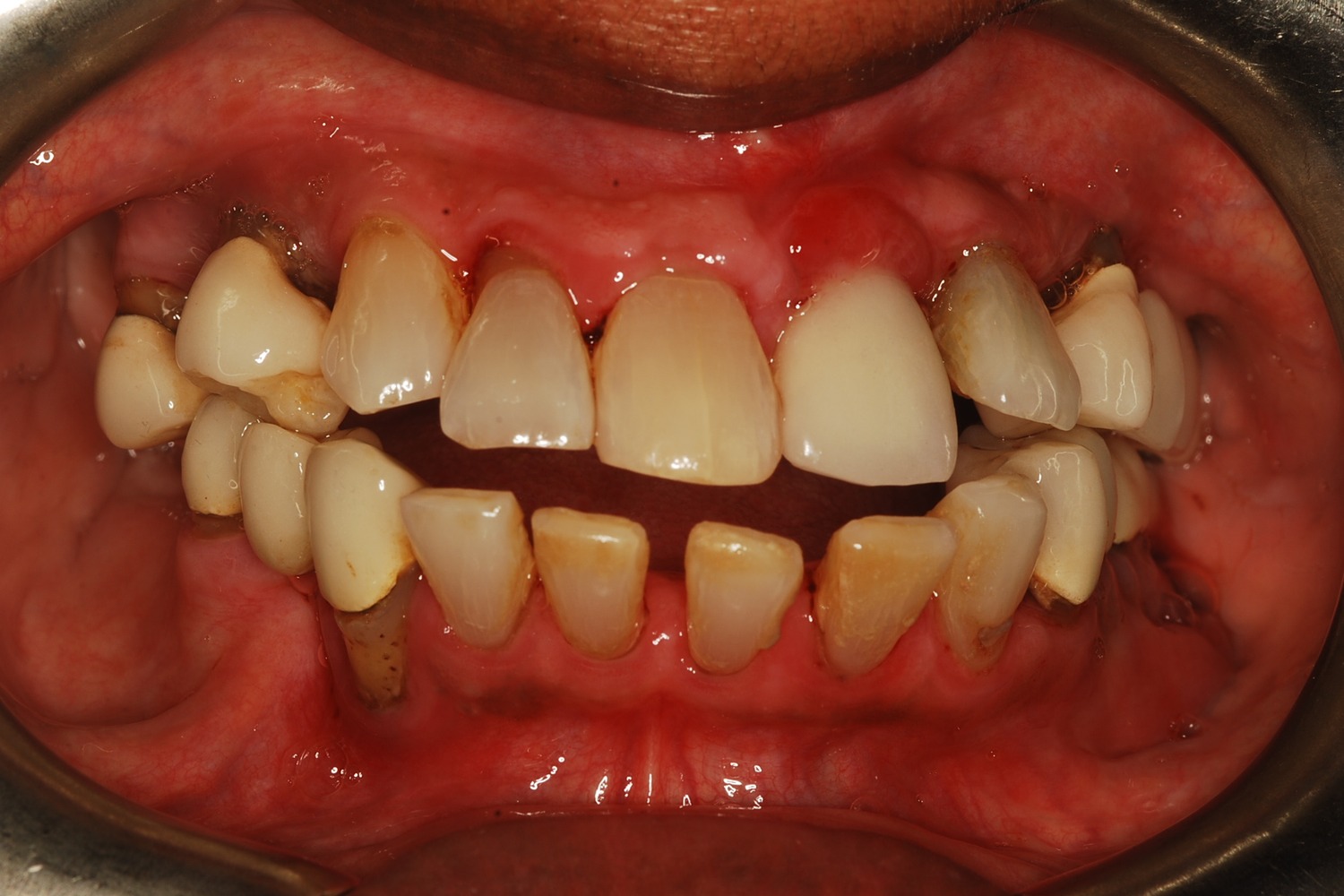
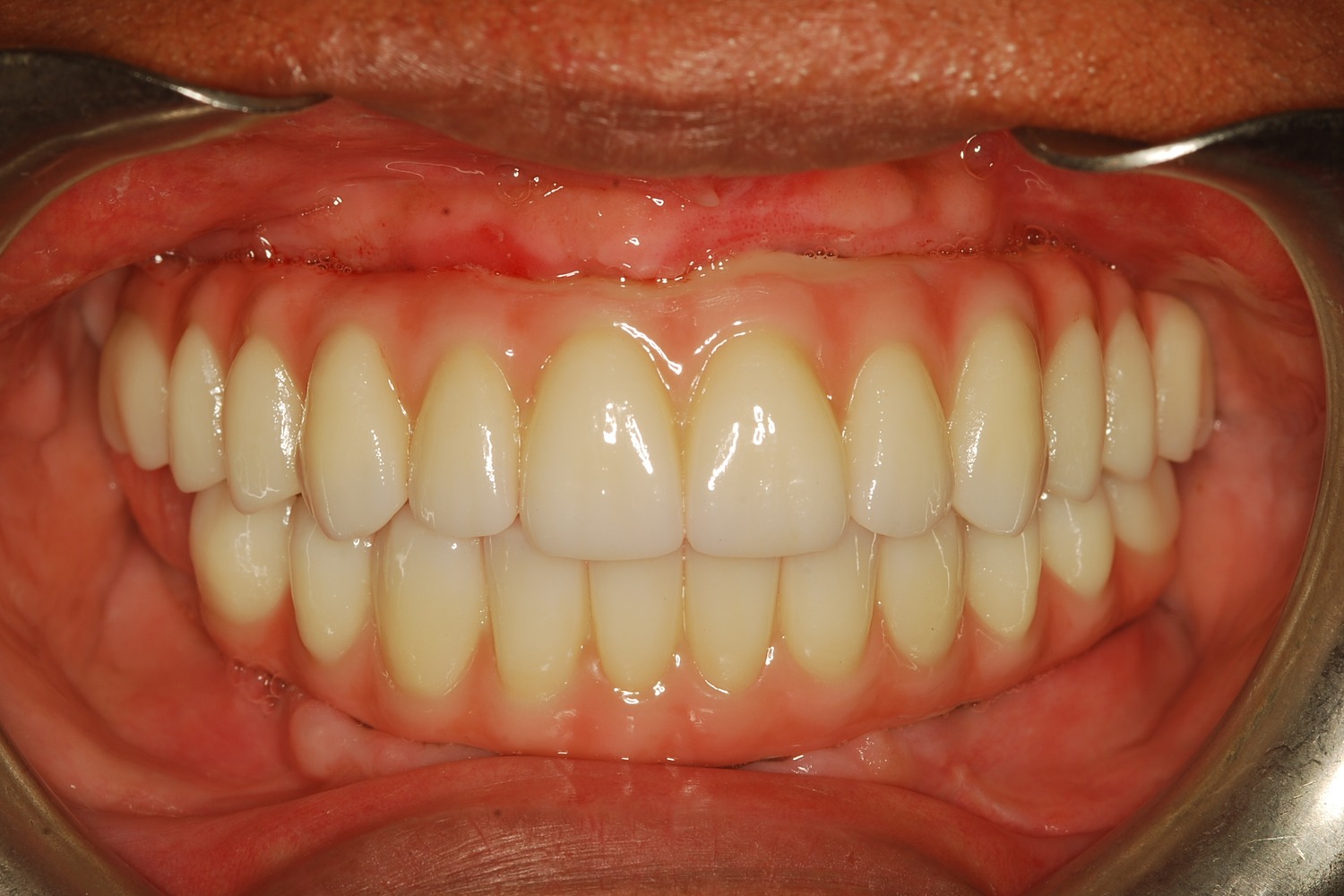
After How Severe Bone Loss and Bite Dysfunction Were Rebuilt with All-on-6 Implants and a Milled Zirconia Hybrid Prosthesis
The patient presented with severe bone loss, advanced periodontal disease, malocclusion, and a dysfunctional bite that required full-arch rebuilding.
Related Articles
Deepen your knowledge with additional insights on this topic.
 Dental Implants
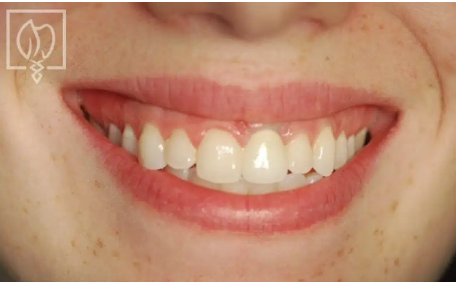
 If a Single Front Tooth Is Replaced with an Implant, Can It Look Natural?
Yes. See the four steps, with real case photos, that make a single front tooth implant indistinguishable from the natural tooth beside it. Washington, DC.
 Dental Implants
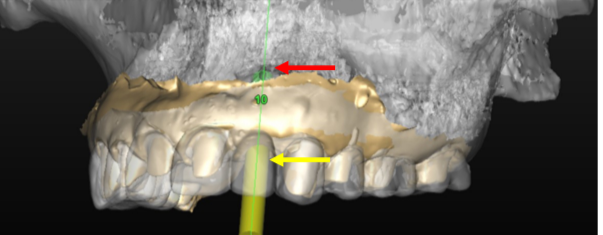
 What Is Precision Implant Placement (PIP)?
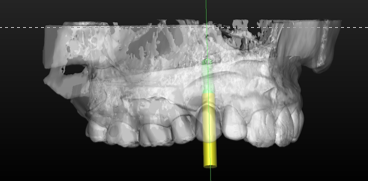
Precision Implant Placement plans each implant virtually on a CBCT scan, then delivers it with a custom surgical guide. See the three steps with real images.
 Dental Implants
 What Is the Ideal Surgical Guide for Precision Implant Placement?
Not all surgical guides are equal. The gold standard is CBCT-based: planned virtually in 3D, 3D printed, and seated on your teeth. A DC prosthodontist explains.