
Dental Implants in 3 Minutes? Why Speed Is the Wrong Selling Point
Some years ago we came across an advertisement in a local newspaper. “Fix your mouth in three minutes? No problem!” it promised. An implant procedure, performed in three minutes, offered as a selling point.
We have kept this article alive ever since, because the marketing never went away. It only got more sophisticated. Speed, convenience, and same-day-everything remain the loudest pitches in implant dentistry, so it is worth explaining plainly why speed is the last qualification that should sell you on a surgeon.
What the Stopwatch Hides
Here is the sleight of hand: the final insertion of an implant into a fully prepared site does take only minutes. Marketing that number is like a builder advertising how quickly he can set a post in wet concrete, while saying nothing about the survey, the footing, or whether the post is plumb.
An implant needs to be precisely placed, because its position and angulation dictate the aesthetics and function of the crown or restoration built on it, permanently. Drilling location should be verified against imaging before insertion to assure the best position relative to roots, nerves, and the future tooth. And the site itself should be prepared slowly, not quickly: deliberate, gradual preparation protects the bone cells the implant depends on for osseointegration. In implant surgery, slow is not hesitation. Slow is technique.
Minutes Versus Decades
The arithmetic of the trade never favors speed. Suppose racing saves twenty minutes of surgery. The restoration on that implant is meant to serve for twenty or thirty years. A position error of a millimeter, made in haste, becomes a crown that emerges from the gum at the wrong angle, a bite that loads incorrectly, or tissue that never looks right, compromises you live with daily while the saved minutes evaporate from memory.
This is why our practice plans every implant case, from a single implant through full-mouth reconstruction, on a CBCT scan; places implants with Precision Implant Placement, using surgical guides generated from the scan where bone anatomy, esthetic demands, or proximity to nerves and sinuses call for them; and treats surgical tempo as a quality control, not a marketing metric. It is also why deliberate staged approaches exist for cases where doing everything at once would trade away the result.
Fast Calendars, Never Fast Thinking
To be clear, legitimate same-day treatment exists. Teeth can be extracted and replaced with implants in one appointment when the diagnostics support it, and the results are dramatic. But notice where the speed lives: in the calendar, not in the diagnostics. The CT scan, the bite records, the planning, and, where indicated, the guide all still happen. Rushed treatment is different. It compresses the thinking itself, and the thinking is the treatment.
Choose on Precision, Not Pace
When you evaluate any implant provider, including us, ask questions the stopwatch cannot answer. How is placement planned, and from what imaging? When is a CT-generated surgical guide used? Who designs the restoration, and where is it fabricated? How many implants has the clinician placed and restored, and how many has he been asked to fix?
Dr. Gerald Marlin has placed more than 3,900 dental implants over a career of more than 40 years, with the abutments and crowns fabricated in our own in-house laboratory. None of it is done in three minutes, and that is precisely the point. Call 202-244-2101 or request a consultation at Elite Prosthetic Dentistry in Friendship Heights, Washington, DC.
See How We Resolve These Problems
Our patient success stories show real cases and real results. Browse outcomes from a specialist prosthodontist with decades of experience and 3,900+ implants placed.
Key Takeaways
- ✓ Speed-based implant marketing misunderstands the assignment. An implant is permanent anatomy, and its position dictates the aesthetics and function of everything built on it.
- ✓ Implant sites should be prepared slowly and deliberately, with positioning verified by imaging, not raced against a stopwatch.
- ✓ The minutes saved in surgery are meaningless next to the decades the restoration must serve.
- ✓ Evaluate implant providers on planning discipline, placement precision, and restorative quality. Speed is the last qualification that matters.
Frequently Asked Questions
Can a dental implant really be placed in three minutes?
The mechanical act of inserting an implant into a fully prepared site takes little time, which is what makes the claim technically slippery. But responsible placement includes imaging review, precise site preparation done deliberately, verification of position and angulation, and control of the surrounding tissue. Marketing the stopwatch number misrepresents what quality placement involves.
Why does slow, deliberate implant placement matter?
Two reasons. Biologically, preparing the site gradually protects the bone cells the implant depends on for integration. Prosthetically, position and angulation dictate the crown that will sit on the implant for decades. Millimeter errors made quickly become permanent aesthetic and functional compromises.
Is same-day implant treatment the same as rushed treatment?
No, and the distinction matters. Legitimate same-day protocols compress the calendar, not the diagnostics: they still require CT planning and careful case selection beforehand, with surgical guides where indicated. Rushed treatment skips the thinking. The calendar can flex; the analysis cannot.
What should I evaluate instead of speed?
Ask how placement is planned and from what imaging, whether a CT-generated surgical guide will be used, who designs and fabricates the restoration, and the clinician's track record. The answers predict your result far better than any promise about time.
Related Patient Success Stories
Explore similar patient success stories demonstrating our expertise in advanced prosthetic dentistry.
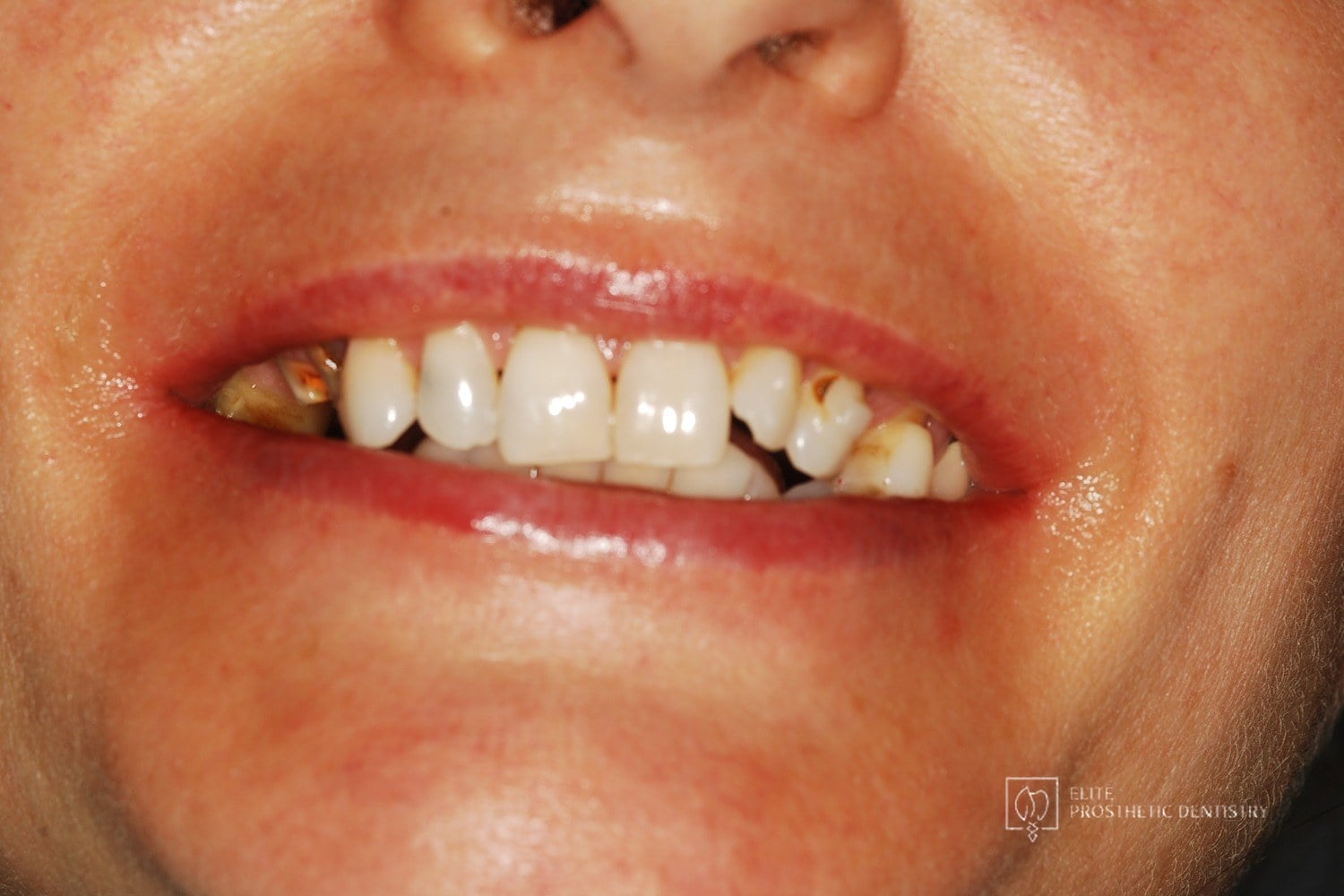 Before
 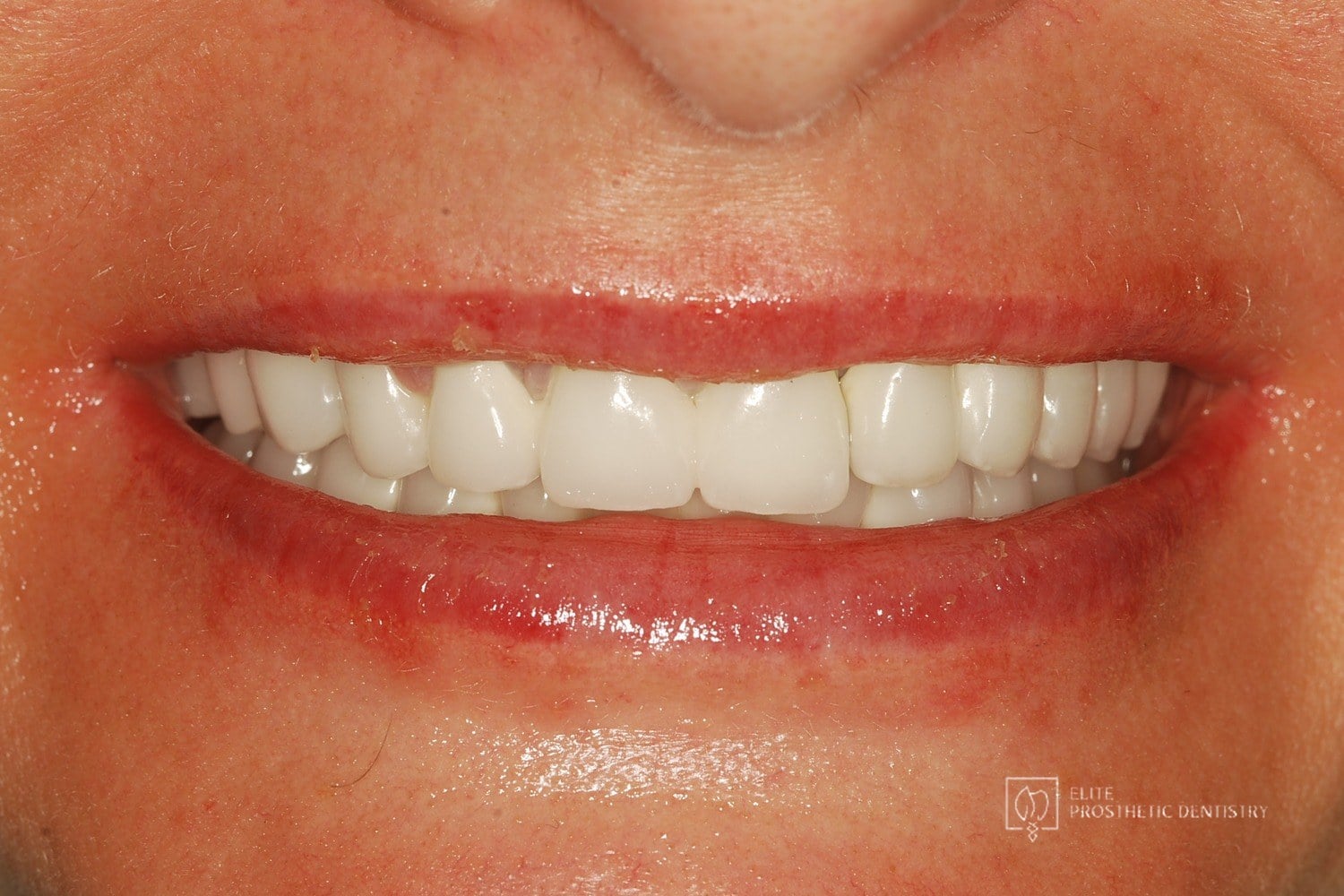 After
After How Aging, Failing Dentistry Was Replaced with a Coordinated Full-Mouth Implant and Crown Reconstruction
The patient presented with throbbing upper-molar pain, long-standing infections, multiple root canals and unfinished prior treatment, generalized sensitivity, and several hopeless teeth.
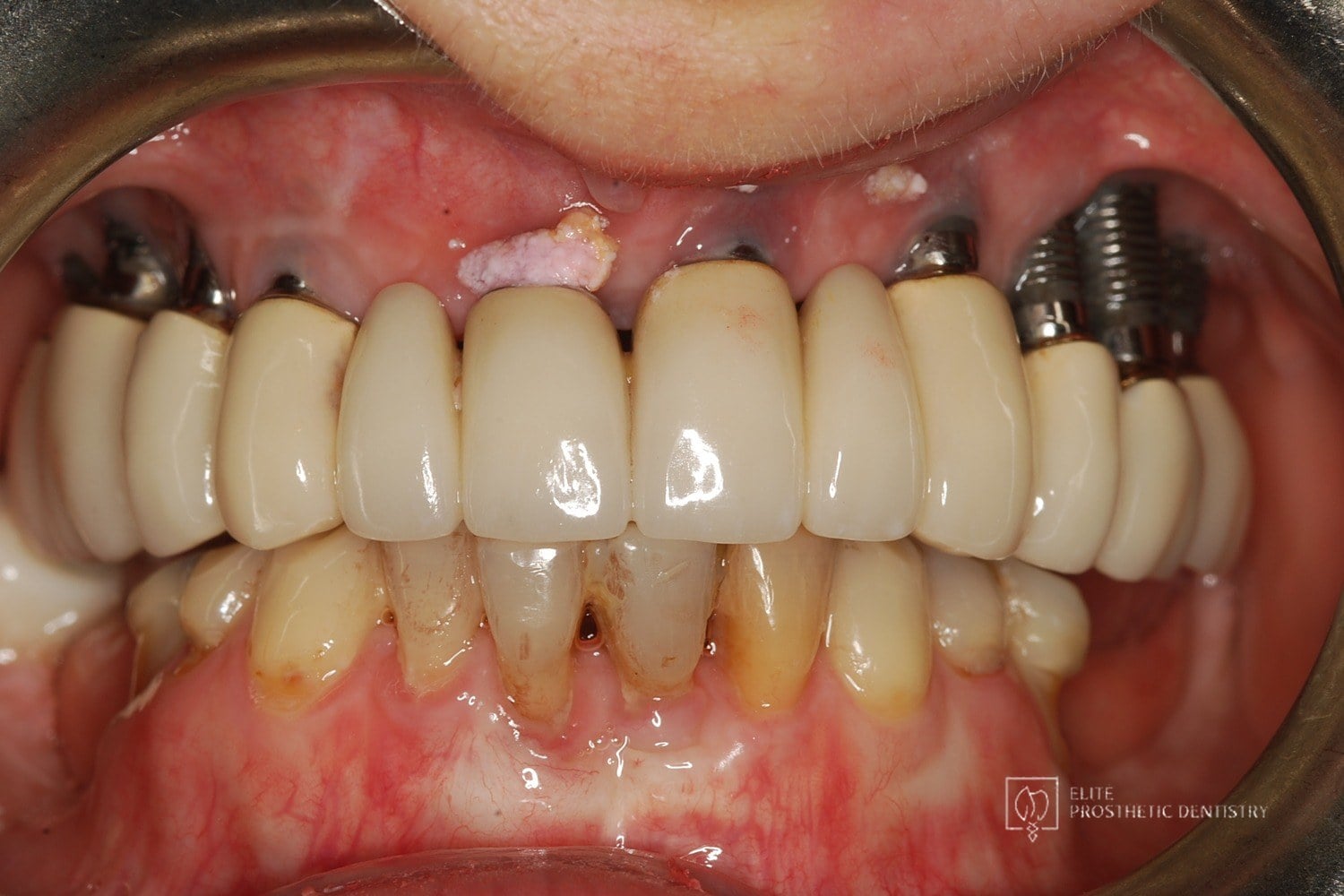 Before
 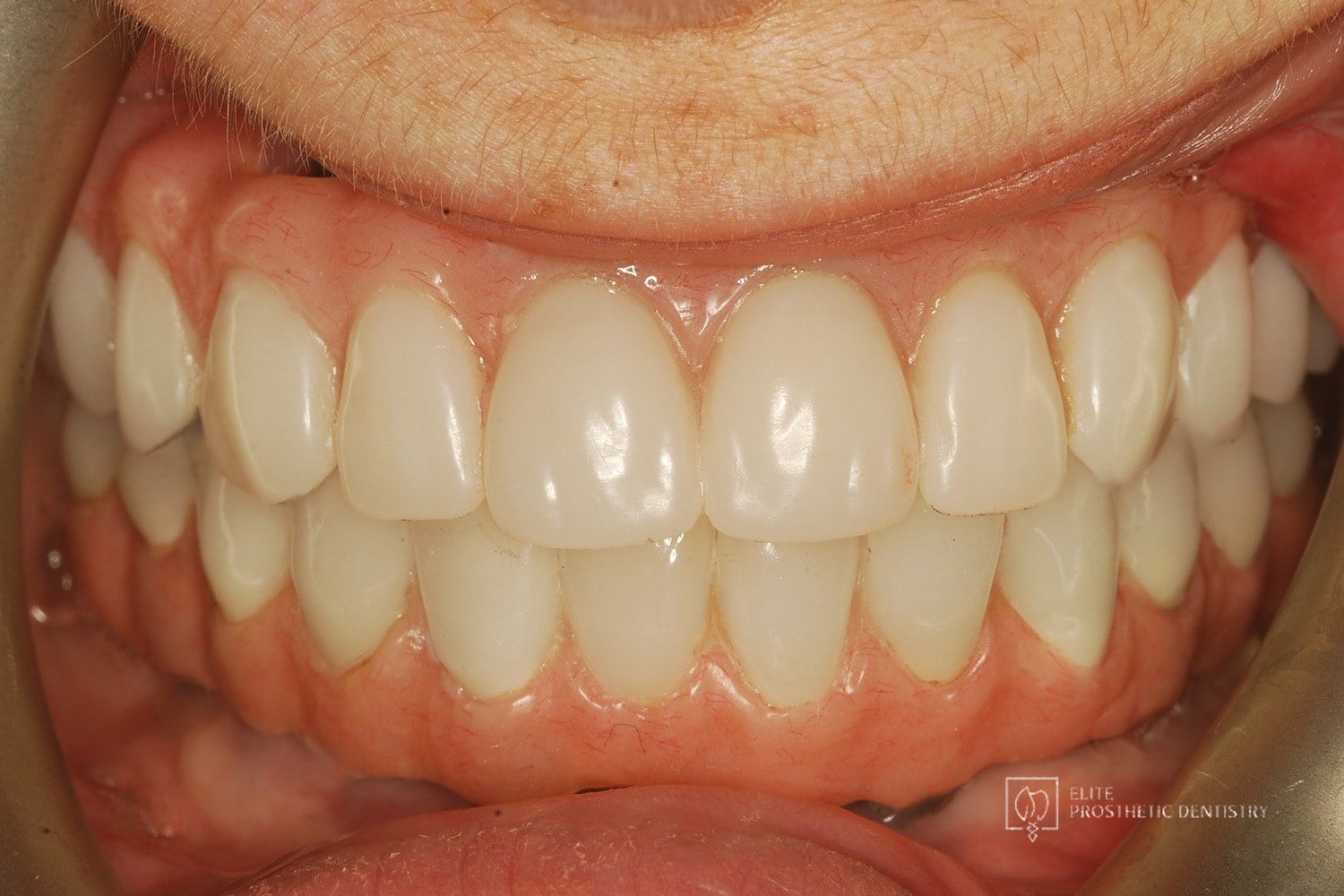 After
After How Failing Implants and Severe Bone Loss Were Rebuilt Into a Stable Full-Arch Implant Reconstruction
The patient presented with significant complications from previously placed implants, severe bone loss, failing posterior implants, and an unesthetic full-arch bridge. Both arches required full reconstruction, with the upper arch showing the most advanced bone loss and instability.
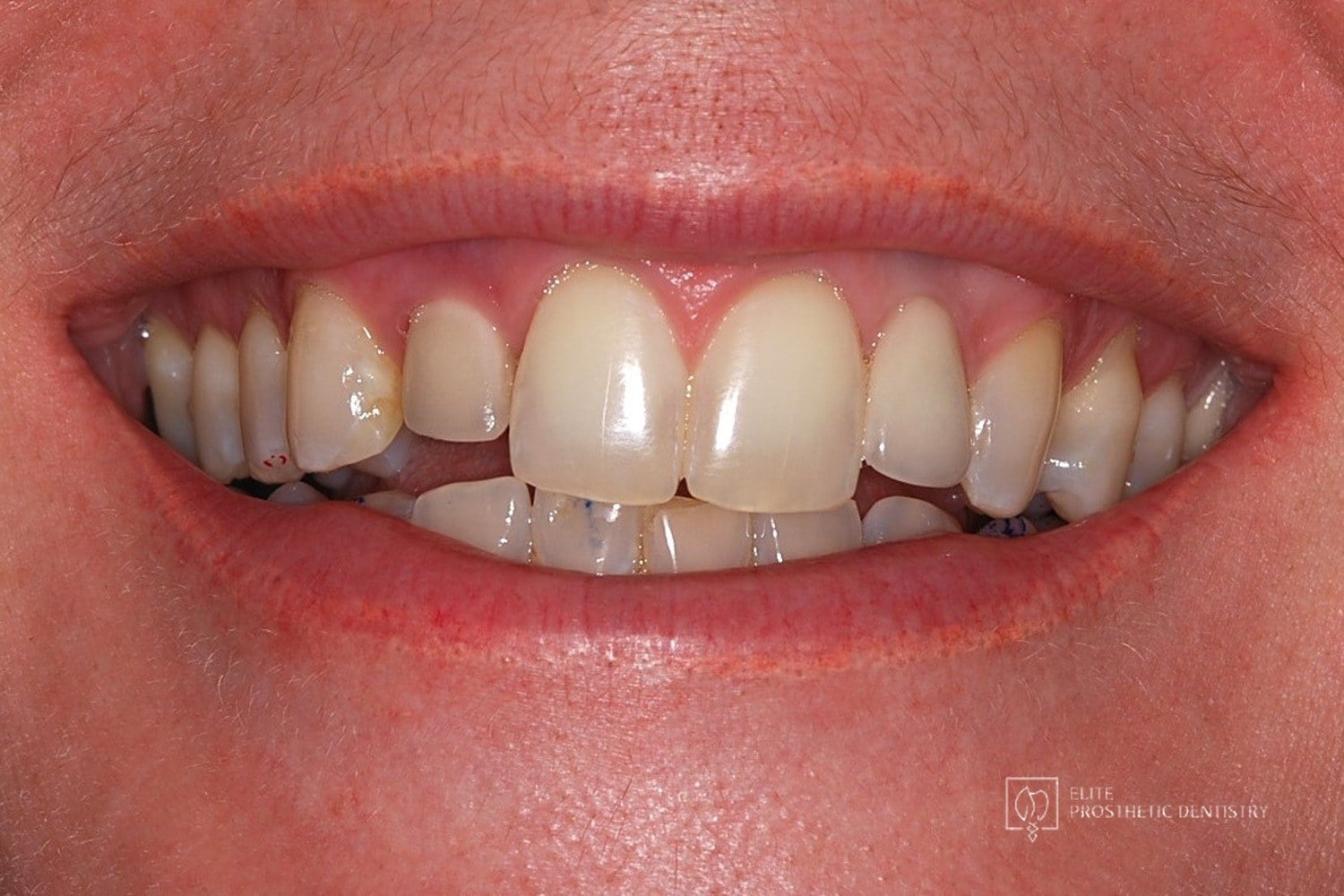 Before
 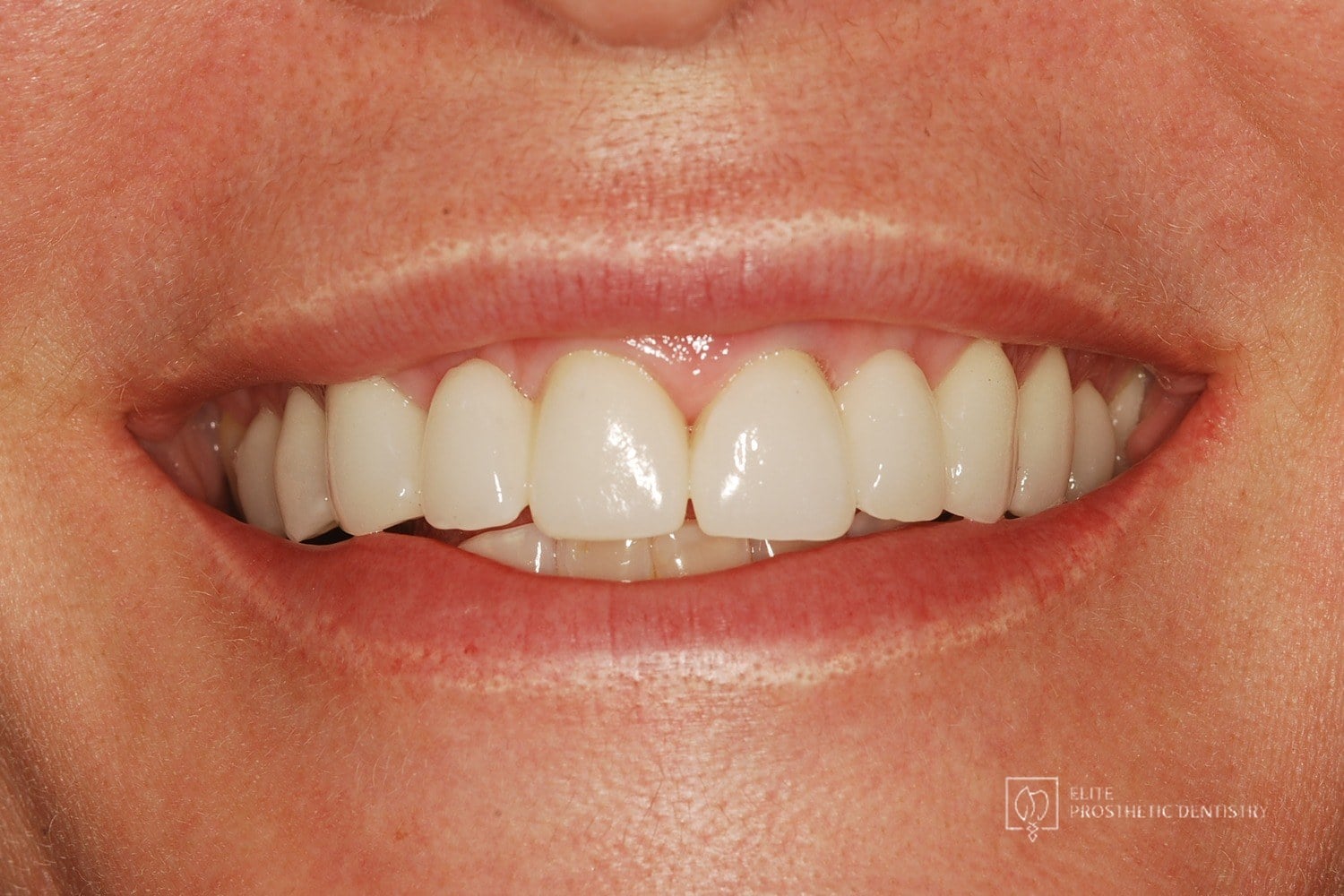 After
After How Failing Lateral Incisor Implants Were Replaced with Custom Zirconia Bridges After Severe Bone Loss Made Replacement Implants Impossible
Comprehensive examination including CBCT imaging revealed significant bone loss surrounding implants that were placed outside the buccal plate, most likely due to placement without a CBCT-generated surgical guide. The implants were determined non-salvageable, and the alveolar ridge was too narrow to support replacement implants without extensive reconstruction.
Related Articles
Deepen your knowledge with additional insights on this topic.
 Dental Implants
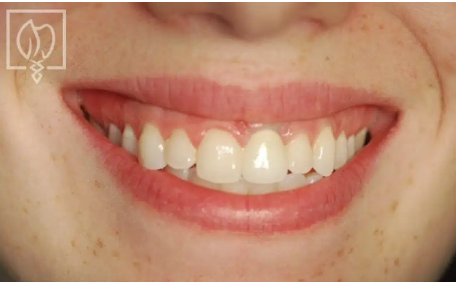
 If a Single Front Tooth Is Replaced with an Implant, Can It Look Natural?
Yes. See the four steps, with real case photos, that make a single front tooth implant indistinguishable from the natural tooth beside it. Washington, DC.
 Dental Implants
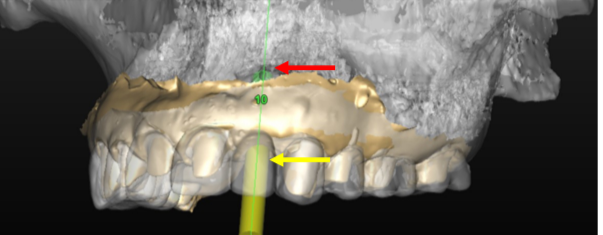
 What Is Precision Implant Placement (PIP)?
Precision Implant Placement plans each implant virtually on a CBCT scan, then delivers it with a custom surgical guide. See the three steps with real images.
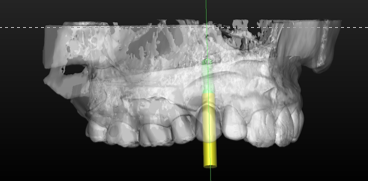 Dental Implants
 What Is the Ideal Surgical Guide for Precision Implant Placement?
Not all surgical guides are equal. The gold standard is CBCT-based: planned virtually in 3D, 3D printed, and seated on your teeth. A DC prosthodontist explains.