
Full-Mouth Crown Rehabilitation in Bethesda: When Multiple Teeth Need Restoration
Full-mouth crown rehabilitation in Bethesda. Dr. Marlin evaluates when multiple crowns are indicated for comprehensive smile restoration.
Comprehensive Crown Rehabilitation: Evaluating When Multiple Teeth Require Restoration
Some Bethesda patients present with multiple teeth requiring crown therapy, where isolated single-tooth solutions prove inadequate. Instead, comprehensive full-mouth crown rehabilitation restores function, appearance, and health to their entire dentition. This sophisticated clinical undertaking demands extensive treatment planning, coordinated execution, and prosthodontic expertise distinguishing it from single-tooth crown placement.
Full-mouth crown cases arise when patients have experienced years of dental wear, extensive prior damage, or failed treatments from other providers. Understanding when comprehensive rehabilitation becomes indicated, versus when selective single-tooth crowns suffice, separates effective treatment planning from unnecessary overtreatment.
Clinical Indications for Full-Mouth Rehabilitation
Extensive Wear and Attrition
Patients who have worn down their teeth through years of grinding, clenching, or abrasive function sometimes present with generalized wear affecting all teeth. The cusps of back teeth become flattened. Front teeth become shortened. The vertical dimension of the patient’s bite collapses, creating facial appearance changes and functional impairment.
In these situations, selective crowning of individual teeth proves inadequate because the fundamental bite relationships have deteriorated. Comprehensive restoration requires rebuilding all teeth to restore proper vertical dimension, recreate proper intercuspation (how teeth fit together), and restore functional relationships across the entire dentition.
Multiple Failed Restorations
Patients with multiple failed crowns or extensive previous dentistry from other providers sometimes require comprehensive replacement. If isolated teeth have old, failing crowns and adjacent teeth are also compromised, replacement of only the worst tooth leaves neighboring restorations in an undermined position.
Comprehensive rehabilitation evaluates all affected teeth and plans coordinated restoration ensuring all crowns relate harmoniously to each other. This unified approach prevents the piecemeal problems of replacing one crown while leaving others failing.
Advanced Periodontal Disease With Resulting Tooth Mobility
Severe periodontal disease sometimes causes multiple teeth to become mobile. Strategic splinting through comprehensive crowning can stabilize mobile teeth, reducing functional movement and pain. The crowns are connected or positioned to coordinate force distribution across the restored arch.
This complex clinical situation requires careful bite force analysis and meticulous attention to splinting principles ensuring that comprehensive crown placement actually improves tooth stability.
Bite Collapse and Vertical Dimension Loss
Some patients have lost significant vertical dimension, where the space between their upper and lower jaws has compressed. This collapse occurs through years of wear and material loss, creating facial appearance changes (more prominent wrinkles, shortened face) and functional changes (altered chewing patterns, jaw pain).
Comprehensive crown restoration can rebuild vertical dimension, restoring the patient’s original facial proportions and jaw relationships. This sophisticated undertaking requires careful evaluation, graduated adjustment, and meticulous execution ensuring the new vertical dimension feels natural and functions optimally.
TMJ Dysfunction and Joint-Related Tooth Wear
Some patients develop TMJ (temporomandibular joint) dysfunction that results in abnormal tooth wear patterns. Comprehensive crown restoration alone may be inadequate; the underlying joint dysfunction must be addressed. However, strategic crown placement can optimize jaw relationships, reducing abnormal forces and improving joint function.
In these cases, coordination with TMJ specialists may enhance outcomes. Comprehensive crown rehabilitation integrates with overall TMJ treatment to restore both joint health and dental function.
Esthetic Rehabilitation and Comprehensive Smile Design
Some patients seek comprehensive smile improvement beyond simply restoring damaged teeth. They combine smile design principles with crown treatment, using restoration as an opportunity to enhance esthetics, proportion, and overall facial harmony.
These cases require sophisticated planning integrating tooth shape, size, shade, spacing, and position with overall facial features. Comprehensive crowns become the medium through which smile design principles are realized.
The Planning and Treatment Process for Full-Mouth Rehabilitation
Comprehensive Diagnostics and Imaging
Full-mouth rehabilitation begins with extensive diagnostic imaging. Digital photography documents your current smile from multiple angles. Intraoral photographs show details of existing teeth and restorations. Radiographic imaging assesses bone levels, confirms tooth vitality, and detects decay or pathology.
Advanced three-dimensional imaging, utilizing cone beam computed tomography (CBCT) when indicated, provides detailed evaluation of bone structure, jaw relationships, and relevant anatomy.
Bite Analysis and Jaw Relationship Assessment
Sophisticated evaluation of your bite relationships, jaw position, and joint function precedes treatment planning. Dr. Marlin assesses how your upper and lower jaws relate to each other in multiple positions. He evaluates the path of closure from your starting position to final contact.
TMJ function is evaluated, assessing for any signs of joint inflammation, clicking, or dysfunction. Muscle tension and jaw pain are assessed. This comprehensive evaluation guides decisions about how new crowns should be positioned to optimize jaw relationships.
Vertical Dimension Evaluation and Adjustment
If bite collapse has occurred, Dr. Marlin determines the appropriate vertical dimension for your restoration. This decision involves assessing your facial proportions, evaluating comfort at various vertical dimensions, and considering your functional needs.
The vertical dimension decision is critical. Too much increase can create an unnatural appearance and occlusal discomfort. Too little increase fails to adequately restore your appearance. Dr. Marlin’s expertise guides this critical decision.
Smile Design and Esthetic Planning
For esthetic rehabilitation, detailed smile design planning occurs before any teeth are prepared. Digital smile design mockups allow you to preview potential results. Your input shapes the design, ensuring the final result aligns with your aesthetic goals.
Tooth position, shape, size, shade, and spacing are all considered. How your teeth frame your face, how they integrate with your lip position, and how they relate to your facial features all receive careful attention.
Sequential Treatment Planning
Comprehensive cases are often phased, with specific teeth treated sequentially rather than all prepared simultaneously. This phased approach allows assessment of adaptation and adjustment between phases, improving overall outcomes.
Some cases proceed through diagnostic phases with provisional crowns, allowing you to experience the planned restorations before final fabrication. This trial period refines design details and ensures your final restorations meet your expectations.
Prosthodontic Principles in Comprehensive Rehabilitation
Coordinated Bite Relationships
All crowns in a comprehensive case must contact opposing teeth in carefully coordinated patterns. The bite must be balanced across all teeth, with no individual crown creating excessive force or pressure.
Dr. Marlin uses sophisticated techniques to establish these relationships, including articulating paper marking, dynamic bite assessment, and careful occlusal refinement. This coordination prevents the discomfort and eventual failure that can result from bite imbalances.
Material Selection for Consistency
For comprehensive cases, material selection often combines modern high-translucency multilayered zirconia for front teeth and visible aesthetic positions with lithium disilicate (e.max) for back teeth, bruxism cases, and high-stress positions. This matched approach ensures each tooth receives the material best suited to its specific position and clinical demands.
This unified material approach simplifies fabrication and ensures all restorations perform similarly, preventing the complications that can arise when different materials in the same mouth experience different wear patterns.
In-House Laboratory Coordination
Elite Prosthetic Dentistry’s on-site laboratory enables sophisticated coordination for comprehensive cases. Our ceramist fabricates all crowns under Dr. Marlin’s direct supervision, ensuring consistency across all restorations.
The ceramist evaluates color matching across all crowns, ensuring subtle shade consistency. The ceramist verifies that anatomical features relate harmoniously across the arch. The ceramist ensures surface characterization and texture are consistent across all restorations.
This laboratory-practice coordination distinguishes comprehensive work from typical cases where external labs produce individual crowns without overview of the complete arch.
Why Full-Mouth Rehabilitation Represents Superior Treatment
For patients requiring multiple crown restorations, comprehensive rehabilitation proves superior to treating teeth in isolation. The coordinated approach ensures all restorations function harmoniously. The unified esthetic treatment produces a cohesive smile rather than a patchwork of disparate restorations.
Comprehensive planning prevents future problems from isolated restorations failing because adjacent teeth were inadequately considered. The investment in sophisticated planning prevents complications and produces lasting results.
Timeline and Treatment Phases for Full-Mouth Cases
Full-mouth crown cases typically unfold across several phases. Initial comprehensive evaluation and treatment planning may span 1-2 weeks, with extensive imaging and bite analysis. Preparation appointments, where multiple teeth are prepared simultaneously or in coordinated phases, consume 2-4 additional appointments depending on the case scope.
Once teeth are prepared, temporary crowns protect them while permanent crowns are fabricated. This interim period typically spans 2-4 weeks while our laboratory meticulously crafts each permanent crown. Some cases benefit from provisional crown phases, where you experience your new smile before final fabrication occurs.
Final restoration placement, ideally completed in one appointment to verify all crowns integrate ideally, brings your treatment to completion. Some comprehensive cases may require staged completion, with specific teeth finalized before others.
The entire timeline from initial consultation through final crown placement typically spans 2-4 months, accounting for treatment planning, preparation, laboratory fabrication, and final restoration. This phased approach allows thorough evaluation and adjustment throughout treatment.
Material Selection for Full-Mouth Cases
Comprehensive cases often benefit from coordinated material selection matched to tooth position. Modern high-translucency multilayered zirconia delivers exceptional aesthetics across front teeth and visible areas, while lithium disilicate (e.max) handles back teeth, bruxism cases, and high-stress positions. This matched approach optimizes each restoration for its specific location and functional demands.
Mixed material approaches also work when clinical circumstances warrant. Dr. Marlin recommends specific material combinations based on your unique situation, balancing appearance, strength, and other factors specific to your comprehensive case.
Getting Here from Bethesda
Elite Prosthetic Dentistry is conveniently located just 5 minutes from central Bethesda. On-site parking is available in our building at 4400 Jenifer Street NW, Suite 220, Washington DC 20015.
Your Comprehensive Rehabilitation Awaits
Whether you require multiple crowns for functional restoration, esthetic enhancement, or both, Dr. Marlin’s prosthodontic expertise ensures comprehensive planning and superior execution. The coordination between clinical expertise and laboratory craftsmanship produces restorations functioning and looking beautifully for decades.
For related care, see our pages on full mouth reconstruction and Dental Implants in Bethesda.
Schedule your comprehensive evaluation with Dr. Marlin to discuss full-mouth restoration for your specific situation. Call (202) 244-2101 to begin your journey to comprehensive dental health.
Frequently Asked Questions
What conditions make full-mouth crowns necessary?
Full-mouth crowns become indicated when multiple teeth are compromised by wear, damage, failed restorations, or functional problems requiring comprehensive rehabilitation. Common indications include severe wear from grinding, extensive decay, failing prior work from other providers, bite collapse, or TMJ-related damage affecting tooth structure.
Is full-mouth crown therapy different from single-tooth crowns?
Yes. Comprehensive full-mouth cases require sophisticated planning ensuring all crowns relate harmoniously to each other. Bite relationships must be carefully established across all restored teeth. Esthetic considerations include ensuring color consistency across all crowns, proportional relationships, and facial harmony. Treatment planning and execution are substantially more complex than single-tooth cases.
How long does full-mouth crown treatment take?
Comprehensive crown cases typically require several months from initial evaluation through final restoration. This timeline allows adequate time for treatment planning, preliminary work, tooth preparation, temporary crown periods, and definitive restoration placement. Some cases may be phased, with specific teeth completed before others.
What happens if I have missing teeth in addition to damaged teeth?
Comprehensive rehabilitation may involve combining crowns for damaged existing teeth with implants for replacement of missing teeth. Dr. Marlin evaluates your complete dentition and recommends an integrated treatment plan restoring both remaining teeth and replacing missing teeth appropriately.
Can you guarantee my new crowns will function without problems?
Dr. Marlin cannot guarantee outcome, but exceptional technique and prosthodontic expertise maximize success probability. Proper bite relationships, superior materials, meticulous fabrication, and careful placement create conditions favoring long-term function. Patient compliance with care recommendations and maintenance protocols also significantly influences outcomes.
Related Patient Success Stories
Explore similar patient success stories demonstrating our expertise in advanced prosthetic dentistry.
 Before
  After
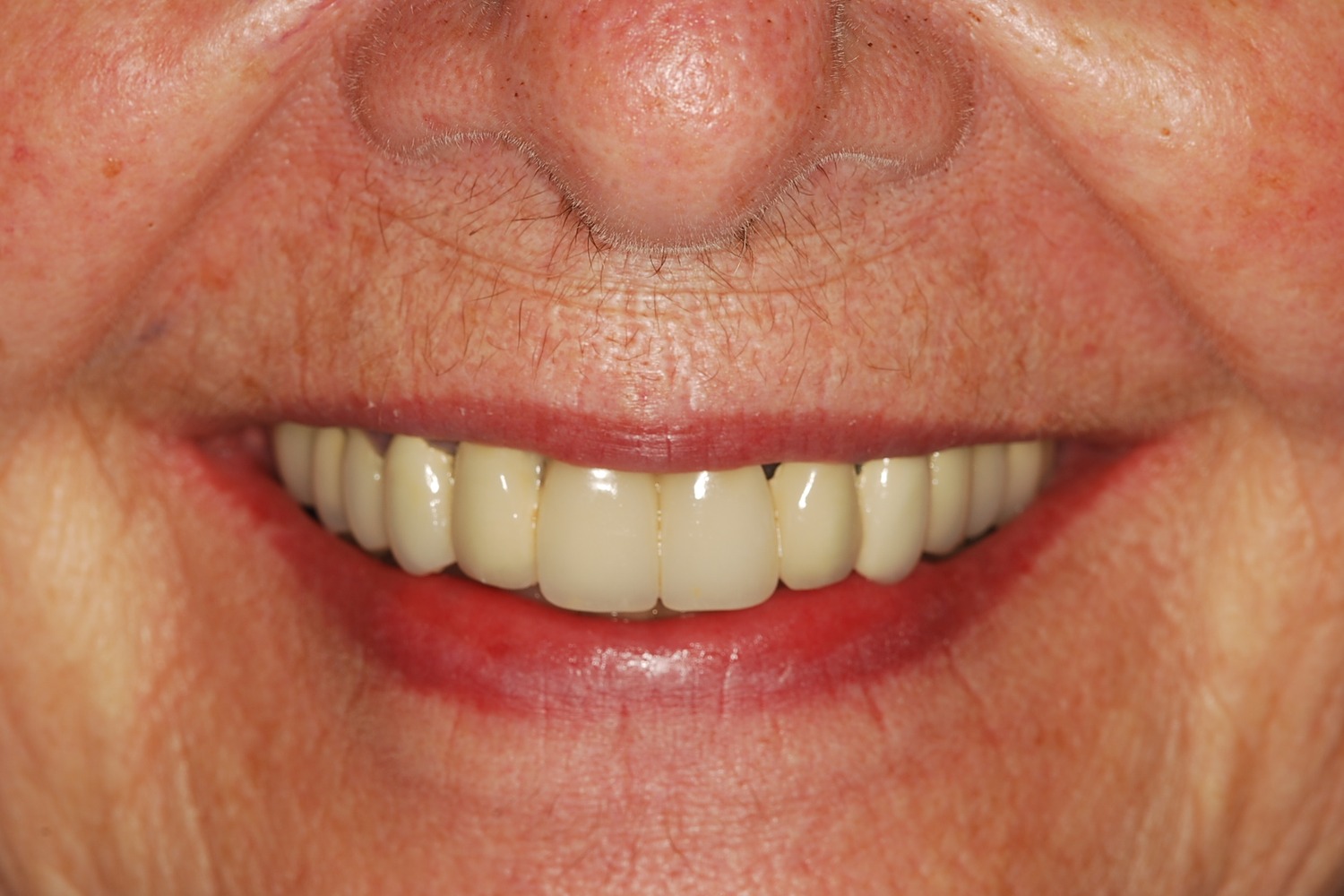
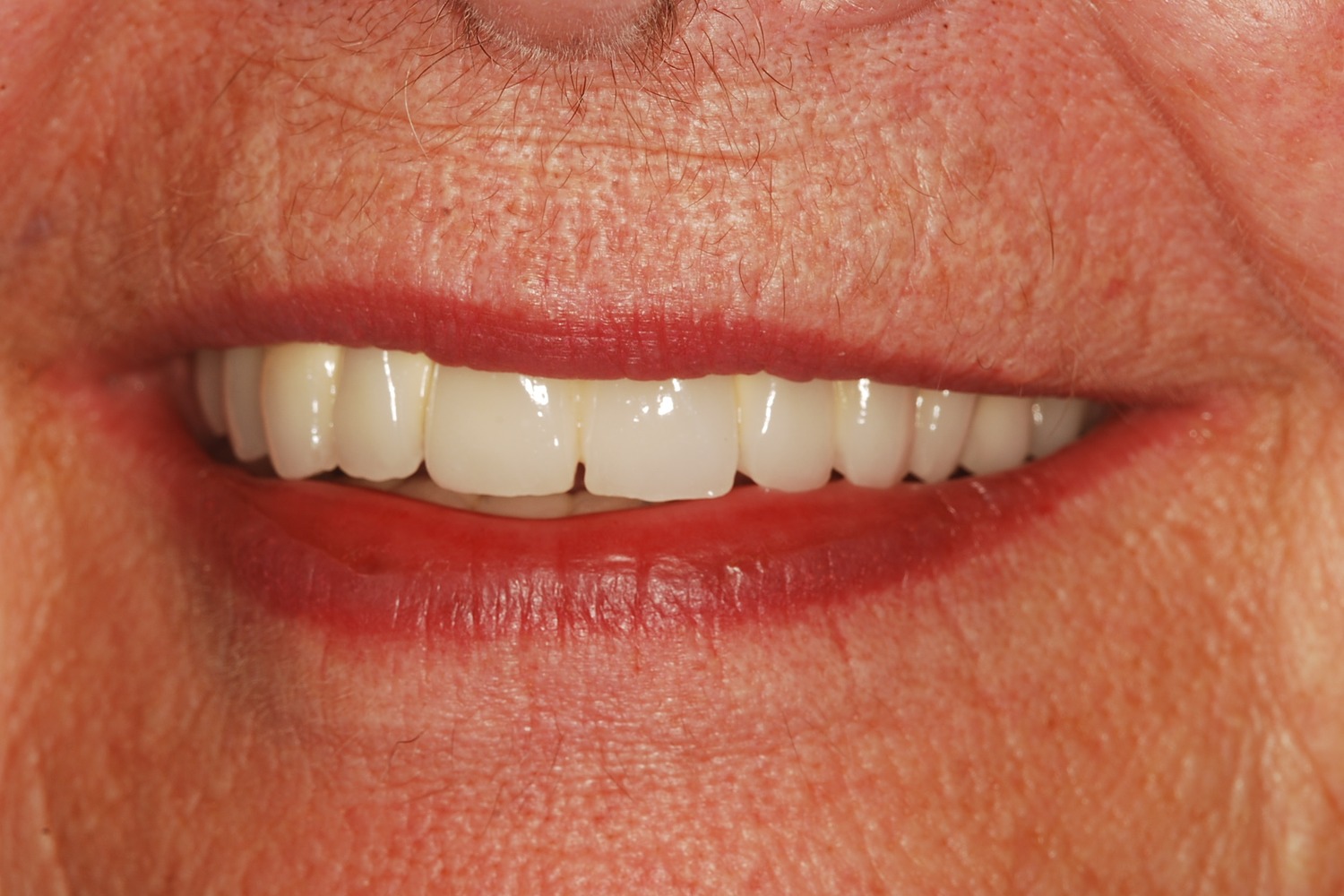
After How a Loose Upper Bridge and Aging Crowns Were Rebuilt with Staged Implant and Crown Reconstruction
The patient was referred by her general dentist after years of aging dentistry no longer holding up. A loose upper bridge and crowns over twenty years old combined with the effects of advanced periodo
 Before
  After
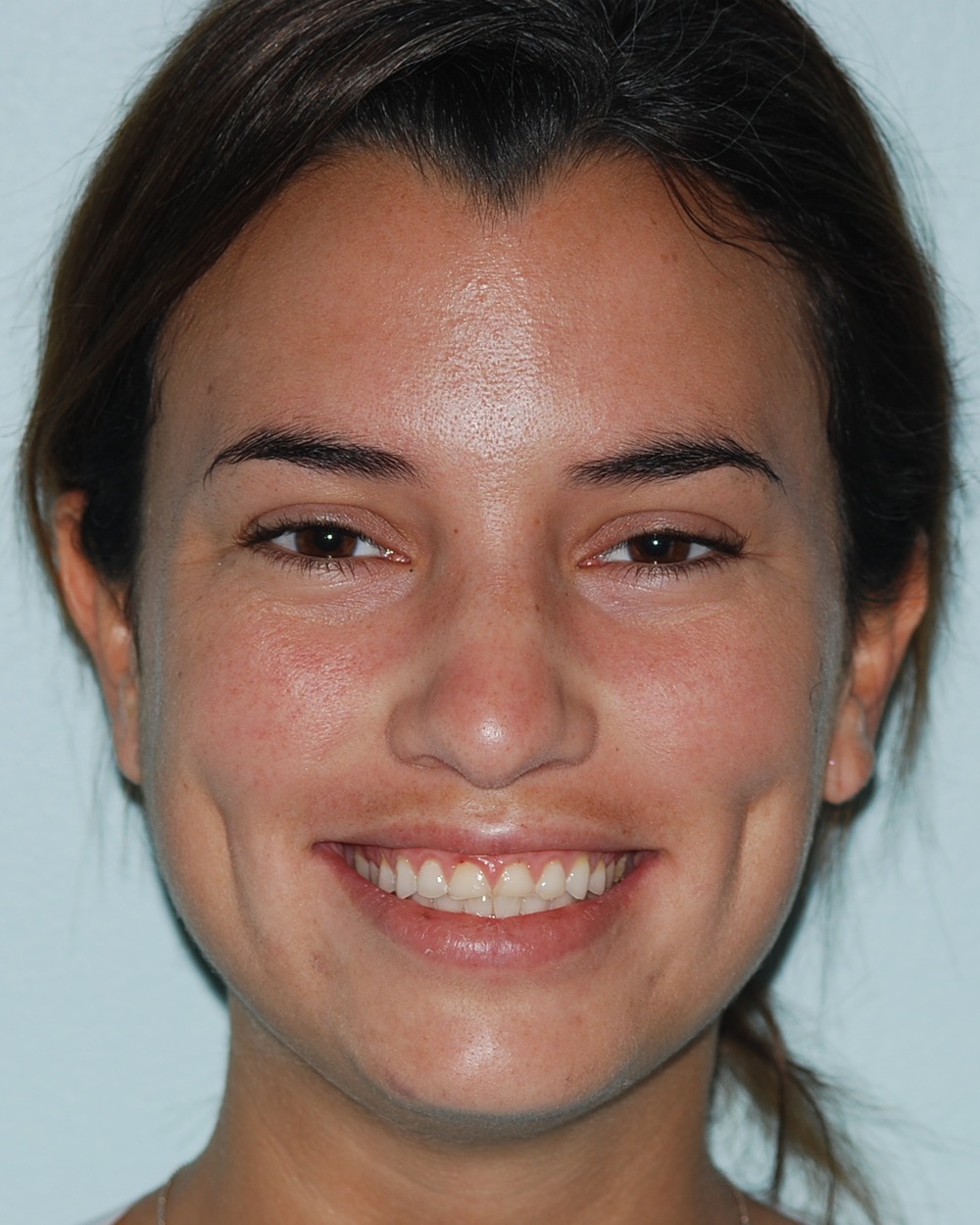
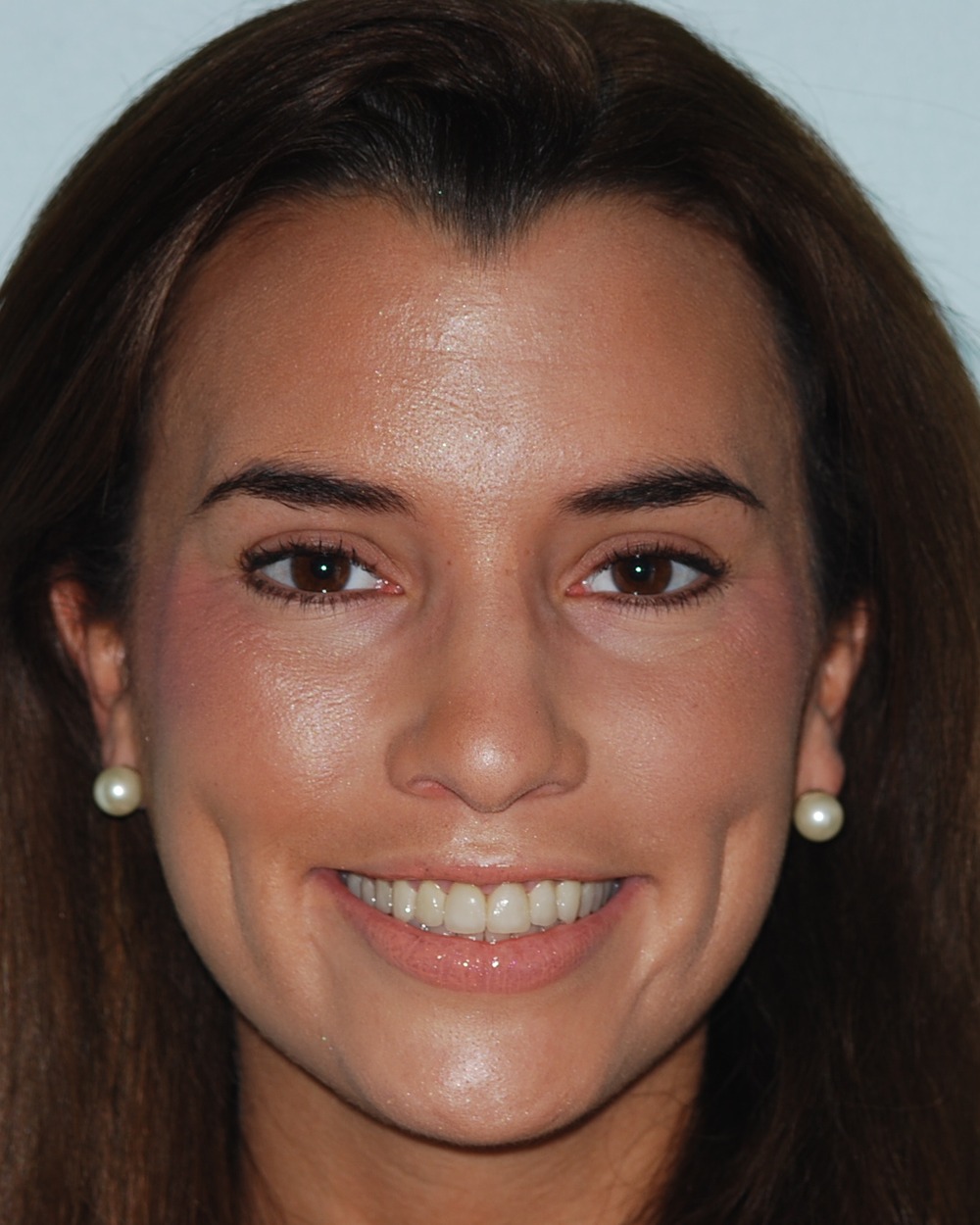
After How Severely Worn Upper Teeth Were Rebuilt Into a More Stable, Natural-Looking Result
The patient presented with severely worn upper teeth, significant enamel loss, uneven bite relationships, exposed margins, and posterior teeth requiring crown lengthening for proper restorative fit and function.
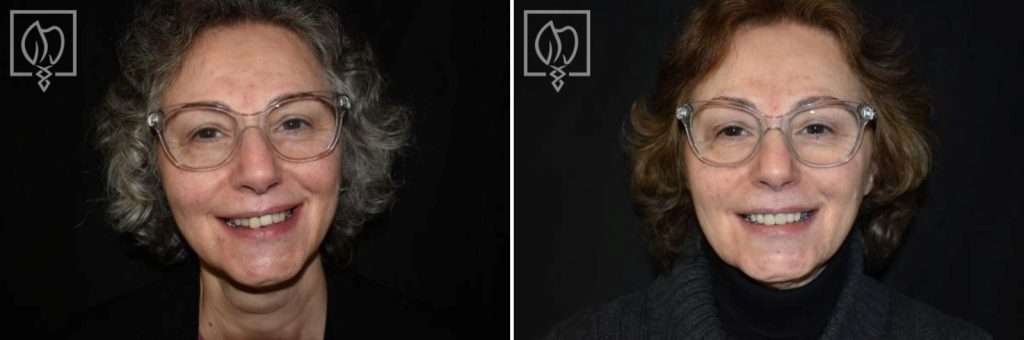
Temporary Crowns Restore Patient's Smile in Just One Day with an Immediate Smile Makeover
A patient from Potomac, Maryland, came to Elite Prosthetic Dentistry with the chief complaint of pain from a failing dental implant and its significant impact on her appearance.
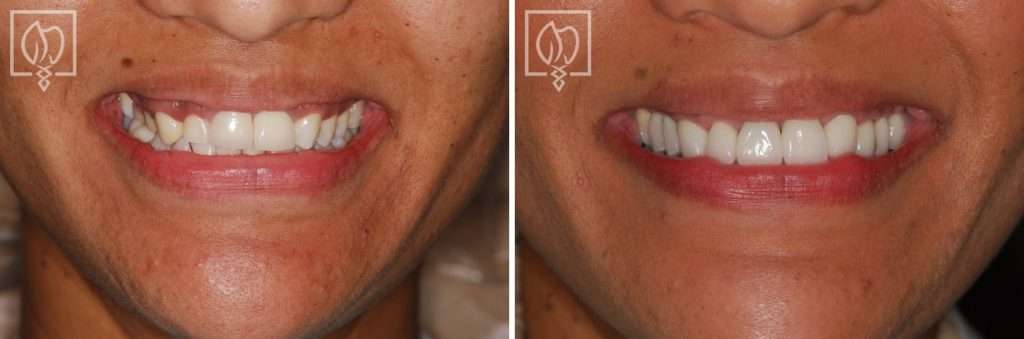
Multi-Faceted Treatment for Patient Unhappy With Her Artificial-Looking Crowns, Teeth and Gums
Many patients come to Elite Prosthetic Dentistry unhappy with the appearance of their smile. However, this particular patient presented with multiple interconnected problems that together created a smile she found deeply unsatisfying.
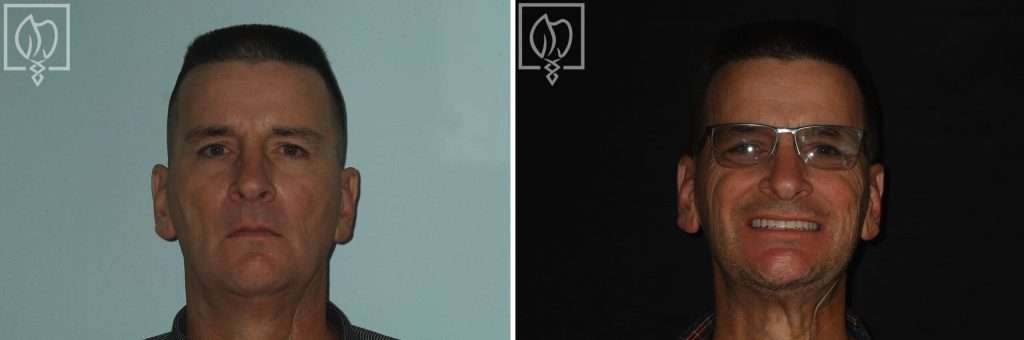
Treating Kevin's Collapsed Bite with a Complete Smile Makeover with New Dentures
Dentures are sometimes not created to the ideal aesthetic and functional scheme. When improperly fabricated, dentures can make an individual appear almost a generation older than their actual age. They can have a poor fit that feels loose and unstable when eating or speaking, and they can actually accelerate bone loss over time.
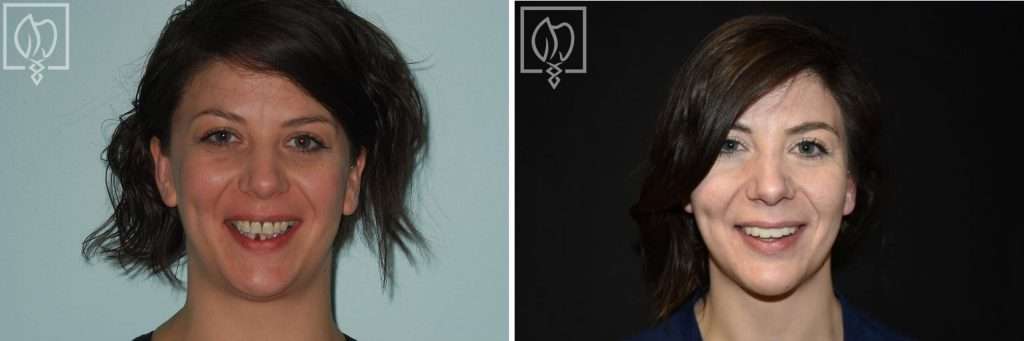
Salvaging Ms. N’s Severely Broken-Down Upper and Lower Teeth from Gum and Bone Disease
Many people in the U.S. suffer from extensive periodontal disease characterized by significant bone loss and shrinkage of the gum tissue. This condition can begin at a very young age and worsen quickly due to hereditary factors and lack of early diagnosis by their dentist.
Our Services in Bethesda
Beyond Full Mouth Crowns, Bethesda patients rely on Dr. Marlin for a full range of advanced dental care.
More services available in Bethesda:
Full Mouth Crowns Near Bethesda
Dr. Marlin also provides full mouth crowns services for patients in these neighboring communities.
Getting Here from Bethesda
Elite Prosthetic Dentistry is conveniently located near Bethesda, MD.
Patients from Bethesda typically drive Wisconsin Avenue and local streets to reach our Friendship Heights office at 4400 Jenifer Street NW, Suite 220.
Address:
4400 Jenifer Street NW, Suite 220
Washington, DC 20015
Phone: (202) 244-2101
Request a ConsultationRequest a Specialist Consultation from Bethesda
Bethesda residents come to Dr. Marlin for specialist prosthodontic care. With 3,900+ implants placed and restored over 40+ years, evaluation, planning, and execution are handled with the depth complex cases require.