
Zirconia vs. Porcelain vs. PFM Crowns: Comparing Crown Materials in Bethesda
Compare zirconia, porcelain, and PFM crowns in Bethesda. Dr. Marlin explains pros, cons, and clinical indications for each material.
Evaluating Crown Material Options: A Comparison of Modern Restorative Materials
Bethesda patients facing crown treatment often wonder which material represents the optimal choice for their specific situation. The dental field now offers multiple high-quality crown materials, each with distinct advantages and limitations. Understanding how zirconia compares to porcelain, porcelain-fused-to-metal, and other options empowers patients to participate in material selection with realistic expectations about performance and appearance.
The material decision requires understanding not just material properties but also how each material functions within your specific clinical situation. Tooth location, bite forces, aesthetic requirements, and individual factors all influence the optimal choice.
Material Properties and Performance Characteristics
Zirconia: Modern Aesthetics for Visible Teeth
Modern high-translucency multilayered zirconia delivers exceptional aesthetics for front teeth, premolars, and visible areas, combined with strength that exceeds traditional all-ceramic materials. This crystalline ceramic material undergoes transformation toughening, a mechanism that prevents fracture propagation by absorbing energy when stress is applied.
Today’s multilayered zirconia formulations provide the natural light transmission, color depth, and surface character needed for highly visible aesthetic restorations. This represents a significant advancement from earlier monolithic zirconia generations, which appeared opaque and artificial. Modern zirconia can be layered, shaded, and customized to match natural tooth color and light reflection properties.
Zirconia exhibits flexural strength of approximately 900-1200 megapascals, dramatically higher than older porcelain at 50-100 megapascals. The combination of exceptional aesthetics and superior strength makes zirconia the frequent choice for visible aesthetic restorations in specialty prosthodontic practices.
Zirconia is completely metal-free, eliminating concerns about allergies or dark margins visible at the gumline. Gingival tissues tolerate zirconia excellently, with no irritation or discoloration.
Zirconia Advantages: Exceptional aesthetics for front teeth and visible areas, superior strength, metal-free, no gum margin discoloration.
Zirconia Limitations: Requires specialist fabrication for optimal aesthetic results; not every lab works with modern multilayered formulations.
Porcelain Crowns: Aesthetic Excellence
All-porcelain and all-ceramic crowns represent the aesthetic ideal in crown dentistry. These restorations provide the most natural-looking results, with translucency and light reflection matching natural enamel. Porcelain can be layered in multiple shades, creating subtle color gradations and internal characterization impossible with monolithic materials.
Traditional porcelain crowns exhibit moderate strength adequate for most clinical situations. Flexural strength of approximately 50-100 megapascals is sufficient for teeth not subjected to extreme forces. Front teeth and premolars typically experience forces well within porcelain’s capacity.
Porcelain interacts favorably with gum tissues, producing no irritation or allergic reactions. Gingival margins remain natural-looking and healthy.
The primary porcelain limitation involves fracture susceptibility in high-force situations. Heavy grinding, significant bite forces, or posterior molar stress can cause fractures. Additionally, any metal substructure creates dark margins at the gumline.
Porcelain Advantages: Exceptional aesthetics, translucency matching natural teeth, excellent biocompatibility, ideal for visible teeth.
Porcelain Limitations: Moderate strength unsuitable for heavy-force situations, susceptible to fracture if grinding, requires careful fabrication for superior aesthetics.
Porcelain-Fused-to-Metal (PFM): Proven Durability
Porcelain-fused-to-metal crowns combine a metal substructure with a porcelain veneer. This design delivers exceptional strength from the metal foundation while offering aesthetic improvement over all-metal crowns.
The metal base provides tremendous strength and durability. PFM crowns have functioned successfully for decades, with many crowns placed 20-30 years ago still serving patients. The metal prevents fractures that can occur with all-porcelain crowns in high-force situations.
The porcelain veneer provides aesthetics superior to all-metal crowns, though not equivalent to all-ceramic restorations. The metal substructure sometimes creates a gray or dark line visible at the gumline, particularly if gum recession occurs. This aesthetic limitation makes PFM less ideal for highly visible front teeth.
PFM crowns represent a time-tested solution with proven longevity and relatively lower cost compared to premium ceramic materials. For back teeth where aesthetics matter less, PFM crowns provide excellent value and reliability.
PFM Advantages: Exceptional strength, proven longevity, cost-effective, excellent for posterior teeth, resists fracture under stress.
PFM Limitations: Potential dark margin visibility at gumline, less ideal for highly visible front teeth, metal concerns for sensitive patients.
Clinical Indication Comparison
For Front Visible Teeth
Front teeth visible during smiling and speaking demand superior aesthetics. Modern high-translucency multilayered zirconia is frequently the preferred choice in specialty prosthodontic practices, combining exceptional aesthetics with strength that exceeds traditional all-ceramic.
PFM crowns are generally less ideal for front teeth due to potential dark margin visibility, though acceptable for patients tolerating this aesthetic compromise. All-metal crowns are inappropriate for front teeth except in rare cosmetic situations where metal is intentionally visible.
Indication: Modern high-translucency multilayered zirconia recommended for front teeth, premolars, and visible aesthetic restorations.
For Posterior Molar Teeth
Back molars experience significant chewing forces and require durable restorations. Emax (lithium disilicate) is well-suited for back teeth, bruxism cases, and high-stress posterior positions. PFM crowns also perform well in posterior positions, offering proven durability at potentially lower cost.
For patients with metal sensitivities or those who prefer an all-ceramic posterior restoration, e.max provides a metal-free option with a long clinical track record in posterior single-unit cases.
Indication: E.max preferred for back teeth, bruxism cases, and high-stress positions. PFM acceptable if cost considerations apply.
For Patients With Grinding Habits
Grinding (bruxism) generates excessive forces and stress on crowns. E.max (lithium disilicate) is well-suited for bruxism cases and high-stress positions. PFM also performs in grinding situations.
Patients with significant grinding history should discuss this with Dr. Marlin to ensure material selection accounts for this additional stress and that night-guard therapy is incorporated into the treatment plan.
Indication: E.max or PFM strongly recommended for significant grinding habits in posterior positions.
For Patients With Metal Allergies or Sensitivities
Patients with confirmed metal allergies or nickel sensitivities require completely metal-free crowns. Zirconia, porcelain, and Emax (lithium disilicate) represent appropriate choices.
PFM and all-metal crowns contain metals and are inappropriate for patients with metal sensitivities.
Indication: Zirconia, porcelain, or Emax. Confirm specific metal allergies before material selection.
The Fabrication Advantage at Elite Prosthetic Dentistry
At Elite Prosthetic Dentistry, our on-site laboratory produces crowns from all materials under Dr. Marlin’s direct supervision. This in-house fabrication means our ceramist works directly with Dr. Marlin on material decisions, shading refinement, and quality control.
For zirconia crowns, this collaboration enables real-time assessment of translucency and color during fabrication. If the milled zirconia requires shade adjustment, our ceramist can refine it immediately. For porcelain crowns, our ceramist applies multiple layers of shade-matched porcelain, creating the natural subtle gradations characterizing superior esthetic results.
This direct oversight distinguishes our practice from general dentistry offices sending cases to external laboratories without direct communication or quality control.
Material Selection and Your Specific Situation
The optimal crown material depends on integrating tooth location, aesthetic requirements, functional demands, and patient preferences. Dr. Marlin evaluates these factors during your consultation, providing specific material recommendations for your situation.
For a single front tooth, modern high-translucency multilayered zirconia provides exceptional aesthetics combined with strength. For multiple posterior teeth, e.max (lithium disilicate) is often the right specialist choice. For patients prioritizing cost on posterior teeth, PFM remains a valid, proven choice.
During your consultation, ask Dr. Marlin to explain the clinical rationale for his specific recommendation. Understanding why zirconia is recommended for your visible front teeth, or why e.max is ideal for your posterior grinding case, helps ensure your final selection aligns with your priorities and clinical needs.
Getting Here from Bethesda
Elite Prosthetic Dentistry is just 5 minutes from central Bethesda. Patients typically drive south on Wisconsin Avenue to our Friendship Heights location at 4400 Jenifer Street NW, Suite 220, Washington DC 20015. On-site parking is available in our building.
Clinical Success Factors in Material Performance
Beyond material properties, clinical technique significantly influences crown longevity and success. Proper tooth preparation, precise impression techniques, careful laboratory collaboration, and meticulous placement all affect how well your crown ultimately performs.
Dr. Marlin’s expertise extends across all clinical phases. His preparation technique preserves maximum healthy tooth while creating optimal geometry for restoration. His laboratory communication ensures crowns are fabricated to exact specifications. His placement verification ensures ideal fit, proper bite integration, and refined margins.
This comprehensive attention to technique, integrated across all phases, explains why crowns placed at Elite Prosthetic Dentistry perform reliably for decades, regardless of material selection.
Long-Term Maintenance and Periodic Re-evaluation
Your crown will function indefinitely with proper maintenance. Professional cleanings every six months allow Dr. Marlin to assess your crown’s status and identify any changes. Excellent daily hygiene prevents margin problems and tooth decay around your crown.
Avoid destructive habits like chewing ice, grinding your teeth without protection, or using your crown as a tool. These behaviors stress your crown unnecessarily. If grinding is a concern, nightguards provide protection while you sleep.
Your crown may eventually require replacement after 15-20 years or more of service. This is not failure, but rather normal wear over extended time. Superior techniques applied initially mean your tooth remains healthy and strong, ready for replacement if needed.
Selecting Your Ideal Crown Material
Whether you’re selecting a single crown or planning comprehensive restoration, understanding material options empowers you to participate in decision-making informed by realistic expectations. Dr. Marlin’s prosthodontic training emphasizes material selection individualized to each patient’s specific clinical circumstances.
For related care, see our dental crowns page.
Schedule your consultation with Dr. Marlin to discuss which crown material serves your tooth optimally. Call (202) 244-2101 to begin your restoration journey.
Frequently Asked Questions
Is zirconia better than porcelain?
Modern high-translucency multilayered zirconia delivers exceptional aesthetics for front teeth, premolars, and visible areas, combined with strength that exceeds traditional all-ceramic materials. Traditional porcelain and PFM each have their roles. The optimal choice depends on tooth location, bite forces, and aesthetic priorities.
How does PFM compare to all-ceramic options?
PFM (porcelain-fused-to-metal) crowns provide exceptional strength but may show a dark line at the gumline. All-ceramic materials including zirconia provide superior aesthetics without the metal-related concerns. Modern all-ceramic materials have become strong enough for most clinical situations.
Will zirconia crowns look natural?
Modern zirconia can be fabricated with excellent translucency and custom shading to match natural teeth beautifully. At Elite Prosthetic Dentistry, our on-site ceramist works with zirconia to achieve natural appearance rivaling all-ceramic alternatives, with the added benefit of superior strength.
What's the cost difference between these materials?
Material costs vary, with zirconia and porcelain typically similar, and PFM potentially lower. Dr. Marlin discusses pricing for all options, explaining the clinical rationale for cost differences. Insurance coverage varies by plan and material selection.
Which material lasts longer?
With proper care and fabrication technique, all quality crown materials last 15-20 years or longer. Zirconia may have longevity advantage for high-force situations. The clinical technique and fit are as important as material selection for long-term success.
Related Patient Success Stories
Explore similar patient success stories demonstrating our expertise in advanced prosthetic dentistry.
 Before
  After
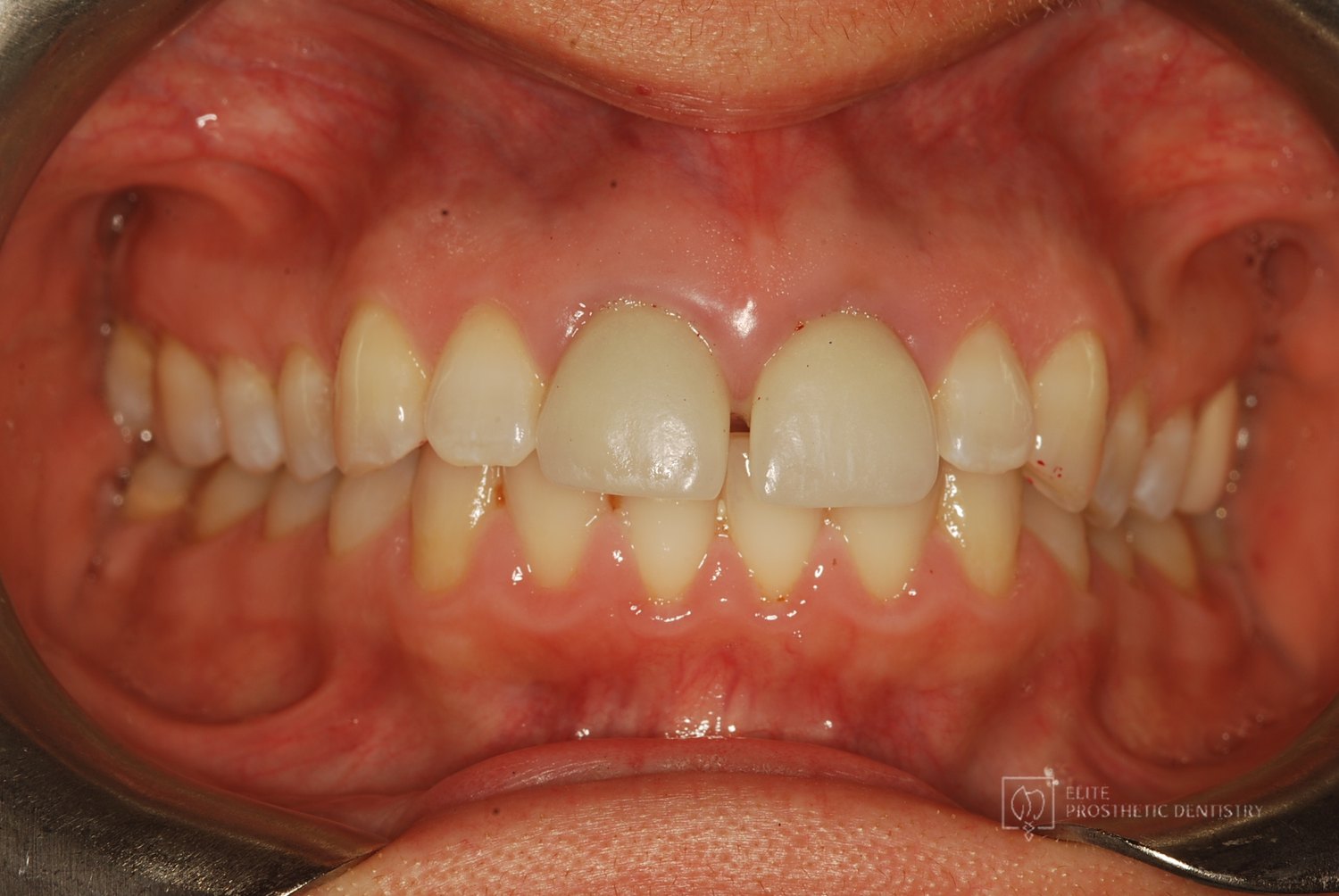
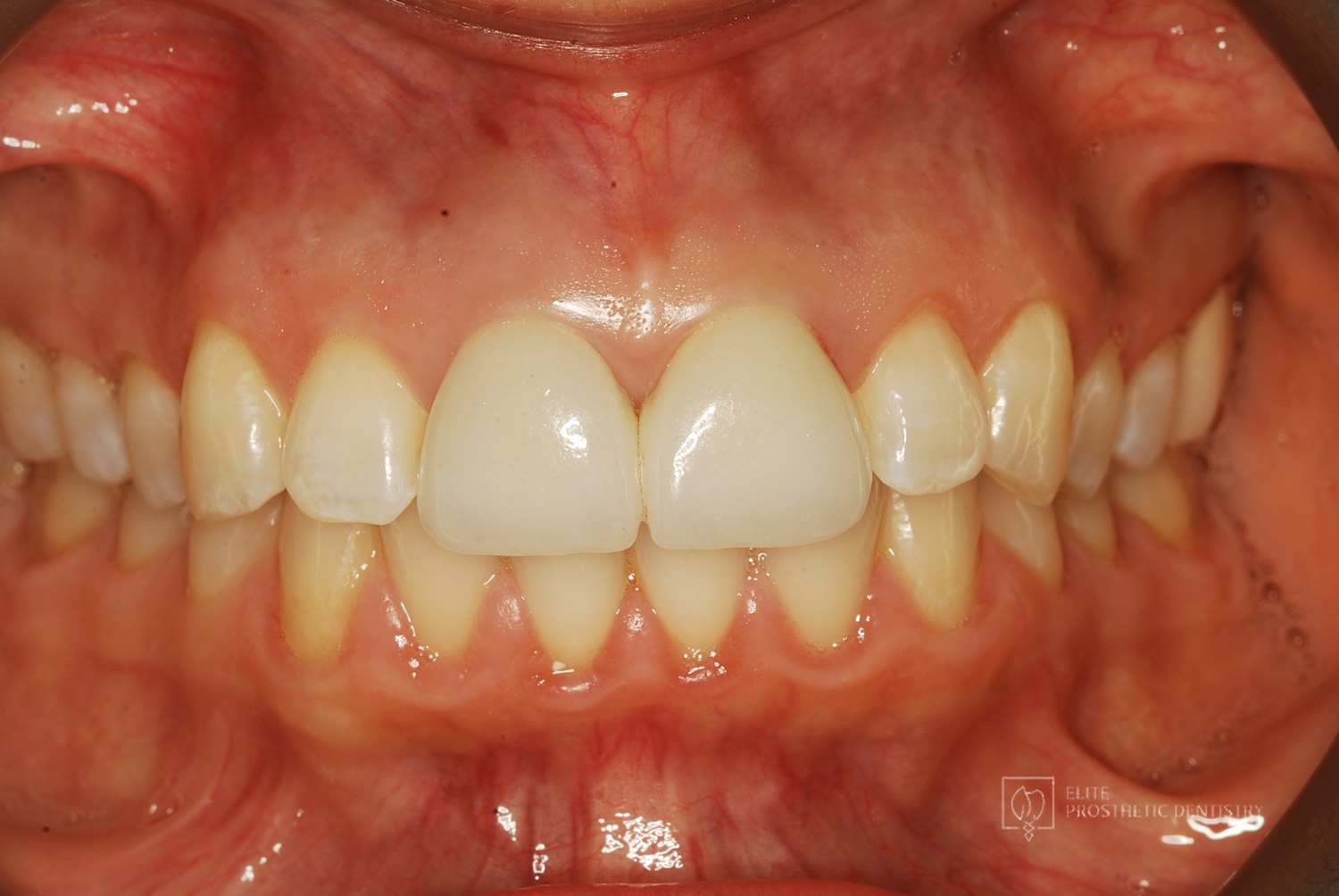
After Two Front Teeth Saved From Extraction: A Second Opinion, Custom Gold Posts, and Crowns Made to Last
Two upper central incisors with failed root canal treatment and recurrent decay had been recommended for extraction and implant replacement. A CBCT evaluation showed that removing the roots from their thin facial bone housing could create a visible esthetic defect in the gum and bone contour, made worse by the patient's high lip line.
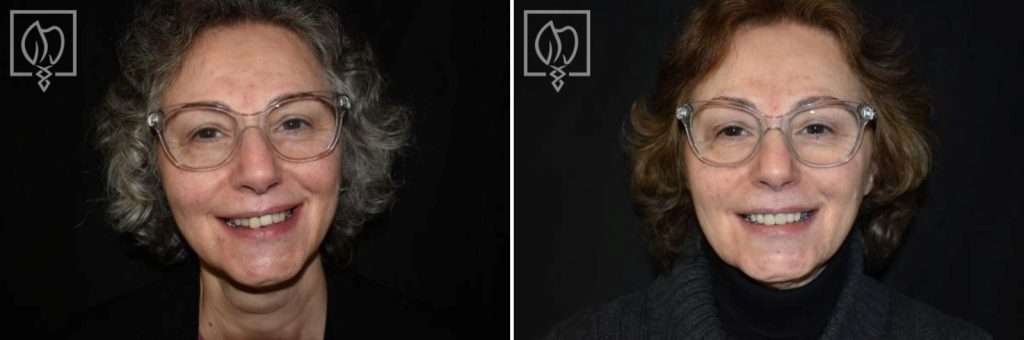
Temporary Crowns Restore Patient's Smile in Just One Day with an Immediate Smile Makeover
A patient from Potomac, Maryland, came to Elite Prosthetic Dentistry with the chief complaint of pain from a failing dental implant and its significant impact on her appearance.
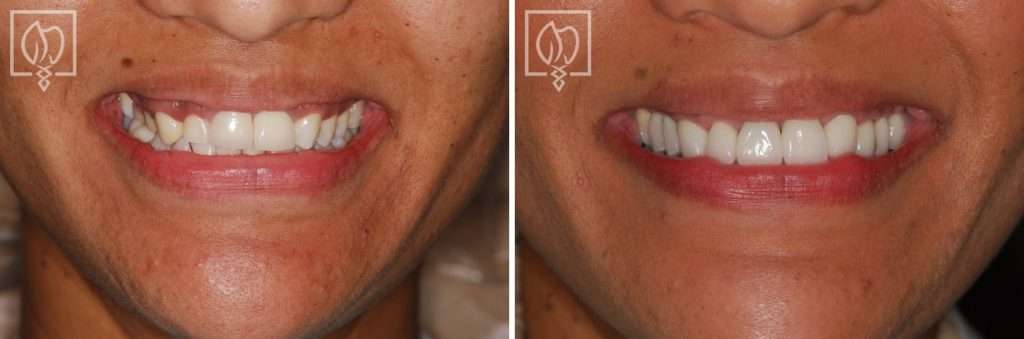
Multi-Faceted Treatment for Patient Unhappy With Her Artificial-Looking Crowns, Teeth and Gums
Many patients come to Elite Prosthetic Dentistry unhappy with the appearance of their smile. However, this particular patient presented with multiple interconnected problems that together created a smile she found deeply unsatisfying.
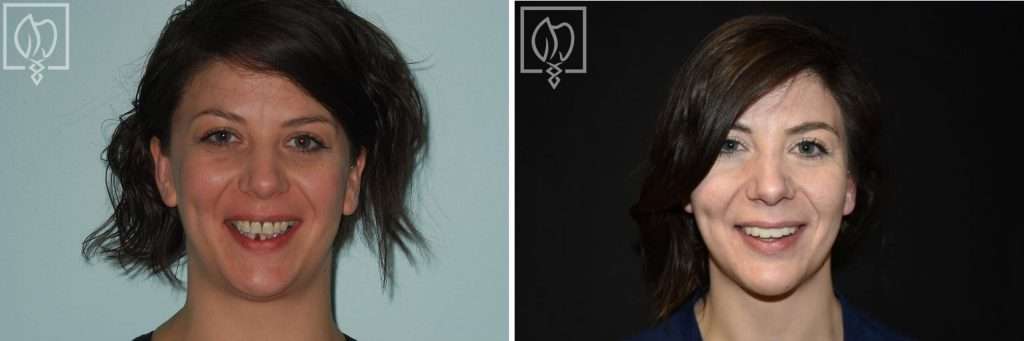
Salvaging Ms. N’s Severely Broken-Down Upper and Lower Teeth from Gum and Bone Disease
Many people in the U.S. suffer from extensive periodontal disease characterized by significant bone loss and shrinkage of the gum tissue. This condition can begin at a very young age and worsen quickly due to hereditary factors and lack of early diagnosis by their dentist.
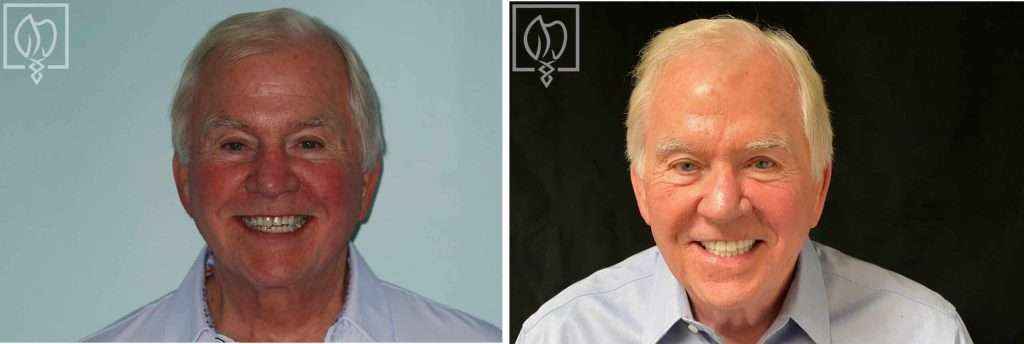
A Smile Transformation in Just Four Months: A Patient’s Dental Crown Restoration for a TV Series
A patient with dental crowns that were in poor shape was going to appear on a streaming video series on a major TV network that was scheduled to begin filming soon. Our patient, John, an author about to embark on a book tour, was anxious as his teeth were not up to his standards to appear on television.
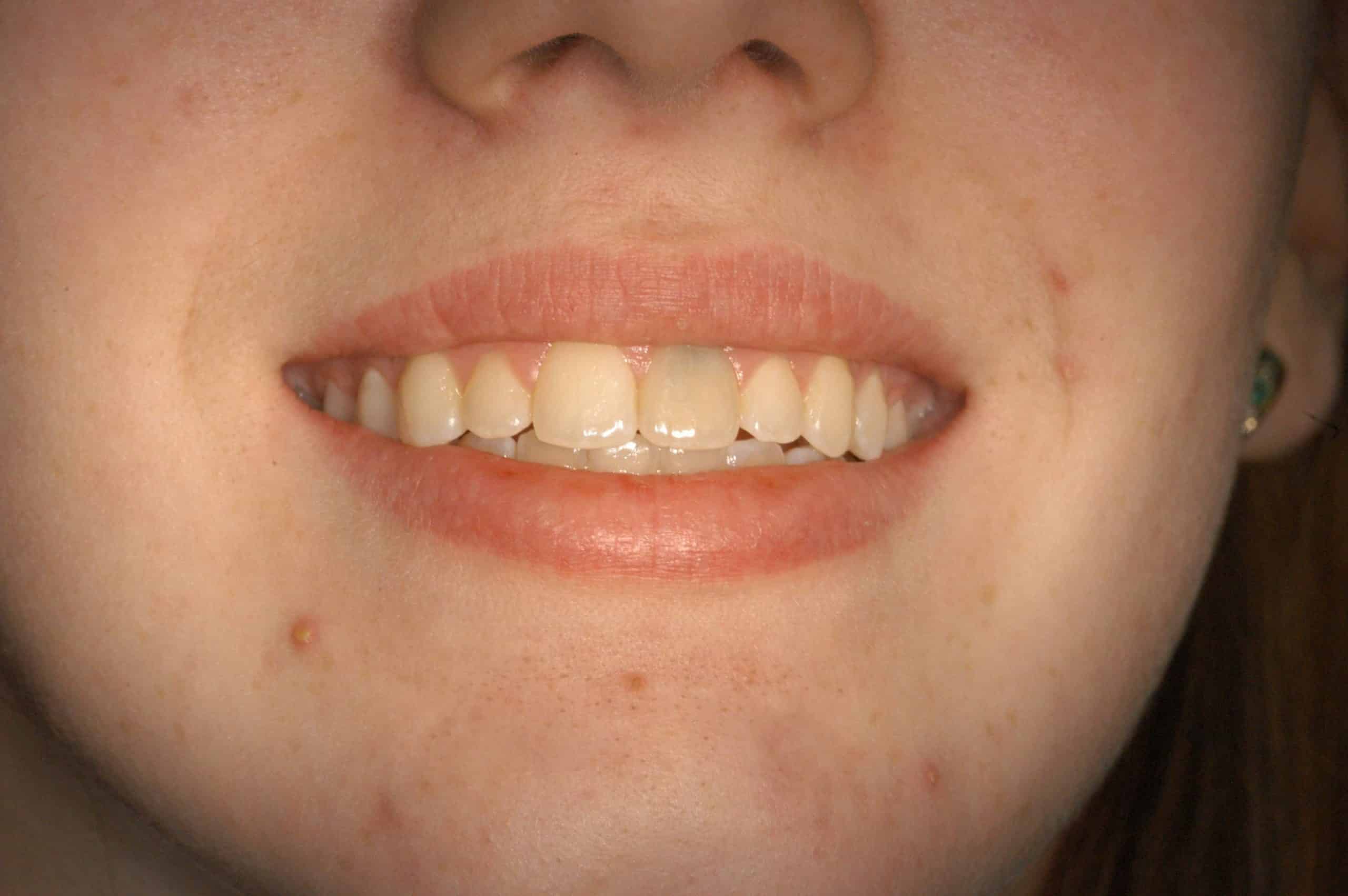
Replacing a Discolored Front Tooth with a Precision Placed Implant
Some of the most challenging restorations occur when fabricating an anterior crown to fit on an implant. Not only does one have the difficulty of matching the single front tooth to the other ones in the high visibility zone, but the dentist must also ensure the position of the underlying implant is precise through accurate preplanning and placement.
Our Services in Bethesda
Beyond Zirconia Crowns, Bethesda patients rely on Dr. Marlin for a full range of advanced dental care.
More services available in Bethesda:
Getting Here from Bethesda
Elite Prosthetic Dentistry is conveniently located near Bethesda, MD.
Patients from Bethesda typically drive Wisconsin Avenue and local streets to reach our Friendship Heights office at 4400 Jenifer Street NW, Suite 220.
Address:
4400 Jenifer Street NW, Suite 220
Washington, DC 20015
Phone: (202) 244-2101
Request a ConsultationRequest a Specialist Consultation from Bethesda
Bethesda residents come to Dr. Marlin for specialist prosthodontic care. With 3,900+ implants placed and restored over 40+ years, evaluation, planning, and execution are handled with the depth complex cases require.