
Dental Services in Washington, DC
Full range of prosthodontic services in Washington, DC. Dental implants, cosmetic dentistry, full mouth reconstruction, veneers, and TMJ treatment.
Prosthodontic Care Built Around Your Needs
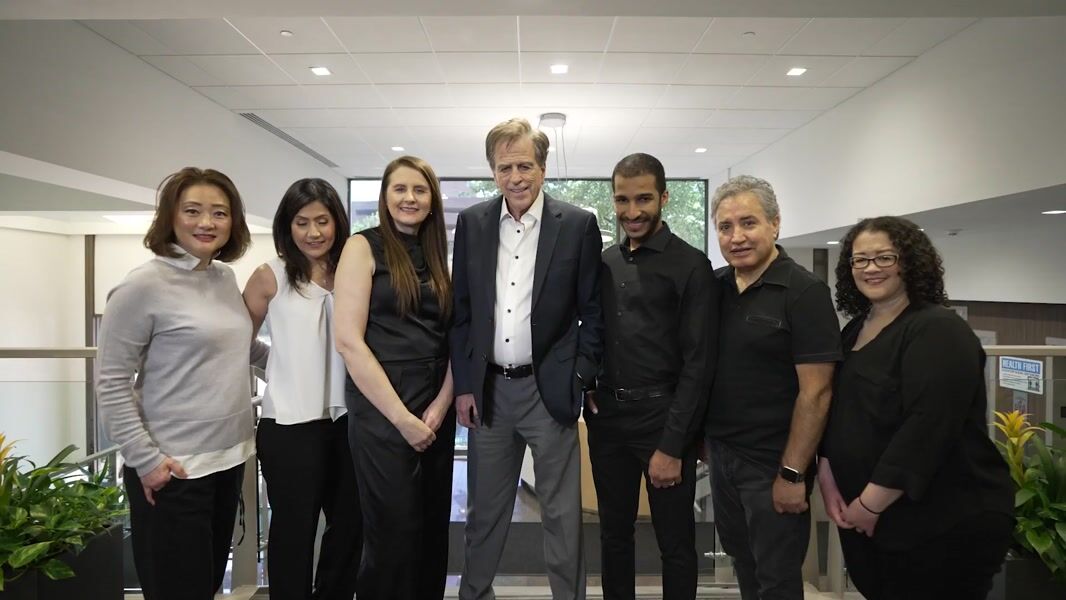
At Elite Prosthetic Dentistry, every service we offer is grounded in one principle: lasting results that look, feel, and function like natural teeth. Led by Dr. Gerald Marlin, a specialty-trained prosthodontist with decades of clinical experience and more than 3,900 dental implants placed, our Washington, DC practice delivers specialist-level planning, laboratory control, and long-term follow-up in one practice.
Whether you need a single crown or a complete smile reconstruction, our approach combines advanced prosthodontic training, an on-site dental laboratory, and a commitment to precision that prioritizes your long-term oral health.
Implant Dentistry and Tooth Replacement
Dental implants are the gold standard for replacing missing teeth because they preserve jawbone, restore full chewing function, and look indistinguishable from natural teeth. Dr. Marlin’s precision placement approach and in-house lab produce implant restorations that fit perfectly from day one.
Cosmetic Dentistry and Smile Makeovers
A beautiful smile is more than straight, white teeth. It is the harmony of tooth shape, color, gum line, and facial proportion. Dr. Marlin’s prosthodontic training gives him a perspective on smile design that goes well beyond what general cosmetic dentistry typically offers, addressing both the esthetic and functional dimensions of your smile.
Restorative Dentistry: Crowns, Bridges, and Reconstruction
When teeth are damaged, worn, or structurally compromised, the right restoration can mean the difference between a short-term patch and decades of comfortable function. Our in-house dental laboratory gives Dr. Marlin direct control over every crown, bridge, and prosthetic, ensuring that each restoration matches the color, translucency, and anatomy of your natural teeth.
Dentures, Overdentures, and Removable Solutions
Modern removable prosthodontics offers comfort, stability, and esthetics that older denture technology could not achieve. Dr. Marlin designs every removable prosthetic to optimize fit, function, and natural appearance, whether it is a traditional full denture or an implant-retained overdenture.
Surgical Procedures That Support Restorative Success
Complex restorations often require a solid foundation. Bone grafting, sinus augmentation, and ridge preservation create the structural support necessary for dental implants and long-term prosthetic stability. Dr. Marlin performs these procedures with the same precision he brings to every restoration.
TMJ Treatment and Sedation Dentistry
Jaw pain, chronic headaches, and dental anxiety are real barriers to the care patients need. Dr. Marlin treats TMJ disorders with a comprehensive diagnostic approach, and our sedation options ensure that even the most anxious patients can receive the treatment they deserve in complete comfort.
Our In-House Dental Laboratory
One of the most significant advantages of choosing Elite Prosthetic Dentistry is our on-site dental laboratory, which has been operating within the practice since 1985. While most dental offices send their lab work to off-site facilities, our master ceramist works directly alongside Dr. Marlin. This allows real-time adjustments during try-in appointments, tighter quality control over shade matching and fit, and faster turnaround for patients who need restorations completed on a deadline.
Why Choose Elite Prosthetic Dentistry
Patients choose our practice because we combine advanced specialty training with the personalized attention that only a private practice can offer. Dr. Marlin does not delegate your care to associates or rotate between multiple offices. He is the clinician who examines you, plans your treatment, and performs every procedure.
Our practice is trusted by general dentists, oral surgeons, and periodontists across the DC metro area who refer their most complex restorative and implant cases to us. That professional confidence speaks to the quality of outcomes our team delivers.
Whether you are exploring a single restoration or a comprehensive smile transformation, the next step is a conversation. Schedule a consultation or call us at (202) 244-2101 to discuss your goals with Dr. Marlin directly.
Your Best Smile Is Within Reach
Request a specialist consultation with Dr. Marlin to discuss your situation and the most appropriate path forward.
Frequently Asked Questions
What types of dental services do you offer at Elite Prosthetic Dentistry?
We provide comprehensive prosthodontic care, including cosmetic dentistry, dental implants, full mouth reconstruction, fixed and removable prosthetics, and sedation options, all designed to restore function, comfort, and esthetics.
How is a prosthodontist different from a general dentist?
Prosthodontists receive three additional years of specialized training focused on restoring and replacing teeth. Dr. Marlin's expertise ensures that every treatment plan prioritizes long-term success, ideal esthetics, and proper bite alignment.
Do you treat patients with extensive dental issues or failing dental work?
Yes. Our practice specializes in complex cases, including patients with worn teeth, failed restorations, or missing teeth. We create fully customized treatment plans tailored to restore your smile's health and appearance.
What is full mouth reconstruction, and who is it for?
Full mouth reconstruction is a comprehensive plan to rebuild or restore all teeth in the upper and lower jaws. It is ideal for patients with extensive wear, multiple missing teeth, or a collapsed bite.
Are dental implants better than dentures?
Dental implants offer a permanent, secure solution that feels and functions like natural teeth. Unlike removable dentures, implants fuse to the jawbone and help preserve bone health, making them the gold standard for tooth replacement.
What cosmetic dentistry services do you offer?
Our cosmetic options include smile makeovers, veneers, crowns and bridges, teeth whitening, gummy smile correction, and TMJ-related esthetic improvements, all led by Dr. Marlin for lasting results.
How long does it take to complete a full smile makeover?
Depending on your goals and the complexity of your case, a smile makeover may take a few visits over several weeks. We will review a custom timeline with you during your consultation.
What should I expect during a consultation?
Your consultation includes a detailed exam, imaging when needed, and a one-on-one conversation with Dr. Marlin about your goals, concerns, and ideal treatment plan. You will leave with a clear understanding of your options.
Do you offer sedation dentistry?
Yes. We offer safe, in-office oral and IV sedation options for patients with anxiety, complex dental needs, or those undergoing longer procedures, so you can feel relaxed and confident in the chair.
Do you accept emergency appointments for broken or damaged restorations?
Yes. We offer emergency dental restorations and prioritize patients experiencing discomfort or damage. Our office is equipped to restore both function and esthetics promptly and expertly.
Related Patient Success Stories
Explore similar patient success stories demonstrating our expertise in advanced prosthetic dentistry.
 Before
  After
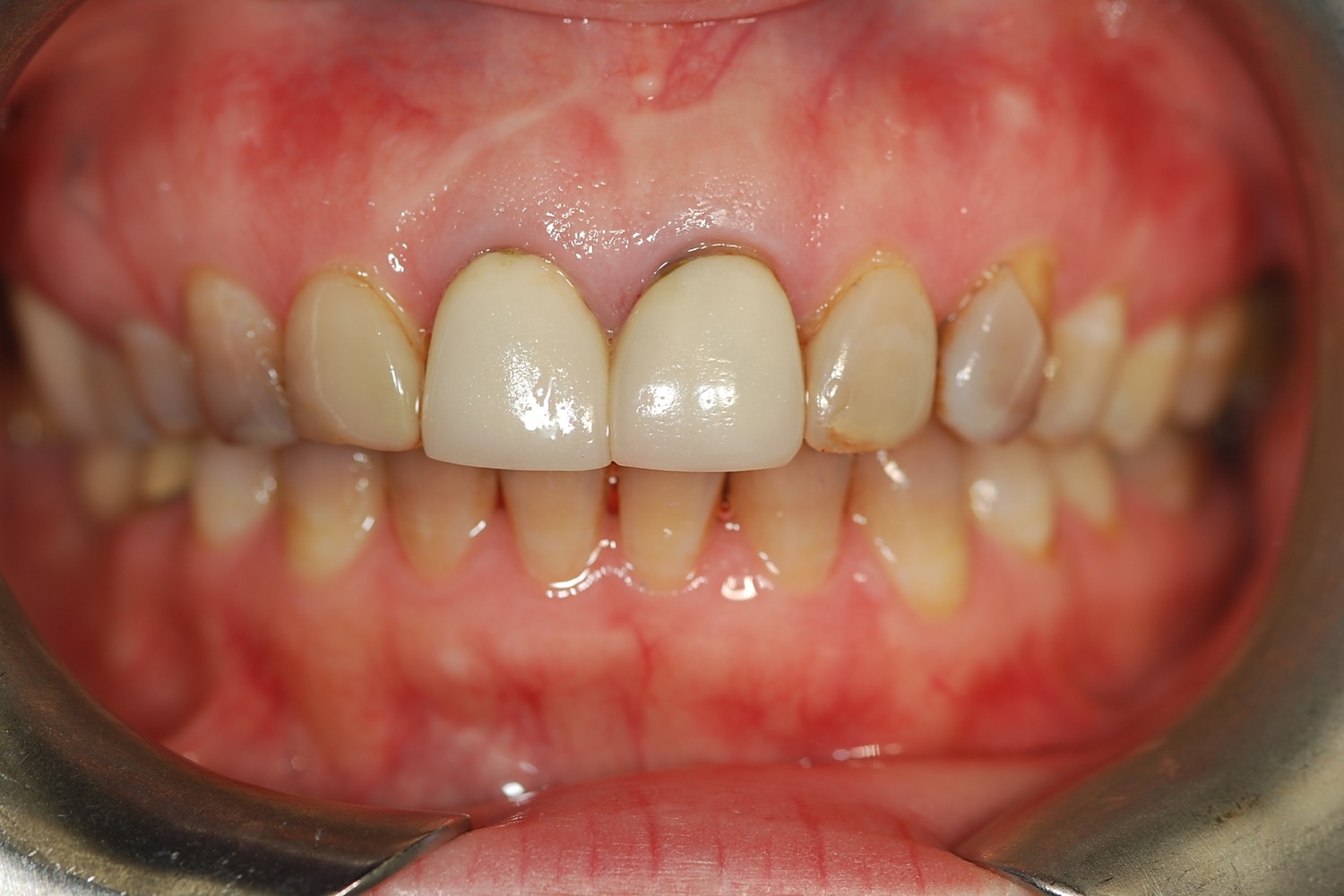
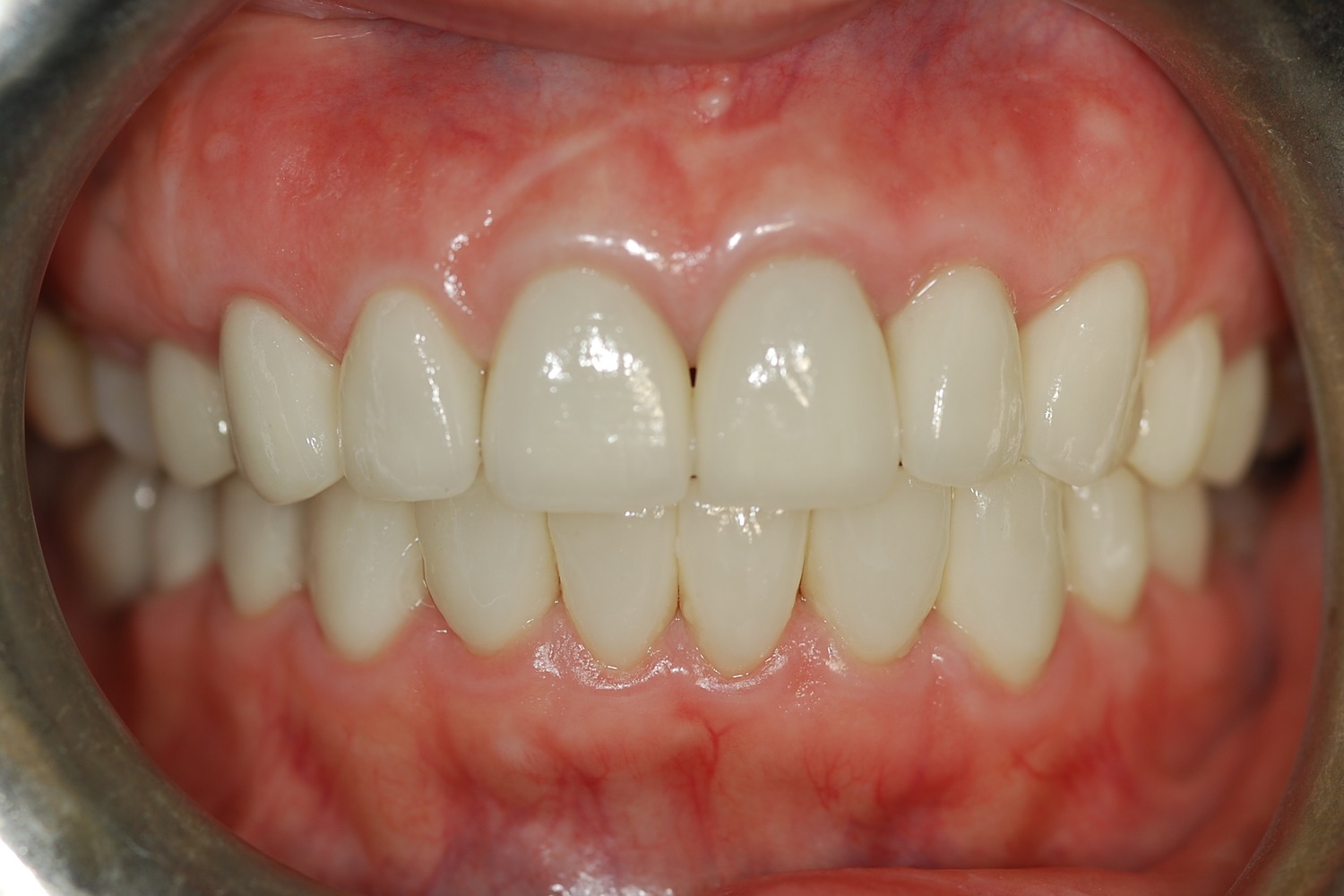
After How Aging, Opaque Restorations Were Replaced with Customized Ceramic Restorations Designed for Long-Term Natural Esthetics
The existing restorations appeared opaque, worn, and unnatural over time, affecting both confidence and overall smile harmony.
 Before
  After
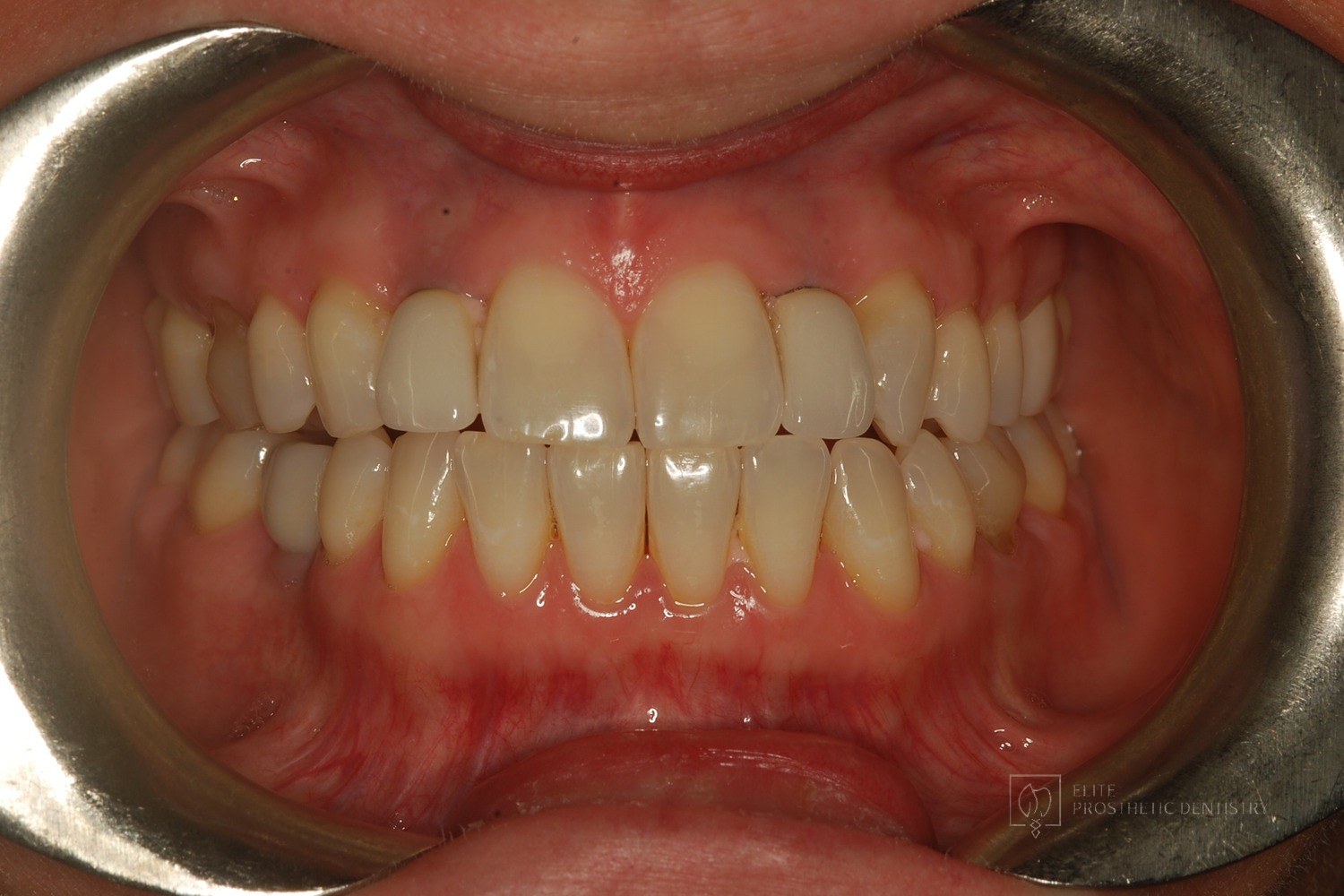
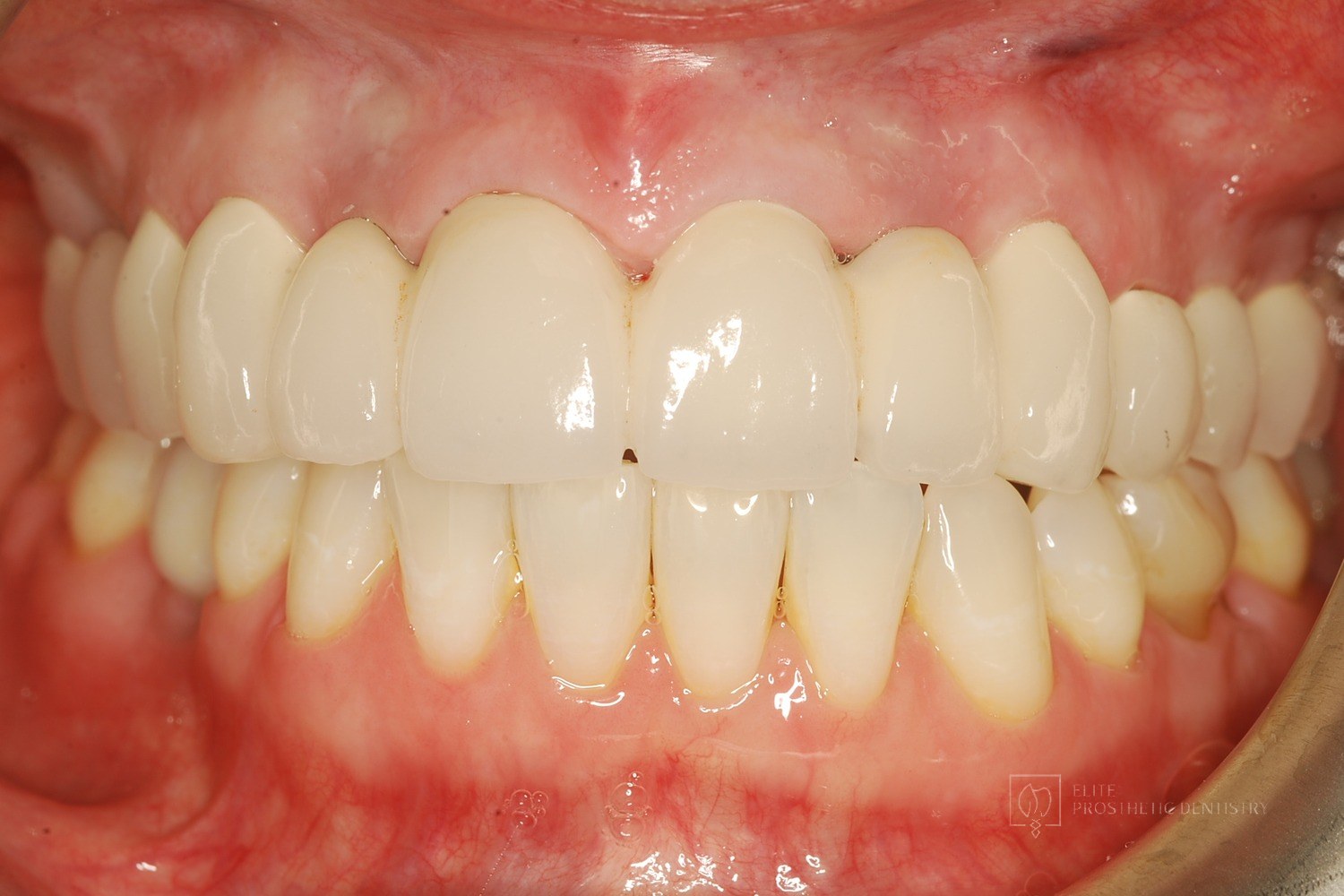
After How Older Implant Crowns Were Redesigned for a Better Bite and More Natural Appearance
The patient came in after years of living with implant-supported crowns placed more than twenty years earlier that no longer looked or functioned well. CBCT evaluation, reviewed with a radiologist colleague, showed the implants had been placed too far to the buccal in very thin bone and could not support a healthy long-term restoration.
 Before
  After
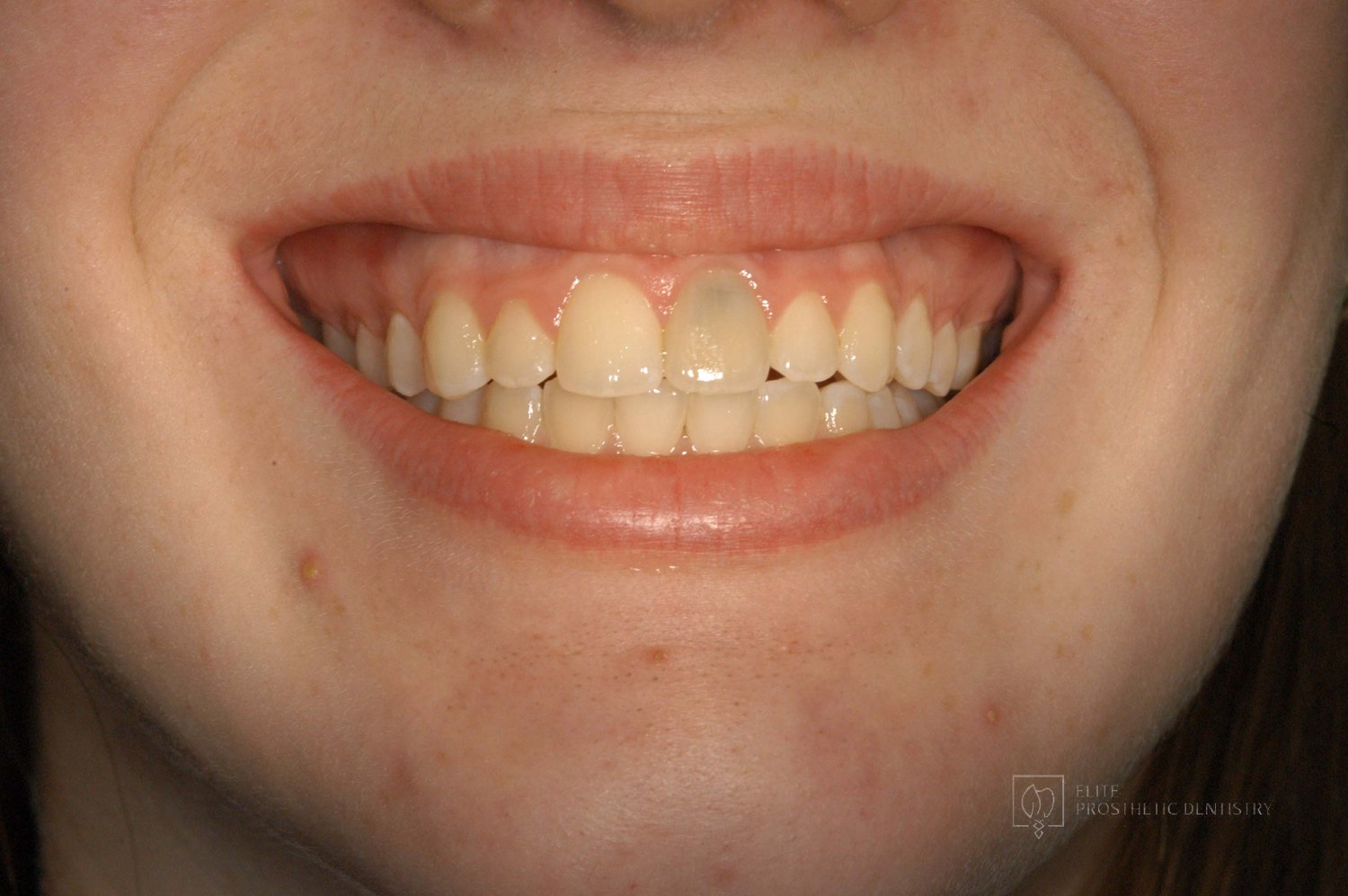
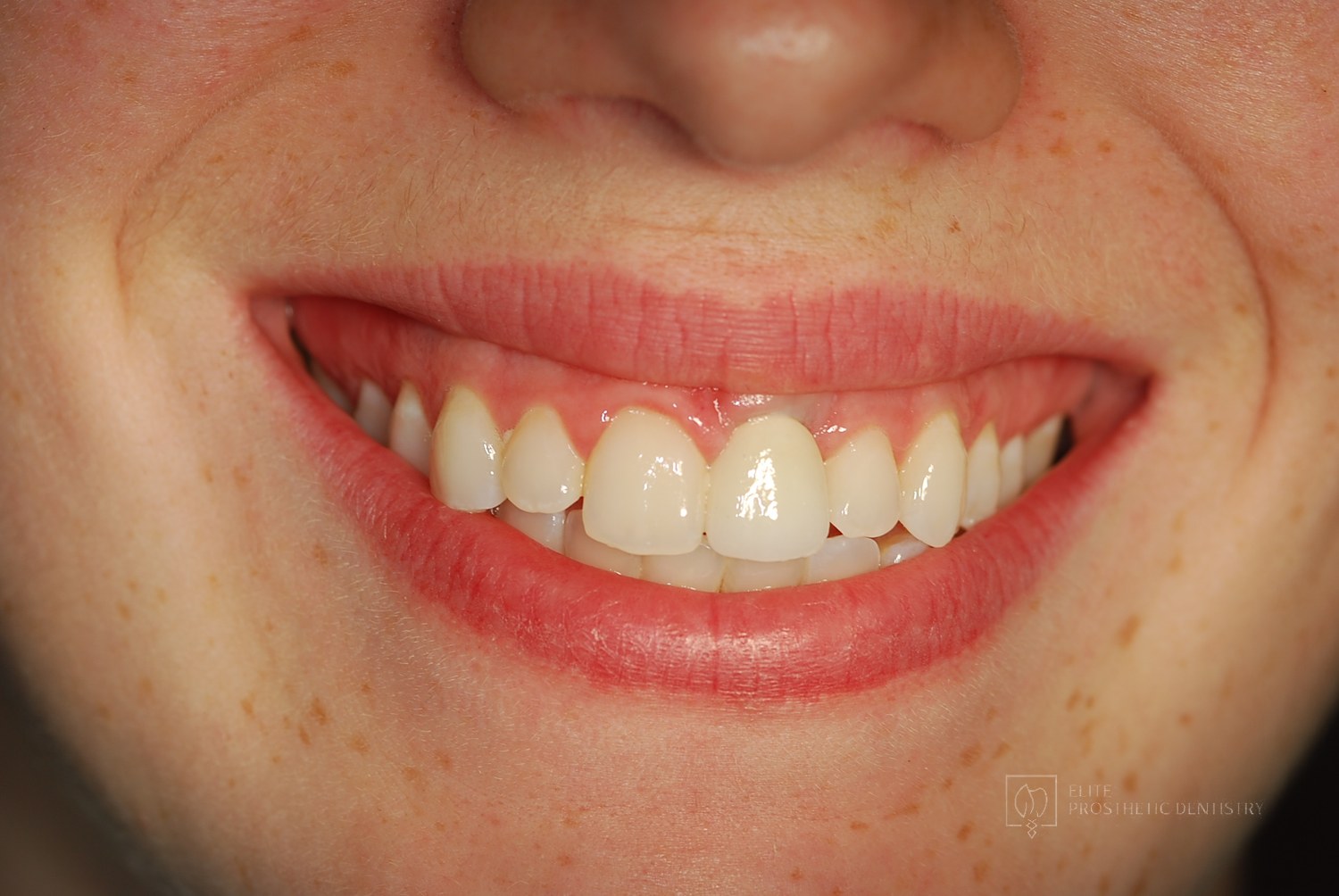
After How a Front Tooth Lost to Childhood Trauma Was Rebuilt with Bone Grafting and a Long-Lasting Implant
A teenager was referred by her father after earlier trauma left her upper left front tooth slowly failing from root resorption. She was still growing, so an immediate implant was the wrong move. The tooth had to be maintained to buy time, then replaced correctly once she reached skeletal maturity.
 Before
 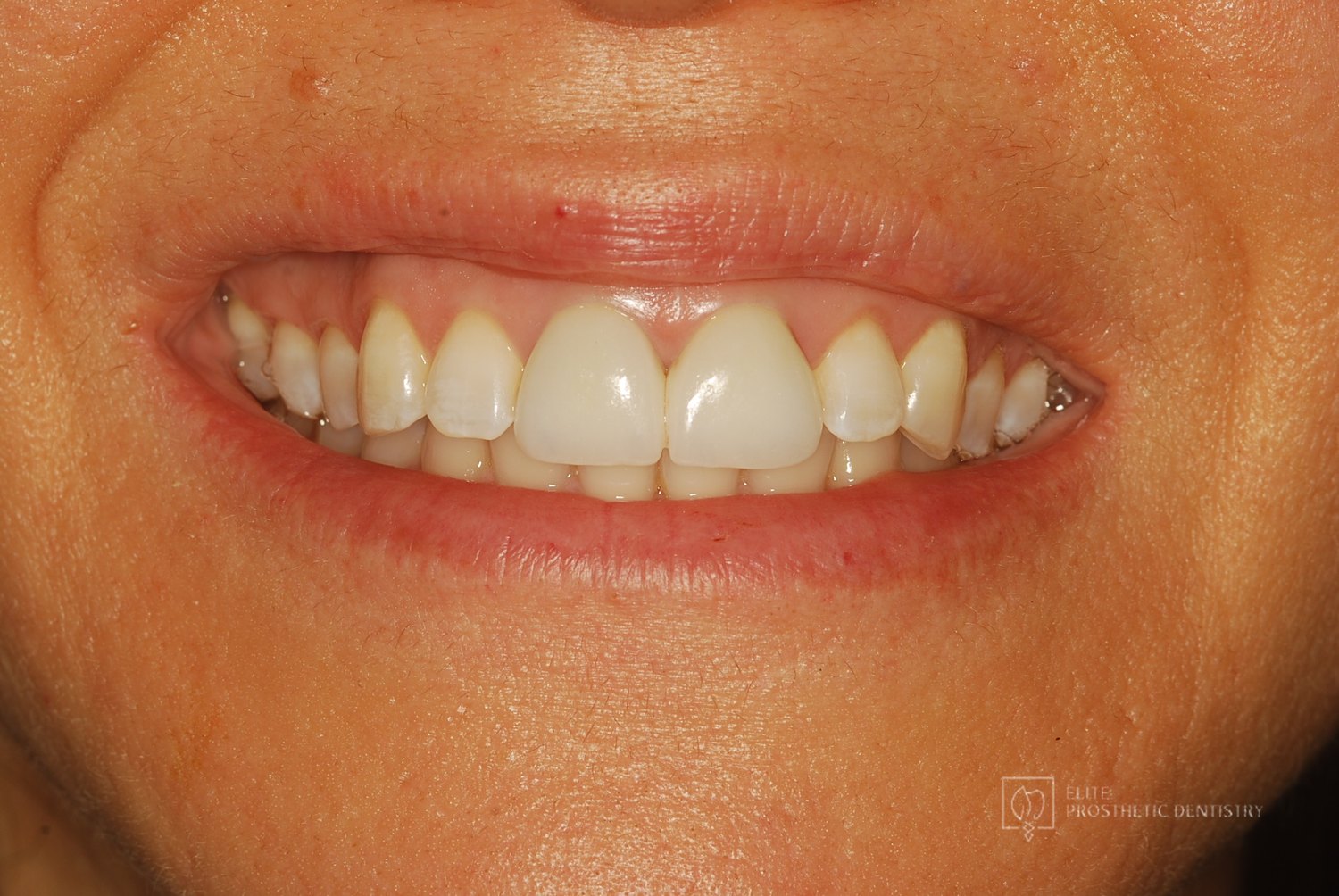 After
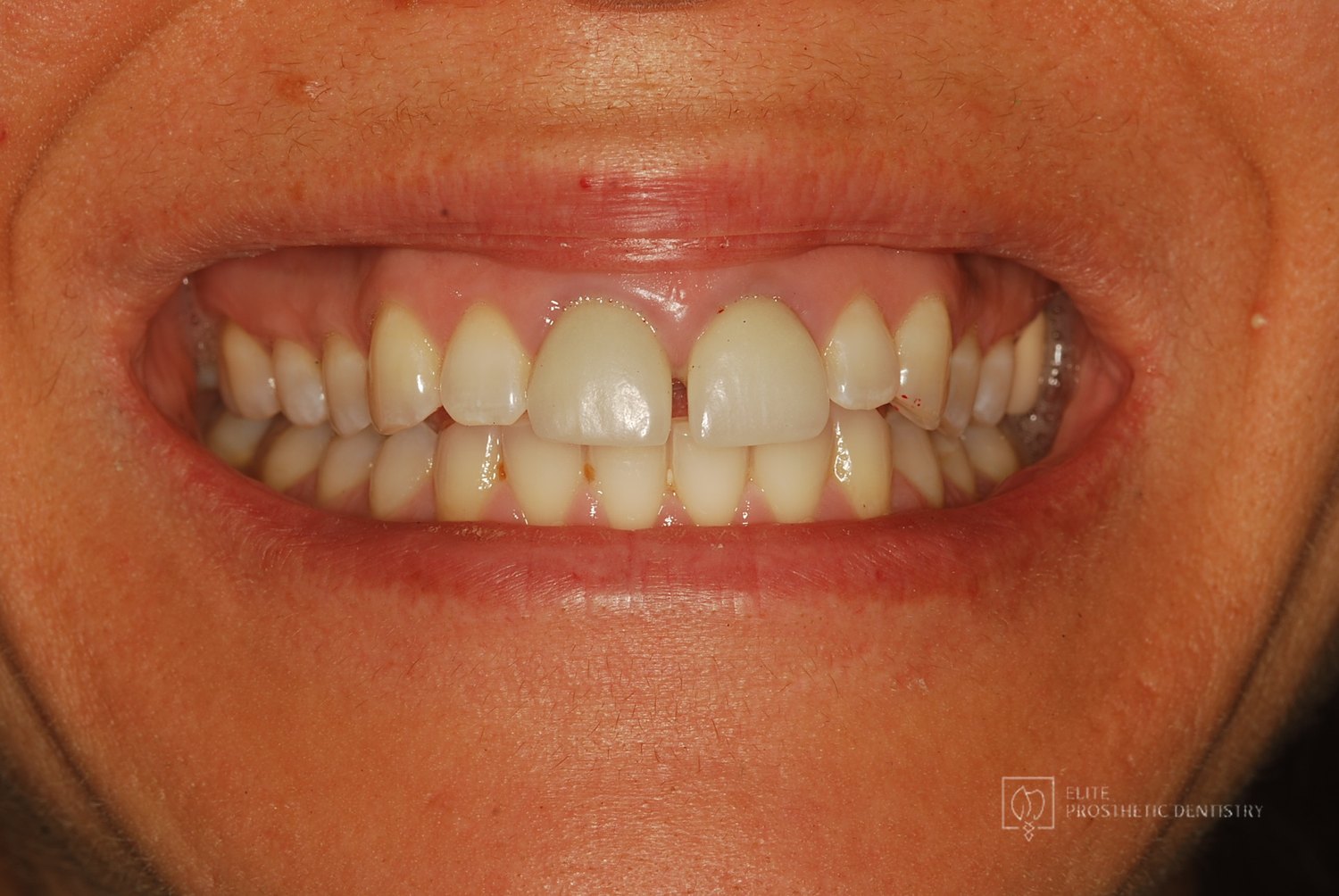
After Two Front Teeth Saved From Extraction: A Second Opinion, Custom Gold Posts, and Crowns Made to Last
Two upper central incisors with failed root canal treatment and recurrent decay had been recommended for extraction and implant replacement. A CBCT evaluation showed that removing the roots from their thin facial bone housing could create a visible esthetic defect in the gum and bone contour, made worse by the patient's high lip line.
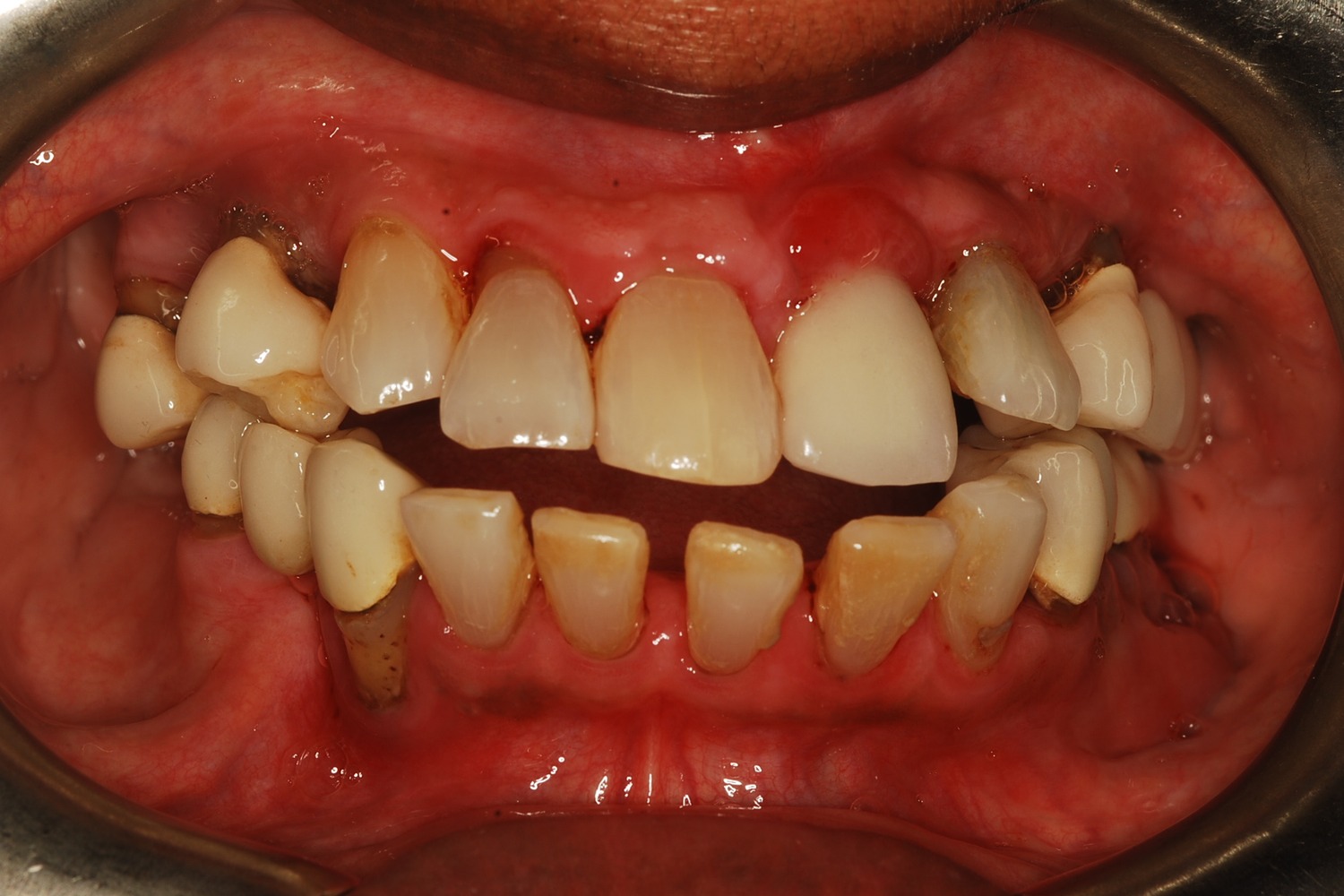 Before
 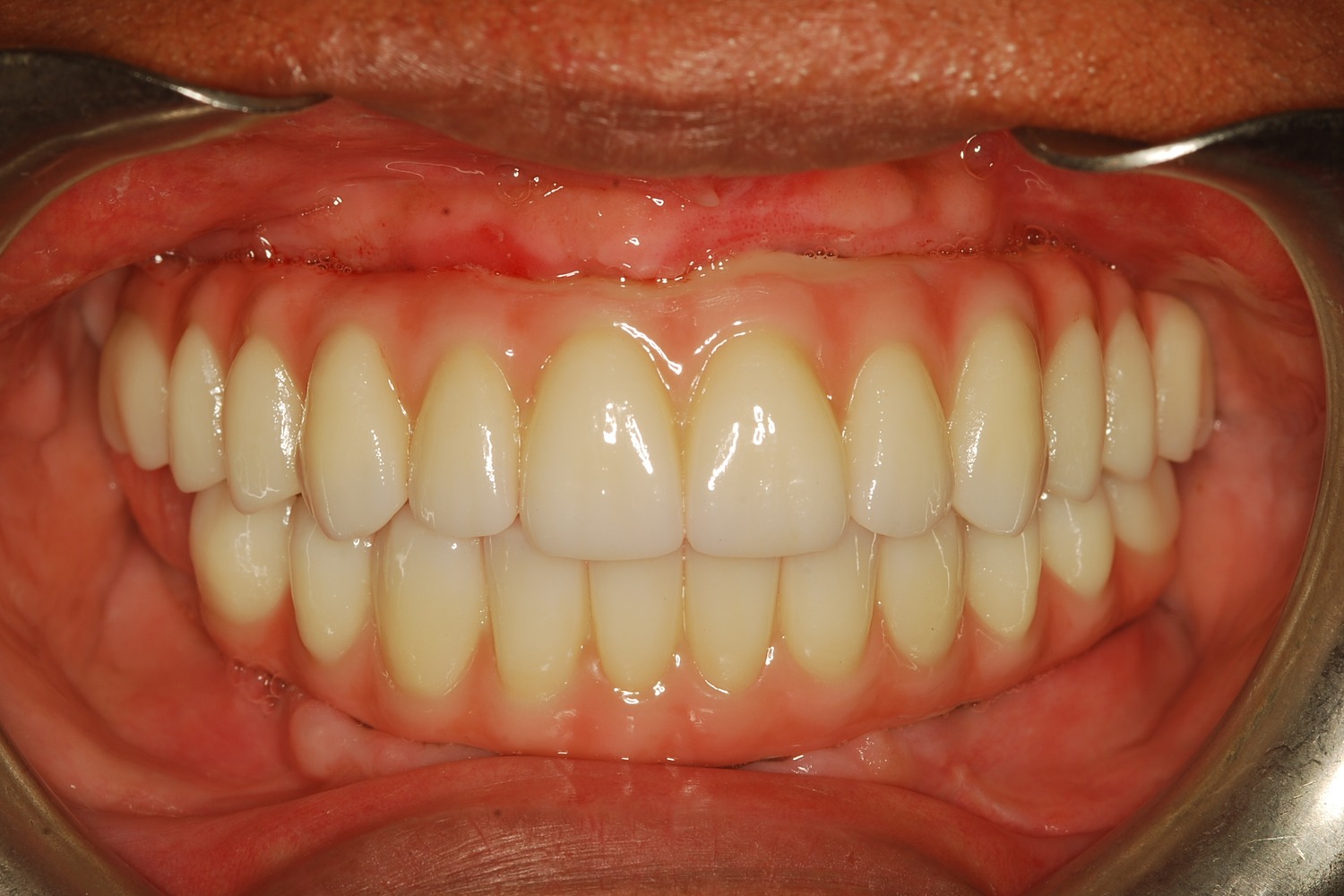 After
After How Severe Bone Loss and Bite Dysfunction Were Rebuilt with All-on-6 Implants and a Milled Zirconia Hybrid Prosthesis
The patient presented with severe bone loss, advanced periodontal disease, malocclusion, and a dysfunctional bite that required full-arch rebuilding.
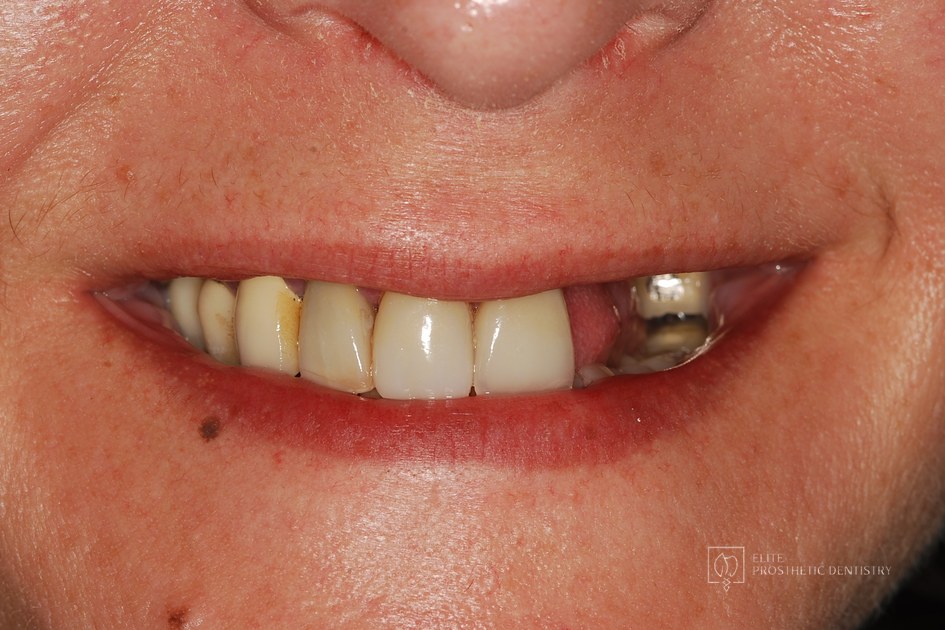 Before
  After
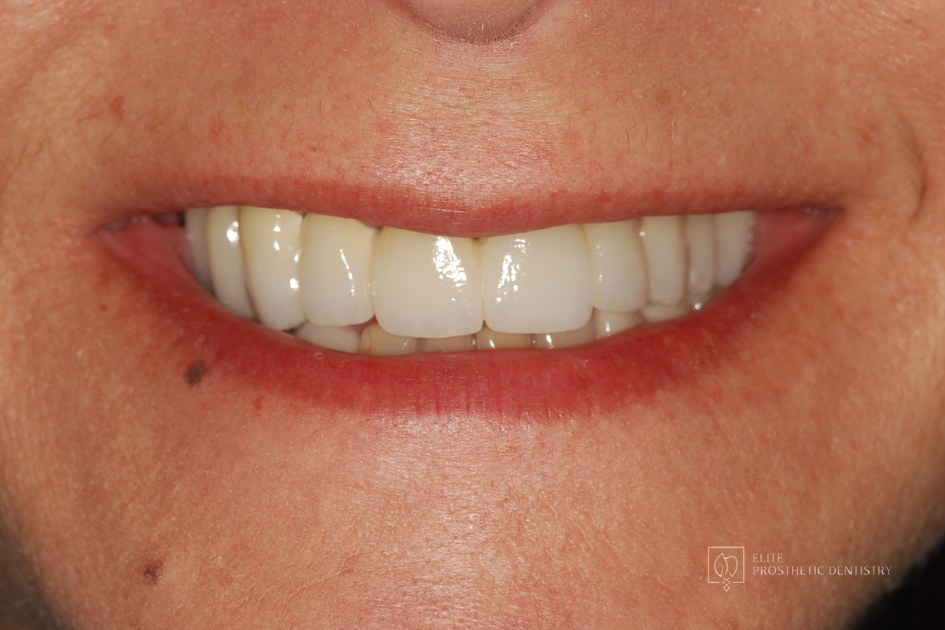
After Implant Supported Reconstruction: Failing Bridgework and Missing Back Teeth Rebuilt with Coordinated Specialist Care
Referred by another dental specialist with severe bone resorption on the upper left, multiple broken-down lower teeth requiring extraction, and failing lower back teeth that had left the bite without solid support. No single procedure, and no provider working in isolation, could rebuild a situation this interconnected.
Related Articles
Deepen your knowledge with additional insights on this topic.
 Dental Implants
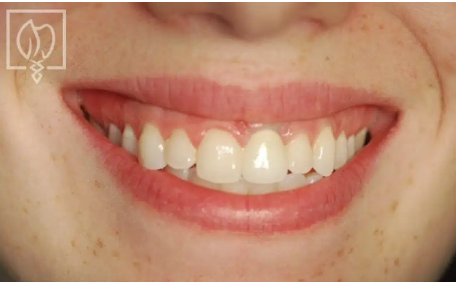
 If a Single Front Tooth Is Replaced with an Implant, Can It Look Natural?
Yes. See the four steps, with real case photos, that make a single front tooth implant indistinguishable from the natural tooth beside it. Washington, DC.
 Dental Implants
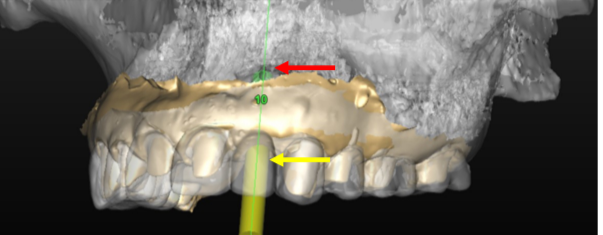
 What Is Precision Implant Placement (PIP)?
Precision Implant Placement plans each implant virtually on a CBCT scan, then delivers it with a custom surgical guide. See the three steps with real images.
 Dental Implants
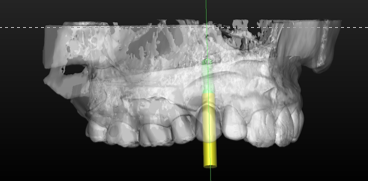
 What Is the Ideal Surgical Guide for Precision Implant Placement?
Not all surgical guides are equal. The gold standard is CBCT-based: planned virtually in 3D, 3D printed, and seated on your teeth. A DC prosthodontist explains.
 Dental Implants
 When Should an Implant Not Be Done?
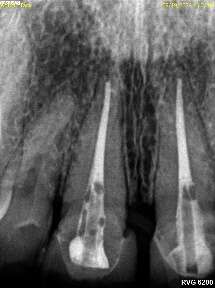
Healthy roots, thin bone, steep bony angles: a DC prosthodontist shows a real case where refusing implants was the right call, and what was done instead.
 Dental Implants
 What Is Staged Implant Therapy?
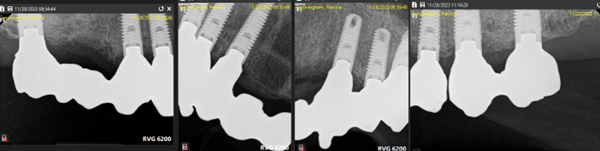
Staged implant therapy replaces failing teeth in phases while you keep fixed teeth the entire time. A DC prosthodontist walks through a real case in stages.
Dental Implants The Four Types of Dental Implants: Which One Is Right for You?
Endosteal, subperiosteal, zygomatic, and mini implants each solve a different problem. A DC prosthodontist explains the four types and who each one fits.
Ready to Transform Your Smile?
With 40+ years of experience and 3,900+ dental implants placed, Dr. Marlin and the team deliver dentistry planned to last. Request a specialist consultation.