
Who Are Good Candidates for All-on-4® Dental Implants?
All-on-4® type therapy restores an entire arch of missing teeth on just four to six dental implants, rather than an implant for every tooth. The implants support a full fixed prosthesis that looks and functions like natural teeth, and the approach is marketed under many brand names across many providers; the underlying protocol is similar, and the execution is where quality diverges.
At Elite Prosthetic Dentistry, we take full-arch therapy further than the standard package: custom restorations from our in-house laboratory, operating continuously since 1985, with Dr. Marlin directing both the surgical plan and the prosthesis. Our documented in-practice implant success rate is above 97% for implants placed more than 20 years ago.
So who actually qualifies? Three factors decide it.
You Are Missing Most or All Teeth in an Arch
Full-arch therapy is designed for patients missing most or all of their natural teeth, or whose remaining teeth are failing beyond predictable rescue. One arch is sufficient: if your lower teeth are sound but the uppers are failing, the upper arch can be treated on its own.
Four implants generally carry the prosthesis where bone density is favorable; six are used when additional support is warranted [1], a decision unpacked in our All-on-4 versus All-on-6 comparison. And the boundary matters in the other direction too: if you are missing only one or a few teeth, individual implants are the more appropriate treatment, and a practice should tell you so.
Your Bone Does Not Have to Be Perfect
Implant success depends heavily on the quality of jawbone and proper integration [2], which leads many denture wearers to assume years of bone shrinkage have disqualified them. Usually, they have not.
You can qualify for full-arch therapy even if you need a bone graft first. Deficient areas can be rebuilt, implant positions can be planned around the strongest available bone, and Dr. Marlin’s emphasis on bone preservation means the plan protects what you have rather than leveling it to fit an appliance. Every case starts with X-rays and a CT scan of the arch, so the bone answer is measured, never assumed. We do not place implants where the bone cannot support them; we build the bone or adjust the plan.
Your Mouth Needs to Be Ready to Heal
Integration is a healing process, and healing quality is candidacy’s third leg. Active gum disease or unresolved decay compromises the environment the implants must heal in [3], so existing oral health issues are addressed before implant surgery, not after. Overall health and habits, smoking in particular, factor into the same conversation.
None of these are disqualifications so much as sequencing: most patients who want full-arch therapy can get there with the right preparation.
Find Out Where You Stand
Candidacy is a measurable question with a definitive answer: an examination, a CT scan, and an honest specialist review of whether your remaining teeth should be saved or replaced, including deliberate alternatives like staged implant therapy. Dr. Gerald Marlin has placed more than 3,900 dental implants over a career of more than 40 years, and full-arch cases are engineered here, not packaged.
Call 202-244-2101 or schedule a consultation at Elite Prosthetic Dentistry in Friendship Heights, Washington, DC.
All-on-4® is a registered trademark of Nobel Biocare. Our practice provides full-arch therapy of this type using our own planning, components, and bone-preservation protocols.
Sources
See How We Resolve These Problems
Our patient success stories show real cases and real results. Browse outcomes from a specialist prosthodontist with decades of experience and 3,900+ implants placed.
Key Takeaways
- ✓ All-on-4® type therapy suits patients missing most or all teeth in an arch: four to six implants support a full fixed prosthesis.
- ✓ One arch is enough to qualify. Upper and lower can be treated independently.
- ✓ Bone does not have to be perfect. Grafting can rebuild deficient areas, and six implants are used where four would be under-supported.
- ✓ Active decay and gum disease must be resolved first, because healing quality determines integration.
- ✓ If you are missing only one or a few teeth, individual implants are the more appropriate treatment.
Frequently Asked Questions
Who qualifies for All-on-4 type dental implants?
The core profile: patients missing most or all of the teeth in an arch, or whose remaining teeth are failing beyond predictable saving, with reasonable overall health and enough bone to support the implants, either natively or after grafting. A CT-based evaluation settles candidacy definitively.
Can I get All-on-4 if I have bone loss?
Often, yes. Bone does not have to be perfect. Deficient areas can be rebuilt with grafting, six implants can be used where four would be under-supported, and implant positions can be planned around the strongest available bone. What matters is a plan grounded in 3D imaging, not a package applied regardless of anatomy.
Am I a candidate if only my upper (or lower) teeth are failing?
Yes. Each arch is treated on its own merits. Many patients restore one arch with a full fixed prosthesis while the opposite arch keeps its natural teeth or receives separate, smaller treatment.
What would disqualify me from full-arch implant treatment?
Uncontrolled gum disease or decay that would compromise healing, certain unmanaged health conditions, and, importantly, having too many savable teeth: if your teeth can be predictably preserved, extracting them for a full-arch package is the wrong plan. Timing and preparation resolve most other obstacles.
Related Patient Success Stories
Explore similar patient success stories demonstrating our expertise in advanced prosthetic dentistry.
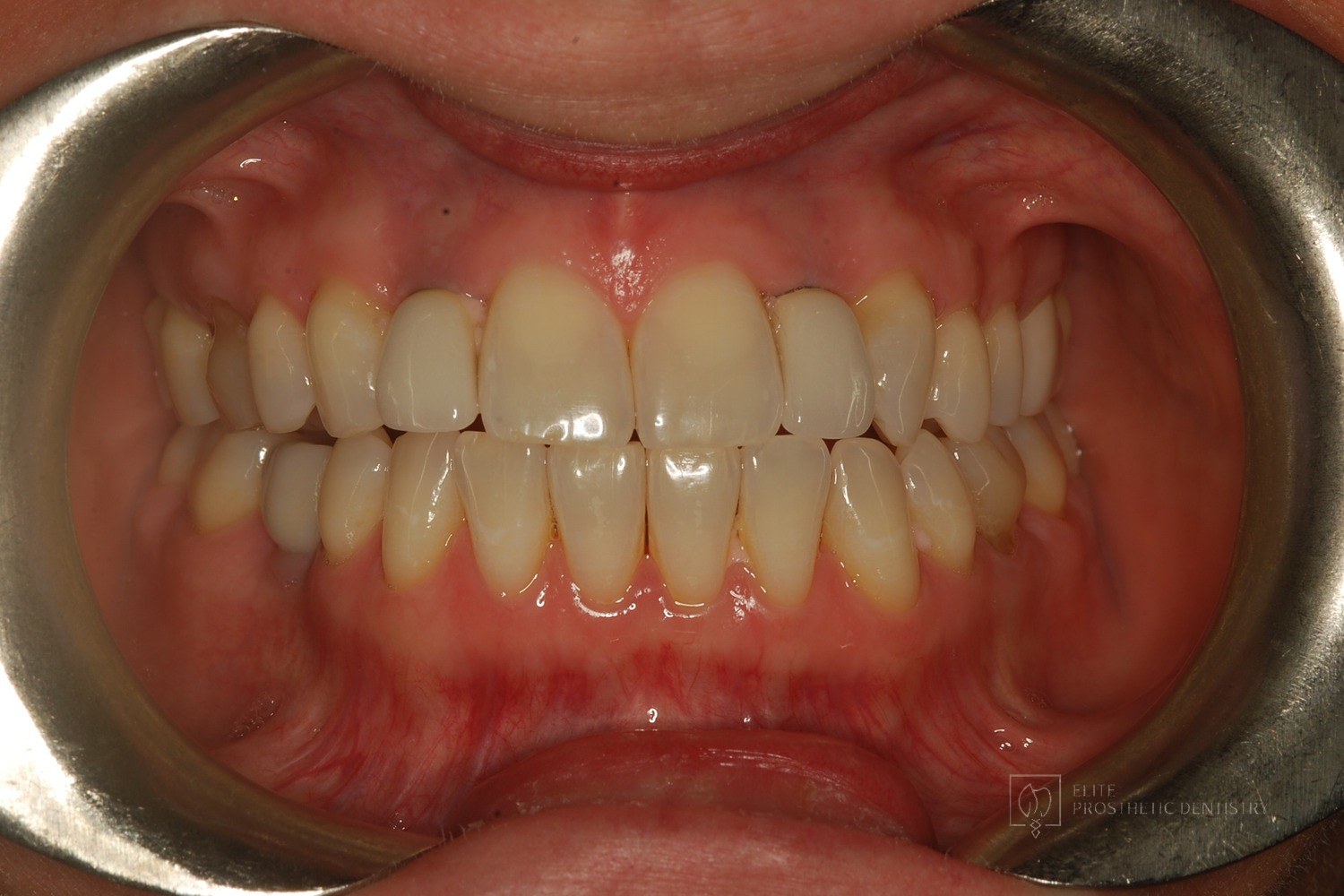 Before
 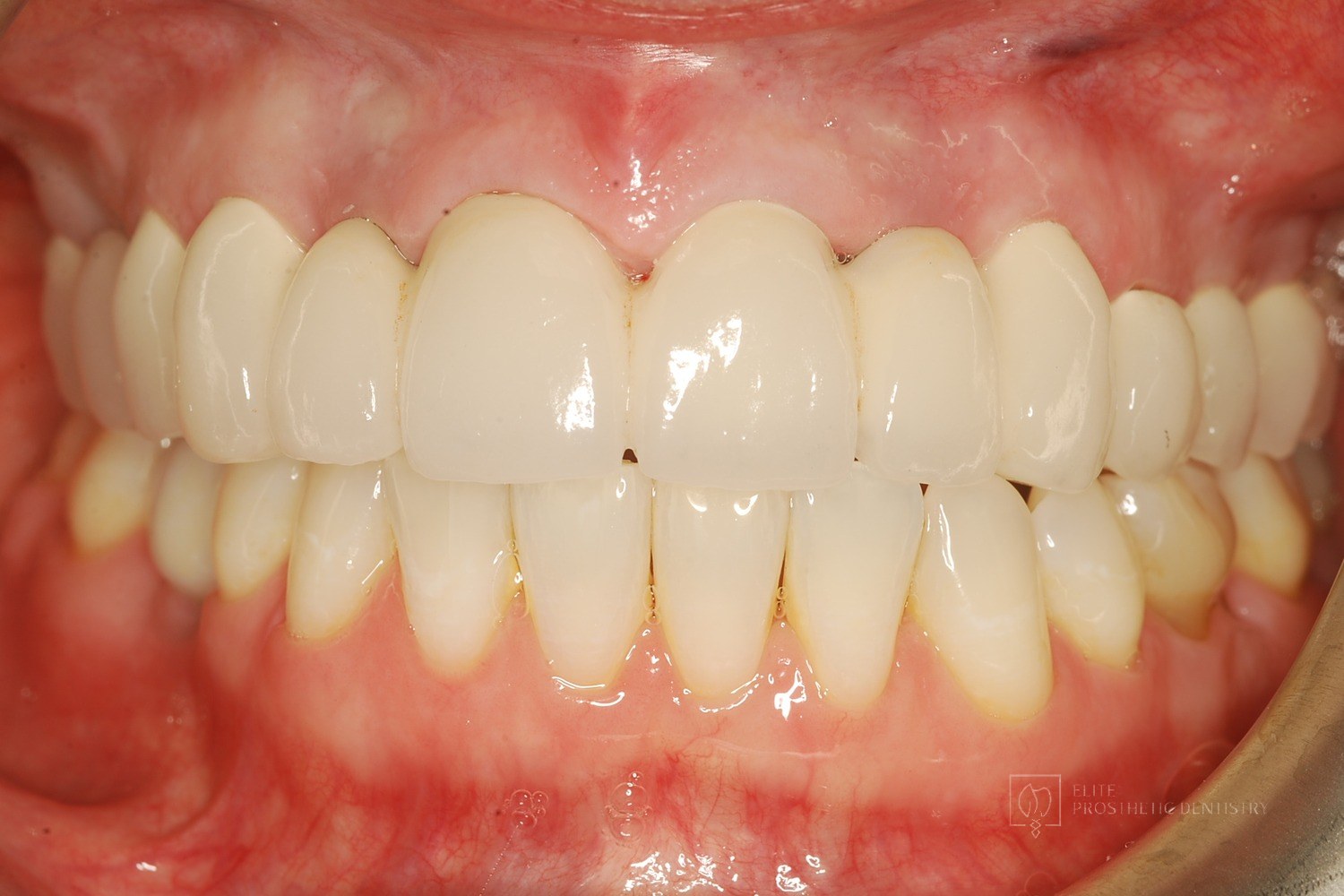 After
After How Older Implant Crowns Were Redesigned for a Better Bite and More Natural Appearance
The patient came in after years of living with implant-supported crowns placed more than twenty years earlier that no longer looked or functioned well. CBCT evaluation, reviewed with a radiologist colleague, showed the implants had been placed too far to the buccal in very thin bone and could not support a healthy long-term restoration.
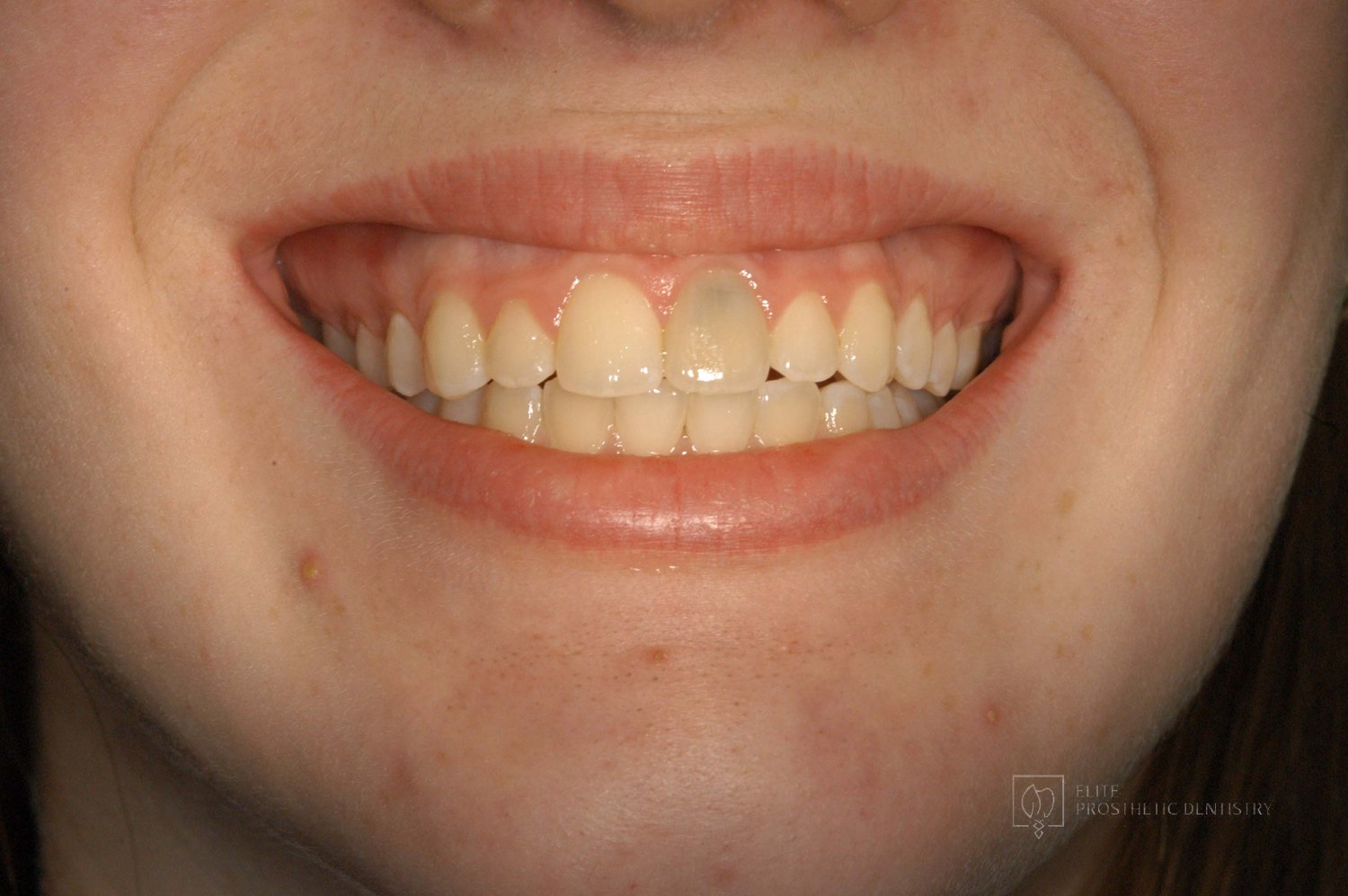 Before
 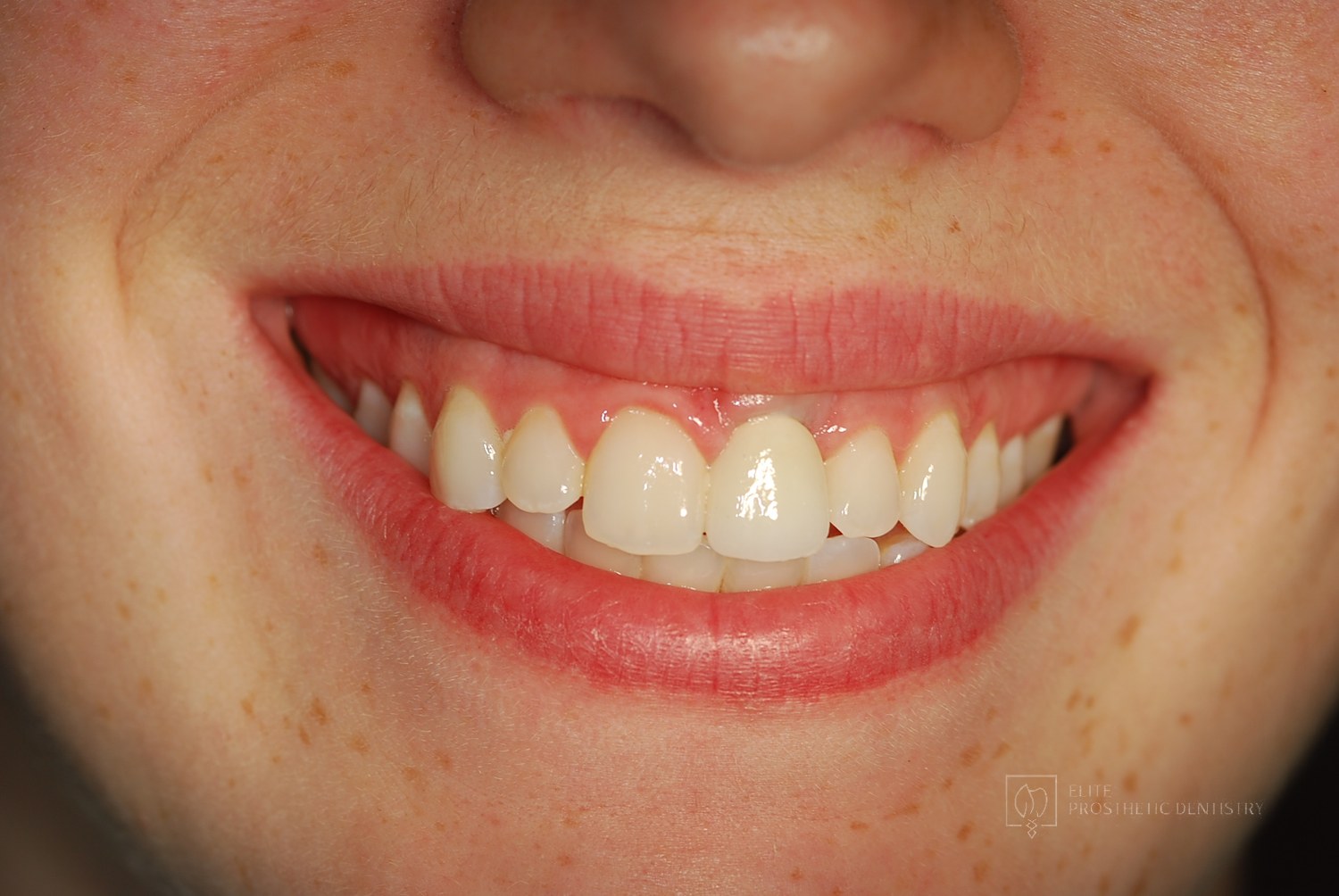 After
After How a Front Tooth Lost to Childhood Trauma Was Rebuilt with Bone Grafting and a Long-Lasting Implant
A teenager was referred by her father after earlier trauma left her upper left front tooth slowly failing from root resorption. She was still growing, so an immediate implant was the wrong move. The tooth had to be maintained to buy time, then replaced correctly once she reached skeletal maturity.
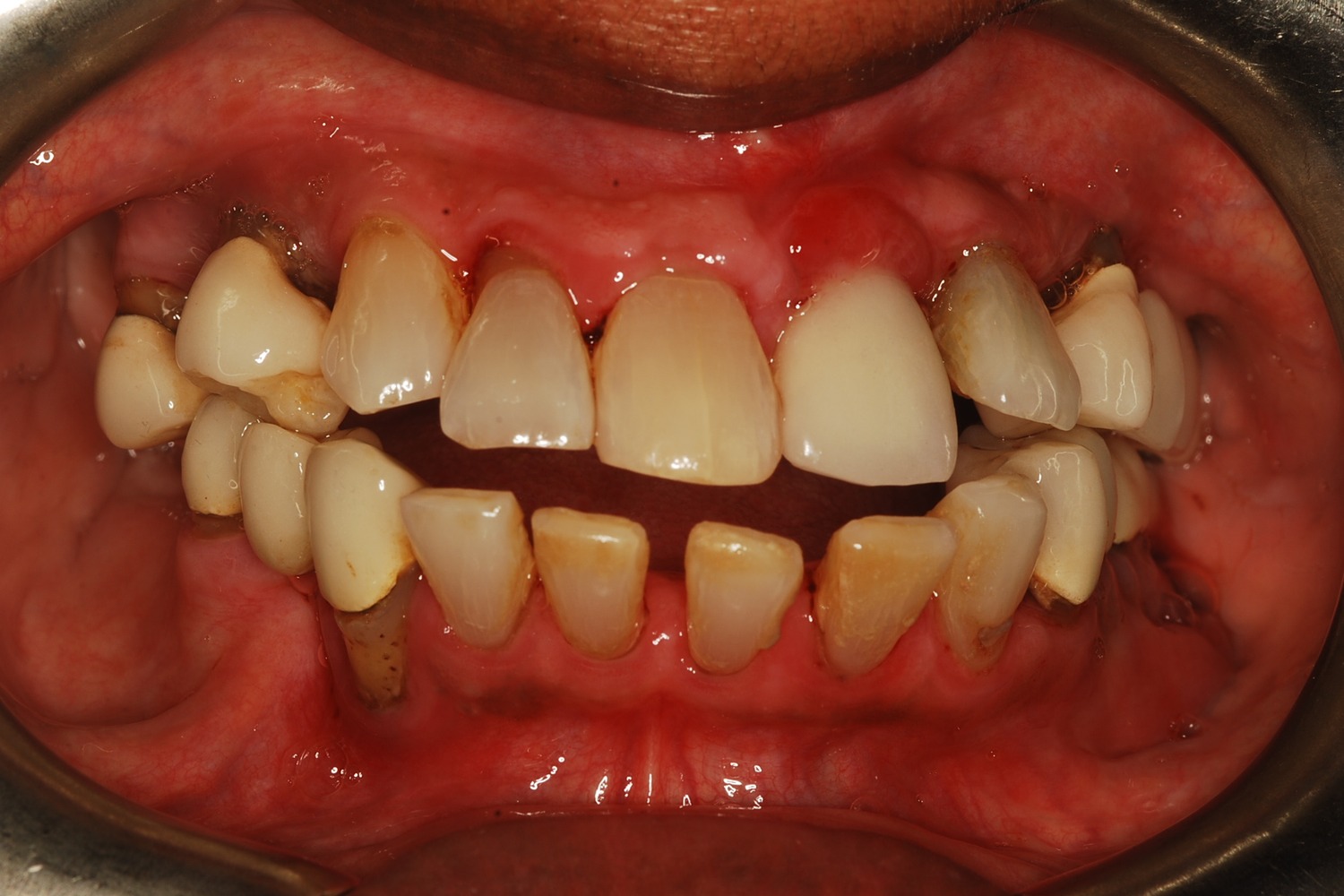 Before
 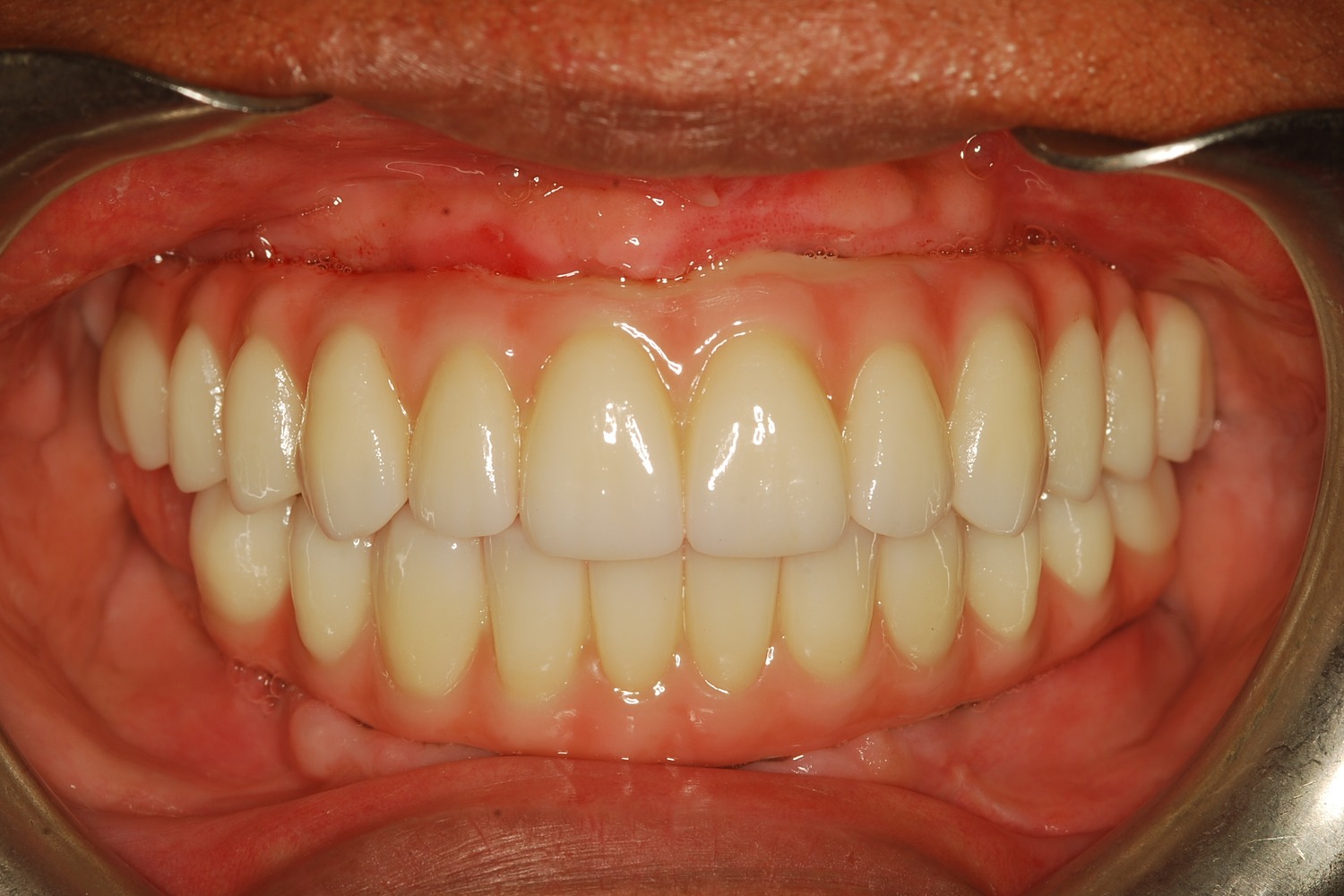 After
After How Severe Bone Loss and Bite Dysfunction Were Rebuilt with All-on-6 Implants and a Milled Zirconia Hybrid Prosthesis
The patient presented with severe bone loss, advanced periodontal disease, malocclusion, and a dysfunctional bite that required full-arch rebuilding.
Related Articles
Deepen your knowledge with additional insights on this topic.
 Dental Implants
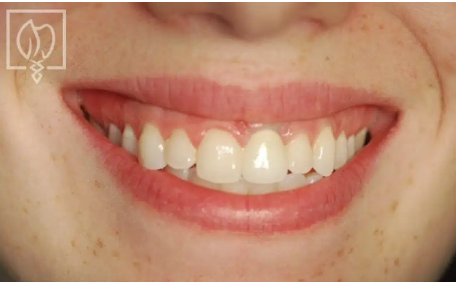
 If a Single Front Tooth Is Replaced with an Implant, Can It Look Natural?
Yes. See the four steps, with real case photos, that make a single front tooth implant indistinguishable from the natural tooth beside it. Washington, DC.
 Dental Implants
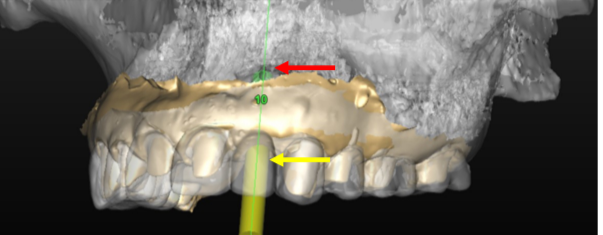
 What Is Precision Implant Placement (PIP)?
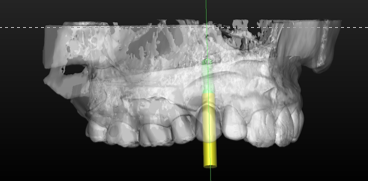
Precision Implant Placement plans each implant virtually on a CBCT scan, then delivers it with a custom surgical guide. See the three steps with real images.
 Dental Implants
 What Is the Ideal Surgical Guide for Precision Implant Placement?
Not all surgical guides are equal. The gold standard is CBCT-based: planned virtually in 3D, 3D printed, and seated on your teeth. A DC prosthodontist explains.