
Why Is Bone Preservation for Dental Implants Important?
If you are missing one, several, or even all of your natural teeth, dental implants are usually the most complete way back: unlike any other restoration, an implant replaces the root as well as the tooth, producing a strong, natural-feeling result that can last for life with proper care.
But every implant has a prerequisite: enough healthy bone to hold it. And here is the fact that shapes everything, because it is a race against a quiet clock. When you lose a tooth, the bone that held it begins to deteriorate immediately, and most of that loss happens during the first six months [1]. The longer a gap waits, the less foundation remains.
Bone preservation is how we stop that clock. Our extensive experience with bone grafting is one reason our documented in-practice implant success rate is above 97% for implants placed more than 20 years ago.
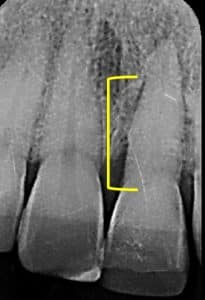
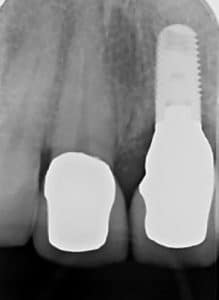
What Is Bone Preservation?
When a tooth is removed because of injury, decay, fracture, or impaction, it leaves behind its socket: a tooth-shaped void in the jaw. Left to heal on its own, that socket can collapse inward, and the ridge above it flattens and narrows.
Bone preservation, also called alveolar ridge preservation, is the simple discipline of not letting that happen. Dr. Marlin places a measured amount of bone graft material into the socket immediately after the extraction, before closing the site. The graft supports the socket walls while your body replaces it with new bone, keeping the ridge full and the site ready for restoration [2].
The benefits compound. A preserved socket maintains the bone that surrounded the root, helps keep neighboring teeth from drifting into the gap, and makes the eventual implant simpler, more precise, and more predictable. If an extraction is in your future, it is worth reading what to do when told a tooth must come out before the appointment, because this decision happens on extraction day.
Bone Density Decides Implant Success
An implant must do everything a natural root does: absorb biting force, resist movement, and fuse permanently with the jaw. That fusion only succeeds in bone with adequate volume and density [3]. For perspective, published research on long-term implant survival reports a national success rate around 83% at 20 years [4]; careful site preparation is a large part of what drives long-term survival.
Patients who have been missing teeth for months or years usually have reduced bone at the site. That rarely closes the door; it means the site needs rebuilding through grafting, a well-documented step with a high success rate of its own [5]. It simply adds months to the timeline that preservation would have saved.
And once an implant is in place, it becomes the preservation strategy: by transmitting chewing stimulation into the jaw like a natural root, an implant maintains the surrounding bone for life, protecting against the sunken facial appearance that follows long-term tooth loss.
Preservation as a Philosophy, Not Just a Procedure
There is a second, less discussed side to bone preservation: not removing bone in the first place. Some full-arch treatment designs deliberately reduce healthy jawbone to create room for the appliance. In selected cases that can be a reasoned choice, but it deserves to be an informed one, because bone removed that way cannot be replaced.
Our approach runs the other direction. We preserve natural bone wherever possible, rebuild what is missing, and design restorations around your anatomy rather than trimming your anatomy to fit a product. For patients weighing full-arch options, we explain the alternatives candidly in what to consider if you cannot have, or do not want, a full arch of implants.
Protect the Foundation You Have
Whether you are facing an extraction this month, replacing a tooth lost years ago, or planning ahead to renew aging dental work before it fails, the guiding rule is the same: protect the bone first, because every good outcome is built on it. Dr. Gerald Marlin, a specialty-trained prosthodontist, has placed more than 3,900 dental implants on exactly that principle.
Call 202-244-2101 or request a consultation at Elite Prosthetic Dentistry in Friendship Heights, Washington, DC, and we will map out what your jaw needs, honestly and precisely.
Sources:
See How We Resolve These Problems
Our patient success stories show real cases and real results. Browse outcomes from a specialist prosthodontist with decades of experience and 3,900+ implants placed.
Key Takeaways
- ✓ Most bone loss happens in the first six months after a tooth is lost, so what happens on extraction day shapes every future option.
- ✓ Socket (bone) preservation places graft material into the empty socket at extraction, preventing collapse and keeping the site implant-ready.
- ✓ Implant success depends on bone density and volume; preserved sites make placement simpler, more precise, and more durable.
- ✓ Bone that is removed can never truly be replaced like-for-like, which is why we never level healthy bone just to make an appliance fit.
- ✓ Implants themselves preserve bone for life by stimulating the jaw the way natural roots do.
Frequently Asked Questions
What is bone preservation in dentistry?
Bone preservation, also called socket or alveolar ridge preservation, means placing a small amount of bone graft material into the socket immediately after a tooth extraction, before the site is closed. It prevents the socket walls from collapsing as they heal, keeping the ridge full and ready for a future implant.
Why does bone disappear so fast after an extraction?
Jawbone is maintained by the stimulation of a working tooth root. Once the root is gone, the body begins resorbing the bone, and research shows most of that loss occurs within the first six months. That is why the graft belongs in the socket on extraction day, not years later as a bigger rebuild.
Do dental implants really prevent bone loss?
Yes. An implant is the only tooth replacement that replaces the root itself, transmitting chewing stimulation into the jaw the way a natural tooth does. That stimulation tells the body to maintain the bone, which protects both your bite and the facial support that prevents a sunken appearance.
What does it mean that some procedures remove bone to fit an appliance?
In some full-arch approaches, healthy jawbone is deliberately reduced to create vertical room for the appliance. That can be a legitimate design choice in selected cases, but it is irreversible: bone removed this way cannot be regrown. We believe patients deserve to understand that trade-off clearly before choosing, and our own philosophy is to preserve bone wherever possible.
I lost a tooth years ago and nothing was done. Is it too late?
No. It usually means the site needs rebuilding rather than simple preservation, using bone grafting procedures that restore lost volume over several months. Preservation on extraction day is the easier path, but grafting keeps the implant option open for almost everyone.
Related Patient Success Stories
Explore similar patient success stories demonstrating our expertise in advanced prosthetic dentistry.
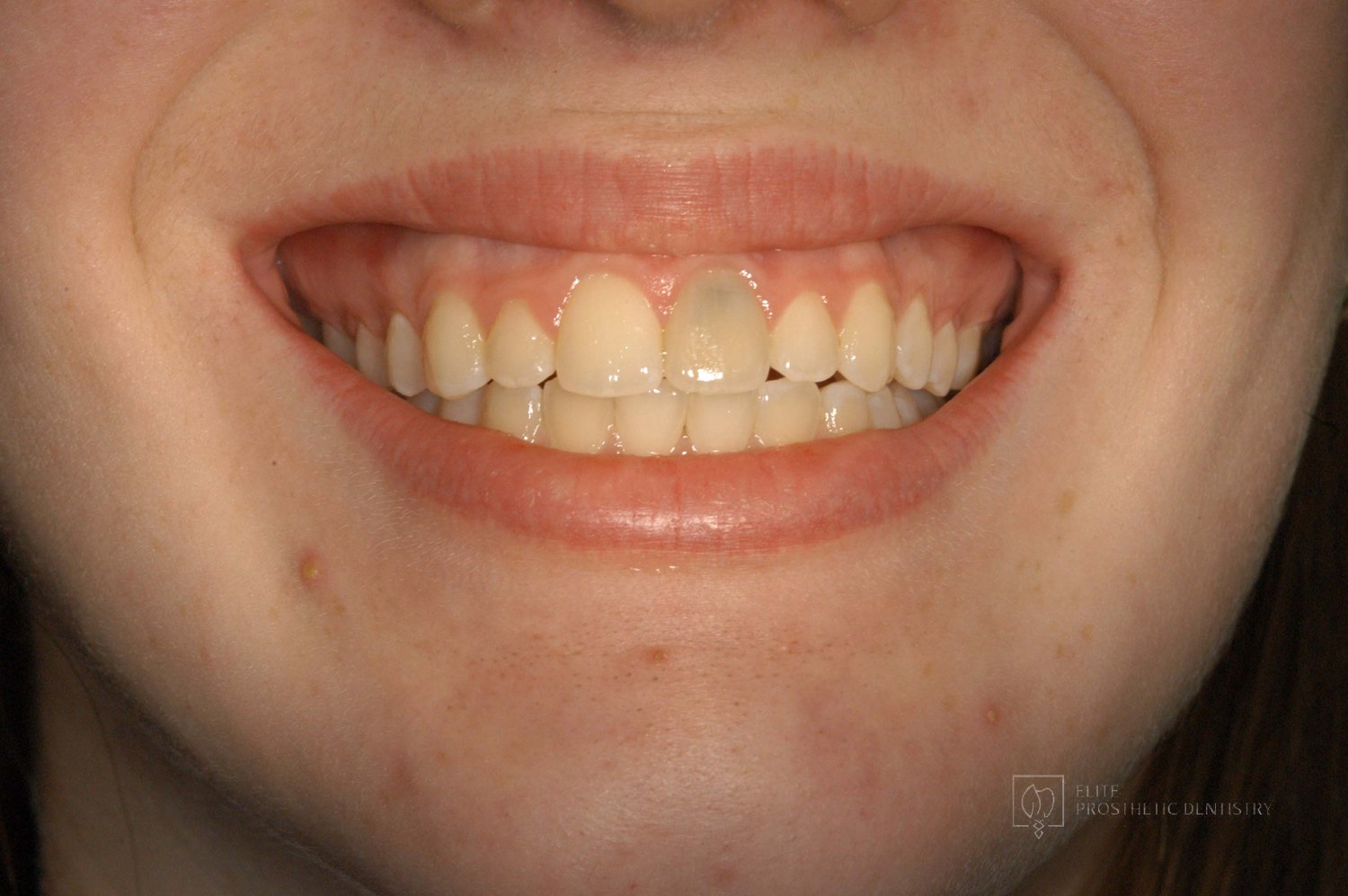 Before
 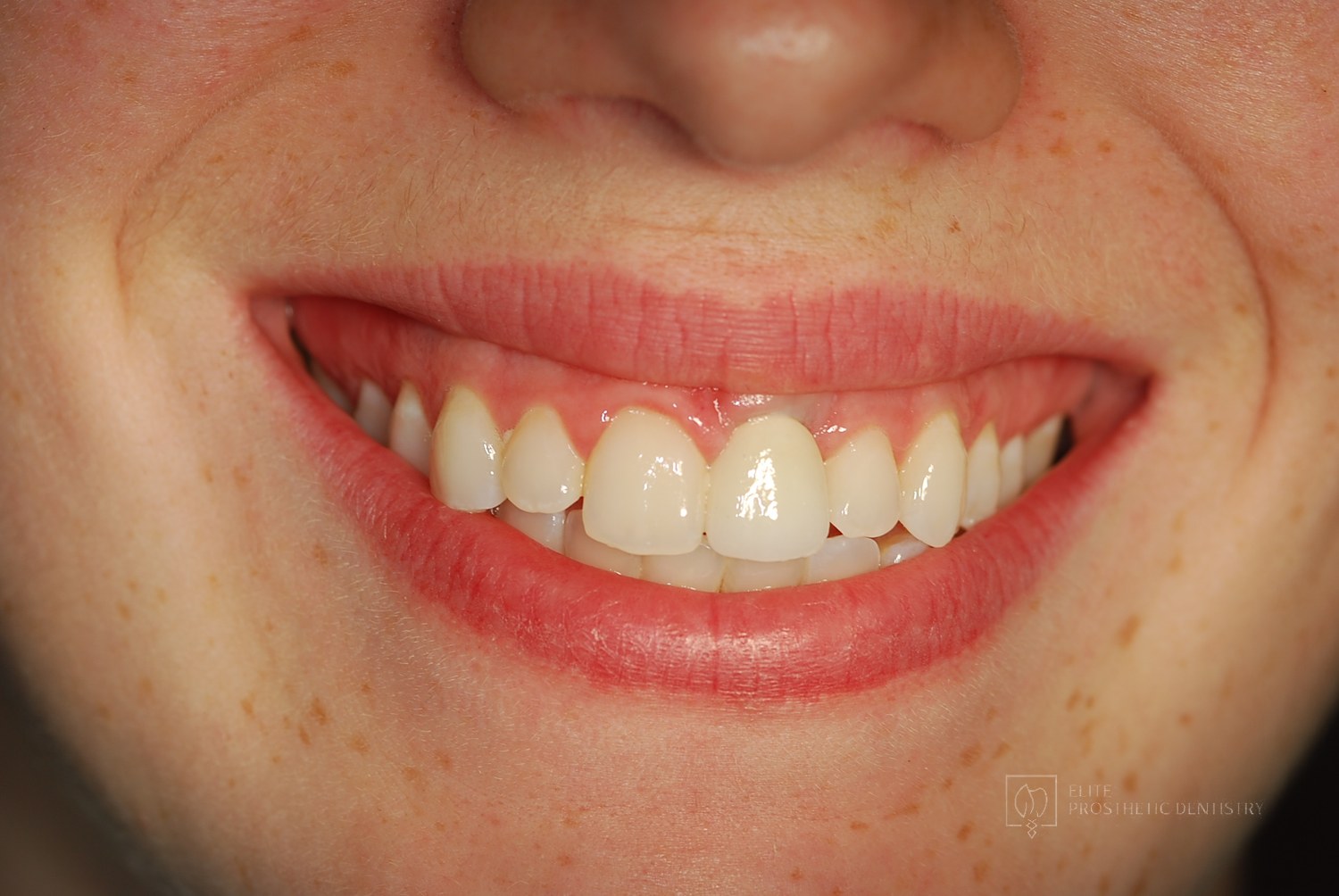 After
After How a Front Tooth Lost to Childhood Trauma Was Rebuilt with Bone Grafting and a Long-Lasting Implant
A teenager was referred by her father after earlier trauma left her upper left front tooth slowly failing from root resorption. She was still growing, so an immediate implant was the wrong move. The tooth had to be maintained to buy time, then replaced correctly once she reached skeletal maturity.
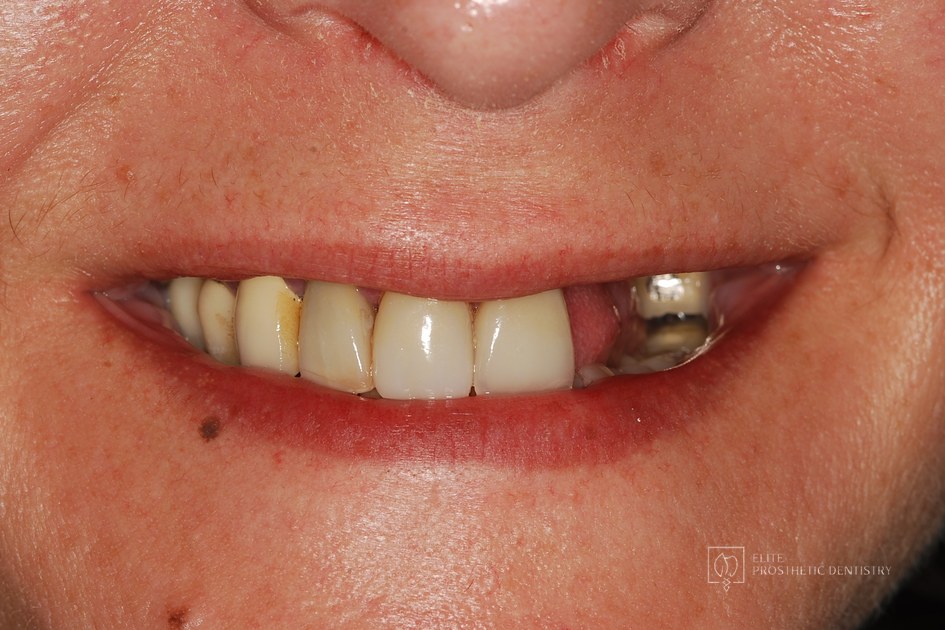 Before
 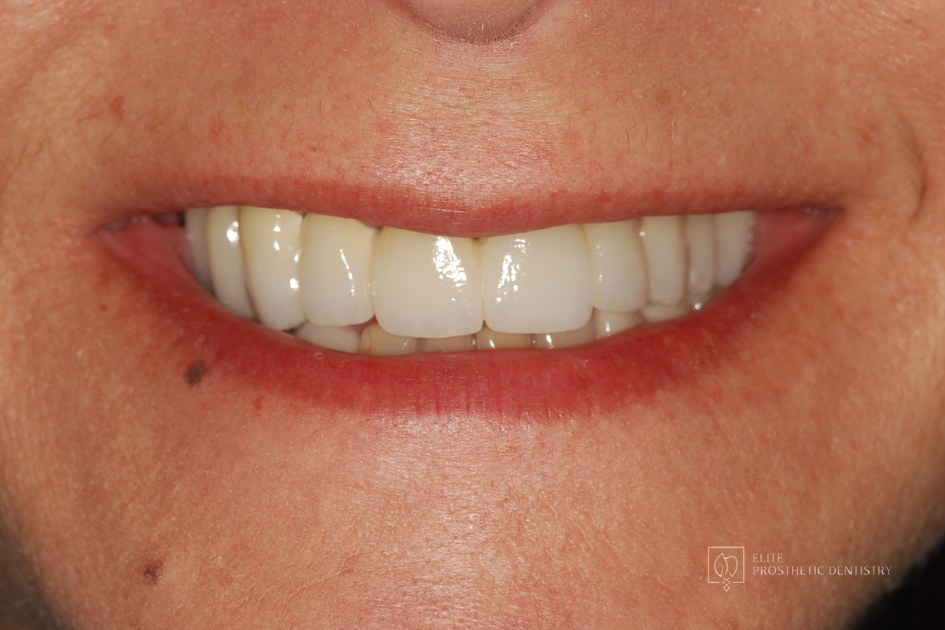 After
After Implant Supported Reconstruction: Failing Bridgework and Missing Back Teeth Rebuilt with Coordinated Specialist Care
Referred by another dental specialist with severe bone resorption on the upper left, multiple broken-down lower teeth requiring extraction, and failing lower back teeth that had left the bite without solid support. No single procedure, and no provider working in isolation, could rebuild a situation this interconnected.
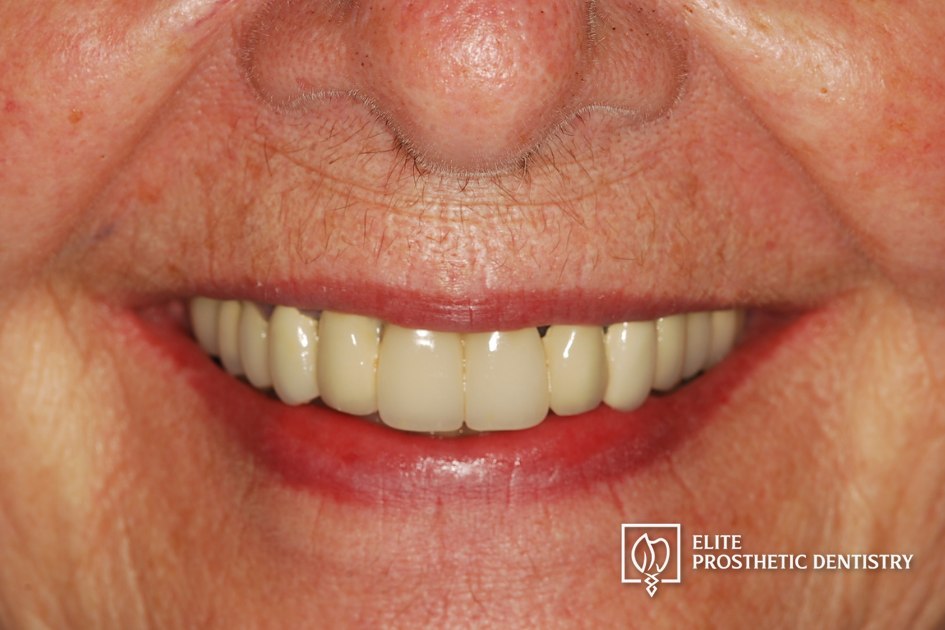 Before
 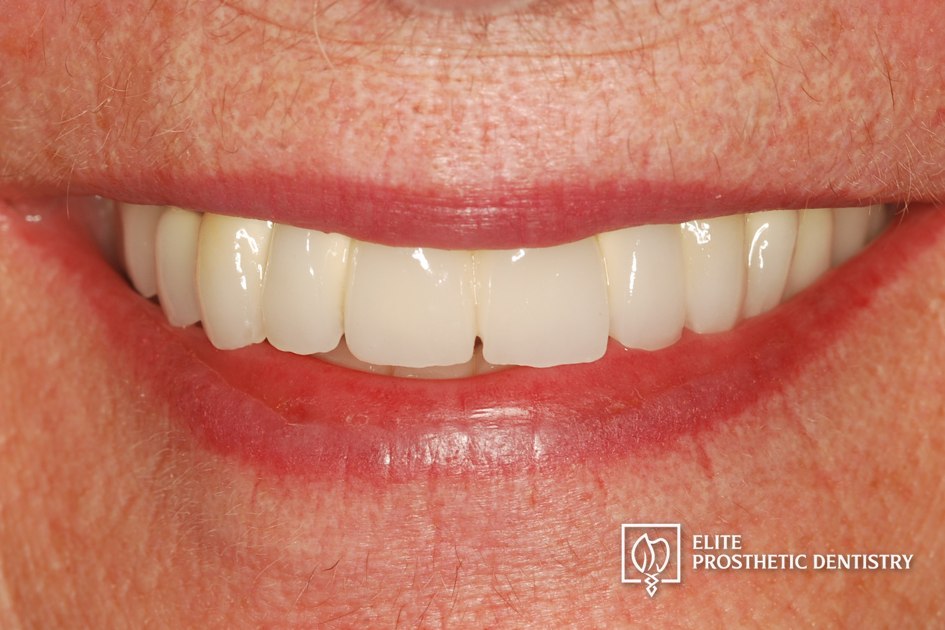 After
After How a Loose Upper Bridge and Aging Crowns Were Rebuilt with Staged Implant Reconstruction
A patient referred by her general dentist after years of aging dentistry no longer holding up. A loose upper bridge and crowns more than twenty years old, combined with the effects of advanced periodontal disease and severely compromised tooth abutments, required a staged surgical and restorative plan delivered with comfort planning at the same time.
Related Articles
Deepen your knowledge with additional insights on this topic.
 Bone Grafting & Surgical
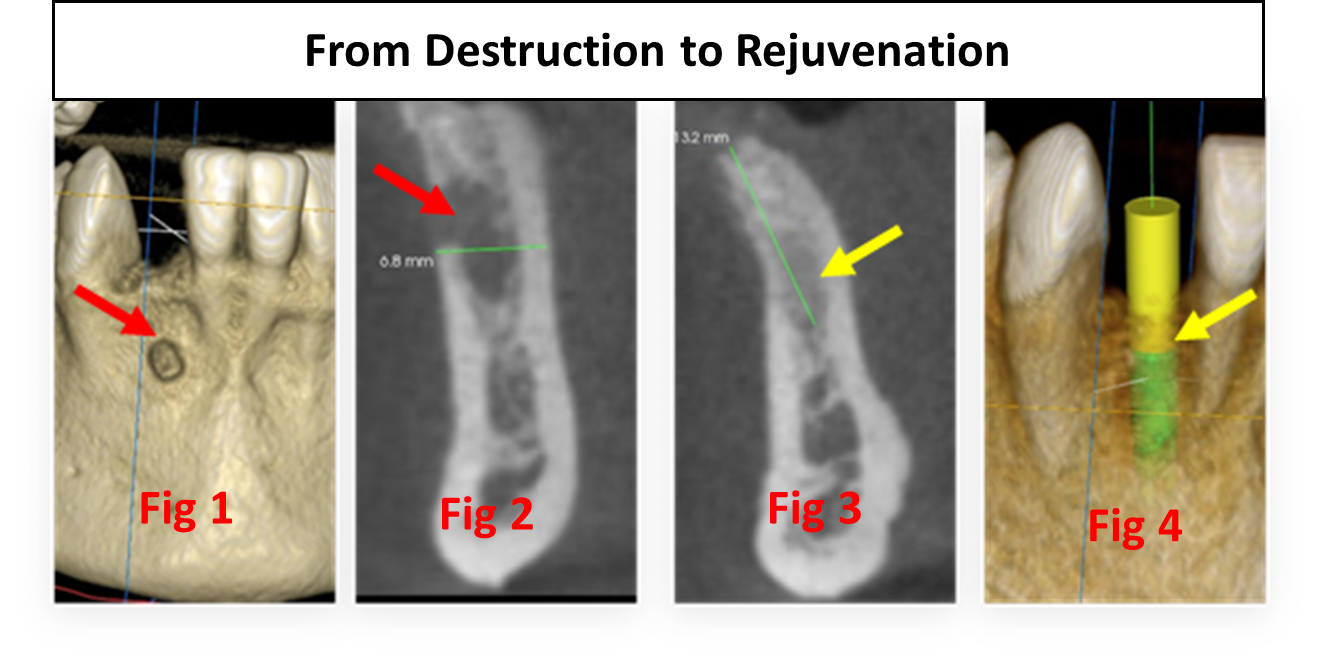
 Rebuilding a Ruined Implant Site with Severely Damaged Bone: The Three-Stage Protocol
Debridement, growth-factor grafting, CBCT-guided planning: the step-by-step protocol that turns a severely damaged implant site into a healthy ridge.
 Bone Grafting & Surgical
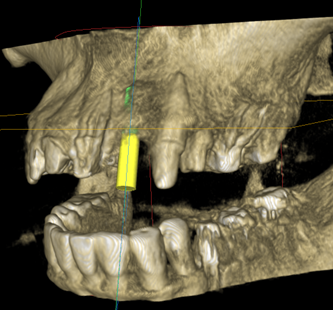
 What Is Ridge Augmentation Bone Grafting?
Ridge augmentation rebuilds a jaw ridge too narrow or angled for an implant. See real measurements from planning to precise placement. Washington DC.
 Bone Grafting & Surgical
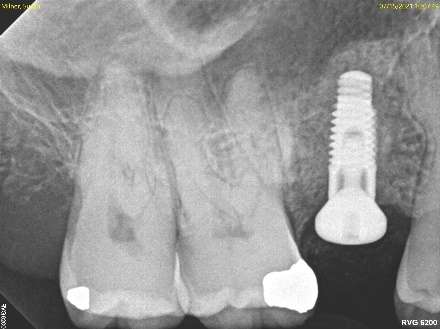
 What Is a Partial (Internal) Sinus Lift?
A partial (internal) sinus lift adds bone at a single implant site through the implant preparation itself, often with the implant placed the same visit.