
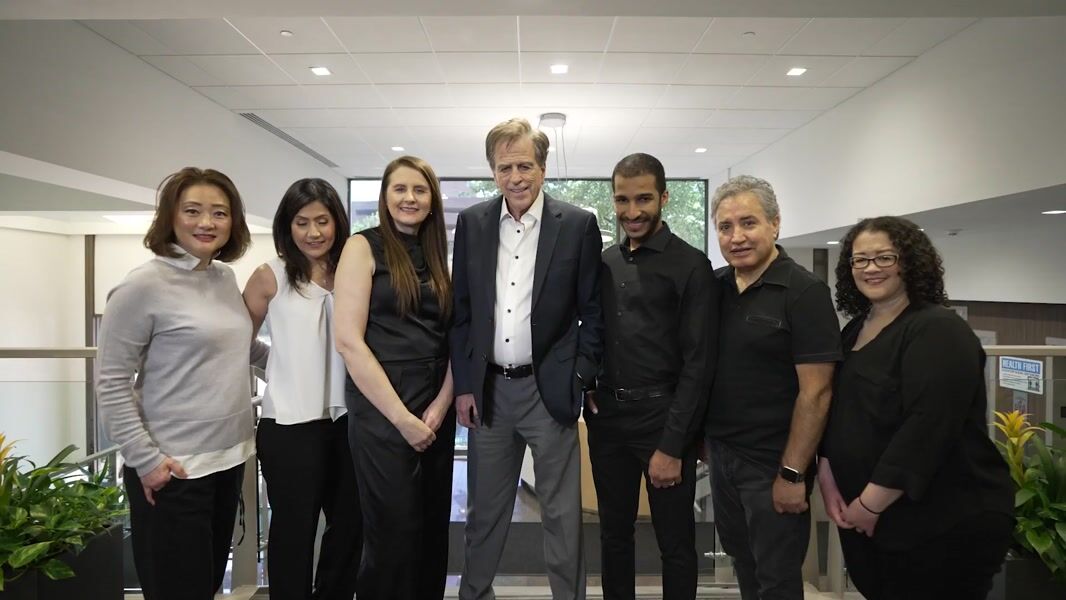
TMJ Treatment Approaches in Georgetown
Compare TMJ treatment approaches: night splints, physical therapy, occlusal adjustment, and surgical referral. Dr.
Comparing TMJ Treatment Approaches: Finding the Right Solution for Your Dysfunction
TMJ dysfunction has multiple potential causes, and no single treatment works for all patients. Dr. Marlin evaluates your specific situation and recommends a treatment approach tailored to your dysfunction’s underlying cause. Understanding the different treatment options helps you appreciate why specific recommendations are made.
Night Guards and Custom Splints
Night guards are custom-fabricated plastic appliances worn during sleep. They prevent direct tooth-to-tooth contact, eliminating the clenching and grinding stress that destabilizes the TMJ. They also position the jaw in a more relaxed posture, reducing muscle tension.
Night guards are most effective for TMJ dysfunction related to clenching and grinding, conditions that Dr. Marlin screens for during history-taking. Patients with stress-related TMJ dysfunction, particularly those who clench unconsciously during sleep, typically experience significant improvement with night guard use.
Custom night guards are superior to over-the-counter appliances because they’re fabricated to match your bite, provide optimal fit, and position your jaw ideally for your specific anatomy.
Night guards address the symptom (abnormal jaw loading) but not necessarily the root cause (stress). Combined with stress management, night guards provide lasting improvement. Without stress management, symptoms may recur if the appliance is discontinued.
Physical Therapy and Jaw Exercises
Physical therapy for TMJ dysfunction involves prescribed exercises and stretches designed to strengthen supportive muscles, improve jaw opening mechanics, reduce muscle tension, and enhance proprioception (awareness of jaw position).
A physical therapist trained in TMJ dysfunction designs a program specific to your dysfunction. Exercises might target lateral pterygoid muscles, masseter muscles, or other structures depending on your clinical presentation.
Physical therapy is remarkably effective, particularly when combined with other approaches. Benefits typically emerge over 4 to 8 weeks of consistent home exercises. Commitment to the program is essential because results depend on regular practice.
Physical therapy addresses muscle dysfunction but doesn’t directly correct bite problems or disc displacement. For these issues, other treatments are needed.
Occlusal Adjustment and Bite Correction
Occlusal adjustment involves selective grinding of tooth surfaces to modify bite contacts and distribute force more evenly across the dental arch. The goal is reducing asymmetrical stress that loads one TMJ excessively.
Occlusal adjustment is appropriate for patients whose TMJ dysfunction stems from bite problems. If your bite is off-center, if you have missing teeth creating uneven contacts, or if restorations are poorly positioned, correcting these bite problems often reduces TMJ stress and improves symptoms.
For patients whose dysfunction stems purely from stress-related clenching or disc problems, occlusal adjustment alone may be insufficient. Combined with night guards and physical therapy, however, bite correction supports overall improvement.
More extensive bite correction may require restorations (crowns, bridges, implants) or orthodontic treatment. Dr. Marlin evaluates whether these more involved approaches are necessary for your specific situation.
Muscle Relaxants and Medications
While not discussed extensively here, some patients benefit from short-term muscle relaxant medications prescribed by their physician. These medications reduce muscle tension and spasm, providing relief during acute flare-ups.
Muscle relaxants are typically used short-term (1 to 2 weeks) because long-term use is neither recommended nor particularly effective. They’re best combined with night guards, physical therapy, and stress reduction for comprehensive management.
Steroid Injections
Some practitioners inject steroids into the TMJ to reduce inflammation when the joint is acutely inflamed. While steroid injections may provide temporary relief, their long-term effectiveness is debated. Dr. Marlin reserves injection therapy for specific cases and typically recommends conservative approaches first.
Comparative Effectiveness and Treatment Selection
For stress-related clenching and grinding, night guards are exceptionally effective. Combined with stress management, improvement rates exceed 80 percent.
For muscle dysfunction, physical therapy provides lasting improvement in 70 to 80 percent of motivated patients who commit to home exercises.
For bite-related dysfunction, occlusal correction provides lasting improvement by addressing the root cause. However, if underlying stress persists, patients may continue to clench and the corrected bite may be re-stressed.
The most effective approach typically combines multiple treatments. A patient with stress-related clenching and bite problems benefits from night guard therapy, stress reduction, and occlusal correction simultaneously. This comprehensive approach addresses both the immediate (muscle tension, abnormal loading) and underlying (bite, stress) factors.
Sequential Treatment Approach
Dr. Marlin typically recommends a sequential approach, beginning with conservative options and progressing to more involved treatment if needed. Night guards and physical therapy are started immediately because they’re effective, non-invasive, and have minimal risk.
If symptoms persist after 8 to 12 weeks of conservative treatment, additional treatment like occlusal adjustment or specialist referral is considered.
This conservative-first approach respects the fact that many TMJ dysfunctions improve substantially with time and conservative care, avoiding unnecessary invasive treatment.
Treatment Duration and Recovery Expectations
Night guard benefits typically emerge within 2 to 4 weeks of consistent use. Physical therapy benefits emerge over 4 to 8 weeks. Occlusal adjustment provides improvement within days to weeks as the body adapts to the new bite relationships.
Most patients experience meaningful improvement within 8 to 12 weeks of comprehensive conservative treatment. Some recover completely; others achieve significant symptom reduction even if complete resolution doesn’t occur.
Recovery isn’t necessarily linear. Some patients have improvement followed by temporary flare-ups during stressful periods. Recommitment to home exercises, night guard use, and stress management typically resolves flare-ups.
Conveniently Located Near Georgetown
Elite Prosthetic Dentistry is located 10 to 15 minutes from Georgetown via Wisconsin Avenue south or Massachusetts Avenue. Free parking is available. The Friendship Heights Metro Red Line station is 2 blocks away.
Elite Prosthetic Dentistry
4400 Jenifer Street NW, Suite 220
Washington, DC 20015
(202) 244-2101
[email protected]
For related care, see our pages on full mouth reconstruction and Tmj Specialist in Chevy Chase.
Frequently Asked Questions
Can multiple TMJ treatments be used at the same time?
Yes. Combining night guards, physical therapy, stress reduction, and occlusal adjustment simultaneously is often more effective than any single approach. Dr. Marlin designs comprehensive treatment plans addressing multiple causative factors.
How do I know if my physical therapy is working?
Improving jaw opening range, decreasing pain during jaw movement, and noticing reduced muscle tension after exercises indicate progress. Dr. Marlin and your physical therapist monitor objective measures of improvement throughout your treatment.
Can I develop teeth sensitivity after occlusal adjustment?
Some patients notice mild temporary sensitivity after adjustment as their bite system adjusts. This typically resolves within a few days to a week. Persistent sensitivity is uncommon and can be managed with desensitizing treatment if it occurs.
Is it realistic to expect TMJ problems to completely resolve?
Many patients achieve complete resolution. Others achieve significant symptom reduction but some mild clicking or occasional discomfort persists. Most patients are satisfied with their outcomes even without perfect resolution, because functional improvement is substantial.
What happens if TMJ treatment doesn't work?
If conservative treatment fails after 8 to 12 weeks, imaging helps determine whether structural problems are present that might benefit from specialist intervention or surgical options. Dr. Marlin refers appropriately to TMJ specialists when conservative approaches aren’t providing adequate improvement.
Schedule Your Consultation
The next step is the diagnostic consultation. From there, your specific case is evaluated and a treatment plan tailored to your situation is developed.
Frequently Asked Questions
How do night splints differ from night guards for TMJ treatment?
The terms are often used interchangeably, but night splints are custom-fabricated appliances that typically cover all tooth surfaces and create posterior contact, positioning the jaw in a more relaxed position. Night guards are similar but may be simpler. Both prevent clenching and grinding stress on the TMJ. The specific design is tailored to your TMJ dysfunction type and bite characteristics.
How effective is physical therapy for TMJ dysfunction?
Physical therapy is remarkably effective, particularly when combined with night guard use. A physical therapist teaches you specific exercises to strengthen jaw muscles, improve proprioception (jaw position awareness), and reduce muscle tension. Benefits typically emerge over 4 to 8 weeks of consistent home exercise. For some patients, physical therapy alone resolves symptoms; for others, it's most effective combined with other approaches.
Does occlusal adjustment actually fix TMJ problems, or does it just temporarily help?
Occlusal adjustment corrects bite-related TMJ dysfunction by modifying tooth contact to distribute force more evenly and reduce asymmetrical TMJ stress. For patients whose TMJ dysfunction stems from bite misalignment, occlusal adjustment provides lasting improvement by addressing the root cause. For patients whose dysfunction stems from stress-related clenching or disc problems, occlusal adjustment alone is insufficient.
When does Dr. Marlin recommend referral to a TMJ specialist surgeon?
Referral is recommended when: conservative treatment fails after 8 to 12 weeks, imaging shows intra-articular problems (disc displacement, cartilage damage), symptoms are severe and significantly affecting function, or when surgical options are being considered. Dr. Marlin works collaboratively with TMJ specialists to ensure you receive appropriate care.
Can Botox injections help TMJ dysfunction?
Some practitioners offer Botox to reduce muscle tension in TMJ muscles. While research is ongoing, evidence of lasting benefit is limited. Botox effects are temporary (3 to 4 months), requiring repeated injections. Night guards, physical therapy, and occlusal correction address root causes more definitively. Botox may be considered as an adjunct in specific cases but is not standard TMJ treatment.
Related Patient Success Stories
Explore similar patient success stories demonstrating our expertise in advanced prosthetic dentistry.
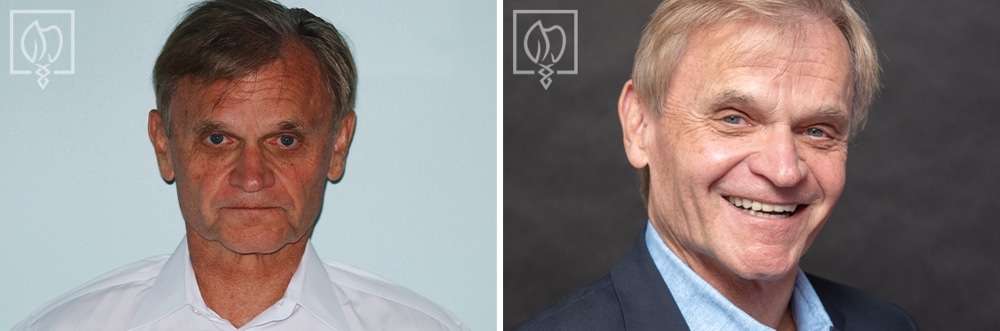
Patient Was a Very Severe Teeth Grinder and Had Worn Down all of his Teeth
This patient was a highly accomplished attorney from Washington, DC, who frequently speaks in front of juries, judges, lawyers, and business professionals. His professional position requires projecting confidence and credibility, and his appearance is an important component of his professional presence.
 Before
  After
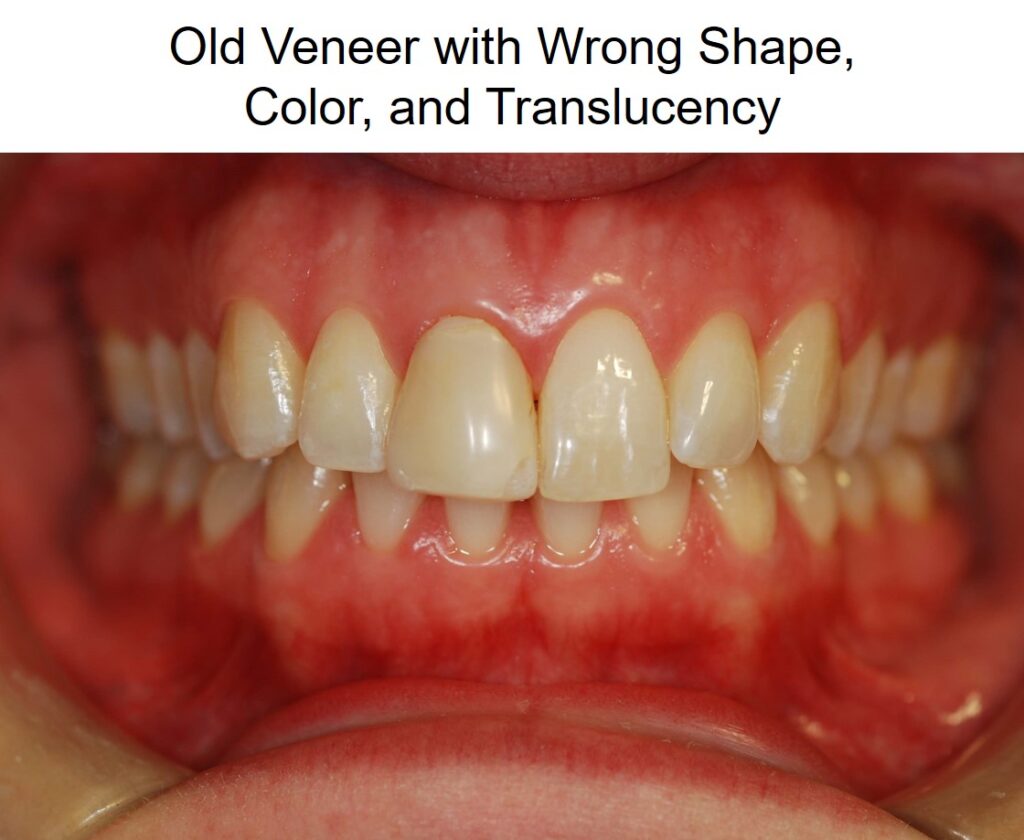
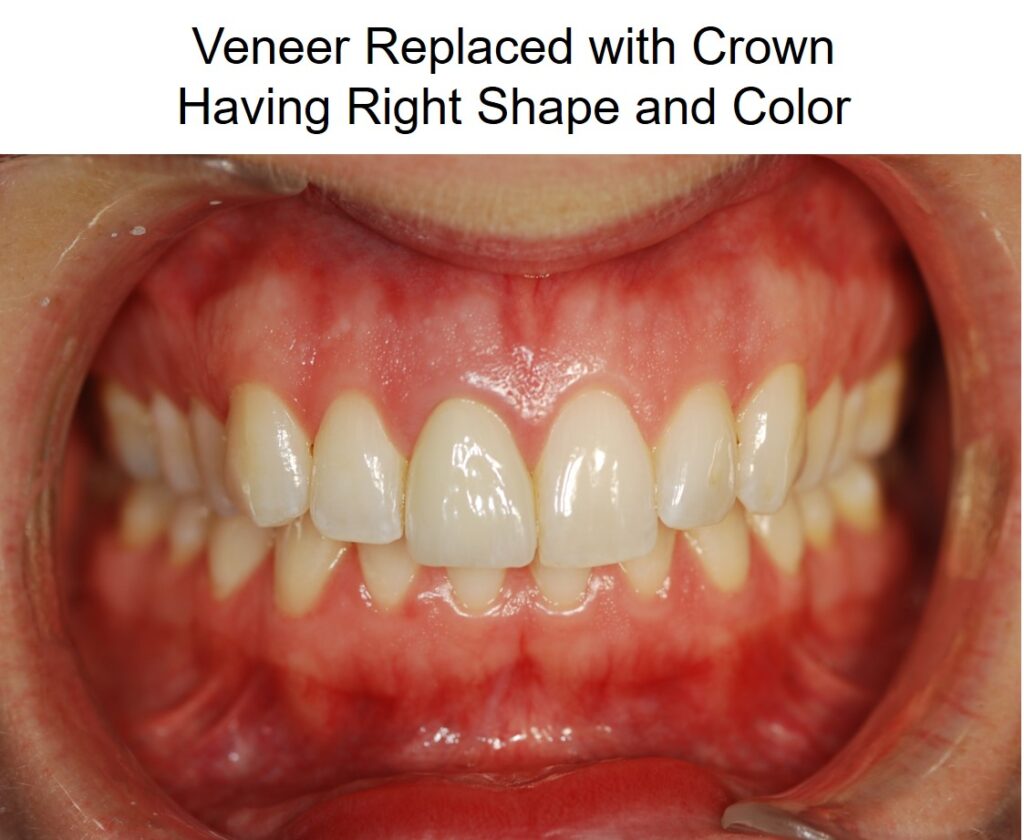
After Can Dental Crowns Closely Match My Existing Teeth Color and Shape?
When restoring your smile with dental crowns, it is natural to wonder if these tooth restorations can closely match your existing teeth color and shape. After all, crowns may be visible enough that others can see them. In some cases, they take front and center stage in your smile.
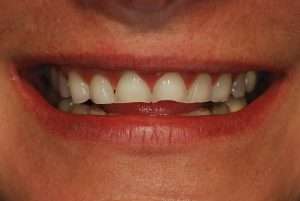 Before
 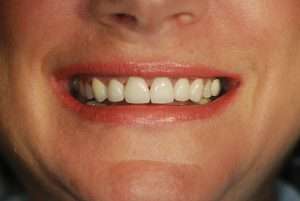 After
After Can Worn-Down Teeth Be Fixed or Do They Have to Be Replaced?
Severely Worn Dentition Marring a Great Smile Line
Related Articles
Deepen your knowledge with additional insights on this topic.
 TMJ & Jaw Pain
 Understanding the Benefits of Early Diagnosis & Treatment of Bruxism (Teeth Grinding) for Children
Bruxism is a dental condition that does not have a predilection for age - this condition can affect adults and children.
 TMJ & Jaw Pain
 Can TMJ Be the Cause of Migraine or Severe Headaches?
TMJ dysfunction can trigger migraines and chronic headaches. Learn how jaw joint disorders contribute to head pain and what treatment options exist.
TMJ: Symptoms, Causes, and Treatment
TMJ dysfunction causes jaw pain, headaches, and difficulty chewing. Understand the symptoms, root causes, and treatment options available to you.
 TMJ & Jaw Pain
 Trigger Point Injections Relieve Pain from the TMJ Syndrome
Trigger point injections target the muscle knots that cause TMJ pain and dysfunction. Learn how this treatment provides relief from chronic jaw discomfort.
 TMJ & Jaw Pain
 Trigger Point Injections to Treat TMJ/TMD
TMJ pain symptoms can range from mild soreness to debilitating headaches. Trigger point injections offer targeted relief for TMJ and TMD disorders.
 TMJ & Jaw Pain
 5 Tips for Jaw Surgery Recovery
Recovering from orthognathic jaw surgery takes careful planning. Follow these five tips for a smoother, more comfortable recovery process.
Our Services in Georgetown
Beyond TMJ Treatment, Georgetown patients rely on Dr. Marlin for a full range of advanced dental care.
More services available in Georgetown:
TMJ Treatment Near Georgetown
Dr. Marlin also provides tmj treatment services for patients in these neighboring communities.
Getting Here from Georgetown
Elite Prosthetic Dentistry is conveniently located near Georgetown, DC.
Georgetown residents can drive via Wisconsin Avenue south or Massachusetts Avenue to reach our Friendship Heights office at 4400 Jenifer Street NW, Suite 220. The drive takes 10 to 15 minutes. Free parking is available in our building.
Address:
4400 Jenifer Street NW, Suite 220
Washington, DC 20015
Phone: (202) 244-2101
Request a ConsultationRequest a Specialist Consultation from Georgetown
Georgetown residents come to Dr. Marlin for specialist prosthodontic care. With 3,900+ implants placed and restored over 40+ years, evaluation, planning, and execution are handled with the depth complex cases require.