
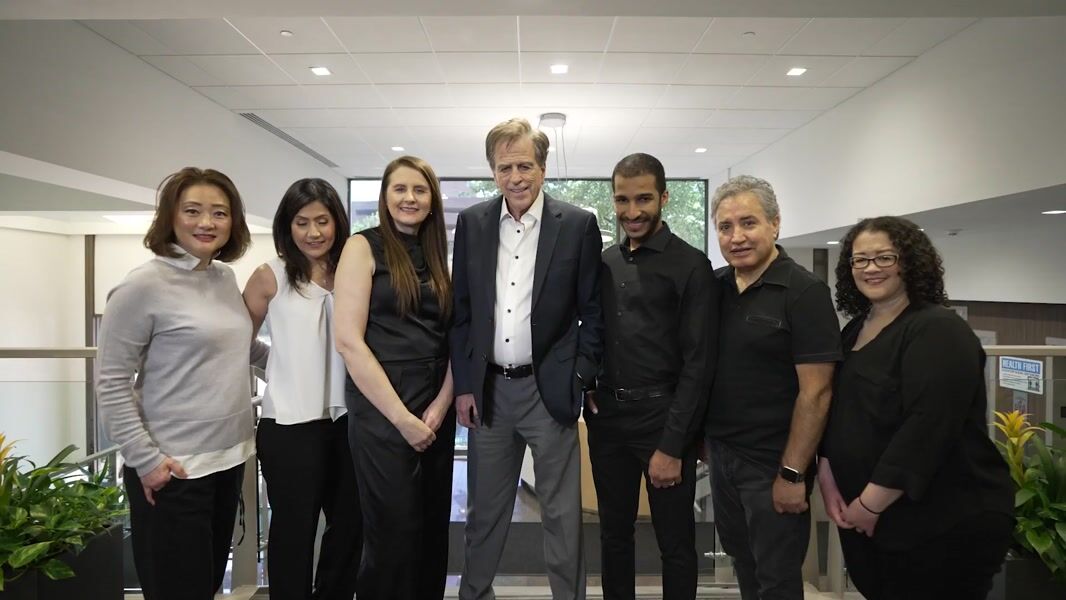
Full Mouth Reconstruction Revision in Rockville, MD
Rockville reconstruction revision specialist. Dr. Marlin treats failing restorations, bite problems, and complex prosthodontic failures.
Rockville Residents and Specialized Dental Care
Rockville residents represent a diverse, educated population valuing quality healthcare and clear expert communication. When reconstruction fails, residents here expect access to specialists who understand the problem thoroughly and can explain solutions clearly. The 15-minute drive to our Georgetown office via Rockville Pike south connects Rockville residents to specialized prosthodontic expertise. This proximity makes comprehensive revision accessible without major commute burden.
Rockville’s diverse population brings varied approaches to healthcare. We understand this diversity and work with your preferences and concerns. Whether your reconstruction was done locally or elsewhere, we assess your specific situation objectively and develop a plan addressing your needs completely.
Late Failure After Early Success
Some reconstructions fail years after successful placement. This late failure usually indicates a change in your situation rather than a manufacturing defect. Your bite patterns might have changed through grinding or clenching. Natural tooth loss might have shifted loads dramatically on the reconstruction. Bone loss from periodontal disease might have undermined support for implant-based restorations. Biological aging affects tissue healing capacity.
In revision, we assess what specifically changed. Did your bite mechanics shift? Did tooth loss in your natural dentition alter force patterns? Did bone loss around implants create instability? Understanding causation prevents repeating the problem. It informs the design of your new reconstruction to account for your current situation, not the situation that existed when your original reconstruction was placed.
Bite Force Changes and Progressive Wear
Some late failures result from gradual changes in bite force patterns. You might have developed grinding habits. You might unconsciously clench, placing excessive stress on restorations. Your chewing patterns might have shifted. Over years, these changes wear restorations progressively until failure occurs.
We assess your current bite force characteristics during evaluation. We discuss functional habits that might accelerate wear. In revision design, we create restorations better suited to your current bite force patterns, potentially using materials and designs specifically validated for heavy bite forces.
Staged Versus Single-Stage Implant Placement
Some revision cases involve extracting failed teeth and placing implants. Single-stage treatment (extraction and immediate implant placement) is sometimes possible but we usually recommend staged treatment instead. Staged treatment typically results in better healing, more predictable bone support, and better long-term outcomes.
We assess your bone anatomy, the severity of bone loss around failing teeth, and surgical complexity. We discuss whether single-stage or staged treatment is appropriate for your specific situation. Sometimes we recommend extraction, healing period, then implant placement. Other times we recommend other approaches. The decision is always based on what’s most likely to succeed.
Implant Support and Bone Loss
Late reconstruction failures sometimes involve progressive bone loss around implants. This happens when implants bear excessive bite forces, when bone biology is compromised, or when the implant position creates mechanical stress incompatible with implant design. Progressive bone loss undermines support, causing restorations to loosen or fail.
In revision, we assess bone loss extent. We might recommend adding implants to distribute forces across more support points. We might recommend removing and repositioning failing implants. We might recommend transitioning to a different prosthodontic approach. The decision depends on specific bone loss patterns and what we identify during evaluation.
Assessing Restoration Integrity and Repair Versus Replacement
We carefully assess whether your restorations are solid enough for adjustment or repair versus needing complete replacement. Restorations that are fractured, loose, or severely worn need replacement. Restorations that are solid but imbalanced might benefit from occlusal adjustment or selective replacement.
This assessment during comprehensive evaluation guides our recommendations. We explain the reasoning. We discuss options with you. We don’t automatically replace everything. We replace only what’s necessary and address the underlying problems.
Insurance and Budget Considerations
We work with your insurance company on reconstruction revision. However, reconstruction revision is often considered elective or cosmetic by insurers, limiting coverage. We help you understand what insurance will cover and what costs are your responsibility. We don’t let insurance limitations prevent appropriate care. We develop options fitting various budgets if cost is a concern.
We discuss payment plans, financing options, and phased treatment approaches. We might recommend addressing the most problematic areas first, then completing additional revision over time. We work with you to make revision accessible financially.
Tooth Movement and Occlusal Correction
Tooth movement from occlusal forces sometimes causes teeth to shift toward your midline or in other directions. Excessive bite forces push teeth through space. Over time, teeth migrate. In revision, we reposition teeth using new restorations correcting the movement that occurred.
This correction often improves both function and esthetics. You gain better alignment, better bite mechanics, and improved appearance in one integrated treatment.
Material Fatigue and Long-Term Stress
Different materials fail differently under long-term stress. Gold restorations might loosen at cement lines. Porcelain might fracture under extreme stress. Zirconia might wear opposing teeth. Composite might show accelerated wear or discoloration. Understanding your material’s failure mode informs selection of better materials in revision.
We discuss material options thoroughly. We explain durability differences and lifecycle expectations. We select materials matching your bite force and lifestyle requirements. Premium materials often last longer. Newer materials frequently outperform older materials. We use the most appropriate for your situation.
Getting Here from Rockville
Rockville Pike south runs directly from Rockville toward Georgetown. Our office is located approximately 15 minutes south via Rockville Pike. This is a familiar route for many Rockville residents commuting to downtown. During off-peak hours, 15 minutes is realistic. During rush periods, allow 20-30 minutes. Parking is available at our office location.
Bite Imbalance and Selective Contact Patterns
Some reconstructions fail because the bite is fundamentally imbalanced. Certain teeth contact heavily during biting while others barely touch. This imbalance creates accelerated wear on heavily loaded teeth. Those teeth fail first, shifting forces to adjacent teeth in sequential failures.
We assess contact patterns during detailed bite analysis. We examine which teeth contact during closing, lateral movements, and protrusive function. We identify premature contacts concentrating force abnormally. In revision, we redesign the bite to distribute forces evenly across multiple contact points, preventing the concentrated stress that led to original failure.
Comprehensive Diagnostic Process
Our evaluation for Rockville patients includes cone beam imaging providing three-dimensional bone assessment, detailed bite records capturing your exact jaw position, and individual restoration assessment identifying specific problem areas. We document findings clearly. We present our analysis in understandable terms explaining what we found and why it matters.
We discuss options thoroughly. We answer all questions. We don’t proceed with treatment until you fully understand the situation and your options.
Centric Relation and Neuromuscular Position
Establishing correct centric relation is foundational to reconstruction revision success. Centric relation is your jaw’s most neutral, physiologically relaxed position. Reconstructions designed at incorrect centric relation create ongoing muscular stress. Your muscles constantly try to reposition your jaw toward neutral position.
This muscular stress damages restorations progressively over time. It creates jaw pain, headaches, or other problems. In revision, we establish correct centric relation before designing restorations. This prevents the muscular stress that damaged your original reconstruction.
Following Your Revision Through Completion
After revision completion, we maintain close follow-up. Regular examinations during the first 6 months ensure the revision is stabilizing properly as your tissues adapt. We address any emerging concerns promptly before they become significant problems. After 6 months, we establish appropriate long-term follow-up intervals.
This follow-up commitment ensures your revision succeeds. You’re not alone after treatment. You have ongoing support and monitoring.
Specialized Prosthodontic Training and Expertise
Reconstruction revision is complex prosthodontic work requiring specialized expertise beyond general dentistry. A prosthodontist brings focused doctoral training on bite mechanics, occlusal physiology, materials science, and restoration design principles. This specialized knowledge determines whether revision succeeds or fails.
The difference between general dentistry approaches to reconstruction revision and expert prosthodontic revision is substantial. That difference often determines your long-term outcome.
Laboratory Partnership and Real-Time Adjustment
Our in-house laboratory enables direct collaboration during fabrication. We’re not waiting for restorations to be shipped from an external lab. We can test material options. We can fabricate prototypes assessing how designs perform. We can make real-time adjustments addressing problems immediately. This partnership often determines revision success.
Material and Design Excellence
We use premium materials selected for your specific situation and bite force. We apply design principles predicting long-term success. We collaborate with our laboratory during fabrication ensuring quality control.
This integration of materials, design, and fabrication creates restorations lasting 15-25 years or longer, substantially longer than your original reconstruction.
Rockville Community Focus
Rockville residents value community connection, quality healthcare, and accessibility. A reconstruction revision should provide all three. Our practice emphasis on community, quality, and accessibility aligns with Rockville values. We’re committed to being part of your ongoing healthcare team, not just a specialist you visit once.
Related Resources
- Full Mouth Reconstruction Revision: Overview of why reconstructions fail and revision options
- Full Mouth Reconstruction: Proper reconstruction planning and prosthodontic design
- Dental Implants in Rockville: Implant-supported solutions for reconstruction
- Repairing Failing Implants: Solutions for implant problems
- Second Opinion Dentistry: Expert evaluation of your reconstruction
- Meet Dr. Gerald Marlin: His training and approach to complex cases
- In-House Laboratory: How our laboratory enables superior outcomes
- Patient Success Stories: Results from complex reconstruction cases
- Schedule Your Consultation: Begin your reconstruction revision evaluation
Your Rockville Reconstruction Revision
If you’re a Rockville resident considering reconstruction revision, schedule a comprehensive evaluation with Dr. Marlin. You’ll understand precisely what failed and what revision options exist. We’ll develop a plan that works for your situation and your preferences.
Schedule Your Consultation or call (202) 244-2101 to discuss your reconstruction revision.
Frequently Asked Questions
If my reconstruction is a few years old but just started failing, what does that tell us about the problem?
Late failure usually indicates a change in your situation rather than a manufacturing defect. Your bite patterns might have changed through grinding or clenching. Natural tooth loss might have shifted loads on the reconstruction. Bone loss from periodontal disease might have undermined support. Biological aging affects tissues. In revision, we assess what changed and address those specific changes.
Can extraction of failed teeth and implant placement happen at the same appointment?
Sometimes, though we usually recommend staged treatment. Extracting and immediately placing implants is more complex than staged procedures. Your healing might be better with staged treatment. We assess your bone anatomy and surgical complexity. We discuss whether single-stage or staged treatment is appropriate for your situation.
How do I know if my reconstruction is solid enough to support adjustments versus needing replacement?
We assess restoration integrity through clinical examination and sometimes additional testing. Restorations that are fractured, loose, or severely worn need replacement. Restorations that are solid but imbalanced might benefit from adjustment. We make this distinction during comprehensive evaluation.
What's your approach to handling insurance for reconstruction revision?
We work with your insurance company. However, reconstruction revision is sometimes considered elective or cosmetic by insurers, limiting coverage. We'll help you understand what insurance will cover and what costs are your responsibility. We don't let insurance limitations prevent appropriate care. We develop options fitting various budgets.
If my reconstruction involved tooth movement toward my center line, can that be corrected in revision?
Yes. Tooth movement from occlusal forces sometimes causes teeth to shift toward your midline or in other directions. In revision, we reposition teeth using new restorations. This correction often improves both function and esthetics.
Related Patient Success Stories
Explore similar patient success stories demonstrating our expertise in advanced prosthetic dentistry.
 Before
  After
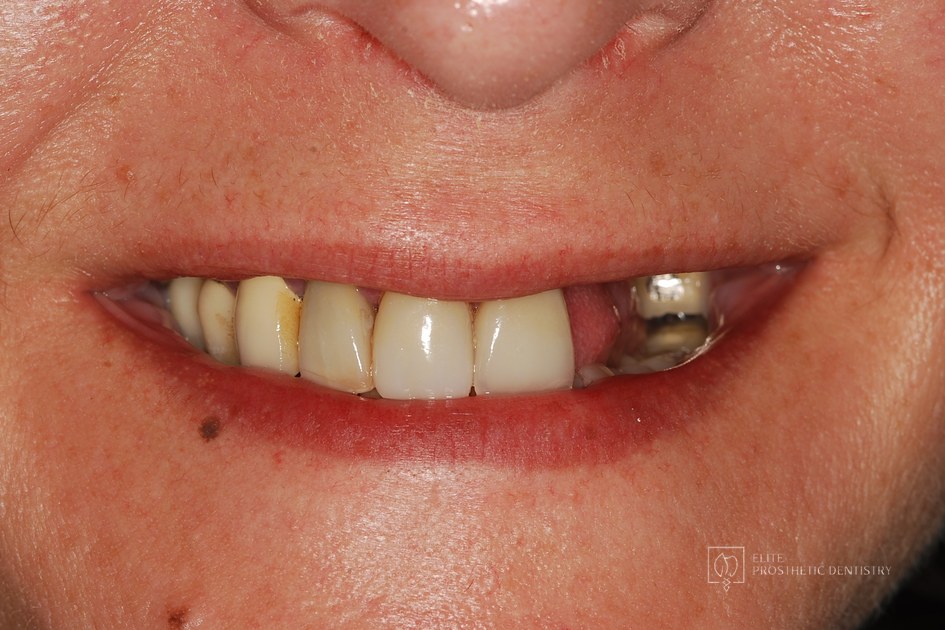
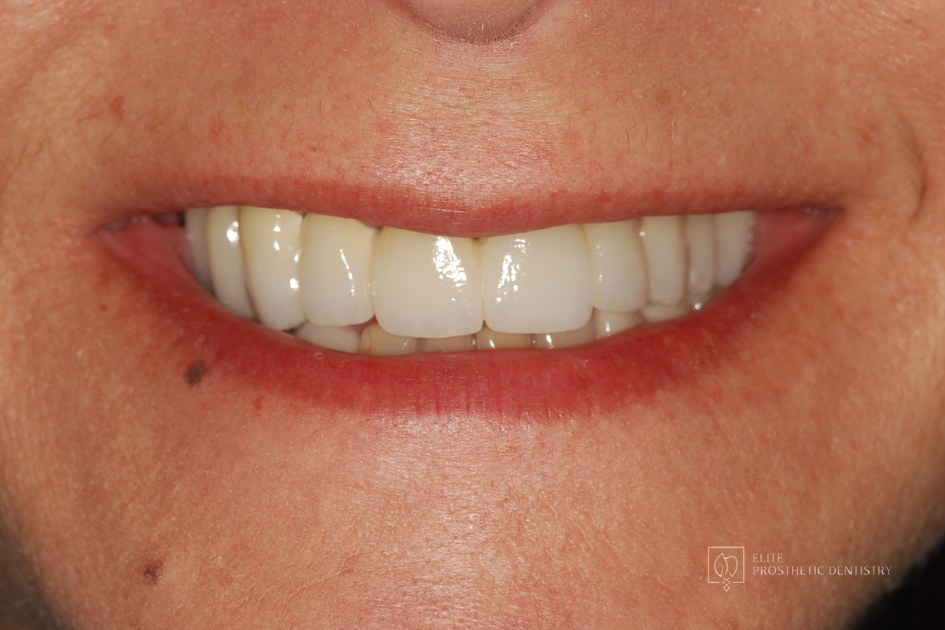
After Implant Supported Reconstruction: Failing Bridgework and Missing Back Teeth Rebuilt with Coordinated Specialist Care
Referred by another dental specialist with severe bone resorption on the upper left, multiple broken-down lower teeth requiring extraction, and failing lower back teeth that had left the bite without solid support. No single procedure, and no single provider working alone, could rebuild a situation this interconnected.
 Before
 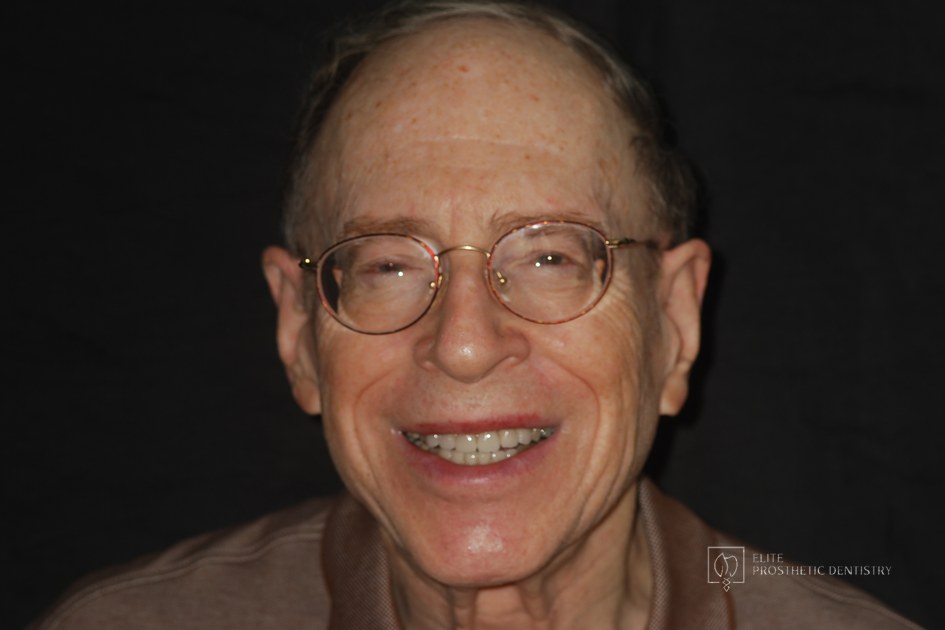 After
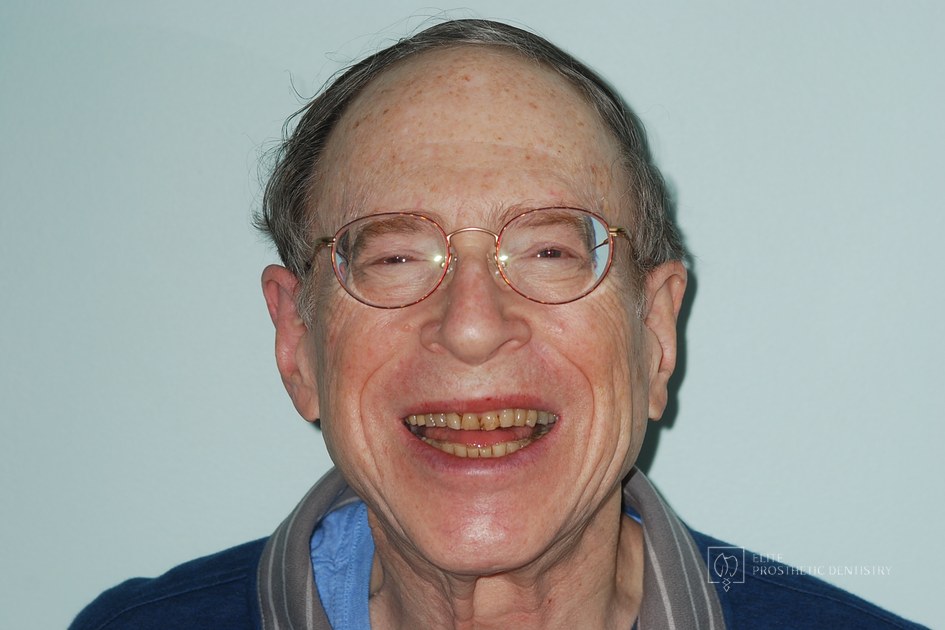
After Repairing the Worn Out Dentition: How Severely Worn Teeth Were Rebuilt for Long-Term Function
Decades of gradual wear had shortened, flattened, and darkened the visible teeth. The dentition still functioned day to day, which made it easy to postpone, but every year of additional wear was removing tooth structure that could never grow back.
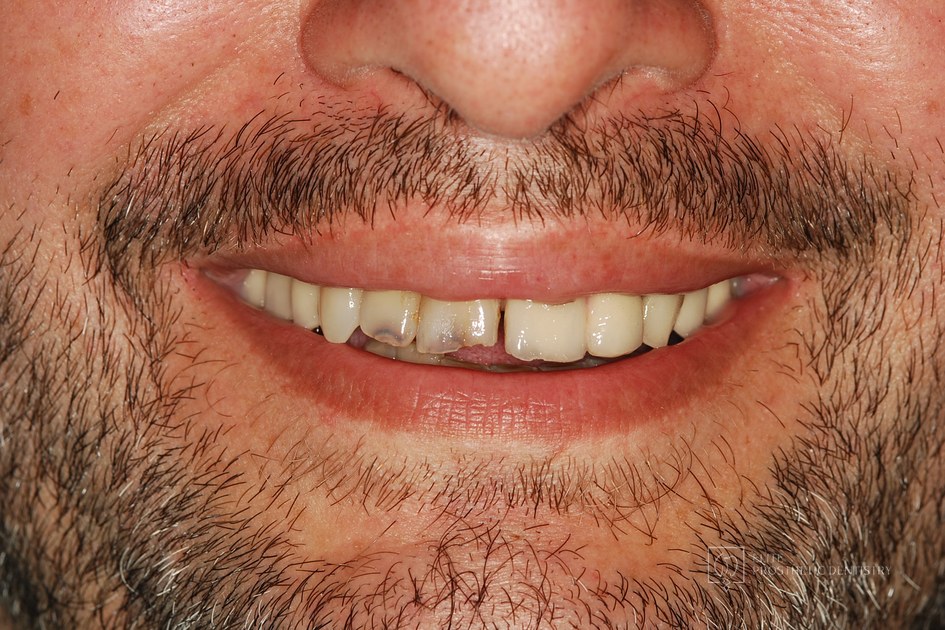 Before
 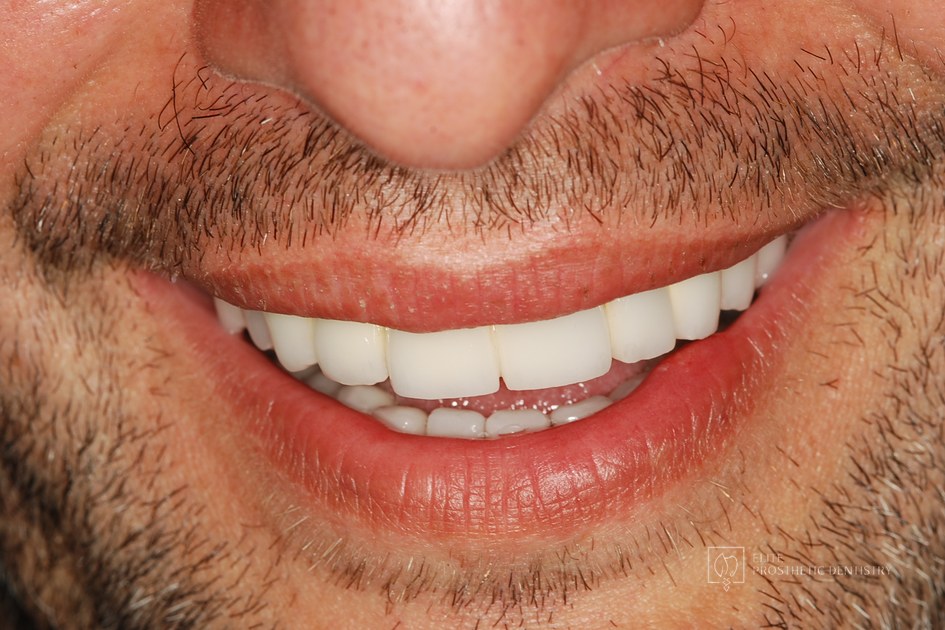 After
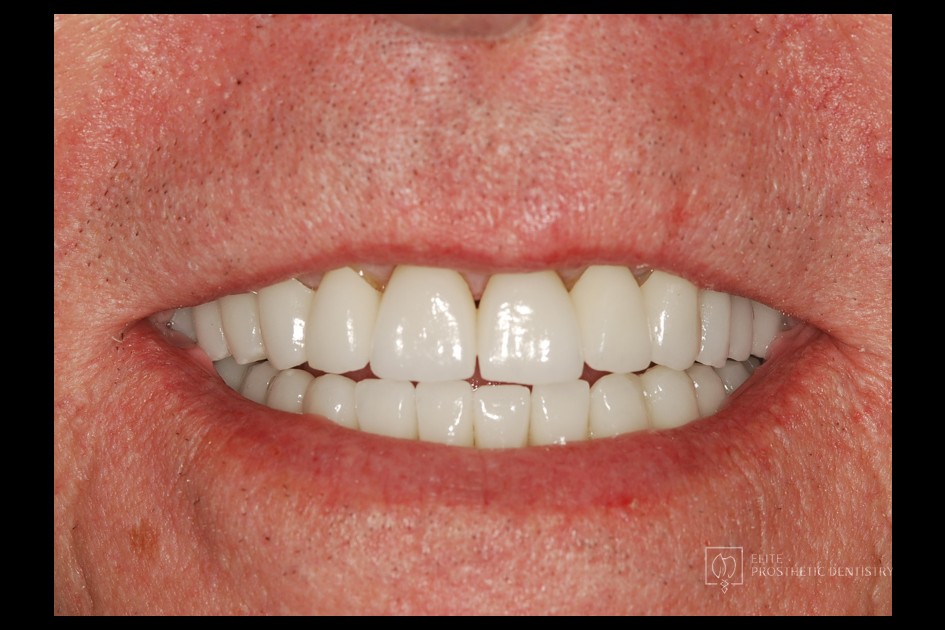
After Severe Restorative Breakdown Rebuilt with a Coordinated Full-Mouth Reconstruction
Multiple older restorations placed at different times over many years, broken-down teeth, a significant malocclusion, an asymmetrical smile, and two upper front teeth that could no longer be saved. No single repair could address a pattern this widespread.
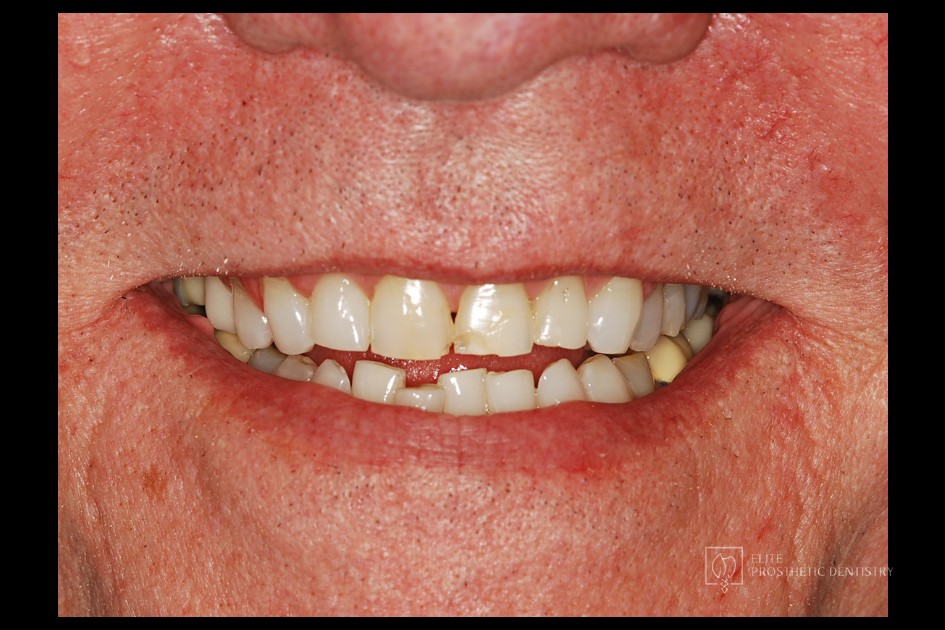 Before
  After
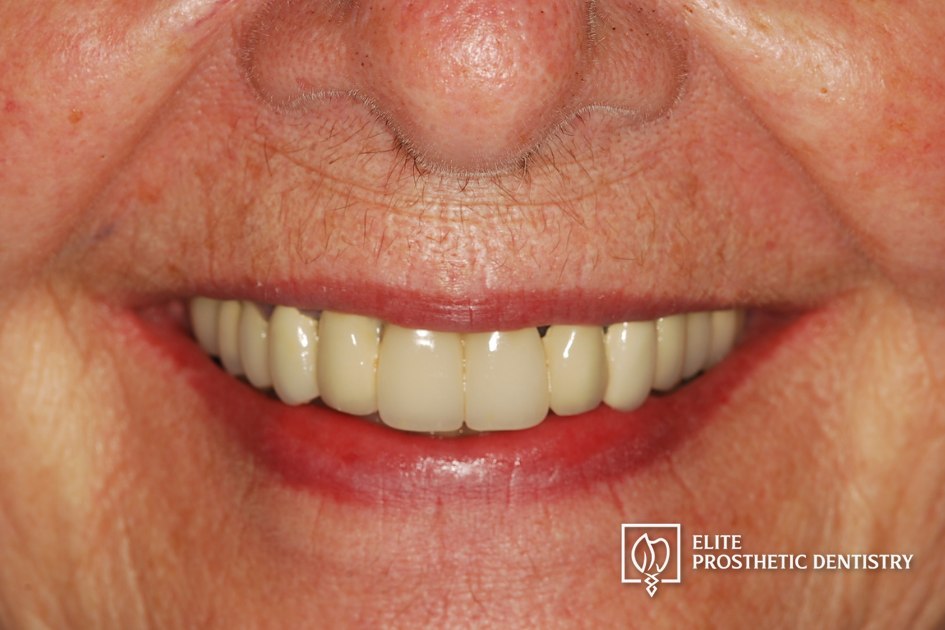
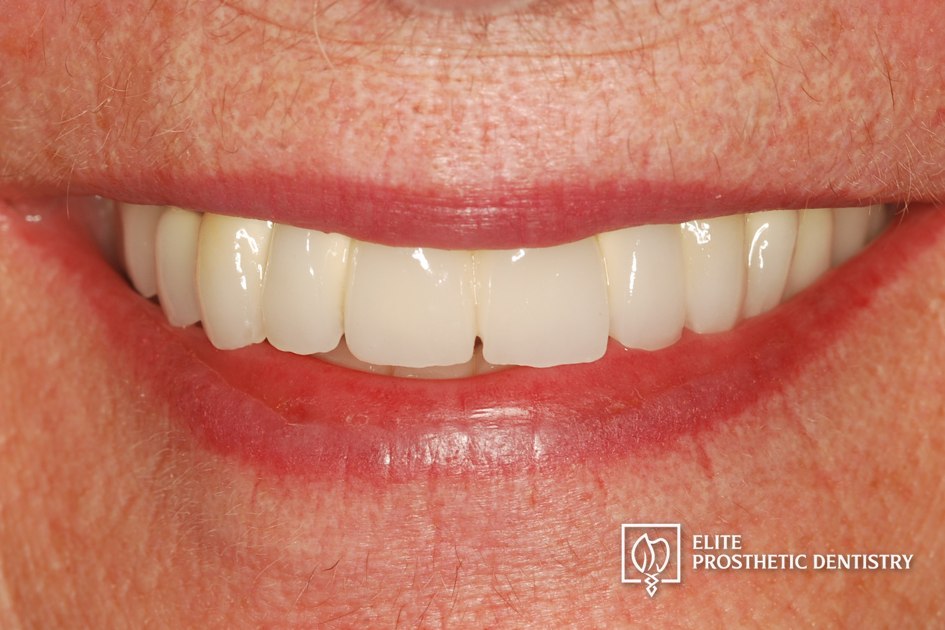
After How Aging Crowns and a Long-Standing Bridge Were Rebuilt with a Coordinated Restorative Plan
Existing crown work and a long-standing bridge that had aged together over many years. The restorations were not in acute failure, but the cumulative pattern was clear: older dental work approaching the point where conservative repair would no longer provide a predictable answer.
 Before
  After
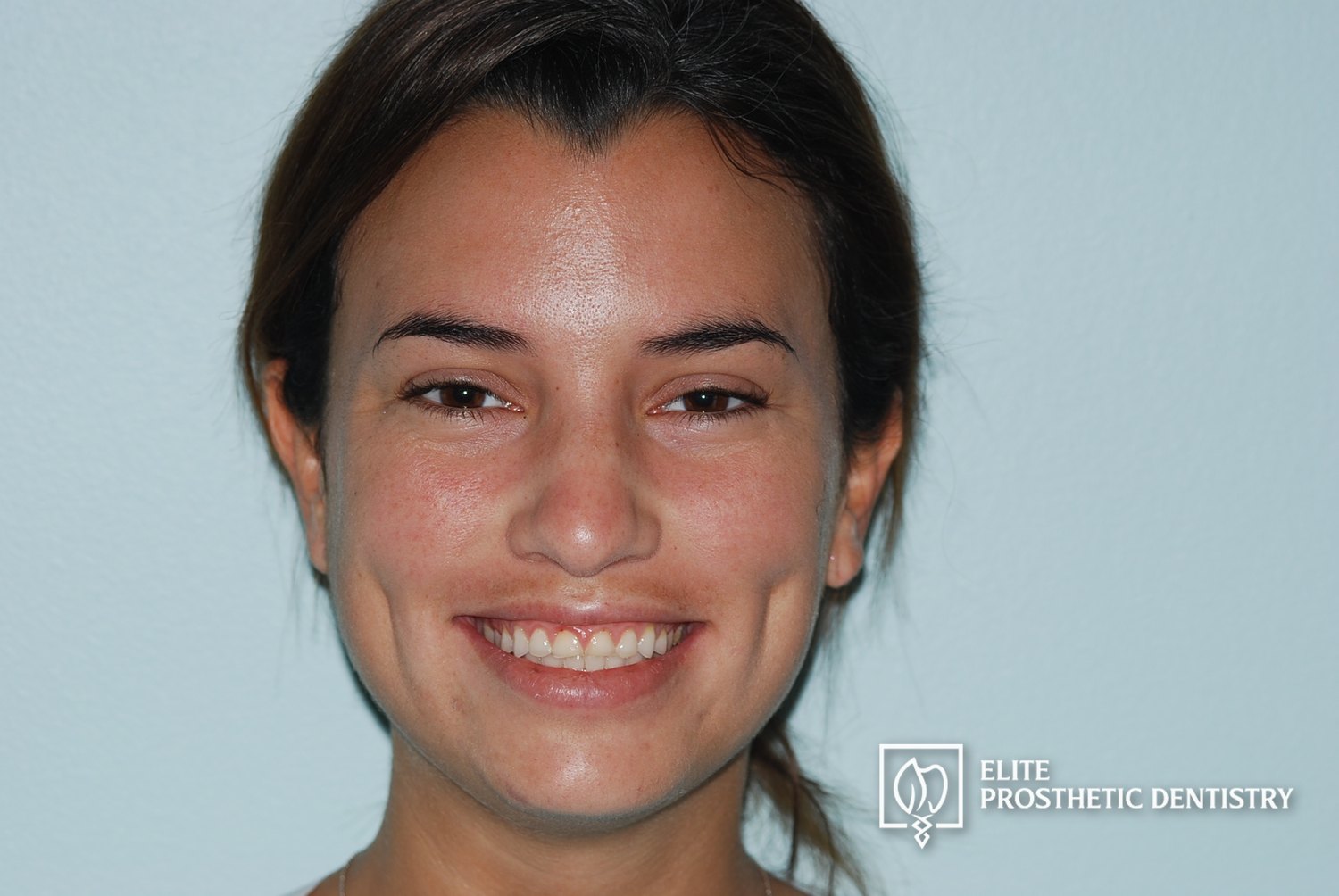
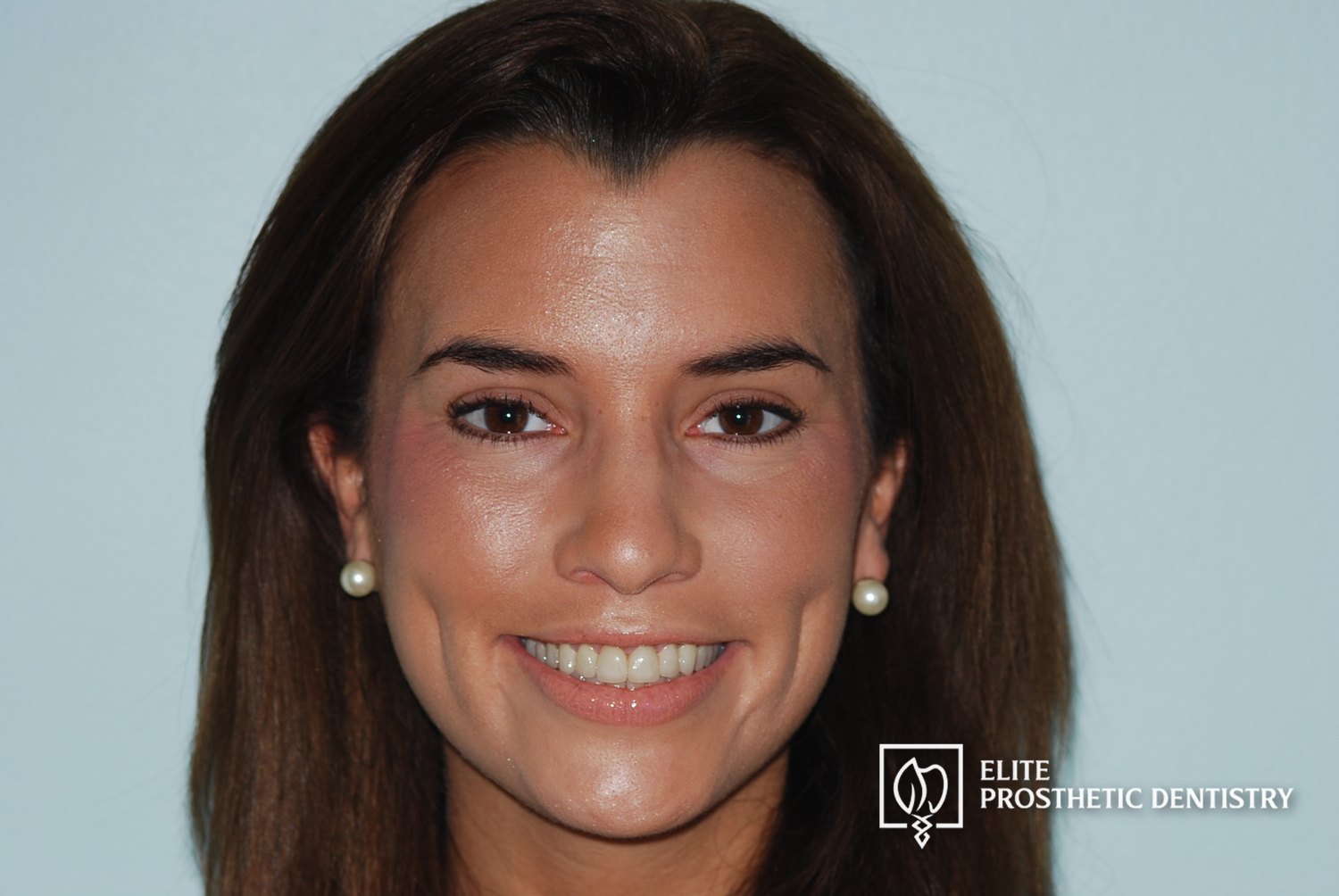
After How a Loose Upper Bridge and Aging Crowns Were Rebuilt with Staged Implant and Crown Reconstruction
A patient referred by her general dentist after years of aging dentistry no longer holding up. A loose upper bridge and crowns more than twenty years old, combined with the effects of advanced periodontal disease, required clinical planning and comfort planning at the same time.
 Before
  After
After How Severely Worn Upper Teeth Were Rebuilt Into a More Stable, Natural-Looking Result
The patient presented with severely worn upper teeth, significant enamel loss, uneven bite relationships, exposed margins, and posterior teeth requiring crown lengthening for proper restorative fit and function.
Related Articles
Deepen your knowledge with additional insights on this topic.
 Dental Implants
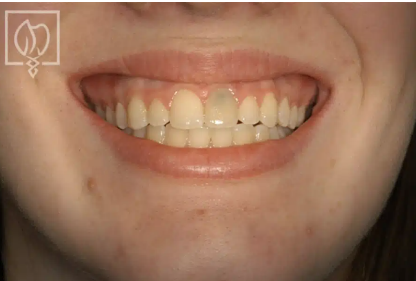
 If a Single Front Tooth is Replaced with an Implant, can it Look Natural?
A single front tooth implant can look completely natural with precision placement, custom abutments, and hand-crafted porcelain crowns. Washington, DC.
 Dental Implants
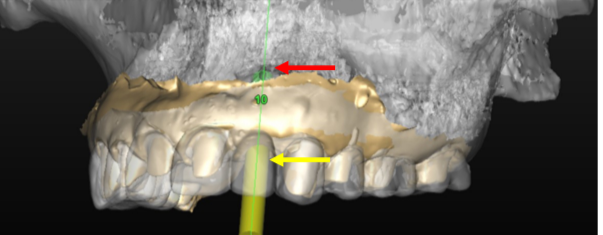
 What is Precision Implant Placement (PIP)?
Learn what Precision Implant Placement (PIP) is and how meticulous planning ensures optimal implant positioning for long-lasting results in Washington, DC.
 Dental Implants
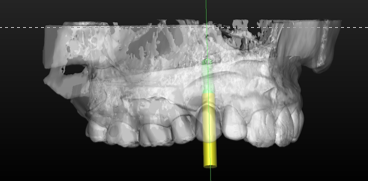
 What is the ideal Surgical Guide for Precision Implant Placement?
CBCT-based surgical guides allow virtual implant planning for precise positioning in optimal bone, ensuring predictable results in Washington, DC.
 Dental Implants
 When Should an Implant not be Done?
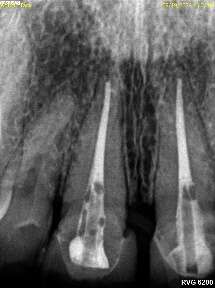
Not every patient is a candidate for dental implants. Learn when healthy roots, fragile bone, or steep angles may make alternatives the better choice.
 Dental Implants
 What is Staged Implant Therapy?
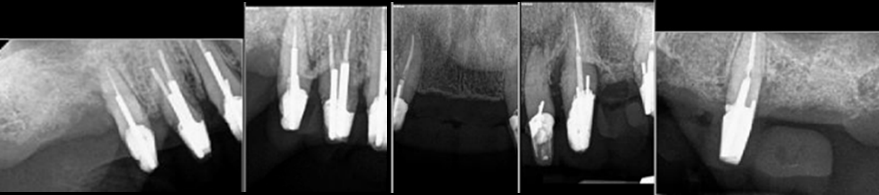
Staged implant therapy replaces teeth gradually using existing teeth as temporary support. A personalized alternative to All-on-X for [full-arch](/all-on-x/) cases.
Unveiling the Four Types of Dental Implants: Which One's for You?
Learn about the four types of dental implants - endosteal, subperiosteal, zygomatic, and mini implants - and which option may be right for your needs.
Our Services in Rockville
Beyond reconstruction-revision, Rockville patients rely on Dr. Marlin for a full range of advanced dental care.
More services available in Rockville:
reconstruction-revision Near Rockville
Dr. Marlin also provides reconstruction-revision services for patients in these neighboring communities.
Getting Here from Rockville
Elite Prosthetic Dentistry is conveniently located near Rockville, MD.
Rockville residents reach our office 15 minutes via Rockville Pike south
Address:
4400 Jenifer Street NW, Suite 220
Washington, DC 20015
Phone: (202) 244-2101
Request a ConsultationRequest a Specialist Consultation from Rockville
Rockville residents come to Dr. Marlin for specialist prosthodontic care. With 3,900+ implants placed and restored over 40+ years, evaluation, planning, and execution are handled with the depth complex cases require.