
What Type of Dentist Specializes in Dental Implants?
Every dentist holds a doctoral degree, a DDS or DMD. What most patients do not know: only about 20% of US dentists are specialists of any kind [1], and the subset focused on implant dentistry is smaller still. Since a dental implant is a surgical device you will chew on for decades, it is worth knowing exactly which specialty owns this territory.
The answer: the prosthodontist, the recognized specialist in replacing teeth. All prosthodontists specialize in implant restoration, and a smaller number, Dr. Marlin among them, also perform the implant surgery itself.
What a Prosthodontist Actually Is
After dental school, a prosthodontist completes several additional years of accredited specialty training in restoring and replacing teeth, including the laboratory science of fabricating prosthetics [2]. It is the specialty of crowns, bridges, dentures, and implants, of both the engineering and the aesthetics of teeth that were built rather than born.
That training changes how implant treatment gets planned. Rather than treating a missing tooth as a slot to fill, a prosthodontist plans from the whole smile: the bite, the neighboring teeth, the gum architecture, and the restoration the implant must carry. It is also why complex situations, failing implants, implants in the smile line, TMJ complications, and multi-stage reconstructions, get referred to prosthodontists when other offices reach their limits.
Why This Specialty Fits Implants So Well
Planning technology, used to a purpose. CBCT scans and virtual placement let a prosthodontist position the implant for the crown it will carry, the discipline behind precision implant placement [3].
Placement in restorative hands. A surgical prosthodontist places the implant already knowing every requirement of the restoration above it, angle, depth, and emergence, because placement and restoration are planned together.
All options on the table. Specialty training spans everything from a single implant to full-arch prostheses, so the recommendation follows your case rather than the practice’s product list.
One roof, one treatment plan. When implant placement and restoration are planned and directed within one specialist practice, the process has a single point of accountability. At Elite Prosthetic Dentistry that includes the in-house laboratory fabricating your custom abutment and crown, so even the technician is down the hall rather than across the country.
The Investment Logic
Implants are a lifelong investment, in money, in months of healing, and in bone that cannot be un-spent. Specialty depth is how the investment gets protected: cases done properly the first time, complications anticipated rather than discovered, and honest counsel when an implant is not the right answer.
Dr. Gerald Marlin is a specialty-trained surgical prosthodontist who has placed more than 3,900 dental implants over a career of more than 40 years in Washington, DC. If you are choosing who will handle yours, start with the specialty built for the job: call 202-244-2101 or schedule a consultation at our Friendship Heights office.
Sources
See How We Resolve These Problems
Our patient success stories show real cases and real results. Browse outcomes from a specialist prosthodontist with decades of experience and 3,900+ implants placed.
Key Takeaways
- ✓ Any dentist can legally place implants. Only about one in five US dentists is a recognized specialist of any kind, and fewer still specialize in implant dentistry.
- ✓ The prosthodontist is the ADA-recognized specialist in replacing teeth, trained for years beyond dental school in restoration and laboratory fabrication.
- ✓ Some prosthodontists also place implants, which brings planning, surgery, and restoration under one specialist-led plan.
- ✓ Complex cases, failing implants, smile-line implants, and full-mouth work are exactly what prosthodontic training exists for.
- ✓ Implants are a decades-long investment. The specialty behind them is worth verifying before you commit.
Frequently Asked Questions
What kind of dentist is best for dental implants?
For the restoration, a prosthodontist, the ADA-recognized specialist in replacing teeth. For the surgery, either a surgical specialist working under a prosthodontist's plan, or a surgical prosthodontist who does both. The riskiest pattern is fragmentation, where no one owns the complete result.
What is a prosthodontist exactly?
A dentist who completed several additional years of accredited specialty training after dental school, focused on restoring and replacing teeth: crowns, bridges, dentures, and implants, including the laboratory science of fabricating them. Prosthodontics is one of the dental specialties recognized by the American Dental Association.
Can my general dentist place my implant?
Legally, yes, and some are quite capable with straightforward cases. The questions worth asking are about volume, planning method, and what happens when a case turns out not to be simple: smile-line placement, thin bone, failing older implants, and multi-tooth reconstruction are specialist territory.
Why does specialist-led, integrated care matter?
Because implant success is a chain: planning, placement, abutment, crown, and long-term maintenance. When every link is planned together within one specialist practice, the implant is placed for the restoration it will carry, and accountability in year ten is clear. Care split across separate offices can split responsibility as well.
Related Patient Success Stories
Explore similar patient success stories demonstrating our expertise in advanced prosthetic dentistry.
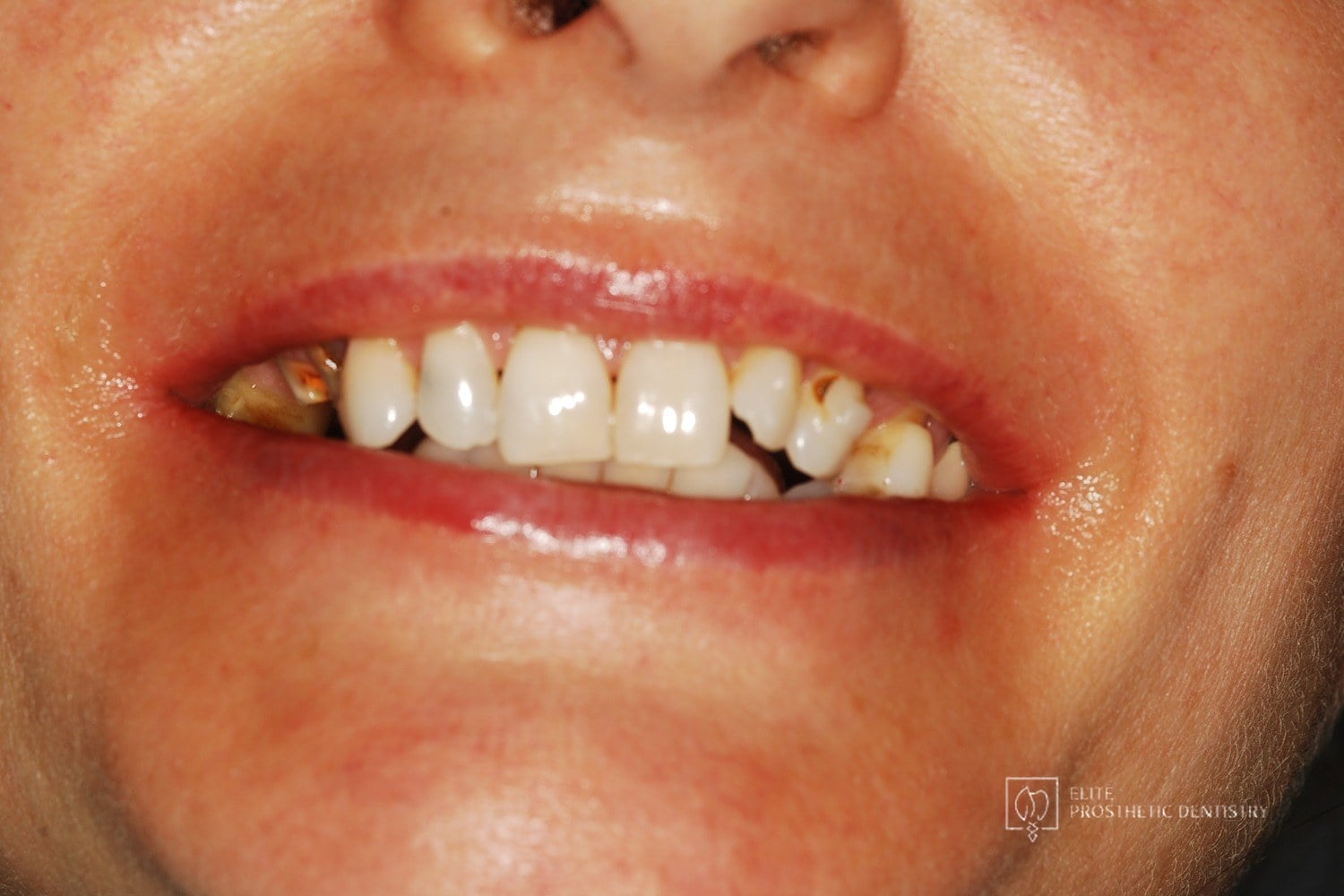 Before
 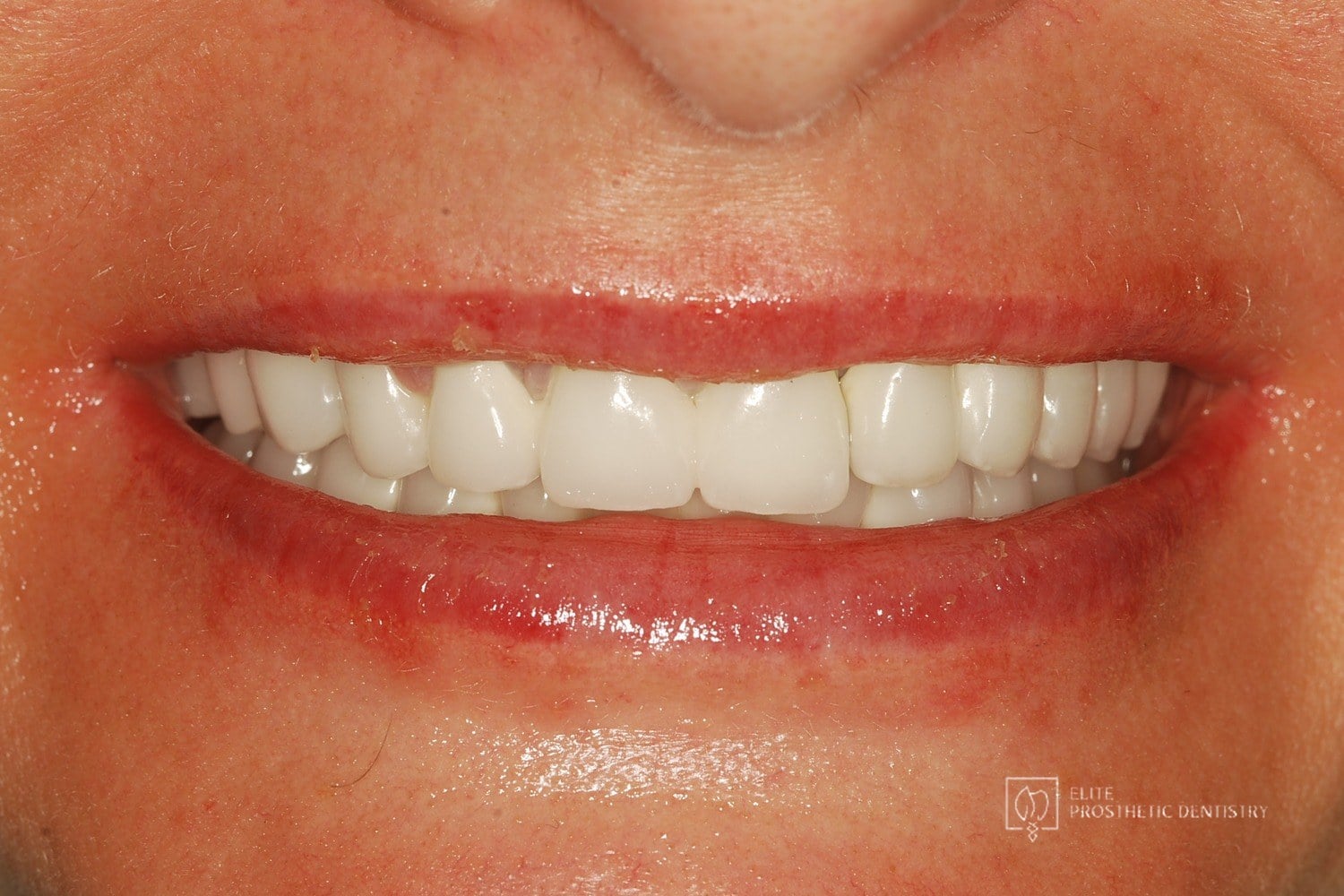 After
After How Aging, Failing Dentistry Was Replaced with a Coordinated Full-Mouth Implant and Crown Reconstruction
The patient presented with throbbing upper-molar pain, long-standing infections, multiple root canals and unfinished prior treatment, generalized sensitivity, and several hopeless teeth.
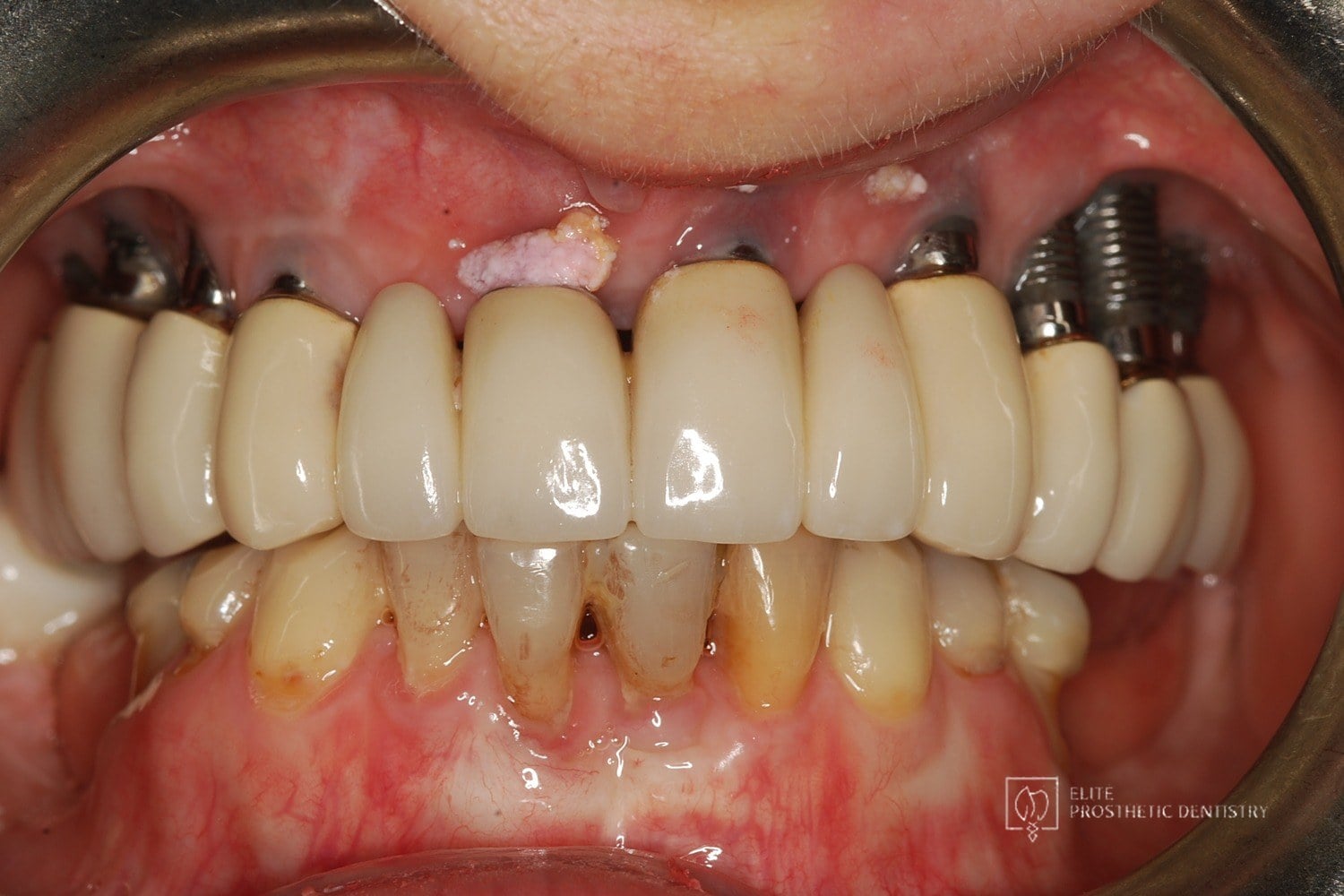 Before
 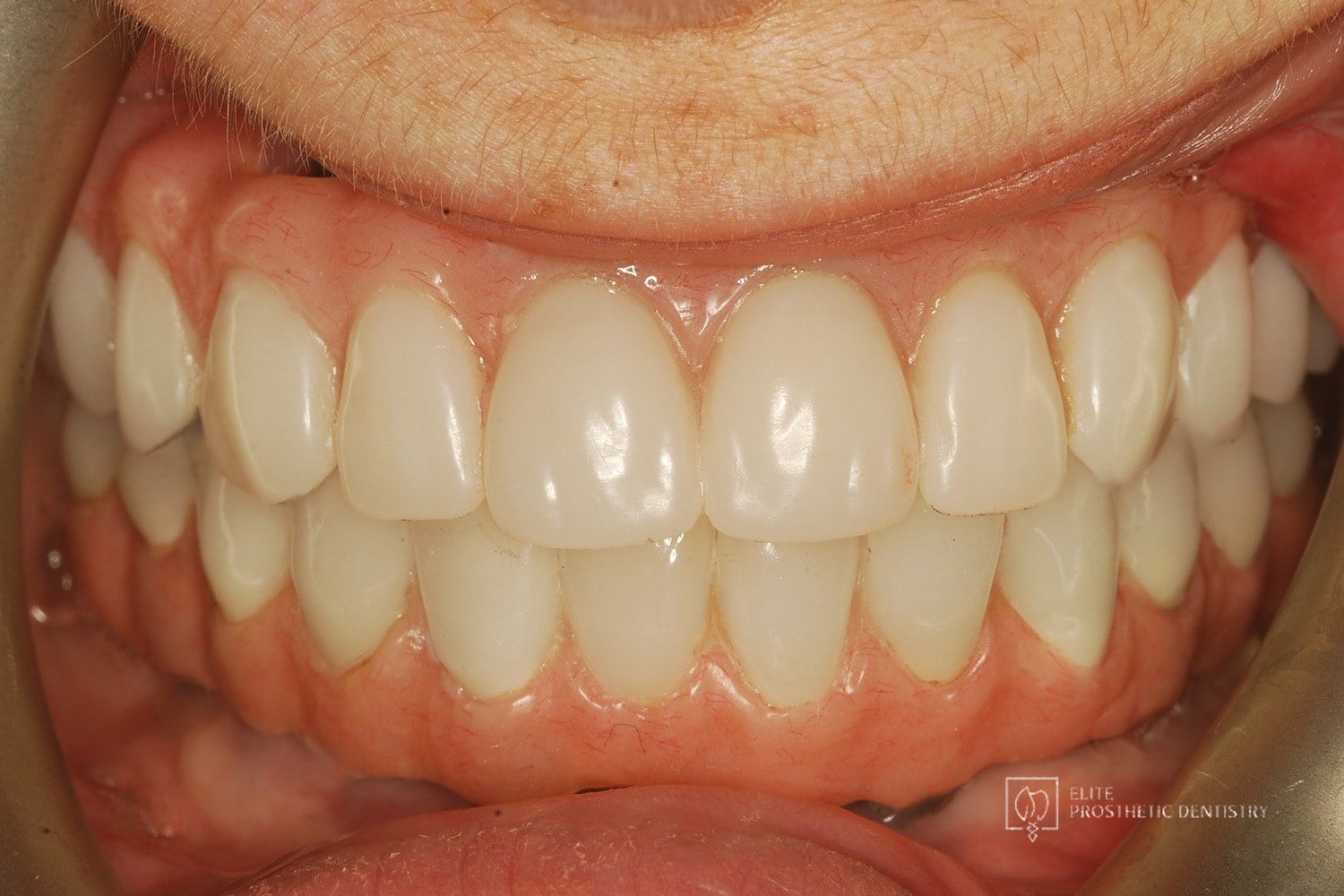 After
After How Failing Implants and Severe Bone Loss Were Rebuilt Into a Stable Full-Arch Implant Reconstruction
The patient presented with significant complications from previously placed implants, severe bone loss, failing posterior implants, and an unesthetic full-arch bridge. Both arches required full reconstruction, with the upper arch showing the most advanced bone loss and instability.
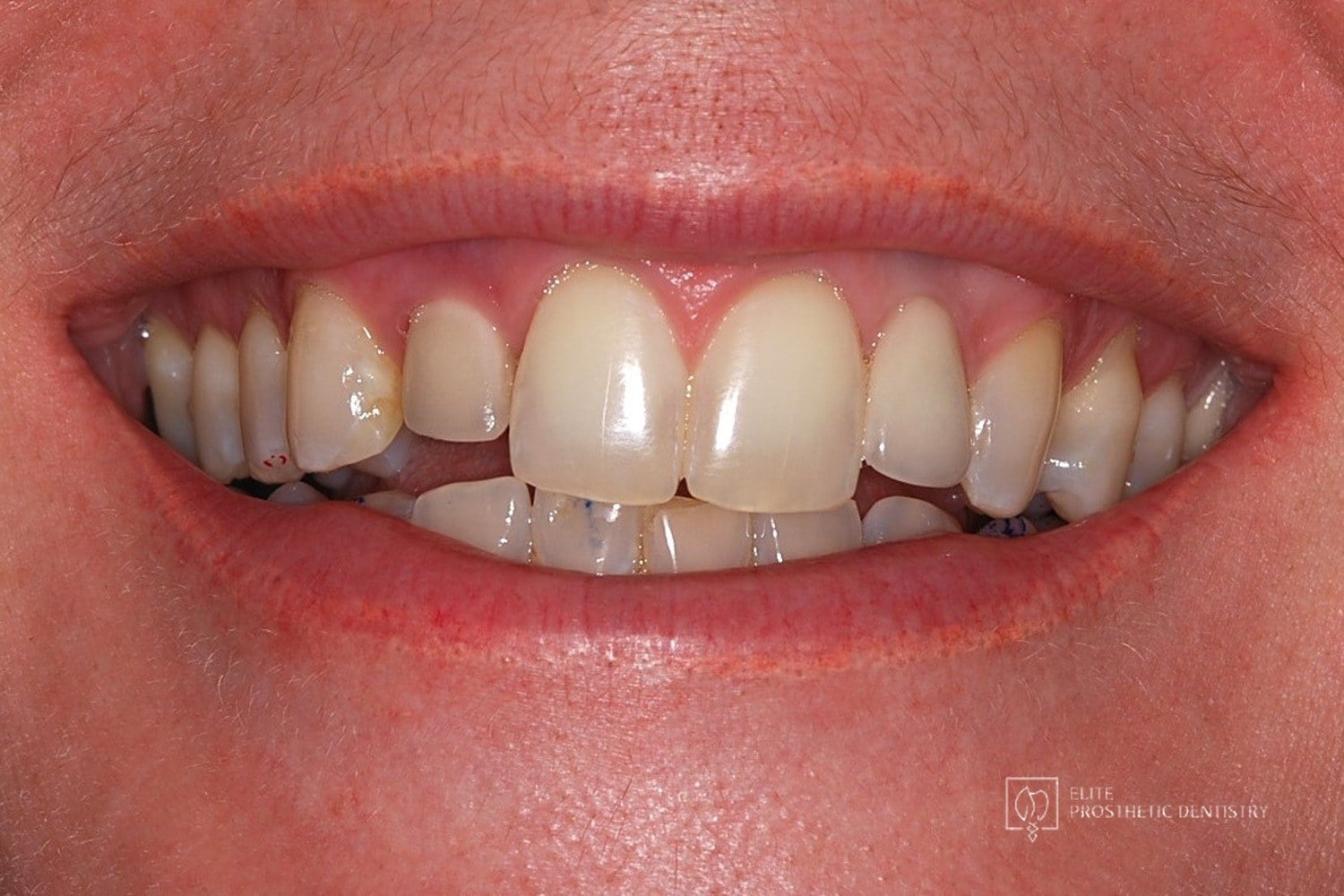 Before
 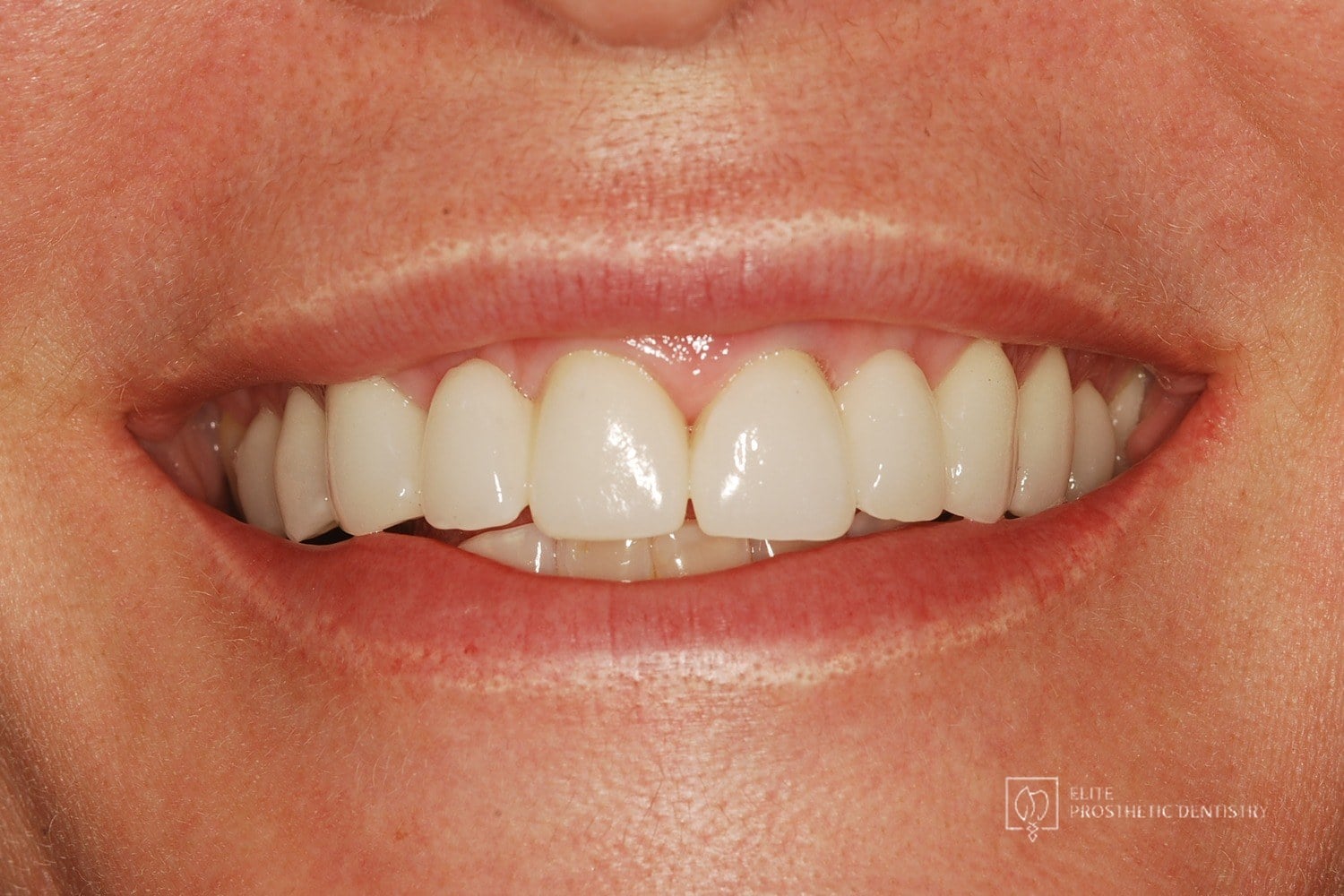 After
After How Failing Lateral Incisor Implants Were Replaced with Custom Zirconia Bridges After Severe Bone Loss Made Replacement Implants Impossible
Comprehensive examination including CBCT imaging revealed significant bone loss surrounding implants that were placed outside the buccal plate, most likely due to placement without a CBCT-generated surgical guide. The implants were determined non-salvageable, and the alveolar ridge was too narrow to support replacement implants without extensive reconstruction.
Related Articles
Deepen your knowledge with additional insights on this topic.
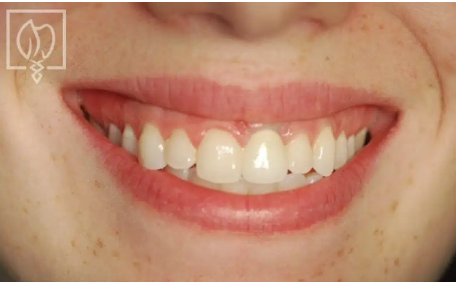 Dental Implants
 If a Single Front Tooth Is Replaced with an Implant, Can It Look Natural?
Yes. See the four steps, with real case photos, that make a single front tooth implant indistinguishable from the natural tooth beside it. Washington, DC.
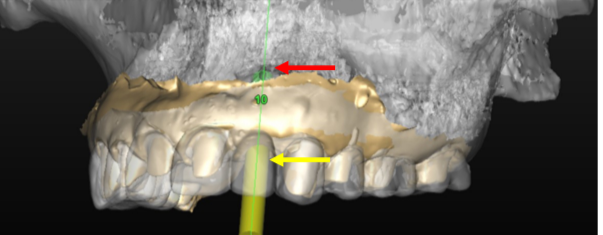 Dental Implants
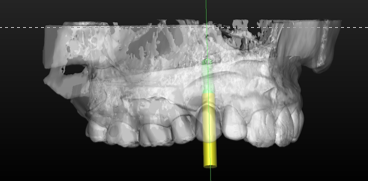
 What Is Precision Implant Placement (PIP)?
Precision Implant Placement plans each implant virtually on a CBCT scan, then delivers it with a custom surgical guide. See the three steps with real images.
 Dental Implants
 What Is the Ideal Surgical Guide for Precision Implant Placement?
Not all surgical guides are equal. The gold standard is CBCT-based: planned virtually in 3D, 3D printed, and seated on your teeth. A DC prosthodontist explains.