
What Is a Prosthodontist?
A prosthodontist is a dental specialist with three additional years of postgraduate residency training beyond dental school, focused on the restoration and replacement of teeth. The specialty is recognized by the American Dental Association and represents the highest level of training for restorative dentistry.
3
Years Specialty Training
ADA
Recognized Specialty
40+
Years in Practice
2026
Top Dentist List

Gerald M. Marlin, DMD, MSD
Specialty-Trained Prosthodontist (DMD, MSD)
Washingtonian "Top Dentist" 2026 and Hall of Fame
What Specialty Training Adds
- Three additional postgraduate years beyond dental school
- Advanced training in implants, restorations, cosmetic dentistry, and complex cases
- Recognized specialty by the American Dental Association
- Often consulted when general dentistry has reached its scope limit
- Some prosthodontists plan and deliver both surgical and restorative phases
Or call now: (202) 244-2101
How a Prosthodontist Differs From a General Dentist
All dentists complete four years of dental school. General dentists then enter practice. Prosthodontists complete three additional years of accredited residency training specifically focused on the restoration and replacement of teeth and oral structures.
Three Additional Years
Postgraduate residency in an accredited program. The training depth focuses specifically on restoring damaged or missing teeth and on planning complex multi-procedure cases.
Specialty Focus
Implants, crowns, bridges, veneers, dentures, full mouth reconstruction, TMJ disorders involving the bite, and complex aesthetic dentistry. The clinical scope is narrower than general dentistry but deeper within that scope.
Case Planning Expertise
Cases involving multiple procedures, multiple specialties, or significant complexity benefit from the planning skills the specialty develops.
When Does a Patient Need a Prosthodontist?
Not every dental concern requires a specialist. The cases where prosthodontic training delivers a clinically different outcome are specific and identifiable.
Complex Restorative Cases
Significant tooth loss, failing previous dentistry, or extensive damage from grinding, decay, or trauma. Cases that involve multiple procedures planned together benefit from specialty case-planning training.
Dental Implants and Full-Arch Restoration
Implant placement and prosthetic restoration are core to the specialty. Cases involving full-arch implants, complex single-implant cases, or failing implant work fit naturally within prosthodontic scope.
Cosmetic Dentistry With Multiple Teeth
Veneer cases that involve more than a single tooth, full smile makeovers, and cases where bite and aesthetics need to be planned together benefit from specialty training.
Second Opinion on Complex Treatment Plans
Patients with complex or expensive treatment plans from another practice frequently seek a specialist's independent evaluation before committing.
The Three-Year Residency in Detail
The training that follows dental school is accredited by the Commission on Dental Accreditation. The curriculum focuses on the clinical and biological principles underlying restoration and replacement of teeth.
-
Implant Dentistry Depth
Surgical placement, prosthetic restoration, and the biomechanics that determine long-term implant success. Many prosthodontists handle both surgical and restorative phases.
-
Occlusion and Bite Reconstruction
How the upper and lower teeth come together, how the bite affects restoration longevity, and how to rebuild a compromised bite. Frequently the missing piece in cases that have failed elsewhere.
-
Material Science and Lab Integration
Detailed knowledge of restorative materials, their properties, and how they should be designed for specific applications. Many prosthodontists work closely with dental laboratories or operate in-house labs.
-
Complex Case Planning
Multi-phase, multi-procedure case planning is part of the residency curriculum. Cases involving implants, restorations, and aesthetic work coordinated as a single project.

Who Specifically Benefits From Prosthodontic Care?
Some patients benefit clearly from specialist care; others are well-served by general dentistry. The distinction is identifiable.
Patients With Missing Teeth
Tooth replacement with implants, bridges, dentures, or implant-supported solutions. Treatment options and trade-offs are central to the specialty.
Patients With Failing Dentistry
Aging crowns, bridges, or veneers that need replacement. Multiple failed restorations or recurrent failures often indicate a need for comprehensive planning rather than another isolated procedure.
Patients Considering Comprehensive Cosmetic Work
Veneer cases involving multiple teeth, full smile makeovers, or work that combines cosmetic and functional considerations.
Patients With Bite or Occlusion Concerns
TMJ symptoms, worn teeth from grinding, or cases where the bite has changed over time. Specialist training in occlusion structurally affects the diagnostic and treatment approach.
The Recognized Dental Specialties
The American Dental Association recognizes a defined list of dental specialties. Prosthodontics is one of them. Each specialty represents a distinct postgraduate training pathway.
| Specialty | Focus | Postgraduate Training |
|---|---|---|
| Prosthodontics | Restoration and replacement of teeth | 3 years |
| Periodontics | Gum and supporting tissues | 3 years |
| Endodontics | Root canal therapy | 2-3 years |
| Orthodontics | Tooth alignment | 2-3 years |
| Oral and Maxillofacial Surgery | Surgery of the mouth, face, and jaw | 4-6 years |
| Oral and Maxillofacial Radiology | Imaging interpretation | 2-3 years |
| Pediatric Dentistry | Children’s dentistry | 2-3 years |
| Oral and Maxillofacial Pathology | Disease diagnosis | 3 years |
| Dental Public Health | Population health | 2-3 years |
Within this list, prosthodontics specifically addresses the restoration, replacement, and rehabilitation of teeth and oral structures.
Why the Specialty Exists
Prosthodontics emerged as a recognized specialty because the restorative side of dentistry developed enough complexity that a deeper training pathway was needed. Modern restorative dentistry includes implants, advanced ceramic materials, full-arch rehabilitation, complex aesthetic dentistry, and bite reconstruction. The clinical scope and the depth of knowledge required exceed what a four-year dental school curriculum can deliver.
Three additional years of accredited residency develop the specialist:
- Surgical placement and prosthetic restoration of implants
- Material science and clinical application of modern restorative materials
- Occlusion and the biomechanics of the bite
- Complex case planning involving multiple procedures
- Aesthetic dentistry across multiple teeth and the full smile
- Maxillofacial prosthetics (oral cancer rehabilitation, congenital anomalies)
A general dentist can refer cases requiring specialist expertise to a prosthodontist. Patients can also self-refer.
When Specialist Care Delivers a Different Outcome
The clinical difference between specialist and generalist care is identifiable. It is most pronounced in specific categories of treatment.
Implant cases. Implant placement, prosthetic restoration, and the engineering of how they work together are core to the prosthodontic specialty. Implants carry high long-term success rates when properly planned, placed, and maintained, and that planning sits at the center of prosthodontic training.
Full-arch reconstruction. All-on-X and similar full-arch implant cases involve surgical placement, prosthetic restoration, occlusal engineering, and aesthetic design as a single project. Specialty training is structurally relevant.
Cosmetic cases involving multiple teeth. Single-tooth veneers can be handled in a wide range of practice settings. Multi-tooth veneer cases, full smile makeovers, and cases where bite and aesthetics need coordinated planning benefit from specialty case-planning experience.
Complex restorative cases. Patients with multiple failed restorations, significant tooth loss combined with worn dentition, or cases that combine cosmetic and functional concerns are squarely within prosthodontic scope.
Second opinions on complex treatment plans. Independent specialist evaluation of complex or expensive plans from another practice. The training depth and the absence of financial interest in the original plan structurally change the evaluation.
How Dr. Marlin’s Training Meets the Specialty Definition
Dr. Gerald Marlin completed his predoctoral dental education at the University of Pennsylvania School of Dental Medicine, earning the DMD degree. He then completed prosthodontic specialty residency at Boston University Henry M. Goldman School of Dental Medicine, earning the MSD degree. He has practiced specifically as a prosthodontist for more than 40 years in Washington, DC.
His clinical record includes more than 3,900 dental implants placed, a documented in-practice implant success rate above 97% for implants placed more than 20 years ago, 9 U.S. patents in dental implant restoration methodology, and recognition as a Washingtonian Top Dentist, most recently on the 2026 list, including induction into the Washingtonian Top Dentist Hall of Fame in 2024.
For more on Dr. Marlin’s background, see Meet Dr. Marlin.
Common Questions About Prosthodontics
“My general dentist said they can do implants. Why see a specialist?” Many general dentists place implants. The clinical question is what the case is, what the failure cost would be, and what level of expertise the case warrants. Single-tooth implants in straightforward situations are routinely handled successfully in general practice. Complex cases, full-arch implants, and any case where the long-term aesthetic or functional outcome is significant benefit from specialist training.
“How is this different from cosmetic dentistry training?” Cosmetic dentistry is a description of practice focus, not a recognized specialty with defined training. A general dentist who focuses on cosmetic procedures may have substantial clinical experience and continuing education in that area. A prosthodontist has completed three years of accredited postgraduate residency in restoration and replacement of teeth, which is a different and substantially deeper training pathway.
“Why does the practice setup matter beyond the training?” Training is the foundation. The clinical setup determines what the training can produce. Elite Prosthetic Dentistry pairs specialist training with an in-house dental laboratory operating since 1985, a master ceramist working directly with the prosthodontist on every case, and integrated care in which your case stays within one specialist practice and one treatment plan from consultation through final restoration. This structural setup matters in addition to the training itself.
Prosthodontic Care for Washington DC Patients
Elite Prosthetic Dentistry has served prosthodontic patients across the Washington DC metropolitan area for more than 40 years. Our office is located in Friendship Heights, one block from the Red Line Metro station, with building parking.
For patients traveling from outside the DMV region for specialist care, our travel for care and concierge dentistry services coordinate appointment scheduling and lodging logistics so out-of-town consultations and treatment can be efficient.
Ready to Discuss Your Treatment Options With a Specialist?
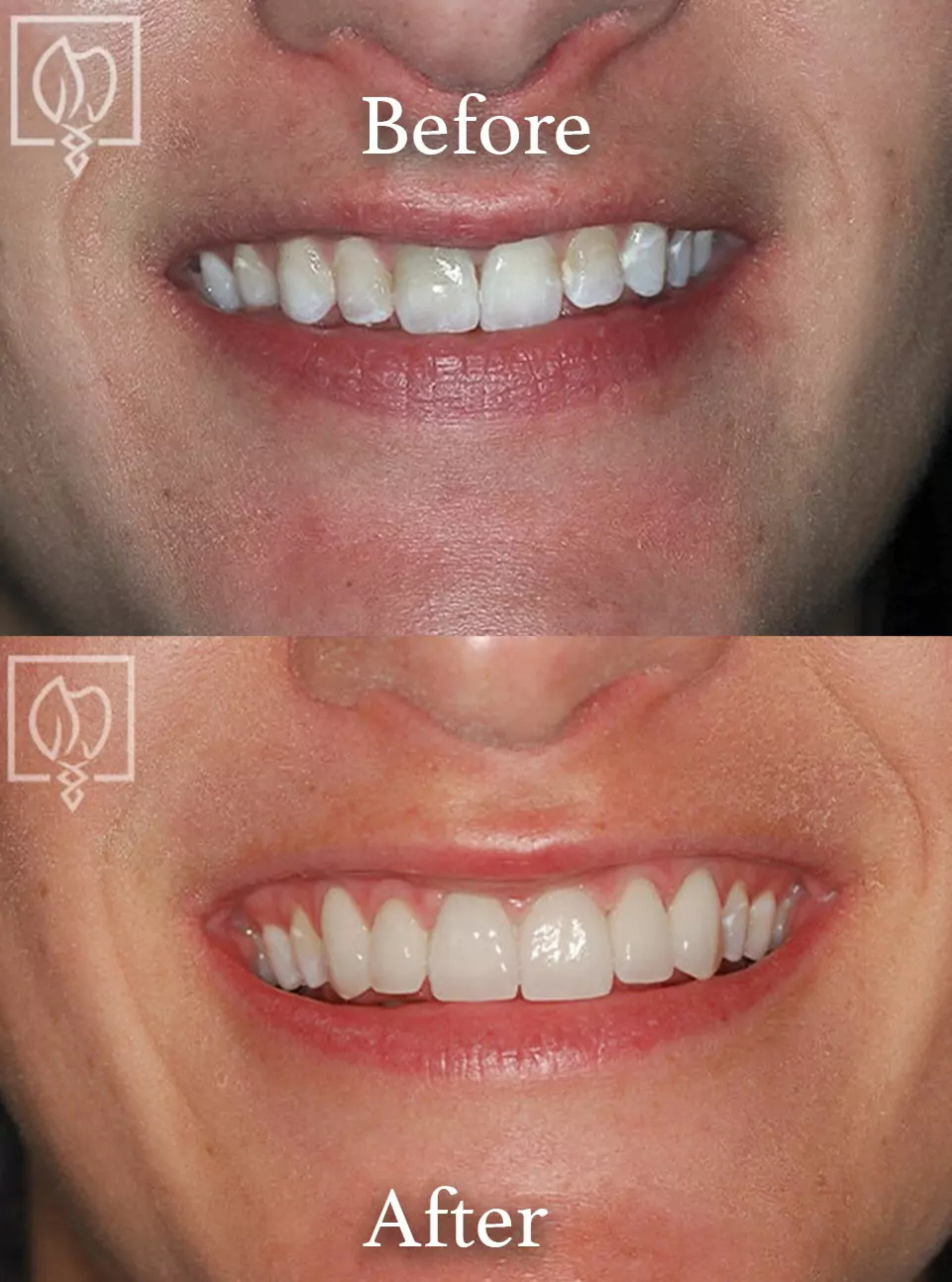
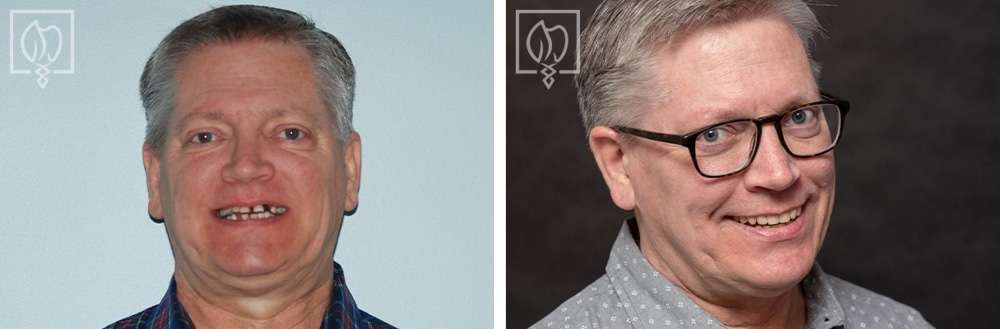
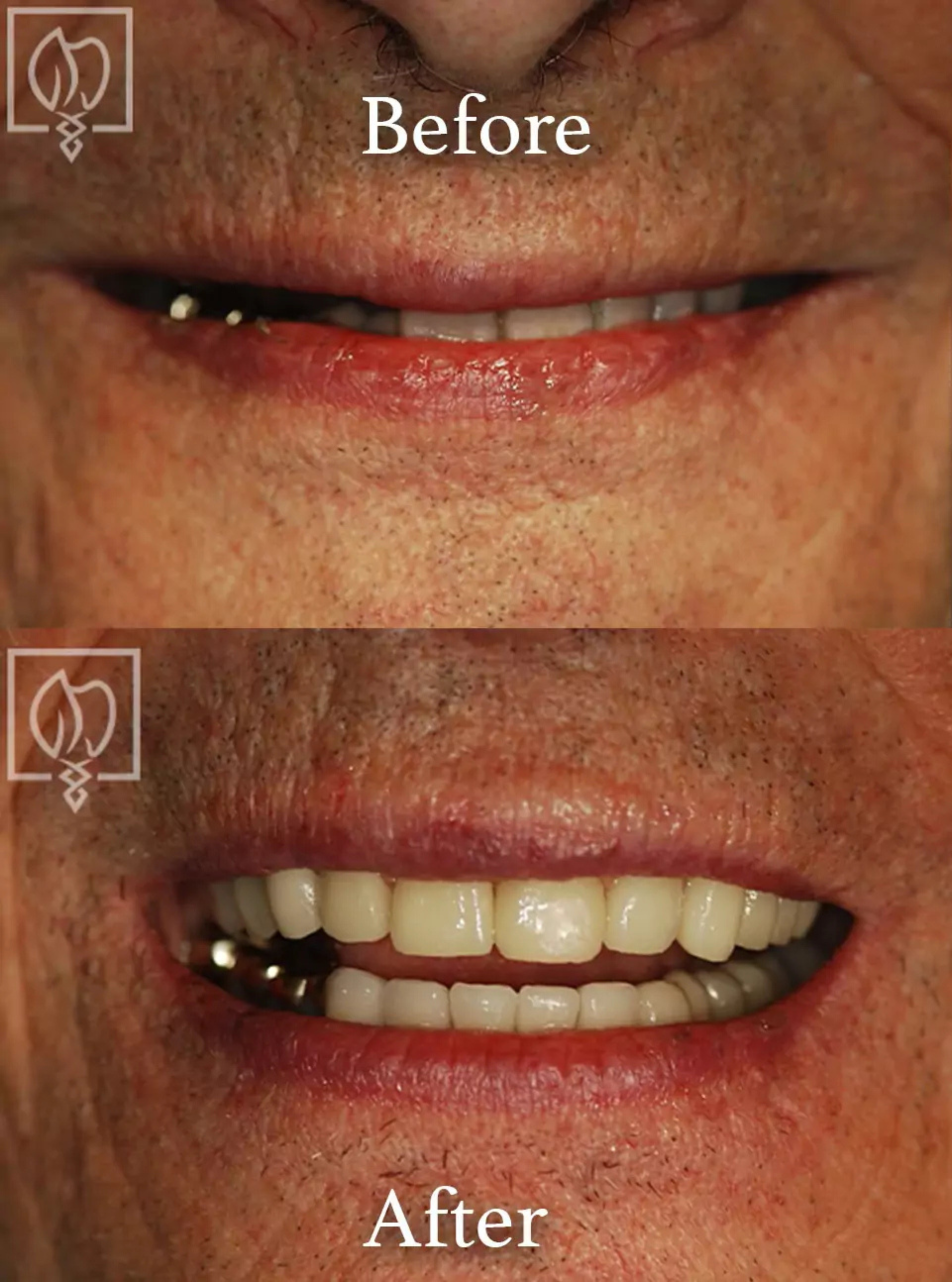
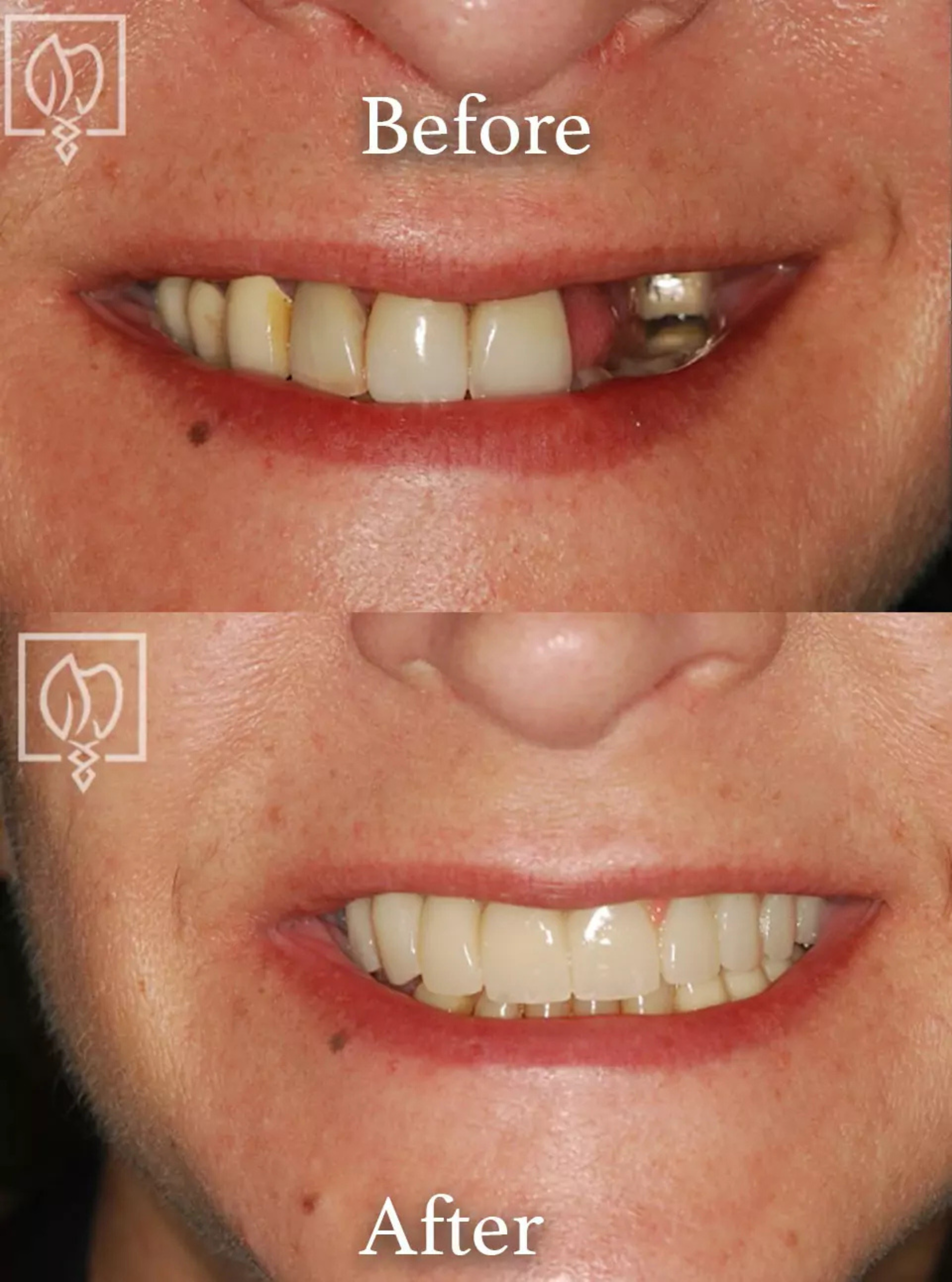
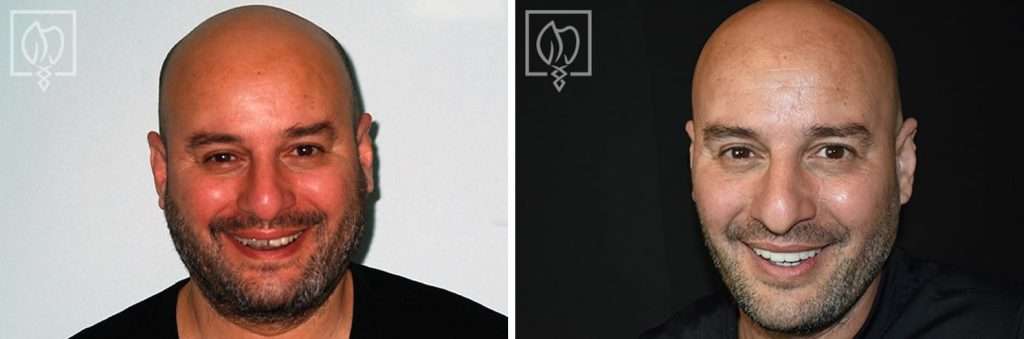
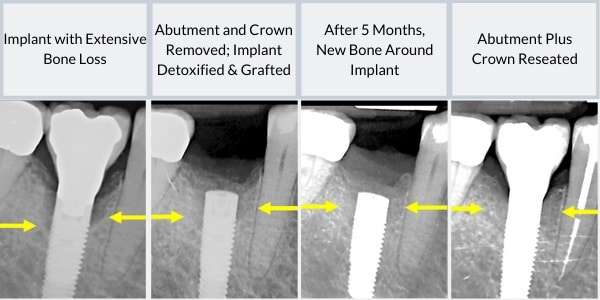
What Specialty Training Produces in Practice
The clinical results below were planned and delivered under the direction of Dr. Marlin, a specialty-trained prosthodontist with more than 40 years of clinical practice in Washington, DC.
When Elite Prosthetic Dentistry Is a Strong Fit
A strong fit if you are looking for
- A complex, high-stakes, or irreversible dental decision where specialty training changes the plan
- Multiple teeth, implants, or restorations that must be planned as one system
- A second opinion before extraction, implants, or a large reconstructive plan
- Aging crowns, bridges, or implant restorations that need a coordinated renewal
- Cosmetic treatment that must also correct function and last for decades
The honest boundary
Elite Prosthetic Dentistry may not be the right fit if you are primarily looking for routine insurance-based dentistry, the lowest-cost option, or a quick single-visit solution without a comprehensive evaluation.
Frequently Asked Questions
Frequently Asked Questions
What does a prosthodontist do that a general dentist does not?
Prosthodontists focus specifically on the restoration and replacement of teeth and complete three additional years of postgraduate residency training in this area. General dentists handle a broad scope of dental care; prosthodontists handle a narrower scope with substantially deeper training. The clinical difference is most significant in cases involving implants, multiple restorations, complex aesthetics, full mouth reconstruction, and any situation where general dentistry has reached the limit of its scope.
Is a prosthodontist the same as a cosmetic dentist?
Not exactly. Any dentist can call themselves a cosmetic dentist; the term is not a recognized specialty. A prosthodontist is a dental specialist recognized by the American Dental Association with three additional years of accredited residency training. Many cosmetic procedures are within the prosthodontic scope, but the specialty also covers function, occlusion, implants, and complex restorative work that the cosmetic-dentist label does not necessarily include.
Do I need a referral to see a prosthodontist?
No. Patients can schedule directly with a prosthodontist without a referral from a general dentist. Many patients are referred by their general dentist when a case exceeds general scope; many others schedule directly after researching specialists for a specific need (implants, cosmetic work, second opinion on a complex plan).
Are prosthodontists more expensive than general dentists?
For comparable procedures, prosthodontist fees may be somewhat higher than general dentist fees because of the additional training and case-planning depth involved. The relevant question is value: what does the restoration cost over its service life, how long does it last, and what is the long-term outcome? Mainstream patient guidance puts typical crown life at 5 to 15 years with proper care, and a restoration that lasts longer than that changes the cost equation over time.
How do I know if I should see a prosthodontist?
Consider specialist consultation if you are dealing with significant tooth loss, considering dental implants, planning cosmetic work involving multiple teeth, replacing failed previous dentistry, dealing with TMJ symptoms that involve the bite, or evaluating a complex treatment plan. The consultation itself clarifies whether prosthodontic care is appropriate or whether general dentistry can handle your situation.
What credentials should I look for in a prosthodontist?
Look for the DMD or DDS degree (general dental training), followed by MSD or equivalent that signals completion of a postgraduate residency in prosthodontics. The American Board of Prosthodontics offers an additional voluntary board certification credential. Long-term practice in the area, recognized awards (such as Washingtonian Top Dentist for the DC region), and a portfolio of complex case work are additional indicators of established practice.
How does Dr. Marlin's training meet the prosthodontist definition?
Dr. Gerald Marlin completed dental school at the University of Pennsylvania School of Dental Medicine, then completed his prosthodontic residency at Boston University Henry M. Goldman School of Dental Medicine, earning both DMD and MSD degrees. He has practiced specifically as a prosthodontist for more than 40 years in Washington, DC, has placed more than 3,900 dental implants, holds 9 U.S. patents in dental implant restoration methodology, and has been named a Washingtonian Top Dentist across more than two decades, most recently on the 2026 list.
Specialist Care in Action
Which Dentist Specializes in Implants?
Background on dental specialties and how to choose a provider for implant care.
Dental Implant Success
What clinical factors drive long-term implant outcomes.
Second Opinion on Implant Plans
When and why patients seek specialist evaluation of implant treatment plans.
Prosthodontic Services
Dental Implants
Complete implant restoration by a specialty-trained prosthodontist.
All-on-X Full-Arch Implants
Full-arch implant treatment for extensive tooth loss.
Full Mouth Reconstruction
Comprehensive restoration of the entire dentition.
Cosmetic Dentistry
Veneers, crowns, smile makeovers, and aesthetic restoration.
Porcelain Veneers
Custom veneer design and placement.
Custom Dental Crowns
Specialist crown design with in-house lab control.
Dentures
Conventional, partial, and implant-supported denture options.
Second Opinion Dentistry
Independent specialist evaluation of treatment plans.
What Is a Prosthodontist? Near You
Dr. Marlin provides specialty care to patients throughout the Washington, DC metropolitan area. Select your community to learn more.
Conveniently Located in Friendship Heights
Serving Washington DC, Bethesda, Chevy Chase, McLean, Great Falls, Potomac, and surrounding communities. One block from the Friendship Heights Metro on the Red Line.
Request Your Specialist Consultation
Personally reviewed by Dr. Marlin or his team.
Hours
- Monday — Thursday8:00 AM — 5:00 PM
- Friday8:00 AM — 2:00 PM
- Saturday — SundayClosed