
Porcelain Veneers in Washington, DC
Porcelain veneers are thin ceramic shells that bond to the front of natural teeth to refine color, shape, alignment, and proportion. At Elite Prosthetic Dentistry, every veneer is designed by a specialty-trained prosthodontist and fabricated in our in-house dental laboratory.
40+
Years Experience
1985
In-House Lab Since
2026
Top Dentist List
9
U.S. Patents

Gerald M. Marlin, DMD, MSD
Specialty-Trained Prosthodontist (DMD, MSD)
Washingtonian "Top Dentist" 2026 and Hall of Fame
Why Patients Choose a Prosthodontist for Veneers
- Specialty-trained prosthodontist with three additional years of training beyond dental school
- Veneers designed and crafted in our in-house laboratory since 1985
- Master ceramist works directly with the prosthodontist on every case
- Restorations planned for bite, fit, and long-term service
- Specialist-led care within one practice, from consultation to final placement
Or call now: (202) 244-2101
What Are Porcelain Veneers?
A porcelain veneer is a custom-designed ceramic facing approximately 0.5 to 1 millimeter thick that bonds to the front surface of a tooth. Veneers refine the appearance of the smile while preserving more natural tooth structure than crowns.
Conservative Tooth Preparation
Veneers require minimal reduction of natural enamel. Compared to a crown that wraps the entire tooth, a veneer covers only the visible front, preserving healthy structure.
Custom Aesthetic Design
Each veneer is individually designed for shade, translucency, shape, and proportion. The result is a smile that looks like teeth, not like a uniform set of identical caps.
Durable Long-Term Result
Porcelain resists staining, maintains color stability, and bonded properly to healthy tooth structure can perform reliably for many years with proper maintenance.
The Veneer Treatment Process
Veneer treatment is a planned process. Setting clear expectations and aligning on the final result before the work begins is part of how a specialist practice approaches every case.
Consultation and Smile Analysis
Clinical exam, digital photography, and detailed conversation about the look you want. Smile design considers tooth shape, lip dynamics, facial proportions, and existing bite.
Design Preview
Many cases benefit from a wax-up or digital preview that shows the proposed result before any tooth preparation. This lets you approve the design before the irreversible step.
Tooth Preparation and Temporaries
Conservative reduction of the front of each tooth. Temporary veneers placed so you leave with a functional, attractive smile while the final veneers are fabricated in the lab.
Final Placement
Final porcelain veneers placed and bonded. Bite, fit, and appearance refined before the case is considered complete.
Why Specialist Training Matters for Veneers
Veneers are part of the prosthodontic specialty. Smile design, occlusion, material selection, and laboratory craftsmanship all influence the final result. Working with a specialty-trained prosthodontist with an in-house lab structurally changes what is possible.
-
Smile Design Backed by Specialty Training
Three additional years of prosthodontic residency focused on the principles of esthetic design, occlusion, and complex restoration. The training informs every clinical decision.
-
In-House Lab and Master Ceramist
Veneers are designed and crafted in our on-site laboratory by a master ceramist working directly with Dr. Marlin. Color, translucency, and contour are refined in real time.
-
Bite and Function Engineered Together
Veneers that look beautiful but interfere with the bite fail prematurely. Specialist planning addresses appearance and function together.
-
One Plan Start to Finish
From the first consultation through the day the final veneers are placed, your case stays within one specialist practice and one treatment plan. No transfers between practices, no inconsistent hand-offs.

Who Is a Candidate for Porcelain Veneers?
Veneers solve a specific set of aesthetic concerns and are not the right answer for every case. Specialist evaluation determines whether veneers, crowns, bonding, or another approach best fits your situation.
Stained or Discolored Teeth
Discoloration that does not respond to professional whitening, including tetracycline staining, fluorosis, and internal discoloration from previous dental work.
Chipped, Worn, or Uneven Teeth
Minor chipping at edges, worn incisal surfaces from grinding, or proportion irregularities that affect the appearance of the smile.
Minor Gaps and Misalignment
Small spaces between teeth or mild rotation that does not warrant orthodontic treatment. Veneers can close gaps and create the illusion of straighter teeth.
Patients Replacing Aging Veneers
Existing veneers that have chipped, discolored, debonded, or no longer match adjacent teeth. Specialist replacement protects underlying tooth structure.
When Veneers Are the Right Answer
Veneers solve a specific category of cosmetic concerns: discoloration, chipping, minor gaps, mild misalignment, worn incisal edges, and proportion irregularities. They are not the answer for every cosmetic issue. Teeth with significant structural damage, decay, or compromised tooth structure typically require a crown rather than a veneer. Teeth with major bite issues or significant misalignment may be better served by orthodontics or a combined approach.
The right way to determine whether veneers are appropriate for your situation is a clinical exam that evaluates tooth structure, bite, gum health, and aesthetic goals together. A veneer recommendation made on appearance alone, without considering bite or underlying tooth condition, frequently leads to early failure.
Veneers vs. Crowns vs. Composite Bonding
Three approaches dominate cosmetic restoration of the front teeth. The right choice depends on tooth condition, aesthetic goals, longevity expectations, and budget.
| Criterion | Composite Bonding | Porcelain Veneers | Dental Crowns |
|---|---|---|---|
| Tooth preparation | Minimal to none | Light, 0.5 to 1mm | Significant, 1.5 to 2mm |
| Coverage | Surface area only | Front face only | Entire tooth |
| Best for | Minor chips, small gaps | Discoloration, shape, alignment | Damaged or weakened teeth |
| Stain resistance | Moderate, requires repolishing | Excellent | Excellent |
| Typical longevity | 3 to 7 years | 10 to 15+ years with proper care | 10 to 20+ years with proper care |
| Repairability | Easy chairside | Replace entire veneer | Replace entire crown |
| Cost | Lowest | Middle | Highest |
For a more detailed comparison of cosmetic options, see our cosmetic dentistry overview and custom dental crowns pages.
The In-House Lab Advantage for Veneer Cases
Most practices send veneer cases to an outside laboratory, which works from impressions, prescriptions, and photographs, so refinements travel back and forth. Adjustments that go back to the laboratory add time to the case.
Elite Prosthetic Dentistry has operated an in-house dental laboratory continuously since 1985. Our master ceramist works directly with the prosthodontist on every veneer case. Color, surface texture, translucency, and individual tooth design are refined in real time, often with the patient present for shade verification. Adjustments happen on-site, which gives closer control over shade, translucency, contour, and fit.
For patients evaluating cosmetic dentistry options in the Washington, DC region, the in-house lab is a structural difference worth understanding. Read more about our in-house laboratory and how it affects every restoration that leaves our practice.
Common Concerns Patients Raise About Veneers
“Will my veneers look fake?” Veneers look fake when shade is wrong, translucency is wrong, or proportions are wrong. Specialist design with in-house lab control addresses each of these factors individually for every tooth.
“What happens if I damage a veneer?” Isolated damage to a single veneer can typically be repaired or replaced without affecting adjacent teeth. Veneers are designed as individual units, which gives flexibility in maintenance.
“Can I whiten my teeth before veneers?” In many cases yes, and it is often recommended when adjacent teeth are stained but otherwise sound. Veneers are color-matched to your final desired shade, so whitening other teeth first can reduce the number of veneers needed.
“How do I care for veneers long-term?” Daily brushing and flossing, regular professional cleanings, and avoiding habits that stress front teeth (ice chewing, opening packages with teeth, untreated grinding) all extend veneer service life. Patients with documented bruxism should be evaluated for a night guard as part of the treatment plan.
“What if I already have veneers that I am not happy with?” Replacing or revising existing veneer work is a frequent reason patients come to Elite Prosthetic Dentistry. Specialist evaluation determines whether the existing veneers can be replaced individually, whether the underlying teeth need additional treatment, and what design changes would address the original concerns. See our veneer failure repair and cosmetic dentistry revision pages.
Veneer Treatment for Washington DC Patients
Elite Prosthetic Dentistry serves veneer patients across the Washington DC metropolitan area, including Bethesda, Chevy Chase, Potomac, McLean, Great Falls, and surrounding communities. Our office is located in Friendship Heights, one block from the Red Line Metro station, with building parking.
For patients traveling from outside the DMV region for cosmetic work, our travel for care and concierge dentistry services coordinate multi-appointment scheduling and lodging logistics so out-of-town consultations and treatment can be efficient.
Ready to Discuss Your Treatment Options With a Specialist?
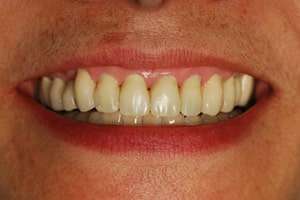
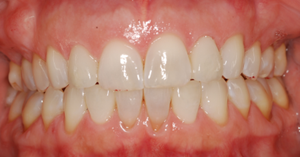
Real Patient Results
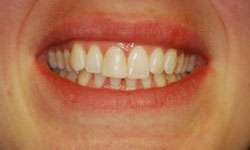
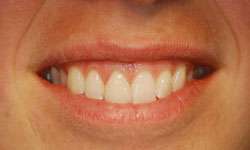
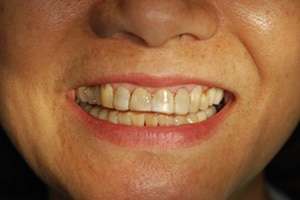
Every result below was designed and placed at the Washington, DC practice under Dr. Marlin's direction.
When Elite Prosthetic Dentistry Is a Strong Fit
A strong fit if you are looking for
- Veneers planned around the bite and the condition of the underlying teeth, not appearance alone
- A smile design tested in a wax-up or provisionals before any enamel is removed
- Cases where some teeth need veneers and others need crowns, and the two must match perfectly
- Worn, chipped, or previously restored front teeth where veneers may or may not be the right answer
- Ceramics finished in the in-house laboratory, with shade and contour refined with you present
The honest boundary
Elite Prosthetic Dentistry may not be the right fit if you are primarily looking for routine insurance-based dentistry, the lowest-cost option, or a quick single-visit solution without a comprehensive evaluation.
Prosthodontist vs. Cosmetic Dentist for Complex Smile Reconstruction →
Frequently Asked Questions
Frequently Asked Questions
How long do porcelain veneers last?
Veneer longevity depends on case design, the underlying tooth, the bond, the bite, and home care. Veneers planned and placed by a specialist with quality materials and proper occlusal control can perform reliably for well over a decade. In-house lab control and prosthodontic planning are both aimed at extending that service life.
Are veneers reversible?
No. The tooth preparation required to bond a veneer removes a small amount of enamel and is not reversible. The veneer itself can be removed and replaced, but the underlying tooth has been modified. This is one reason specialist consultation matters before proceeding.
How are veneers different from crowns?
A veneer covers only the visible front surface of a tooth and requires minimal preparation. A crown wraps the entire tooth and requires more reduction. Veneers are appropriate when the underlying tooth is structurally sound and the goal is aesthetic refinement. Crowns are appropriate when the tooth has significant damage, decay, or previous work that has compromised the structure.
Will veneers look natural?
When designed by a prosthodontist working with an experienced ceramist, veneers can be made to look indistinguishable from natural teeth. Shade, translucency, surface texture, and proportions are all controlled. Veneers that look obviously artificial are typically the result of stock designs, poor color matching, or a lab that did not account for individual anatomy.
Can I get just one or two veneers?
Yes. Single-tooth and two-tooth veneer cases are common, particularly when one tooth is chipped, discolored, or out of alignment with the others. The challenge is shade matching the new veneer to adjacent natural teeth, which is part of the lab work. Many patients later add additional veneers as a planned cosmetic upgrade.
What does the veneer process involve?
Consultation and smile design first, including digital photography and clinical exam. A design preview such as a wax-up or digital mockup follows for many cases. Tooth preparation and temporary veneers are placed next. Final veneers are fabricated in our in-house lab and placed at a follow-up visit. Most cases require two to three appointments over two to three weeks.
Why see a prosthodontist for veneers instead of a general dentist?
Prosthodontists complete three additional years of specialty training beyond dental school focused on restoration, esthetics, and complex case planning. The training depth matters for veneer cases that involve more than a single tooth, address bite or occlusion concerns, or carry long-term aesthetic stakes. Combined with an in-house lab and master ceramist, the specialist setup structurally changes the outcome.
Related Patient Success Stories
Explore similar patient success stories demonstrating our expertise in advanced prosthetic dentistry.
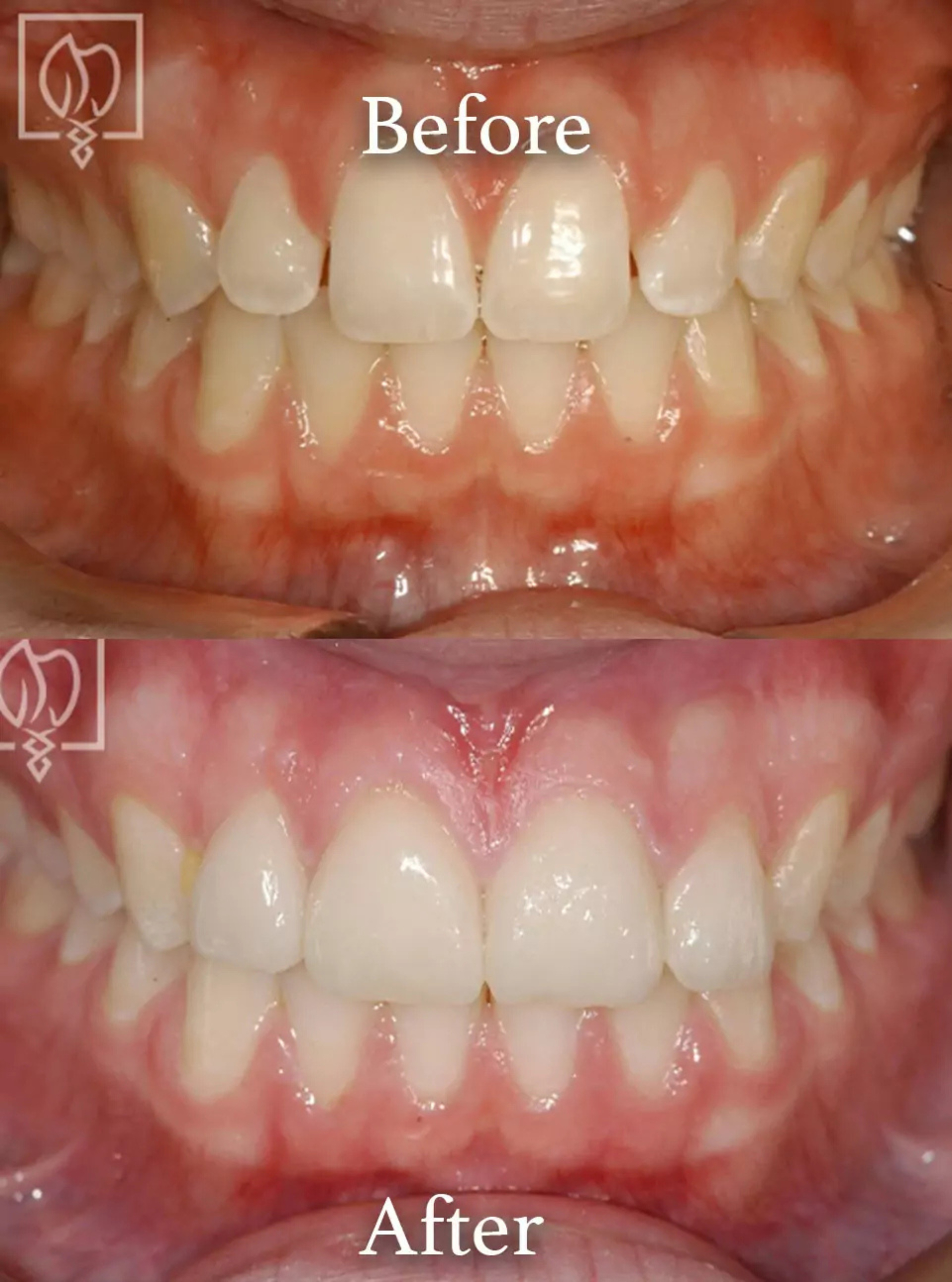
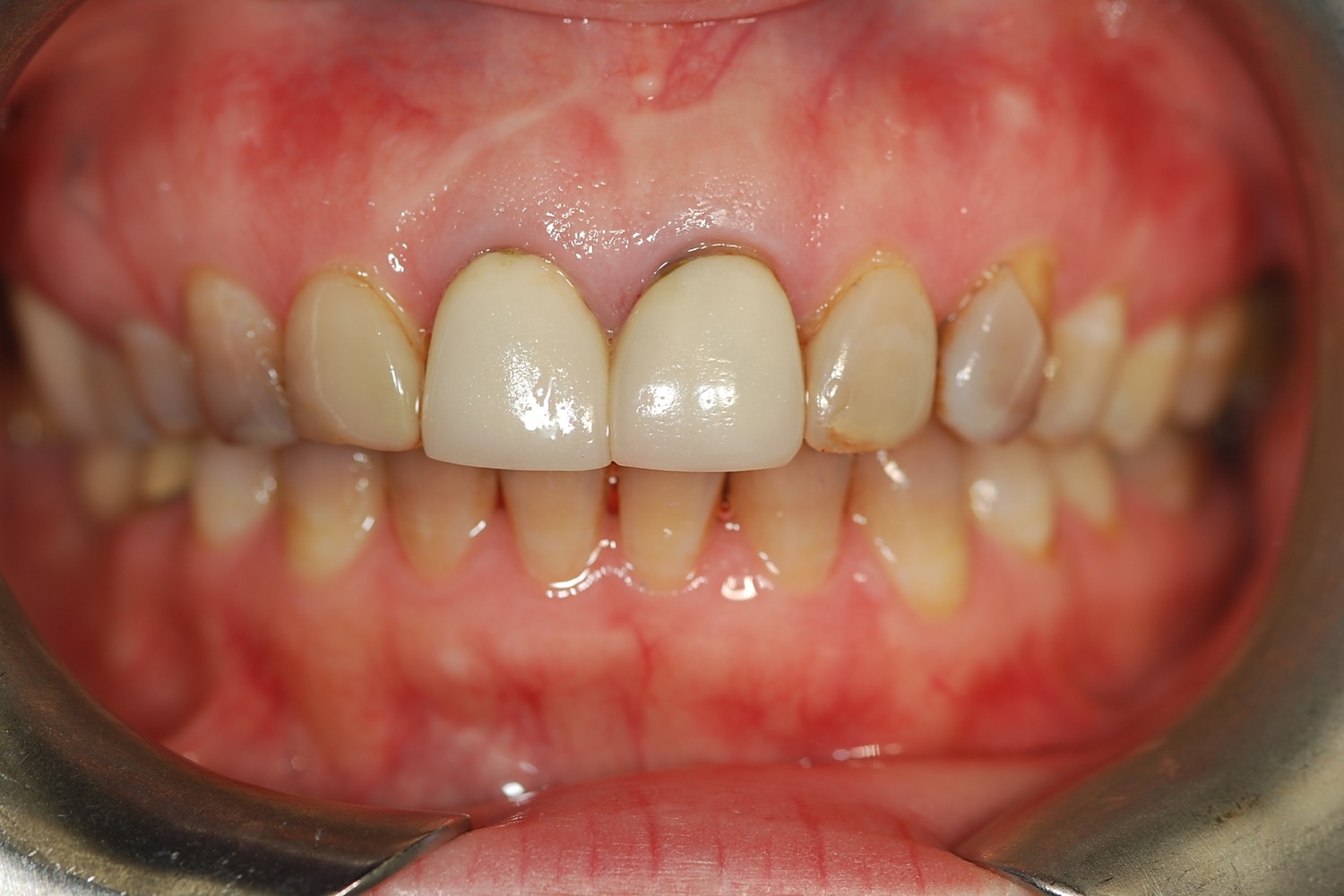 Before
 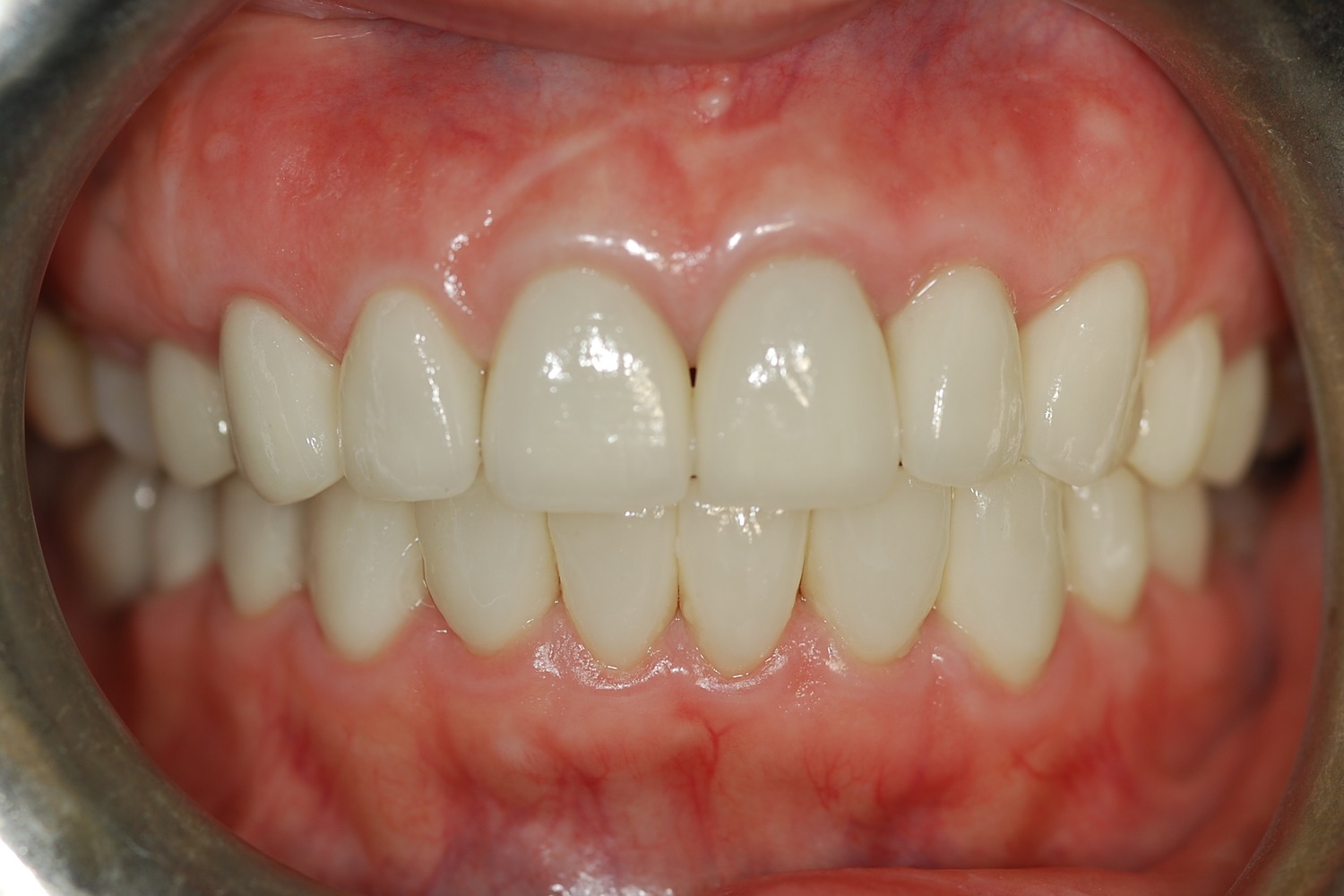 After
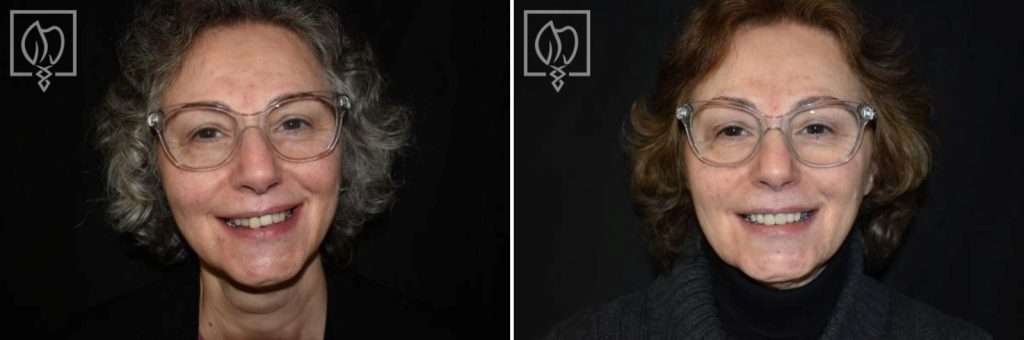
After How Aging, Opaque Restorations Were Replaced with Customized Ceramic Restorations Designed for Long-Term Natural Esthetics
The existing restorations appeared opaque, worn, and unnatural over time, affecting both confidence and overall smile harmony.
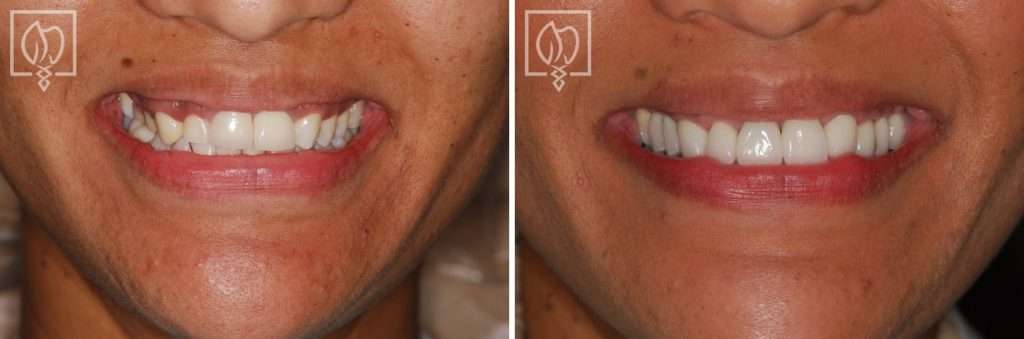
Temporary Crowns Restore a Patient's Smile in One Day with an Immediate Smile Makeover
A patient from Potomac, Maryland came to the practice in pain from a failing dental implant whose restoration was also compromising her appearance and her confidence.
Multi-Faceted Treatment for a Patient Unhappy With the Appearance of Her Crowns, Teeth, and Gums
The patient was unhappy with how her teeth and gums affected her smile: front-tooth crowns that no longer blended with her natural teeth, a missing lateral incisor with the larger canine sitting in its space, and an uneven gum line.
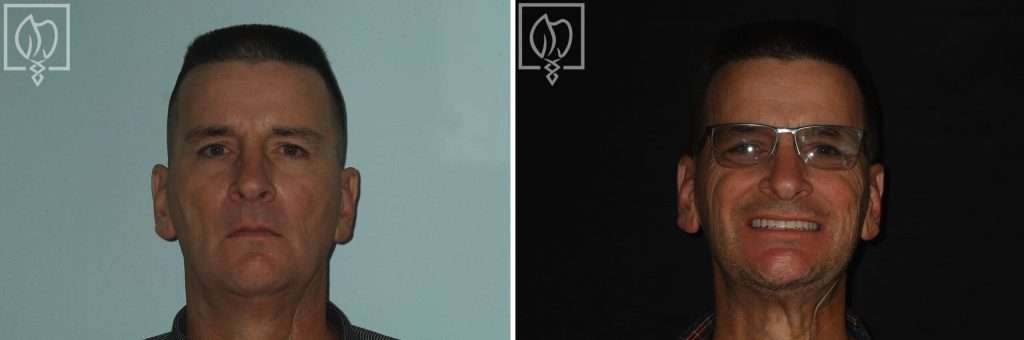
Treating a Collapsed Bite with a Complete Smile Makeover and New Dentures
The patient's bite had collapsed severely, changing his facial proportions and making him look much older than his age, while extensive underlying bone loss and dentures that no longer fit made chewing difficult and kept his teeth hidden when he smiled.
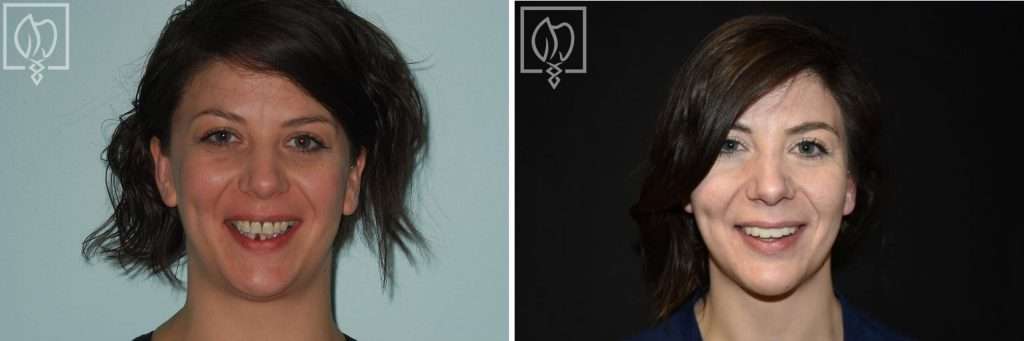
Salvaging Severely Broken-Down Upper and Lower Teeth from Gum and Bone Disease
The patient presented in distress at 34 with severe periodontal disease: two lower front teeth close to being lost and wide gaps opening between her upper and lower front teeth.
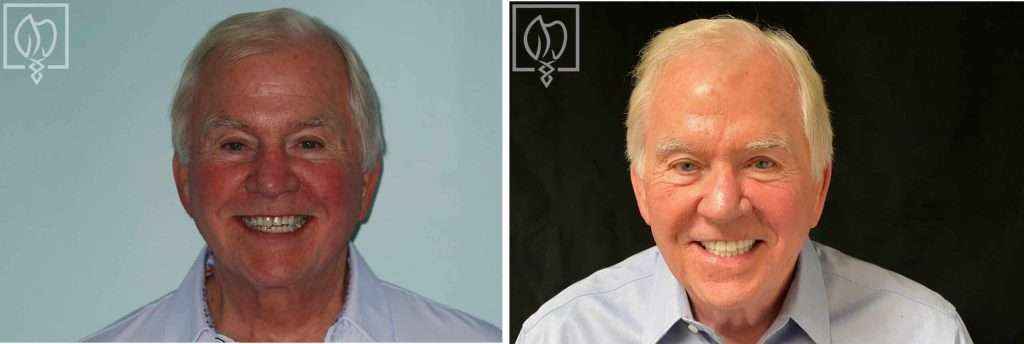
A Smile Transformation in Just Four Months: A Patient’s Dental Crown Restoration for a TV Series
A patient with dental crowns that were in poor shape was going to appear on a streaming video series on a major TV network that was scheduled to begin filming soon. Our patient, John, an author about to embark on a book tour, was anxious as his teeth were not up to his standards to appear on television.
Veneer and Cosmetic Patient Stories
Veneer and Cosmetic Resources
Cosmetic Dentistry Overview
How veneers fit into the broader cosmetic dentistry offering.
Smile Makeover
Comprehensive cosmetic treatment combining veneers and other procedures.
Custom Dental Crowns
When a tooth needs full coverage rather than a veneer.
Professional Teeth Whitening
Sometimes whitening is enough. Sometimes it is the wrong answer.
Failing Veneer Revision
Specialist evaluation and replacement of failing veneer work from other practices.
Our In-House Dental Lab
How fabrication in our own laboratory changes what is possible.
Meet Dr. Marlin
Background, training, and clinical philosophy.
Porcelain Veneers in Washington, DC Near You
Dr. Marlin provides specialty care to patients throughout the Washington, DC metropolitan area. Select your community to learn more.
Conveniently Located in Friendship Heights
Serving Washington DC, Bethesda, Chevy Chase, McLean, Great Falls, Potomac, and surrounding communities. One block from the Friendship Heights Metro on the Red Line.
Request Your Specialist Consultation
Personally reviewed by Dr. Marlin or his team.
Hours
- Monday — Thursday8:00 AM — 5:00 PM
- Friday8:00 AM — 2:00 PM
- Saturday — SundayClosed