
Dental Implants: High-Tech Teeth
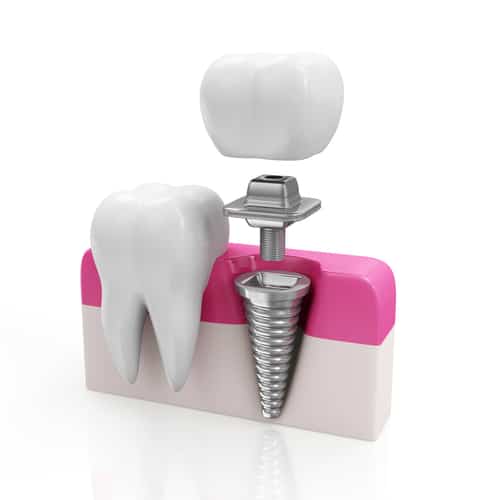
What are dental implants? At their core, they are replacement tooth roots: precisely engineered posts secured within the jawbone, invisible once placed, providing the foundation for fixed or removable replacement teeth. The concept is ancient. Archaeologists have found skulls in which lost teeth were replaced with cast iron and even sea shells, and remarkably, some of those primitive implants fused with the bone, anticipating by millennia what modern dentistry now does deliberately.
Today’s version is rather more refined. Modern implants are made of titanium: lightweight, strong, and biocompatible, meaning your bone accepts it and fuses directly to its surface. When they are properly planned, placed, and maintained, dental implants are among the most predictable treatments in dentistry.
That reliability did not happen by accident. It is the product of a technology stack, and understanding it explains why implants placed today behave so differently from those placed a generation ago.
The Technology Stack Behind a Modern Implant
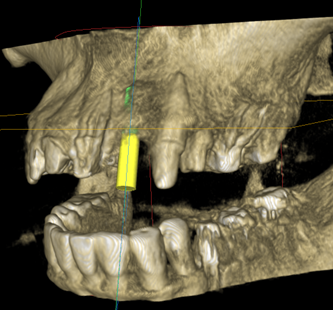
It starts with seeing in three dimensions. A CBCT (cone beam CT) scan maps your jaw completely: bone width, height, density, nerve pathways, sinus anatomy. Two-dimensional X-rays forced earlier clinicians to estimate; the CBCT removes the estimate.
Then the surgery happens virtually, first. Planning software places the implant digitally on your scan, in the exact position, angle, and depth the future tooth requires, before anyone touches your mouth. Problems are discovered and solved on a screen, where solving them costs nothing.
A surgical guide makes the plan physical. Fabricated from the virtual plan and used where bone anatomy, esthetic demands, or proximity to nerves and sinuses call for it, the guide directs the implant into the planned position during surgery with millimeter accuracy. This is the heart of precision implant placement, and it converts implant surgery from a skilled estimate into a transfer of a verified design.
CAD/CAM completes the tooth. The abutment and crown are digitally designed and custom fabricated, in our case by the technician in our own in-house laboratory, so the emergence from the gum and the match to neighboring teeth are engineered rather than approximated.
Each layer removes a failure mode the previous generation had to accept. That is the honest meaning of “high-tech teeth.”
What the Technology Buys You
Implants come in designs for every need: single tooth replacement, multiple teeth, full-arch fixed prostheses, and implant-stabilized dentures. Across all of them, the practical benefits are the same. Implants look and feel like your natural teeth because they are anchored the way natural teeth are. They eliminate the movement and discomfort of removable appliances, restore confident eating and clear speech, and, unique among tooth replacements, they are the only proven way to prevent the jawbone loss that follows losing natural teeth. The jaw stays healthy through chewing stimulation, and an implant is the only replacement that transmits it.
With proper care, consistent brushing, flossing, and routine dental visits, implants can serve for decades, often for life. Our documented in-practice implant success rate is above 97% for implants placed more than 20 years ago.
Technology Still Needs Judgment
A CBCT scanner does not decide whether your failing bridgework should be replaced proactively or watched; planning software does not weigh whether a tooth can be saved instead of extracted. The stack is only as good as the specialist directing it, which is why the technology conversation always circles back to training and experience. If you are curious how all of these tools come together across a full course of treatment, our walkthrough of what patients can expect during implant treatment follows the journey stage by stage, and osseointegration, explained simply covers the biology that makes it all possible.
Dr. Gerald Marlin, a specialty-trained prosthodontist, has placed more than 3,900 dental implants over a career of more than 40 years, and every implant case in our practice, from a single implant through full-mouth reconstruction, is planned on a CBCT scan. If you are considering implants, or want to understand what modern treatment could do for a failing tooth, call 202-244-2101 or request a consultation at Elite Prosthetic Dentistry in Friendship Heights, Washington, DC.
See How We Resolve These Problems
Our patient success stories show real cases and real results. Browse outcomes from a specialist prosthodontist with decades of experience and 3,900+ implants placed.
Key Takeaways
- ✓ A dental implant is a titanium replacement root: lightweight, strong, and biocompatible enough that your bone fuses directly to it.
- ✓ Dental implants are among the most predictable treatments in dentistry when they are properly planned, placed, and maintained.
- ✓ The modern reliability comes from a technology stack: CBCT 3D imaging, virtual planning, surgical guides, and CAD/CAM custom abutments and crowns.
- ✓ Implants are the only tooth replacement proven to prevent the jawbone loss that follows losing natural teeth.
- ✓ With proper care, implants can serve for decades, often for life.
Frequently Asked Questions
What exactly is a dental implant?
It is a replacement tooth root, a precisely engineered titanium post secured within the jawbone, invisible once placed. On top of it, an abutment and crown, a bridge, or a stabilized denture restores the visible teeth. Because titanium is biocompatible, the bone fuses directly to the implant, giving it root-like permanence.
How successful are dental implants?
Dental implants are among the most predictable treatments in dentistry when they are properly planned, placed, and maintained. Individual results depend on bone quality, health factors, and above all the precision of planning and placement, which is where technology has changed the field most.
What technology is used to place implants today?
The modern workflow runs on a 3D CBCT scan of your jaw, virtual planning software that positions the implant digitally before surgery, a custom surgical guide that transfers the plan to the mouth, and CAD/CAM fabrication of the custom abutment and crown. Each layer removes guesswork the previous generation had to live with.
How long do high-tech dental implants last?
With proper care, brushing, flossing, and routine dental visits, implants can last for decades and often for life. Our documented in-practice implant success rate is above 97% for implants placed more than 20 years ago, a durability built on precise placement and well-designed restorations.
Related Patient Success Stories
Explore similar patient success stories demonstrating our expertise in advanced prosthetic dentistry.
 Before
  After
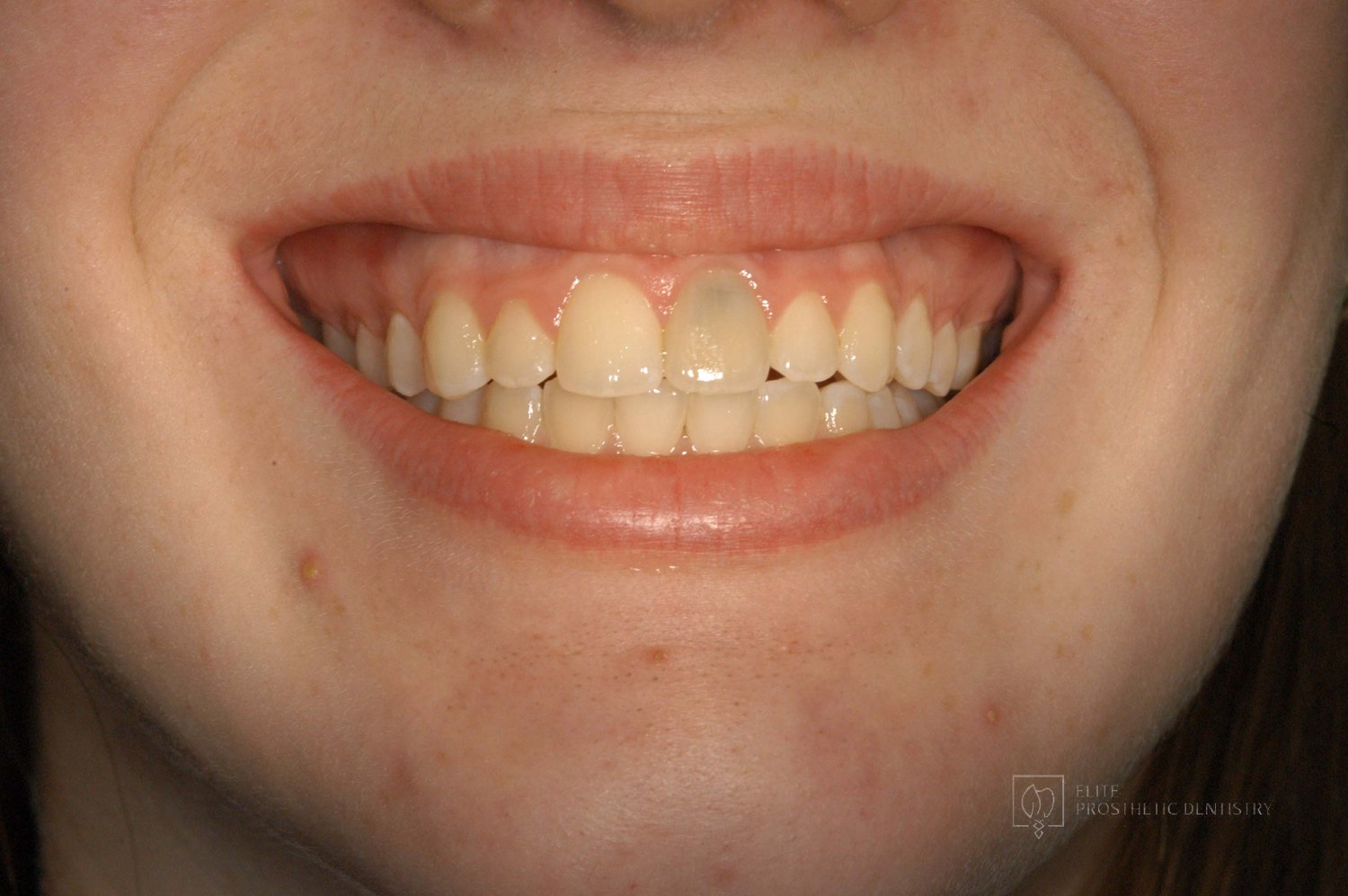
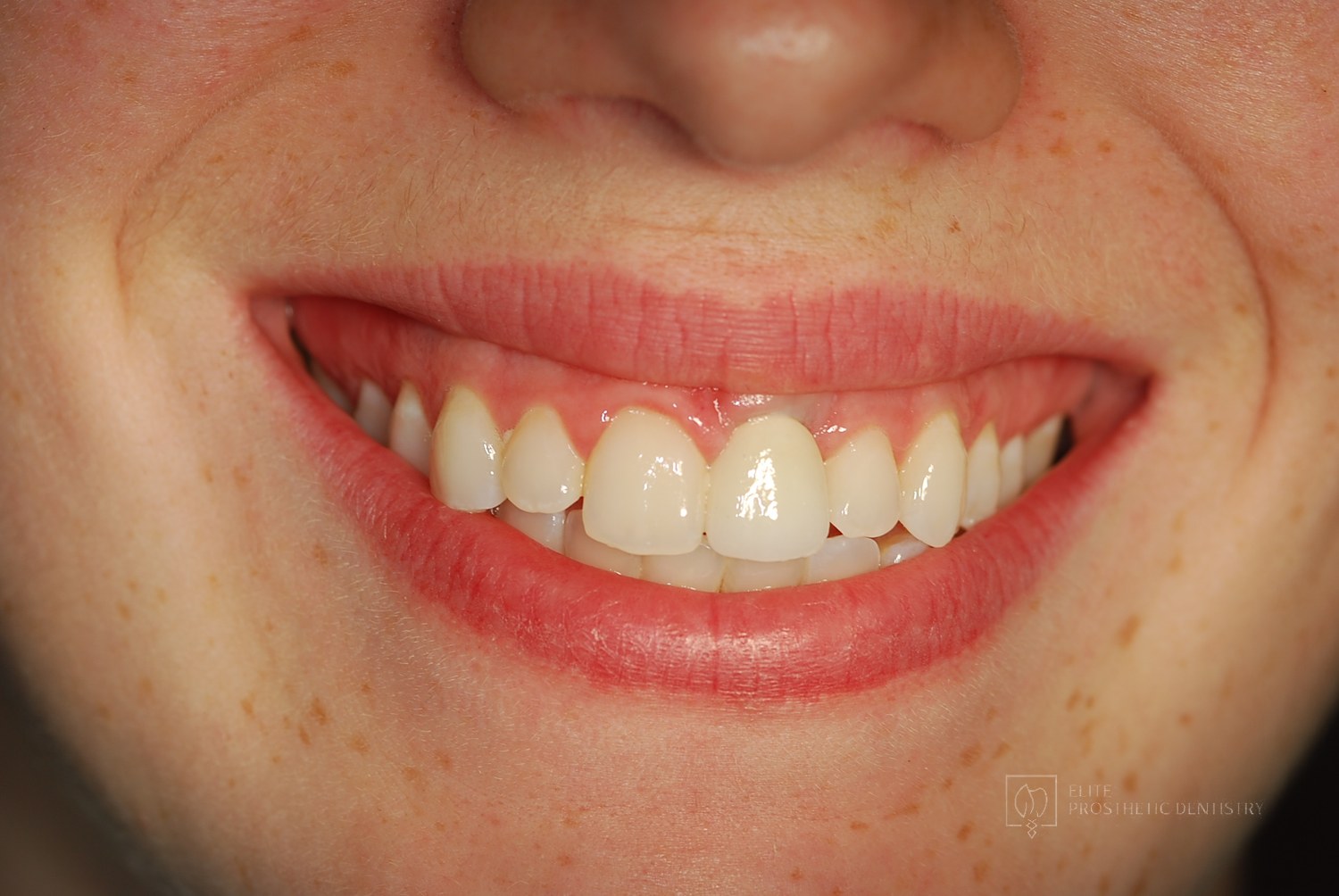
After How a Front Tooth Lost to Childhood Trauma Was Rebuilt with Bone Grafting and a Long-Lasting Implant
A teenager was referred by her father after earlier trauma left her upper left front tooth slowly failing from root resorption. She was still growing, so an immediate implant was the wrong move. The tooth had to be maintained to buy time, then replaced correctly once she reached skeletal maturity.
 Before
  After
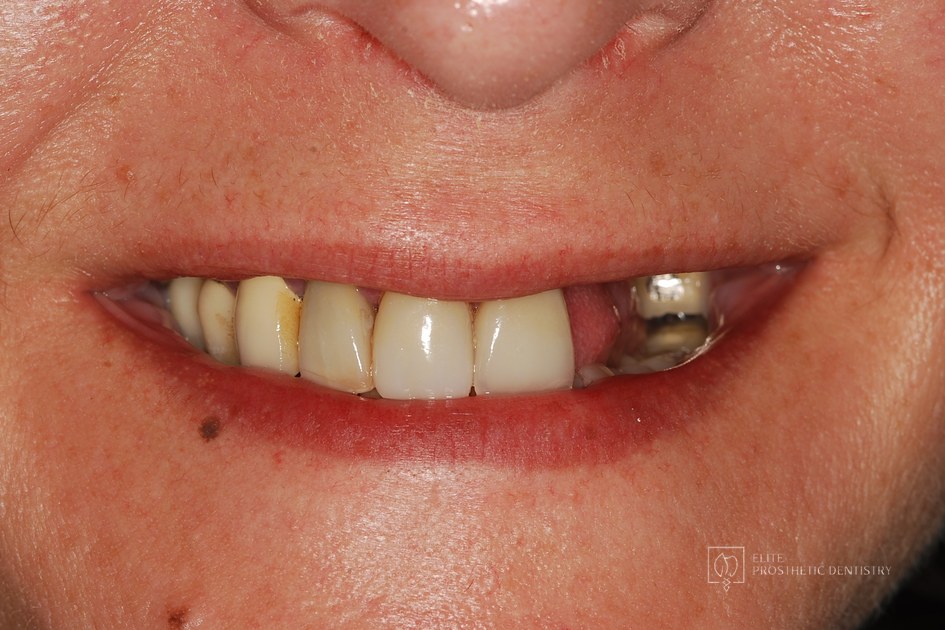
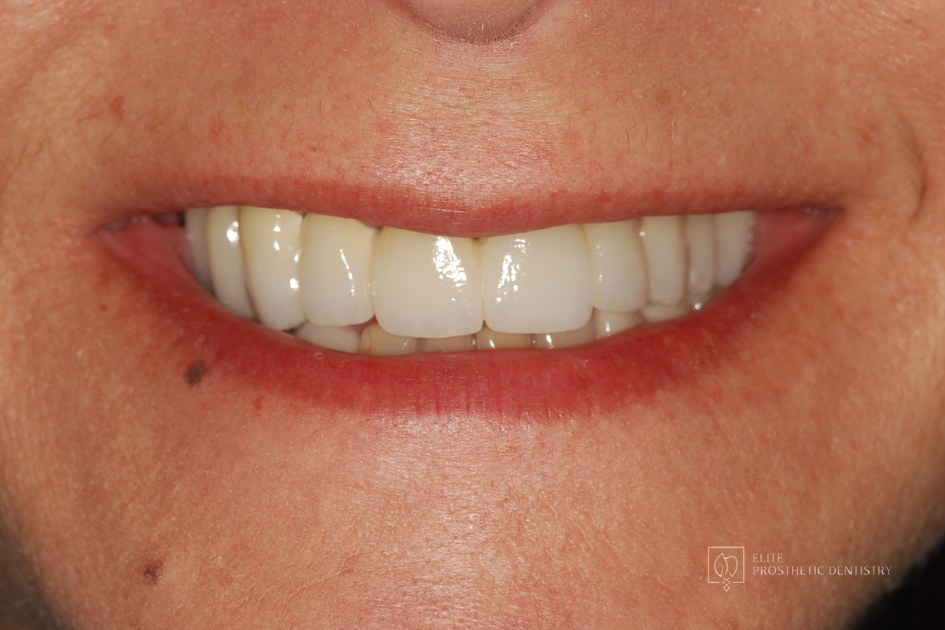
After Implant Supported Reconstruction: Failing Bridgework and Missing Back Teeth Rebuilt with Coordinated Specialist Care
Referred by another dental specialist with severe bone resorption on the upper left, multiple broken-down lower teeth requiring extraction, and failing lower back teeth that had left the bite without solid support. No single procedure, and no provider working in isolation, could rebuild a situation this interconnected.
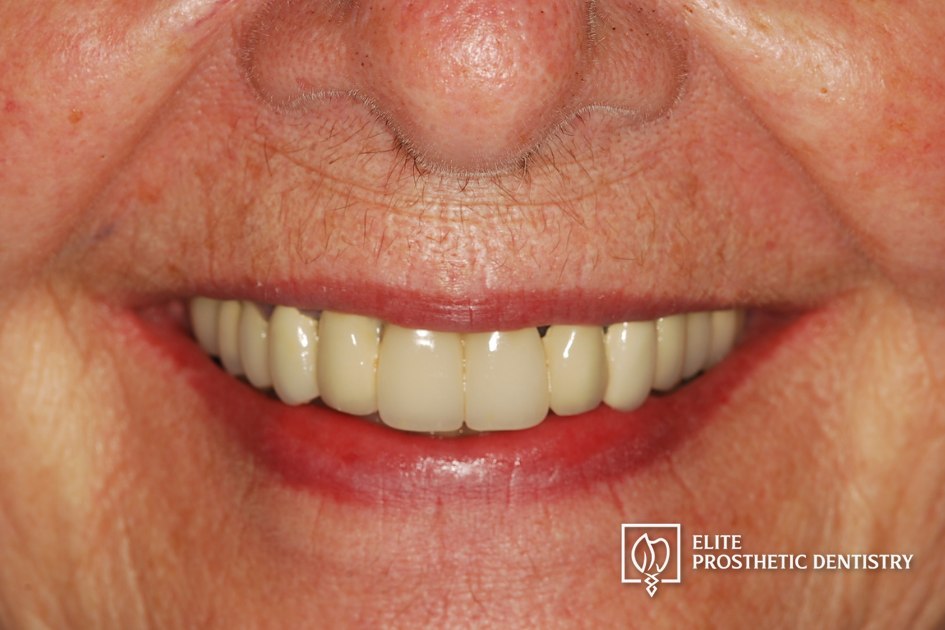 Before
 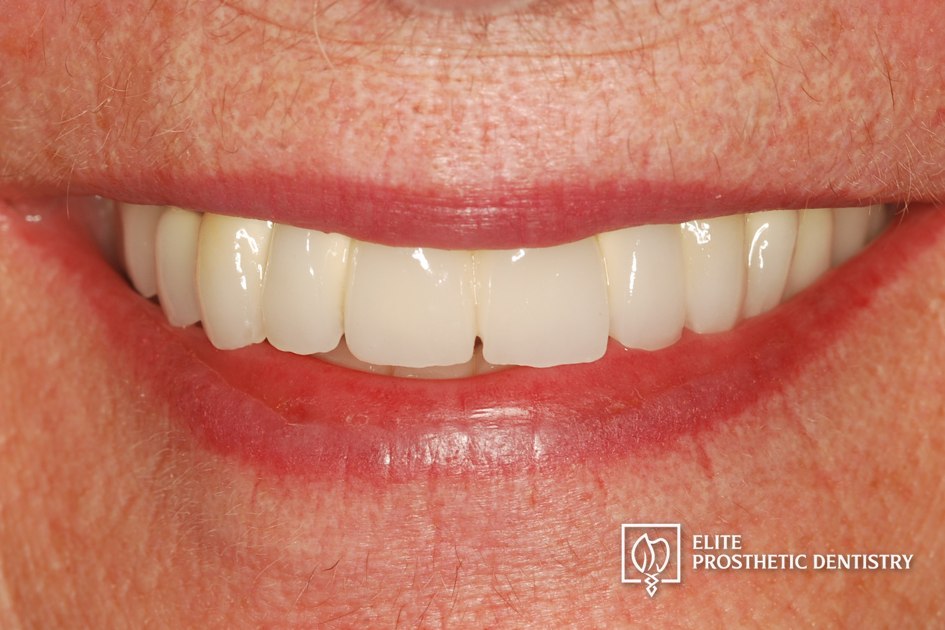 After
After How a Loose Upper Bridge and Aging Crowns Were Rebuilt with Staged Implant Reconstruction
A patient referred by her general dentist after years of aging dentistry no longer holding up. A loose upper bridge and crowns more than twenty years old, combined with the effects of advanced periodontal disease and severely compromised tooth abutments, required a staged surgical and restorative plan delivered with comfort planning at the same time.
Related Articles
Deepen your knowledge with additional insights on this topic.
 Bone Grafting & Surgical
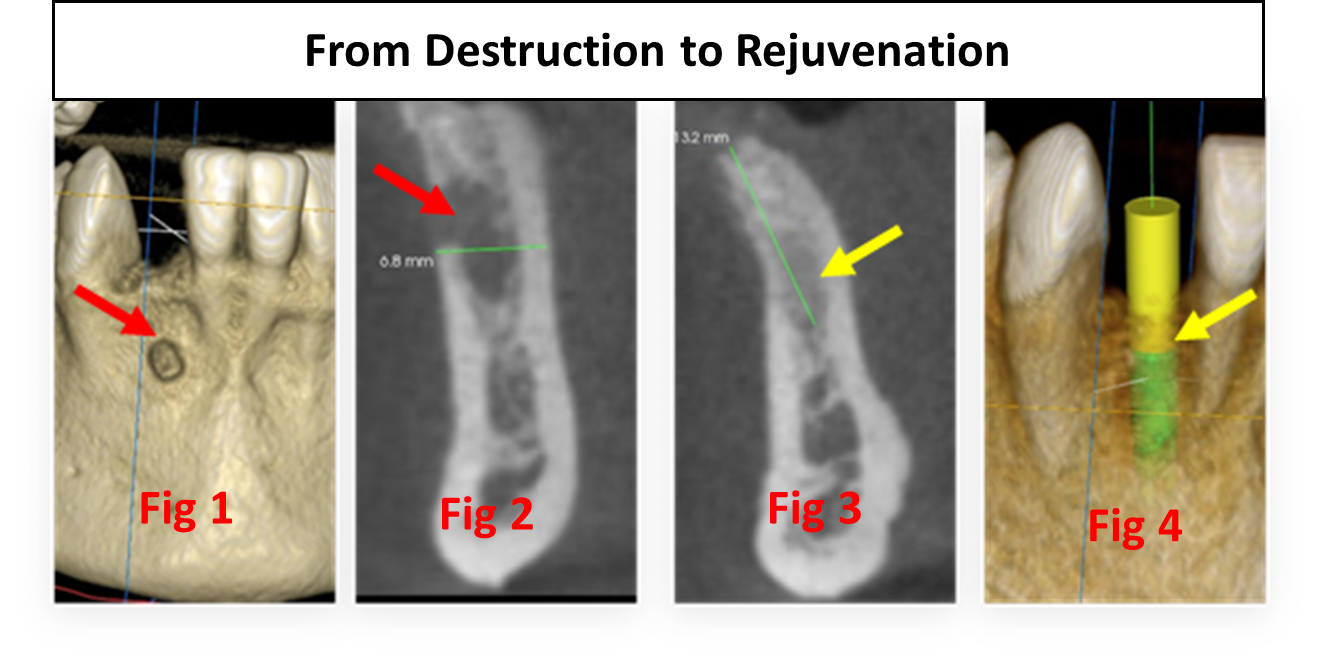
 Rebuilding a Ruined Implant Site with Severely Damaged Bone: The Three-Stage Protocol
Debridement, growth-factor grafting, CBCT-guided planning: the step-by-step protocol that turns a severely damaged implant site into a healthy ridge.
 Bone Grafting & Surgical
 What Is Ridge Augmentation Bone Grafting?
Ridge augmentation rebuilds a jaw ridge too narrow or angled for an implant. See real measurements from planning to precise placement. Washington DC.
 Bone Grafting & Surgical
 What Is a Partial (Internal) Sinus Lift?
A partial (internal) sinus lift adds bone at a single implant site through the implant preparation itself, often with the implant placed the same visit.