
Bone Grafting in Spring Valley: Do You Actually Need It?
Spring Valley patients: understand when bone grafting is clinically necessary vs. when alternative implant approaches work without grafting.
You’ve been told you don’t have enough bone for implants. The word “grafting” gets mentioned. You wonder: Is grafting absolutely necessary? Are there alternatives? What are you actually facing?
The answer depends on your specific bone situation. Some patients genuinely need grafting. Others don’t. The distinction is clinical, not financial.
Understanding the Bone Assessment
Before discussing whether grafting is necessary, understand how your bone gets evaluated.
Dr. Marlin examines your jaw clinically, assessing bone height and width by feel and visual inspection. He orders three-dimensional cone beam imaging (CBCT), which shows precise bone dimensions in millimeters.
From this imaging, he determines whether bone is adequate for implant placement, marginal (borderline), or deficient (too thin for implants).
“Adequate” means implants can be placed with confidence. “Marginal” means implants might work but success risk is slightly elevated. “Deficient” means implants will very likely fail without grafting first.
Many patients hear “you don’t have enough bone” and assume grafting is inevitable. Actually, “marginal” bone often allows implant placement with appropriate planning.
When Grafting Is Truly Necessary
Bone grafting is necessary when bone deficiency would cause implant failure. Specifically:
Bone height is insufficient. The jaw has lost so much height that implants won’t have adequate length to integrate. Example: Only 5-6 millimeters of bone height remains. Standard implants require 10+ millimeters. Grafting rebuilds height.
Bone width is insufficient. The jaw is so thin that implant diameter won’t fit within bone. Example: Bone width is 4 millimeters. Standard implants require 6+ millimeters. Grafting rebuilds width.
Bone quality is severely compromised. The bone remaining is so soft or resorbed that implants won’t integrate. This is less common than height or width deficiency but occasionally occurs.
In these scenarios, grafting beforehand gives implants the foundation they need. Placing implants without adequate bone results in implant failure within months or years.
When Grafting Can Be Avoided
Bone is marginal but adequate. Some patients have bone dimension borderline for standard implants but technically sufficient. Dr. Marlin might recommend grafting to optimize implant support, but skipping grafting isn’t automatically failure-destined.
Shorter implants work for the plan. If you need single teeth replaced or a supported bridge, shorter implants can function well in marginal bone. They have less mechanical leverage but work adequately. A patient might place 8-10 millimeter implants in marginal bone rather than grafting and placing 12-14 millimeter implants.
All-on-X bridge approach. If you’re replacing multiple teeth or a full mouth, all-on-X bridges (supported by 4-6 strategically placed implants) sometimes work without grafting. The bridges distribute chewing forces across multiple implants, each in more favorable bone position. This approach bypasses bone deficiency in certain areas.
Gradual implant approach. Some patients extract remaining teeth and delay implant placement. Bone resorption slows after initial extraction. Waiting 6-12 months sometimes allows marginal bone to stabilize at a level where implants work without grafting.
In these scenarios, grafting offers optimization but isn’t absolutely necessary for implant placement.
Clinical Thresholds for Spring Valley Patients
Here’s where specificity matters for Spring Valley residents:
Bone height less than 7 millimeters: Grafting is nearly always recommended. Standard implants won’t integrate adequately.
Bone height 7-10 millimeters: Grafting is optional. Shorter implants might work, but grafting first gives superior results.
Bone height over 10 millimeters: Grafting is rarely necessary unless width or quality issues exist.
Bone width less than 5 millimeters: Grafting is nearly always recommended for standard-diameter implants.
Bone width 5-6 millimeters: Grafting is optional. Narrower implants might work, but grafting first allows standard-diameter implants.
Bone width over 6 millimeters: Grafting is rarely necessary for width alone.
These thresholds are guidelines, not absolutes. Your specific situation, implant plan, and bite force characteristics matter.
The Trade-Off Conversation
If you can avoid grafting, you avoid:
Additional surgery and cost.
3-6 month integration waiting period.
Potential (rare) graft failure.
But you potentially accept:
Shorter implants with less mechanical support.
Narrower implants with less surface area for integration.
Implant positioning compromised by bone limitations.
Increased long-term implant failure risk.
Whether these trade-offs are acceptable depends on your specific bone situation, your implant plan, and your risk tolerance.
What Happens If You Skip Grafting Inappropriately
If bone is truly deficient but you place implants anyway, you’re betting against probability.
Implants might integrate initially but fail within 2-5 years as bone continues resorbing. Failed implants leave holes requiring replacement or alternative solutions.
Removing failed implants sometimes damages remaining bone further, making subsequent grafting more complex.
This is why Dr. Marlin recommends grafting when bone is genuinely insufficient. It’s not a financial recommendation. It’s a clinical one based on implant success probability.
Diagnostic Certainty
Your decision to graft or not should be based on clear imaging and measurement, not guessing.
Demand CBCT imaging before deciding. A dentist assessing bone by feel alone introduces error. Digital imaging shows exact dimensions.
Ask for specific measurements. “You don’t have enough bone” is vague. “You have 6 millimeters of height in the anterior and 4 millimeters in the posterior” is clear.
Ask for alternatives if grafting is recommended. What other approaches exist? What are success rates for each?
Getting Here from Spring Valley
From Spring Valley, drive east on Massachusetts Avenue NW (about 5-10 minutes) directly to our Friendship Heights office at 4400 Jenifer Street NW, Suite 220. Massachusetts Avenue is direct and straightforward from Spring Valley.
Making Your Decision
Schedule a consultation with Dr. Marlin to assess your specific bone situation. He’ll measure your bone dimensions precisely, explain which scenarios require grafting and which allow alternatives, and discuss realistic success rates for each approach.
You’ll leave understanding whether grafting is clinically necessary for your situation or whether alternatives exist that match your goals and risk tolerance.
This isn’t a decision made in the abstract. It’s made with clear understanding of your specific anatomy and realistic outcomes.
Schedule Your Consultation or call (202) 244-2101 to discuss your bone situation and implant options with Dr. Marlin. Bring any existing X-rays or dental records. We’ll evaluate your specific case and recommend the approach most likely to succeed long-term.
For related care, see our DC implant specialist page.
Frequently Asked Questions
Can I get implants if the dentist says I don't have enough bone?
Depends on 'enough.' If bone quantity is marginal, alternatives like shorter implants or all-on-X bridges might work without grafting. If bone is severely deficient, grafting beforehand gives implants the best foundation. Dr. Marlin evaluates which path makes sense for your situation.
Is bone grafting expected to work?
Success rates exceed 95% with proper technique and materials. But no surgical procedure is 100% expected. We discuss realistic expectations during consultation, including what happens if integration doesn't proceed as expected.
What if I skip grafting and just get shorter implants?
Shorter implants can work well in some situations, supporting single teeth or bridges. The trade-off is less mechanical support and potentially different esthetic outcomes. Grafting beforehand allows longer implants with greater mechanical support. The right choice depends on your specific bone and implant plan.
How long is the grafting process really?
Surgical grafting takes 1-2 hours depending on graft extent. Integration takes 3-6 months before implants can be placed. Total timeline from grafting to restored teeth is typically 6-12 months. This seems long, but rushing integration compromises implant success.
What happens if I don't have enough bone and refuse grafting?
You have options. Shorter implants might work. Bridge or removable denture approaches might be appropriate. Extraction and treatment delay allowing socket healing might shift bone. Dr. Marlin discusses realistic alternatives to grafting.
Related Patient Success Stories
Explore similar patient success stories demonstrating our expertise in advanced prosthetic dentistry.
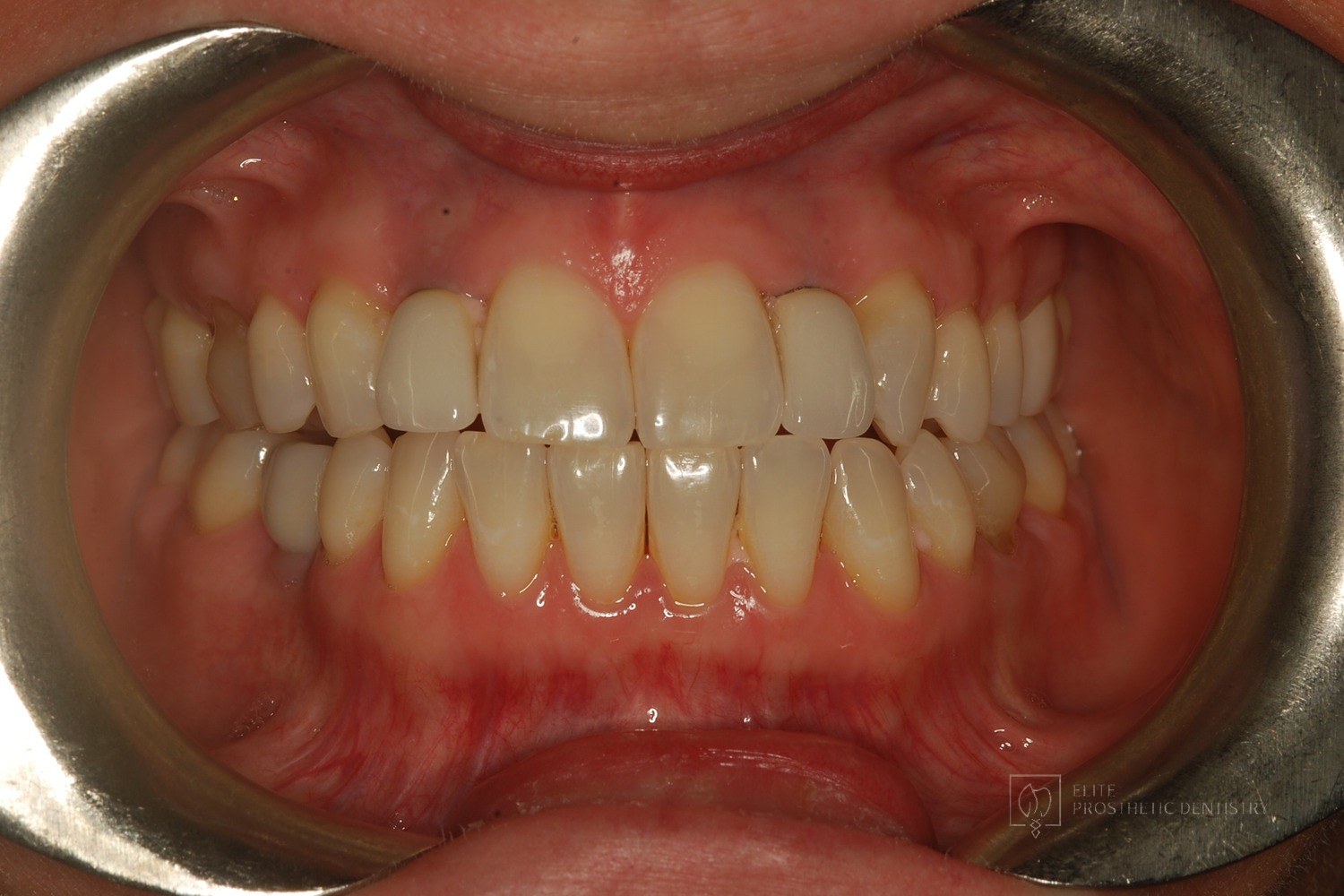 Before
 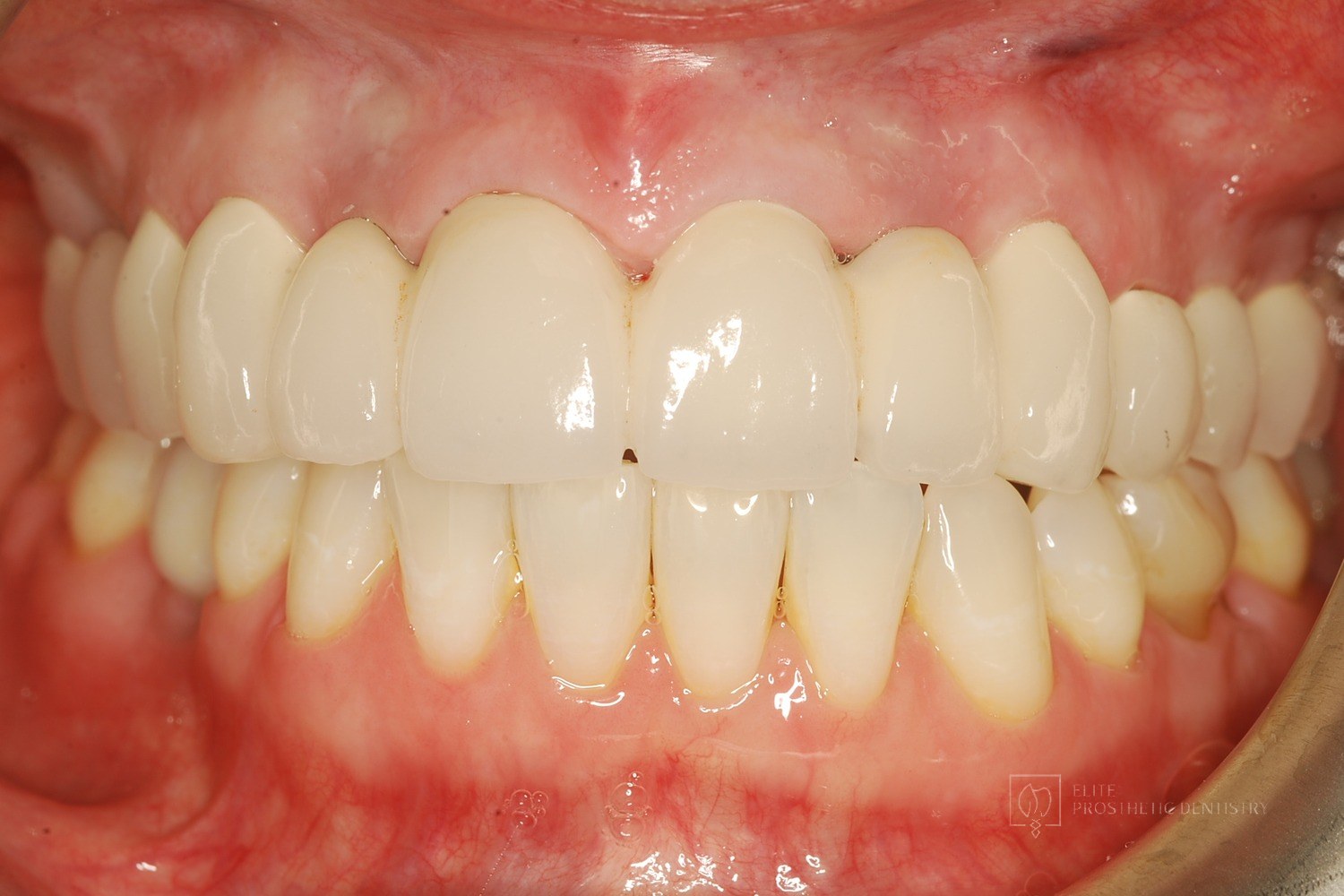 After
After How Older Implant Crowns Were Redesigned for a Better Bite and More Natural Appearance
The patient came in after years of living with implant-supported crowns placed more than twenty years earlier that no longer looked or functioned well. CBCT evaluation, reviewed with a radiologist colleague, showed the implants had been placed too far to the buccal in very thin bone and could not support a healthy long-term restoration.
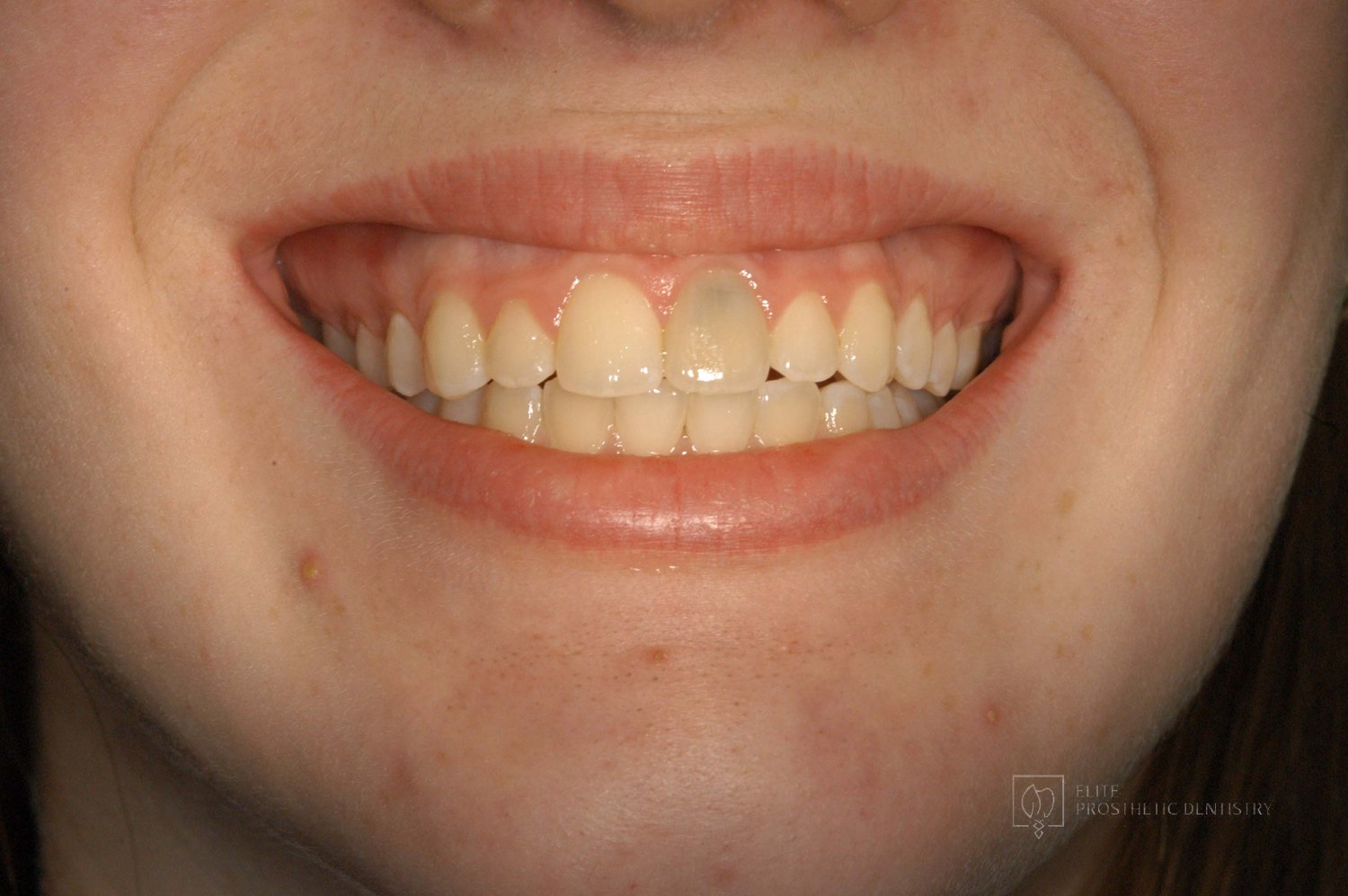 Before
  After
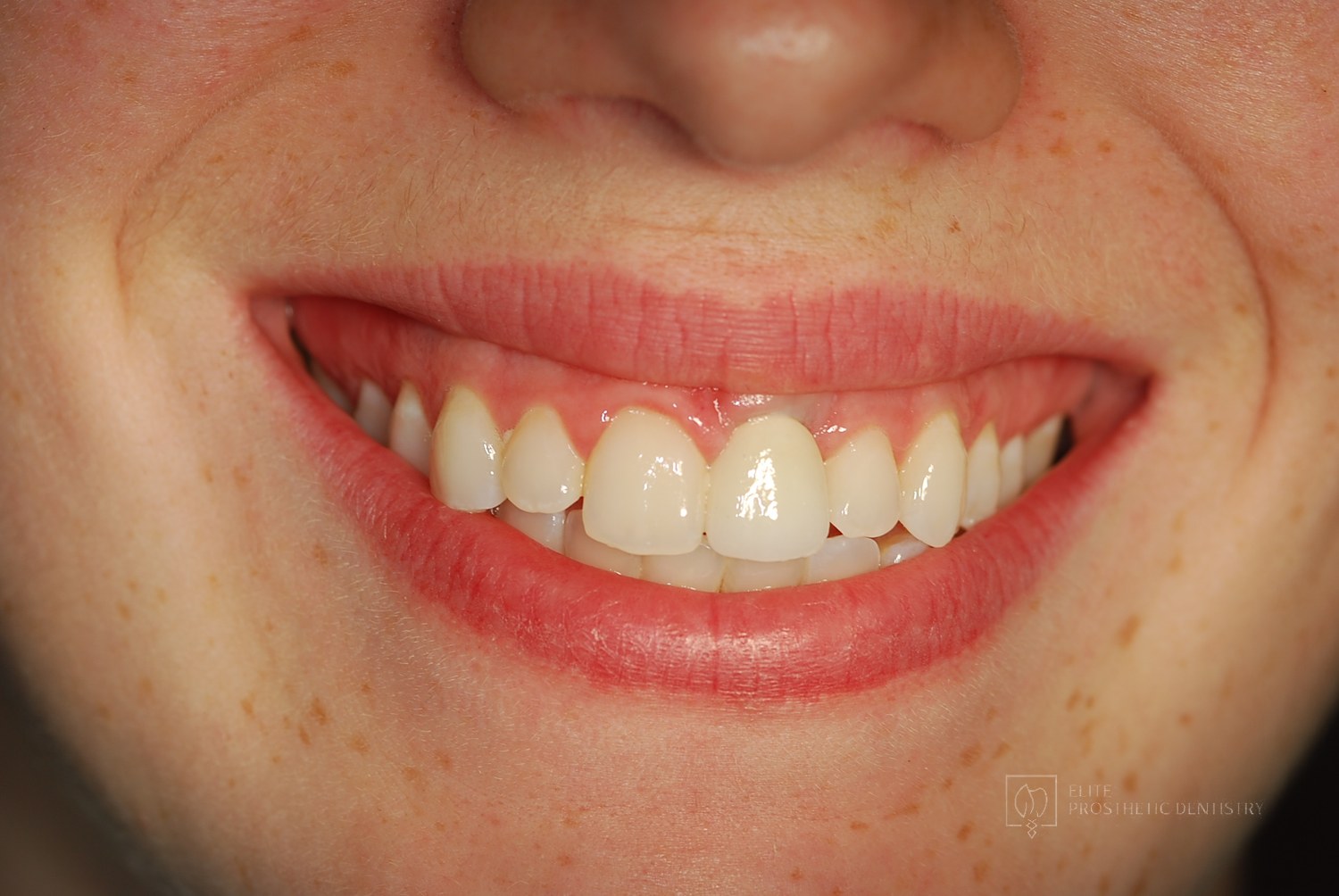
After How a Front Tooth Lost to Childhood Trauma Was Rebuilt with Bone Grafting and a Long-Lasting Implant
A teenager was referred by her father after earlier trauma left her upper left front tooth slowly failing from root resorption. She was still growing, so an immediate implant was the wrong move. The tooth had to be maintained to buy time, then replaced correctly once she reached skeletal maturity.
 Before
  After
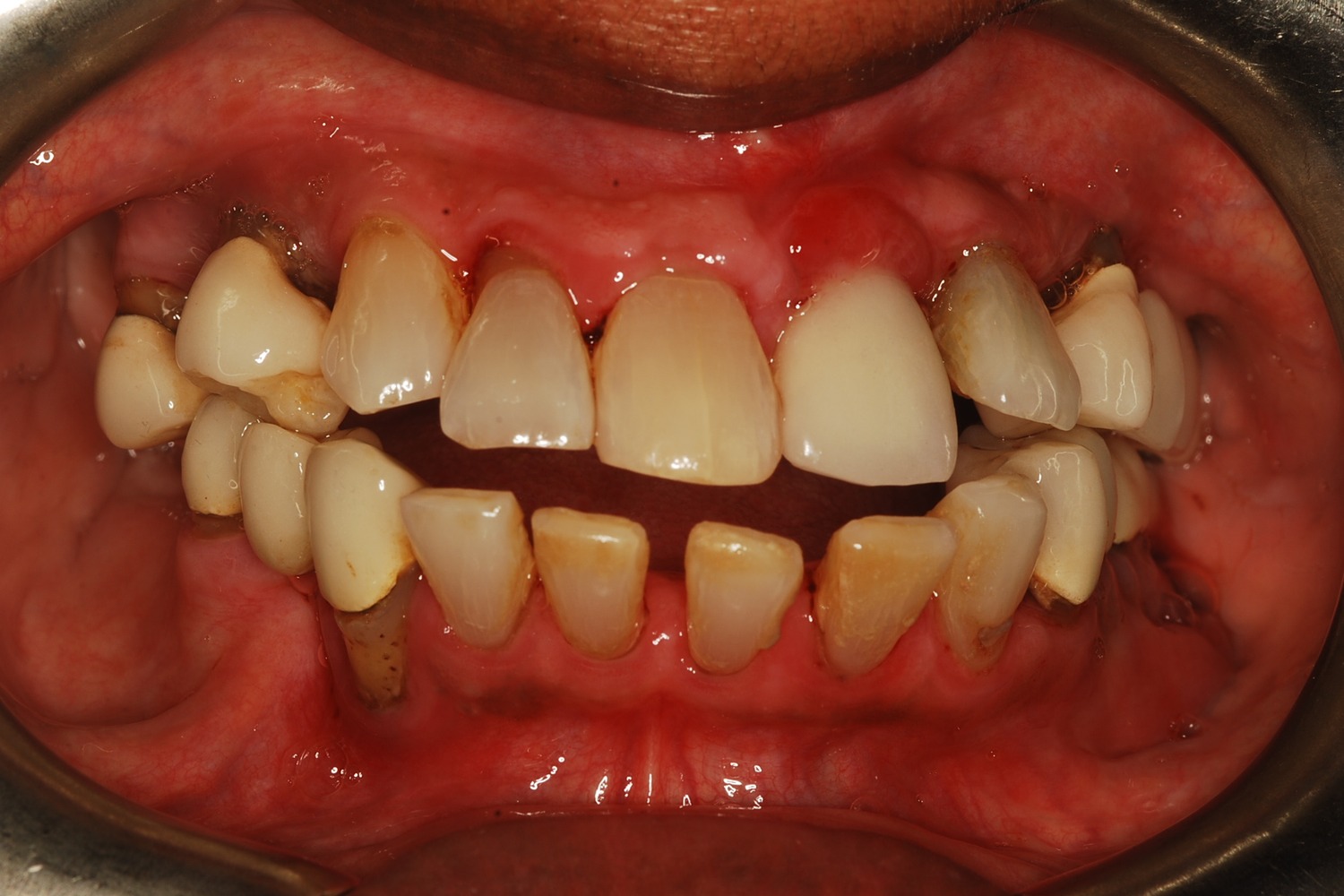
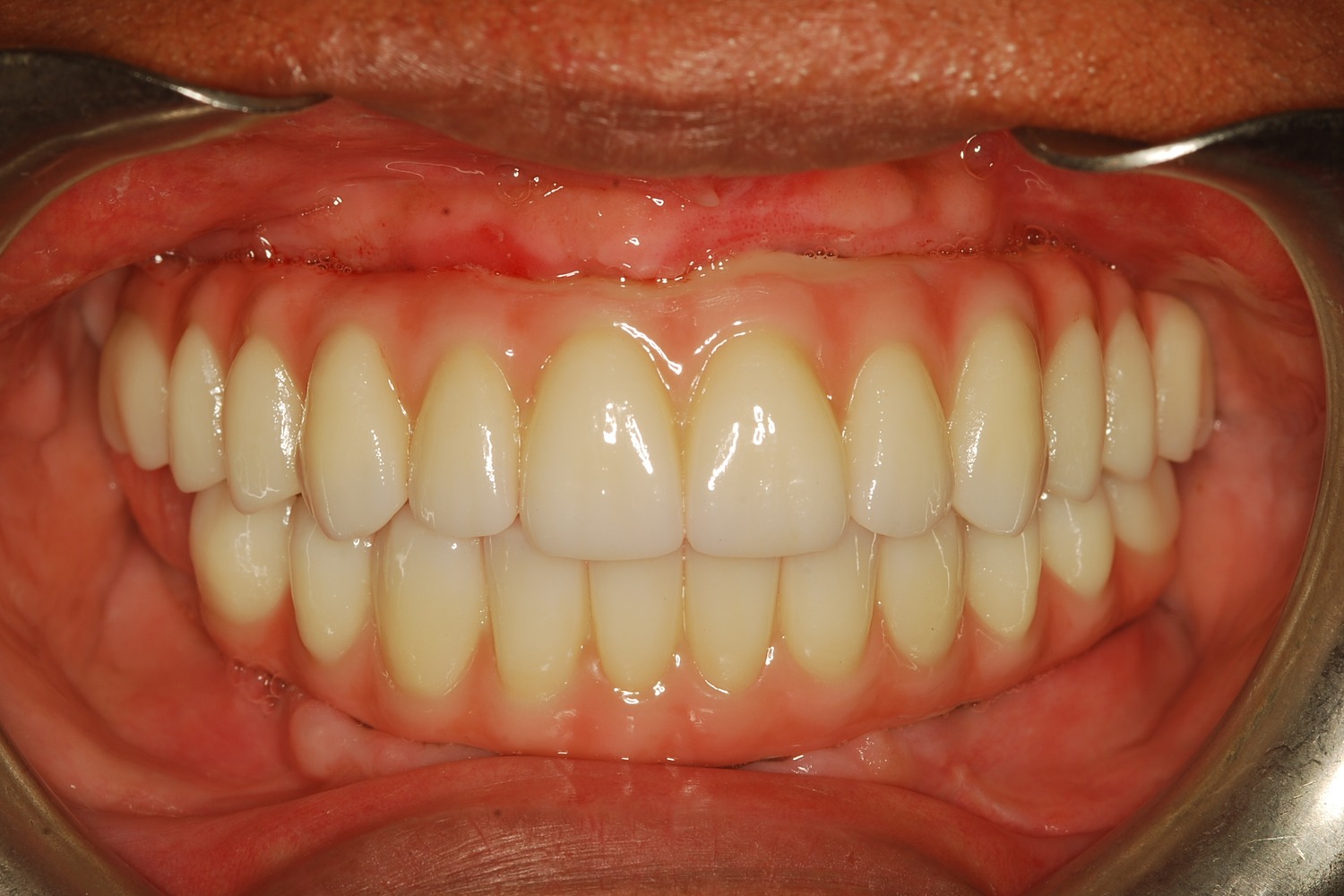
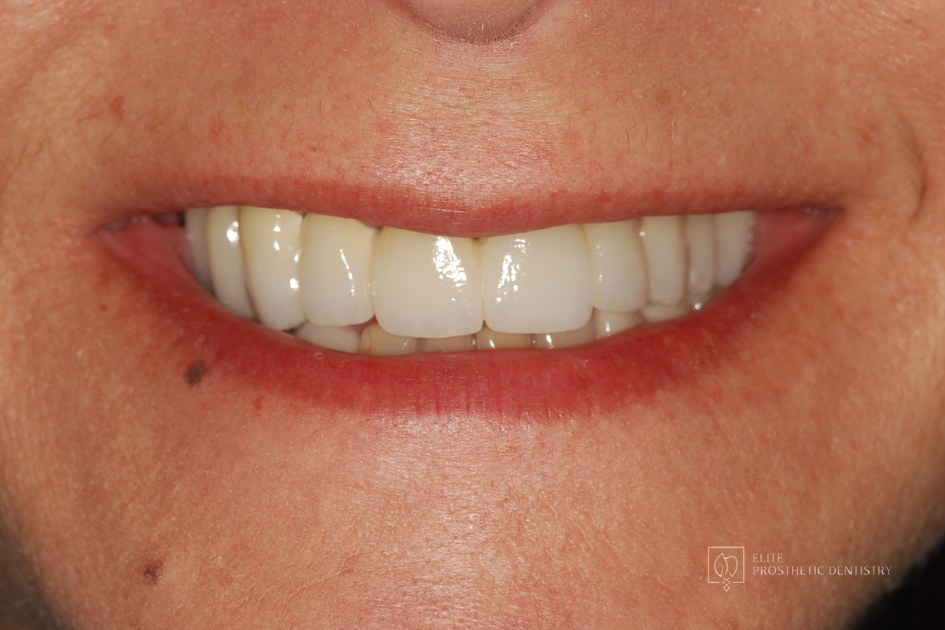
After How Severe Bone Loss and Bite Dysfunction Were Rebuilt with All-on-6 Implants and a Milled Zirconia Hybrid Prosthesis
The patient presented with severe bone loss, advanced periodontal disease, malocclusion, and a dysfunctional bite that required full-arch rebuilding.
 Before
  After
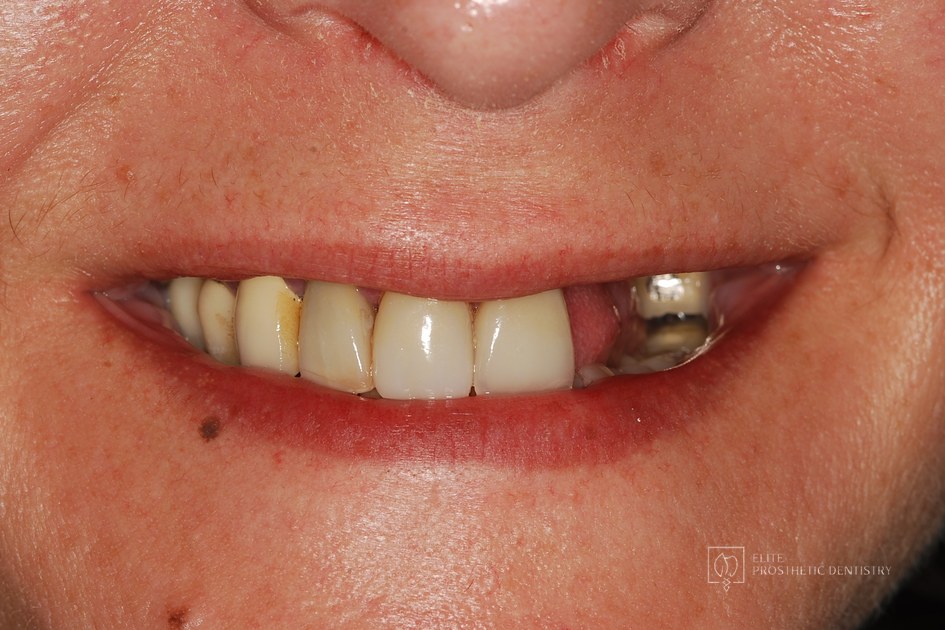
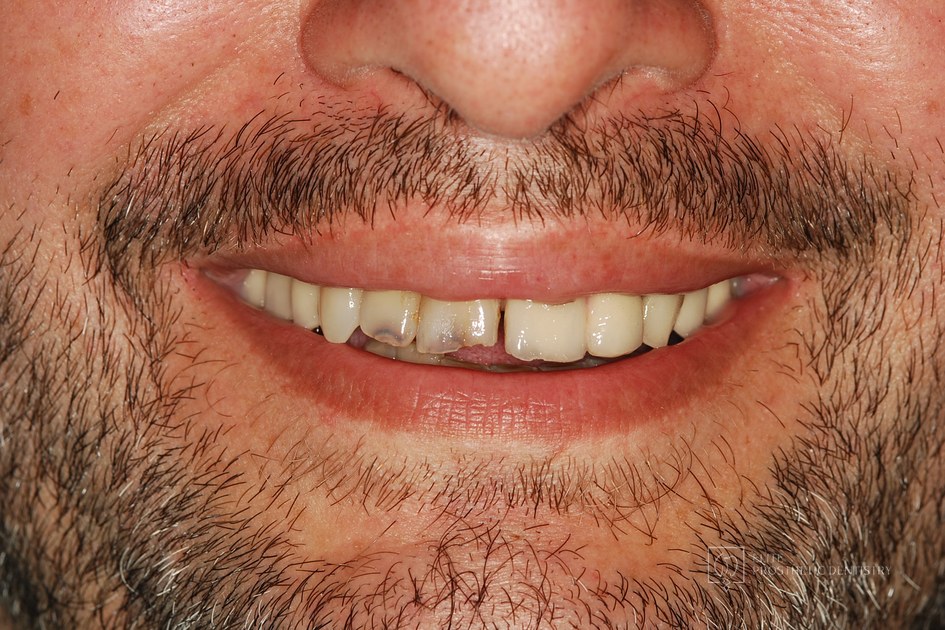
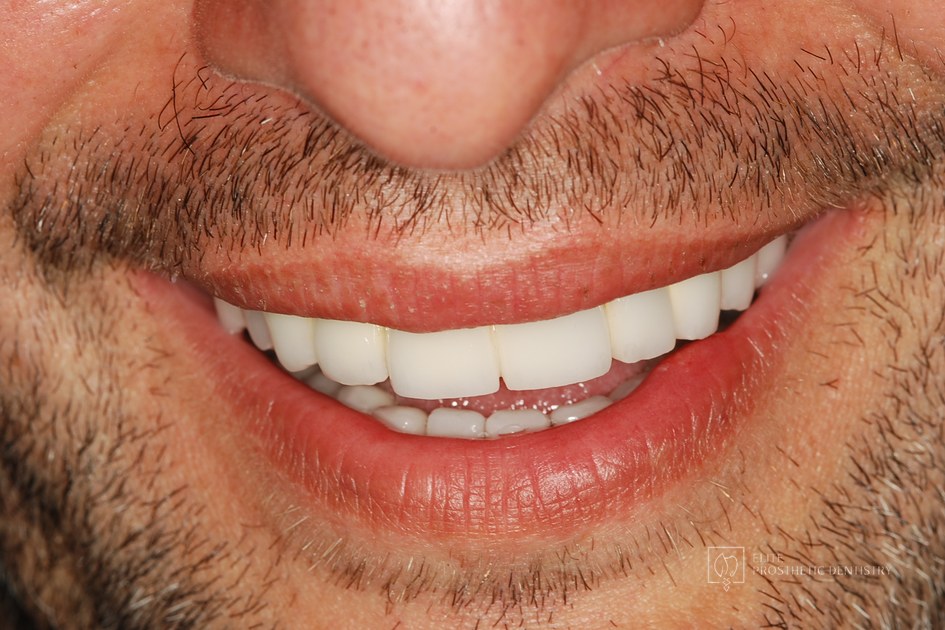
After Implant Supported Reconstruction: Failing Bridgework and Missing Back Teeth Rebuilt with Coordinated Specialist Care
Referred by another dental specialist with severe bone resorption on the upper left, multiple broken-down lower teeth requiring extraction, and failing lower back teeth that had left the bite without solid support. No single procedure, and no provider working in isolation, could rebuild a situation this interconnected.
 Before
  After
After Severe Restorative Breakdown Rebuilt with a Coordinated Full-Mouth Reconstruction
Multiple older restorations placed at different times over many years, broken-down teeth, a significant malocclusion, an asymmetrical smile, and two upper front teeth that could no longer be saved. No single repair could address a pattern this widespread.
 Before
 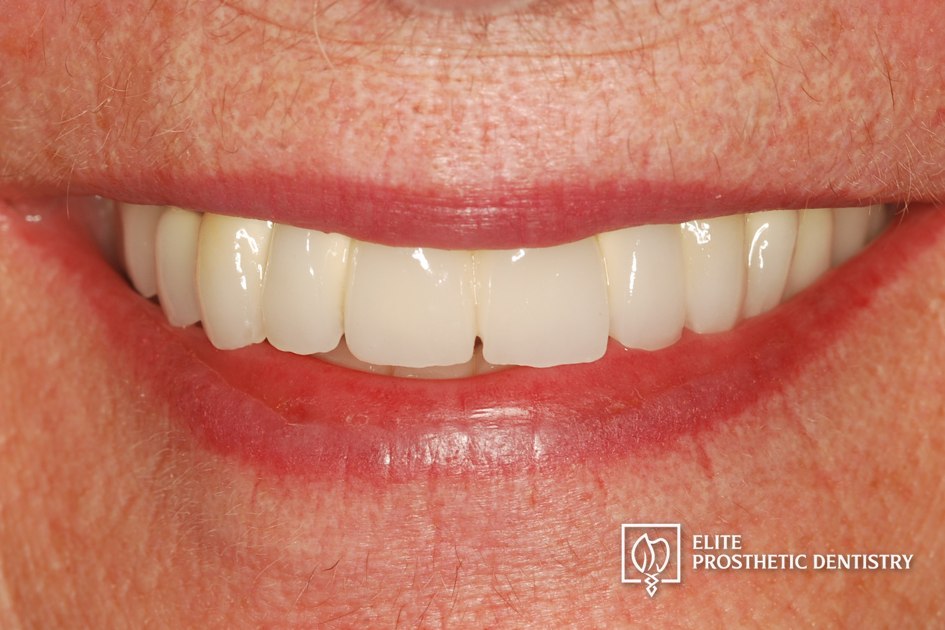 After
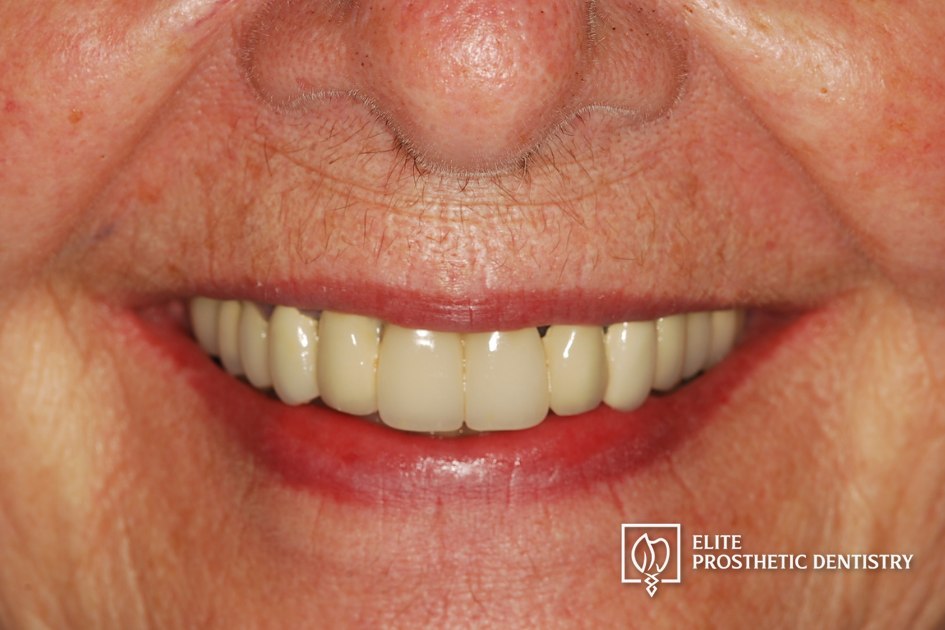
After How a Loose Upper Bridge and Aging Crowns Were Rebuilt with Staged Implant Reconstruction
A patient referred by her general dentist after years of aging dentistry no longer holding up. A loose upper bridge and crowns more than twenty years old, combined with the effects of advanced periodontal disease and severely compromised tooth abutments, required a staged surgical and restorative plan delivered with comfort planning at the same time.
Related Articles
Deepen your knowledge with additional insights on this topic.
 Dental Implants
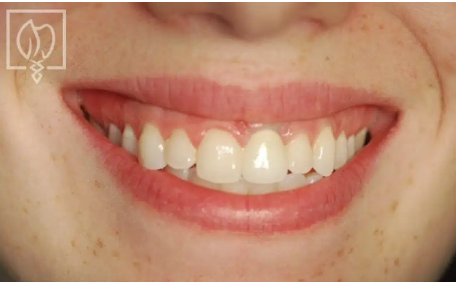
 If a Single Front Tooth Is Replaced with an Implant, Can It Look Natural?
Yes. See the four steps, with real case photos, that make a single front tooth implant indistinguishable from the natural tooth beside it. Washington, DC.
 Dental Implants
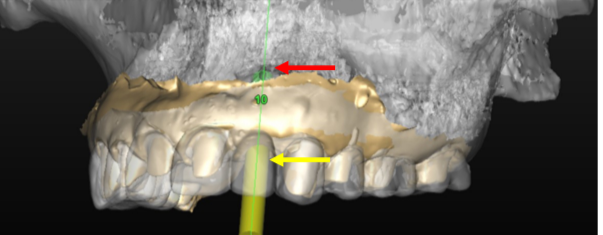
 What Is Precision Implant Placement (PIP)?
Precision Implant Placement plans each implant virtually on a CBCT scan, then delivers it with a custom surgical guide. See the three steps with real images.
 Dental Implants
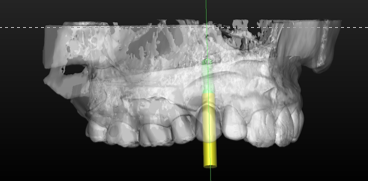
 What Is the Ideal Surgical Guide for Precision Implant Placement?
Not all surgical guides are equal. The gold standard is CBCT-based: planned virtually in 3D, 3D printed, and seated on your teeth. A DC prosthodontist explains.
 Dental Implants
 When Should an Implant Not Be Done?
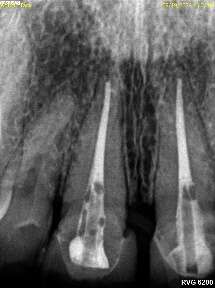
Healthy roots, thin bone, steep bony angles: a DC prosthodontist shows a real case where refusing implants was the right call, and what was done instead.
 Dental Implants
 What Is Staged Implant Therapy?
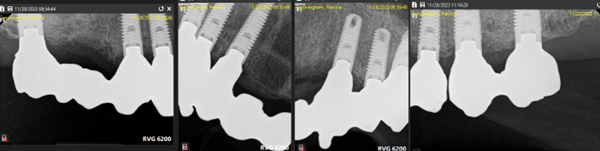
Staged implant therapy replaces failing teeth in phases while you keep fixed teeth the entire time. A DC prosthodontist walks through a real case in stages.
Dental Implants The Four Types of Dental Implants: Which One Is Right for You?
Endosteal, subperiosteal, zygomatic, and mini implants each solve a different problem. A DC prosthodontist explains the four types and who each one fits.
Getting Here from Spring Valley
Elite Prosthetic Dentistry is conveniently located near Spring Valley, DC.
Drive east on Massachusetts Avenue NW from Spring Valley directly to our Friendship Heights office at 4400 Jenifer Street.
Address:
4400 Jenifer Street NW, Suite 220
Washington, DC 20015
Phone: (202) 244-2101
Request a ConsultationRequest a Specialist Consultation from Spring Valley
Spring Valley residents come to Dr. Marlin for specialist prosthodontic care. With 3,900+ implants placed over 40+ years, evaluation, planning, and execution are handled with the depth complex cases require.