
What Type of Dental Crown Is Best for My Teeth?
Would you like to strengthen a damaged tooth, replace an aging restoration, or finally fix a crown that has never looked right? The answer is often a new crown, but which type of crown is the right question to ask.
Dental crowns, sometimes called caps, restore the visible portion of a compromised tooth. They strengthen the bite, anchor dental bridges, restore dental implants, and correct misshapen or discolored teeth. But crowns are not a commodity. Materials differ, fabrication methods differ, and the difference shows up in how your smile looks and how long the restoration lasts. Our guide to the different types of dental crowns covers the materials in depth. This article answers the more personal question: which one is best for your tooth?
Start With the Tooth, Not the Material
At Elite Prosthetic Dentistry, Dr. Gerald Marlin selects crown materials tooth by tooth, based on what he finds during your consultation. Four factors drive the decision.
Position in the smile. A front tooth lives in the aesthetic zone, where translucency, internal color, and the way the crown meets the gum tissue decide whether it looks natural. A second molar hides from view but absorbs enormous force.
Bite forces and habits. Patients who grind or clench, often without knowing it, can shorten the life of the wrong material dramatically. Worn, flattened teeth are the telltale sign.
What remains underneath. A tooth with a large existing filling, a root canal, or previous crown preparation needs a material and design that protect the remaining structure.
Your aesthetic goals. Some patients want an invisible repair. Others are rebuilding an entire smile line and want to choose its character deliberately.
The Best Crown for Front Teeth
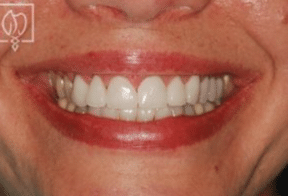
Fig. 1: Zirconia Crowns
For visible teeth, we most often recommend high-translucency multilayered zirconia. Zirconia is an extremely hard ceramic, durable enough to withstand decades of function, and the modern multilayered form reproduces the natural gradient of enamel from gumline to biting edge. It is also biocompatible, so healthy gum tissue stays pink and calm around a properly contoured crown.
The material alone does not create the result. Our in-house laboratory custom characterizes each front-tooth crown with internal color, not just surface stain, and evaluates it against your adjacent teeth, your lip line, and your facial pattern before it is ever cemented. That is the difference patients notice when they say no one can tell which tooth is the crown. Our page on zirconia crowns explains the approach.
The Best Crown for Back Teeth and Heavy Bites
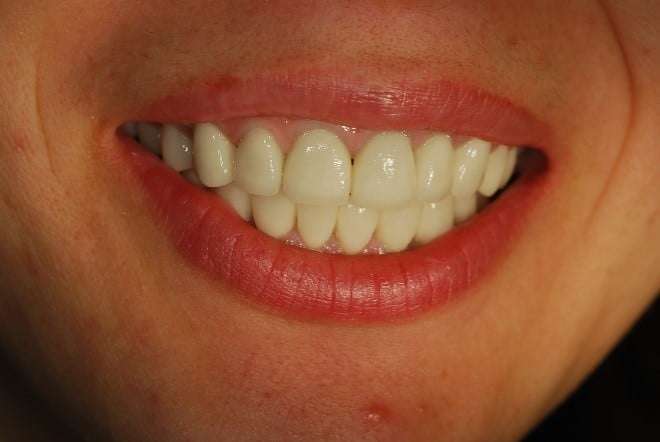
Fig. 2: e.max Crowns
Molars and premolars carry the workload. Lithium disilicate, widely known as e.max, is a pressed ceramic that combines a very precise fit with the strength high-stress positions demand. It is a frequent choice for bruxism cases and posterior teeth, where its track record is excellent.
Zirconia also performs well in back positions, and for patients who want maximum longevity on an out-of-sight molar, gold remains unmatched for gentleness on opposing teeth and resistance to fracture.
The Best Crown for Bridges and Heavily Restored Teeth
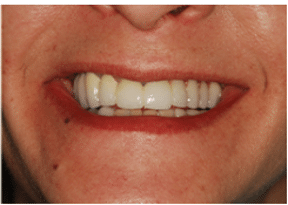
Fig. 3: Porcelain Fused to Metal Reconstruction
When a crown must anchor a multi-unit bridge or cover a tooth carrying a very large restoration, the substructure needs proven strength. Porcelain fused to noble metal (PFM) crowns bond hand-layered porcelain to a precious-metal framework, giving the strength of metal with the appearance of porcelain. PFM has the longest documented performance record in crown and bridge dentistry, which is why it remains our choice for demanding structural cases.
Crowns on Dental Implants
Implant-supported crowns follow their own rules. The crown attaches to an abutment on the implant rather than natural tooth structure, so retention method, material, and the emergence profile through the gum tissue must be engineered together. Dr. Marlin has placed more than 3,900 dental implants, holds 9 U.S. patents in dental implant restoration methodology, and fabricates custom implant crowns and abutments through our on-site laboratory so each component is verified as a system.
When “Best” Means Replacing What You Already Have
Not every crown decision starts with a broken tooth. Many of our patients arrive with crowns placed fifteen or twenty years ago that still hold, but the margins are staining, the porcelain looks flat next to their natural teeth, or the gumline has receded to expose a dark edge. Treatment ranges from replacing a single older crown to coordinated reconstruction, depending on what the examination shows. Our goal is to help you make a thoughtful long-term decision, whether that means replacing one crown now, sequencing several over time, or simply monitoring what you have. Patients who invest in doing it correctly once tend to say the same thing afterward: they wish they had done it sooner. See how that played out in a real case of aging crowns and a failing bridge rebuilt with coordinated reconstruction.
Get a Specialist’s Answer for Your Teeth
The best crown for your teeth is the one chosen for your anatomy, your bite, and your goals, then fabricated precisely enough to last decades. That combination of judgment and craftsmanship is what a specialty-trained prosthodontist with an in-house laboratory provides.
Call 202-244-2101 or request a consultation with Dr. Gerald Marlin. Elite Prosthetic Dentistry is located in the Friendship Heights neighborhood of Washington, DC, minutes from the Metro, and serves patients from Bethesda, Chevy Chase, Arlington, and across Maryland and Virginia.
See How We Resolve These Problems
Our patient success stories show real cases and real results. Browse outcomes from a specialist prosthodontist with decades of experience and 3,900+ implants placed.
Key Takeaways
- ✓ The best crown for you depends on the specific tooth: front teeth prioritize aesthetics, back teeth prioritize strength, and some situations demand both.
- ✓ For visible front teeth, high-translucency multilayered zirconia offers natural beauty with exceptional durability. For molars and patients who grind, e.max is a proven performer.
- ✓ Porcelain fused to noble metal remains the strongest choice for large bridges and heavily restored teeth.
- ✓ Crowns anchored on dental implants have their own material and fit requirements, which is where prosthodontic training makes a measurable difference.
- ✓ Material selection only pays off when fabrication is precise. Crowns from our in-house laboratory are custom fabricated and verified for fit before insertion.
Frequently Asked Questions
How do I know which crown material I need?
You should not have to decide alone. The correct material follows from the tooth's position, how much natural tooth remains, your bite forces, whether you grind or clench, and your aesthetic goals. A specialty-trained prosthodontist evaluates all of these during a consultation and explains the reasoning behind the recommendation.
What is the best crown for a front tooth?
Front teeth demand lifelike translucency and color. High-translucency multilayered zirconia, custom characterized by a skilled technician, currently offers the best combination of natural appearance and strength for most front-tooth crowns.
What is the best crown for a molar?
Molars take the heaviest chewing forces, so strength leads the decision. Lithium disilicate (e.max) and zirconia both perform very well on back teeth. Patients with heavy bites or bruxism often do best with e.max or, when aesthetics are not a concern, gold.
Do crowns on dental implants use different materials?
Implant crowns sit on an abutment rather than natural tooth structure, which changes the engineering. Material, screw versus cement retention, and emergence profile all need to be planned together. Our practice fabricates custom implant crowns and abutments in our in-house laboratory.
What if my existing crowns are getting old?
Older crowns do not have to fail before being addressed. Many patients choose to replace aging crowns proactively, once margins begin to open or aesthetics decline, rather than waiting for decay or fracture to force an emergency. An evaluation can tell you whether your existing crowns are still serving you well.
Related Patient Success Stories
Explore similar patient success stories demonstrating our expertise in advanced prosthetic dentistry.
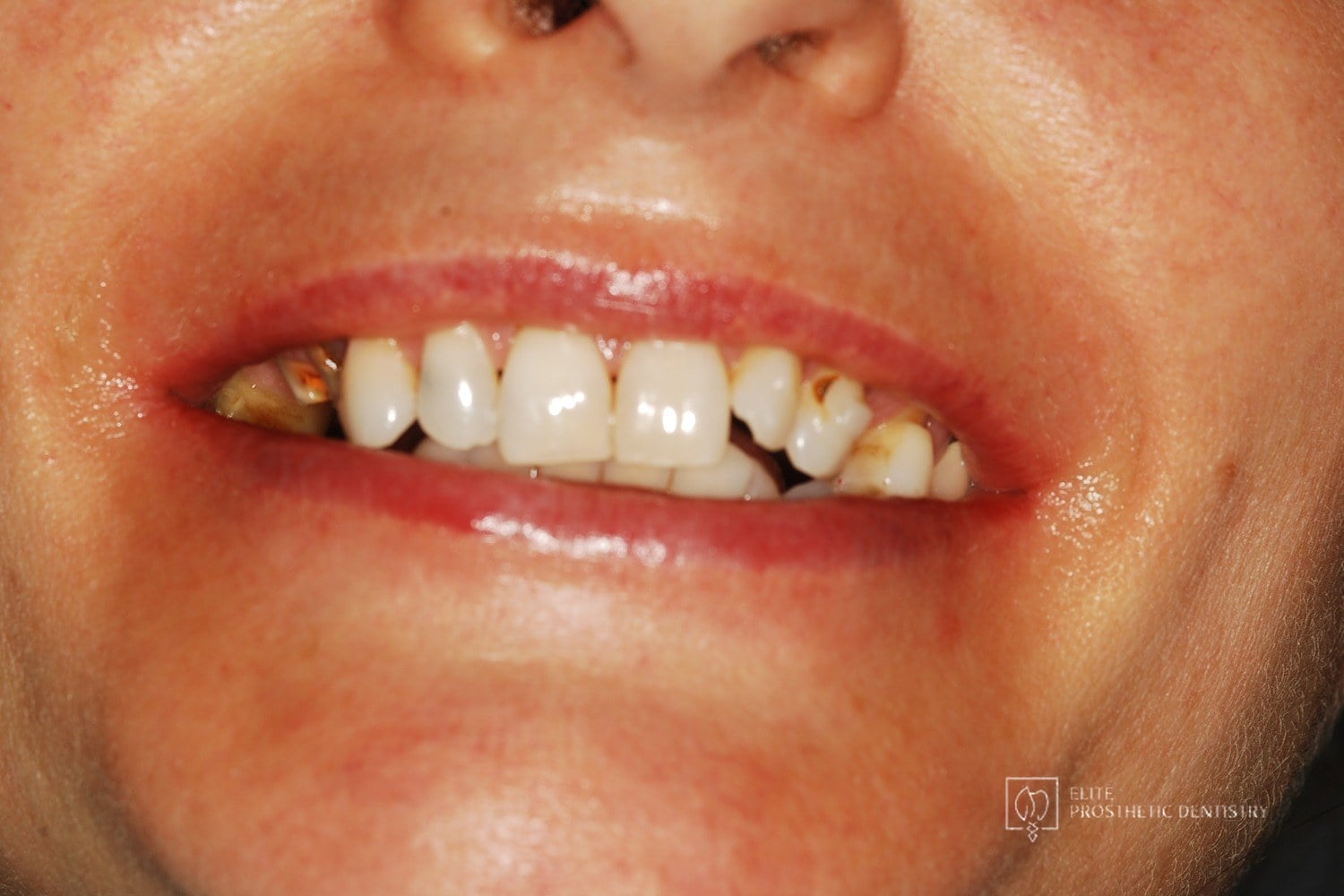 Before
 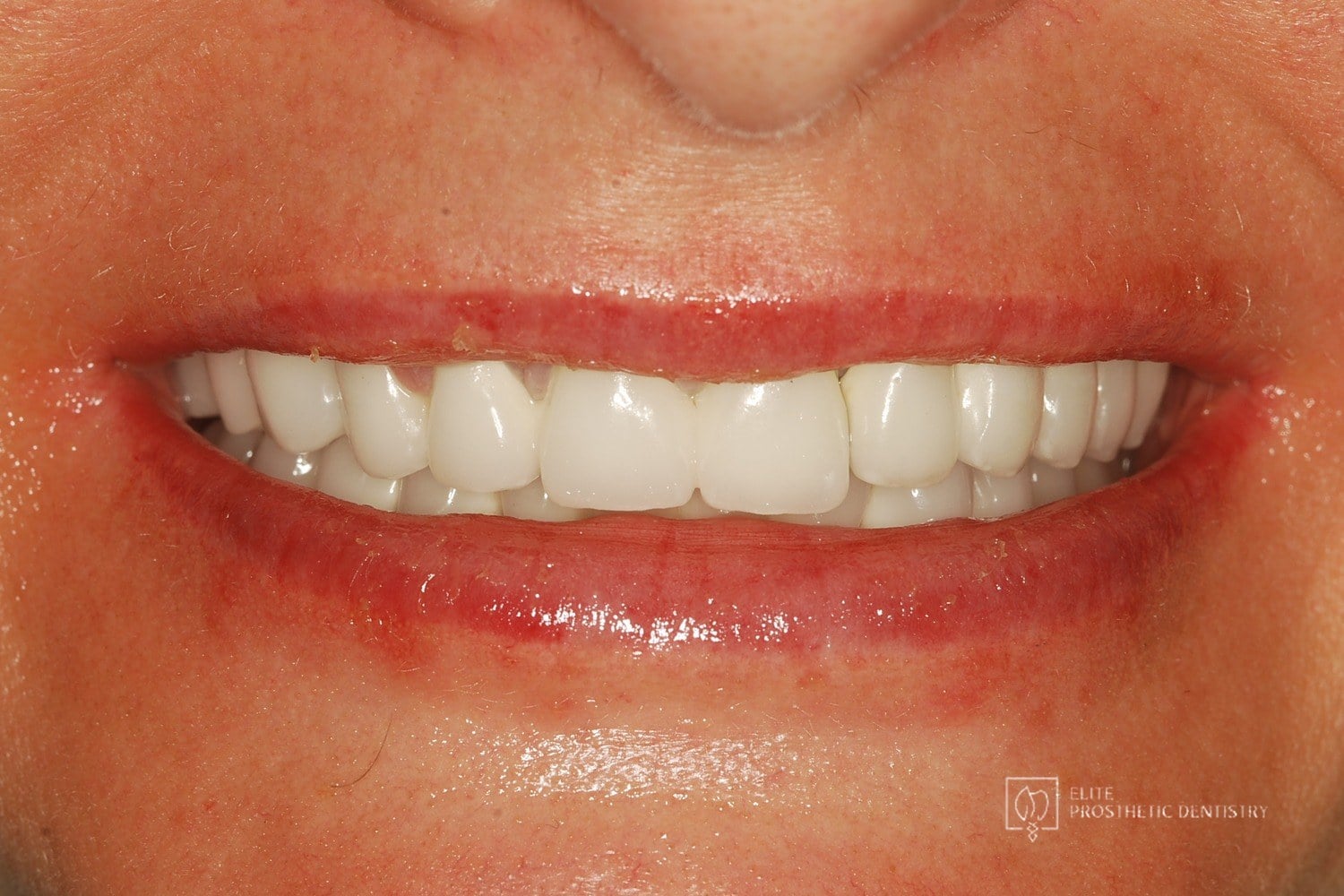 After
After How Aging, Failing Dentistry Was Replaced with a Coordinated Full-Mouth Implant and Crown Reconstruction
The patient presented with throbbing upper-molar pain, long-standing infections, multiple root canals and unfinished prior treatment, generalized sensitivity, and several hopeless teeth.
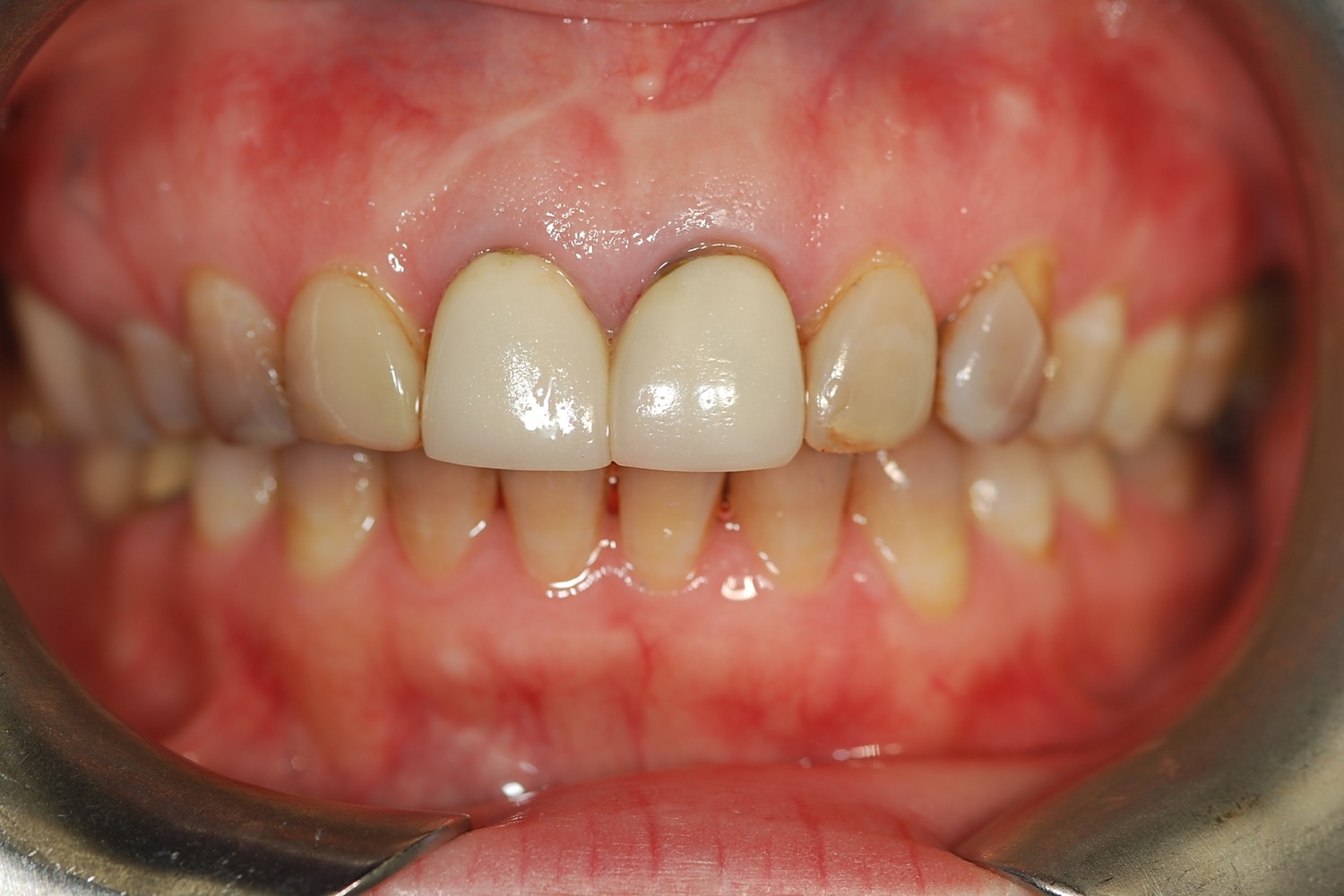 Before
 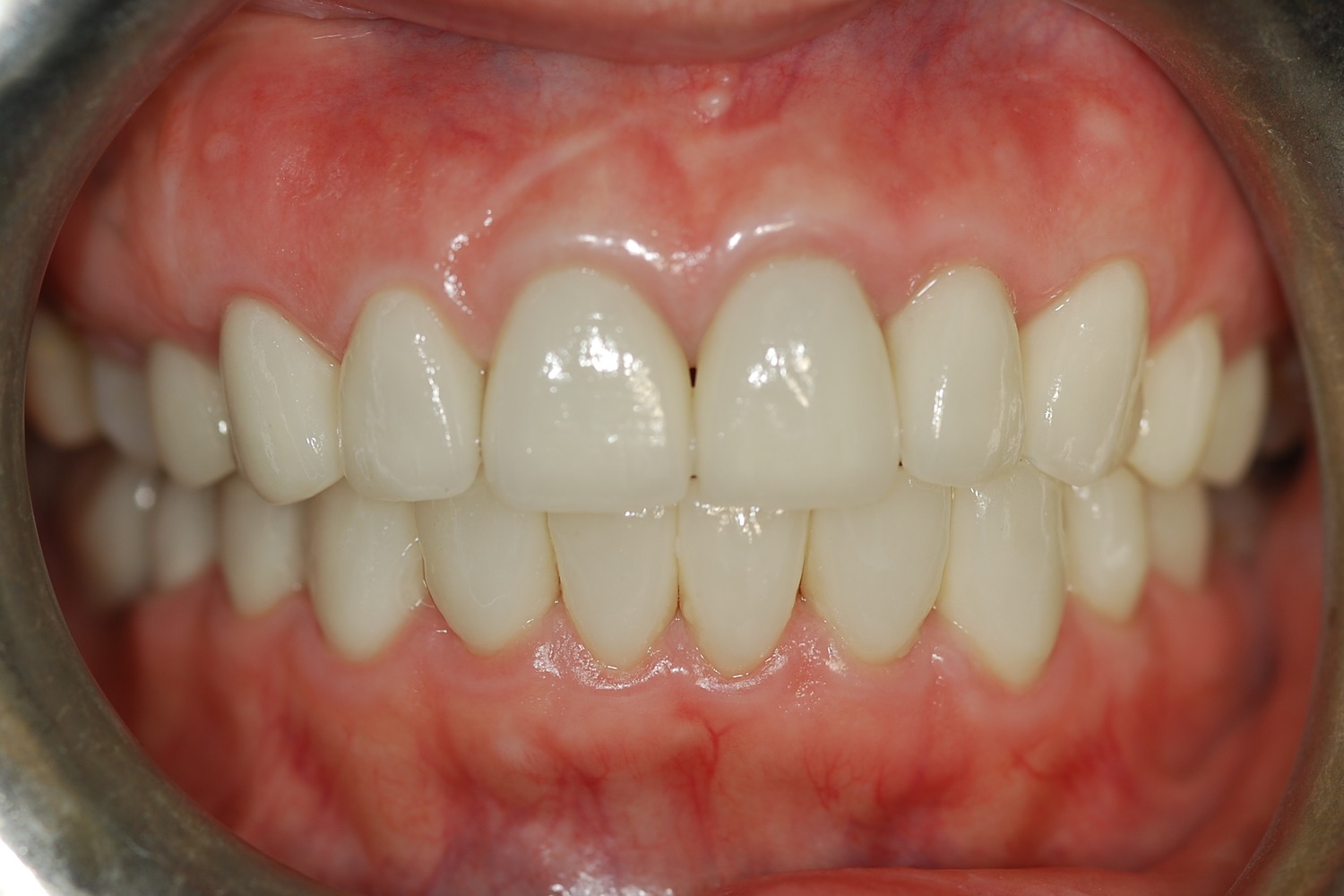 After
After How Aging, Opaque Restorations Were Replaced with Customized Ceramic Restorations Designed for Long-Term Natural Esthetics
The existing restorations appeared opaque, worn, and unnatural over time, affecting both confidence and overall smile harmony.
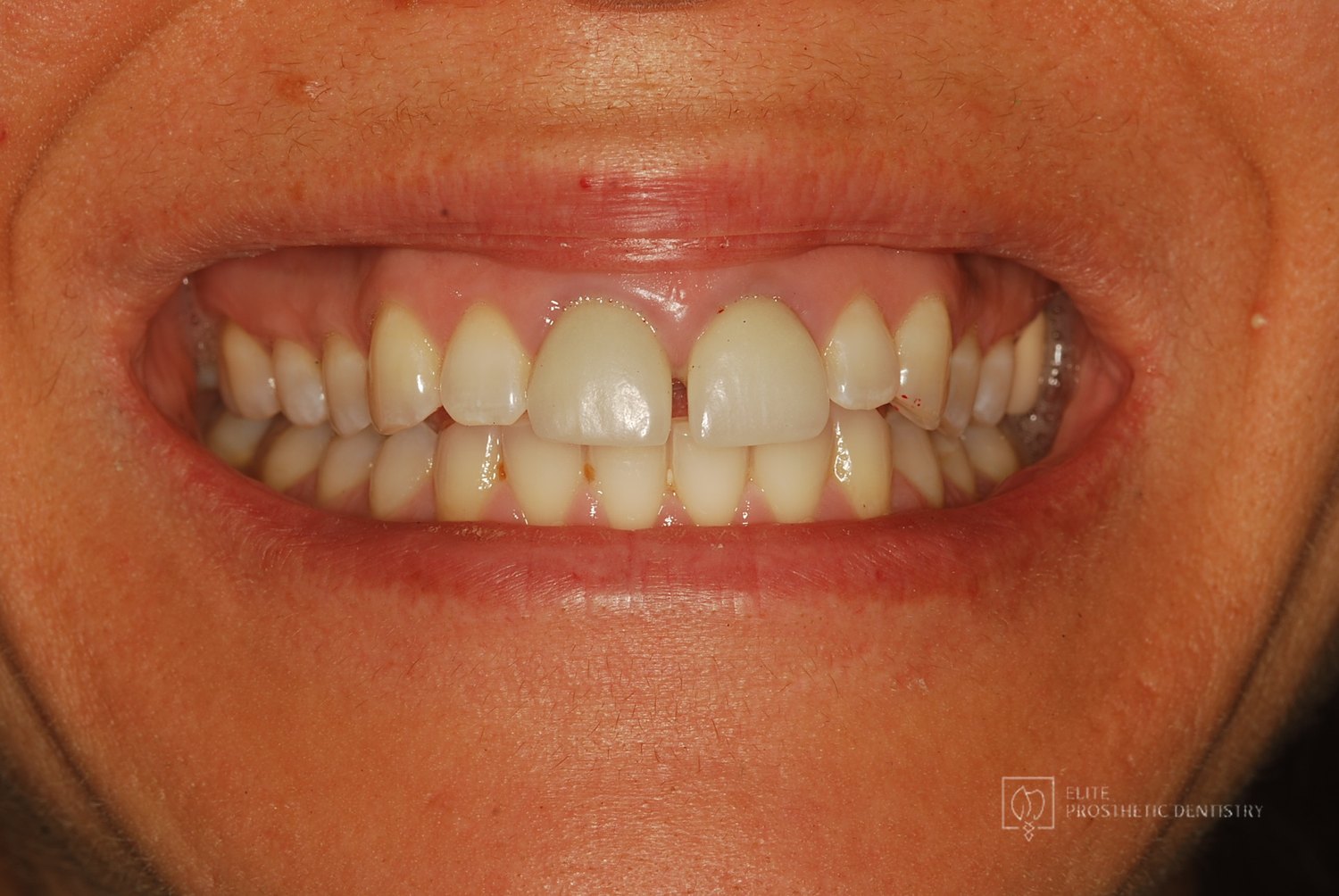 Before
  After
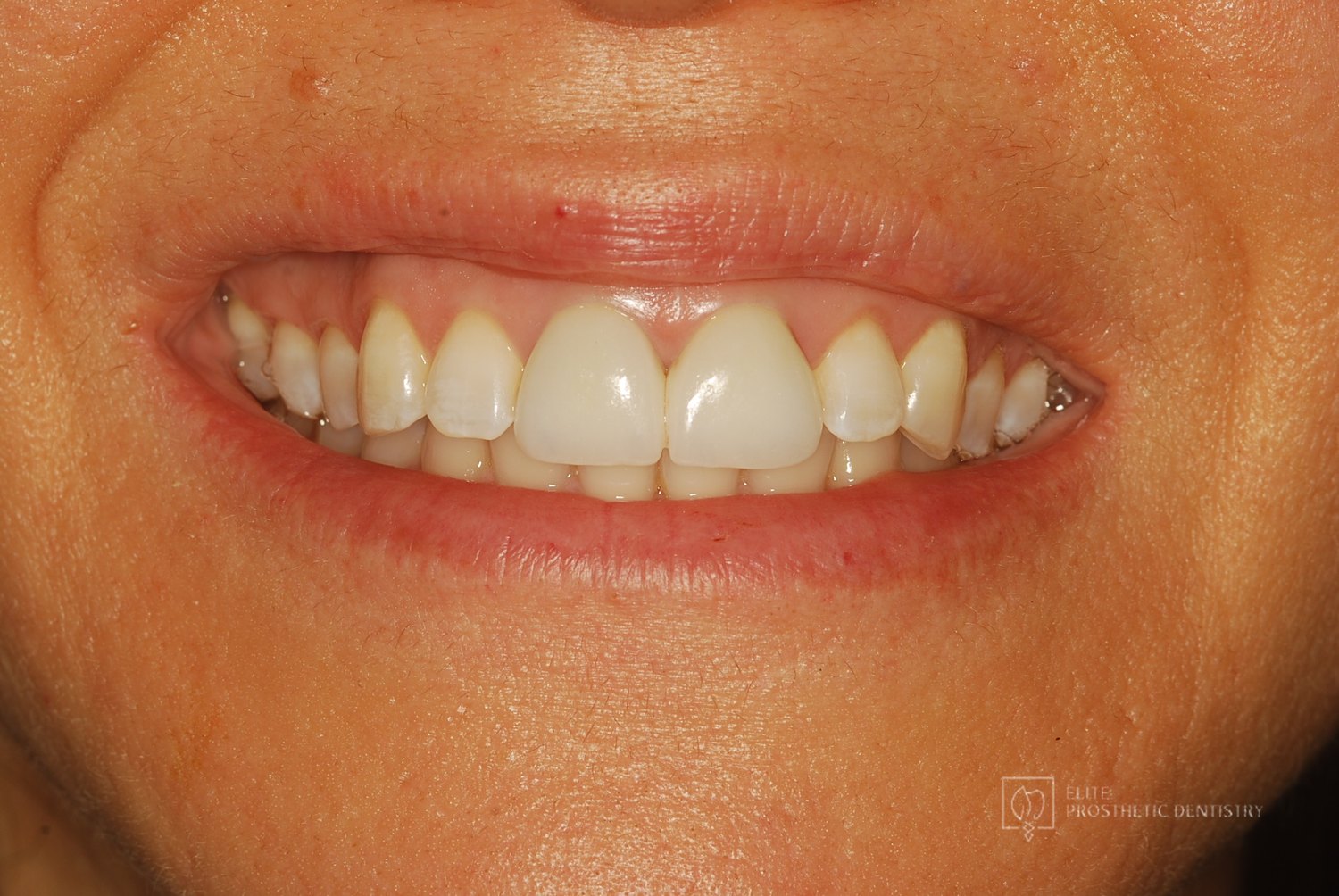
After Two Front Teeth Saved From Extraction: A Second Opinion, Custom Gold Posts, and Crowns Made to Last
Two upper central incisors with failed root canal treatment and recurrent decay had been recommended for extraction and implant replacement. A CBCT evaluation showed that removing the roots from their thin facial bone housing could create a visible esthetic defect in the gum and bone contour, made worse by the patient's high lip line.
Related Articles
Deepen your knowledge with additional insights on this topic.
 Dental Crowns
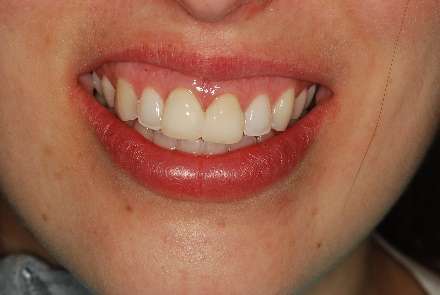
 Why Are Some Temporary Crowns More Natural Than Others?
Temporary crowns do not have to look temporary. A DC prosthodontist explains how lab-made provisionals protect your smile and preview your final crowns.
 Dental Crowns
 What Makes a Natural-Looking Crown?
Emergence profile, translucency, internal color, and healthy gum response: a DC prosthodontist explains the anatomy of a crown no one can detect.
 Dental Crowns
 How Is an Immediate Smile Makeover Performed?
An immediate smile makeover transforms your smile in one visit using hand-crafted temporary crowns as a living preview. A DC prosthodontist explains how.