
The Different Types of Dental Crowns and When Each One Is Used
Not all dental crowns are the same, and the differences go far beyond price. The material your crown is made from, and just as importantly where and how it is fabricated, determines how natural it looks, how precisely it fits, and how long it lasts.
At Elite Prosthetic Dentistry, crown selection is a clinical decision made for each individual tooth. We have maintained our own in-house laboratory since 1985 specifically so that fit, shade, and anatomy can be controlled and verified at every step. Patients come to us for everything from a single new crown to proactive replacement of aging dentistry, and the first question is always the same: which type of crown is right for this tooth, in this mouth, for this patient?
Here is how the main crown types compare, and when each one earns its place.
High-Translucency Multilayered Zirconia
Zirconia is a ceramic derived from zirconium, and it ranks among the hardest materials used in restorative dentistry. Early zirconia crowns were strong but opaque, which limited them to back teeth. That has changed. Modern high-translucency multilayered zirconia reproduces the gradient of a natural tooth, darker and more saturated near the gumline, lighter and more translucent toward the biting edge.
Strengths: Exceptional strength combined with lifelike aesthetics. Highly biocompatible with gum tissue and resistant to chipping, staining, and wear.
Considerations: Results depend heavily on the laboratory. Zirconia milled from a generic digital library and surface-stained will not match adjacent natural teeth the way a custom-characterized restoration will.
When we use it: Front teeth, premolars, and any visible restoration where the patient wants strength and natural beauty in the same crown. Learn more on our zirconia crowns page.
Zirconia crown with tooth-colored substructure
Lithium Disilicate (e.max) Crowns
Lithium disilicate, best known by the brand name e.max, is a pressed ceramic with a long clinical track record. The technician first creates the crown form in wax, then presses the ceramic to that exact shape, a process that produces a notably tight marginal fit.
Strengths: Excellent fit, a tooth-colored substructure, and dependable strength for high-stress positions.
Considerations: Not indicated for long multi-unit bridges, where a stronger framework is needed.
When we use it: Back teeth, patients with bruxism (grinding or clenching), and posterior positions that take heavy chewing loads. Our e.max crowns page covers the material in more depth.
Porcelain Fused to Metal (PFM) Crowns
The original workhorse of crown and bridge dentistry, PFM crowns bond hand-layered porcelain to a precious-metal substructure. They have been placed successfully for more than half a century, which is a longer evidence base than any ceramic system can claim.
Strengths: The most predictable long-term performer, with the framework strength required for large bridges and for teeth carrying very large existing restorations.
Considerations: Achieving beautiful aesthetics with PFM demands real laboratory skill. In less experienced hands, PFM crowns can look flat or show a dark line at the gum margin over time. When the porcelain is layered by a master technician, they remain among the most natural restorations made.
When we use it: Large bridges and fixed restorations that need maximum substructure strength, and teeth where decades of documented performance matter most.
Porcelain crowns hand-layered on a metal coping
Gold Crowns
Gold rarely wins on looks, but no material is kinder to the opposing teeth or more forgiving over time. Gold does not fracture, resists corrosion completely, and wears at nearly the same rate as natural enamel.
When we use it: Out-of-sight molars in patients who prioritize longevity above all, and cases where an opposing restoration calls for a gentle biting partner. Many dentists still choose gold for their own back teeth, which says a great deal.
The Factor Most Patients Never Hear About: Fabrication
Material is only half the story. Two zirconia crowns can differ enormously depending on whether the crown was stamped out of a software library of stock tooth shapes or custom fabricated for your anatomy by a trained technician.
This is why we keep the laboratory inside the practice. Dr. Marlin and our in-house technician work together on shade, translucency, contour, and fit, and every crown is verified before insertion. If anything is less than correct, it is remade before it ever becomes your problem. That standard is a major reason crowns from our in-house laboratory have lasted 35 years and longer with proper care. You can read how the fabrication approaches compare in our guide to the three ways dental crowns are made.
Matching the Crown to the Patient, Not the Patient to the Crown
Treatment in our practice ranges from replacing a single older crown to full-mouth reconstruction, depending on each patient’s needs. Some patients arrive with a broken tooth that needs immediate attention. Many others simply want dentistry that looks natural, functions properly, and lasts, and are choosing to replace aging crowns thoughtfully, on their own schedule, before problems force the decision for them.
In every case the logic is the same. The tooth’s position, the forces on it, the condition of what remains beneath, and your aesthetic goals determine the material. That judgment depends on having the full range of materials and an on-site laboratory, not a single milling workflow.
If you are weighing crown options, or wondering whether dentistry placed years ago is due for thoughtful replacement, Dr. Gerald Marlin can evaluate your situation and walk you through the choices. Call 202-244-2101 or request a consultation. Elite Prosthetic Dentistry serves Washington, DC from our Friendship Heights office, welcoming patients from Bethesda, Chevy Chase, Arlington, McLean, and across the DMV.
See How We Resolve These Problems
Our patient success stories show real cases and real results. Browse outcomes from a specialist prosthodontist with decades of experience and 3,900+ implants placed.
Key Takeaways
- ✓ No single crown material is right for every tooth. The correct choice depends on the tooth's position, the forces it absorbs, the condition of the underlying tooth structure, and your aesthetic goals.
- ✓ High-translucency multilayered zirconia has become the leading choice for front teeth and visible areas, while lithium disilicate (e.max) excels on back teeth and in patients who grind or clench.
- ✓ Porcelain fused to metal remains the most proven option for large bridges and heavily restored teeth that need maximum substructure strength.
- ✓ How and where a crown is fabricated matters as much as the material. Custom fabrication in an on-site laboratory allows fit and color to be verified before the crown ever reaches your mouth.
- ✓ A practice that offers only one type of crown is fitting your tooth to its workflow. A prosthodontist selects the material that fits your tooth.
Frequently Asked Questions
What are the main types of dental crowns?
The main types in modern practice are high-translucency multilayered zirconia, lithium disilicate (often called e.max), porcelain fused to metal (PFM), and gold. Each has specific indications based on tooth position, bite forces, and aesthetic requirements. Resin and stainless steel crowns exist but are generally temporary or pediatric solutions.
Which type of dental crown looks the most natural?
For visible front teeth, high-translucency multilayered zirconia and hand-layered porcelain restorations produce the most lifelike results, because they can reproduce the internal color gradients and translucency of natural enamel. The skill of the laboratory technician matters as much as the material itself.
Which type of crown lasts the longest?
Gold and porcelain fused to metal crowns have the longest documented track records, with well-made examples lasting several decades. Modern zirconia is extremely strong and is expected to perform comparably. Precision of fit is the biggest factor: crowns fabricated and verified in our in-house laboratory have lasted 35 years and longer with proper care.
Is one crown material best for back teeth?
Back teeth absorb the heaviest chewing forces, so strength comes first. Lithium disilicate (e.max) and zirconia both perform well on molars and premolars, and e.max is a frequent choice for patients who grind or clench. For large multi-unit bridges, porcelain fused to metal often remains the most predictable framework.
Why does a prosthodontist offer several crown types instead of one?
Because indications differ. A specialty practice matches the material to the tooth rather than running every case through the same milling workflow. Prosthodontists complete additional years of training specifically in restorative material selection, occlusion, and complex reconstruction.
Related Patient Success Stories
Explore similar patient success stories demonstrating our expertise in advanced prosthetic dentistry.
 Before
  After
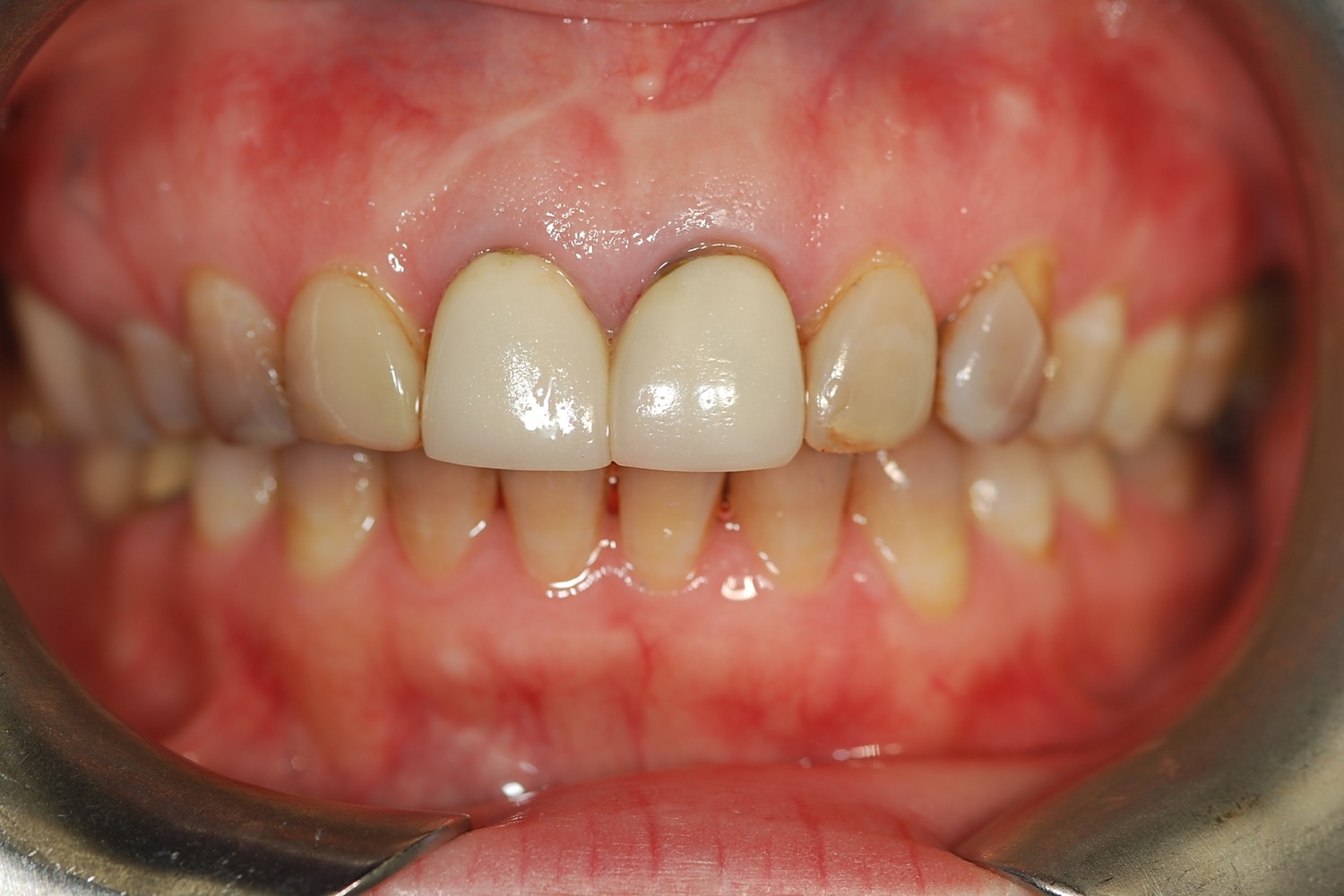
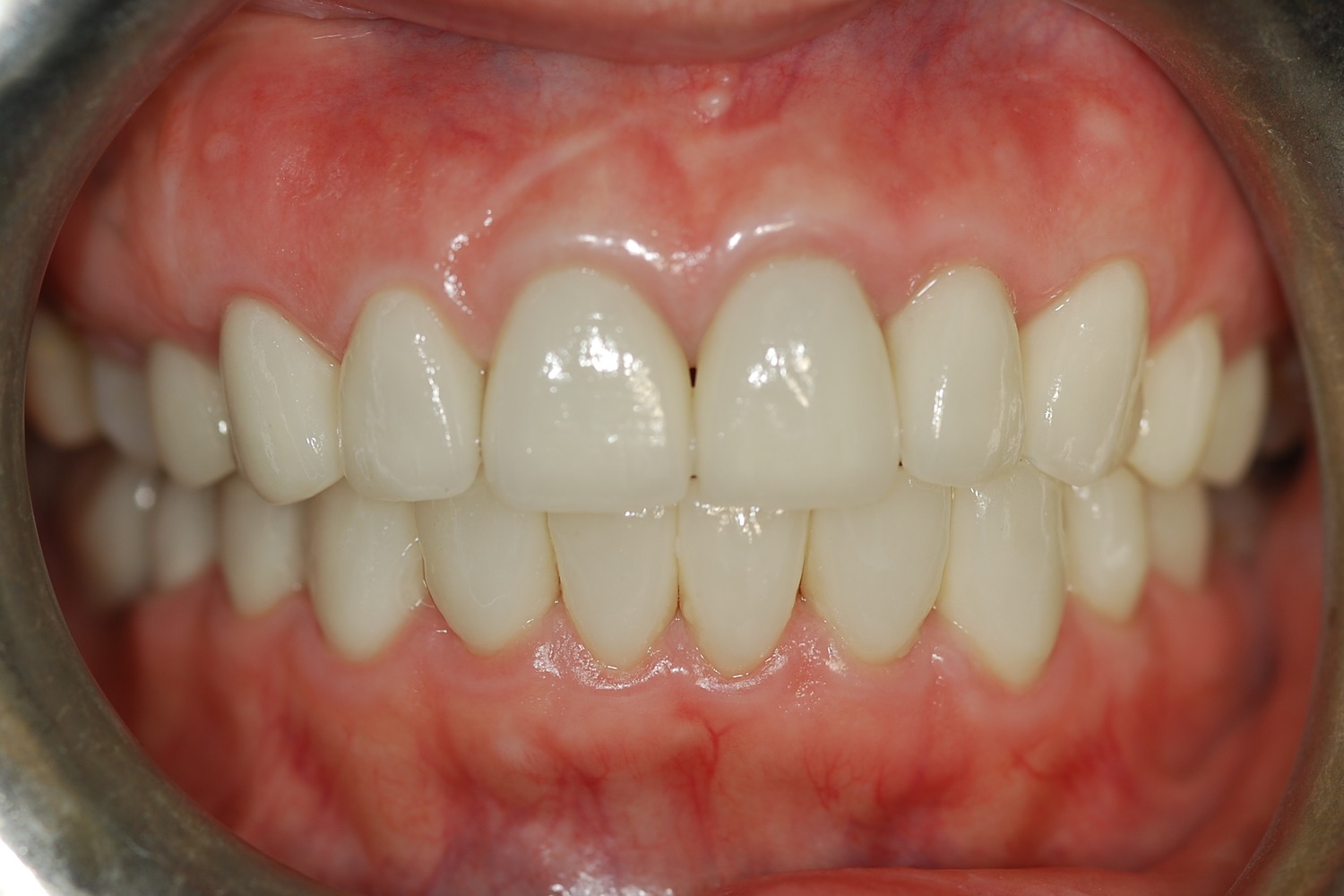
After How Aging, Opaque Restorations Were Replaced with Customized Ceramic Restorations Designed for Long-Term Natural Esthetics
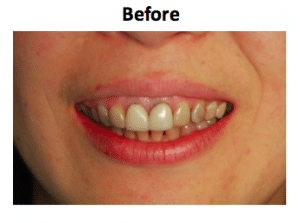
The existing restorations appeared opaque, worn, and unnatural over time, affecting both confidence and overall smile harmony.
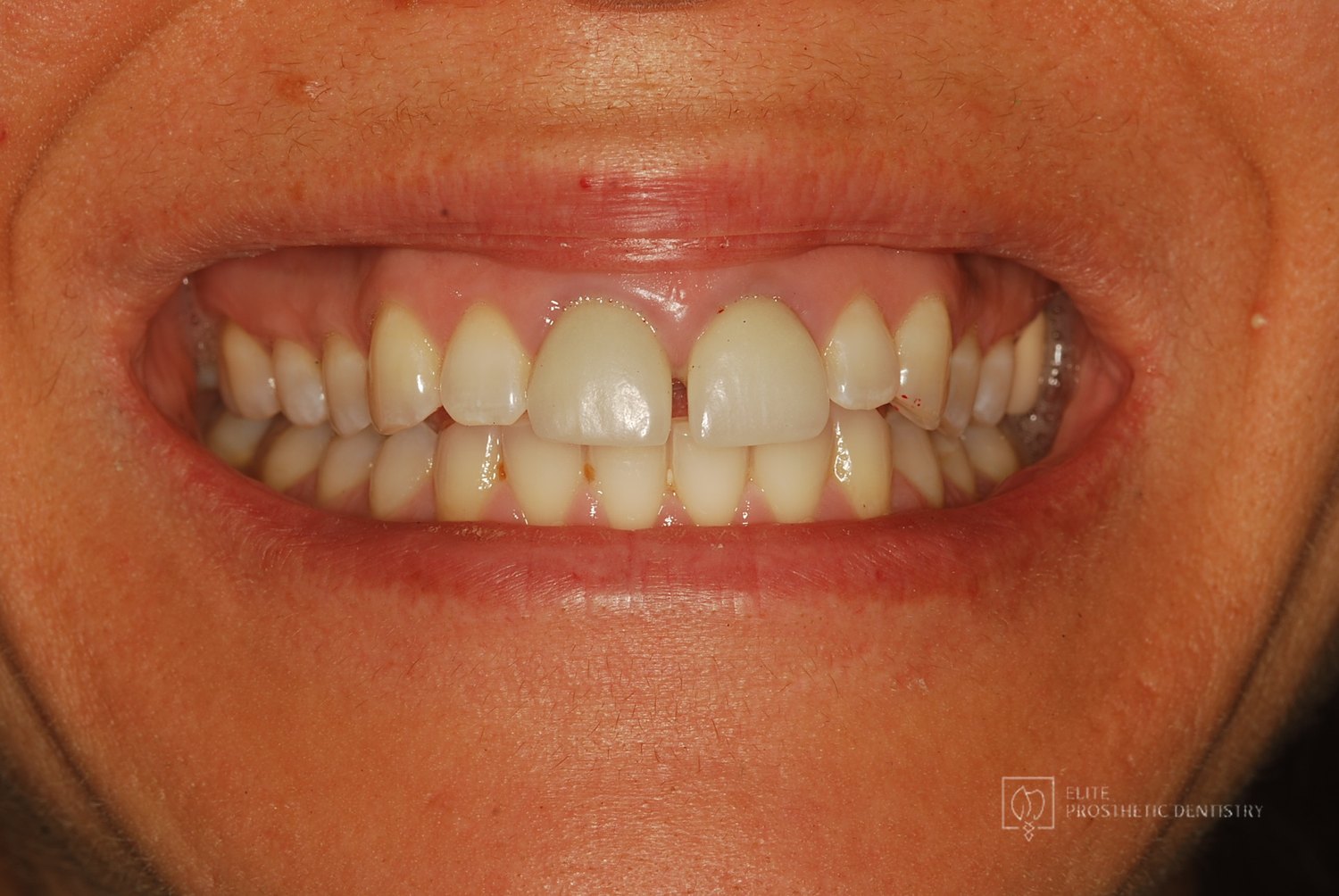 Before
 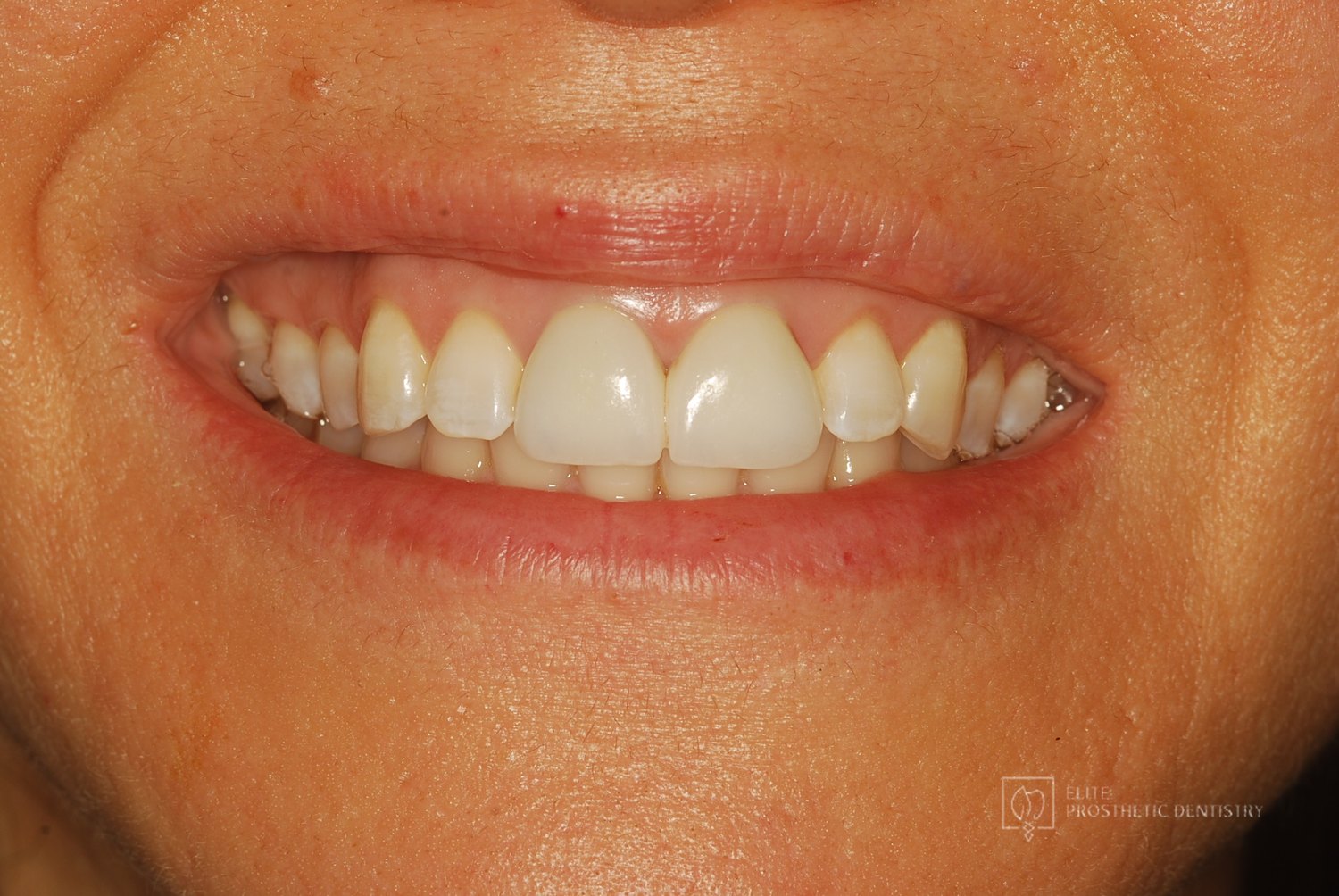 After
After Two Front Teeth Saved From Extraction: A Second Opinion, Custom Gold Posts, and Crowns Made to Last
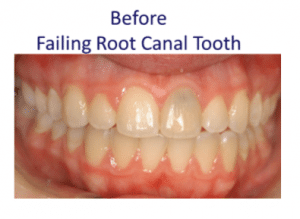
Two upper central incisors with failed root canal treatment and recurrent decay had been recommended for extraction and implant replacement. A CBCT evaluation showed that removing the roots from their thin facial bone housing could create a visible esthetic defect in the gum and bone contour, made worse by the patient's high lip line.
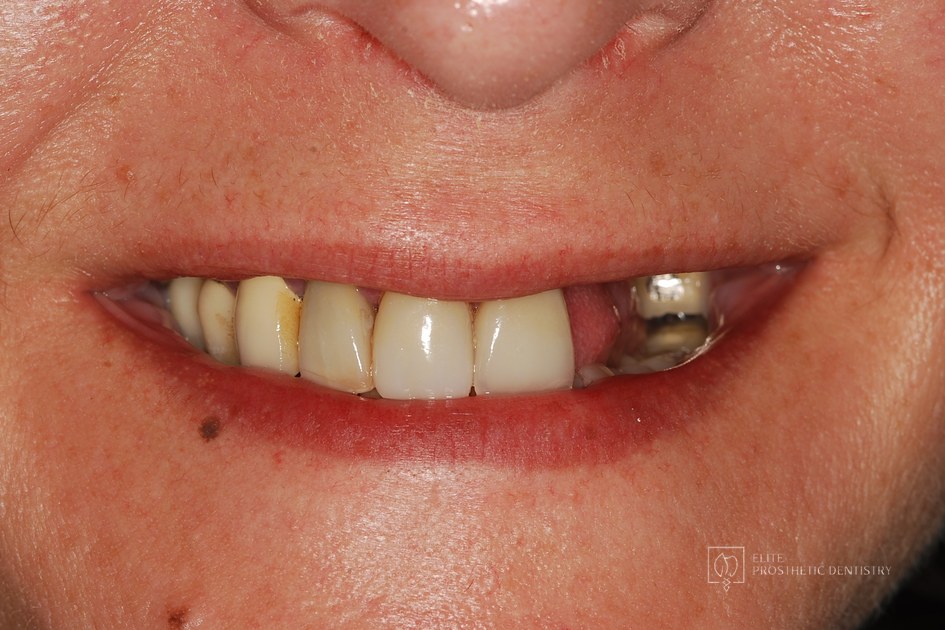 Before
 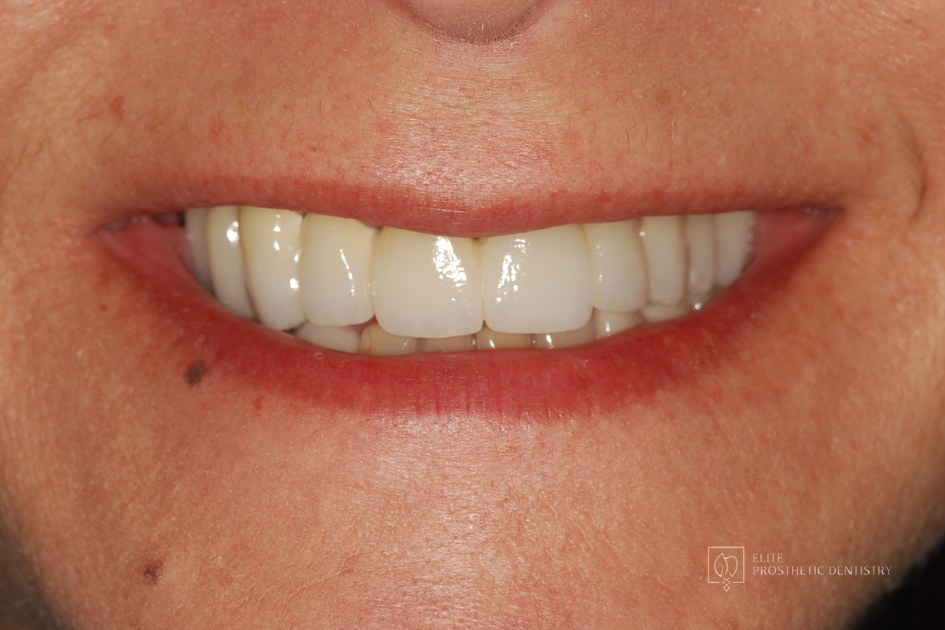 After
After Implant Supported Reconstruction: Failing Bridgework and Missing Back Teeth Rebuilt with Coordinated Specialist Care
Referred by another dental specialist with severe bone resorption on the upper left, multiple broken-down lower teeth requiring extraction, and failing lower back teeth that had left the bite without solid support. No single procedure, and no provider working in isolation, could rebuild a situation this interconnected.
Related Articles
Deepen your knowledge with additional insights on this topic.
 Dental Crowns
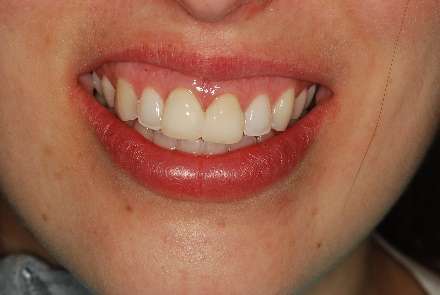
 Why Are Some Temporary Crowns More Natural Than Others?
Temporary crowns do not have to look temporary. A DC prosthodontist explains how lab-made provisionals protect your smile and preview your final crowns.
 Dental Crowns
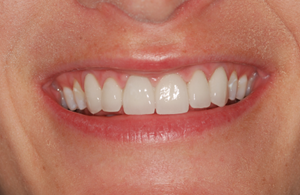
 What Makes a Natural-Looking Crown?
Emergence profile, translucency, internal color, and healthy gum response: a DC prosthodontist explains the anatomy of a crown no one can detect.
 Dental Crowns
 How Is an Immediate Smile Makeover Performed?
An immediate smile makeover transforms your smile in one visit using hand-crafted temporary crowns as a living preview. A DC prosthodontist explains how.