
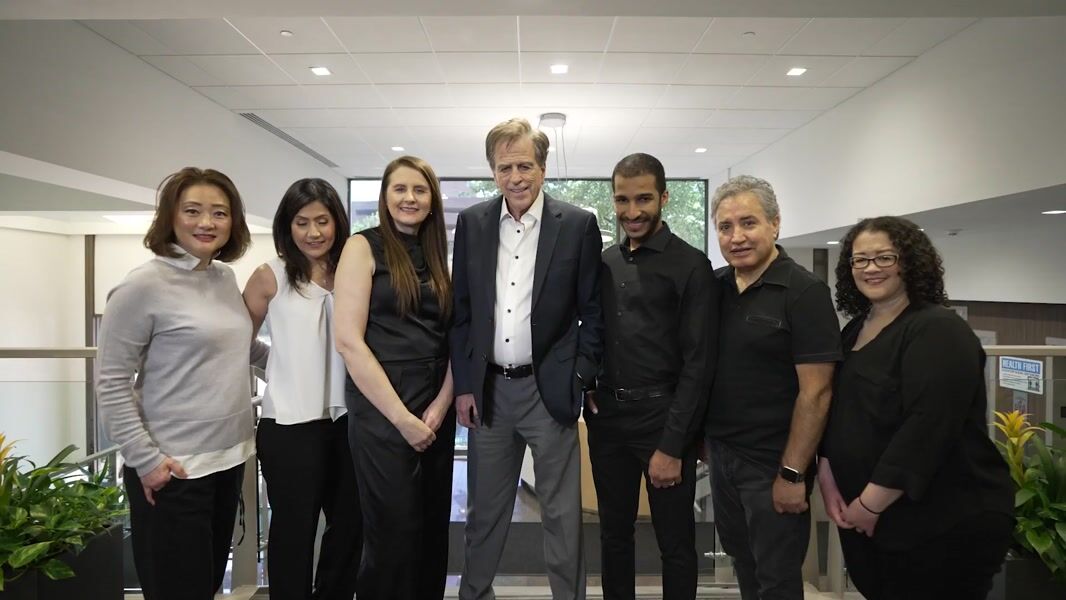
When Are Dentures the Right Answer for Cabin John Patients
When dentures are the optimal choice vs. implants. Specialty-trained prosthodontist guidance for Cabin John, MD patients.
Clinical Decision Framework: Determining Denture Candidacy
Selecting dentures as a treatment path requires evaluating multiple clinical and patient factors. Not every patient with missing teeth is equally suited for removable restorations. The specialty-trained prosthodontist assesses skeletal anatomy, remaining dentition, patient expectations, and practical constraints to determine whether dentures represent the optimal choice or whether alternatives should be prioritized.
Scenario One: Severe Bone Loss Without Adequate Implant Support
Patients with extensive bone resorption from years of tooth loss or periodontitis may lack sufficient bone volume for dental implants without major grafting procedures. Implant placement requires precise bone height, width, and density. Augmentation techniques can address deficiencies, but grafting adds substantial cost and extends treatment timelines.
Dentures require less bone. They rest upon the resorbed ridge, restoring tooth position and facial contours despite compromised underlying bone. While dentures cannot slow or reverse bone loss, they provide functional tooth replacement without the surgical complexity and cost of bone augmentation preceding implant placement.
Patients evaluated clinically for bone deficiency should be counseled that dentures offer an effective alternative path to implants when grafting is not feasible or desired.
Scenario Two: Rapid Tooth Replacement When Timing Is Critical
Some patients cannot wait months for implant integration. They may need teeth restored immediately for work or social reasons. Immediate dentures can be fabricated and delivered within hours or days of tooth extraction. The patient leaves with functional teeth and never experiences the period of being edentulous.
Implant-supported restorations require surgical healing, typically 4 to 6 months before implant stability allows loading. Fixed full-arch solutions require even longer total treatment time. When speed of restoration is essential, dentures are clinically superior.
Patients in professional roles where appearance is critical, or those with strong psychological need for immediate tooth replacement, often find dentures the only acceptable option based on timeline constraints.
Scenario Three: Patient Age and Long-Term Wear Tolerance
Older patients sometimes prefer dentures because longevity expectations differ. If a patient is 75 and expects 10 to 15 years of wear remaining, investing 6 months to place implants and fabricate complex restorations may not align with realistic lifespan. Dentures deliver acceptable function and appearance immediately, with lower investment of time and cost.
Conversely, a 55-year-old patient with 30 years of expected wear ahead may benefit from investing time in implant-based solutions that slow bone loss and require fewer adjustments over decades.
Age alone does not determine candidacy, but realistic lifespan and the patient’s willingness to undergo extended treatment should factor into denture selection.
Scenario Four: Significant Cost Constraints Without Ability to Phase Treatment
Implant-supported and fixed full-arch restorations require substantial investment. Some patients face genuine financial limitations and cannot access implant treatment even through financing. Dentures cost substantially less, making them accessible to patients for whom other options are financially prohibitive.
Staged treatment, phasing dentures initially and transitioning to implants later, provides one pathway. However, patients who lack resources or willingness to undergo future treatment are better served by accepting dentures as their definitive solution rather than attempting implant therapy they cannot complete.
Scenario Five: Existing Denture Wearers Seeking Replacement or Optimization
Patients already wearing dentures and satisfied with their function often benefit from denture replacement or substantial modification rather than complete treatment pathway change. A patient wearing comfortable, functional dentures for 10 years and wanting improved appearance or fit might simply need a new set custom-designed by a prosthodontist, rather than undergoing complex conversion to implants.
These patients have already adapted psychologically to denture wear. Optimization of their existing treatment path often makes more clinical and practical sense than recommending radical shift to implants.
Scenario Six: Partial Tooth Loss With Good Remaining Natural Teeth
Some patients retain several healthy natural teeth while others are missing. Partial dentures preserve natural tooth structure while replacing only missing teeth. This hybrid approach maintains some natural tooth proprioception and requires less aggressive intervention than full denture or full implant replacement.
Partial dentures are clinically indicated when remaining teeth are healthy and functional. They represent an efficient middle ground between single-tooth replacement and complete tooth replacement.
Assessment of Patient Expectations
Patient psychology significantly influences denture success. Those accepting dentures as a viable restoration they willingly adapt to demonstrate high satisfaction. Patients viewing dentures as a temporary compromise or inferior substitute to implants often experience frustration during adjustment.
The prosthodontist should counsel patients realistically about what dentures deliver: improved function, restored appearance, and acceptable comfort, but with some movement and learning curve. Patients accepting these parameters typically succeed. Those expecting dentures to replicate natural teeth completely often experience disappointment.
Clinical Examination and Bone Evaluation
CBCT 3D imaging reveals bone volume, density, and anatomy. Skeletal assessment determines whether adequate bone exists for implant placement. Severely resorbed bone may prohibit implants without grafting. Ridge morphology affects denture stability and retention.
Remaining teeth are examined for periodontal health, caries risk, and long-term viability. Teeth scheduled for extraction should be clearly identified. Remaining healthy teeth should be preserved in partial denture design whenever possible.
Bite relationships, jaw opening, and tongue space are assessed to ensure adequate room for denture base and teeth without creating speech or swallowing interference.
Treatment Planning Conversation: Dentures vs. Alternatives
Following examination, patients should receive clear explanation of findings and options. Dentures should be presented as a clinically sound choice when indicated, not as a lesser option. The timeline, cost, bone requirements, and long-term expectations for each alternative should be discussed.
Patients should understand that denture success depends on proper design, precise fit, optimal bite, and their willingness to adapt during the initial adjustment period. Dentures designed and delivered by specialty-trained prosthodontists demonstrate significantly higher success than those provided by practices lacking prosthodontic expertise.
Denture Success: Proper Execution Matters
Denture outcome depends directly on clinical skill. A poorly designed denture leads to instability, sore spots, and speech difficulty. A properly designed denture provides stable retention, comfortable bite, and natural appearance. The difference between these outcomes reflects the prosthodontist’s expertise in anatomy, biomechanics, and restoration design.
Patients in Cabin John seeking dentures should select providers with specialty training in prosthodontics and a track record of successful denture patients. Dentures designed by a specialty-trained prosthodontist demonstrate superior fit, function, and longevity compared to those provided by general dentists.
Making the Decision: Is Denture Treatment Right?
Patients should ask themselves: Is my bone adequate for implants without grafting? Do I need teeth restored immediately? Can I afford implant therapy? Am I willing to adapt to a learning curve? Have I worn dentures before or am I comfortable with the concept?
Affirmative answers to these questions suggest dentures represent a reasonable clinical path. Negative answers suggest implant-based solutions may better serve the patient’s needs.
Elite Prosthetic Dentistry provides honest assessment of these factors during consultation. The goal is selecting the treatment path that genuinely serves the patient’s realistic constraints and long-term satisfaction.
Elite Prosthetic Dentistry 4400 Jenifer Street NW, Suite 220 Washington, DC 20015 (202) 244-2101 Request a Consultation Contact & Directions
Patients from Cabin John reach our office in 10 to 15 minutes via River Road or MacArthur Boulevard. Free parking is available in our building.
Frequently Asked Questions
When should patients choose dentures instead of implants?
Dentures are ideal when bone is severely compromised, when rapid tooth replacement is needed, or when cost is the primary constraint. Patients with minimal remaining bone, those who need immediate solutions, and those unwilling to wait months for implant healing often find dentures the most practical choice. Clinical evaluation determines candidacy for each option.
Can dentures work well if done right?
Yes. Modern dentures designed by a specialty-trained prosthodontist provide functional bite, improved appearance, and acceptable comfort for most patients. Success depends on precise fit, proper bite alignment, and patient adaptation to the learning curve during the first weeks of wear.
What bone loss do dentures require?
Dentures rest on the ridge of bone beneath missing teeth but don't require the same bone volume as implants. However, dentures cannot prevent the natural bone loss that occurs over years without tooth roots stimulating the bone. Patients should expect gradual changes requiring denture adjustments and eventual remakes.
How is a denture patient's outcome assessed?
Outcomes are measured by bite stability, chewing efficiency, speech clarity, appearance, comfort level, and patient satisfaction. Patients who gain functional ability and regained confidence to eat and speak in social settings without worry are considered successful cases.
Do dentures ever become a transition to implants?
Sometimes. Patients wear dentures initially, allow adequate healing time, then transition to implant-supported or fixed solutions later. This staged approach can be practical when cost is prohibitive upfront or when patients want to evaluate their comfort with tooth replacement before investing in more expensive restorations.
Related Patient Success Stories
Explore similar patient success stories demonstrating our expertise in advanced prosthetic dentistry.
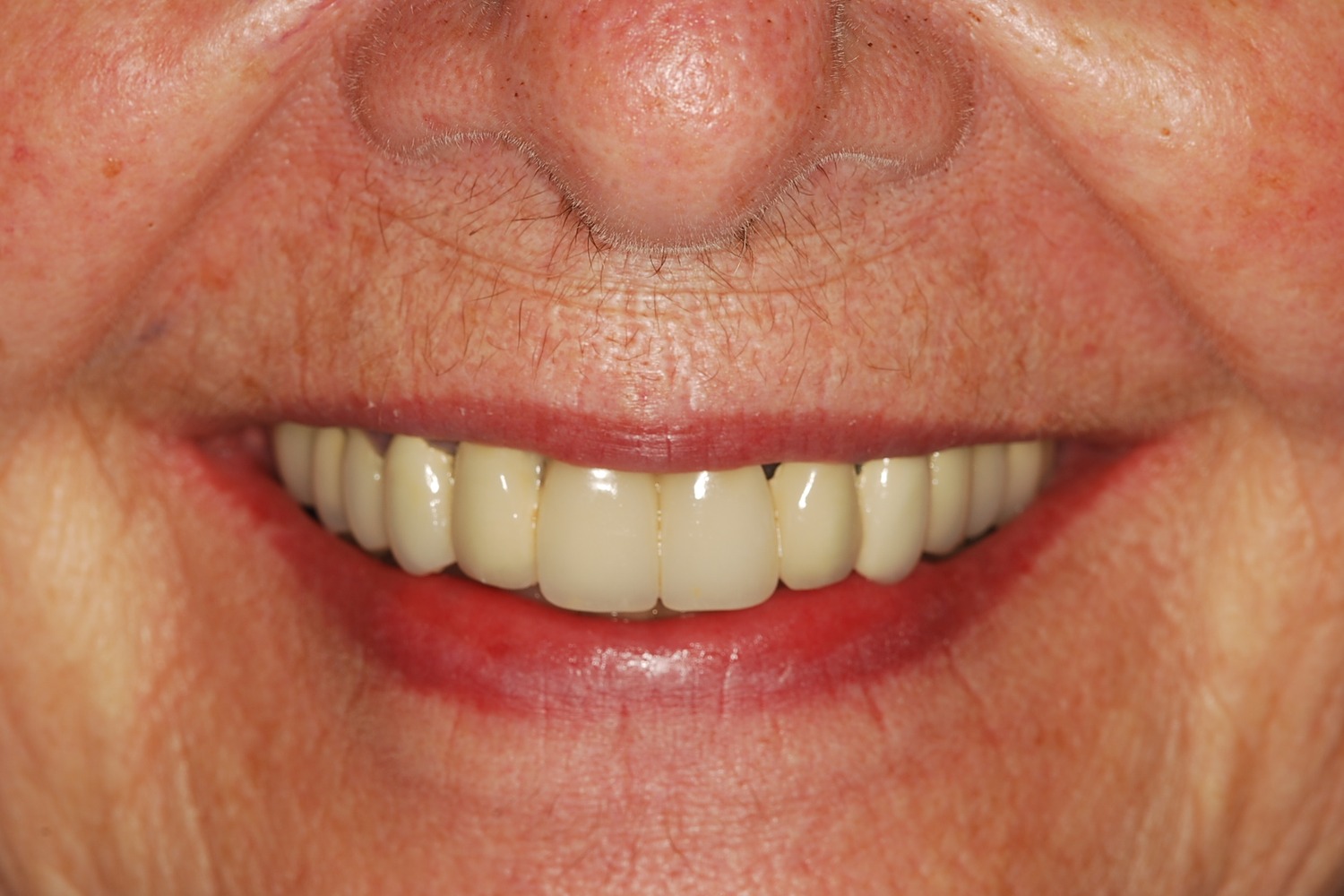 Before
 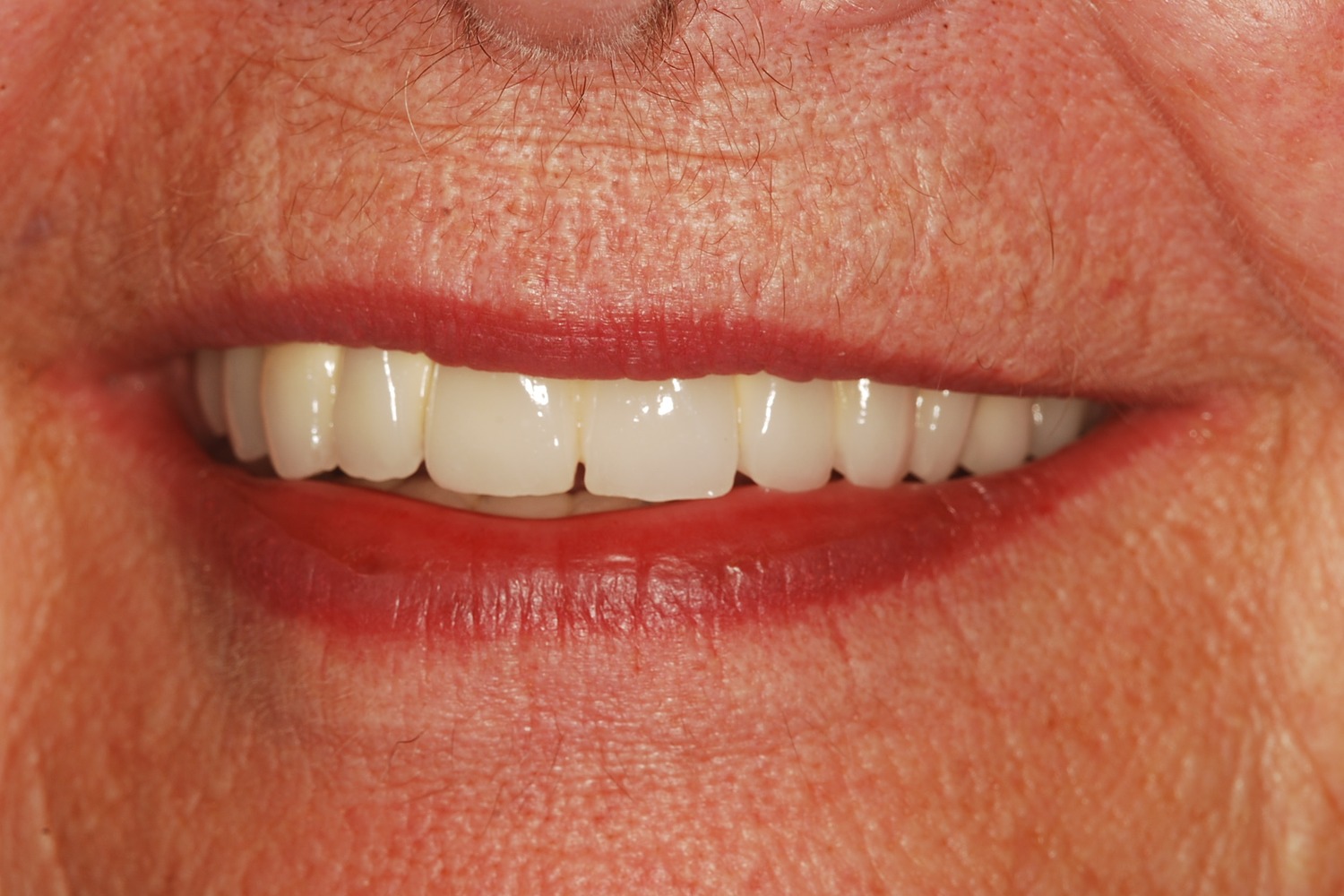 After
After How a Loose Upper Bridge and Aging Crowns Were Rebuilt with Staged Implant and Crown Reconstruction
The patient was referred by her general dentist after years of aging dentistry no longer holding up. A loose upper bridge and crowns over twenty years old combined with the effects of advanced periodo
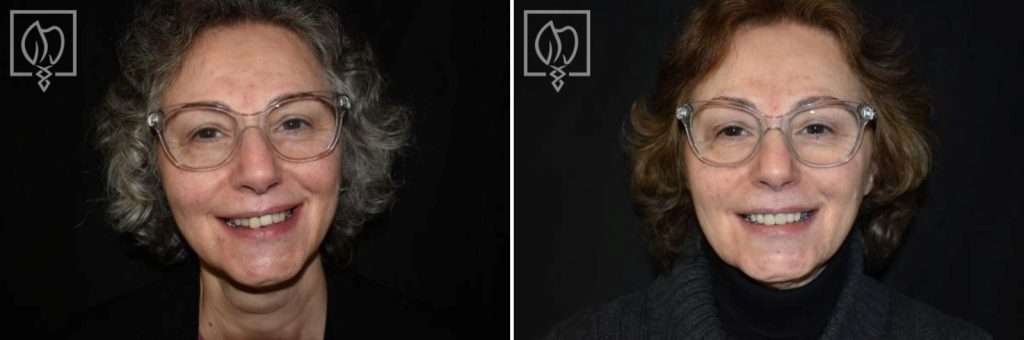
Temporary Crowns Restore Patient's Smile in Just One Day with an Immediate Smile Makeover
A patient from Potomac, Maryland, came to Elite Prosthetic Dentistry with the chief complaint of pain from a failing dental implant and its significant impact on her appearance.
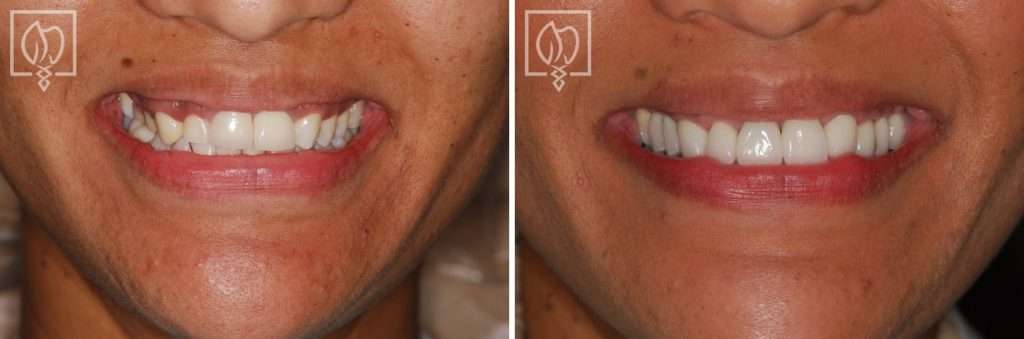
Multi-Faceted Treatment for Patient Unhappy With Her Artificial-Looking Crowns, Teeth and Gums
Many patients come to Elite Prosthetic Dentistry unhappy with the appearance of their smile. However, this particular patient presented with multiple interconnected problems that together created a smile she found deeply unsatisfying.
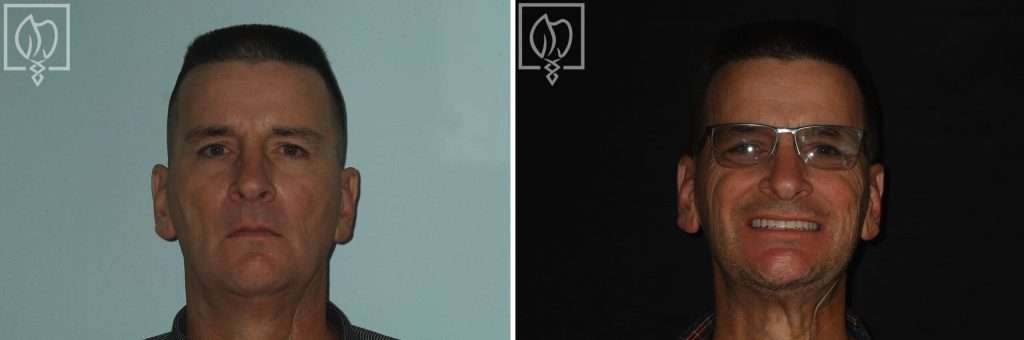
Treating Kevin's Collapsed Bite with a Complete Smile Makeover with New Dentures
Dentures are sometimes not created to the ideal aesthetic and functional scheme. When improperly fabricated, dentures can make an individual appear almost a generation older than their actual age. They can have a poor fit that feels loose and unstable when eating or speaking, and they can actually accelerate bone loss over time.
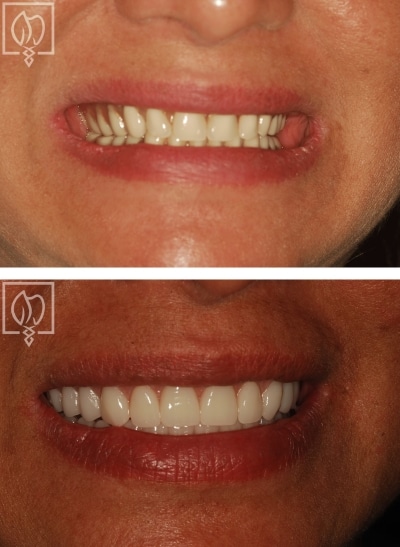
Rejuvenating Maria's Severely Worn Down Implant Overdentures
Many times, per year, patients come to us frustrated because their implant prosthesis is so severely worn down that they are very self-conscious and cover up their smile. They look and feel much older than their age as a result of the extensive wear of their appliance(s).
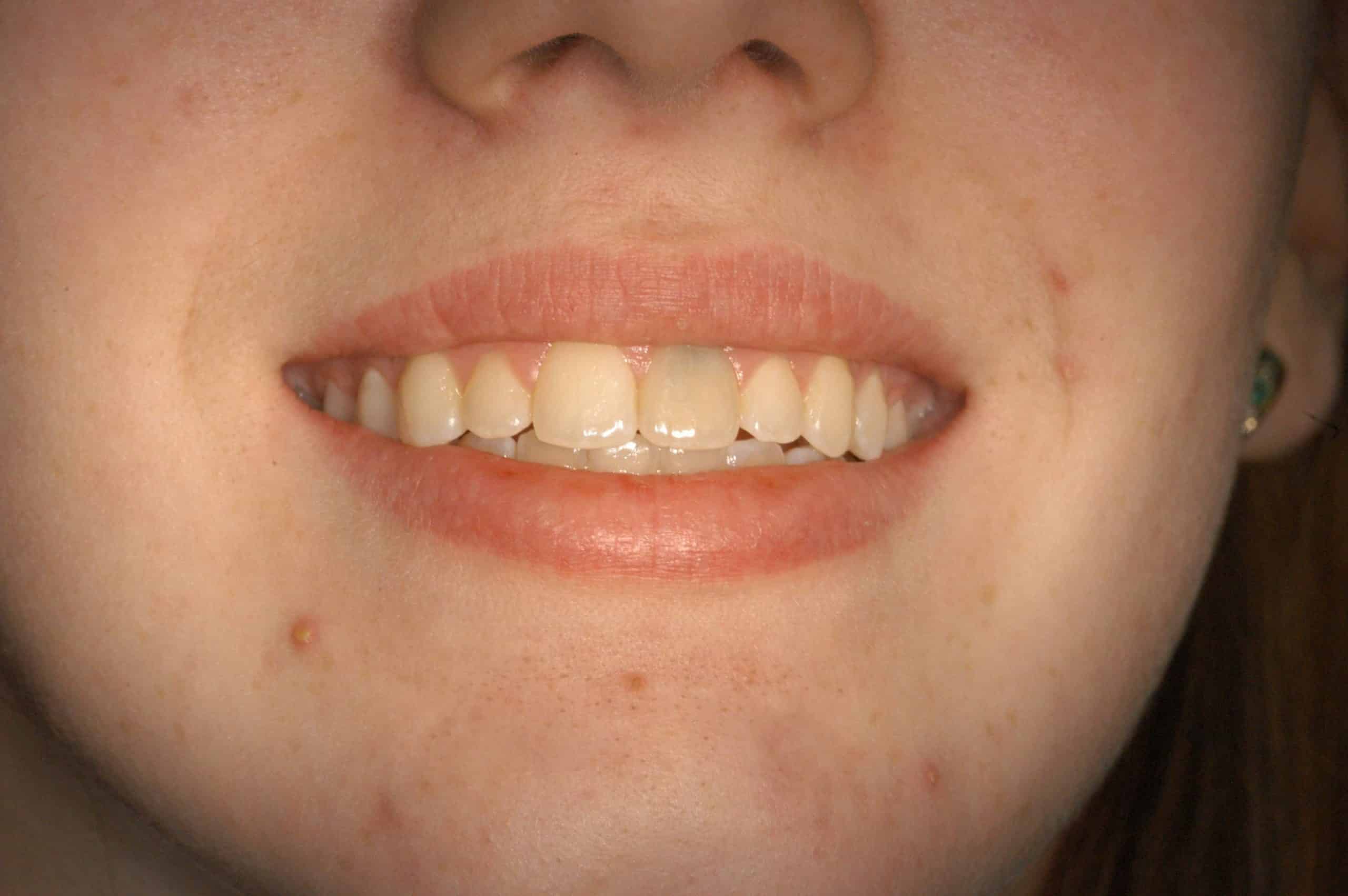
Replacing a Discolored Front Tooth with a Precision Placed Implant
Some of the most challenging restorations occur when fabricating an anterior crown to fit on an implant. Not only does one have the difficulty of matching the single front tooth to the other ones in the high visibility zone, but the dentist must also ensure the position of the underlying implant is precise through accurate preplanning and placement.
Related Articles
Deepen your knowledge with additional insights on this topic.
Our Services in Cabin John
Beyond Dentures, Cabin John patients rely on Dr. Marlin for a full range of advanced dental care.
More services available in Cabin John:
Dentures Near Cabin John
Dr. Marlin also provides dentures services for patients in these neighboring communities.
Getting Here from Cabin John
Elite Prosthetic Dentistry is conveniently located near Cabin John, MD.
Cabin John residents drive east via River Road or MacArthur Boulevard toward Friendship Heights. Our office is located at the edge of Friendship Heights with convenient parking.
Address:
4400 Jenifer Street NW, Suite 220
Washington, DC 20015
Phone: (202) 244-2101
Request a ConsultationRequest a Specialist Consultation from Cabin John
Cabin John residents come to Dr. Marlin for specialist prosthodontic care. With 3,900+ implants placed and restored over 40+ years, evaluation, planning, and execution are handled with the depth complex cases require.