
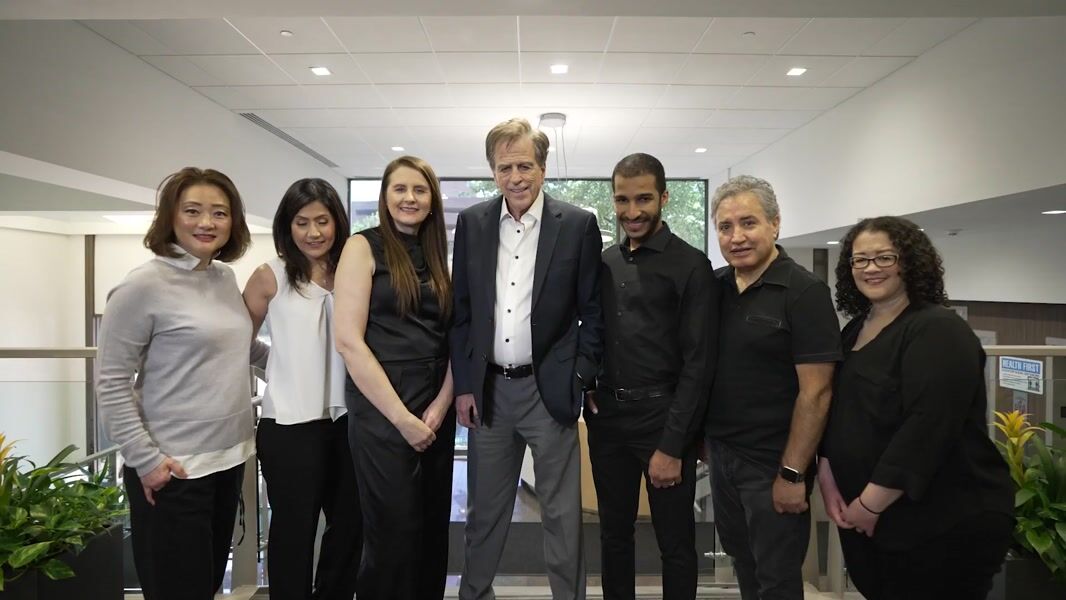
Dental Crowns in Cabin John, MD
Dental crowns in Cabin John, MD. Dr. Marlin explains the crown procedure step by step from prep through delivery and long-term care.
A dental crown represents a restorative treatment addressing damaged teeth comprehensively. Understanding the crown procedure from initial assessment through long-term care helps patients appreciate why each step is important and what to expect during treatment.
Initial Assessment and Diagnosis
The crown procedure begins when Dr. Marlin evaluates a tooth that has sustained damage or decay extensive enough to require comprehensive restoration. A tooth that has undergone endodontic therapy, suffered traumatic injury, sustained extensive decay, or failed previously placed restorations may be a crown candidate. Dr. Marlin examines the tooth clinically and may obtain radiographs to assess the extent of damage and the condition of root structure.
During this assessment, he discusses with the patient why the tooth requires a crown rather than a more conservative restoration like a filling or bonded composite. He explains the crown procedure, timeline, and expected costs. He discusses material options, including porcelain, ceramic, zirconia, or combinations, explaining the advantages of each for the specific tooth’s location and functional demands.
For many Cabin John residents, understanding that crown therapy preserves their natural tooth rather than resulting in extraction represents an important perspective shift. A tooth that appears severely compromised can often be saved through crown treatment, maintaining the patient’s natural dentition rather than requiring implant or bridge therapy.
Tooth Preparation: Creating Space for Restoration
The first active treatment appointment involves tooth preparation. Dr. Marlin begins by removing any decay and old restorations from the tooth. Using precision burs and local anesthesia for comfort, he shapes the tooth to accept the crown restoration.
Tooth preparation is a critical skill. The prepared tooth must have adequate taper to allow the crown to seat properly, sufficient length to provide retention and strength, and proper margins to ensure the crown seal is adequate. The margins of the prepared tooth must be clearly visible and accessible to allow accurate impression taking and to enable proper margin polishing and sealing of the final crown.
Different tooth positions require different preparation approaches. Anterior teeth require preservation of maximum tooth structure and careful attention to appearance. Posterior teeth prioritize strength and retention. Dr. Marlin’s decades of specialty-trained experience navigating these nuances ensures optimal tooth preparation.
Impression Taking and Shade Selection
After tooth preparation is complete, Dr. Marlin takes a detailed impression or digital scan of the prepared tooth. This record allows laboratory technicians to fabricate a crown matching the exact anatomy of the prepared tooth and ensuring proper seating and fit.
He also takes bite records, documenting how the prepared tooth relates to opposing teeth and the patient’s bite mechanics. These records allow the laboratory to fabricate a crown that functions properly within the patient’s existing bite.
Shade selection occurs next. For front teeth, Dr. Marlin carefully selects the porcelain shade matching adjacent natural teeth. For back teeth, he may prioritize function over shade matching, though modern materials allow excellent appearance for visible back teeth as well. He considers the patient’s preferences and integrates any cosmetic improvement goals into the shade selection.
Temporary Crown Placement
After preparation and impression taking, Dr. Marlin fabricates and places a temporary crown. The temporary is made from acrylic material and is fabricated directly at chairside or in the laboratory. While not as durable or aesthetically refined as the permanent crown, the temporary is professionally crafted for acceptable appearance and proper function.
The temporary crown protects the prepared tooth during the fabrication period. The exposed dentin of a prepared tooth is extremely sensitive and vulnerable to decay. The temporary prevents bacterial colonization and sensitivity. It also maintains the tooth’s position, preventing opposing and adjacent teeth from shifting. The temporary restores function, allowing the patient to eat and speak normally while fabrication proceeds.
Patients wear the temporary crown for approximately two weeks while the permanent crown is fabricated in the laboratory. Dr. Marlin provides instructions on how to care for the temporary crown. Avoid extremely hard or sticky foods that might dislodge the temporary. Maintain excellent oral hygiene including careful flossing to avoid dislodging the temporary. If the temporary crown becomes loose or dislodges, contact Dr. Marlin immediately for replacement.
Laboratory Fabrication: Precision Craftsmanship
While the patient continues normal activities, the on-site laboratory crafts the permanent crown. Skilled technicians select and shape high-quality ceramic or porcelain material to match the prepared tooth precisely. The laboratory technician follows Dr. Marlin’s specific instructions regarding material selection, shade, contour, and marginal adaptation.
The on-site laboratory location provides significant advantages. Dr. Marlin works directly with laboratory technicians, communicating his specifications and ensuring his vision is executed precisely. If adjustments are needed during fabrication, they can be made immediately rather than requiring rounds of communication with an outside laboratory.
Fabrication typically requires one to three weeks depending on case complexity. Straightforward posterior crowns may be completed in one week. Anterior crowns requiring exceptional attention to esthetics may require more time. Dr. Marlin communicates the expected timeline to patients during the first appointment.
Permanent Crown Delivery: Fit, Function, and Appearance
When the permanent crown is ready, the patient returns for the delivery appointment. Dr. Marlin carefully removes the temporary crown, using specialized instruments to avoid damaging the prepared tooth. He thoroughly cleans the prepared tooth, removing any remnants of temporary crown material.
He then tries in the permanent crown. Using a paste-like try-in material on the crown’s interior, he seats the crown onto the prepared tooth. He examines the fit, checking that the crown seats completely without gaps. He evaluates the bite using articulating paper, identifying any contact points that are too strong or uncomfortable. He may perform selective grinding adjustments to the crown’s occlusal surfaces if needed.
He examines the shade match carefully. Does the color match adjacent natural teeth or achieve the desired shade? Is the translucency appropriate? Are the contours and proportions correct? For front teeth, he ensures the crown’s contour and emergence profile appear natural and harmonious with adjacent teeth.
The patient examines the crown in the mirror and provides feedback. Does the appearance match their expectations? Is the color acceptable? Dr. Marlin makes any final adjustments needed before permanent cementation.
Permanent Cementation: Securing the Restoration
Once the patient approves the fit, bite, shade, and appearance, Dr. Marlin permanently cements the crown. He removes the try-in paste and applies permanent crown cement to the crown’s interior. He seats the crown firmly onto the prepared tooth and wipes away excess cement using a damp applicator.
Different crown materials require different cements. All-ceramic and zirconia crowns are typically cemented with resin-modified glass-ionomer or composite cement. The cement is cured using a special light, creating a permanent bond between the crown and the tooth.
After cementation, Dr. Marlin thoroughly polishes away excess cement from around the crown margins. Residual cement can lead to gum irritation and inflammation, so meticulous removal is essential.
Post-Treatment Sensitivity and Care
Some patients experience sensitivity to cold for a few days after crown delivery. This sensitivity typically resolves within two weeks as the tooth adjusts to the crown restoration. Patients using a desensitizing toothpaste can manage this sensitivity effectively.
Dr. Marlin provides detailed care instructions. Maintain excellent oral hygiene including twice-daily brushing and daily flossing. Floss carefully around the crown, using unwaxed floss that won’t fray around the crown margins. Avoid extremely hard or sticky foods that stress the crown. If the patient grinds or clenches their teeth, wear a protective night guard to prevent excessive force on the crown.
Long-Term Crown Success and Maintenance
Dental crowns fabricated by a specialty-trained prosthodontist using quality materials consistently function for 15 to 20 years or longer. Longevity depends partly on material quality and partly on how well the patient cares for the crown.
For long-term success, patients maintain regular professional cleanings and periodic examinations. Dr. Marlin monitors crown margins and surrounding gum tissue, ensuring no secondary decay or gum disease develops around the crown. Early detection of any margin problems allows preventive treatment before major issues develop.
If a crowned tooth becomes problematic years later, the crown can be removed and replaced. This repairability ensures the tooth can receive updated treatment as materials and techniques evolve, providing decades of reliable function and appearance.
For related care, see our full mouth reconstruction page.
Schedule Your Consultation
The next step is the diagnostic consultation. From there, your specific case is evaluated and a treatment plan tailored to your situation is developed.
Frequently Asked Questions
How long does a dental crown procedure take?
Crown treatment typically requires two appointments spanning approximately two weeks. The first appointment involves tooth preparation and temporary crown placement, taking one to two hours. The second appointment, about two weeks later, involves removing the temporary crown and placing the permanent one, taking 30 minutes to one hour.
Why is temporary crown placement necessary?
After tooth preparation, the prepared tooth is extremely sensitive and vulnerable to decay. A temporary crown protects it during the fabrication period. The temporary restores function and appearance, allowing the patient to eat and speak normally. It maintains the tooth's position and prevents opposing teeth from shifting.
What happens during tooth preparation?
Dr. Marlin removes decay and old restorations, then shapes the tooth to accept the crown restoration. The prepared tooth is narrower than the original tooth because space must be created for the crown material. Local anesthesia is used throughout preparation to keep the patient comfortable.
How are impressions taken for the crown?
After tooth preparation, Dr. Marlin takes a detailed impression or digital scan of the prepared tooth. This allows laboratory technicians to fabricate a crown matching the exact anatomy of the prepared tooth. Bite records are also taken to ensure the crown functions properly with the patient's bite.
What is involved in the permanent crown delivery appointment?
Dr. Marlin removes the temporary crown and cleans the prepared tooth. He tries in the permanent crown, checking the fit, bite, shade, and appearance. He makes any necessary adjustments, then permanently cements the crown in place.
Related Patient Success Stories
Explore similar patient success stories demonstrating our expertise in advanced prosthetic dentistry.
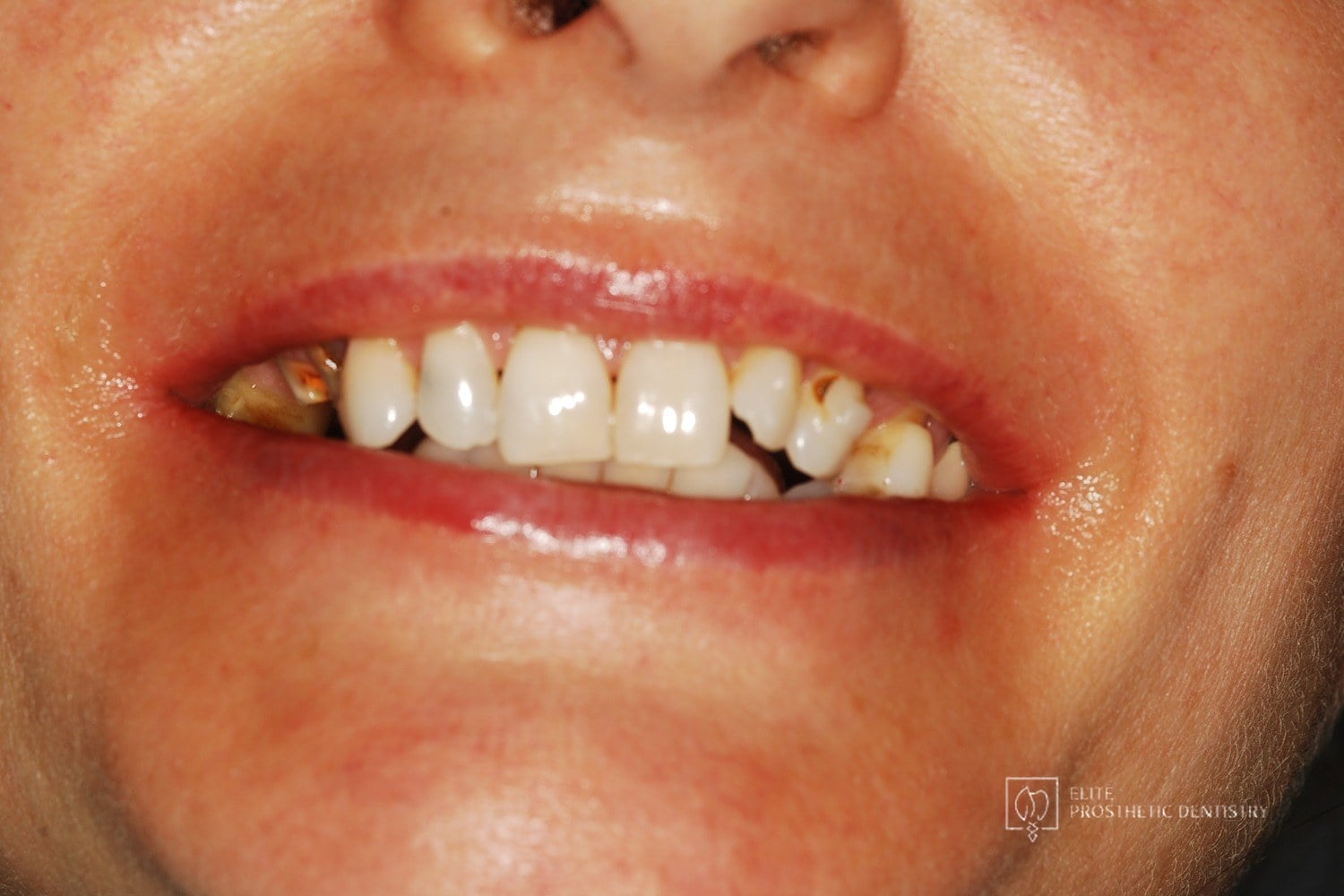 Before
 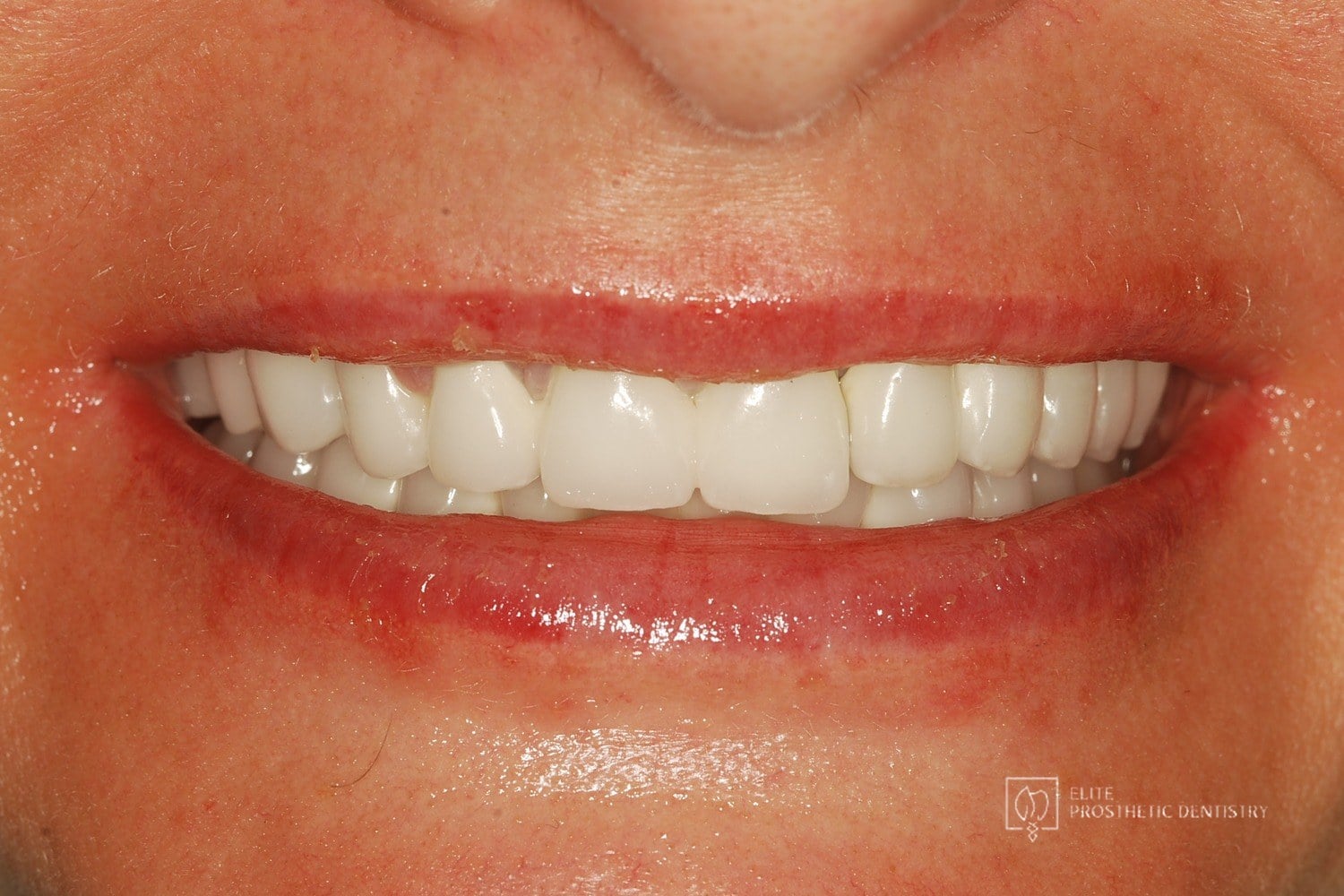 After
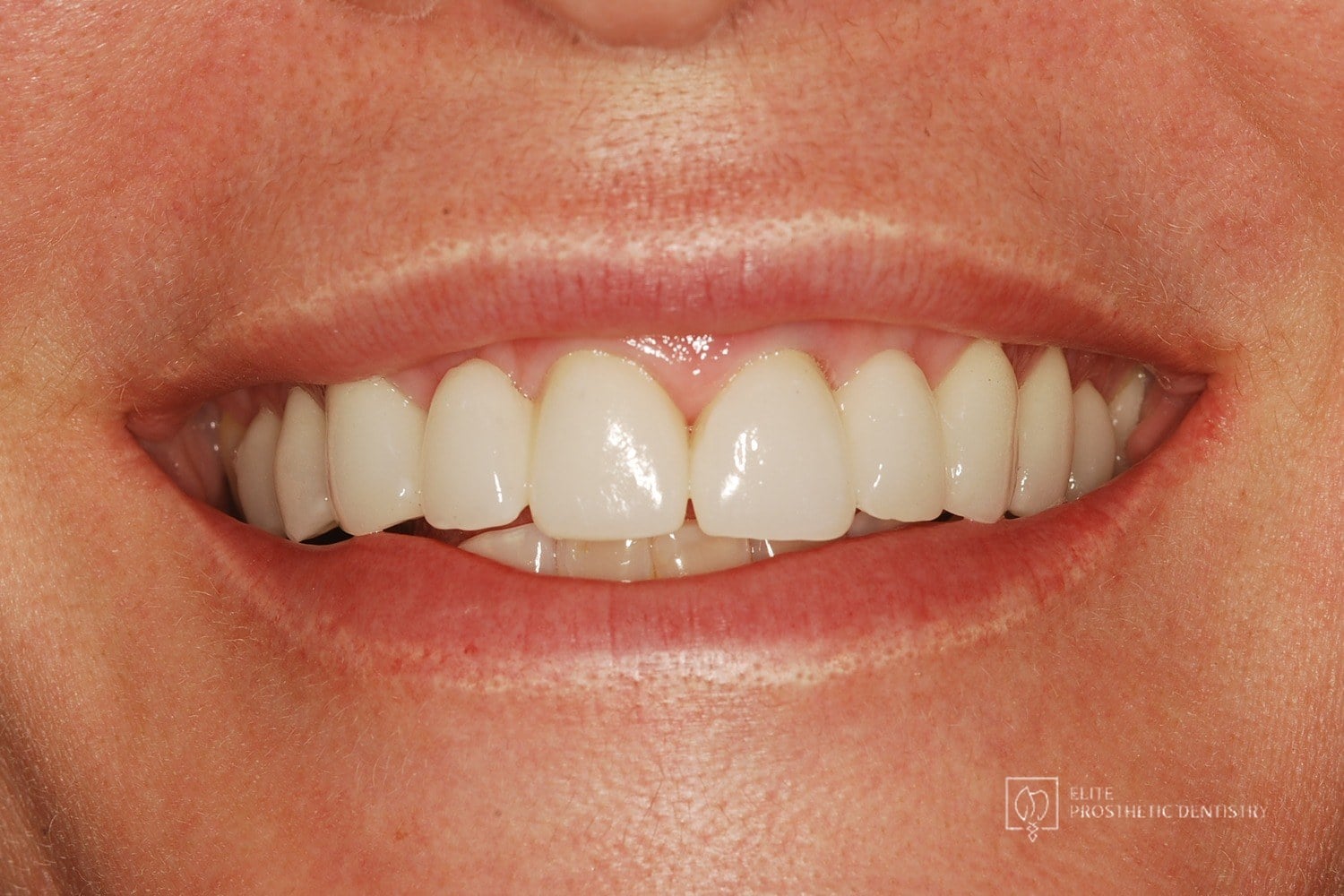
After How Aging, Failing Dentistry Was Replaced with a Coordinated Full-Mouth Implant and Crown Reconstruction
The patient presented with throbbing upper-molar pain, long-standing infections, multiple root canals and unfinished prior treatment, generalized sensitivity, and several hopeless teeth.
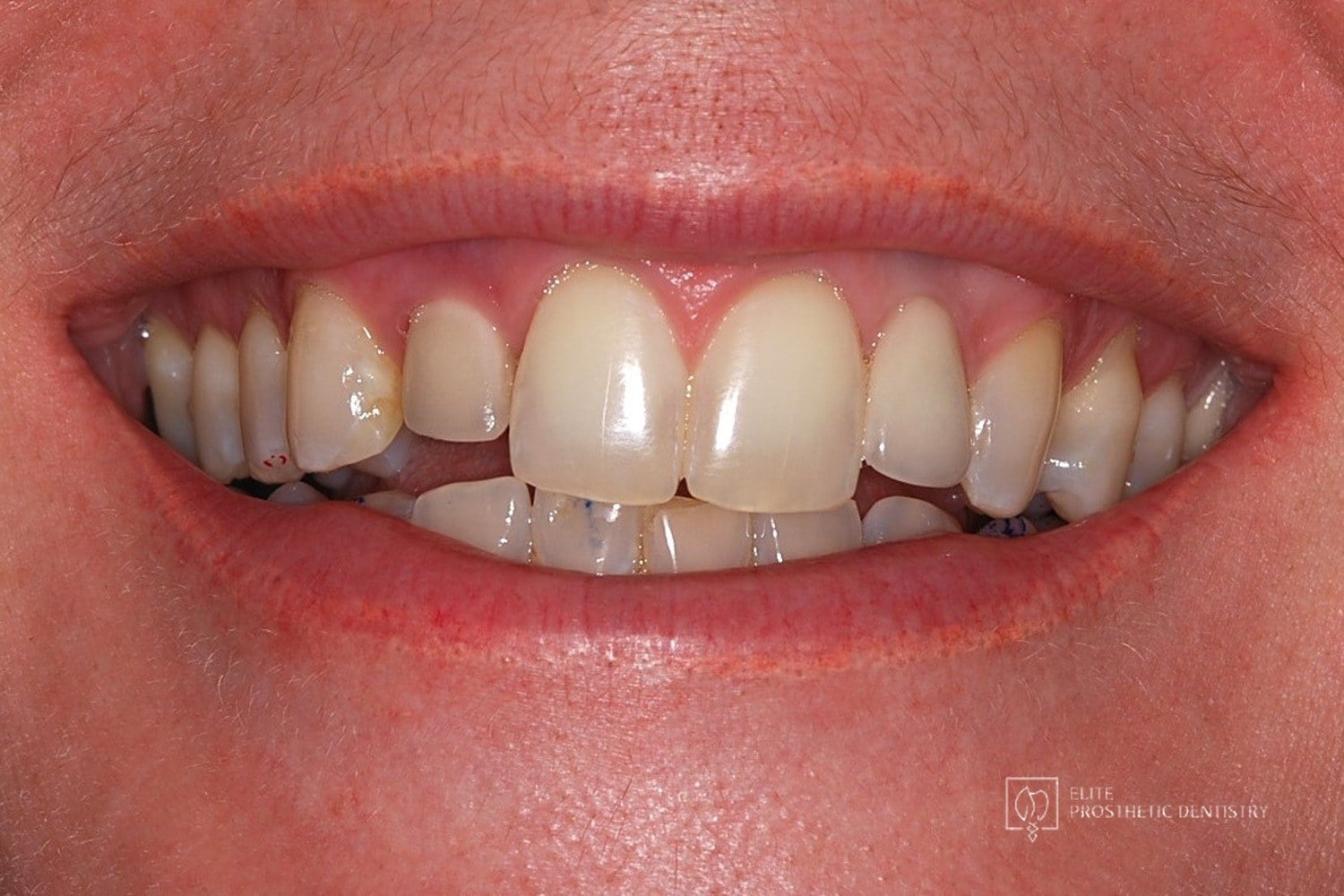 Before
  After
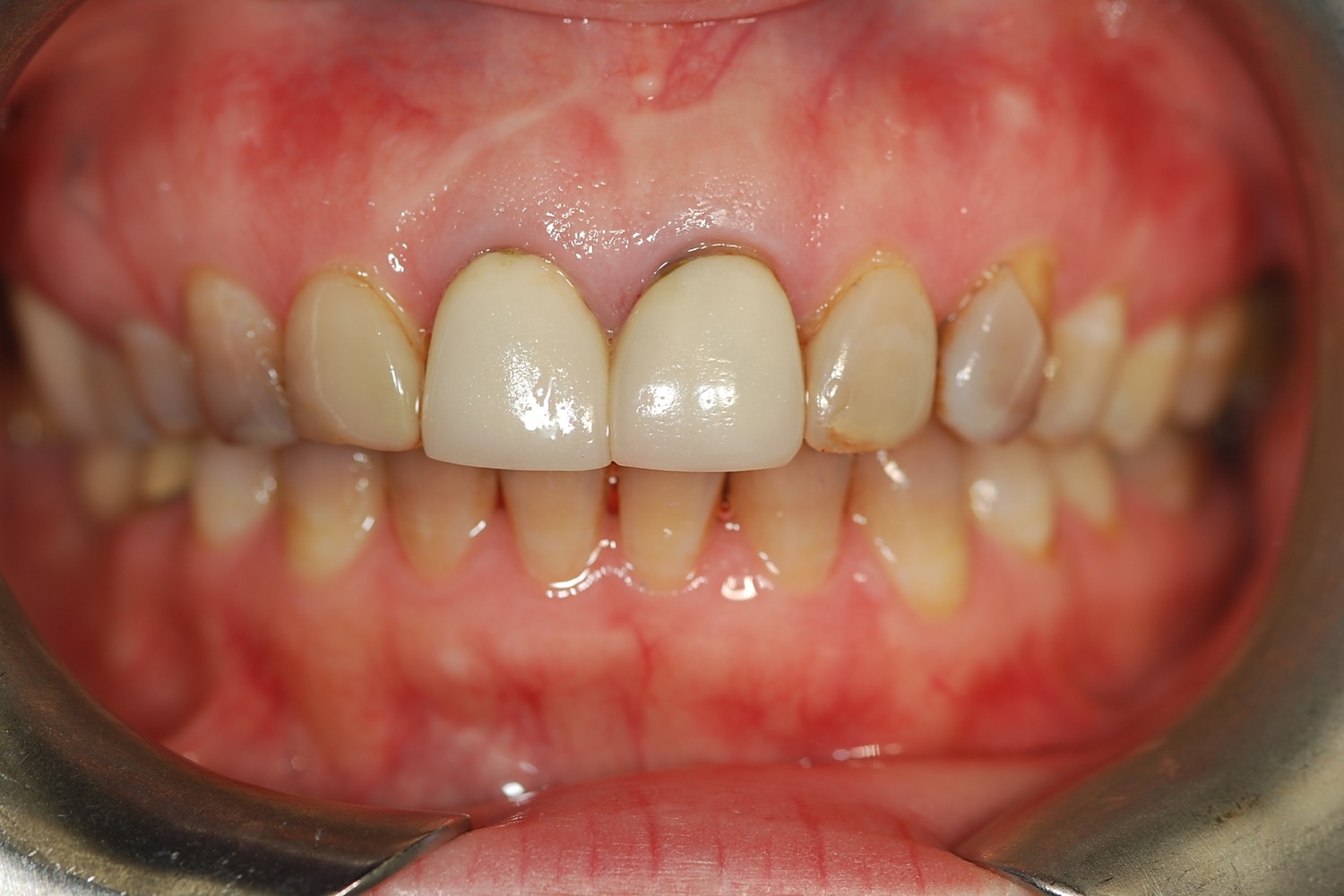
After How Failing Lateral Incisor Implants Were Replaced with Custom Zirconia Bridges After Severe Bone Loss Made Replacement Implants Impossible
Comprehensive examination including CBCT imaging revealed significant bone loss surrounding implants that were placed outside the buccal plate, most likely due to placement without a CBCT-generated surgical guide. The implants were determined non-salvageable, and the alveolar ridge was too narrow to support replacement implants without extensive reconstruction.
 Before
  After
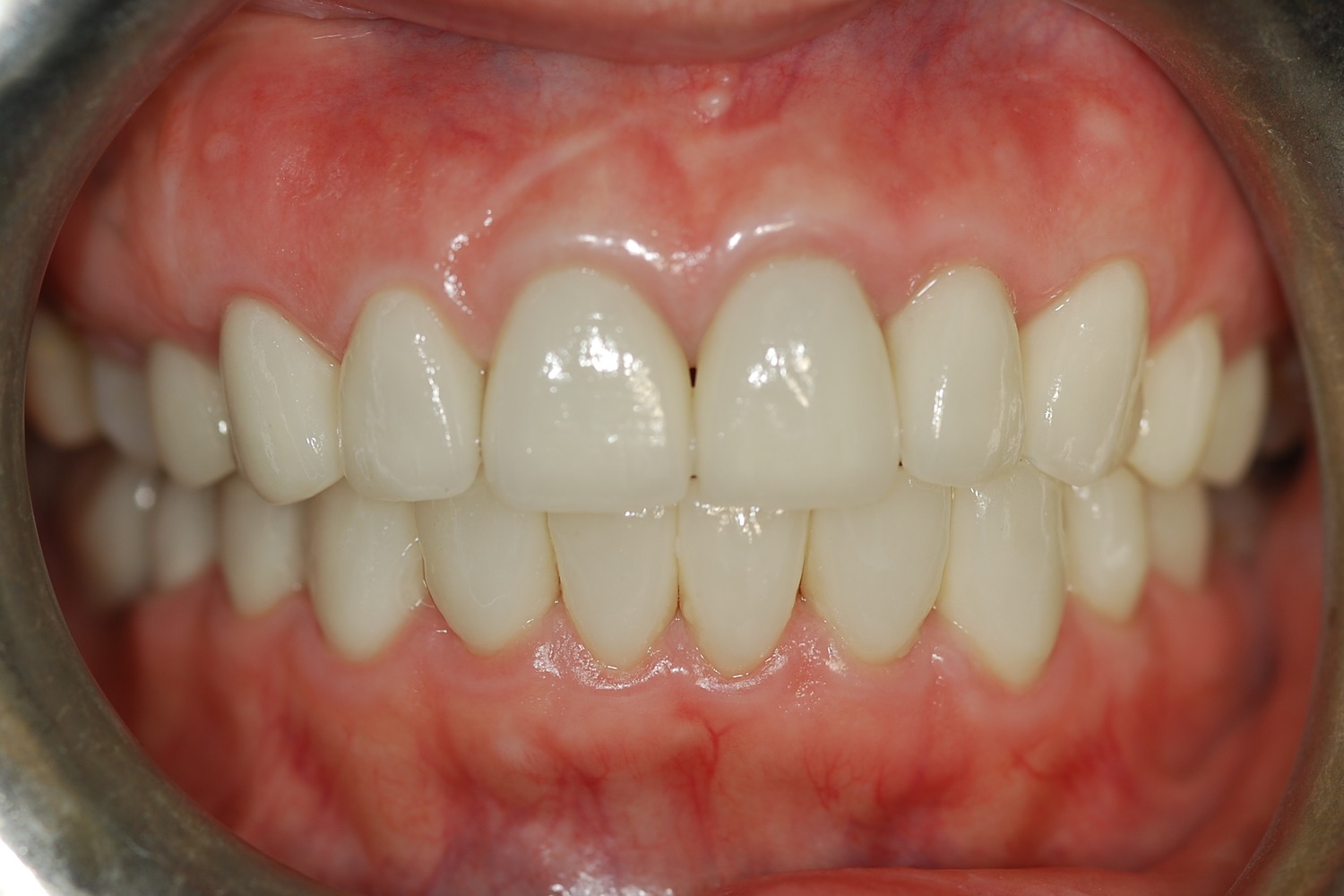
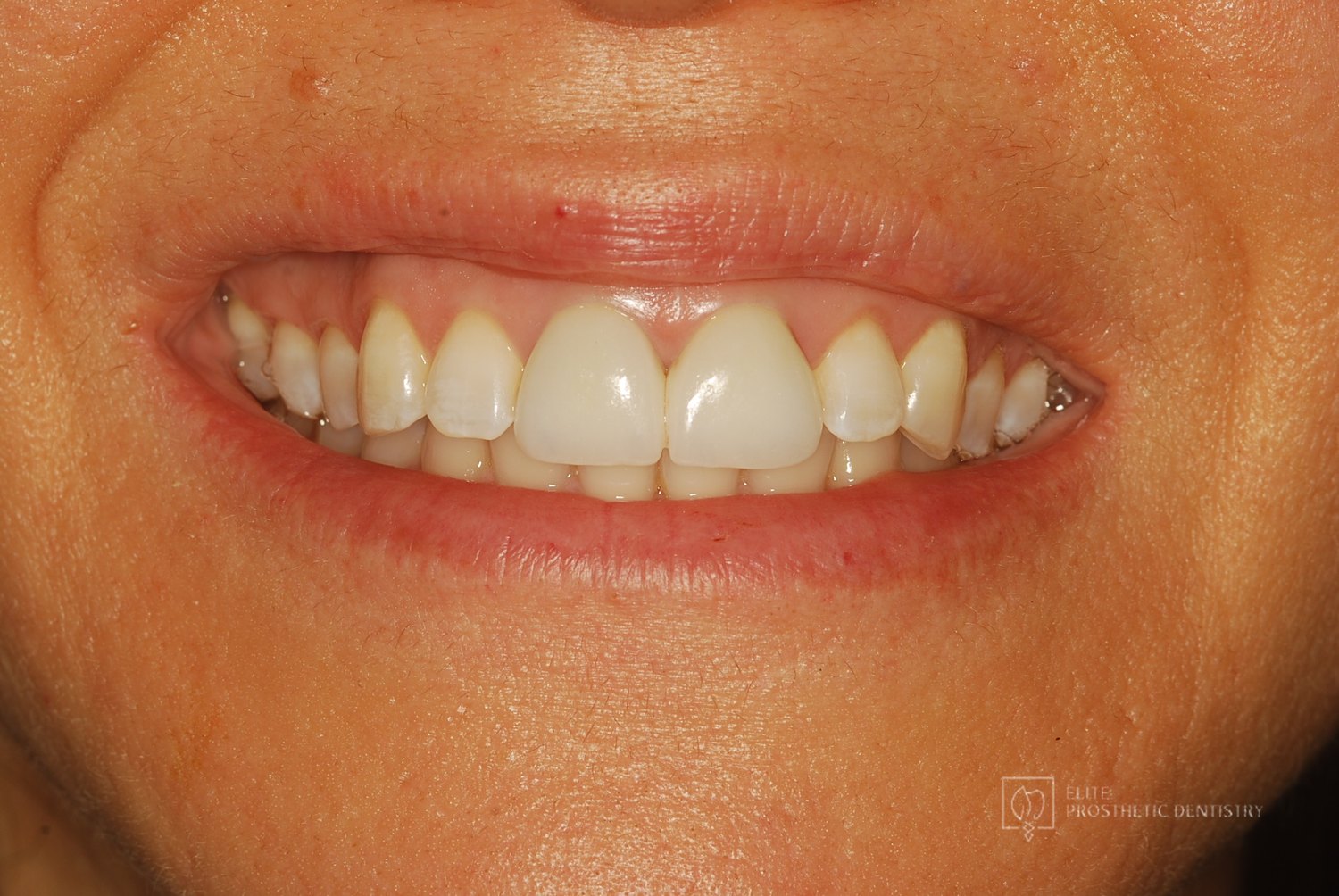
After How Aging, Opaque Restorations Were Replaced with Customized Ceramic Restorations Designed for Long-Term Natural Esthetics
The existing restorations appeared opaque, worn, and unnatural over time, affecting both confidence and overall smile harmony.
 Before
  After
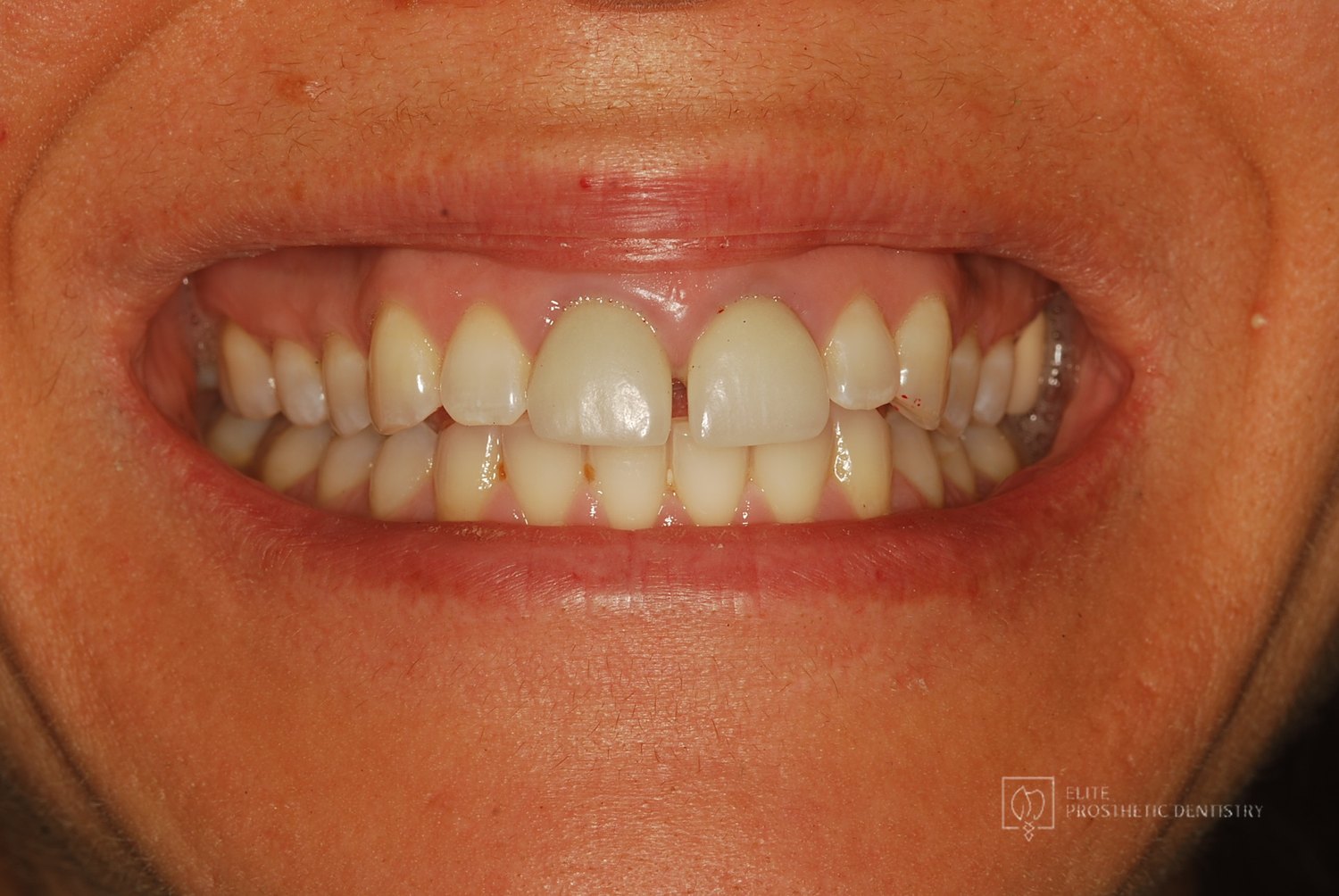
After Two Front Teeth Saved From Extraction: A Second Opinion, Custom Gold Posts, and Crowns Made to Last
Two upper central incisors with failed root canal treatment and recurrent decay had been recommended for extraction and implant replacement. A CBCT evaluation showed that removing the roots from their thin facial bone housing could create a visible esthetic defect in the gum and bone contour, made worse by the patient's high lip line.

Temporary Crowns Restore a Patient's Smile in One Day with an Immediate Smile Makeover
A patient from Potomac, Maryland came to the practice in pain from a failing dental implant whose restoration was also compromising her appearance and her confidence.
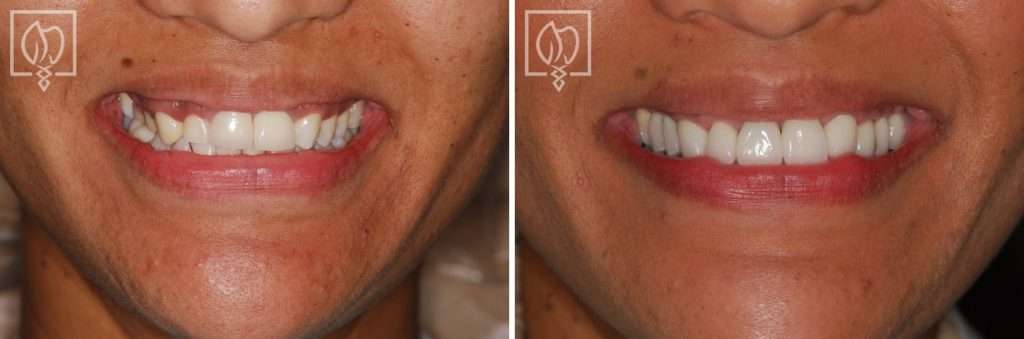
Multi-Faceted Treatment for a Patient Unhappy With the Appearance of Her Crowns, Teeth, and Gums
The patient was unhappy with how her teeth and gums affected her smile: front-tooth crowns that no longer blended with her natural teeth, a missing lateral incisor with the larger canine sitting in its space, and an uneven gum line.
Our Services in Cabin John
Beyond Dental Crowns, Cabin John patients rely on Dr. Marlin for a full range of advanced dental care.
More services available in Cabin John:
Dental Crowns Near Cabin John
Dr. Marlin also provides dental crowns services for patients in these neighboring communities.
Getting Here from Cabin John
Elite Prosthetic Dentistry is conveniently located near Cabin John, MD.
Follow MacArthur Boulevard east from Cabin John into DC toward Friendship Heights office at 4400 Jenifer Street NW, Suite 220.
Address:
4400 Jenifer Street NW, Suite 220
Washington, DC 20015
Phone: (202) 244-2101
Request a ConsultationRequest a Specialist Consultation from Cabin John
Cabin John residents come to Dr. Marlin for specialist prosthodontic care. With 3,900+ implants placed over 40+ years, evaluation, planning, and execution are handled with the depth complex cases require.