
Common Factors That Can Limit the Success of Dental Implants
Not every dental implant enjoys the same odds. Published research on long-term outcomes puts average implant success in the range of 80 to 90% [1], and the variation behind those numbers is not luck. It is a set of identifiable factors, some belonging to the patient, some to the dentistry.
At Elite Prosthetic Dentistry, our documented in-practice implant success rate is above 97% for dental implants placed more than 20 years ago, an outcome built on high-precision placement, advanced 3D imaging, and a disciplined treatment regimen. Knowing the risk factors, and managing them deliberately, is most of that story. Here are the ones that matter most.
Bone Volume and Quality
An implant can only be as stable as the bone holding it, and poor bone quality and insufficient volume are two of the top reasons implants fail [2].
The complication is that bone loss is the default after a tooth goes missing: the body steadily resorbs the bone that once held the root. The longer a gap waits, the thinner the foundation becomes, which is one of the strongest arguments for replacing a lost tooth promptly rather than someday.
When bone has already been lost, a bone graft can restore both volume and quality before placement. It adds months to the timeline and decades to the result; the mechanics are covered in our guide to bone grafting for dental implants.
Smoking or Chewing Tobacco
No lifestyle factor moves the needle like tobacco. One study found that 15.8% of implants failed in smokers, compared with just 1.4% in non-smokers [3]. That is not a marginal difference; it is an order of magnitude.
Smoking works against implants on several fronts at once: higher infection risk after surgery, slower healing, and ongoing damage to the bone and gum tissue surrounding the implant, which can drive bone loss even after a successful graft and precise placement. Tobacco use also raises the risk of periodontal disease, compounding everything above. If you smoke and want implants, this is the honest conversation we will have at your consultation, without judgment and with practical options.
The Size and Location of the Implant
Implants can replace teeth virtually anywhere in the mouth, but each site demands the right implant in the right position. Interestingly, bigger is not safer: longer or wider implants show higher failure rates when there is not enough surrounding bone to preserve circulation [4].
Placement matters more than size. An appropriately sized implant, precisely positioned in adequate bone, is the combination that heals predictably. This is why we plan every implant case, from a single implant through full-mouth reconstruction, on a CBCT scan, and use surgical guides generated from the scan where bone anatomy, esthetic demands, or proximity to nerves and sinuses call for them. Placement is also a recurring theme in what causes dental implant failure.
A History of Gum Disease
Patients with a history of periodontal disease carry a higher implant failure risk [5]. The disease must be treated and fully resolved before implant surgery; placing implants into an infected environment forfeits the game before it starts.
A periodontal history is rarely disqualifying, though. With a rigorous treatment protocol and maintenance schedule, implant therapy can succeed even after significant prior breakdown. It simply demands more discipline, from both sides of the chair.
Stack the Odds Deliberately
None of these factors operates alone, and almost all of them can be managed: bone can be rebuilt, habits can change around treatment, gum disease can be controlled, and placement precision is a choice the practice makes on your behalf. Dr. Gerald Marlin, a specialty-trained prosthodontist with more than 3,900 dental implants placed, reviews your health history and 3D imaging, then tells you exactly where your risks are and how the plan addresses them, with crowns crafted in our in-house laboratory to complete the work.
Find out whether you are a candidate and what your specific odds look like. Call 202-244-2101 or request a consultation at Elite Prosthetic Dentistry in Friendship Heights, Washington, DC.
Sources:
See How We Resolve These Problems
Our patient success stories show real cases and real results. Browse outcomes from a specialist prosthodontist with decades of experience and 3,900+ implants placed.
Key Takeaways
- ✓ Implant success is not uniform: published long-term survival averages run around 80 to 90%, and the difference is largely explained by identifiable risk factors.
- ✓ Insufficient bone volume and poor bone quality are among the top reasons implants fail; grafting can correct both before placement.
- ✓ Smoking raises failure risk dramatically. One study found 15.8% of implants failed in smokers versus 1.4% in non-smokers.
- ✓ Size and position matter: a correctly sized implant precisely placed in adequate bone has the best chance of healing and lasting.
- ✓ A history of gum disease raises risk but rarely disqualifies you; it requires treatment first and a disciplined protocol after.
Frequently Asked Questions
What is the most common reason dental implants fail?
Deficient bone is at the top of the list: poor bone quality and inadequate bone volume are two of the leading causes of implant failure. This is why thorough 3D imaging before placement, and bone grafting when the site needs it, matter more to your outcome than any other single decision.
Can I get dental implants if I smoke?
Possibly, but you should understand the numbers: research has found failure rates of 15.8% in smokers versus 1.4% in non-smokers. Smoking impairs healing, raises infection risk, and undermines the bone and gum tissue around implants. Quitting, even temporarily around surgery and healing, meaningfully improves your odds.
Can I get implants if I have had gum disease?
Usually yes, once the disease is treated and controlled. A history of periodontal disease raises the failure risk, so it must be resolved before implant surgery and managed with a rigorous hygiene protocol afterward. With that discipline, implant therapy can succeed even in patients with prior periodontal breakdown.
Does the size of the implant affect success?
It can. Research shows longer or wider implants carry higher failure risk when there is not enough bone around them to maintain blood supply. Placement quality matters more than size: an appropriately sized implant positioned precisely in adequate bone is the combination that heals best.
Related Patient Success Stories
Explore similar patient success stories demonstrating our expertise in advanced prosthetic dentistry.
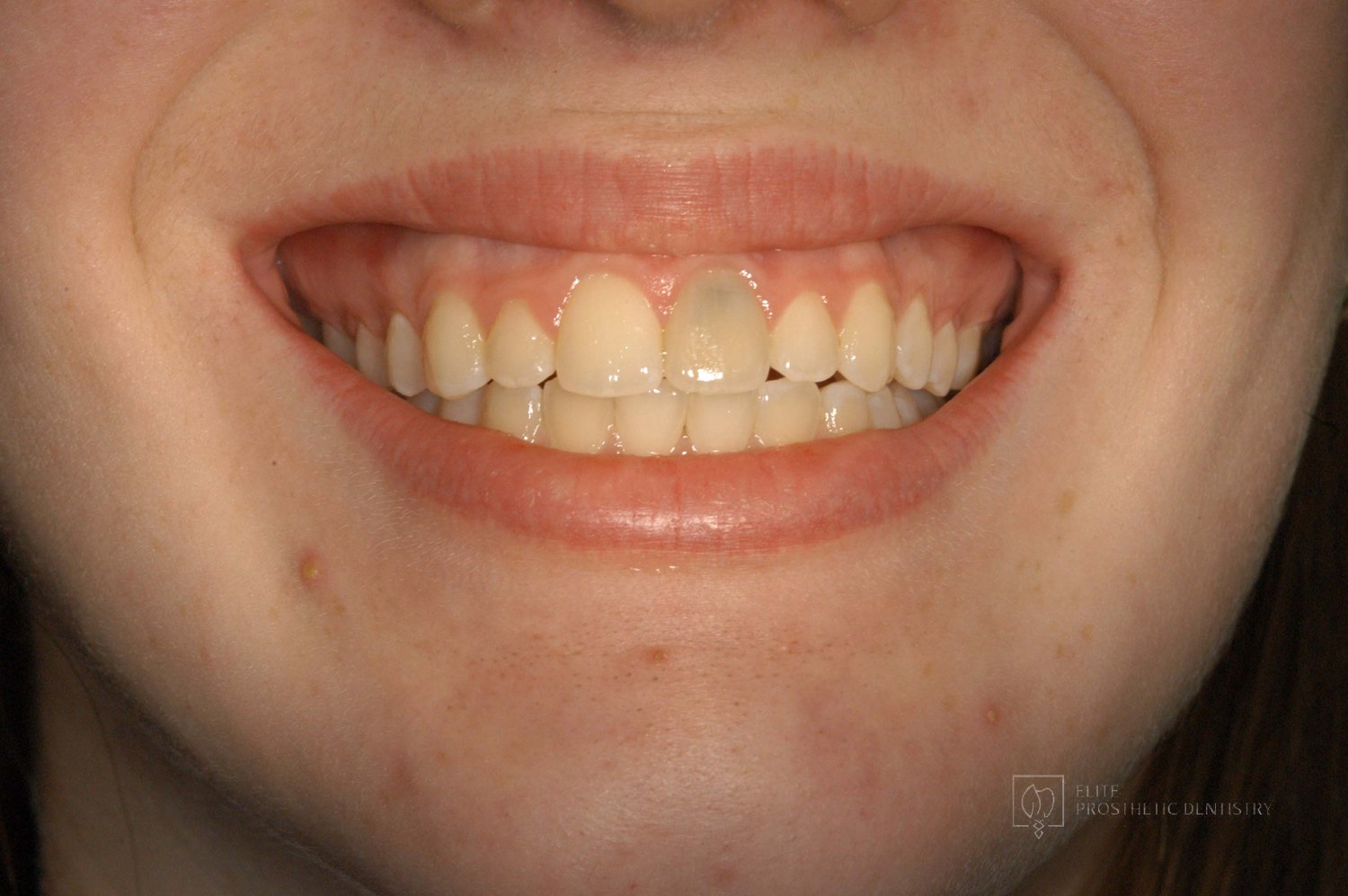 Before
 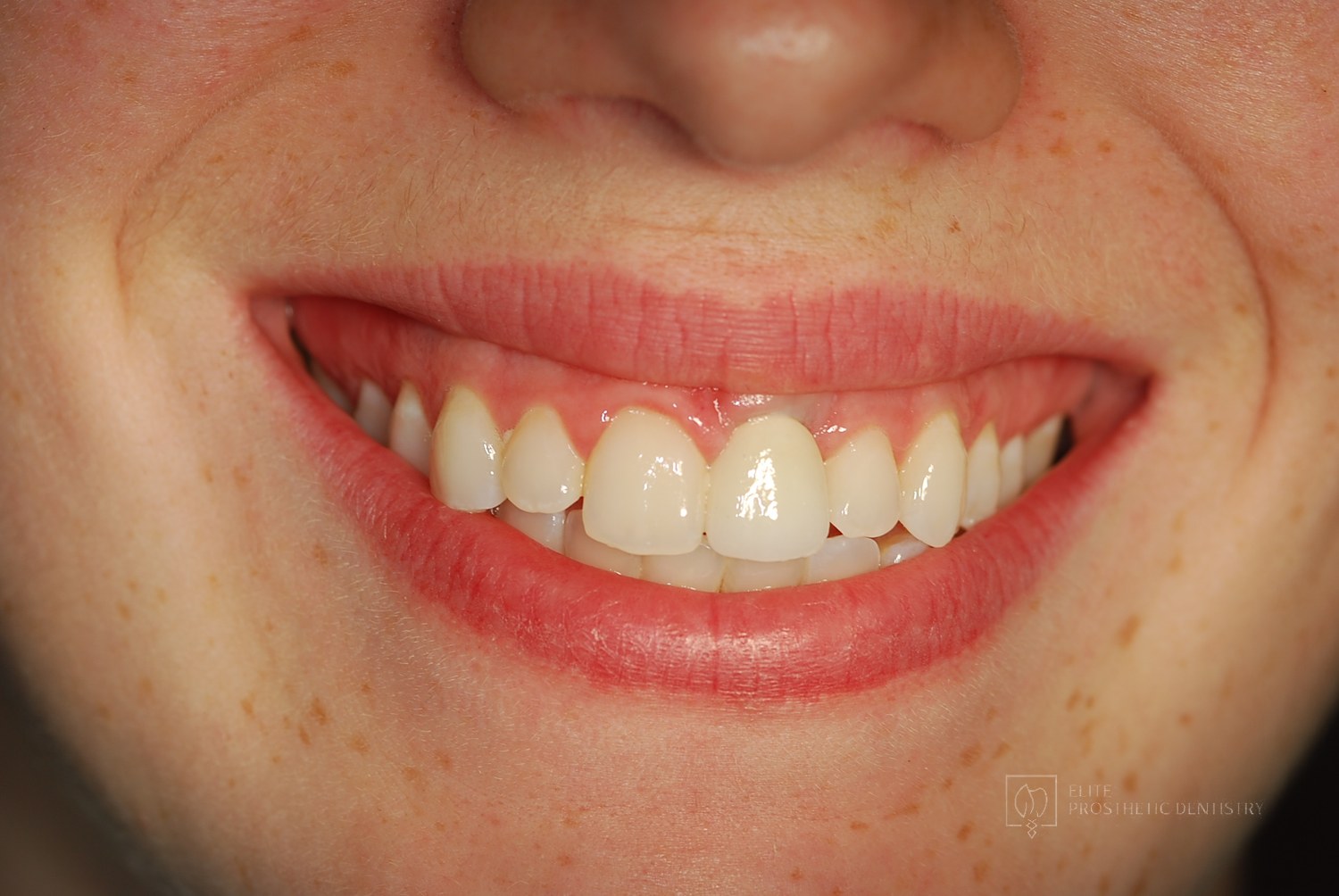 After
After How a Front Tooth Lost to Childhood Trauma Was Rebuilt with Bone Grafting and a Long-Lasting Implant
A teenager was referred by her father after earlier trauma left her upper left front tooth slowly failing from root resorption. She was still growing, so an immediate implant was the wrong move. The tooth had to be maintained to buy time, then replaced correctly once she reached skeletal maturity.
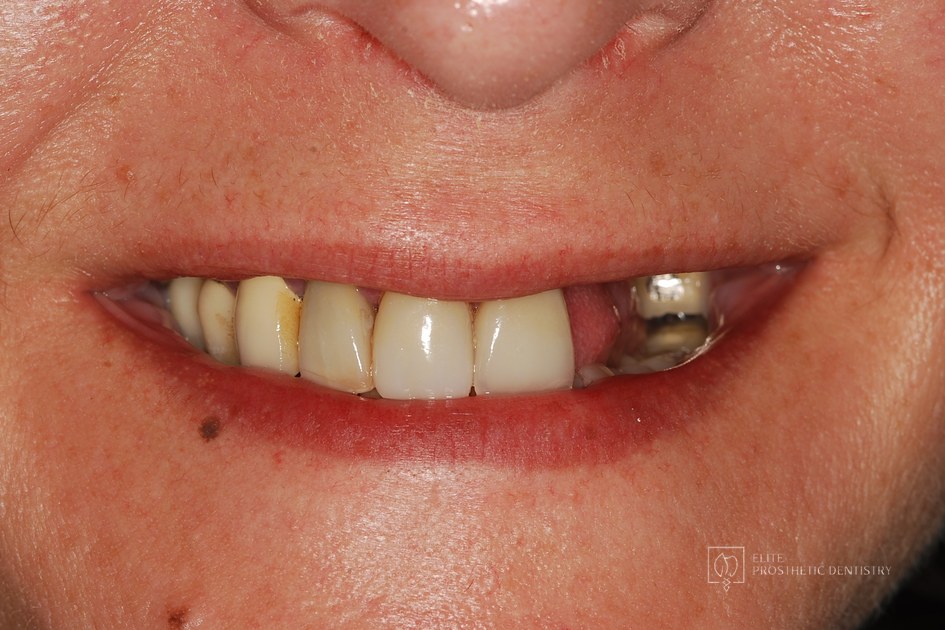 Before
 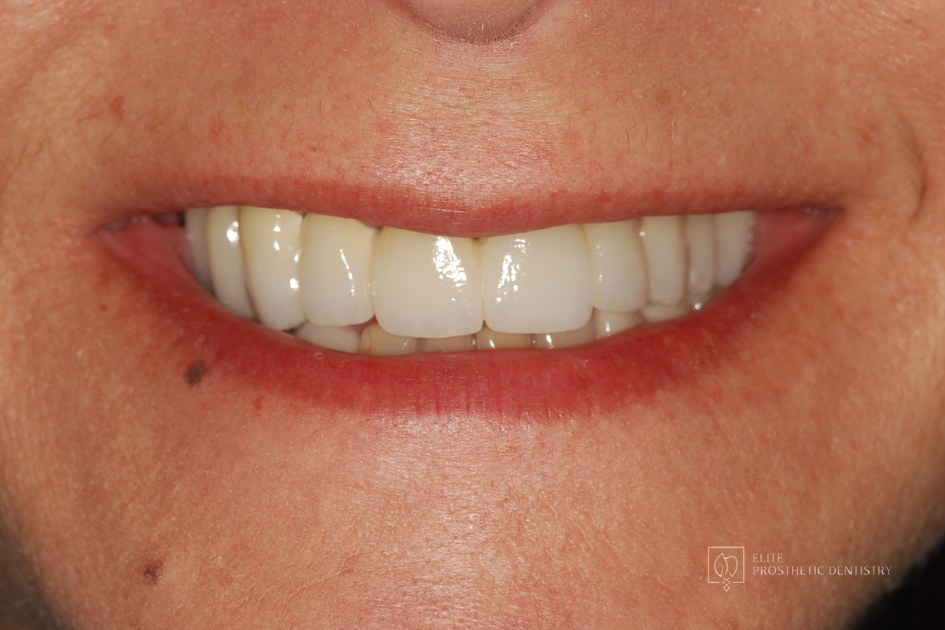 After
After Implant Supported Reconstruction: Failing Bridgework and Missing Back Teeth Rebuilt with Coordinated Specialist Care
Referred by another dental specialist with severe bone resorption on the upper left, multiple broken-down lower teeth requiring extraction, and failing lower back teeth that had left the bite without solid support. No single procedure, and no provider working in isolation, could rebuild a situation this interconnected.
 Before
  After
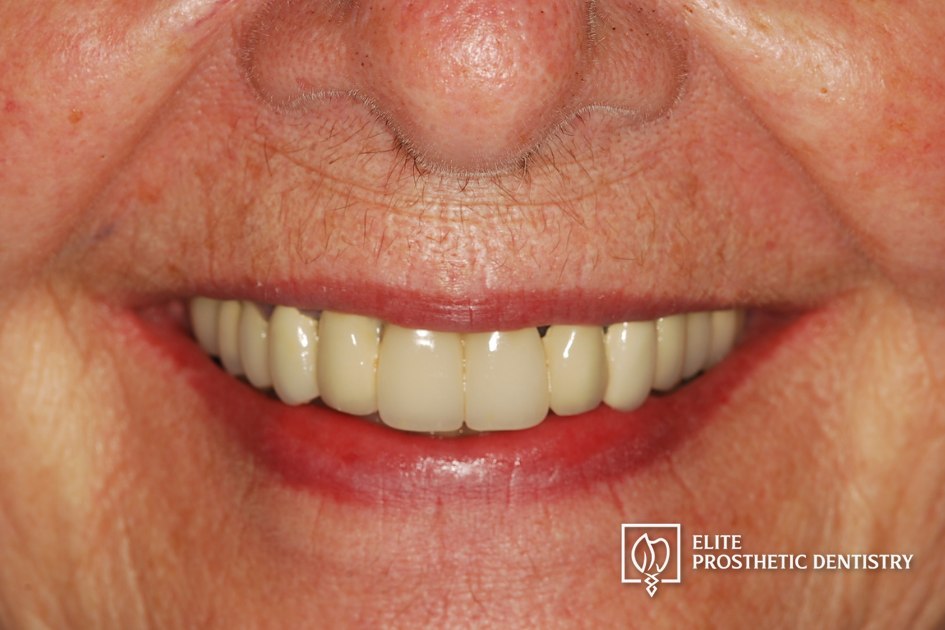
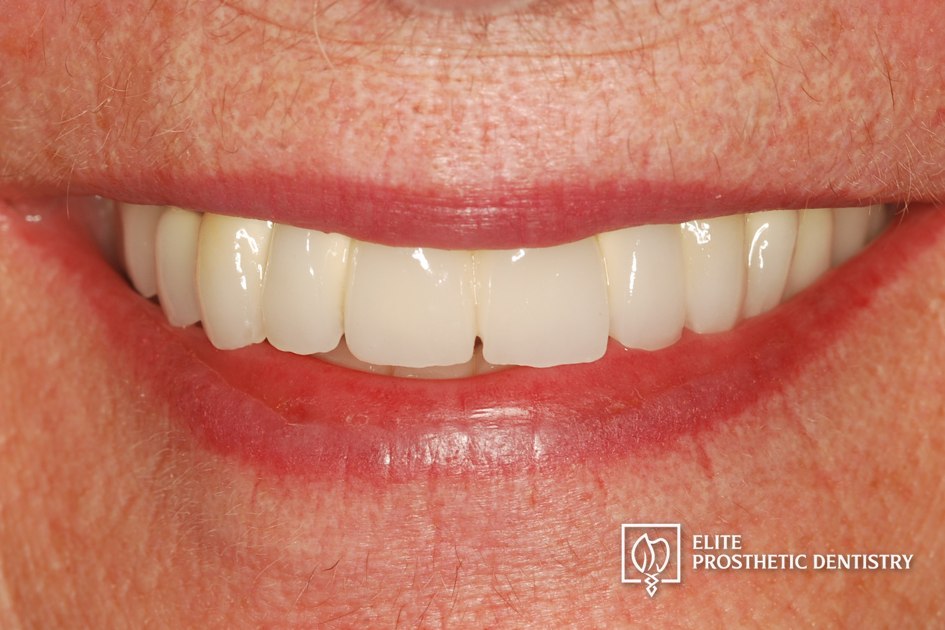
After How a Loose Upper Bridge and Aging Crowns Were Rebuilt with Staged Implant Reconstruction
A patient referred by her general dentist after years of aging dentistry no longer holding up. A loose upper bridge and crowns more than twenty years old, combined with the effects of advanced periodontal disease and severely compromised tooth abutments, required a staged surgical and restorative plan delivered with comfort planning at the same time.
Related Articles
Deepen your knowledge with additional insights on this topic.
 Bone Grafting & Surgical
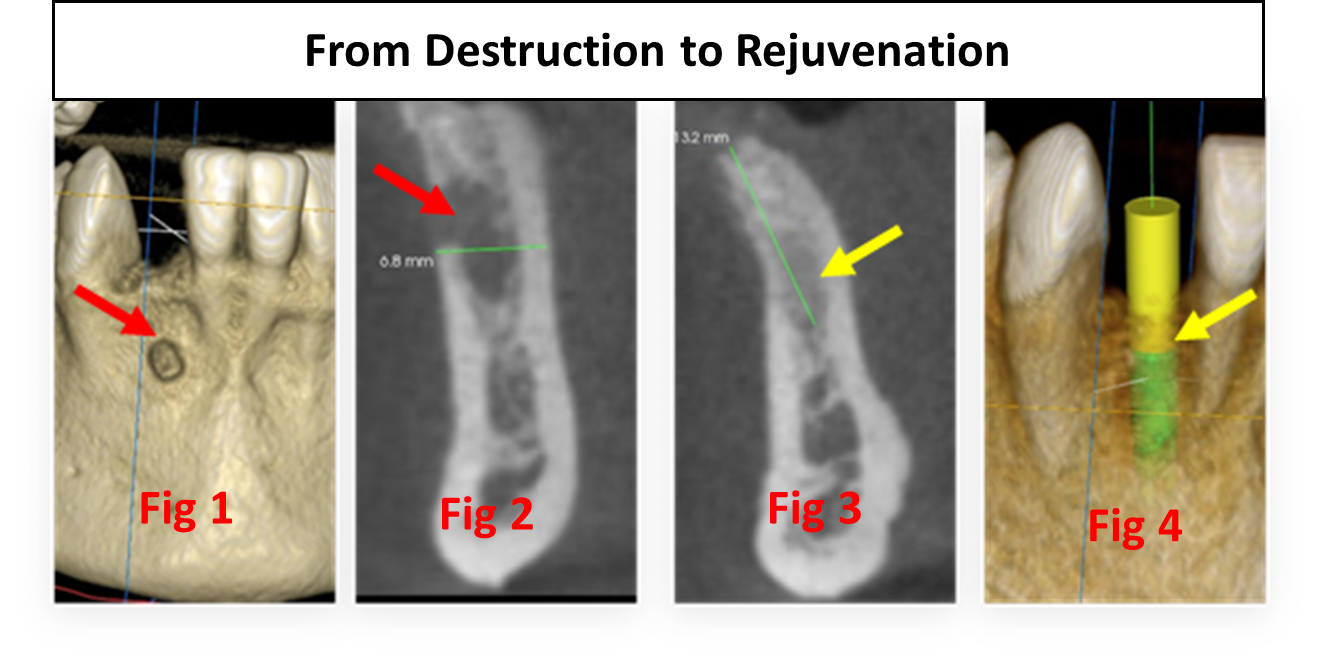
 Rebuilding a Ruined Implant Site with Severely Damaged Bone: The Three-Stage Protocol
Debridement, growth-factor grafting, CBCT-guided planning: the step-by-step protocol that turns a severely damaged implant site into a healthy ridge.
 Bone Grafting & Surgical
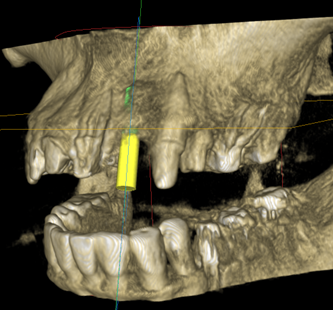
 What Is Ridge Augmentation Bone Grafting?
Ridge augmentation rebuilds a jaw ridge too narrow or angled for an implant. See real measurements from planning to precise placement. Washington DC.
 Bone Grafting & Surgical
 What Is a Partial (Internal) Sinus Lift?
A partial (internal) sinus lift adds bone at a single implant site through the implant preparation itself, often with the implant placed the same visit.