
Root Canal Awareness: The Treatment That Saves Teeth
Root Canals Are the Good News, Not the Bad
Few treatments are as misunderstood as the root canal. Many people brace for it as an ordeal to avoid at all costs, when the reality is nearly the opposite: root canal therapy relieves the pain of a damaged tooth and rescues a natural tooth that would otherwise be lost to infection. It is worth clearing up the myths, because the fear itself sometimes leads people to lose teeth they could have kept.
Prevention Comes First
The best root canal is the one you never need. Prevention remains the priority, and modern dentistry is good at it. Regular examinations let us catch decay early, gauge how deep an existing cavity runs, and monitor teeth at risk. X-rays reveal decay between teeth and other problems invisible to the eye, and cone beam CT imaging can catch subtle issues in three dimensions. Problems found early are almost always simpler and less expensive to treat.
Your daily habits carry the rest: brushing twice a day, cleaning between teeth, keeping sugar and acidic drinks infrequent. Fluoride and sealants add protection for those at higher risk. All of it reduces the odds that decay ever reaches the nerve.
When Prevention Is Not Enough
Prevention is not perfect, and sometimes, despite everyone’s best efforts, the pulp inside a tooth becomes infected or damaged. The pulp is the living tissue, blood vessels and nerves, that runs from the crown down through the roots. When bacteria reach it, usually through a deep cavity, a crack, or trauma, it becomes inflamed and begins to die. Left untreated, the infection can spread through the root tip into the surrounding bone and form a painful abscess that threatens the tooth.
The signs a tooth may need treatment include severe pain on chewing or pressure, sensitivity to hot or cold that lingers after the stimulus is removed, a darkening tooth, and swelling or tenderness in the nearby gum. Sometimes a small pimple-like bump appears on the gum near the tooth. And sometimes there are no symptoms at all, which is precisely why regular examinations matter.
What the Treatment Actually Does
Root canal therapy, also called endodontic treatment, removes the infected or inflamed pulp from inside the tooth. The dentist accesses the pulp chamber, cleans the diseased tissue from the chamber and root canals with fine instruments, then shapes and disinfects the space to eliminate remaining bacteria. The cleaned canal system is sealed with gutta-percha, a biocompatible rubber-like material that keeps bacteria from returning, and the access opening is closed. Most treated teeth then receive a crown to restore strength and protect the tooth for years, often decades, of normal function.
The Truth About the Pain
Here is the reversal worth remembering: a root canal relieves pain, it does not create it. The pain that drives people to seek treatment comes from the inflamed nerve and the pressure of infection around the root. Once that diseased tissue is removed, the pain resolves. Modern anesthesia makes the procedure comparable to having a filling placed; the tooth and surrounding tissue are thoroughly numbed, and you remain comfortable throughout. The relief afterward, especially for patients who had been losing sleep to a toothache, is often the most memorable part.
Recovery and the Bigger Picture
Most people return to their normal day after treatment. There may be mild tenderness for a few days, manageable with over-the-counter pain relievers, and you should avoid heavy chewing on the tooth until it is fully restored, since an unrestored tooth is more prone to fracture.
Saving the natural tooth is almost always worth it. A preserved tooth maintains the bone around its root, keeps normal jaw function, and feels like what it is, your own tooth. When a tooth truly cannot be saved, a dental implant is an outstanding replacement, but keeping your own tooth remains the first goal whenever it is predictable.
If you have a toothache or a tooth that has you worried, do not wait it out. Call 202-244-2101 or request an appointment at Elite Prosthetic Dentistry in Friendship Heights, Washington, DC. Prompt diagnosis is what keeps a savable tooth savable.
See How We Resolve These Problems
Our patient success stories show real cases and real results. Browse outcomes from a specialist prosthodontist with decades of experience and 3,900+ implants placed.
Key Takeaways
- ✓ Root canal therapy relieves the pain of an infected tooth rather than causing it, and it saves a natural tooth that would otherwise be lost.
- ✓ Prevention comes first: regular examinations and daily hygiene catch decay before it reaches the nerve, when treatment is simpler.
- ✓ Warning signs include lingering sensitivity to hot or cold, pain on chewing, a darkening tooth, or a pimple-like bump on the gum, though some infected teeth have no symptoms.
- ✓ A treated tooth is usually restored with a crown, and a preserved natural tooth typically serves better and longer than an extraction and replacement.
Frequently Asked Questions
Does a root canal hurt?
A root canal relieves pain rather than causing it. The discomfort people associate with the procedure actually comes from the infected or inflamed nerve inside the tooth. With modern anesthesia the tooth and surrounding tissue are fully numbed during treatment, and most patients compare the experience to having a filling placed. Mild tenderness for a few days afterward is normal and manageable.
How do I know if I need a root canal?
Common signs include prolonged sensitivity to hot or cold that lingers after the stimulus is gone, pain when chewing or applying pressure, a tooth that is darkening, swelling or tenderness in the nearby gum, or a small pimple-like bump on the gum. Some teeth that need treatment have no symptoms at all, which is why regular examinations and X-rays matter.
Is it better to save a tooth with a root canal or extract it?
Whenever a tooth can be predictably saved, keeping your natural tooth is usually the better choice. It preserves the surrounding bone, maintains normal function, and avoids the need for replacement. Extraction is sometimes unavoidable, and a dental implant is an excellent replacement when it is, but a healthy restored natural tooth is hard to improve upon.
Related Patient Success Stories
Explore similar patient success stories demonstrating our expertise in advanced prosthetic dentistry.
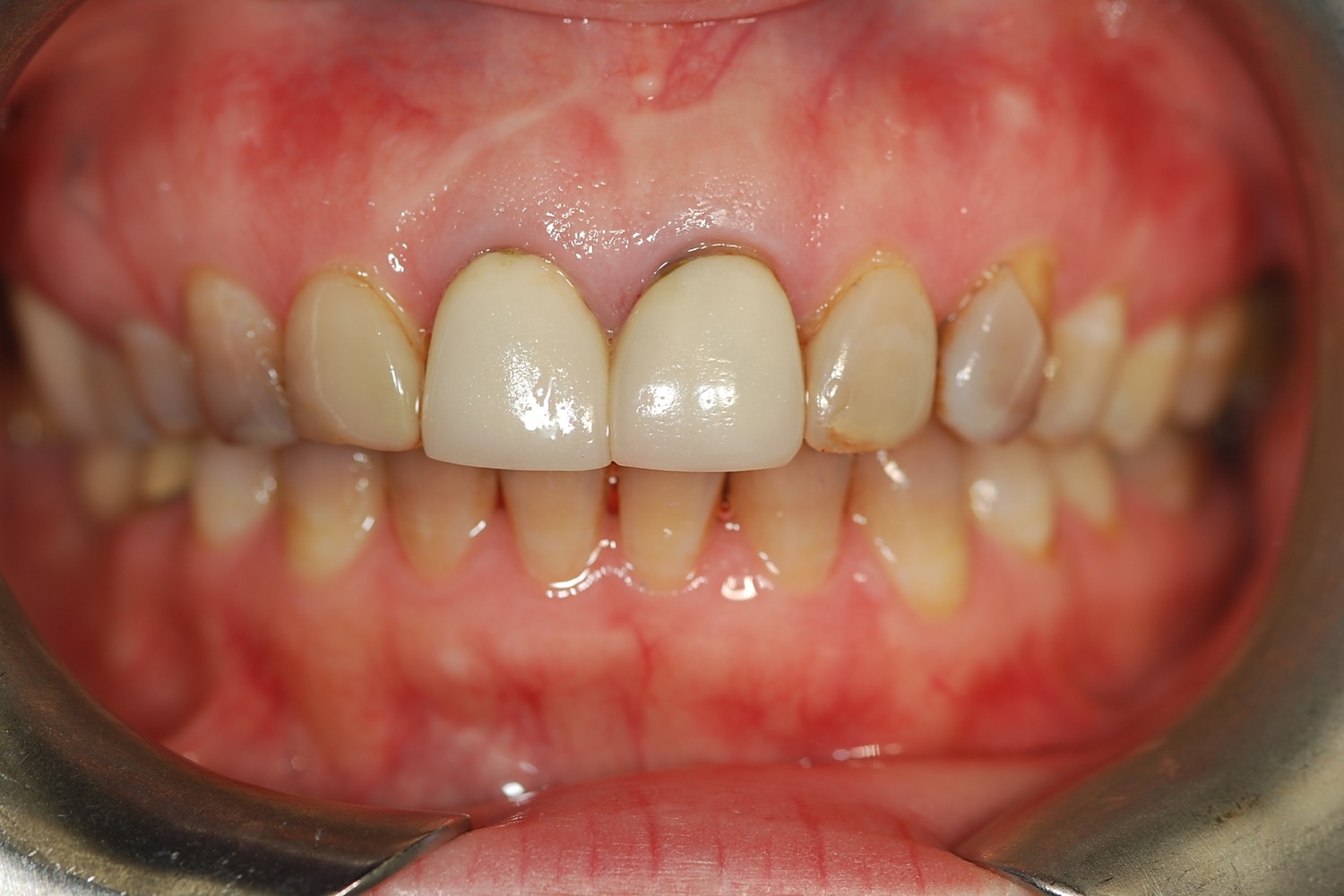 Before
 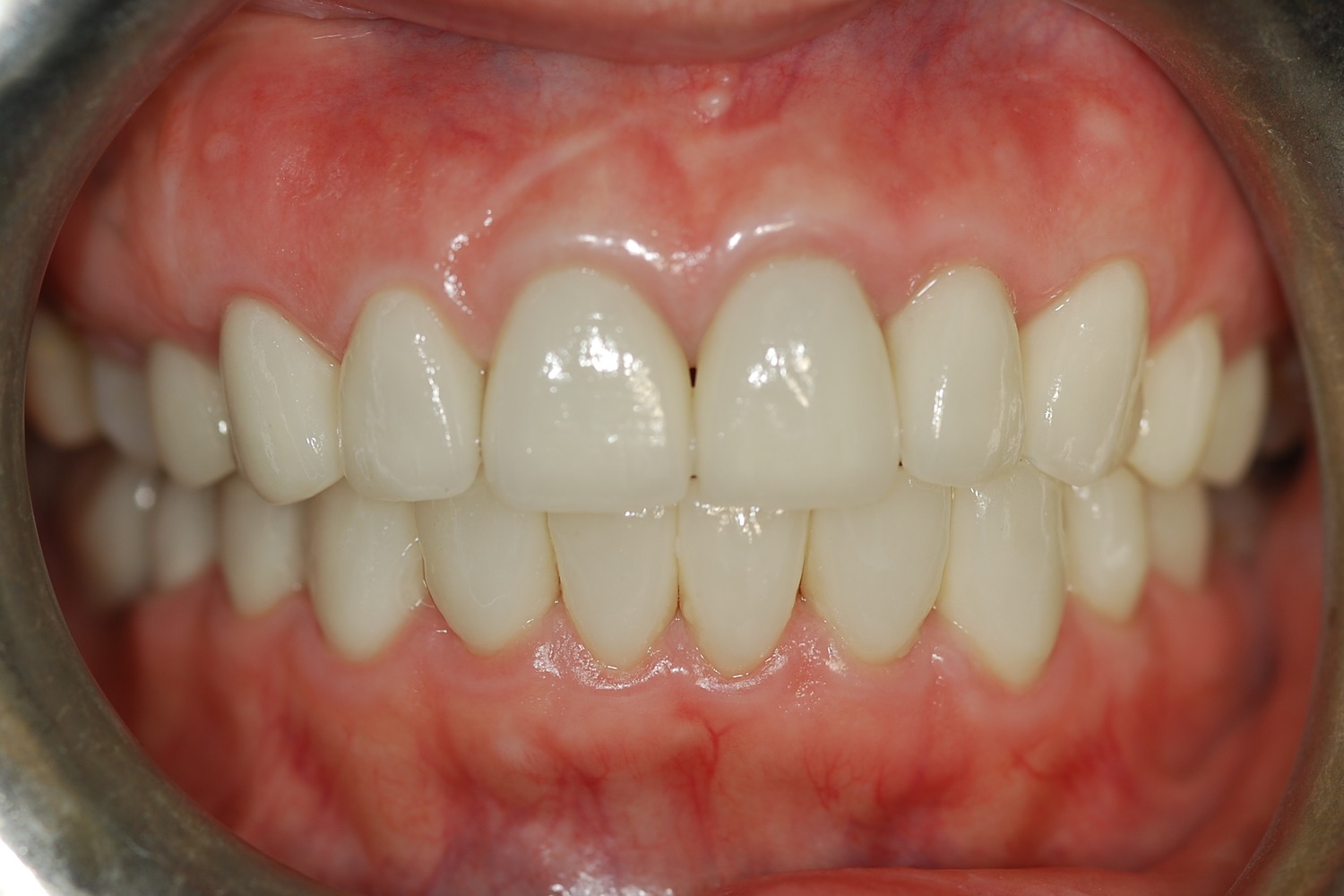 After
After How Aging, Opaque Restorations Were Replaced with Customized Ceramic Restorations Designed for Long-Term Natural Esthetics
The existing restorations appeared opaque, worn, and unnatural over time, affecting both confidence and overall smile harmony.
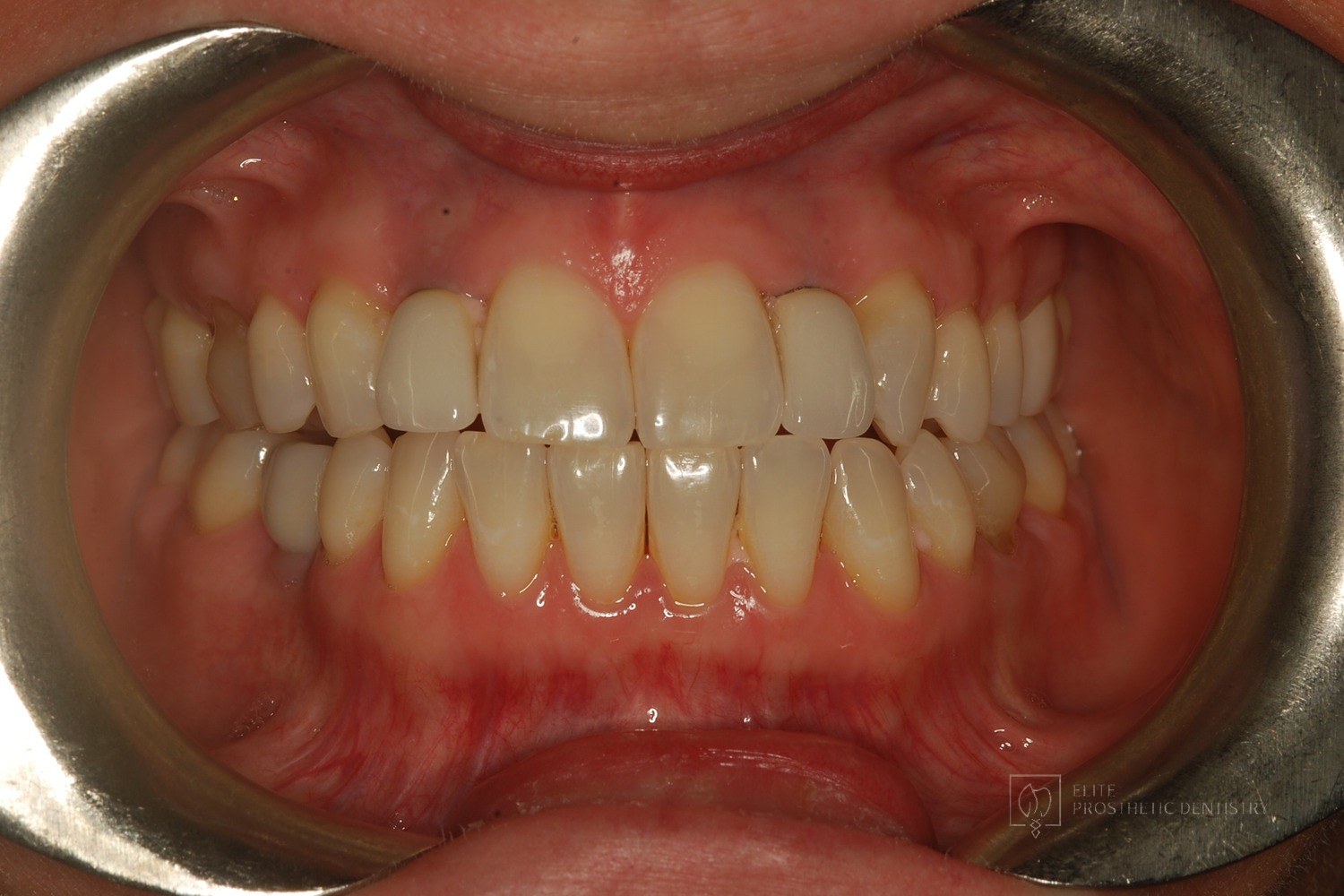 Before
 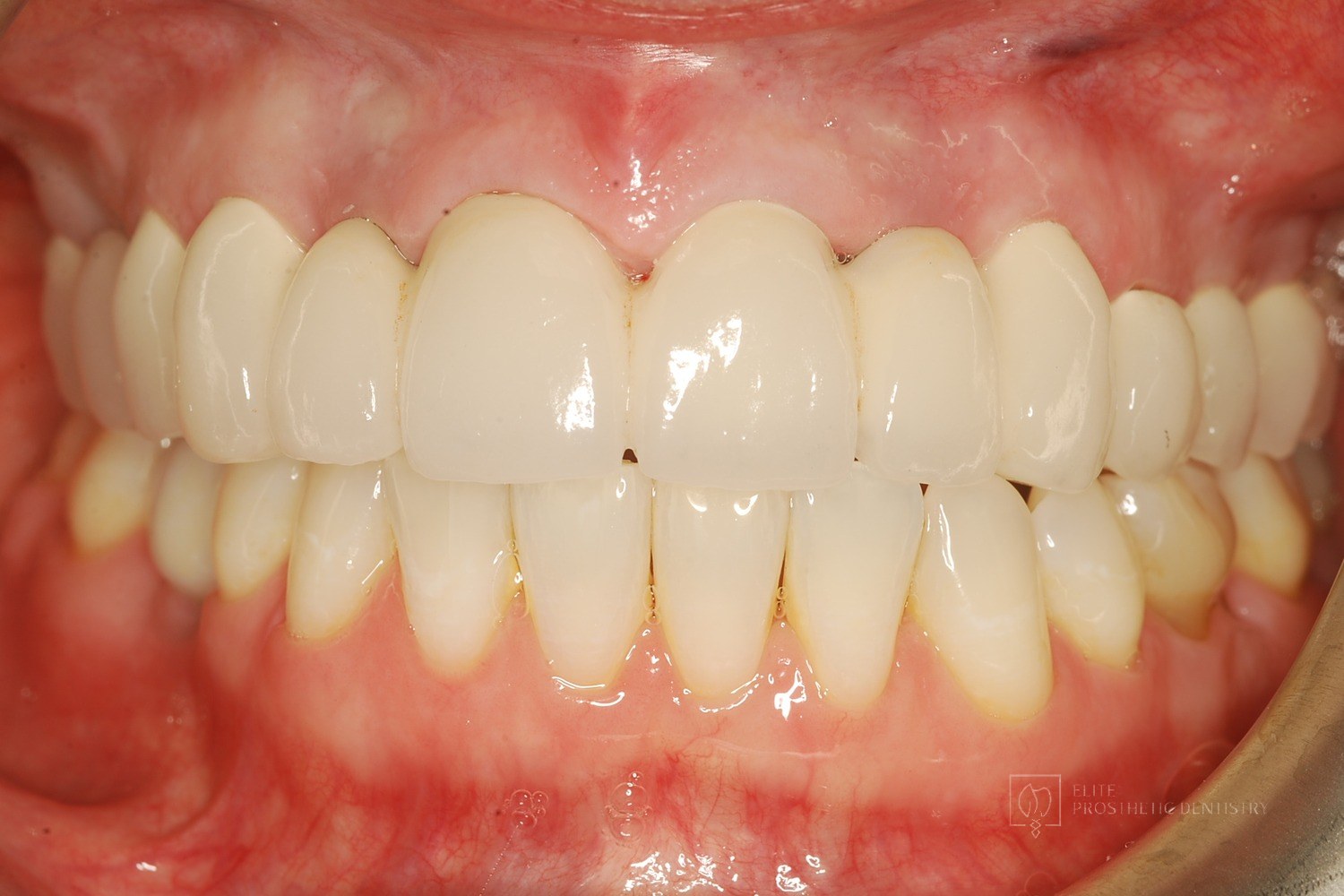 After
After How Older Implant Crowns Were Redesigned for a Better Bite and More Natural Appearance
The patient came in after years of living with implant-supported crowns placed more than twenty years earlier that no longer looked or functioned well. CBCT evaluation, reviewed with a radiologist colleague, showed the implants had been placed too far to the buccal in very thin bone and could not support a healthy long-term restoration.
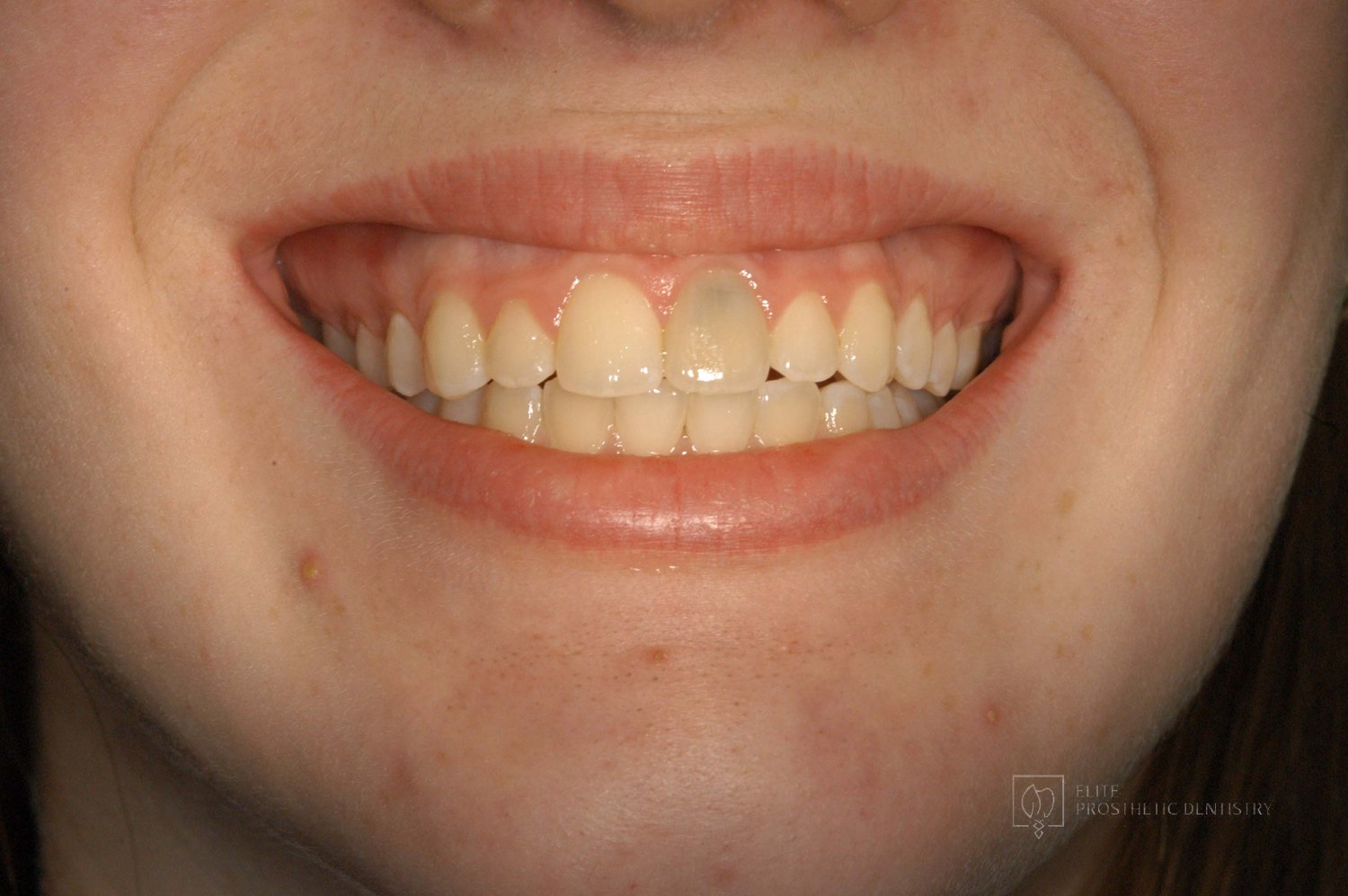 Before
 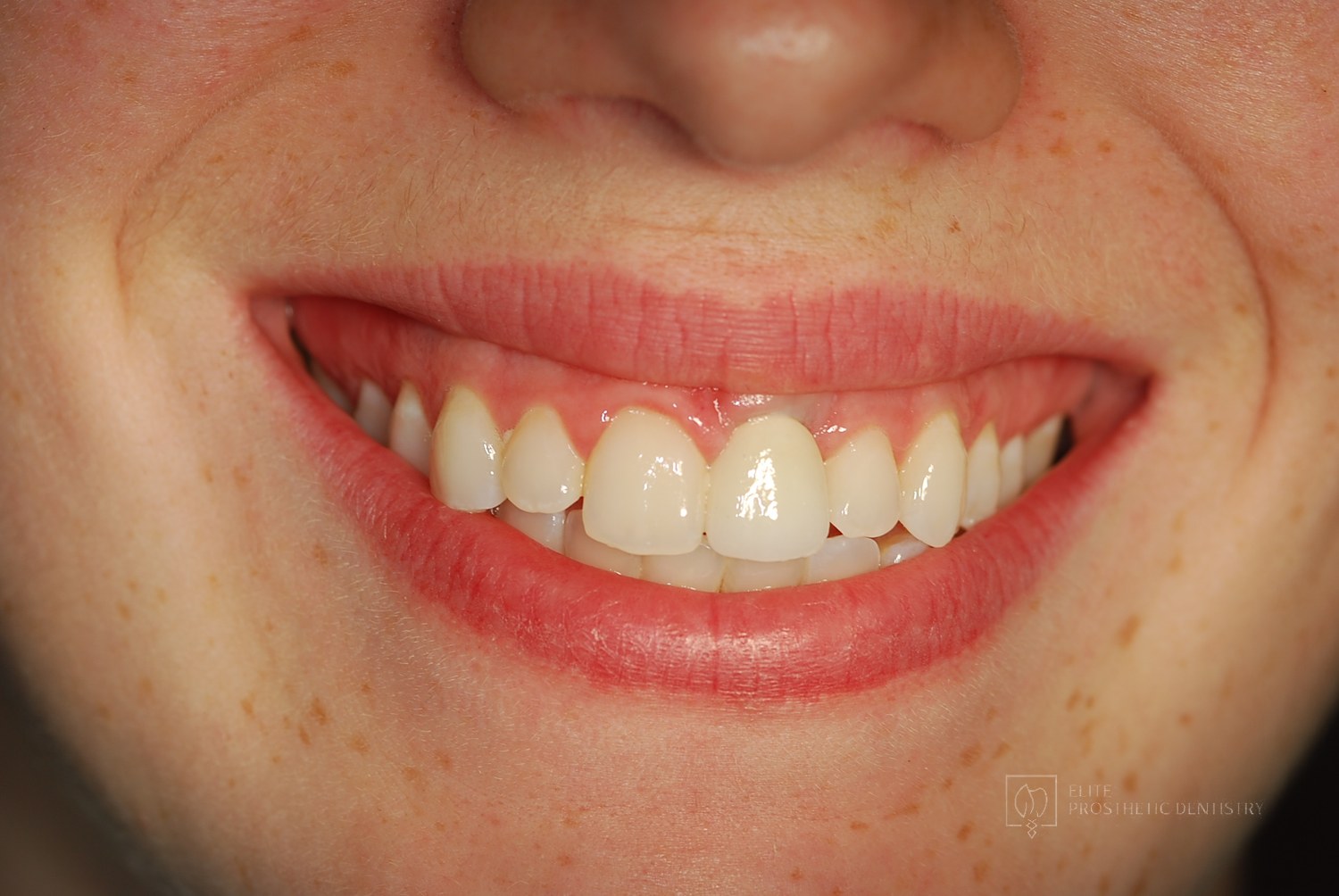 After
After How a Front Tooth Lost to Childhood Trauma Was Rebuilt with Bone Grafting and a Long-Lasting Implant
A teenager was referred by her father after earlier trauma left her upper left front tooth slowly failing from root resorption. She was still growing, so an immediate implant was the wrong move. The tooth had to be maintained to buy time, then replaced correctly once she reached skeletal maturity.
Related Articles
Deepen your knowledge with additional insights on this topic.
 Oral Health & Prevention
 Common Misconceptions About Gum (Periodontal) Disease: Myths vs. Facts
Bleeding gums are normal? Only older adults get gum disease? A DC prosthodontist corrects eight common myths about periodontal disease signs and treatment.
 Oral Health & Prevention
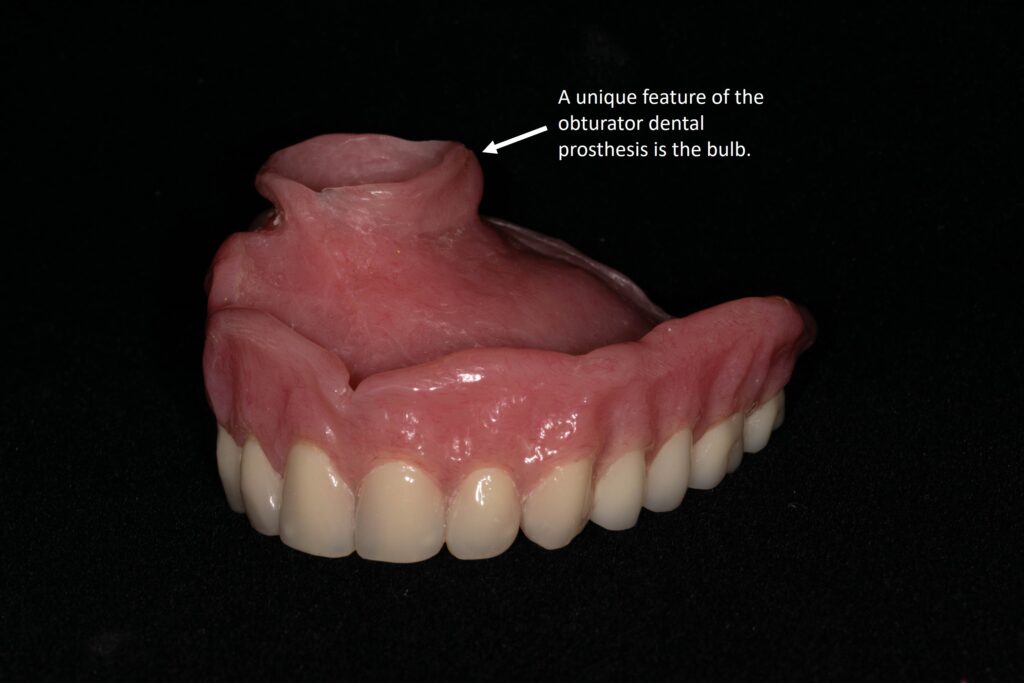
 Understanding Palatal Obturators for Openings in the Roof of the Mouth
A palatal obturator seals an opening in the roof of the mouth from cleft palate, surgery, or trauma. A DC prosthodontist explains how they work and their care.
 Oral Health & Prevention
 Dental Hygiene Care Is Not a 'One-Size-Fits-All' Process
The right hygiene routine depends on your gums, your risk factors, and your dental work. A DC prosthodontist explains why personalized hygiene care matters.