
High Quality H2O: Why Water Is the Best Drink for Your Teeth
The Cheapest Preventive Dentistry Available
Your body is roughly 60% water, and your mouth is one of the first places hydration shows. Beyond everything water does systemically, it delivers specific, measurable benefits to your teeth and gums. Choosing water over other beverages may be the simplest high-value preventive step you can take.
Every Sip Is a Rinse
Each drink of water flows across teeth and gums, clearing food particles and diluting the acids that bacteria produce after meals. Those acids lower the pH at the tooth surface and pull minerals out of enamel; water nudges the pH back toward neutral and shortens each acid attack.
That matters because most of us brush only morning and night, while our teeth face acid challenges all day. Sipping water through the day, and especially after eating, extends protection through the long hours your toothbrush is not on duty.
The Fluoride Advantage
Most municipal water supplies are fluoridated at levels endorsed by the American Dental Association and public health authorities. Fluoride incorporates into enamel and makes it more resistant to acid, supports remineralization of early-stage decay before it becomes a cavity, and dampens the acid production of decay-causing bacteria. According to the CDC, community water fluoridation reduces tooth decay by roughly 25% across a lifetime, and the decline in tooth loss since fluoridation became widespread has been dramatic. Extensive tooth loss and dentures were once considered a normal part of aging; fluoride is a large part of why they no longer are.
One caution: many home filtration systems and most bottled waters remove or lack fluoride. Filtering for taste is fine, but if filtered or bottled water is all you drink, mention it at your examination so we can assess whether you are getting adequate fluoride protection.
Water Fights Dry Mouth
Saliva is the mouth’s built-in defense system. It rinses away bacteria, buffers acids, delivers calcium and phosphate that remineralize enamel, and carries antimicrobial proteins. When saliva flow drops, a condition called xerostomia, cavity risk climbs and oral tissues become vulnerable. Dry mouth also makes dentures uncomfortable and complicates life around dental implant restorations, where healthy, well-lubricated tissue matters.
Consistent hydration is the first-line remedy. When your mouth feels dry, water rehydrates the tissues and stimulates saliva flow rather than feeding bacteria the way sugary drinks do. If dryness persists despite good hydration, medications are a common culprit; talk with your physician, and tell us so we can recommend additional protective measures.
Zero Sugar, Zero Acid, Zero Help for Bacteria
Soda, juice, energy drinks, sweet tea, and many flavored waters combine sugar with acidity, a genuinely damaging pair, and sipping them slowly keeps teeth under attack for as long as the habit lasts. Water carries no calories, no sugar, and no acid. Swapping it in for even one daily sugary drink is a meaningful upgrade for your teeth. If plain water bores you, unsweetened tea is a reasonable alternative, and be aware that heavy citrus flavoring adds acidity of its own.
As for quantity, the old eight-glasses rule is a decent starting point, but steady sipping through the day serves your mouth better than any single target volume.
A Simple Habit With Compounding Returns
Water will not replace brushing, flossing, or professional care, but it quietly supports all three, and it protects restorations and natural teeth alike. For more on the daily habits that compound over decades, see our tips for a healthier smile.
If you have questions about fluoride, dry mouth, or your overall oral health, or it is simply time for an examination, call 202-244-2101 or request an appointment with Elite Prosthetic Dentistry in Friendship Heights, Washington, DC.
See How We Resolve These Problems
Our patient success stories show real cases and real results. Browse outcomes from a specialist prosthodontist with decades of experience and 3,900+ implants placed.
Key Takeaways
- ✓ Every sip of water is a small oral rinse: it clears food debris and dilutes the acids that demineralize enamel between brushings.
- ✓ Most municipal tap water carries fluoride, which strengthens enamel and helps remineralize early decay. Many home filters and bottled waters do not.
- ✓ Adequate hydration supports saliva, the mouth's built-in defense system, which matters especially for people with dry mouth, dentures, or implants.
- ✓ Replacing sugary and acidic drinks with water is one of the highest-value dietary changes you can make for your teeth.
Frequently Asked Questions
Is tap water or bottled water better for your teeth?
Fluoridated tap water generally serves teeth better. Most municipal supplies contain fluoride at levels shown to strengthen enamel and reduce decay, while many bottled and filtered waters contain little or none. If you drink primarily filtered or bottled water, ask about your fluoride exposure at your next examination.
Does drinking water really prevent cavities?
It helps meaningfully. Water physically rinses away food debris, dilutes and buffers the acids bacteria produce after you eat, supports the saliva that remineralizes enamel, and, when fluoridated, delivers a mineral that makes enamel more acid-resistant. Water does not replace brushing and flossing, but it extends protection through the hours between them.
How does dry mouth affect dental health?
Saliva washes away bacteria, buffers acid, and bathes teeth in minerals, so reduced saliva raises the risk of decay, gum problems, and discomfort with dentures or implant restorations. Consistent hydration is the first defense. If dryness persists, often from medications, tell both your dentist and your physician; do not stop a medication on your own.
Related Patient Success Stories
Explore similar patient success stories demonstrating our expertise in advanced prosthetic dentistry.
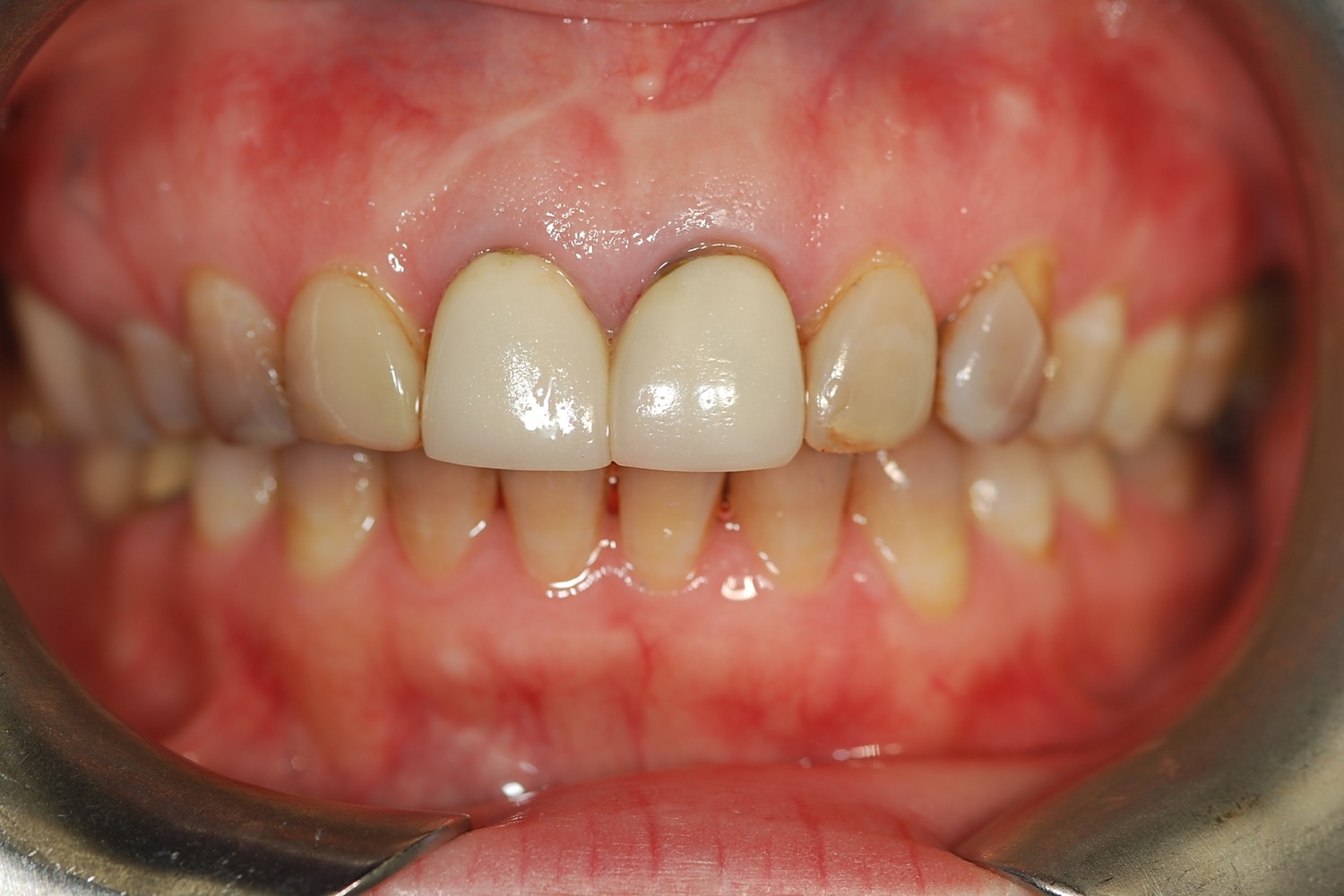 Before
 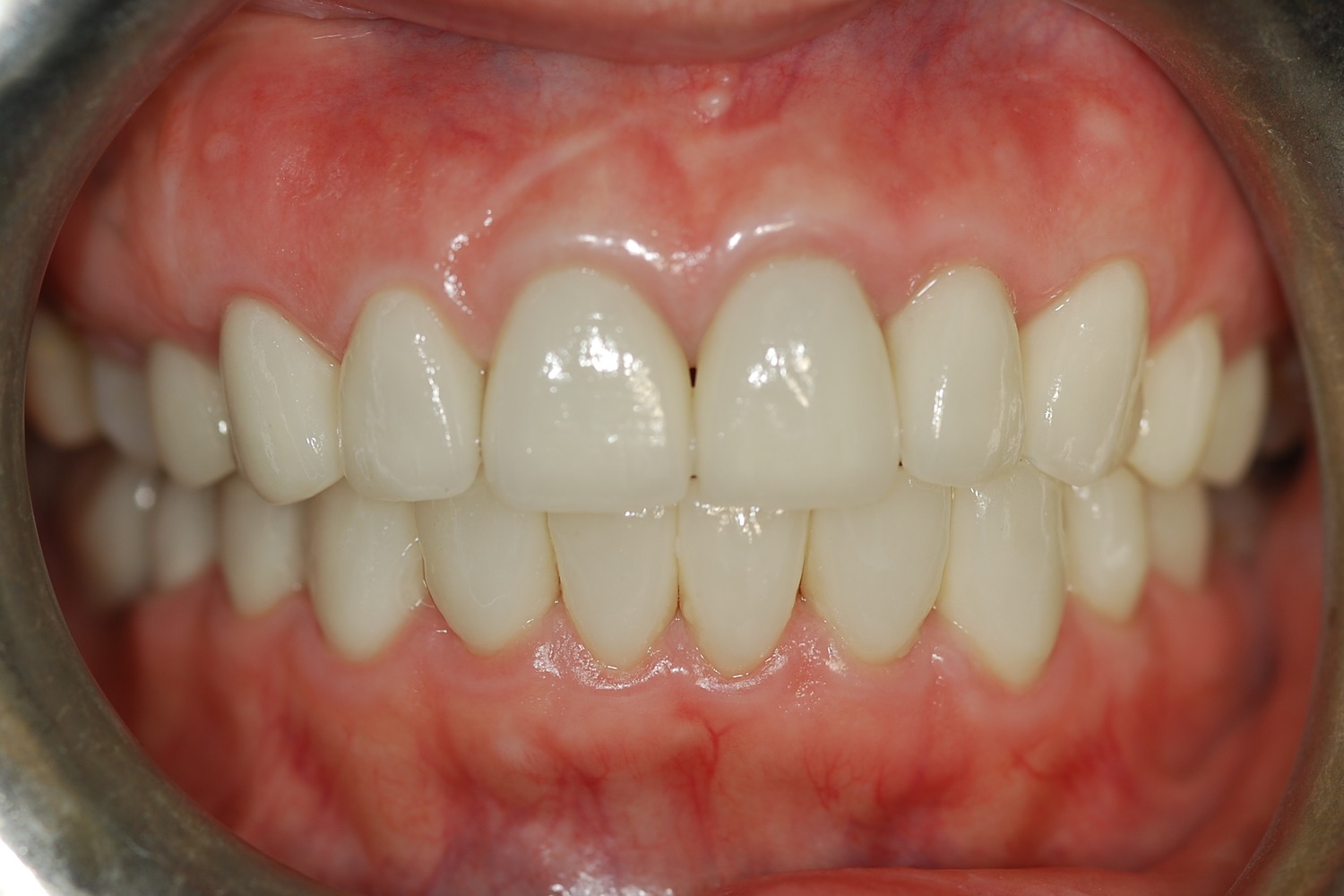 After
After How Aging, Opaque Restorations Were Replaced with Customized Ceramic Restorations Designed for Long-Term Natural Esthetics
The existing restorations appeared opaque, worn, and unnatural over time, affecting both confidence and overall smile harmony.
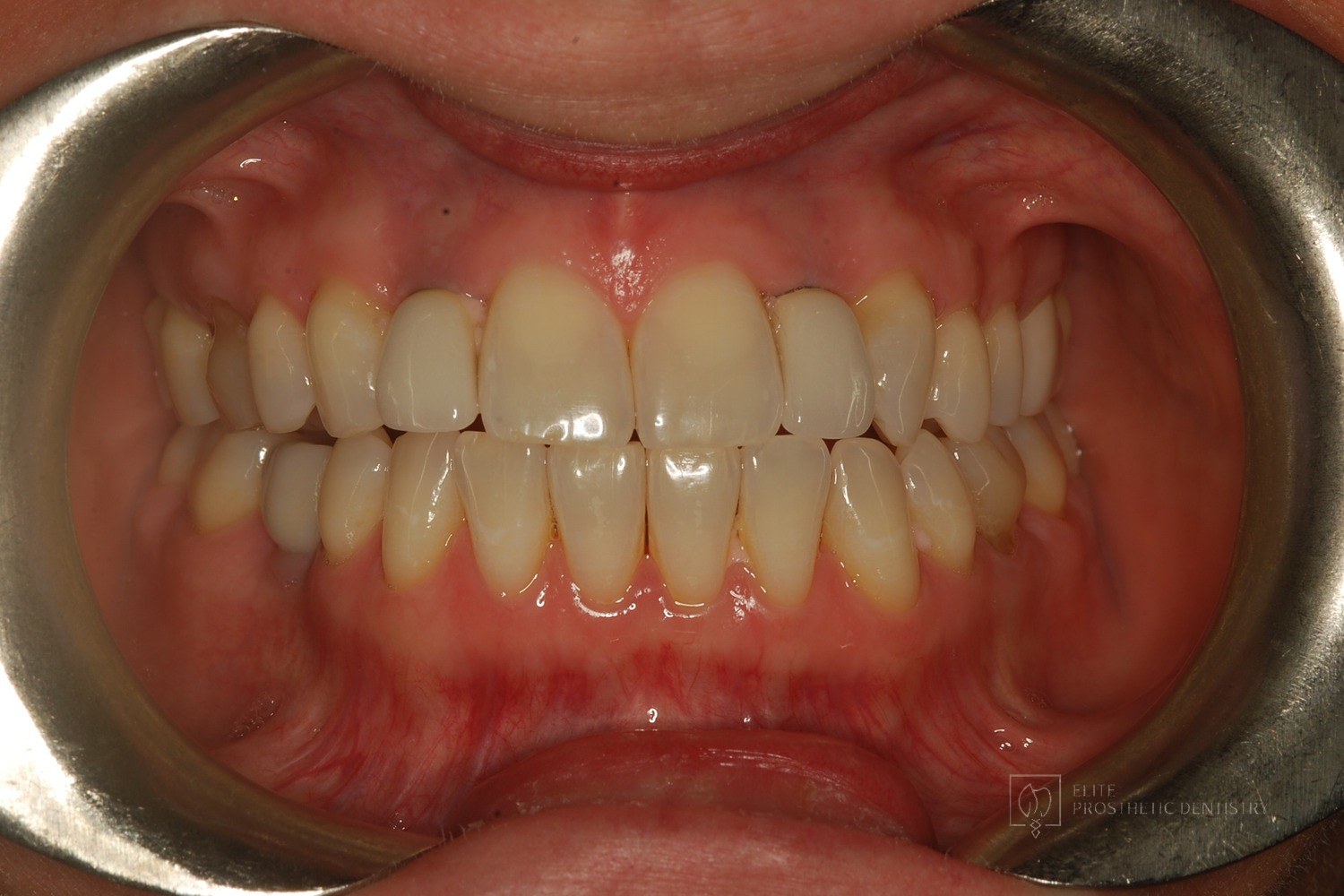 Before
 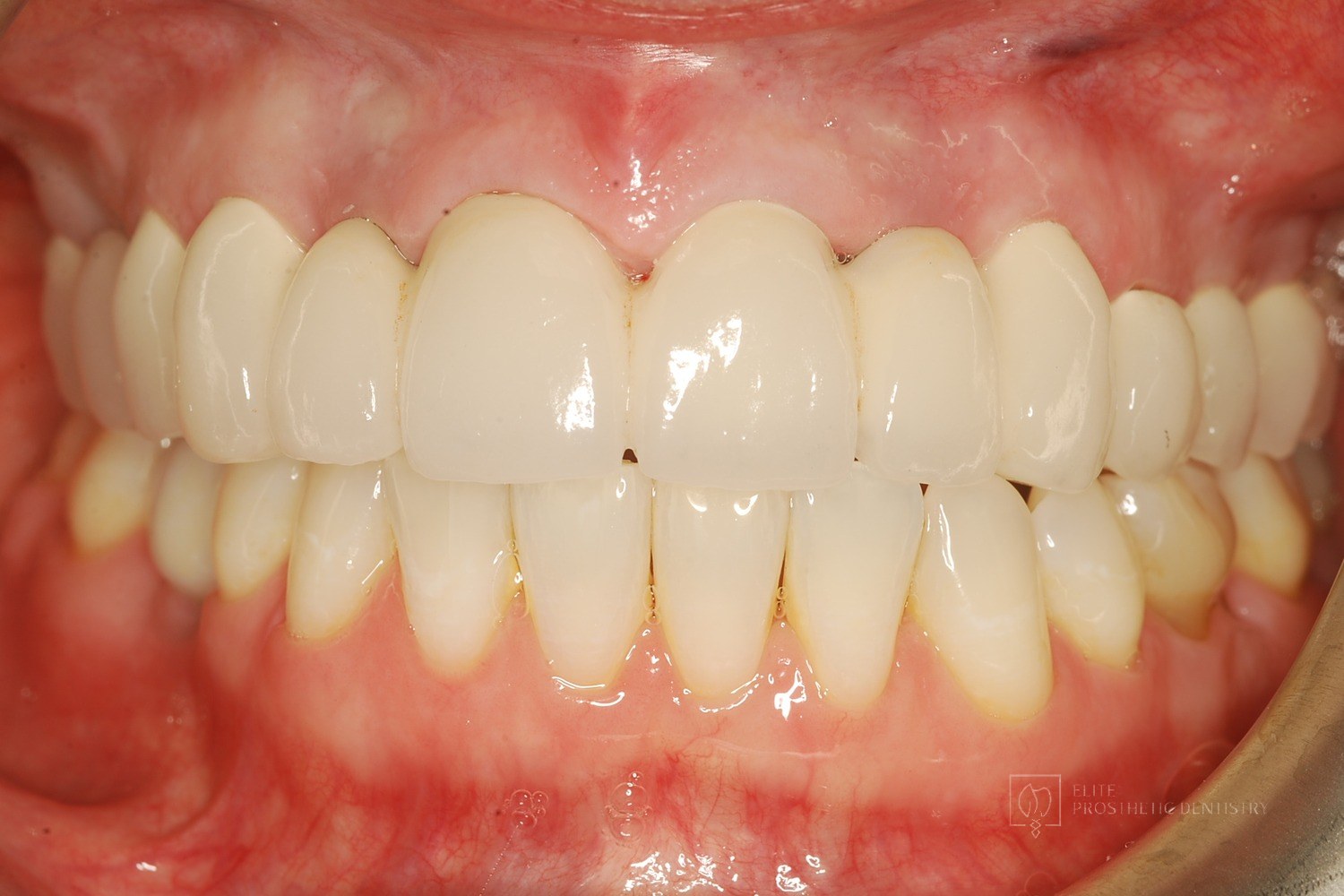 After
After How Older Implant Crowns Were Redesigned for a Better Bite and More Natural Appearance
The patient came in after years of living with implant-supported crowns placed more than twenty years earlier that no longer looked or functioned well. CBCT evaluation, reviewed with a radiologist colleague, showed the implants had been placed too far to the buccal in very thin bone and could not support a healthy long-term restoration.
 Before
  After
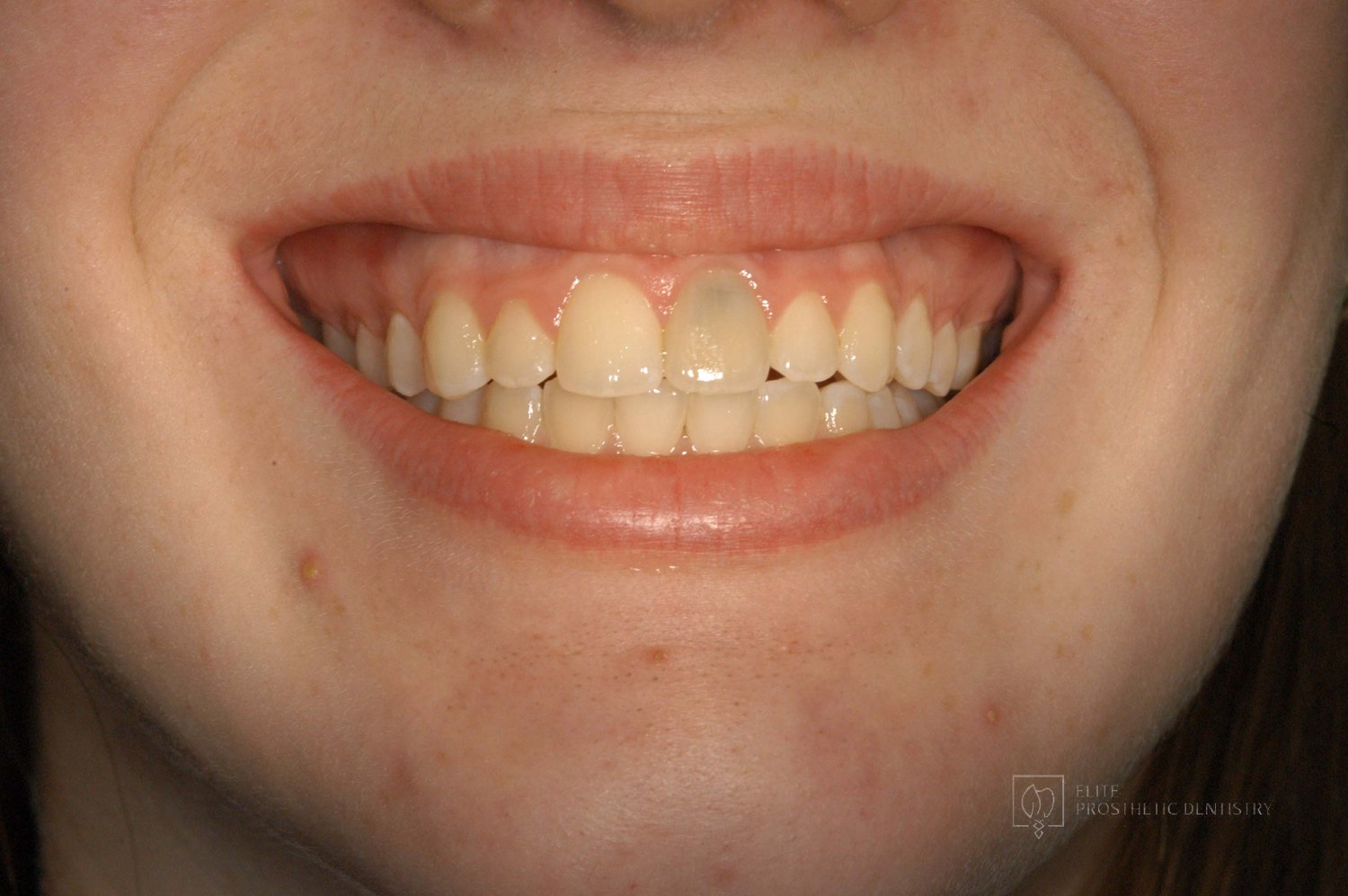
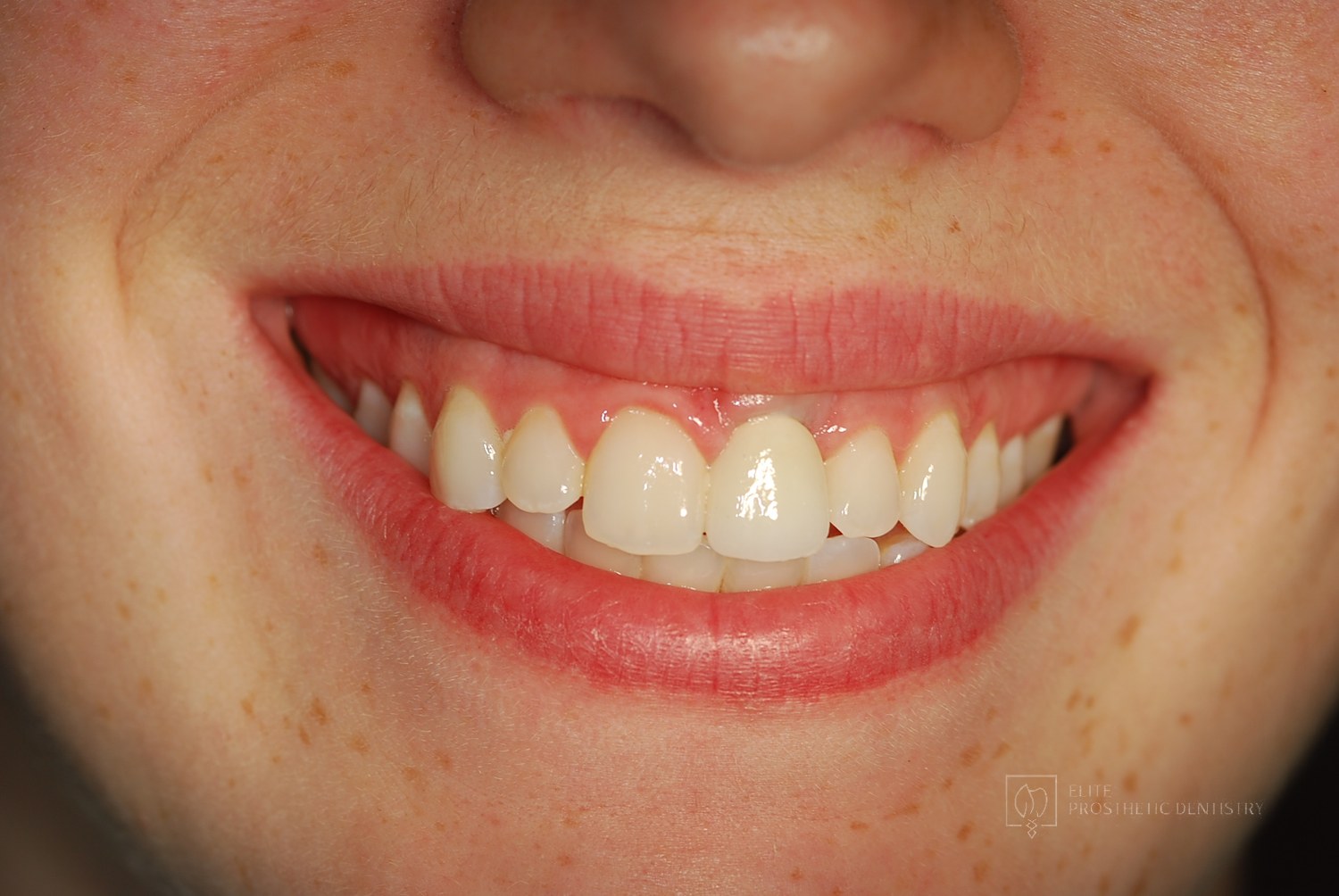
After How a Front Tooth Lost to Childhood Trauma Was Rebuilt with Bone Grafting and a Long-Lasting Implant
A teenager was referred by her father after earlier trauma left her upper left front tooth slowly failing from root resorption. She was still growing, so an immediate implant was the wrong move. The tooth had to be maintained to buy time, then replaced correctly once she reached skeletal maturity.
Related Articles
Deepen your knowledge with additional insights on this topic.
 Oral Health & Prevention
 Common Misconceptions About Gum (Periodontal) Disease: Myths vs. Facts
Bleeding gums are normal? Only older adults get gum disease? A DC prosthodontist corrects eight common myths about periodontal disease signs and treatment.
 Oral Health & Prevention
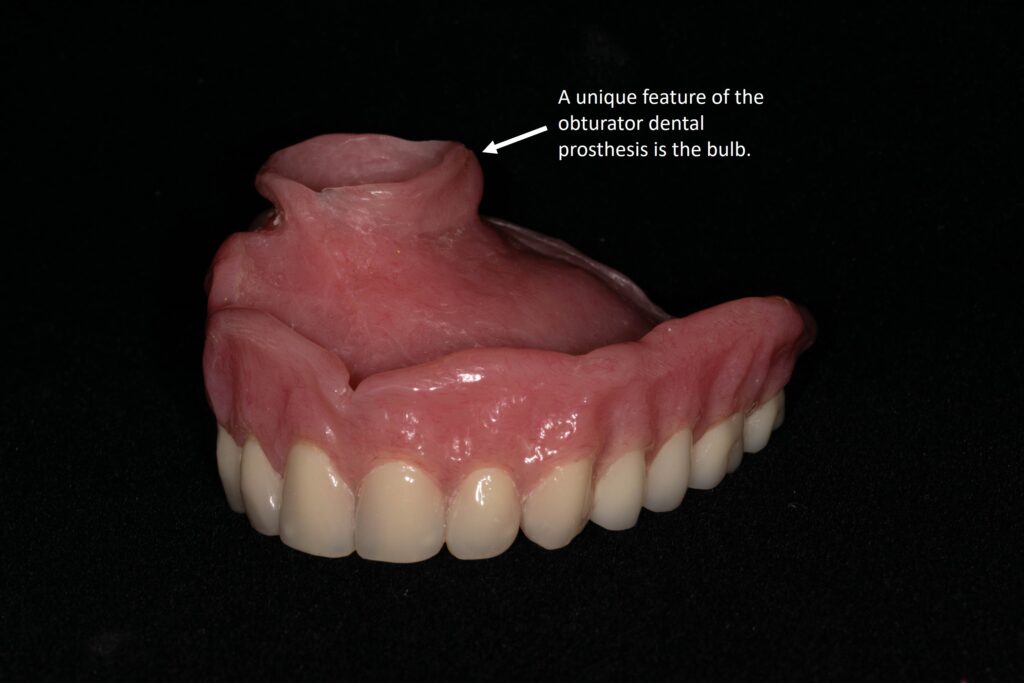
 Understanding Palatal Obturators for Openings in the Roof of the Mouth
A palatal obturator seals an opening in the roof of the mouth from cleft palate, surgery, or trauma. A DC prosthodontist explains how they work and their care.
 Oral Health & Prevention
 Dental Hygiene Care Is Not a 'One-Size-Fits-All' Process
The right hygiene routine depends on your gums, your risk factors, and your dental work. A DC prosthodontist explains why personalized hygiene care matters.