
Suffering from Severe Headaches? TMJ Could Be a Contributing Cause
Unbeknownst to many people, severe recurring headaches can be associated with temporomandibular joint dysfunction, commonly known as TMJ or TMD. The condition affects the joints and muscles that control jaw movement, and when that system is strained, the resulting symptoms can extend well beyond the jaw itself. Many patients with frequent, draining headaches have simply never had anyone examine their bite. At Elite Prosthetic Dentistry, we evaluate exactly that, and many patients experience meaningful relief once a jaw-related contributor to their pain is identified and properly treated.
Why the Jaw Can Refer Pain to the Head
The temporomandibular joints are among the most complex joints in the body. They sit just in front of your ears and coordinate every bite, swallow, and word. The muscles that power them, including the masseter and the temporalis, work almost continuously through the day.
When the jaw is misaligned or the joints are not functioning smoothly, those muscles compensate by working harder than they were designed to. The temporalis muscle fans across the side of the head, which is why chronic tension there can contribute to headaches felt at the temples and across the forehead. The trigeminal nerve, which carries sensation for much of the face and passes through the jaw region, can also become irritated, referring pain toward the temples and behind the eyes. And when the bite itself is off, a problem called malocclusion, the muscles never get to rest, which is why jaw-related headaches are often worst in the morning after a night of grinding or late in the day after hours of clenching.
None of this means the jaw explains every headache. It means the jaw belongs on the list of suspects, and it is the one a physician’s workup usually cannot evaluate.
Signs Your Headaches May Have a Jaw Component
If frequent headaches travel with any of the following, TMJ dysfunction is worth investigating:
- Clicking, popping, or grinding sounds when you open your mouth or chew
- Tenderness in the jaw joints or the muscles of the cheeks and temples
- Clenching or grinding your teeth, especially during sleep
- Difficulty opening fully, or a bite that feels like it has shifted
- Ear pain or fullness, neck stiffness, or shoulder tension alongside the head pain
The pattern of the headaches is also telling: worse on waking, worse after extensive chewing or talking, or flaring under stress, which drives unconscious clenching. Our article on whether TMJ can be the cause of migraines or severe headaches looks at the clinical evidence behind these patterns.
How Dr. Marlin Evaluates and Treats the Problem
Dr. Gerald Marlin brings a prosthodontist’s depth in occlusion, the science of how teeth meet, to TMJ evaluation. Rather than masking pain, his approach is to find the source: a careful history, examination of your bite relationship and jaw muscles, and analysis of how your teeth contact in function.
Treatment is tailored to what the evaluation finds. Many patients benefit from a precisely designed occlusal appliance that lets the muscles rest in a physiologically sound position. Others need bite refinement, correction of restorations that interfere with even contact, or, where muscle trigger points persist, trigger point injection therapy. For patients whose grinding has worn down their teeth, comprehensive restoration may be part of rebuilding a bite that works with the muscles instead of against them. The goal is always the same: a stable, comfortable system, not a lifetime of symptom management.
To be clear about expectations: TMJ treatment is not a cure for migraine disease, and we never frame it that way. What it can do is remove a mechanical contributor to your pain, and for the right patients that difference is substantial.
A Sensible Path for Headache Sufferers
Physicians and neurologists play an essential role in ruling out other causes, and that medical evaluation should come first for severe or new headaches. But if your workup keeps coming back clean, or relief keeps not arriving, and you recognize the jaw symptoms above, it is time to have the dental side examined by someone trained for it.
Dr. Gerald Marlin is a specialty-trained prosthodontist with 40+ years of experience evaluating and treating TMJ dysfunction in Washington, DC. Call 202-244-2101 or request an appointment at our Friendship Heights office to find out whether your jaw is contributing to your headaches.
See How We Resolve These Problems
Our patient success stories show real cases and real results. Browse outcomes from a specialist prosthodontist with decades of experience and 3,900+ implants placed.
Key Takeaways
- ✓ Severe, recurring headaches may be associated with temporomandibular joint (TMJ) dysfunction, a connection many headache sufferers never consider.
- ✓ Jaw muscles under chronic strain, especially the temporalis, can contribute to tension-type head pain felt at the temples, forehead, and behind the eyes.
- ✓ Clues that your headaches have a jaw component: clicking or popping, jaw tenderness, grinding or clenching, morning symptoms, and ear fullness.
- ✓ TMJ treatment does not cure migraines, but many patients experience meaningful relief when a jaw-related contributor is identified and corrected.
- ✓ Physicians rule out other causes; a prosthodontist is trained to evaluate and treat the bite and jaw side of the problem.
Frequently Asked Questions
Can TMJ problems cause headaches?
TMJ dysfunction can contribute to headaches, particularly tension-type pain at the temples and forehead. Overworked jaw muscles and irritation in the region of the trigeminal nerve can refer pain upward into the head. That said, headaches have many causes, so proper evaluation matters: TMJ is a contributor to investigate, not an automatic explanation.
How do I know if my headaches are related to my jaw?
Look for companion symptoms: clicking, popping, or grinding sounds in the jaw, tenderness in the jaw joints or muscles, nighttime grinding or daytime clenching, limited mouth opening, ear pain or fullness, or headaches that are worse in the morning or after extensive chewing. A clinical evaluation of your bite and jaw muscles can confirm whether a connection exists.
Will treating my TMJ make my migraines go away?
No responsible clinician can promise that. Migraines are a complex neurological condition, and TMJ treatment is not a cure for them. What treatment can do is remove a jaw-related contributor to your overall pain burden, and many patients experience real relief when that happens. Medical management of migraine should continue alongside any dental evaluation.
Should I see a doctor or a dentist for chronic headaches?
Both have roles. Physicians and neurologists rule out medical causes and manage conditions like migraine. If your headaches come with jaw symptoms, or persist despite medical care, a prosthodontist can evaluate whether bite misalignment, muscle strain, or joint dysfunction is contributing, which is territory dental training specifically covers.
Related Patient Success Stories
Explore similar patient success stories demonstrating our expertise in advanced prosthetic dentistry.
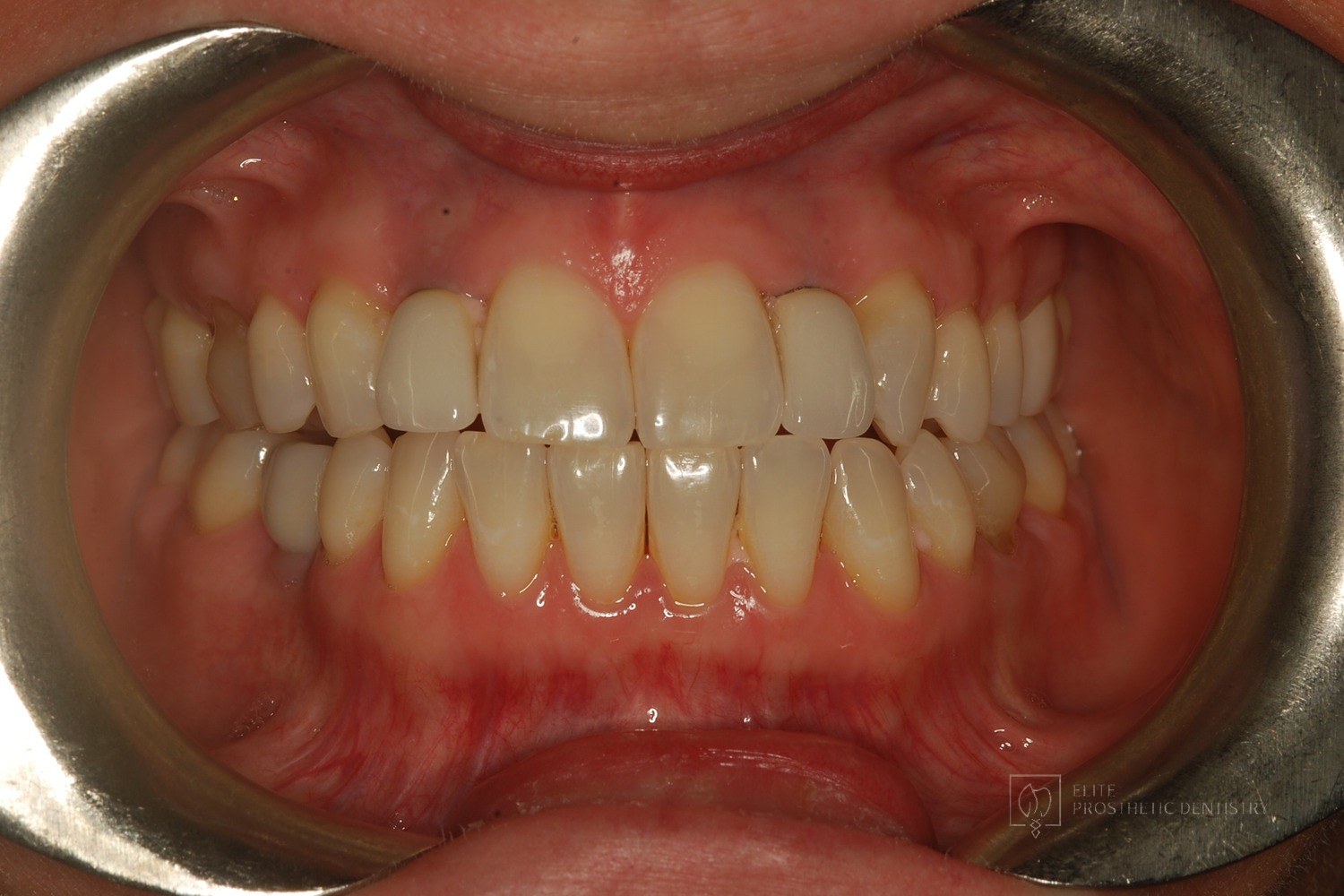 Before
 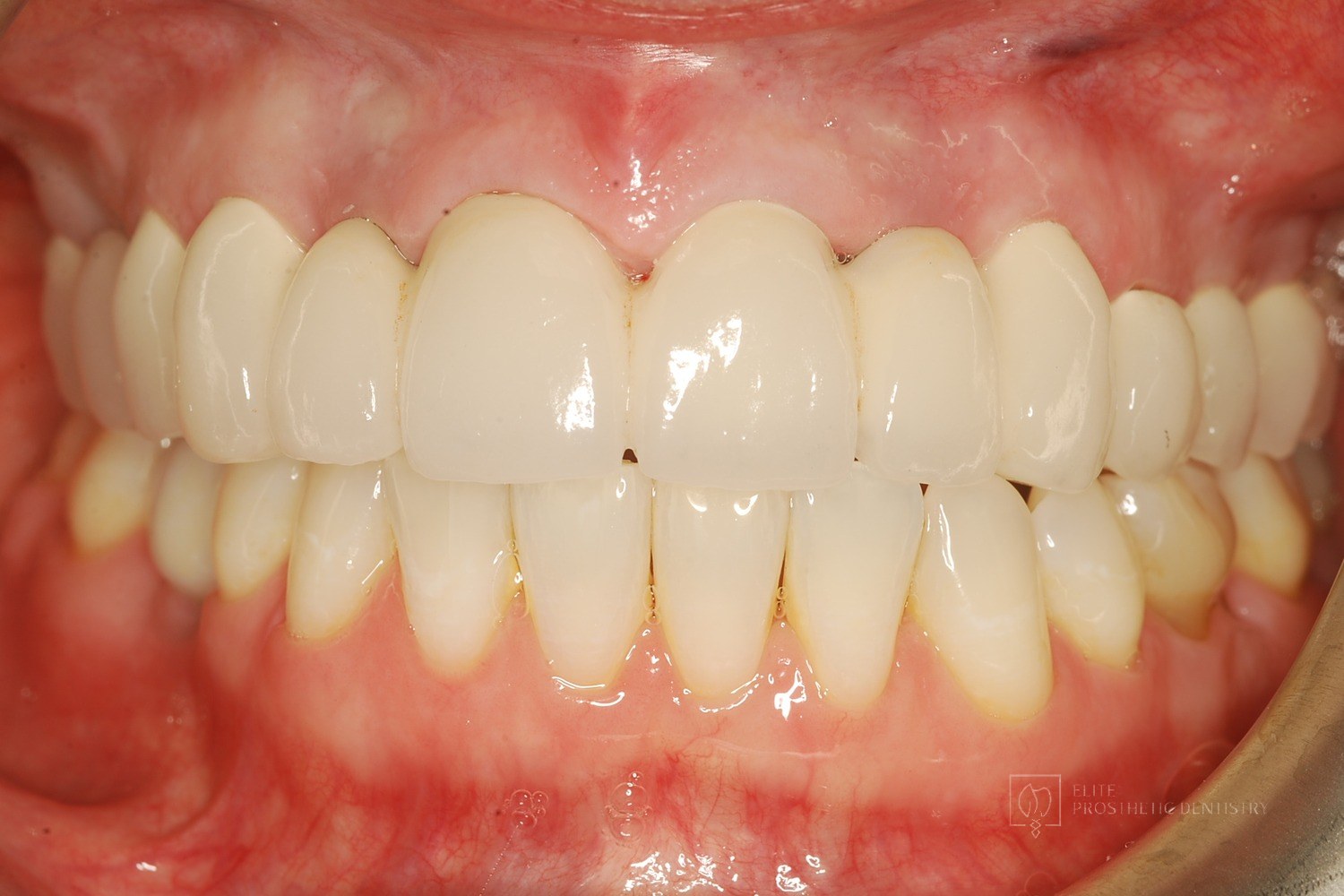 After
After How Older Implant Crowns Were Redesigned for a Better Bite and More Natural Appearance
The patient came in after years of living with implant-supported crowns placed more than twenty years earlier that no longer looked or functioned well. CBCT evaluation, reviewed with a radiologist colleague, showed the implants had been placed too far to the buccal in very thin bone and could not support a healthy long-term restoration.
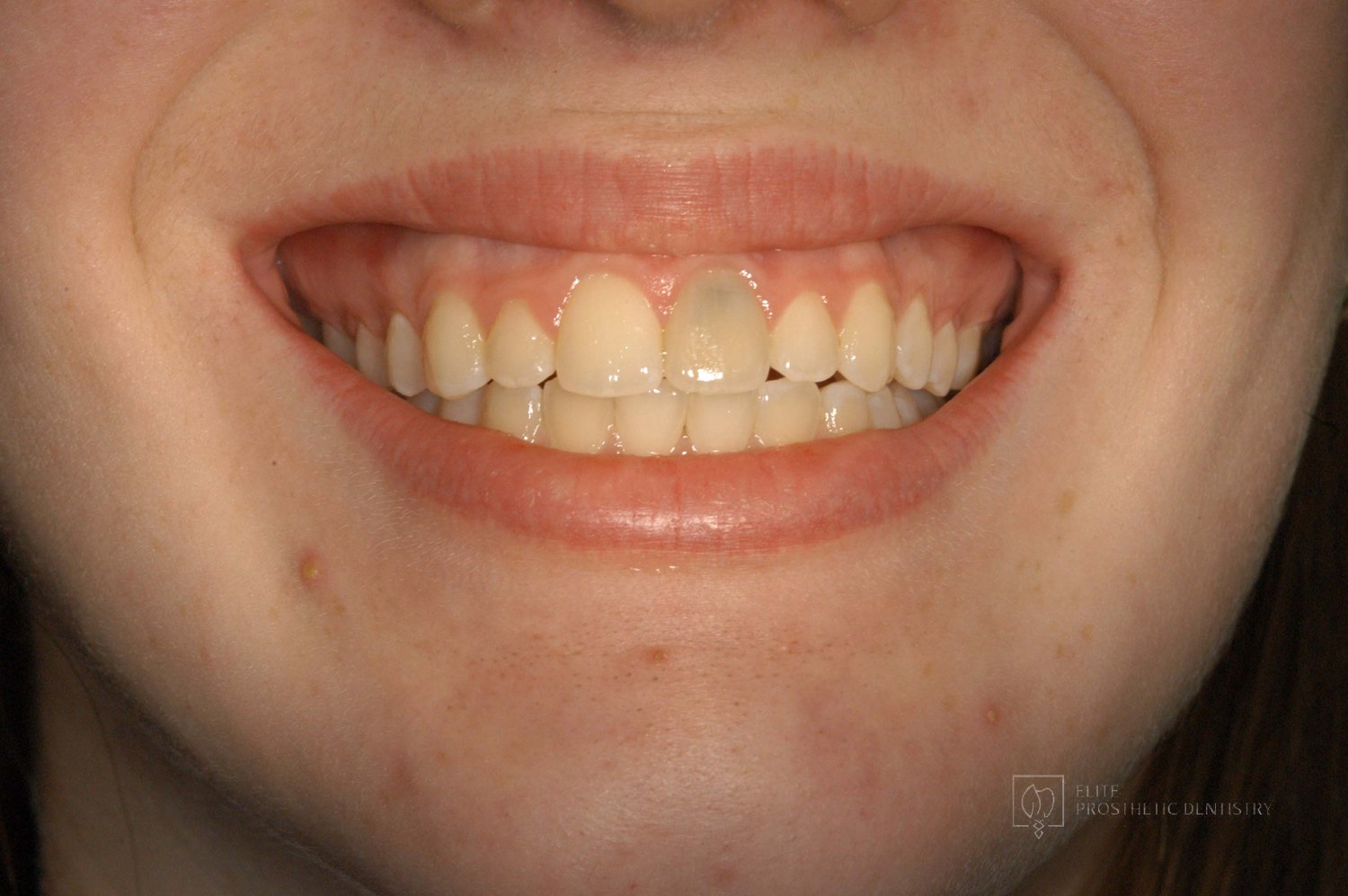 Before
 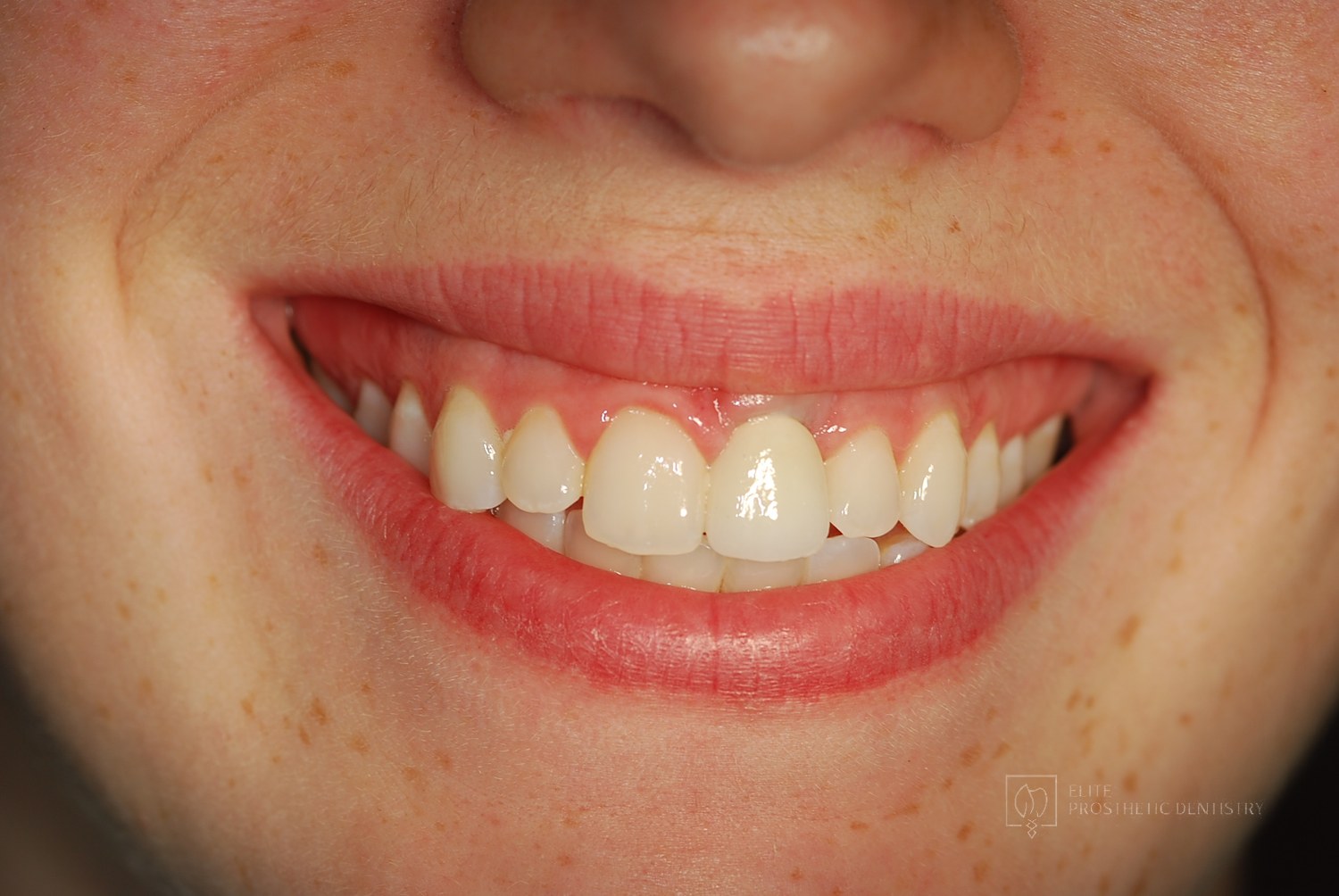 After
After How a Front Tooth Lost to Childhood Trauma Was Rebuilt with Bone Grafting and a Long-Lasting Implant
A teenager was referred by her father after earlier trauma left her upper left front tooth slowly failing from root resorption. She was still growing, so an immediate implant was the wrong move. The tooth had to be maintained to buy time, then replaced correctly once she reached skeletal maturity.
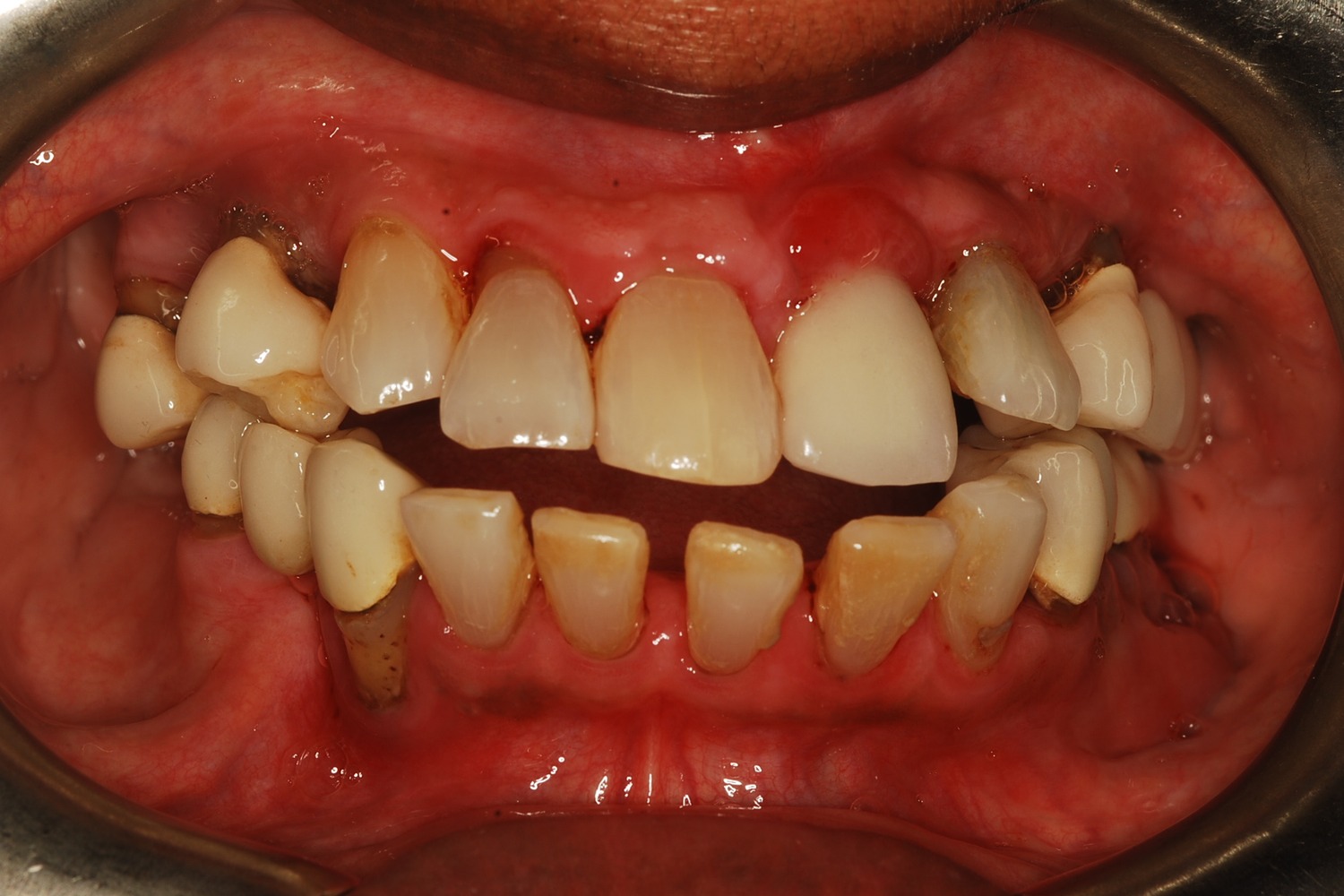 Before
 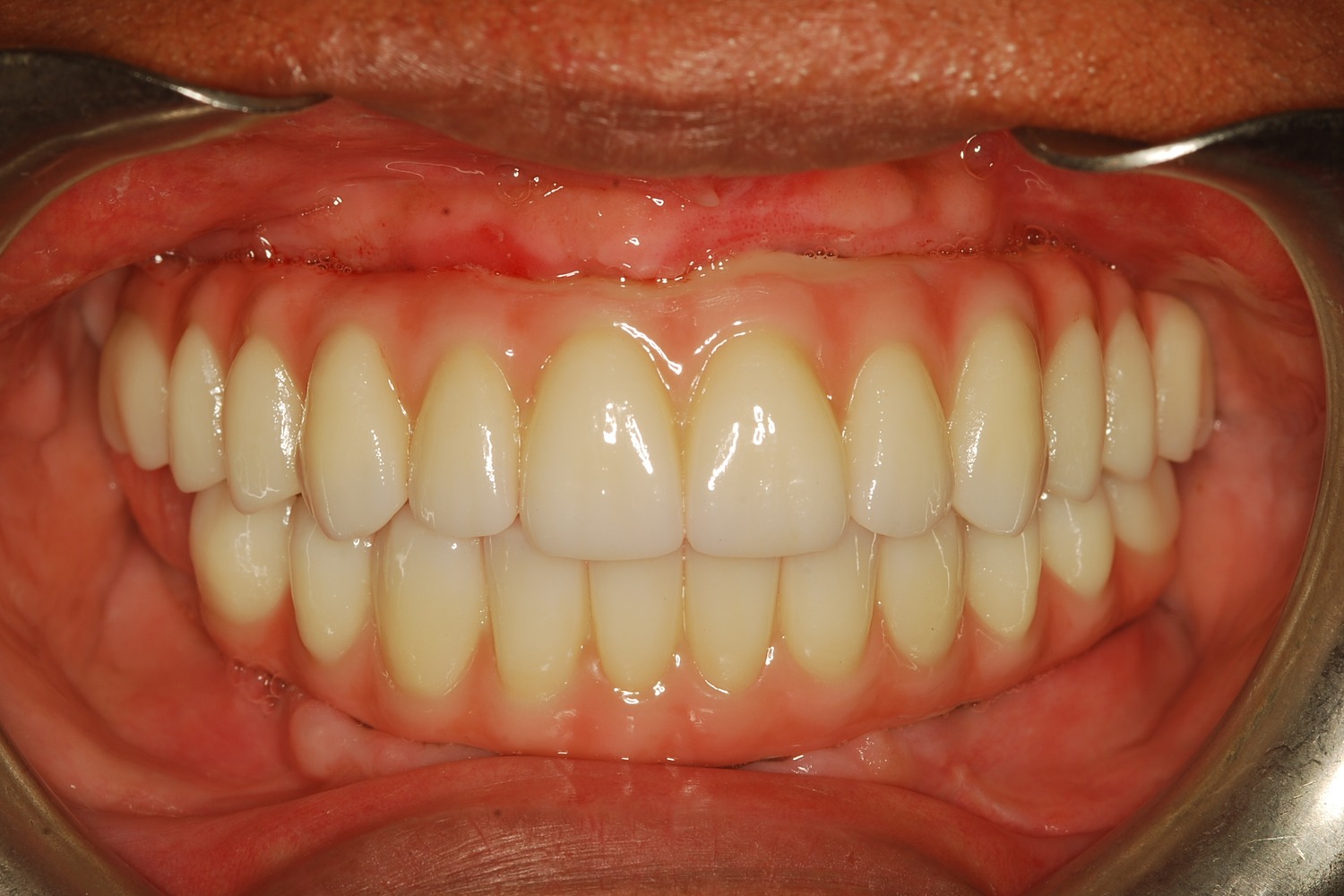 After
After How Severe Bone Loss and Bite Dysfunction Were Rebuilt with All-on-6 Implants and a Milled Zirconia Hybrid Prosthesis
The patient presented with severe bone loss, advanced periodontal disease, malocclusion, and a dysfunctional bite that required full-arch rebuilding.
Related Articles
Deepen your knowledge with additional insights on this topic.
 Choosing a Prosthodontist
 The Patient's Guide to Implant, Cosmetic and Restorative Dentistry
How to judge quality in implant, cosmetic, and restorative dentistry: choosing a practitioner, why the lab matters, financing, and the questions to ask.
 Choosing a Prosthodontist
 What is a Prosthodontist?
A prosthodontist is a dental specialist with advanced training in crowns, implants, dentures, and complex restorations. Washington, DC specialist.
 Choosing a Prosthodontist
 4 Ways You Can Benefit from Our In-House Dental Lab
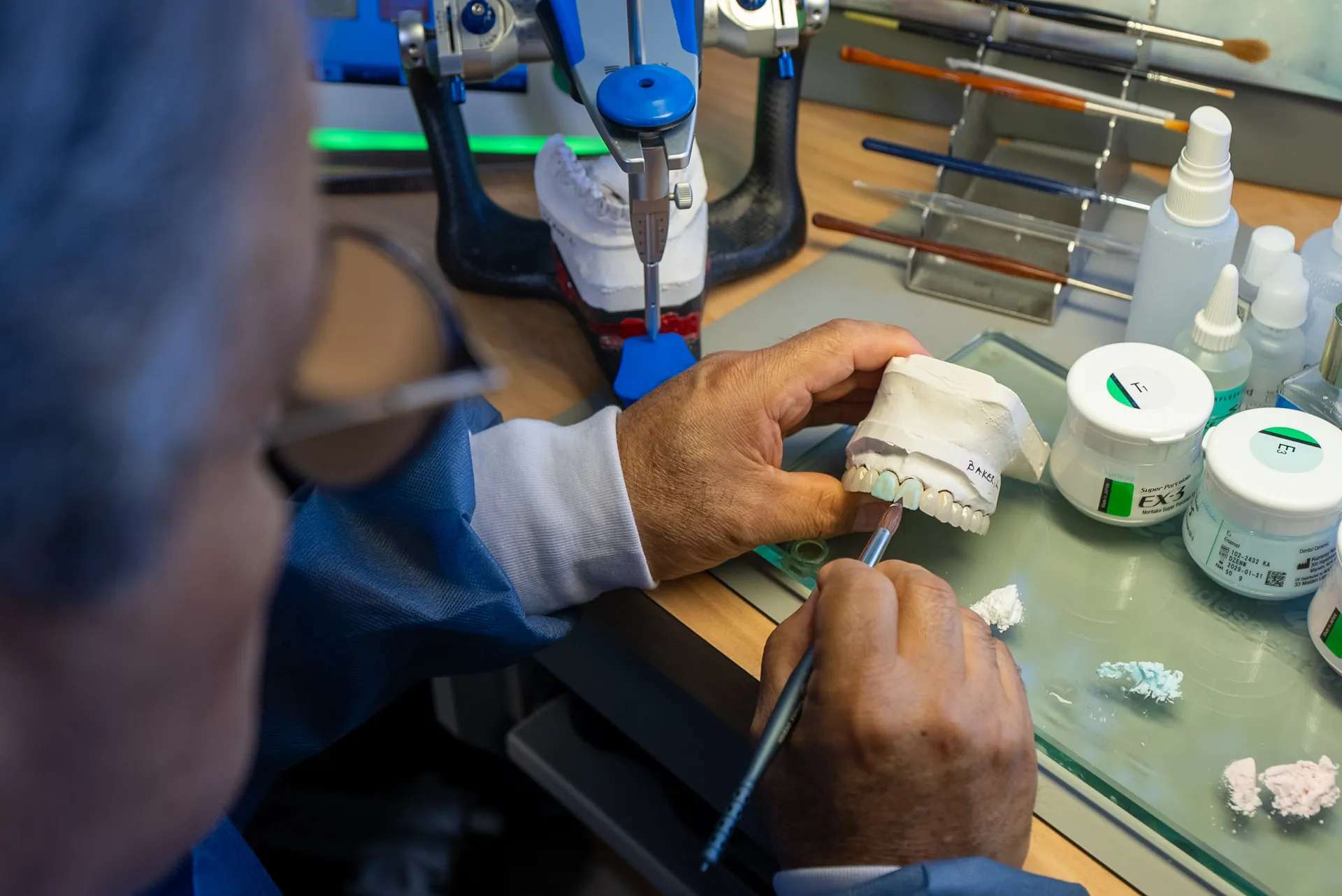
Custom aesthetics, precision fit, shorter waits, and fast repairs: four ways an in-house dental laboratory changes both your experience and your results.