
How Can I Have My Severely Worn Teeth Repaired?
A severely worn dentition makes people deeply self-conscious: teeth ground short, edges flattened, the smile aging faster than the face around it. The good news is direct: worn teeth can be completely repaired with custom crowns, and in more advanced cases a staged full-mouth reconstruction rebuilds the entire bite. The keys are using the right restoration, treating the cause of the wear, and crafting the new teeth to fit your face rather than a catalog.
Why Veneers Are the Wrong Tool
Patients often arrive asking for veneers, and it is an understandable instinct: veneers are famous for transforming smiles. But a severely worn dentition is a structural problem, not a cosmetic one. The wear was produced by force, usually years of grinding driven by bruxism or TMJ dysfunction, and thin porcelain facings cannot resist the very forces that destroyed enamel, the hardest substance in the body. Veneers in this situation chip and fail.
Full-coverage crowns are engineered for exactly this job. They encase the tooth, restore its original length and anatomy, and distribute bite forces safely. Just as important, the underlying cause is treated in parallel: the bite is corrected and a protective night guard is fabricated, so the forces that ruined the natural teeth do not get a second chance at the new ones.
A Case in Point
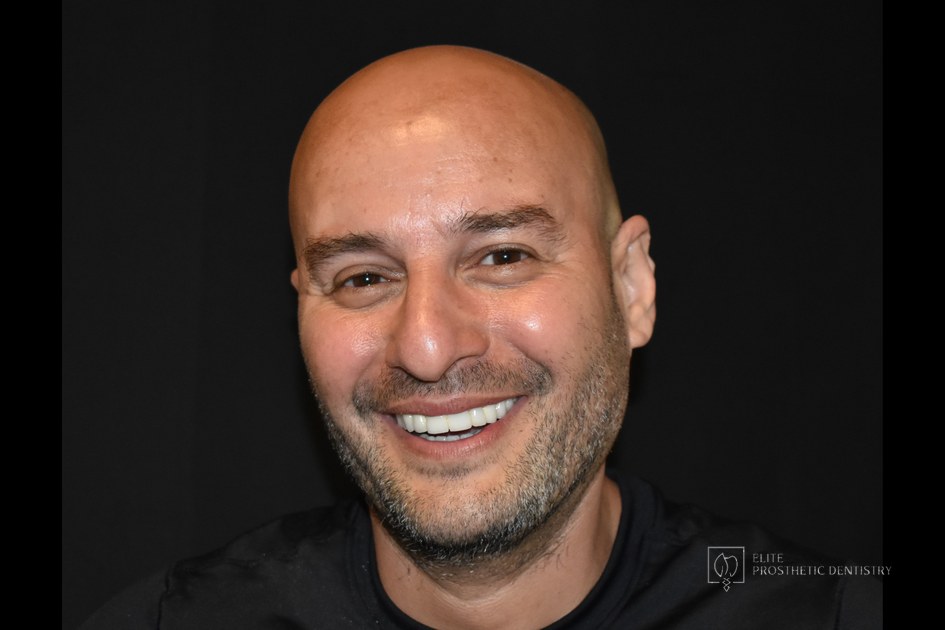
Our patient was referred by his orthodontist for a smile makeover after years of grinding had flattened his front teeth (Figs. 1 and 2). Once his orthodontic therapy had realigned the front teeth, we rebuilt them with crowns hand-crafted in our in-house laboratory, shaped to match his lip line and facial pattern, with the coloration and translucency of natural enamel (Figs. 3 and 4).

Fig. 1: Severely Worn Dentition Making Him Self-Conscious
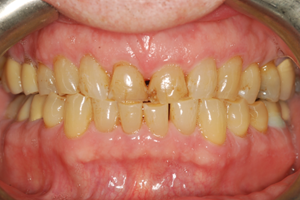
Fig. 2: Severe Grinding Habit Causing Years of Wear
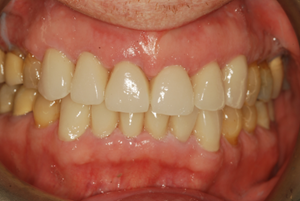
Fig. 3: Custom Fabricated, Strong Crowns

Fig. 4: A Rejuvenated Smile
That is the pattern of successful wear reconstruction: coordinate with any needed specialists, correct the alignment and bite first, then restore with crowns built for strength and matched to the individual face. For larger cases involving a whole arch, the same principles scale up, as you can see in our case studies of severely worn upper teeth rebuilt for a more natural result and repairing the worn-out dentition.
What Determines the Scope of Your Repair
Not every worn dentition needs the same treatment. The decisive factors are how much tooth structure remains, whether the bite has collapsed as the teeth shortened, and how active the grinding still is. Modest wear caught early may need only a handful of crowns and a night guard. Advanced wear with a collapsed bite requires reestablishing the correct vertical dimension across the whole mouth, a staged process we describe in how long a full mouth reconstruction takes.
The practical implication: wear is progressive, so evaluation now always beats evaluation later. Every year of unchecked grinding narrows the conservative options.
Rebuilt to Look Like You
The final measure of wear reconstruction is that nobody can tell it happened. Crown shape must suit your lip line and facial proportions; color and translucency must read as enamel, not porcelain. This is where our in-house laboratory earns its keep, with the technician and Dr. Marlin refining the restorations chairside until they disappear into the smile.
If your teeth have been grinding shorter for years, find out exactly what repairing them would involve. Call 202-244-2101 or request an appointment with Dr. Gerald Marlin, a specialty-trained prosthodontist with 40+ years of experience, at Elite Prosthetic Dentistry in Friendship Heights, Washington, DC.
See How We Resolve These Problems
Our patient success stories show real cases and real results. Browse outcomes from a specialist prosthodontist with decades of experience and 3,900+ implants placed.
Key Takeaways
- ✓ Severely worn teeth can be completely rebuilt. Custom crowns restore the length, function, and appearance that years of grinding removed.
- ✓ Veneers are the wrong tool for this job: they lack the strength to resist the same forces that wore the teeth down in the first place.
- ✓ The cause must be treated along with the damage. Bruxism and TMJ problems that drove the wear will attack the new restorations unless addressed.
- ✓ Crown shape, color, and translucency should be matched to your lip line and facial pattern, which is where in-house laboratory fabrication excels.
- ✓ Wear is progressive: the earlier it is evaluated, the more conservative the repair can be.
Frequently Asked Questions
Can severely worn down teeth be fixed?
Yes, completely. Worn teeth are rebuilt with custom crowns that restore proper length, bite function, and natural appearance. In more advanced cases the entire bite is reconstructed to reestablish the correct vertical dimension. The underlying cause, usually grinding or a bite disorder, is treated as part of the plan so the new work lasts.
Why are veneers not used for severely worn teeth?
Because veneers are thin facings designed for cosmetic refinement, not structural repair. The forces that ground the teeth down would chip and break veneers just as they destroyed enamel. Full-coverage crowns encase and protect the remaining tooth structure, which is why they are the standard tool for wear reconstruction.
How long will crowns on worn teeth last?
With meticulous home care, regular checkups, and a night guard when grinding is part of the picture, well-fabricated crowns commonly serve 10 to 15 years or more, and crowns from our in-house laboratory have lasted 35 years and more. Longevity depends heavily on fabrication precision and on controlling the grinding forces that caused the original wear.
Does rebuilding worn teeth hurt, and how soon can I eat normally?
Treatment is done with local anesthesia, with gentle sedation available, and most patients report minimal discomfort during and after visits. Most resume a normal diet promptly, avoiding very hard or sticky foods briefly. Expect follow-up visits so the new bite can be verified and fine-tuned.
Related Patient Success Stories
Explore similar patient success stories demonstrating our expertise in advanced prosthetic dentistry.
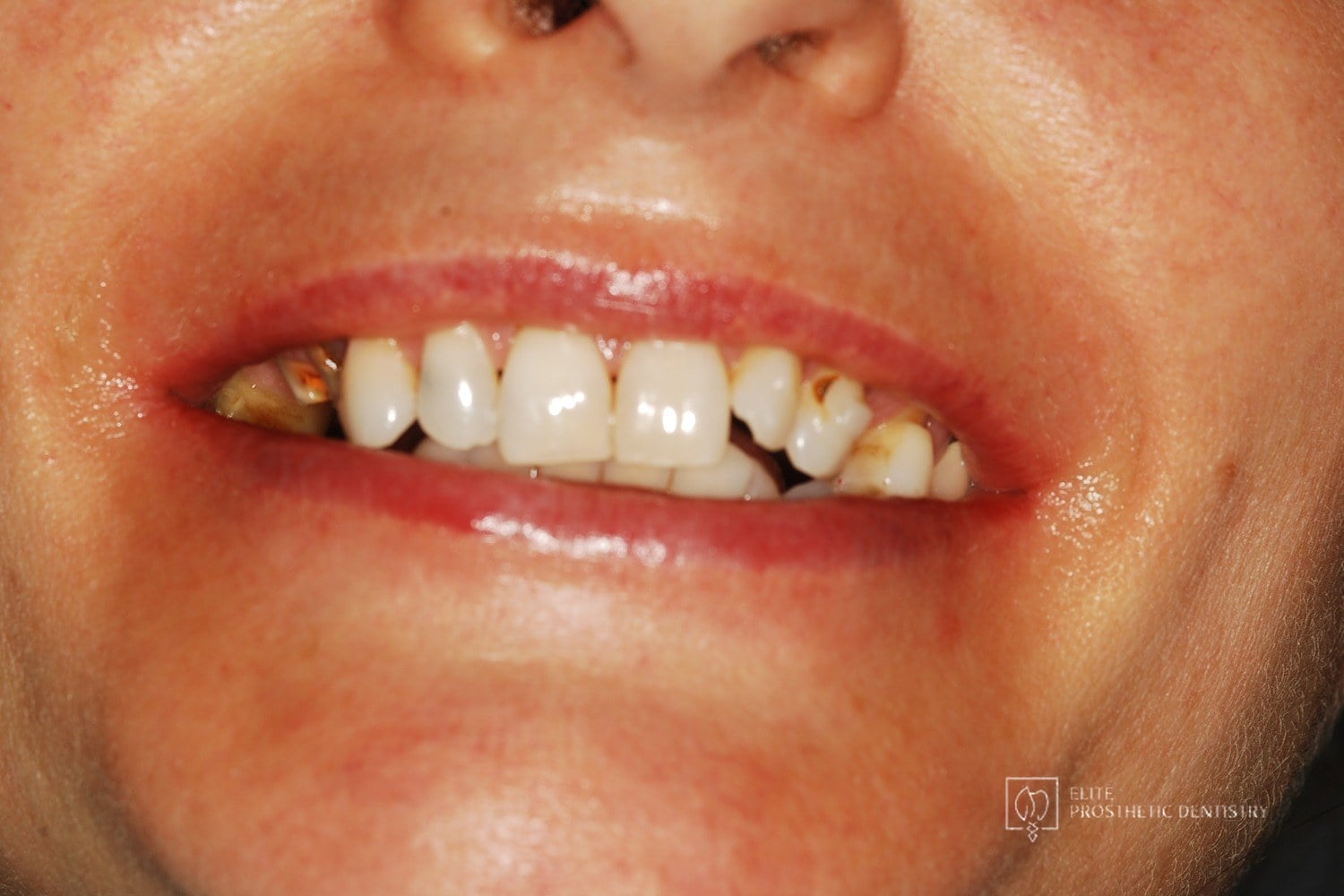 Before
 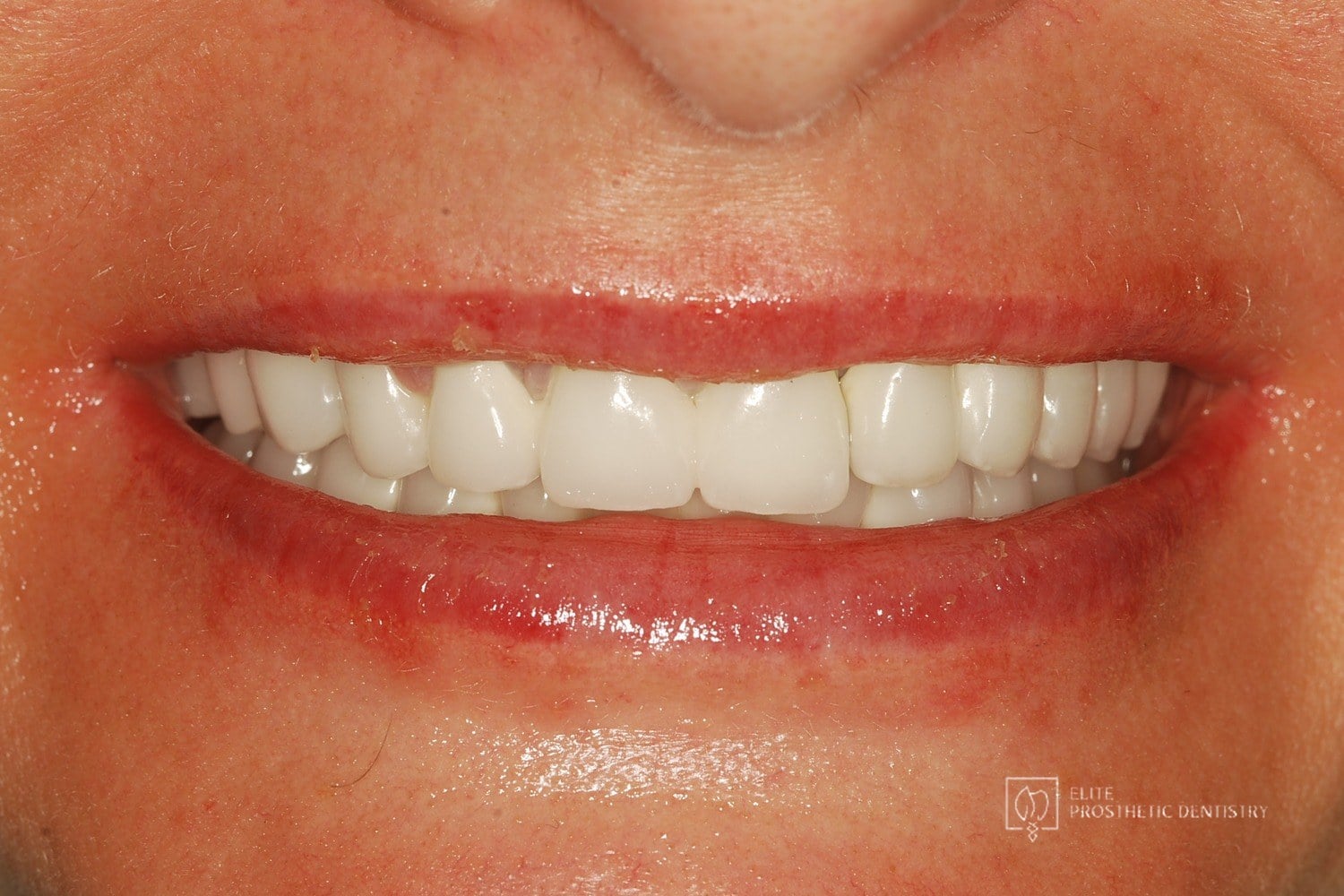 After
After How Aging, Failing Dentistry Was Replaced with a Coordinated Full-Mouth Implant and Crown Reconstruction
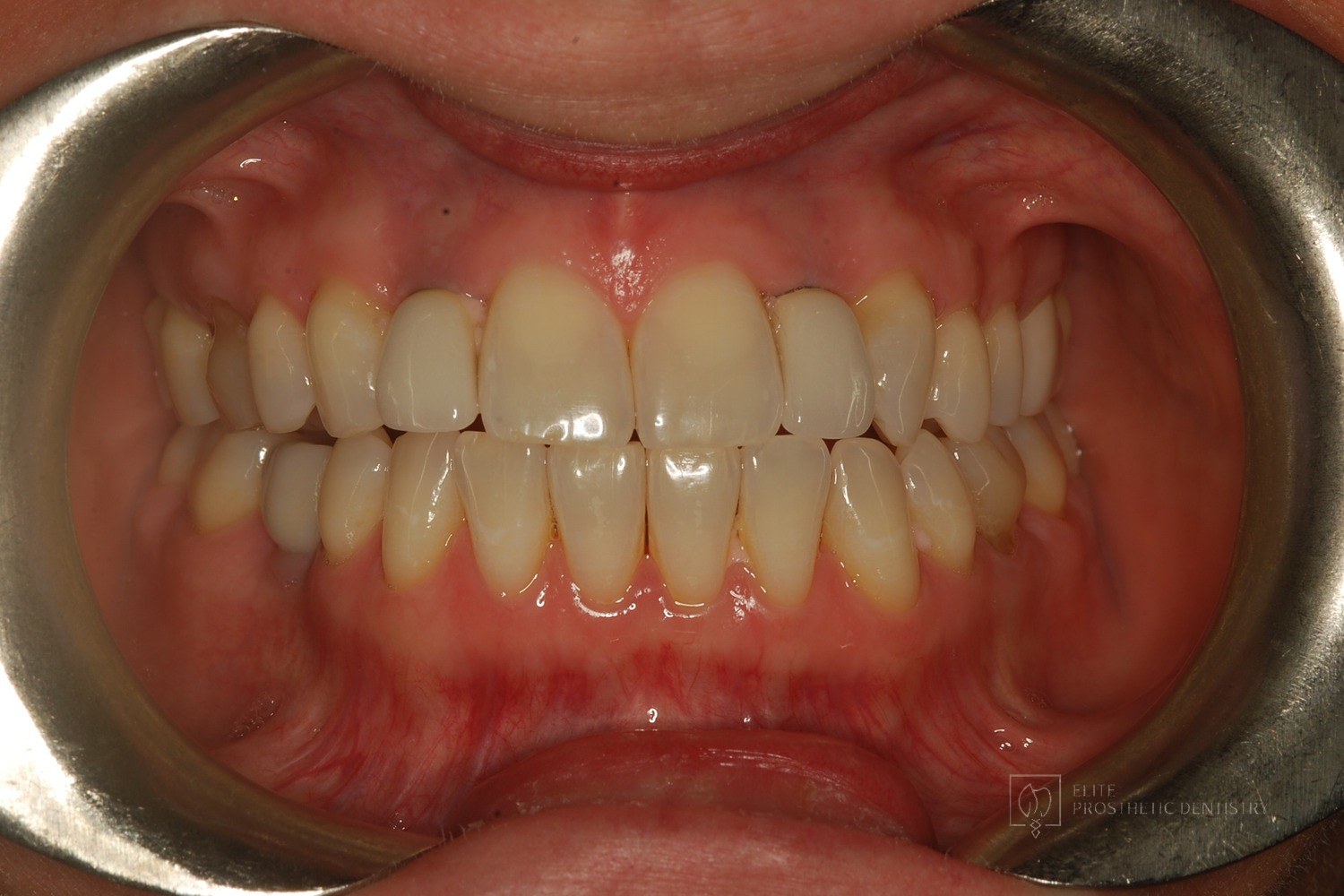
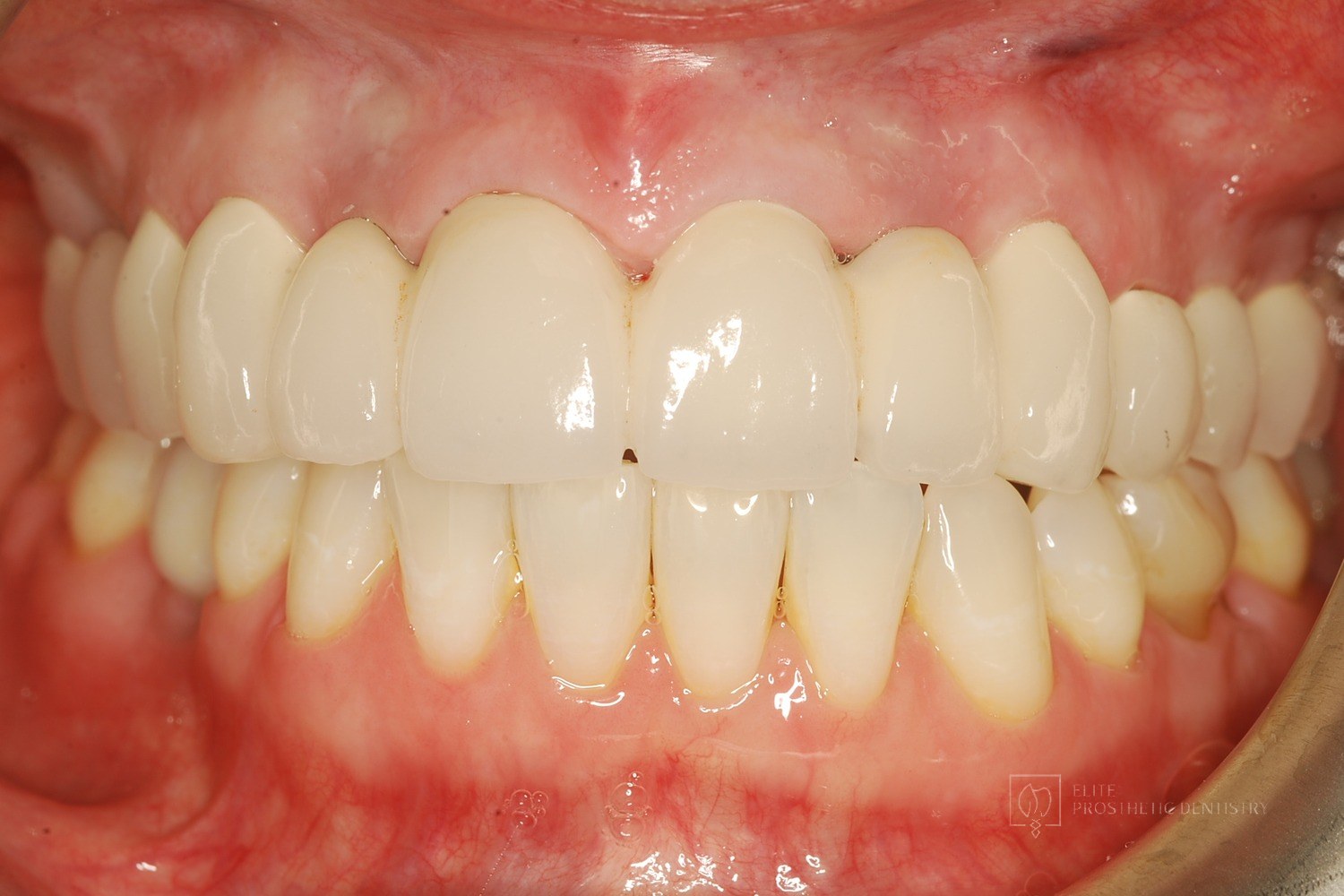
The patient presented with throbbing upper-molar pain, long-standing infections, multiple root canals and unfinished prior treatment, generalized sensitivity, and several hopeless teeth.
 Before
  After
After How Older Implant Crowns Were Redesigned for a Better Bite and More Natural Appearance
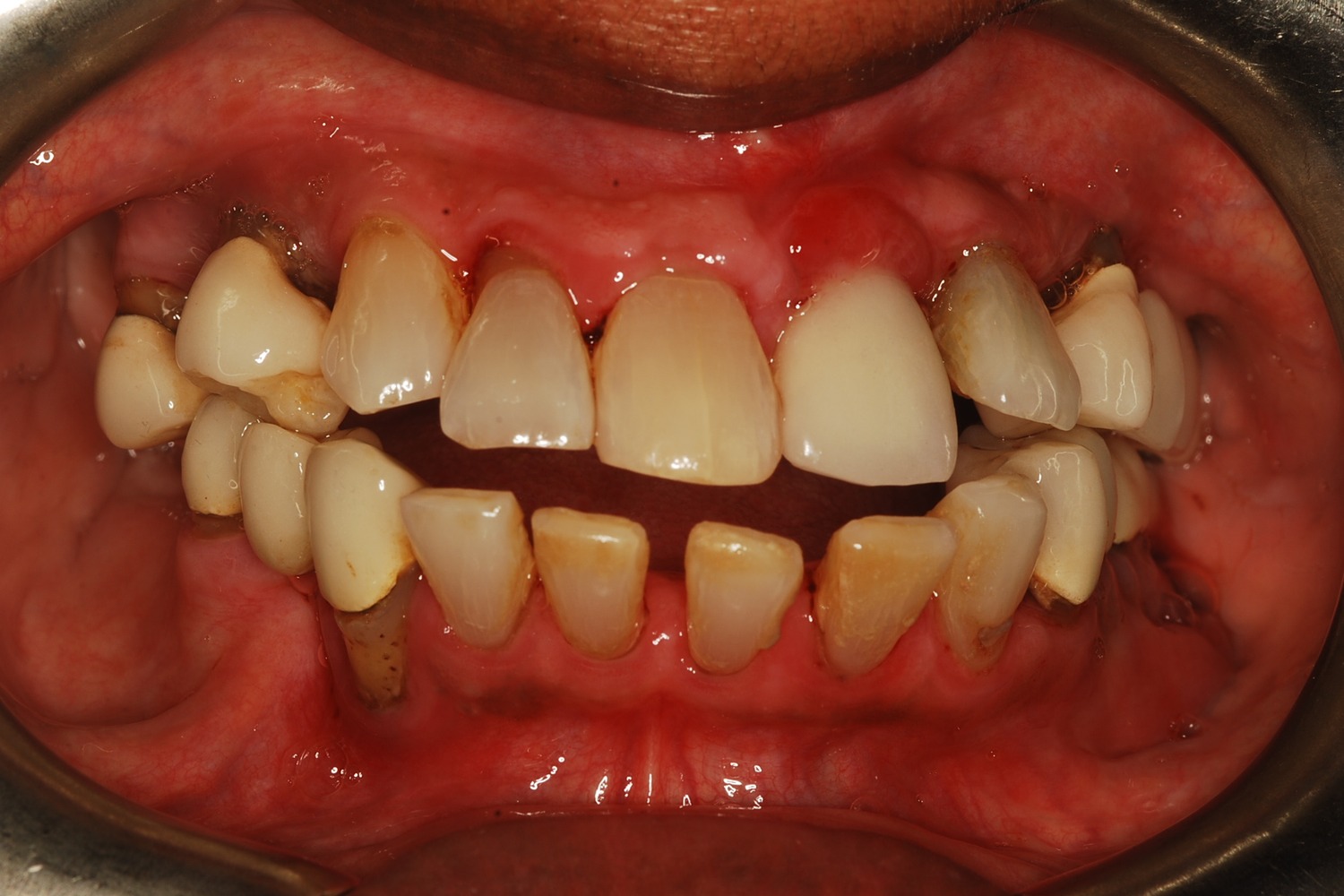
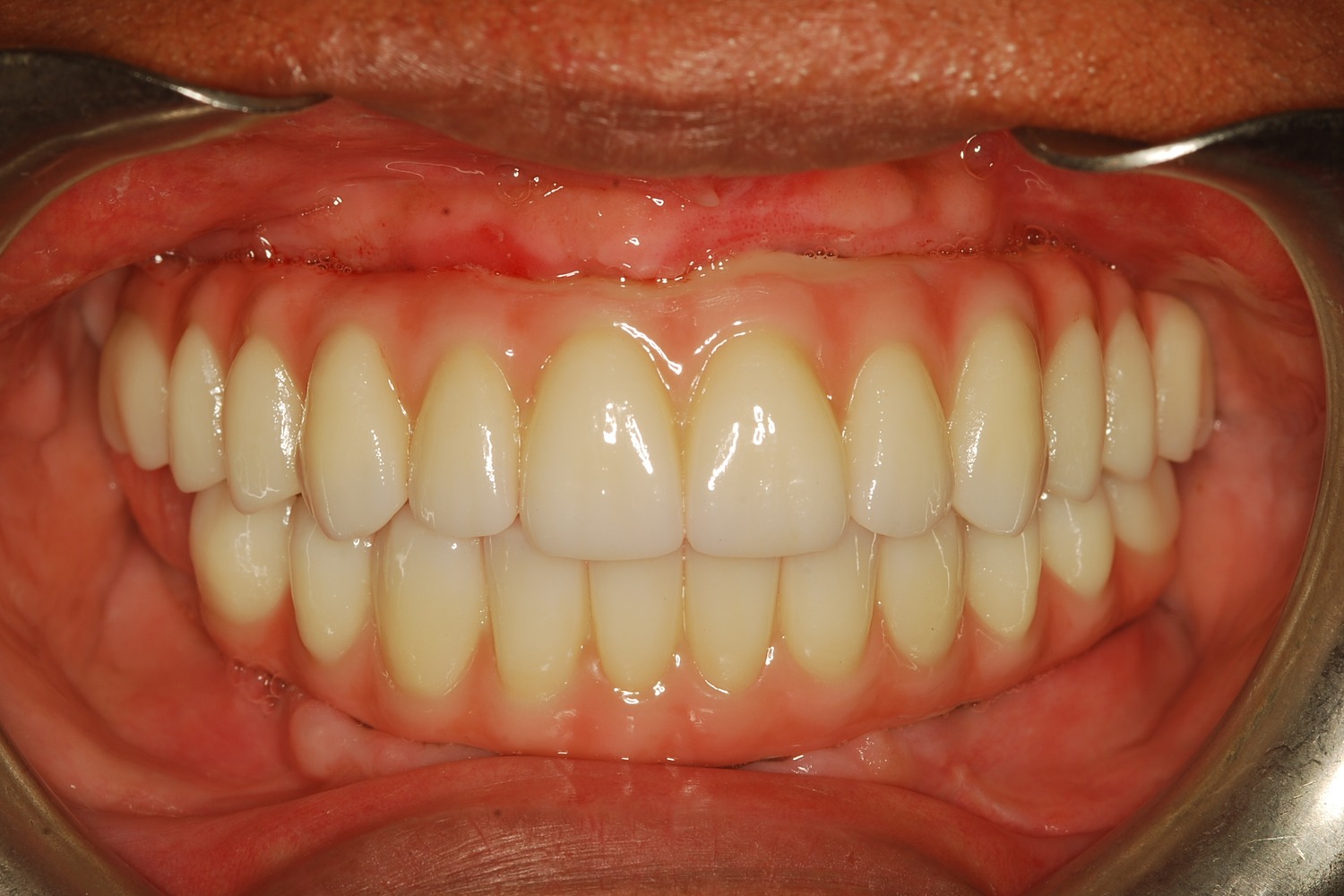
The patient came in after years of living with implant-supported crowns placed more than twenty years earlier that no longer looked or functioned well. CBCT evaluation, reviewed with a radiologist colleague, showed the implants had been placed too far to the buccal in very thin bone and could not support a healthy long-term restoration.
 Before
  After
After How Severe Bone Loss and Bite Dysfunction Were Rebuilt with All-on-6 Implants and a Milled Zirconia Hybrid Prosthesis
The patient presented with severe bone loss, advanced periodontal disease, malocclusion, and a dysfunctional bite that required full-arch rebuilding.
Related Articles
Deepen your knowledge with additional insights on this topic.
 Full Mouth Reconstruction
 When Jaw Surgery Fails: How Prosthodontic Care Helped a Patient Rebuild Her Smile
After a failed jaw surgery and multiple revisions, a preservation-based prosthodontic plan rebuilt this patient's bite and smile without more surgery.
Full Mouth Reconstruction How Can I Have My Severely Worn Teeth Repaired?
Severely worn teeth can be fully rebuilt with custom crowns, not veneers. How a DC prosthodontist restores ground-down smiles, with a real case example.
 Full Mouth Reconstruction
 How Long Does a Full Mouth Reconstruction Take?
Most full mouth reconstructions take three months to a year, staged in phases. What drives the timeline and how an in-house lab compresses it. DC.