
Oral Ecology: The Microbial Balance That Keeps Your Mouth Healthy
The Microbial Universe Inside Your Mouth
Your mouth is not meant to be sterile, and it never will be. It hosts entire colonies of microorganisms, and researchers have identified more than 700 distinct bacterial species living in the human oral cavity. Here is the surprising part: the vast majority are harmless or actively beneficial. A stable, diverse oral microbiome is itself a sign of good oral health, because those resident bacteria occupy space and resources that harmful invaders would otherwise claim, a protective phenomenon called competitive exclusion.
Trouble starts only when the balance tips, when disease-causing species are introduced or when conditions let them overgrow. Understanding this ecology explains a lot: why some people stay healthy despite imperfect brushing, why others develop disease despite diligence, and why certain prevention strategies work as well as they do.

What Biofilm Is, and Why It Matters
Bacteria in the mouth were first glimpsed in the 17th century, when Antony van Leeuwenhoek examined scrapings from teeth under his early microscope and described the “animalcules” he saw. What he was looking at was biofilm, though the modern understanding of biofilm as an organized, protective structure did not arrive until the late 20th century.
A biofilm forms when bacteria adhere to a surface, such as a tooth, an implant, or a crown, and secrete a glue-like matrix that anchors them and shields them from both chemical disinfectants and your immune defenses. Bacteria inside a mature biofilm are dramatically harder to kill than free-floating ones. Dental plaque is exactly this: an organized bacterial community on your tooth surface. Left undisturbed, it thickens, matures, and shifts toward the species that cause disease.
The Two Bacteria That Do the Most Damage
Most oral bacteria never harm you. Two in particular do.
Streptococcus mutans feeds on dietary sugars and starches and excretes acid as a byproduct. That acid demineralizes enamel and is the leading bacterial cause of tooth decay. Its growth is curbed by good hygiene and fluoride, and it cannot metabolize xylitol, which is why xylitol gum works against it.
Porphyromonas gingivalis is strongly linked to periodontitis, the serious form of gum disease that destroys the ligament and bone anchoring your teeth. Beyond the mouth, it can provoke systemic immune responses that researchers have associated with cardiovascular disease and other conditions, one of the clearest illustrations that oral health and general health are connected.
Keeping the Balance Tilted Toward Health
The objective is not to wage total war on oral bacteria. It is to maintain a stable ecology where beneficial species dominate and the troublemakers stay in check. That comes down to a few reliable levers.
Daily brushing and flossing mechanically disrupt biofilm before it matures, which is the single most important thing you control. A diet low in frequent sugar and acidic drinks starves the acid-producers. Staying hydrated supports saliva, your body’s own antimicrobial rinse. And regular professional care removes the hardened tartar that home tools cannot, while catching an out-of-balance mouth early. Once periodontal disease is established, home care alone is not enough; it takes professional removal of biofilm and calculus below the gumline, sometimes with additional therapy, to restore the balance.
Antimicrobial rinses containing agents such as chlorhexidine can reduce plaque and gingivitis as a supplement to mechanical cleaning, though they are an adjunct, never a replacement for it.
Think of your mouth as an ecosystem you tend rather than a battlefield you scrub. Tend it consistently and it largely takes care of itself. For the daily specifics, see our tips for a healthier smile and gum disease prevention guide.
If it is time for a cleaning and examination, call 202-244-2101 or request an appointment at Elite Prosthetic Dentistry in Friendship Heights, Washington, DC.
See How We Resolve These Problems
Our patient success stories show real cases and real results. Browse outcomes from a specialist prosthodontist with decades of experience and 3,900+ implants placed.
Key Takeaways
- ✓ Your mouth hosts more than 700 bacterial species, most of them harmless or beneficial. The goal of oral care is balance, not sterility.
- ✓ Disease begins when biofilm matures undisturbed and the balance shifts toward acid-producing and inflammation-driving species.
- ✓ Two bacteria do most of the damage: Streptococcus mutans drives tooth decay, and Porphyromonas gingivalis drives periodontal disease.
- ✓ The balance is kept mostly at home, through daily plaque disruption, a diet low in frequent sugar, and regular professional care.
Frequently Asked Questions
Are all mouth bacteria bad?
No. The vast majority of the 700-plus species in a healthy mouth are harmless or beneficial, occupying space and resources that would otherwise go to harmful bacteria and helping calibrate your immune system. A diverse, stable oral microbiome is a marker of good oral health. The aim of hygiene is to keep that balance, not to eliminate all bacteria.
How does plaque cause tooth decay and gum disease?
Plaque is a biofilm, an organized bacterial community in a protective matrix. Left undisturbed, its bacteria ferment dietary sugars into enamel-dissolving acids, causing cavities, and at the gumline they trigger inflammation that can progress to gum disease. Daily brushing and flossing disrupt the biofilm before it matures, which is why consistency matters more than intensity.
Can I improve my oral microbiome?
You can tilt it toward health. Disrupt plaque daily with brushing and flossing, limit frequent sugar and acidic drinks that feed acid-producing bacteria, stay hydrated to support saliva, and keep regular professional cleanings. Xylitol gum can help because decay-causing bacteria cannot metabolize it. The goal is a stable balance favoring beneficial species.
Related Patient Success Stories
Explore similar patient success stories demonstrating our expertise in advanced prosthetic dentistry.
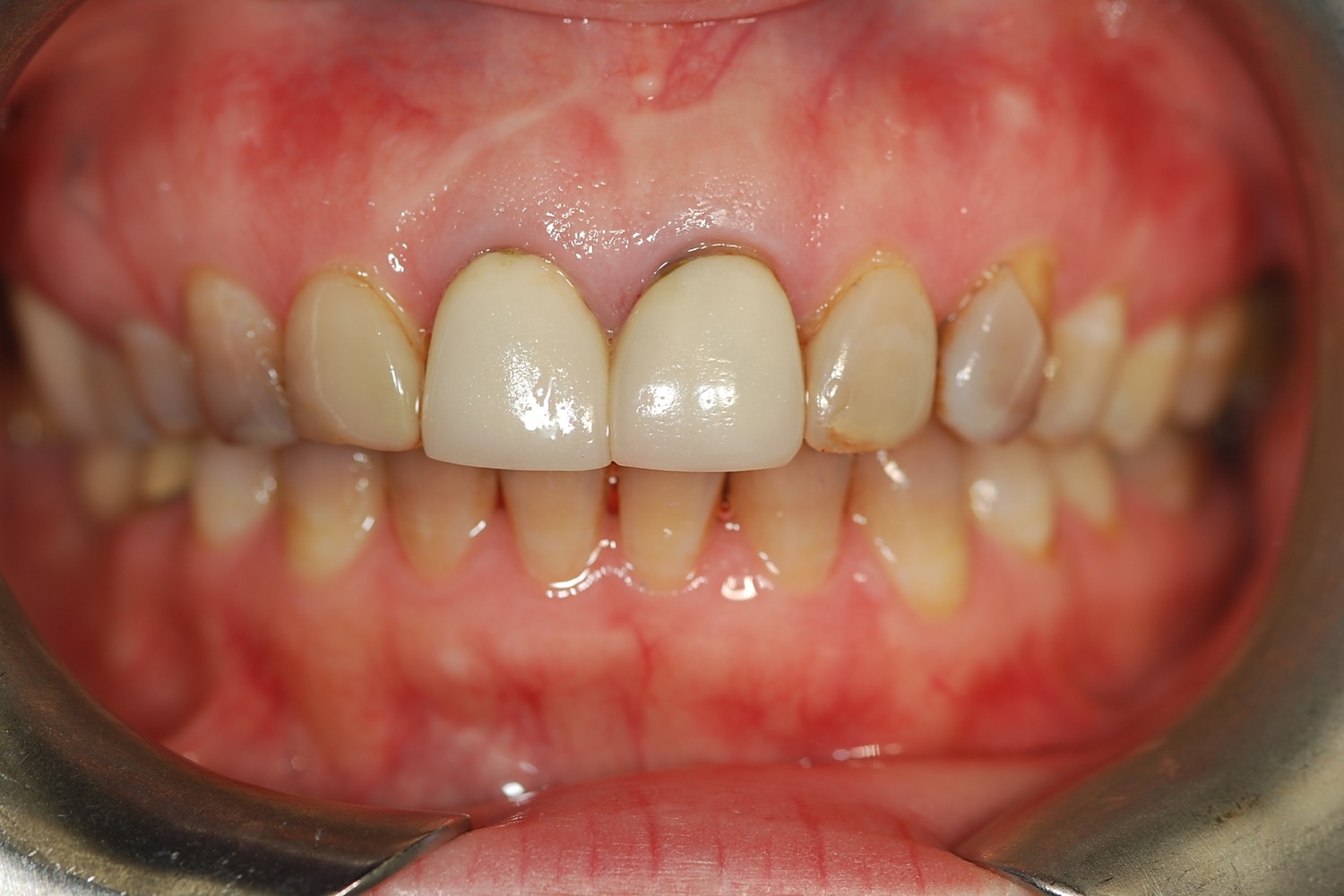 Before
 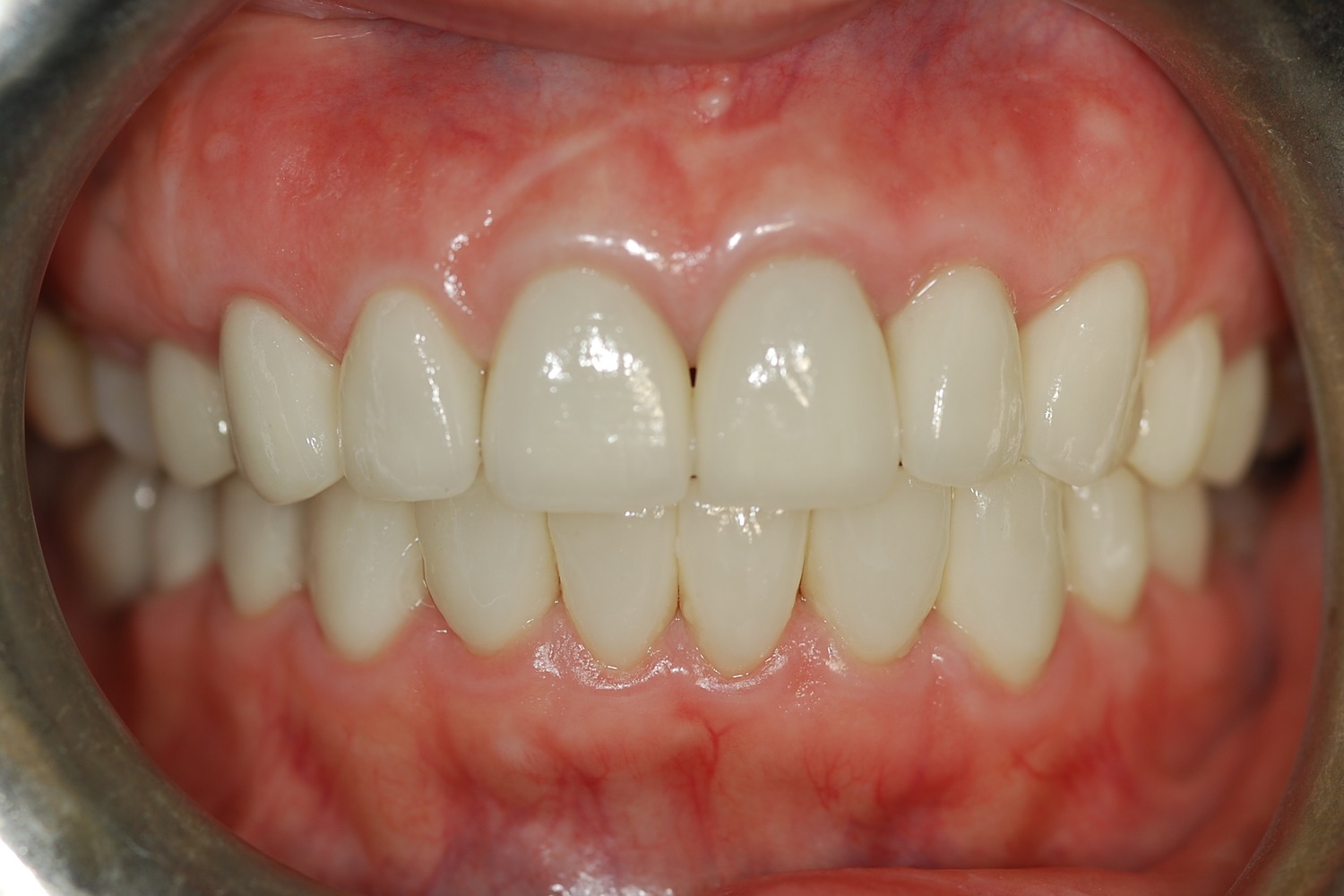 After
After How Aging, Opaque Restorations Were Replaced with Customized Ceramic Restorations Designed for Long-Term Natural Esthetics
The existing restorations appeared opaque, worn, and unnatural over time, affecting both confidence and overall smile harmony.
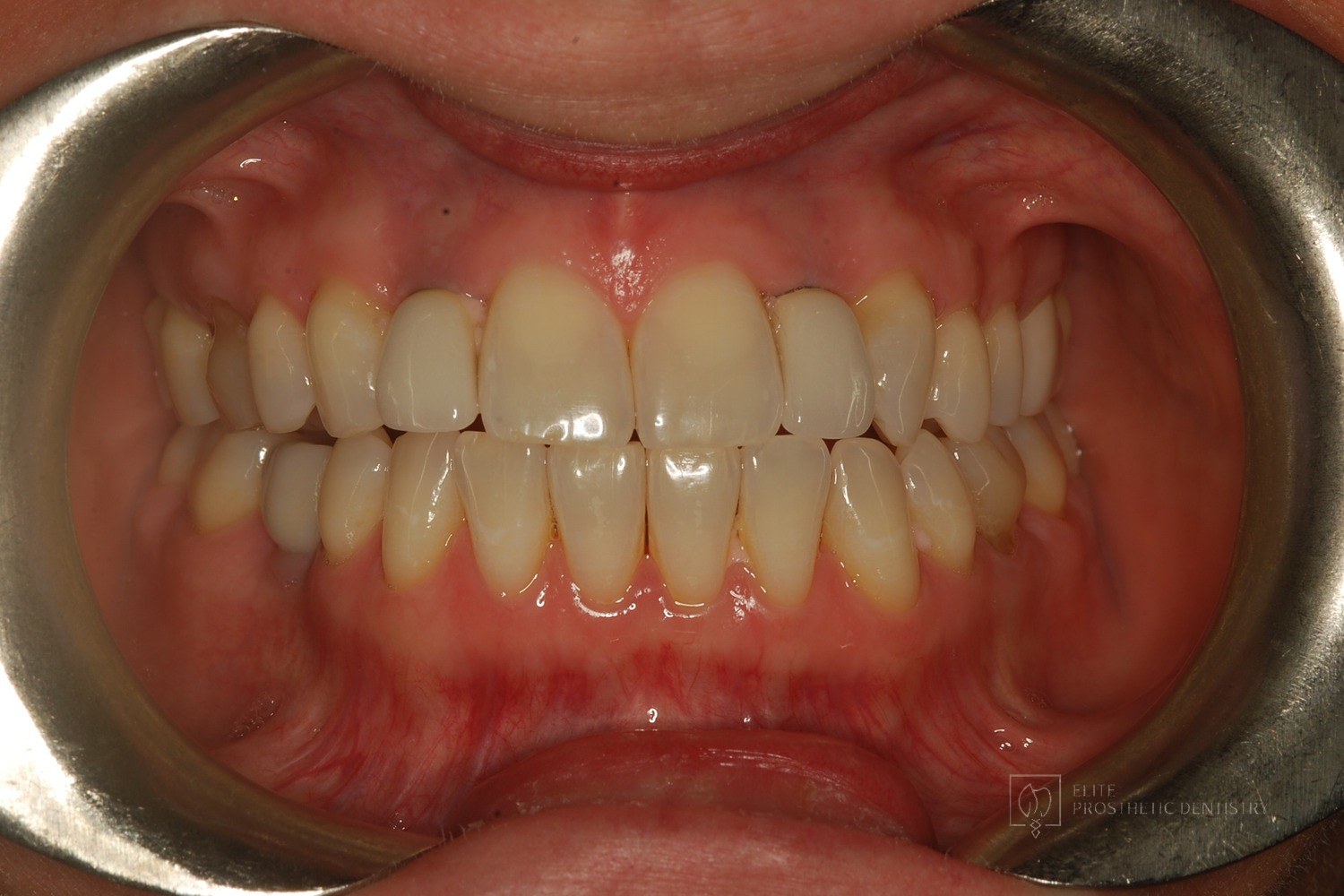 Before
 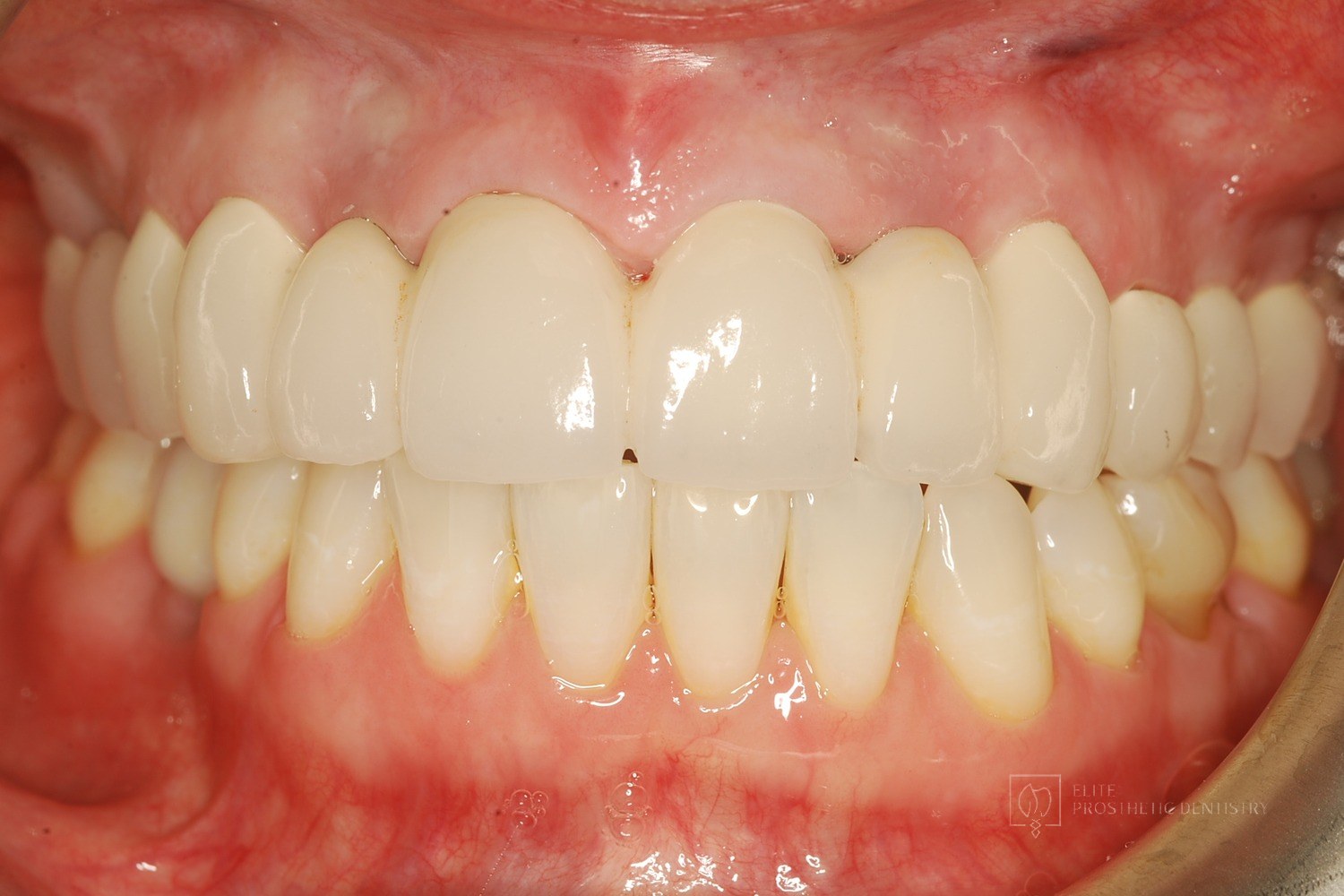 After
After How Older Implant Crowns Were Redesigned for a Better Bite and More Natural Appearance
The patient came in after years of living with implant-supported crowns placed more than twenty years earlier that no longer looked or functioned well. CBCT evaluation, reviewed with a radiologist colleague, showed the implants had been placed too far to the buccal in very thin bone and could not support a healthy long-term restoration.
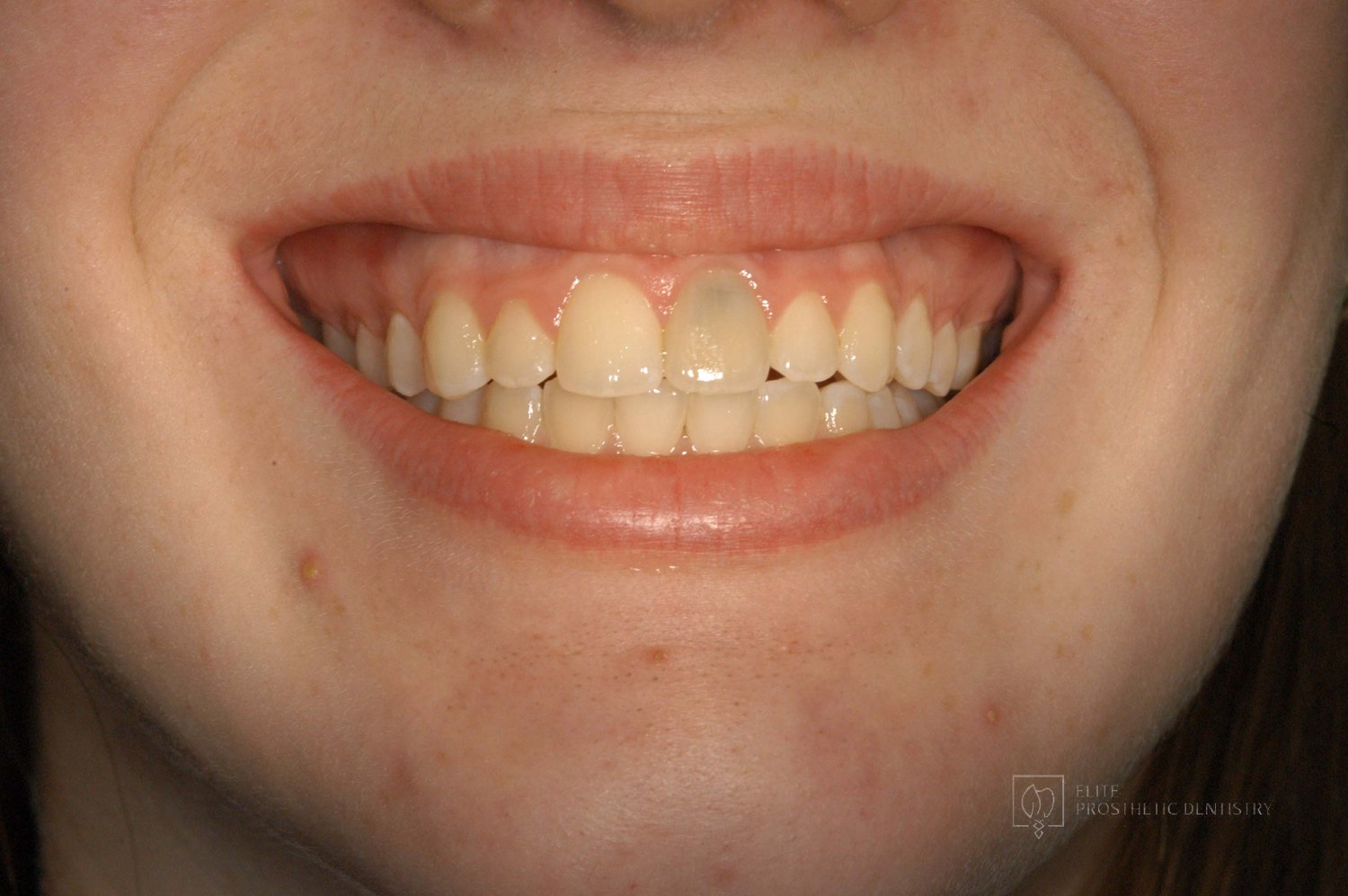 Before
 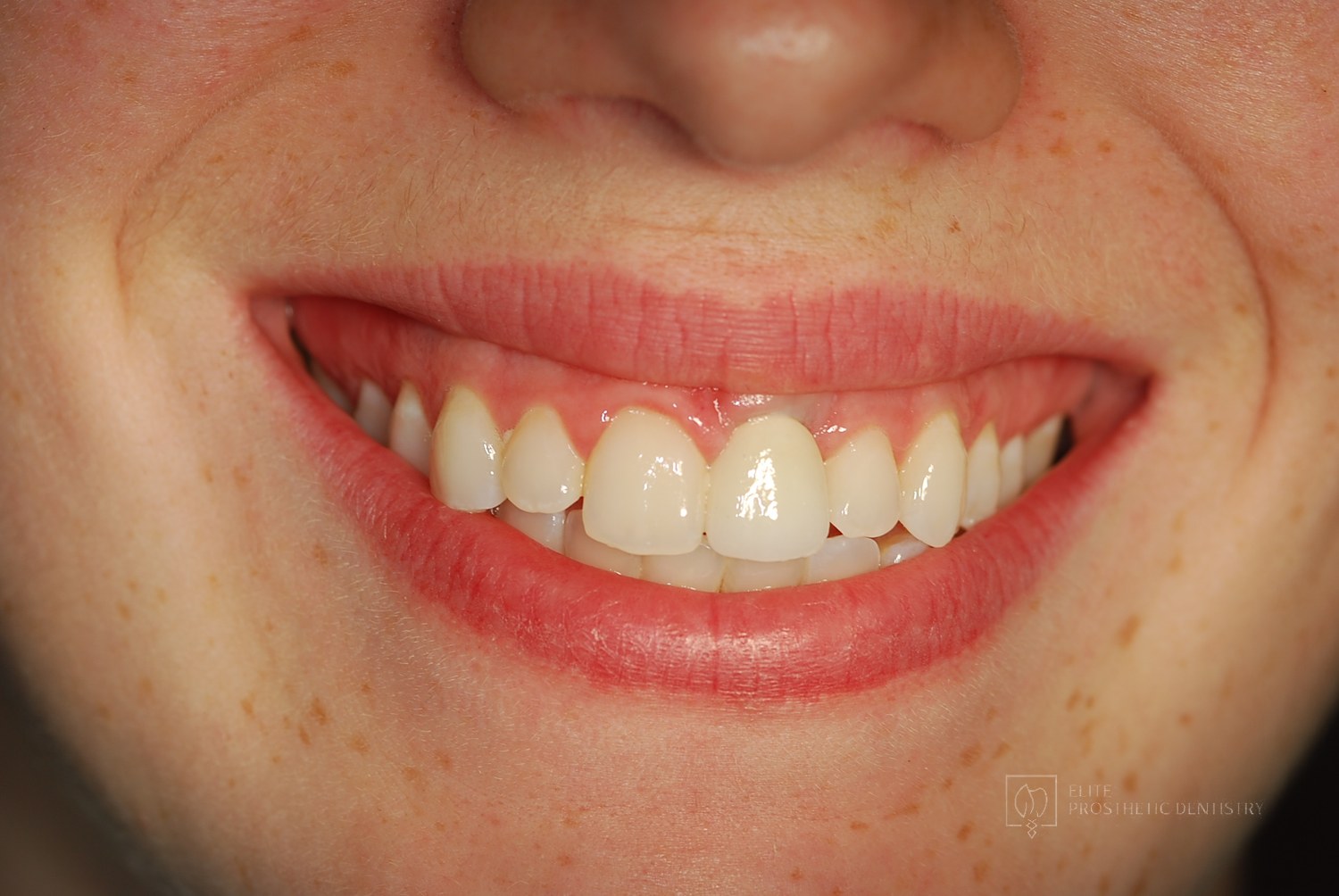 After
After How a Front Tooth Lost to Childhood Trauma Was Rebuilt with Bone Grafting and a Long-Lasting Implant
A teenager was referred by her father after earlier trauma left her upper left front tooth slowly failing from root resorption. She was still growing, so an immediate implant was the wrong move. The tooth had to be maintained to buy time, then replaced correctly once she reached skeletal maturity.
Related Articles
Deepen your knowledge with additional insights on this topic.
 Oral Health & Prevention
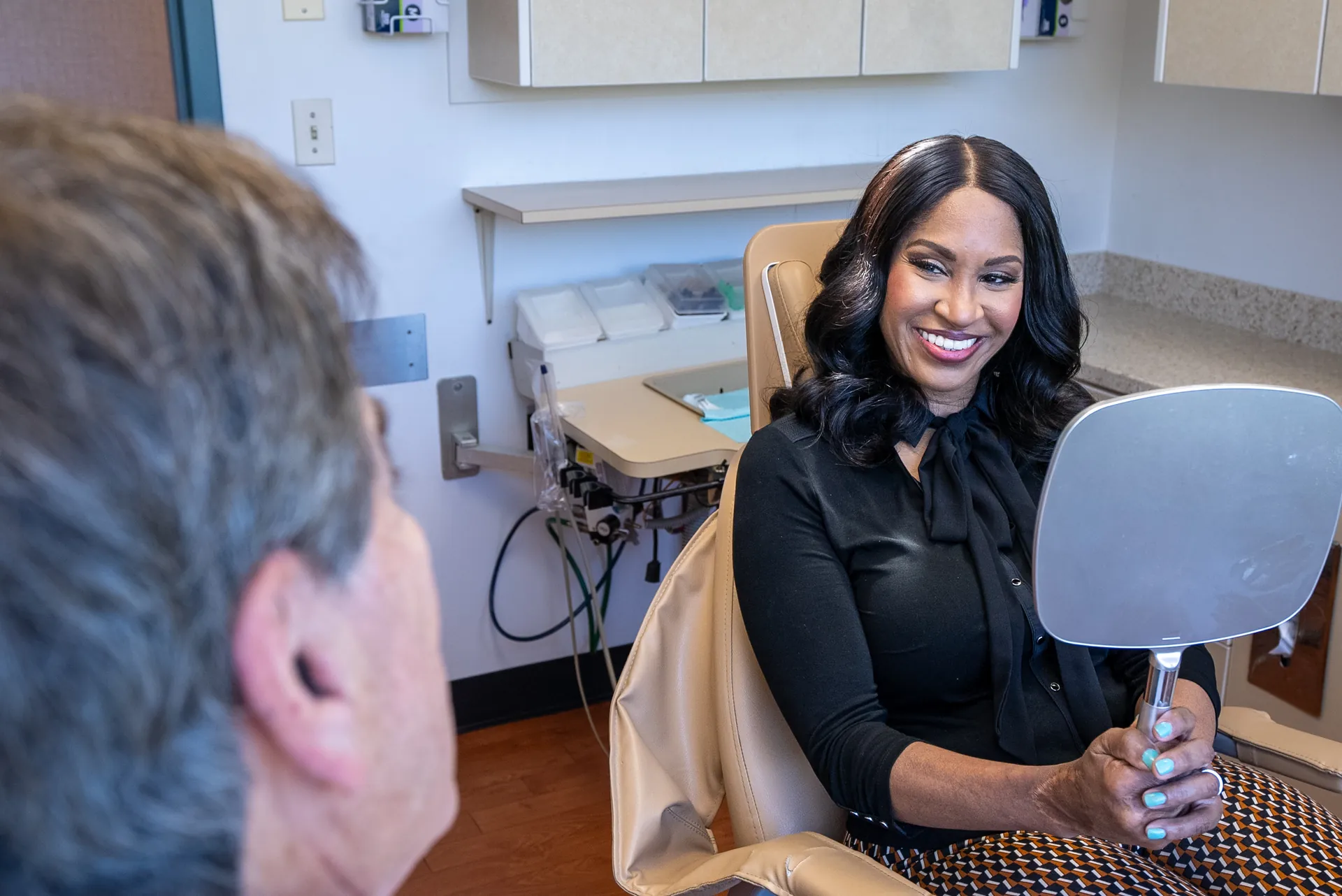
 Common Misconceptions About Gum (Periodontal) Disease: Myths vs. Facts
Bleeding gums are normal? Only older adults get gum disease? A DC prosthodontist corrects eight common myths about periodontal disease signs and treatment.
 Oral Health & Prevention
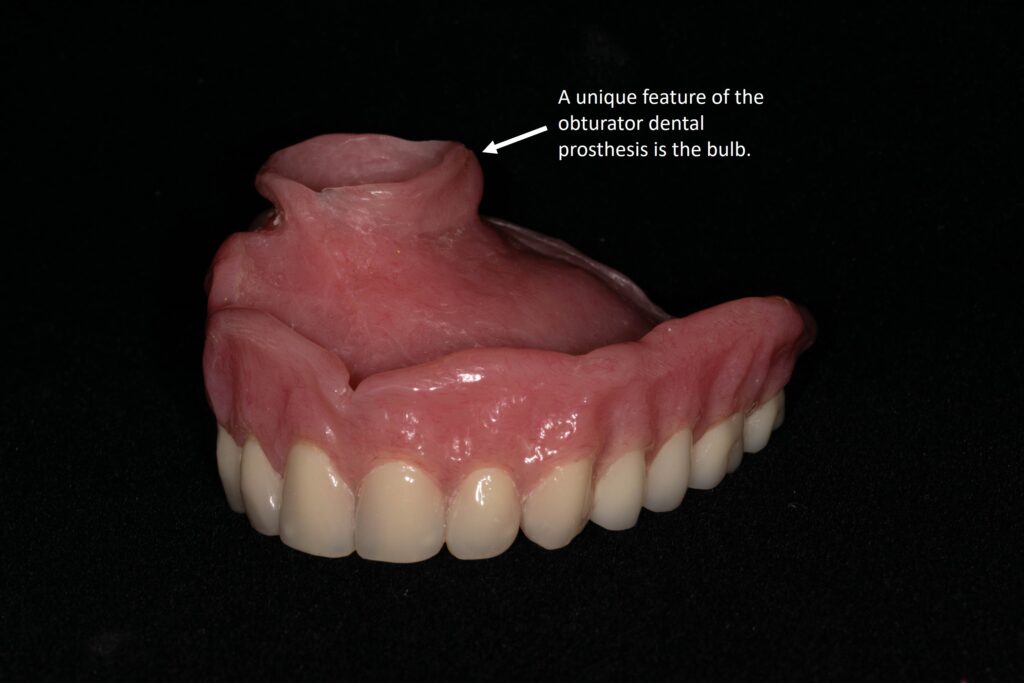
 Understanding Palatal Obturators for Openings in the Roof of the Mouth
A palatal obturator seals an opening in the roof of the mouth from cleft palate, surgery, or trauma. A DC prosthodontist explains how they work and their care.
 Oral Health & Prevention
 Dental Hygiene Care Is Not a 'One-Size-Fits-All' Process
The right hygiene routine depends on your gums, your risk factors, and your dental work. A DC prosthodontist explains why personalized hygiene care matters.