
5 Tips for a Healthier Smile
Skipping one tooth brushing seems harmless, and in isolation it is. The trouble is that oral health is a compounding game. Small habits, good or bad, repeat daily and accumulate for decades, and the difference between a healthy mouth at 60 and an expensive one is usually not genetics or luck but a handful of unglamorous routines. Here are the five with the best return on effort.
1. Brush and Floss, the Non-Negotiables
Brush twice a day with a fluoride toothpaste, angling toward the gumline, and clean between your teeth once a day. That pairing removes the plaque that causes both decay and gum disease, and nothing else on this list works without it. After meals when brushing is not practical, a thorough rinse with plain water clears food debris and dilutes acids until you can get to a brush.
2. Rinse as Reinforcement
A mouthwash used after brushing can reach surfaces brush and floss miss and leave the mouth genuinely cleaner, particularly an antiseptic or fluoride rinse with the ADA Seal of Acceptance. Think of it as reinforcement, not replacement: no rinse removes established plaque.
3. Eat Like Your Teeth Are Listening
Some foods actively help. Fresh fruits and vegetables scrub and stimulate saliva as you chew, cheese buffers acid and supplies calcium, unsweetened coffee and tea avoid feeding bacteria, and xylitol gum stimulates saliva flow with a sweetener decay-causing bacteria cannot use. The flip side matters more: frequent sugar exposure, especially sipped or grazed across the day, is the steadiest driver of decay. Enjoy sweets with meals rather than as all-day companions, and make water your default drink.
4. Keep Your Checkups
Professional cleanings remove the hardened tartar home care cannot, and examinations exist to catch problems while they are still small: early gum inflammation, a cavity that needs a modest filling instead of a root canal, an aging crown or filling whose margin is beginning to open. Small problems found early are treated simply and inexpensively; the same problems found late rarely are. Twice a year suits most people, and we will tell you honestly if your situation calls for more or less. Our gum disease prevention checklist pairs well with this habit.
5. Ask About Sealants
The chewing surfaces of molars are creased with grooves too narrow for bristles, which is why they are where most cavities start. Dental sealants flow into those grooves and harden into a smooth, cleanable surface. They take minutes to place, involve no drilling, and can protect for up to ten years. They are routine for children and underused in decay-prone adults; ask whether your molars would benefit.
A Word on Consistency Over Perfection
If this list feels like a lot, focus on the first habit and let the rest follow. Brushing and flossing done reliably every day outperform an elaborate routine done sporadically. The bacteria that cause decay and gum disease do not care how thorough you were last Tuesday; they respond to what you do daily. That is also why the occasional missed brushing is forgivable while a pattern of them is not. Build the routine so it survives busy days: keep floss where you will see it, keep a toothbrush at work if that helps, and treat the two-minute brush as non-negotiable rather than aspirational. Small habits kept for decades are what separate a low-maintenance mouth from an expensive one, and none of them requires willpower once they are automatic.
None of these habits is difficult. Their power is in the repetition, and the payoff is a mouth that needs less dentistry over a lifetime. If a checkup is overdue, or you would like an honest assessment of where your smile stands, call 202-244-2101 or request an appointment at Elite Prosthetic Dentistry in Friendship Heights, Washington, DC.
See How We Resolve These Problems
Our patient success stories show real cases and real results. Browse outcomes from a specialist prosthodontist with decades of experience and 3,900+ implants placed.
Key Takeaways
- ✓ Oral health is a compounding game: a few small daily habits, kept consistently, prevent most decay and gum disease.
- ✓ Brush twice daily with fluoride toothpaste and floss once. When brushing after a meal is not possible, rinsing with water helps.
- ✓ Diet works both ways. Fresh produce, cheese, and xylitol gum support teeth; frequent sugar exposure steadily undermines them.
- ✓ Checkups exist to catch small problems while they are still small, including aging fillings and crowns that are easier to address early.
Frequently Asked Questions
What are the most important habits for healthy teeth?
Five carry most of the weight: brush twice a day with fluoride toothpaste, clean between your teeth daily, rinse with water or mouthwash after meals when you cannot brush, favor tooth-friendly foods over frequent sugar, and keep regular professional cleanings and examinations. Consistency matters more than perfection with any single habit.
Is skipping brushing once in a while really a problem?
One missed session is not a catastrophe, but plaque begins organizing within hours and calcifies into tartar within days, and skipped brushings have a way of becoming habits. The cost of oral hygiene is paid in small daily increments, and so is the damage from neglecting it.
Do adults benefit from dental sealants?
Often, yes. Sealants fill the deep grooves in the chewing surfaces of molars where bristles cannot reach, and they can protect decay-prone adult teeth, not just children's. A sealant takes minutes to place and can last for years. Ask at your next examination whether your molars are good candidates.
Related Patient Success Stories
Explore similar patient success stories demonstrating our expertise in advanced prosthetic dentistry.
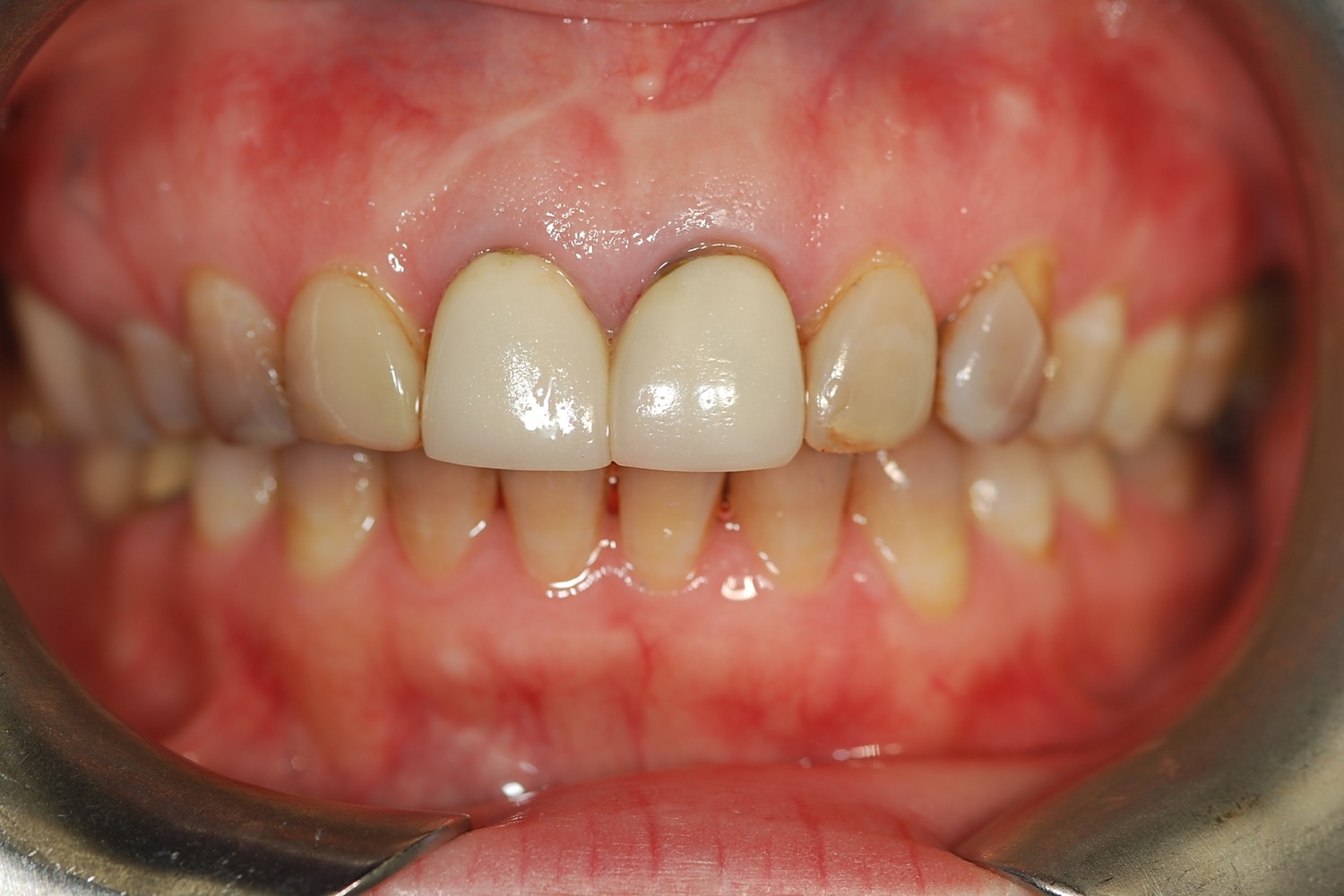 Before
 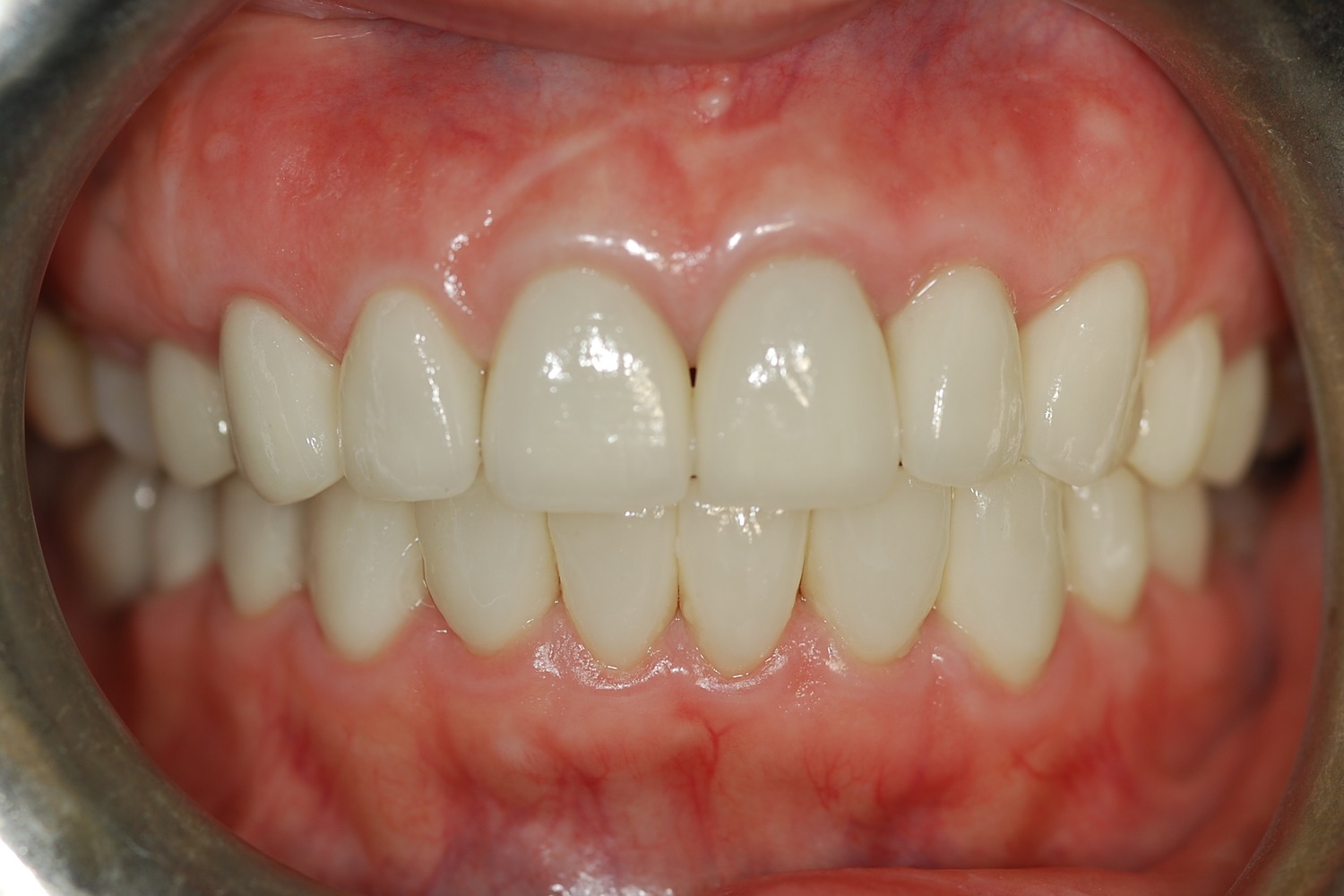 After
After How Aging, Opaque Restorations Were Replaced with Customized Ceramic Restorations Designed for Long-Term Natural Esthetics
The existing restorations appeared opaque, worn, and unnatural over time, affecting both confidence and overall smile harmony.
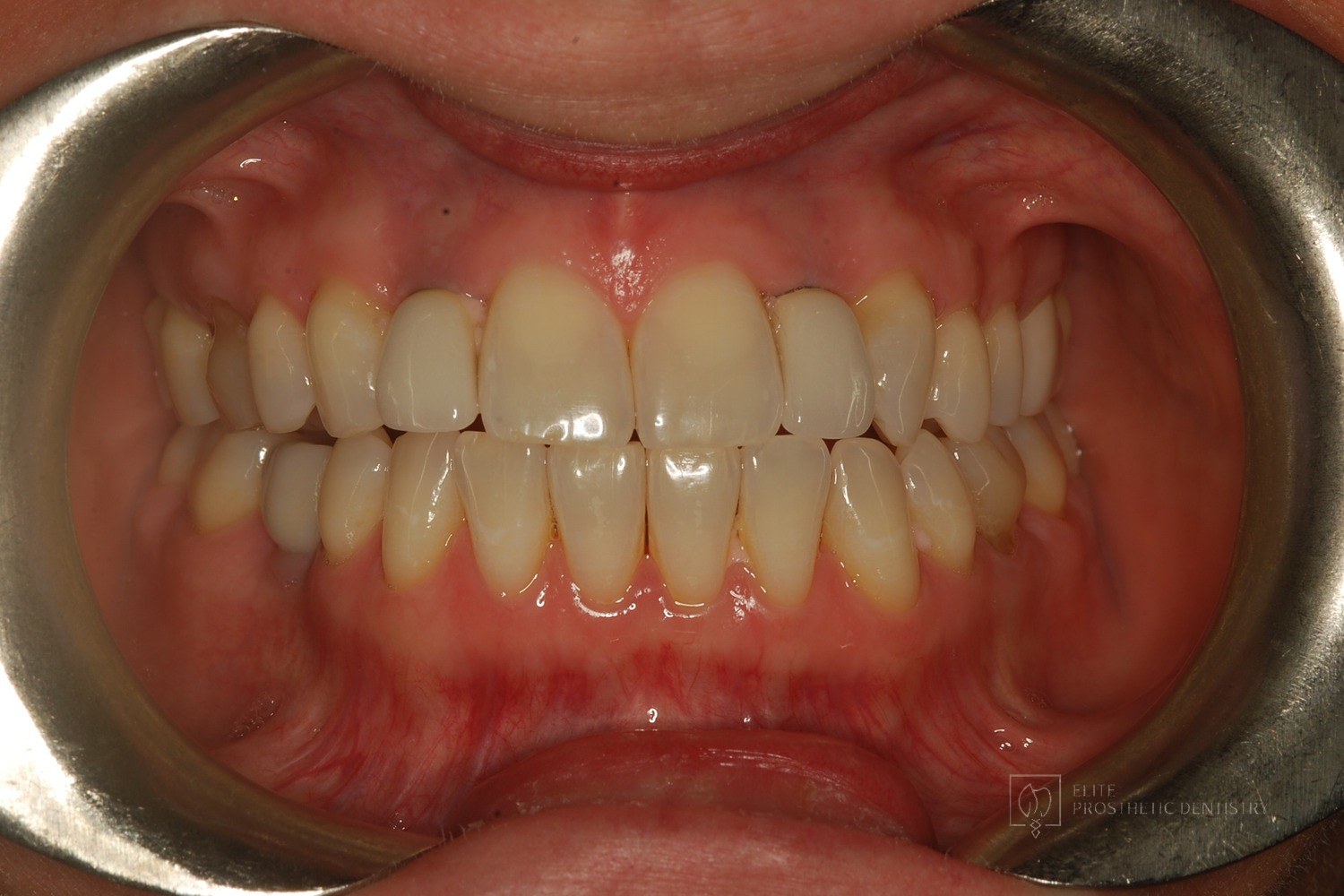 Before
 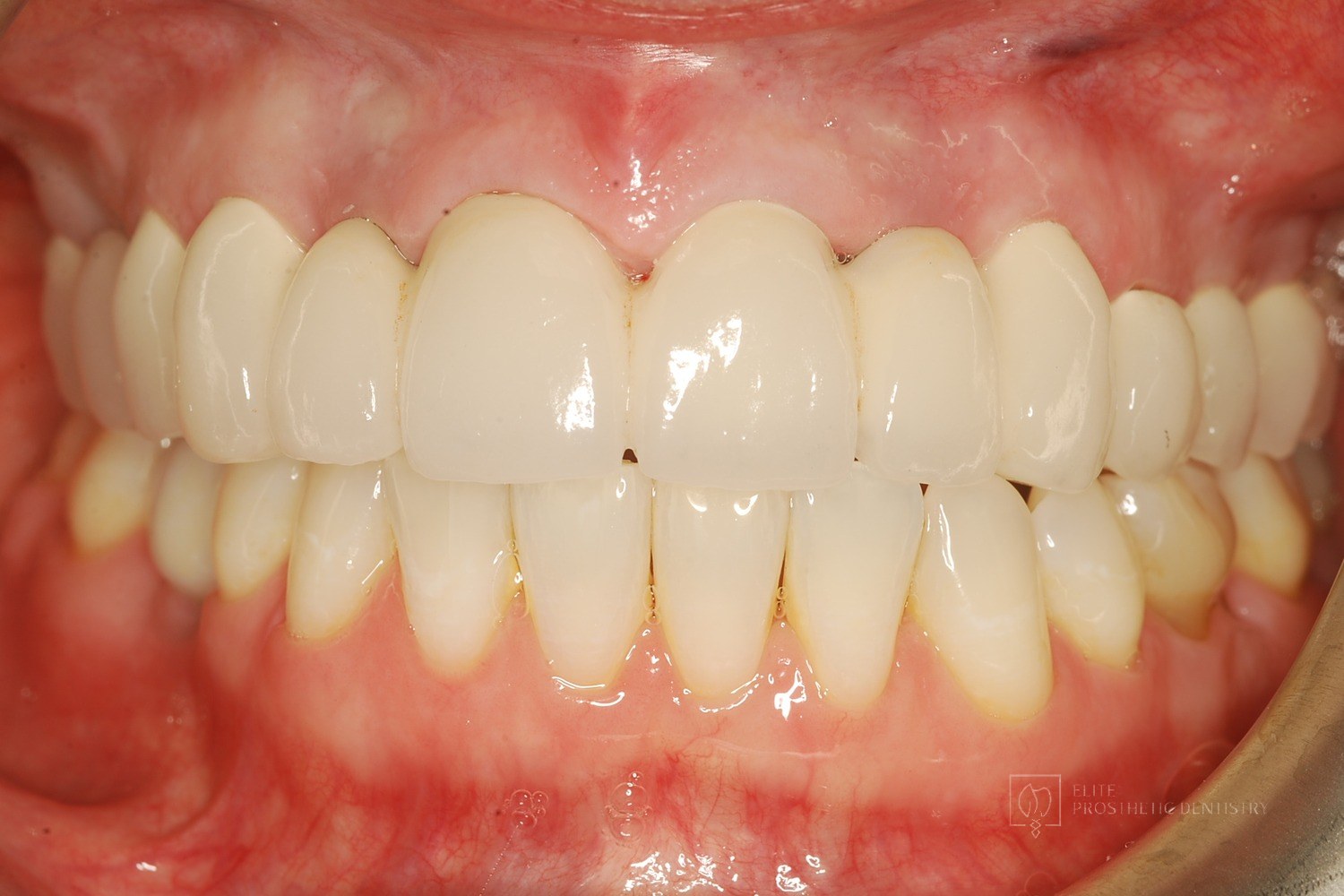 After
After How Older Implant Crowns Were Redesigned for a Better Bite and More Natural Appearance
The patient came in after years of living with implant-supported crowns placed more than twenty years earlier that no longer looked or functioned well. CBCT evaluation, reviewed with a radiologist colleague, showed the implants had been placed too far to the buccal in very thin bone and could not support a healthy long-term restoration.
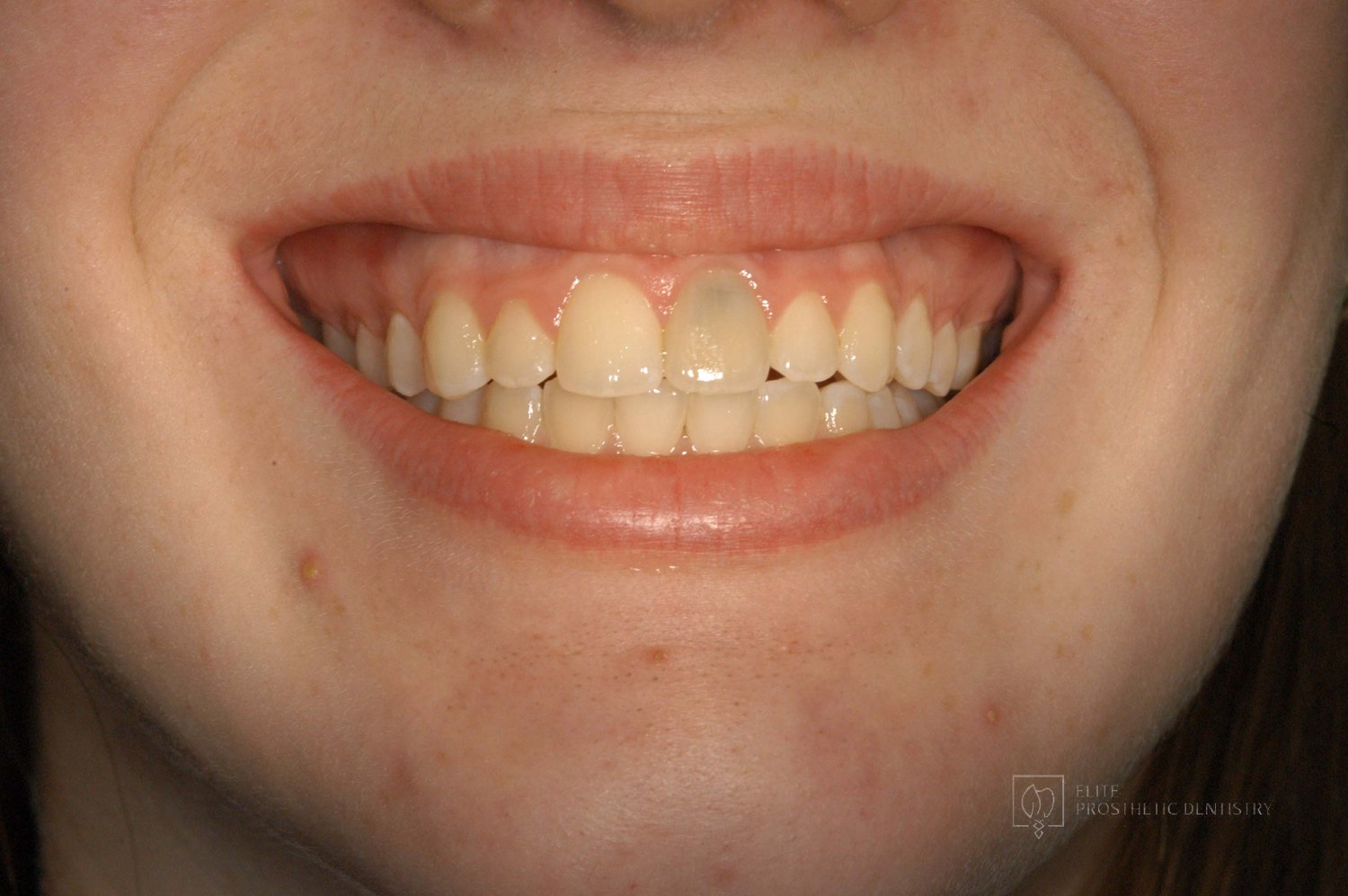 Before
 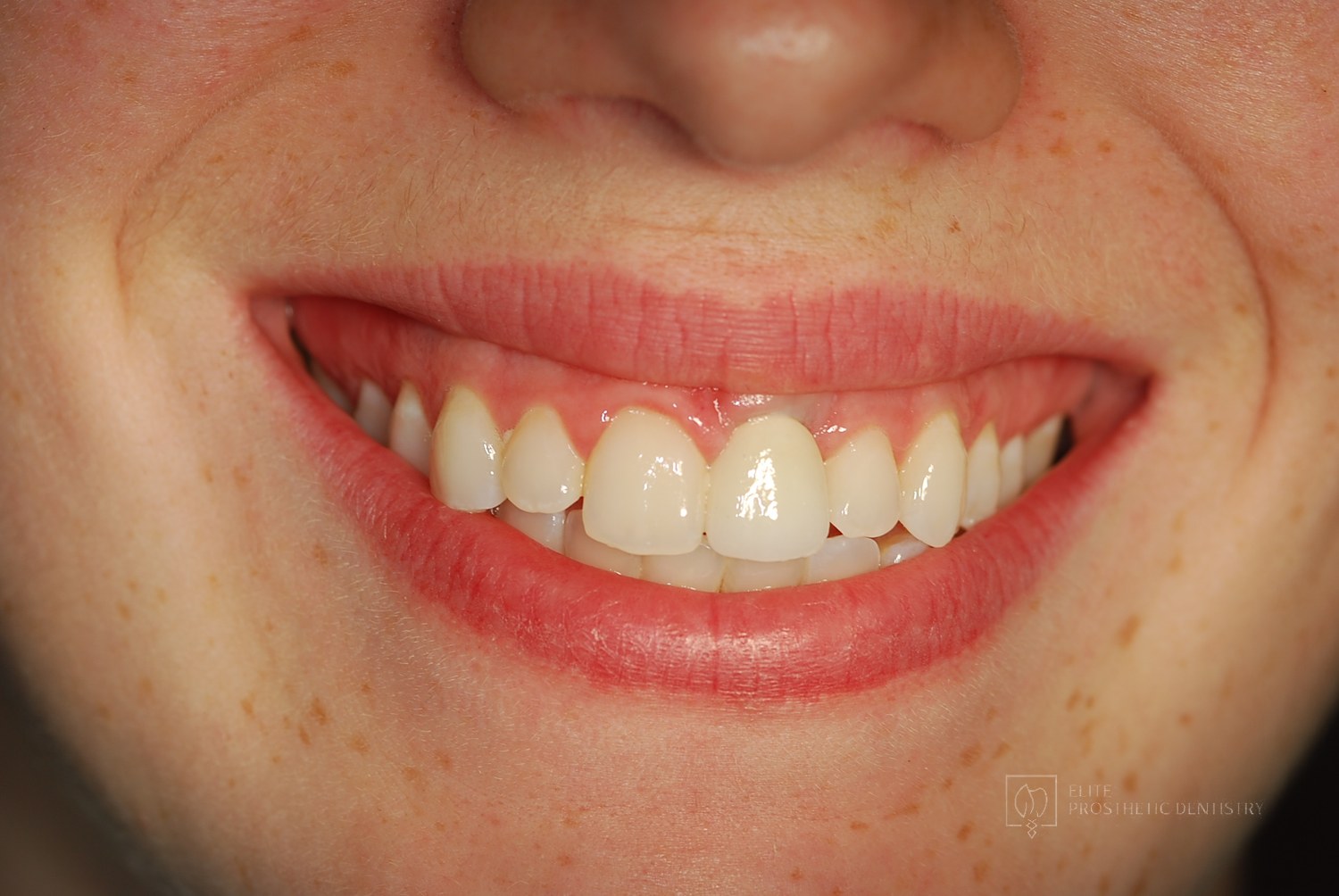 After
After How a Front Tooth Lost to Childhood Trauma Was Rebuilt with Bone Grafting and a Long-Lasting Implant
A teenager was referred by her father after earlier trauma left her upper left front tooth slowly failing from root resorption. She was still growing, so an immediate implant was the wrong move. The tooth had to be maintained to buy time, then replaced correctly once she reached skeletal maturity.
Related Articles
Deepen your knowledge with additional insights on this topic.
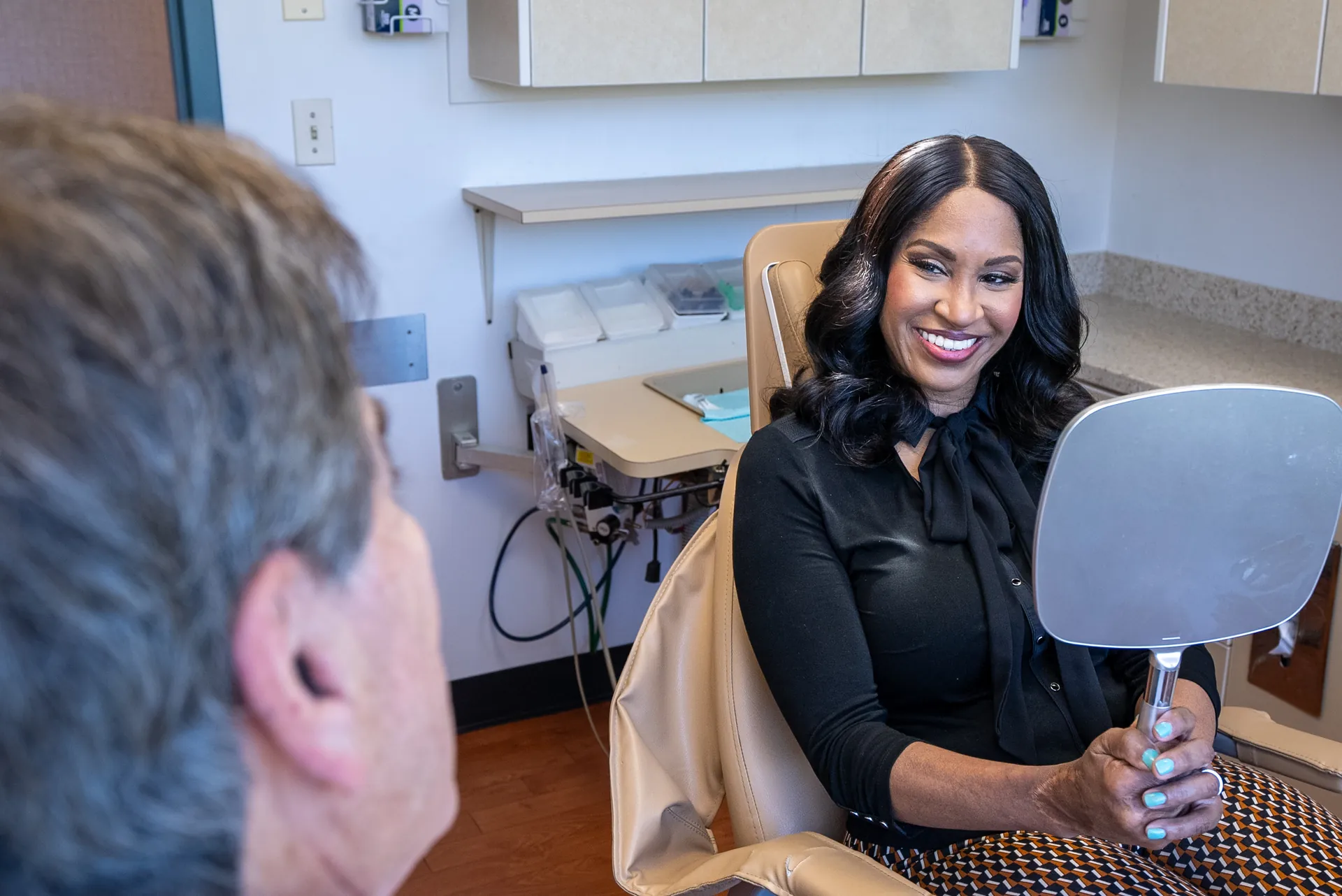 Oral Health & Prevention
 Common Misconceptions About Gum (Periodontal) Disease: Myths vs. Facts
Bleeding gums are normal? Only older adults get gum disease? A DC prosthodontist corrects eight common myths about periodontal disease signs and treatment.
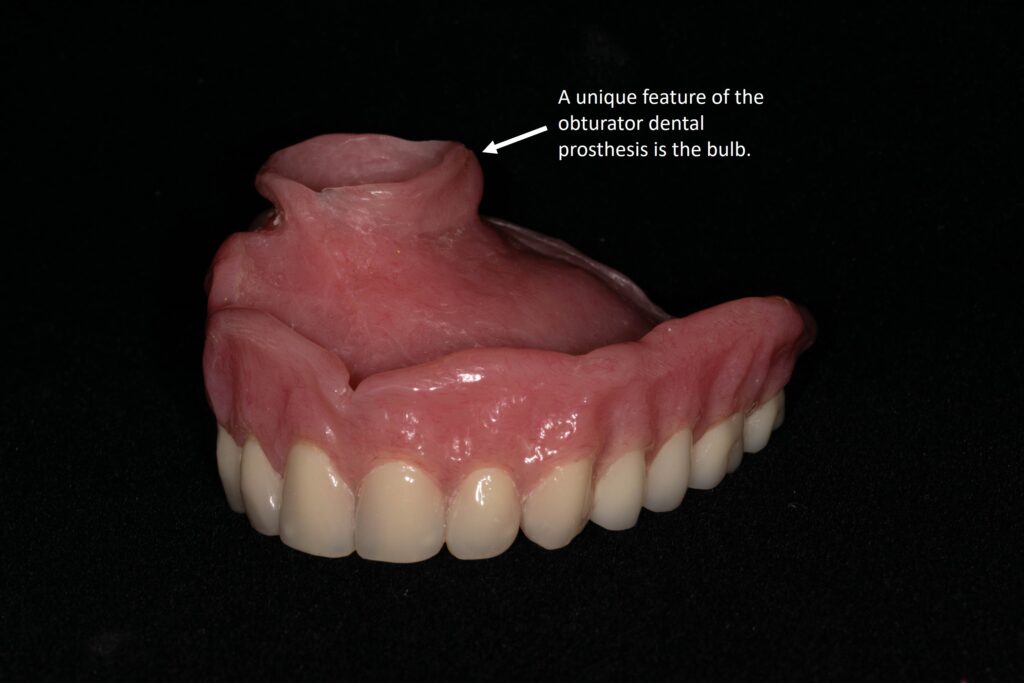 Oral Health & Prevention
 Understanding Palatal Obturators for Openings in the Roof of the Mouth
A palatal obturator seals an opening in the roof of the mouth from cleft palate, surgery, or trauma. A DC prosthodontist explains how they work and their care.
 Oral Health & Prevention
 Dental Hygiene Care Is Not a 'One-Size-Fits-All' Process
The right hygiene routine depends on your gums, your risk factors, and your dental work. A DC prosthodontist explains why personalized hygiene care matters.