
Oral Bacteria: Get the Facts
We all carry bacteria in our mouths, helpful and harmful together, and most people know surprisingly little about what they actually do. The picture is more interesting, and more reassuring, than the “germs are bad” reflex suggests. Here are the facts worth knowing.
Fact 1: There Are Hundreds of Species in There
An individual mouth typically hosts several hundred bacterial species, part of a human oral microbiome that exceeds 700 species overall. The great majority are harmless or beneficial. Health is about keeping that community in balance, not sterilizing it.
Fact 2: You Were Not Born With Them
A newborn’s mouth is essentially free of bacteria at birth. Within hours, bacteria transfer in from caregivers, largely through ordinary close contact and shared food. Your oral ecosystem is, in a sense, inherited and assembled over a lifetime.
Fact 3: Saliva Is Doing More Than You Think
Saliva is a frontline defense. It physically flushes bacteria from the mouth and makes tooth surfaces slicker and harder for bacteria to colonize, while also buffering acids and delivering minerals back to enamel. A dry mouth loses these protections, which is one reason hydration matters for dental health.
Fact 4: Some Foods Help Clean Your Teeth
Crunchy vegetables like carrots and celery gently stimulate the gums and scrub tooth surfaces as you chew, and crisp fruits such as apples increase saliva flow that rinses teeth. None of this replaces brushing, but a diet built around whole, fibrous foods works with your mouth rather than against it.
Fact 5: Do Not Forget the Tongue
The tongue holds a significant share of the mouth’s bacteria in the texture of its surface. Cleaning it is as important as brushing and flossing, because tongue bacteria feed bad breath and add to the overall bacterial load affecting your gums. A plastic or metal tongue scraper, used gently front to back once a day, does the job.
Fact 6: Hormones Change the Equation
Hormonal shifts, notably during pregnancy, can raise the risk of enamel erosion and gum inflammation. Morning sickness adds stomach acid to the mix, which softens enamel temporarily. It is one reason oral care deserves extra attention during pregnancy, a topic we cover in oral health and pregnancy.
Fact 7: Smoking Tips the Balance the Wrong Way
Smoking raises the risk of both tooth decay and gum disease. Part of the mechanism is ecological: tobacco smoke destroys beneficial bacteria that help hold harmful species in check, letting the troublemakers gain ground. It also reduces blood flow to the gums and masks early warning signs.
Fact 8: They Multiply Fast
Oral bacteria can roughly double in number every few hours. That short cycle is exactly why twice-daily brushing is the standard: you are resetting the population before it matures into established, disease-causing biofilm.
Fact 9: Balance Beats Warfare
It is tempting to think the goal is to kill every bacterium in your mouth, but that is neither possible nor desirable. Harsh, constant use of strong antiseptics can disrupt the beneficial community that keeps harmful species in check, a bit like clearing a garden of everything and wondering why weeds move in first. The productive approach is mechanical and steady: disrupt plaque daily with brushing and flossing, limit the frequent sugar that feeds acid-producing bacteria, stay hydrated to support saliva, and let professional cleanings handle what hardens anyway. Antiseptic rinses have a place as a supplement, especially around gum inflammation, but they work best alongside that routine rather than in place of it.
The Takeaway
Something microscopic has an outsized effect on your teeth, your gums, and the lifespan of any dental work you have. You do not need to fear your oral bacteria; you need to keep them in balance with daily care and regular professional cleanings.
If it is time for a checkup, call 202-244-2101 or request an appointment at Elite Prosthetic Dentistry in Friendship Heights, Washington, DC.
See How We Resolve These Problems
Our patient success stories show real cases and real results. Browse outcomes from a specialist prosthodontist with decades of experience and 3,900+ implants placed.
Key Takeaways
- ✓ Your mouth carries hundreds of bacterial species, both helpful and harmful. Health depends on balance, not on eliminating them all.
- ✓ Saliva is a built-in defense: it washes bacteria away and makes it harder for them to cling to teeth.
- ✓ The tongue holds a large share of oral bacteria, so cleaning it is as important as brushing and flossing for fresh breath and health.
- ✓ Smoking and frequent sugar tilt the balance toward harmful bacteria; crunchy produce and water help tilt it back.
Frequently Asked Questions
How many kinds of bacteria live in the mouth?
Estimates commonly cite several hundred species in an individual mouth, part of a broader human oral microbiome exceeding 700 identified species. Most are harmless or beneficial. Only a small number, such as the bacteria that drive tooth decay and periodontal disease, cause the problems dentistry spends its time preventing and treating.
Does cleaning your tongue actually matter?
Yes. The tongue's textured surface harbors a large share of the mouth's bacteria, and leaving it uncleaned contributes to bad breath and feeds the bacterial load that affects gums and teeth. A quick daily pass with a tongue scraper, front to back, meaningfully reduces that population and often freshens breath noticeably.
Why is sugar so bad for oral bacteria balance?
Decay-causing bacteria such as Streptococcus mutans metabolize sugar and excrete acid that dissolves enamel. Frequent sugar exposure keeps that acid attack going and lets harmful species outcompete beneficial ones. It is the frequency, not just the amount, that matters, which is why constant sipping and grazing are especially damaging.
Related Patient Success Stories
Explore similar patient success stories demonstrating our expertise in advanced prosthetic dentistry.
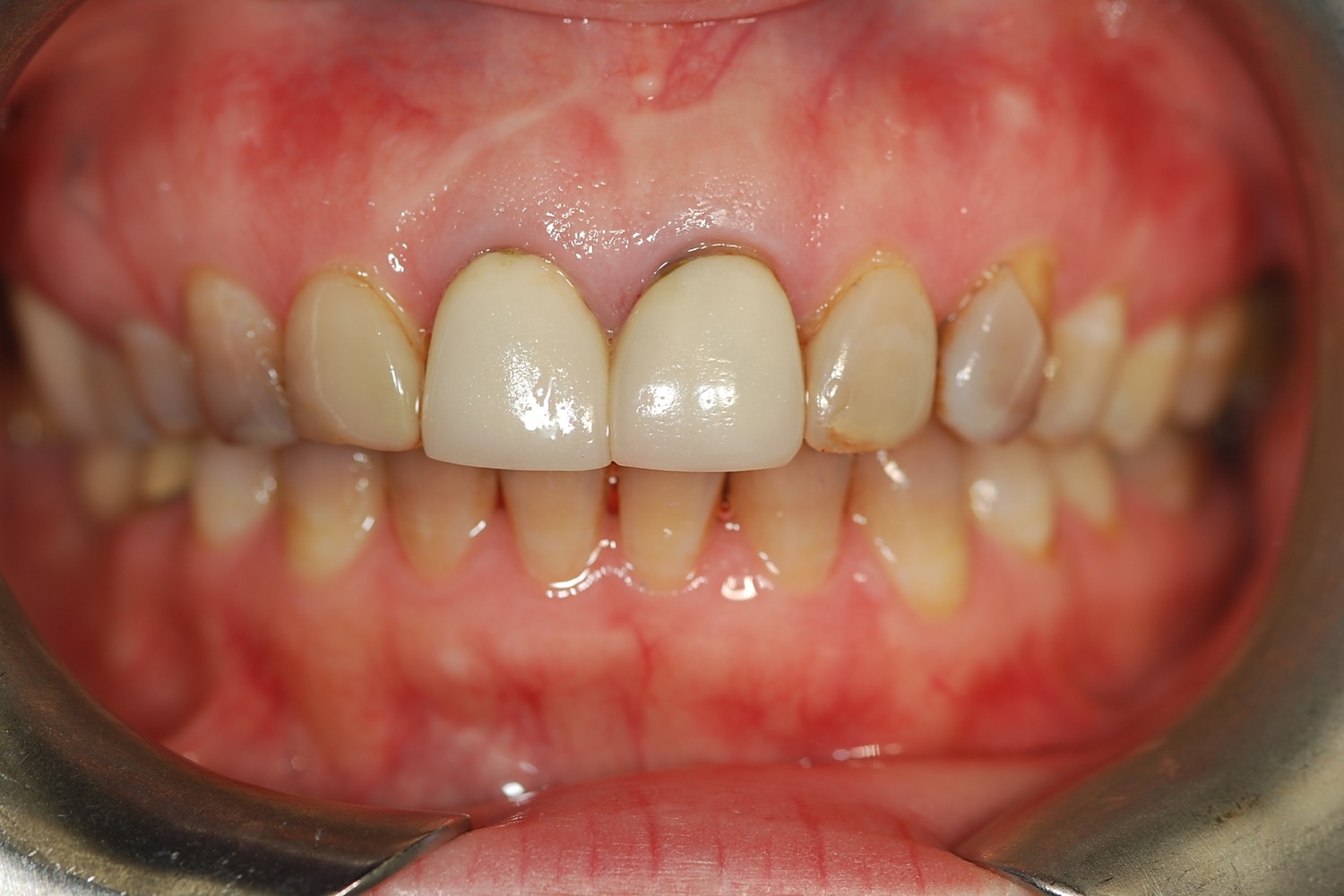 Before
 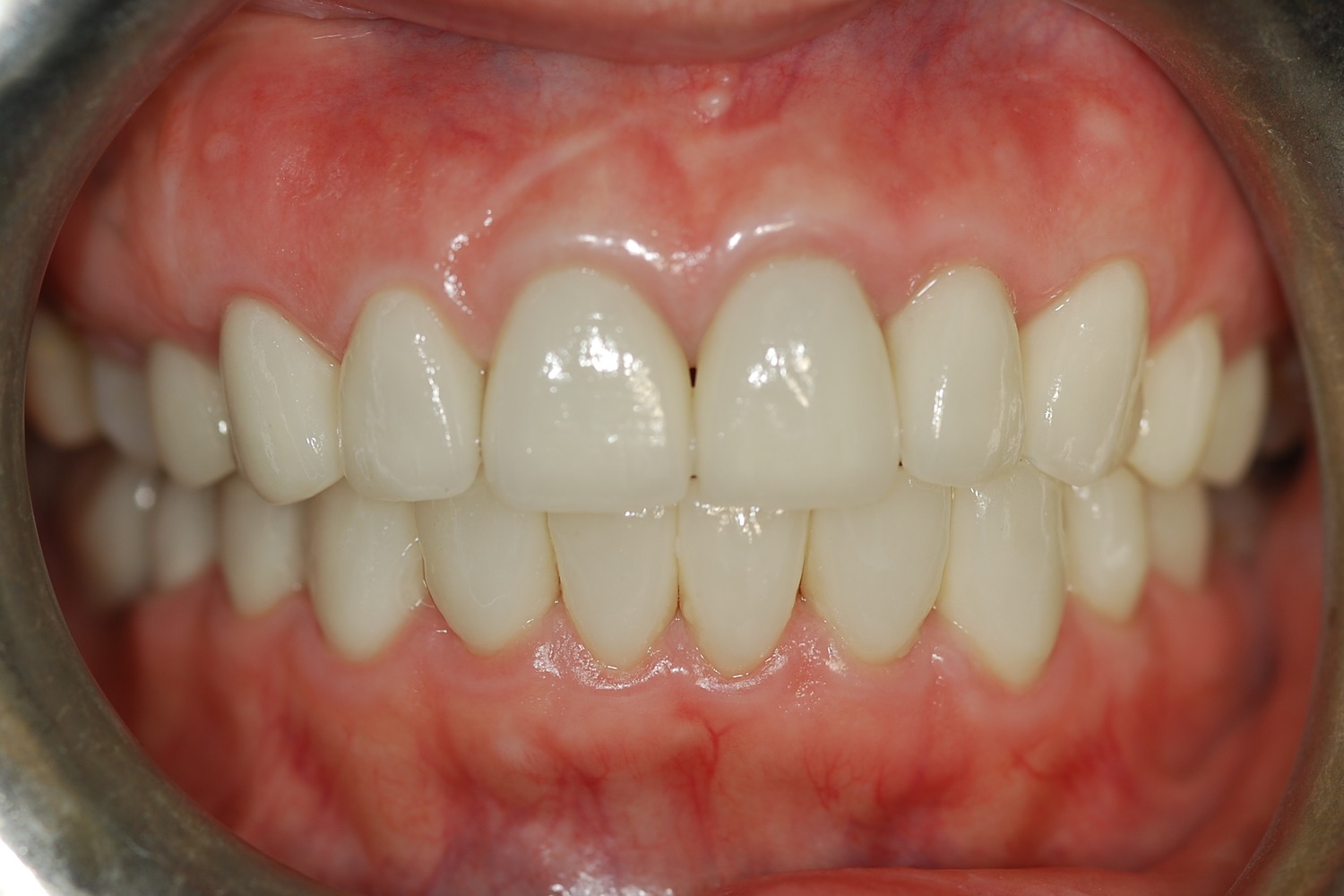 After
After How Aging, Opaque Restorations Were Replaced with Customized Ceramic Restorations Designed for Long-Term Natural Esthetics
The existing restorations appeared opaque, worn, and unnatural over time, affecting both confidence and overall smile harmony.
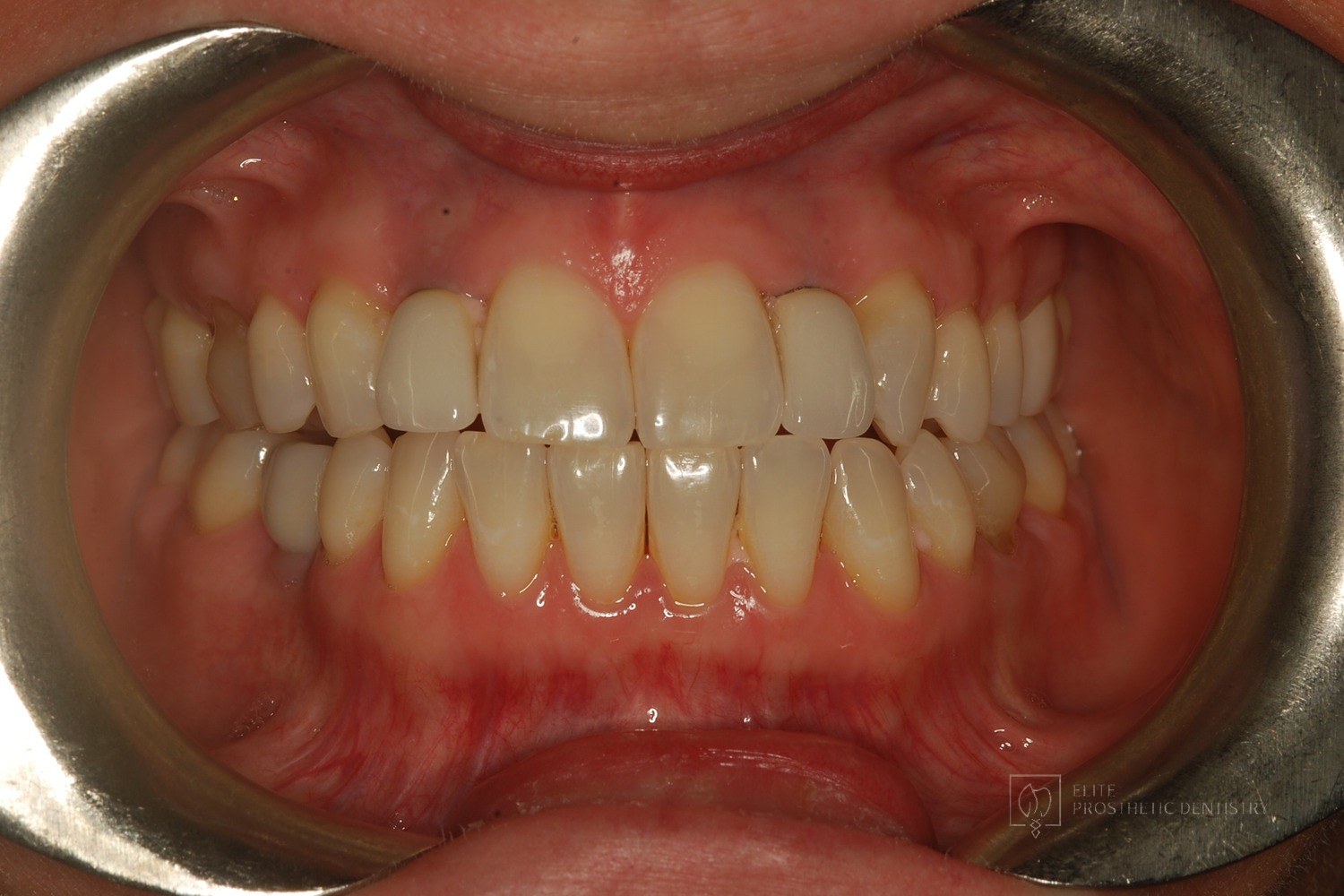 Before
 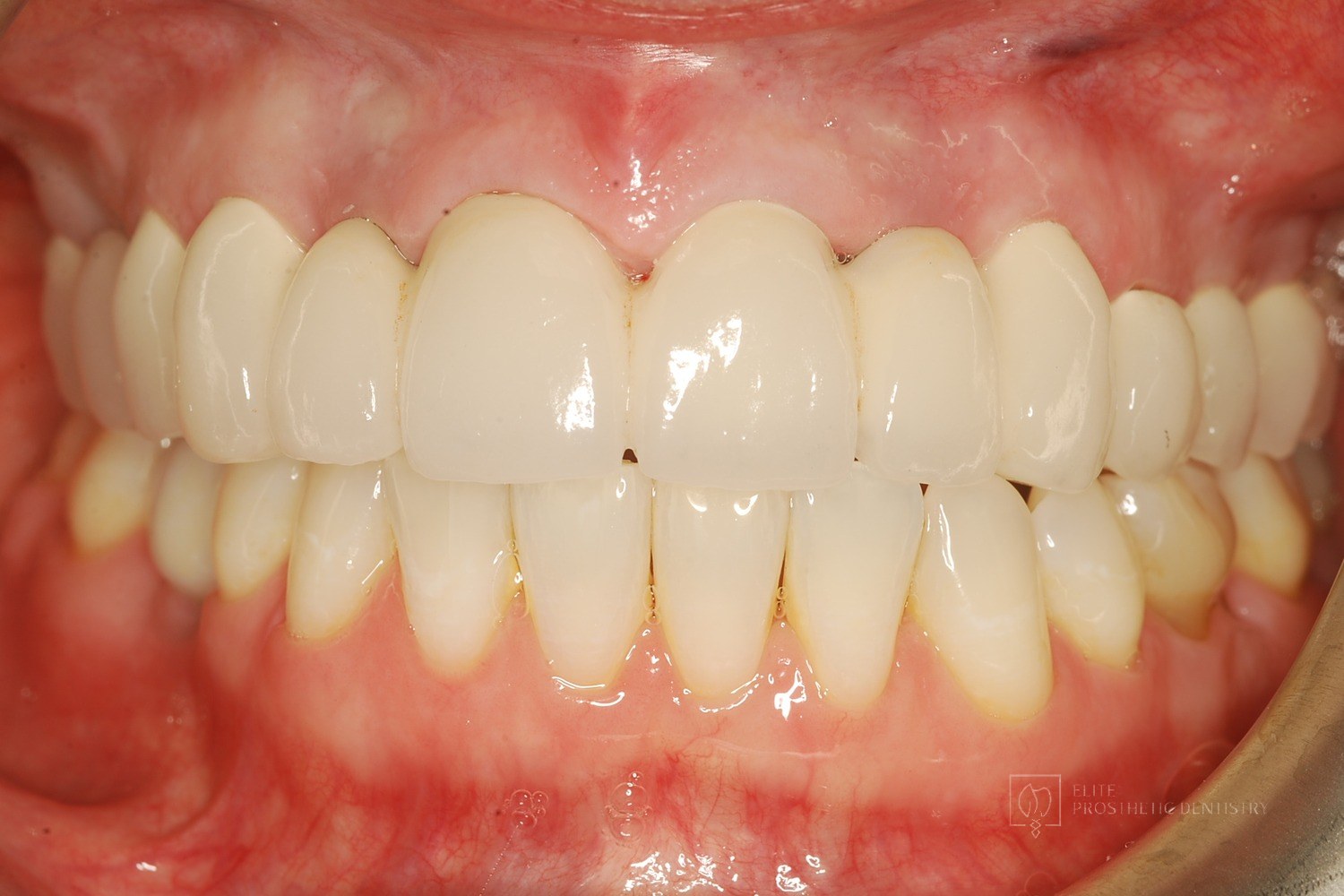 After
After How Older Implant Crowns Were Redesigned for a Better Bite and More Natural Appearance
The patient came in after years of living with implant-supported crowns placed more than twenty years earlier that no longer looked or functioned well. CBCT evaluation, reviewed with a radiologist colleague, showed the implants had been placed too far to the buccal in very thin bone and could not support a healthy long-term restoration.
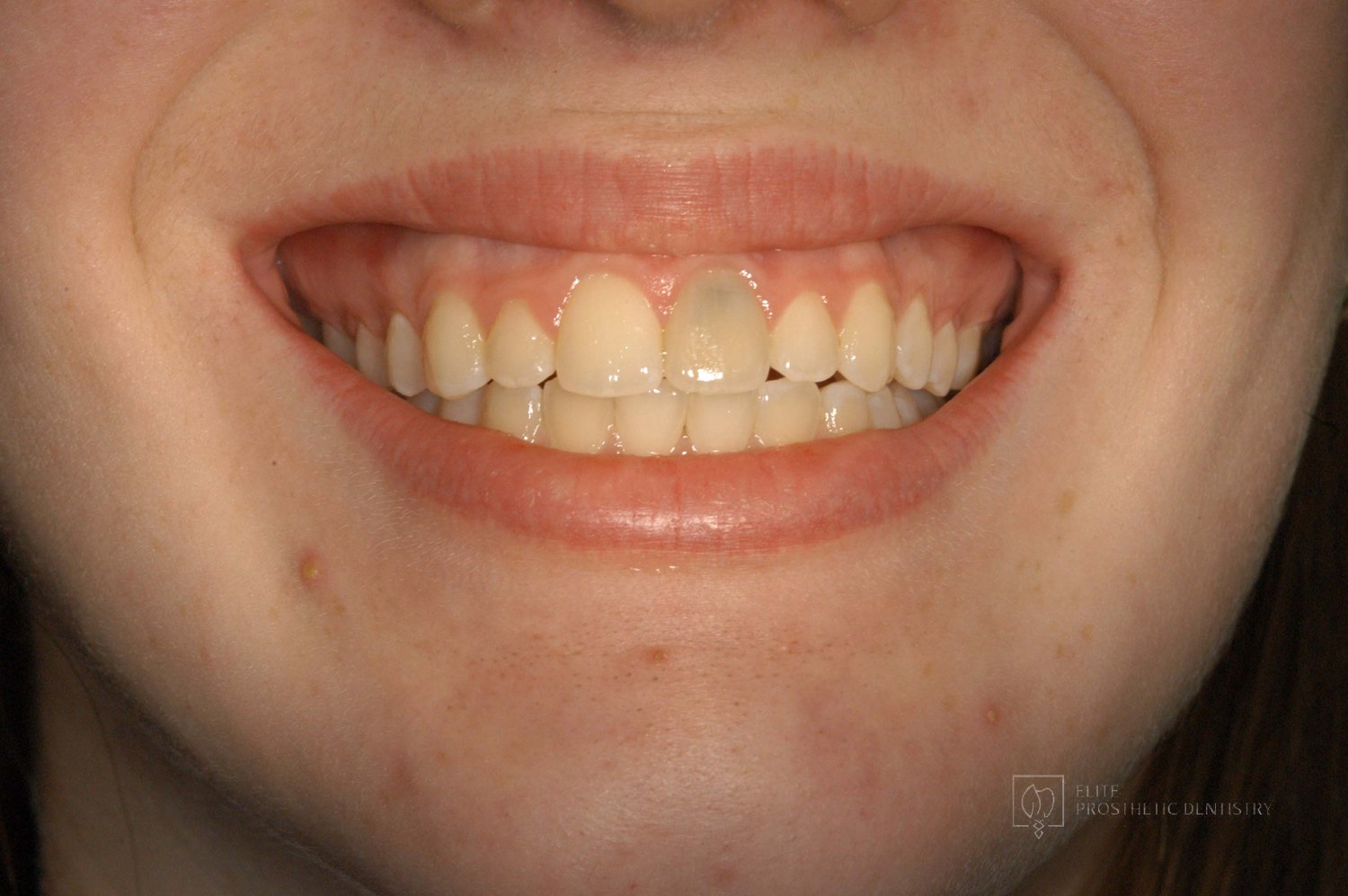 Before
 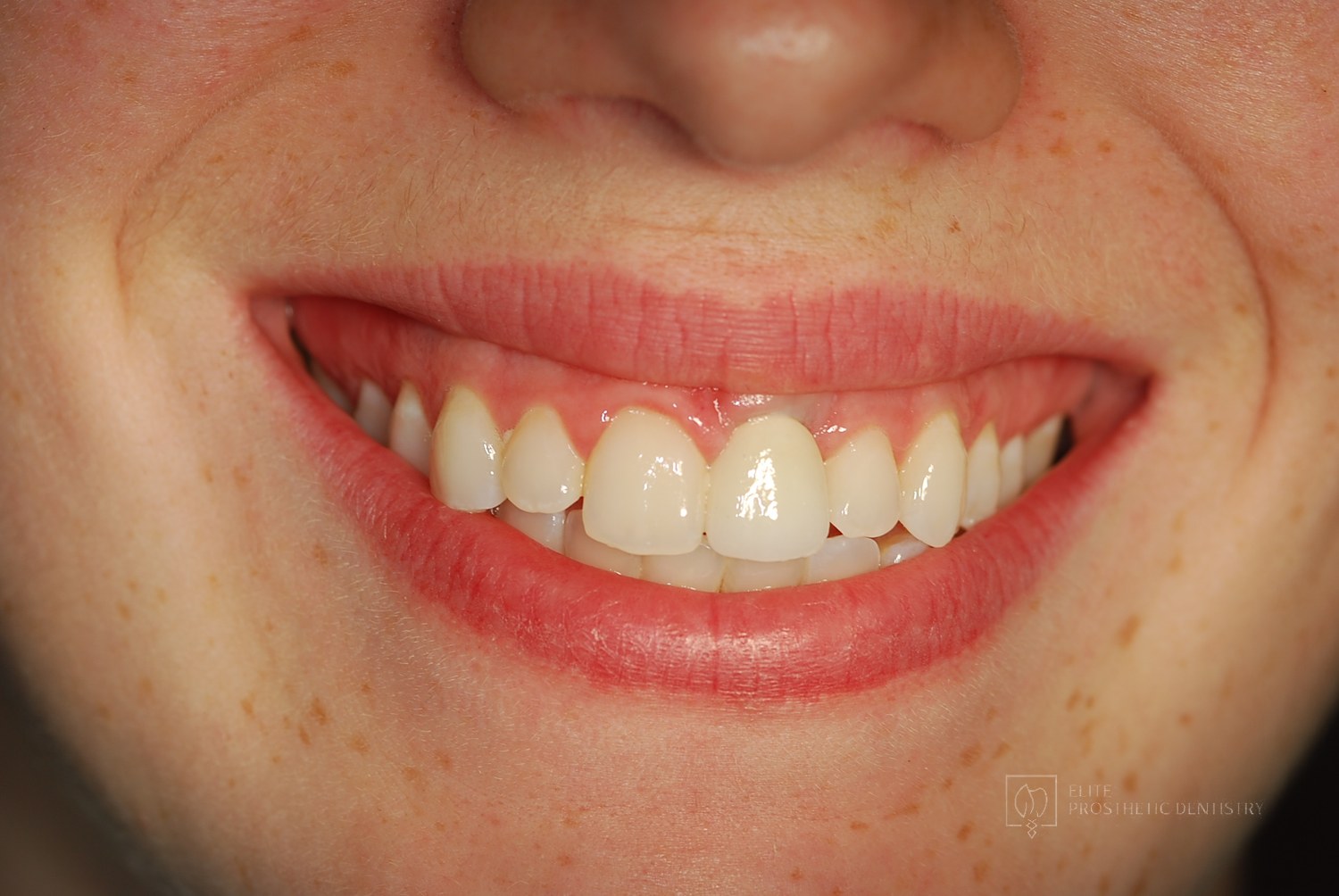 After
After How a Front Tooth Lost to Childhood Trauma Was Rebuilt with Bone Grafting and a Long-Lasting Implant
A teenager was referred by her father after earlier trauma left her upper left front tooth slowly failing from root resorption. She was still growing, so an immediate implant was the wrong move. The tooth had to be maintained to buy time, then replaced correctly once she reached skeletal maturity.
Related Articles
Deepen your knowledge with additional insights on this topic.
 Oral Health & Prevention
 Common Misconceptions About Gum (Periodontal) Disease: Myths vs. Facts
Bleeding gums are normal? Only older adults get gum disease? A DC prosthodontist corrects eight common myths about periodontal disease signs and treatment.
 Oral Health & Prevention
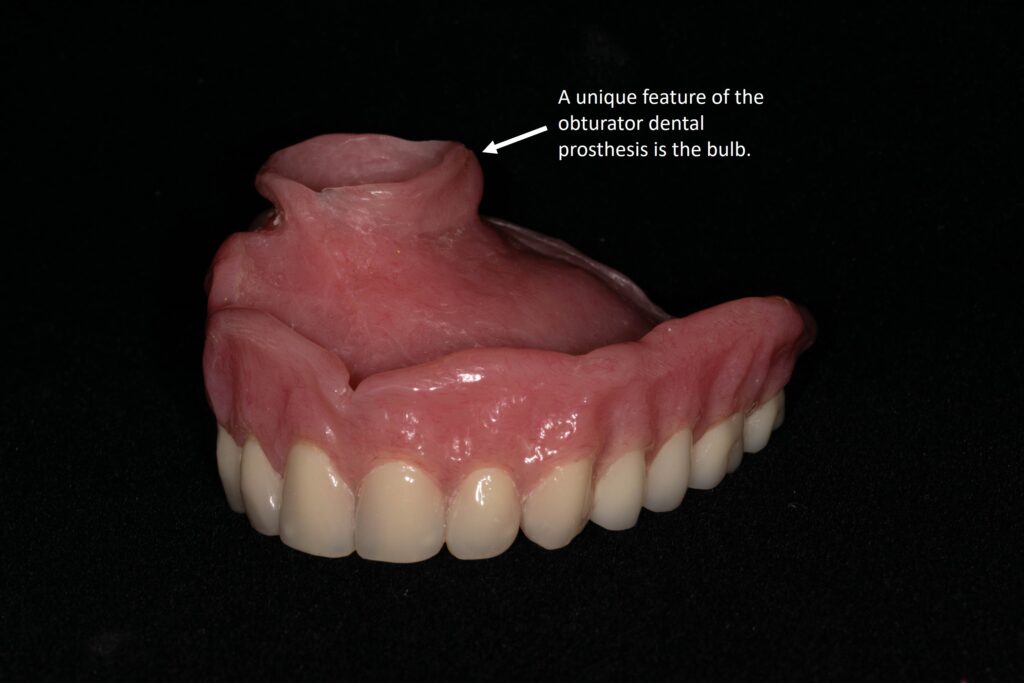
 Understanding Palatal Obturators for Openings in the Roof of the Mouth
A palatal obturator seals an opening in the roof of the mouth from cleft palate, surgery, or trauma. A DC prosthodontist explains how they work and their care.
 Oral Health & Prevention
 Dental Hygiene Care Is Not a 'One-Size-Fits-All' Process
The right hygiene routine depends on your gums, your risk factors, and your dental work. A DC prosthodontist explains why personalized hygiene care matters.