
I Need Veneers or Crowns. Can I Have Them Very White?
We all want a bright smile, but how white is right? At Elite Prosthetic Dentistry, the answer is a decision you make with full information, not a default someone else picks from a shade tab. Yes, your crowns or veneers can be very white. The real question is how to get them very white and still unmistakably natural, and that is where craftsmanship earns its keep.
The Physics of White: What You Are Actually Choosing
White is the absence of color. That simple fact drives the entire aesthetic tradeoff in restorative dentistry: the whiter a crown or veneer is made, the less translucency can be built into its outer layer, and translucency is what makes natural enamel look alive. Real teeth let light enter, scatter through internal layers, and return with depth. An ultra-white, fully opaque restoration blocks that light play and reads flat, no matter how technically perfect the shade.
The solution is not to settle for darker teeth. It is layering: placing the right brightness in the body of the restoration while preserving a translucent zone that keeps the surface dimensional. Managing that balance is ceramist’s work of the highest order.
Training That Traces to the Masters
Decades ago, Dr. Marlin spent five days studying with Masahiro Kuwata, one of the master Japanese ceramists, learning the art of applying optimal translucency and internal coloration to porcelain restorations according to each patient’s wishes. That discipline has anchored our in-house laboratory since 1985: crowns and veneers with a three-dimensional, natural look, as white as the patient wants them, without crossing into chalk.
The collaboration between dentist and ceramist is what separates restorations that are merely white from restorations that are beautiful. Natural teeth have varying translucency, subtle gradations of color, and internal light behavior unique to each person. A technician who understands those properties, and who can see you rather than a written prescription, is best placed to reproduce them at any brightness level.
Try It Before You Commit
For patients requesting very white restorations, we frequently fabricate trial versions with more or less translucency so you can compare directly. You see the candidate restorations in your own mouth, against your skin tone and your remaining natural teeth, in daylight and indoor light. You evaluate whether the brightness flatters your face and whether the translucency level achieves the character you want.
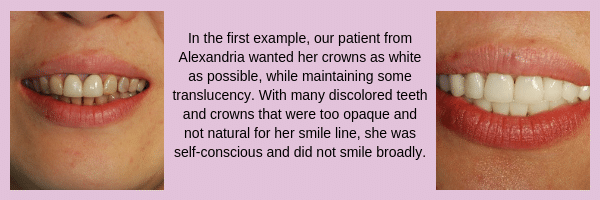
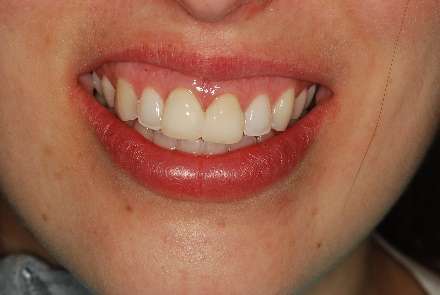
Fig. 1: Before Custom White Crown Placement
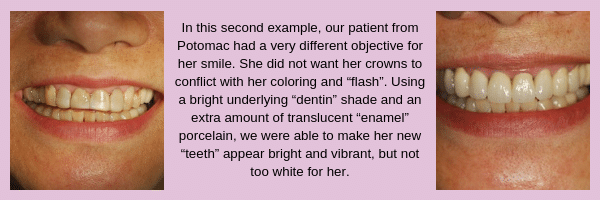
Fig. 2: After Custom White Crown Restoration
This trial-and-refine approach works best when the laboratory is inside the practice. Most practices send restorations to an outside laboratory, so refinements travel back and forth. Our technician can iterate with you in the chair, adding internal color or adjusting characterization until the result is exactly what you approved. It is the same standard we apply to making any crown look natural, applied here to the brightness question.
Whiteness Across a Whole Smile
The stakes rise when multiple front teeth are being restored, in a smile makeover or a broader rebuild of aging dentistry. A single very white crown must harmonize with its neighbors; a full new smile line sets its own standard and can be as bright as you wish, provided the translucency keeps it believable. Patients replacing older, yellowed, or mismatched restorations often use the opportunity to choose a deliberately brighter smile, and with layered fabrication it still reads as completely natural.
Whichever direction you choose, the decision process is the same: your preferences, expert guidance on the tradeoffs, and trial comparisons before anything is final.
Make the Whiteness Decision With a Specialist
Whether you need porcelain veneers or crowns, Dr. Marlin and our in-house technician will help you land exactly where you want on the spectrum from subtle to striking, with a chairside evaluation and real comparisons rather than guesswork. Call 202-244-2101 or request a consultation at our Friendship Heights office in Washington, DC.
See How We Resolve These Problems
Our patient success stories show real cases and real results. Browse outcomes from a specialist prosthodontist with decades of experience and 3,900+ implants placed.
Key Takeaways
- ✓ You can have crowns and veneers as white as you want. The skill is keeping them from looking chalky or artificial at that brightness.
- ✓ White is the absence of color, so the whiter the restoration, the less translucency it can carry. Managing that tradeoff is the ceramist's art.
- ✓ Trial restorations with more or less translucency let you compare options in your own mouth, in real light, before anything is final.
- ✓ The whiteness decision should be yours, made with full information, not defaulted by a remote laboratory working from a shade number.
- ✓ Our in-house laboratory has custom-shaded crowns and veneers chairside, with the patient participating, since 1985.
Frequently Asked Questions
Can crowns and veneers be made very white?
Yes. Restorations can be fabricated in bright bleach shades. The craft lies in balancing brightness with translucency so the teeth read as luminous and healthy rather than opaque. A skilled ceramist can push whiteness surprisingly far while preserving a natural three-dimensional quality.
Why do some very white veneers look fake?
Because whiteness was achieved by sacrificing translucency. White is the absence of color, and an ultra-white restoration with no translucent layer blocks the light play that makes enamel look alive. The result is flat and chalky. The fix is not less white; it is smarter layering.
How do I choose the right level of white?
In our practice, you compare rather than imagine. We can fabricate trial restorations with different balances of brightness and translucency, so you evaluate the options against your skin tone, your other teeth, and different lighting before committing.
Should my crowns match my natural teeth or should I whiten first?
If you plan to whiten, do it before final shades are selected, since restorations do not bleach. Some patients whiten their natural teeth and then match the new crowns or veneers to the brighter result. We sequence this with you during treatment planning.
Who actually decides the shade of my restoration?
You do, working directly with Dr. Marlin and our in-house technician at the chair. That is a practical advantage of an on-site laboratory: the person building your restoration sees you, your face, and your preferences firsthand, rather than interpreting a code on a prescription form.
Related Patient Success Stories
Explore similar patient success stories demonstrating our expertise in advanced prosthetic dentistry.
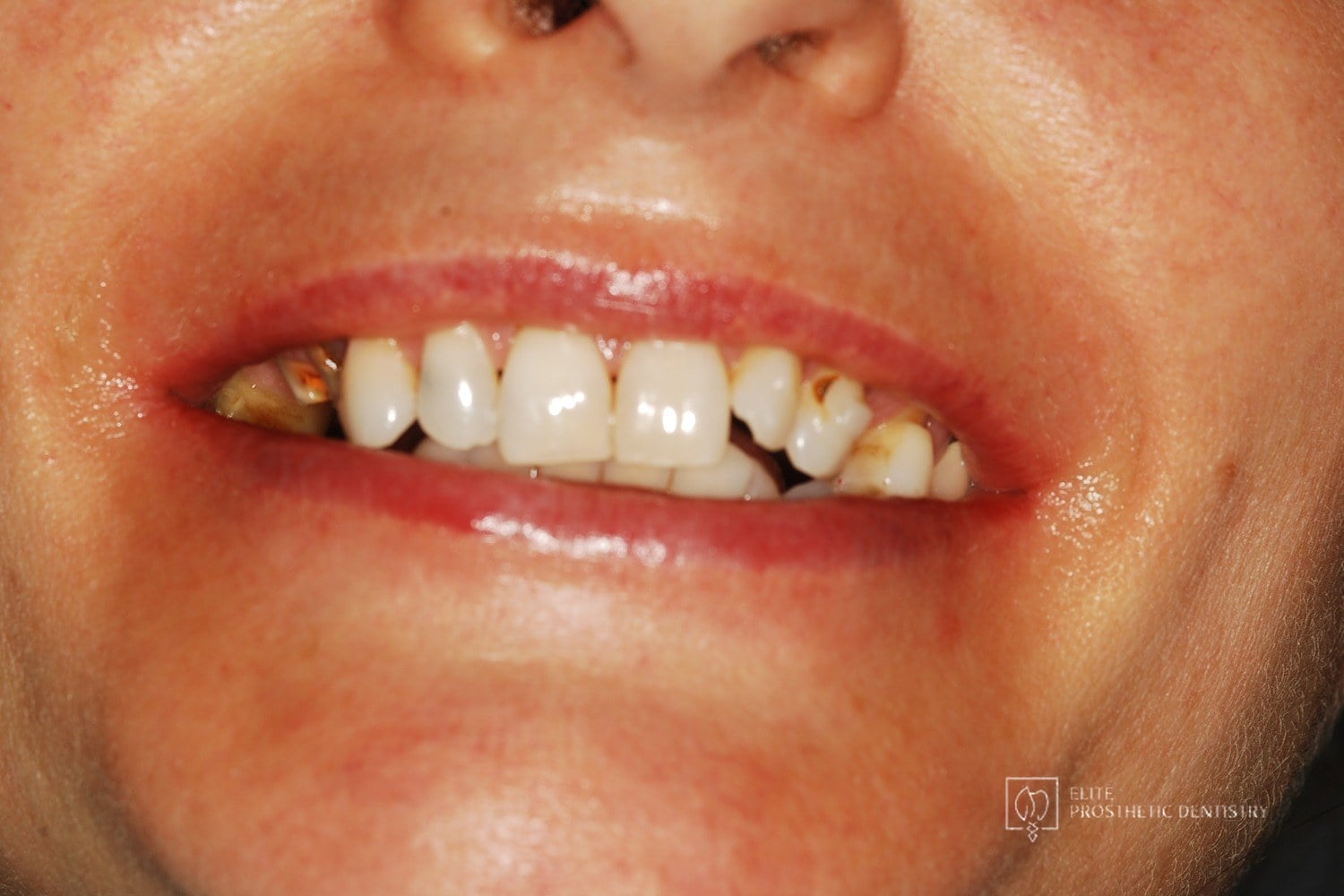 Before
 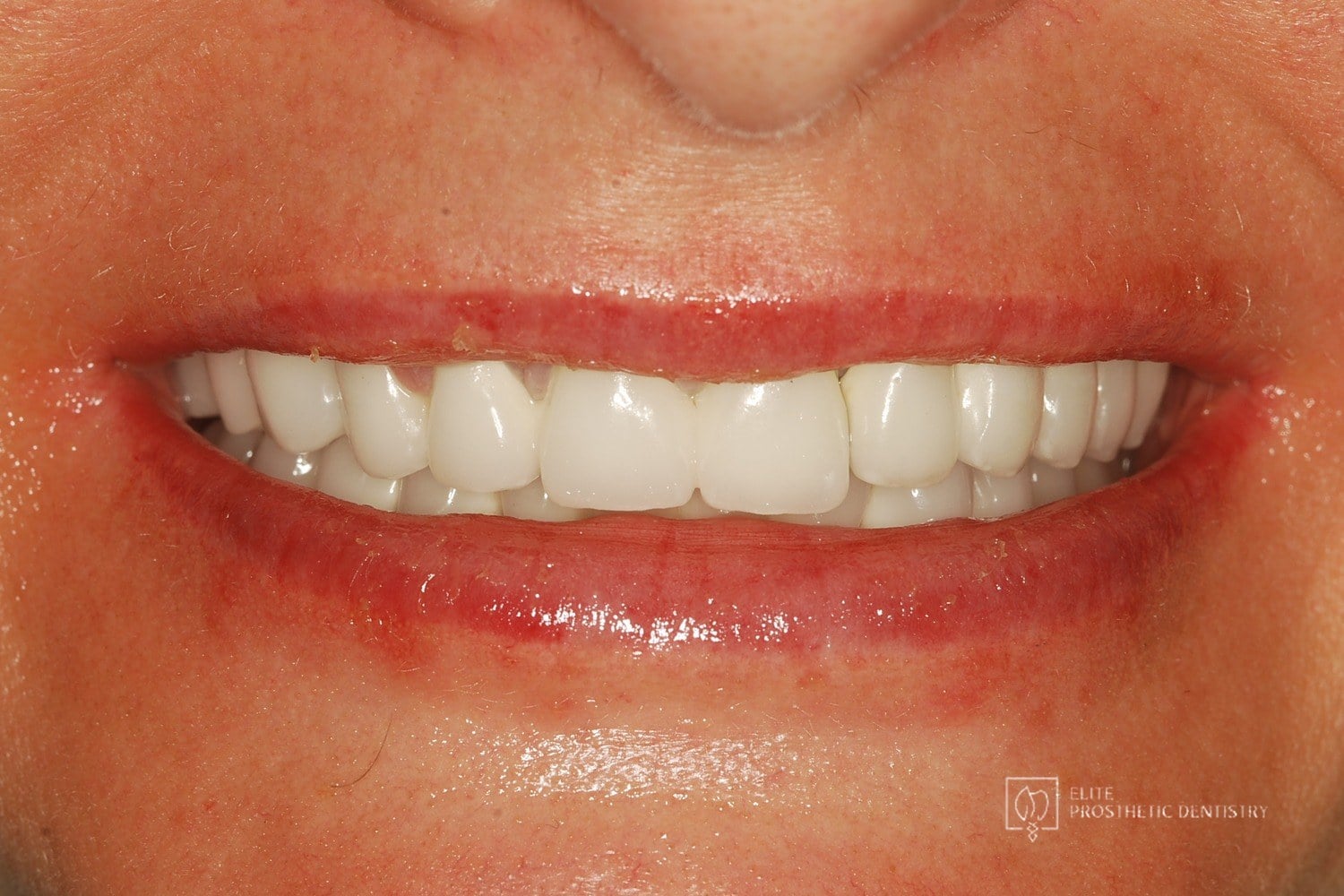 After
After How Aging, Failing Dentistry Was Replaced with a Coordinated Full-Mouth Implant and Crown Reconstruction
The patient presented with throbbing upper-molar pain, long-standing infections, multiple root canals and unfinished prior treatment, generalized sensitivity, and several hopeless teeth.
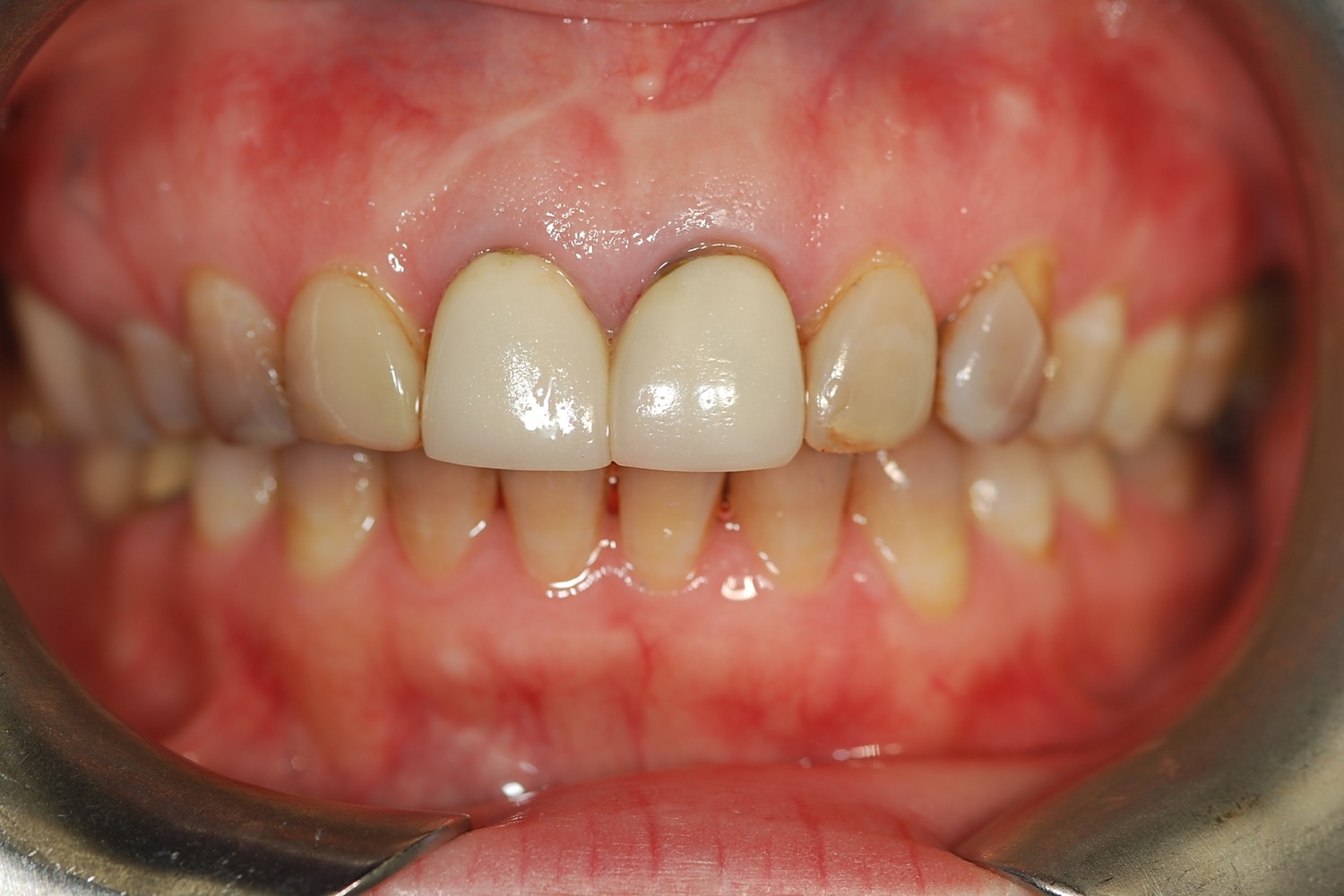 Before
 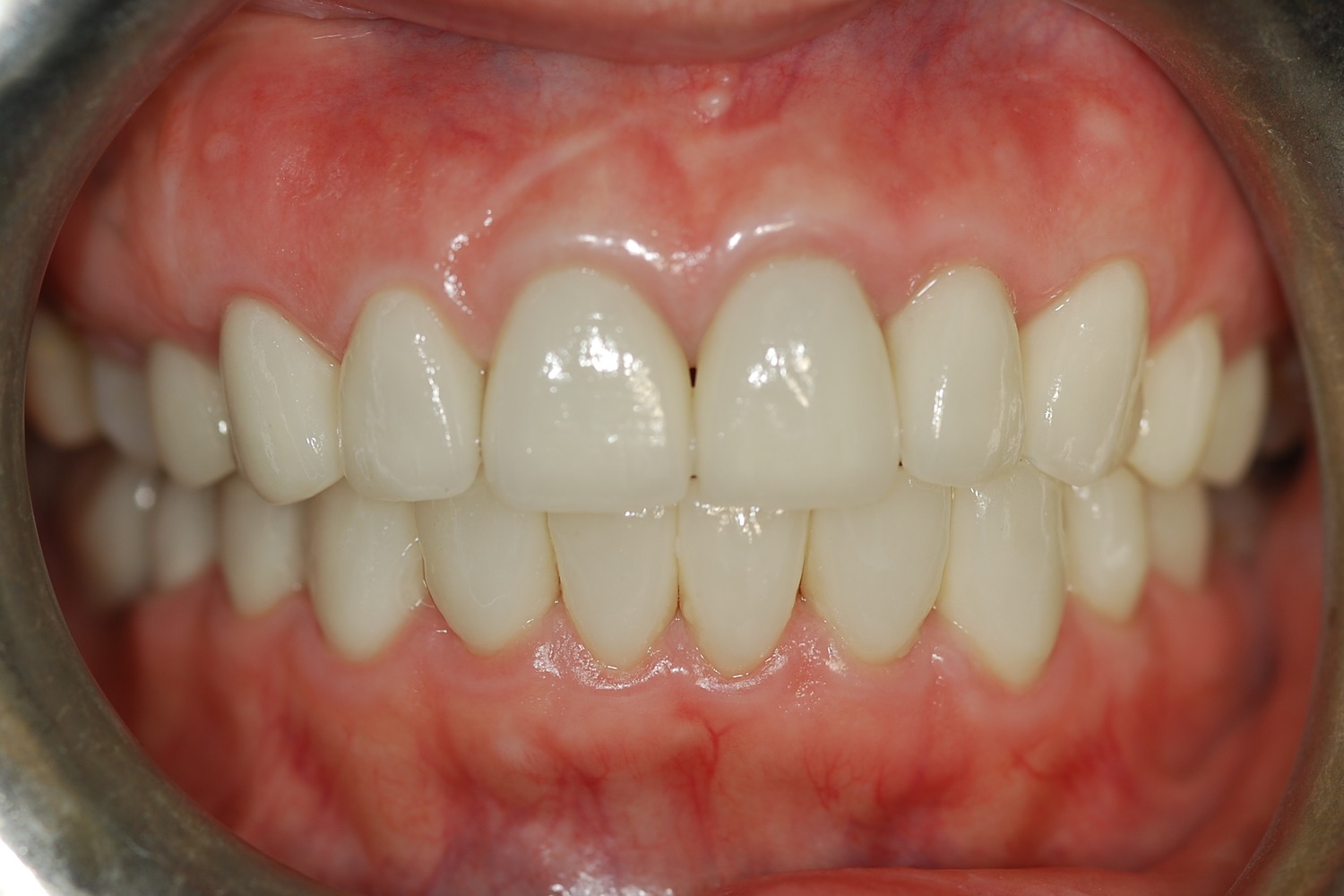 After
After How Aging, Opaque Restorations Were Replaced with Customized Ceramic Restorations Designed for Long-Term Natural Esthetics
The existing restorations appeared opaque, worn, and unnatural over time, affecting both confidence and overall smile harmony.
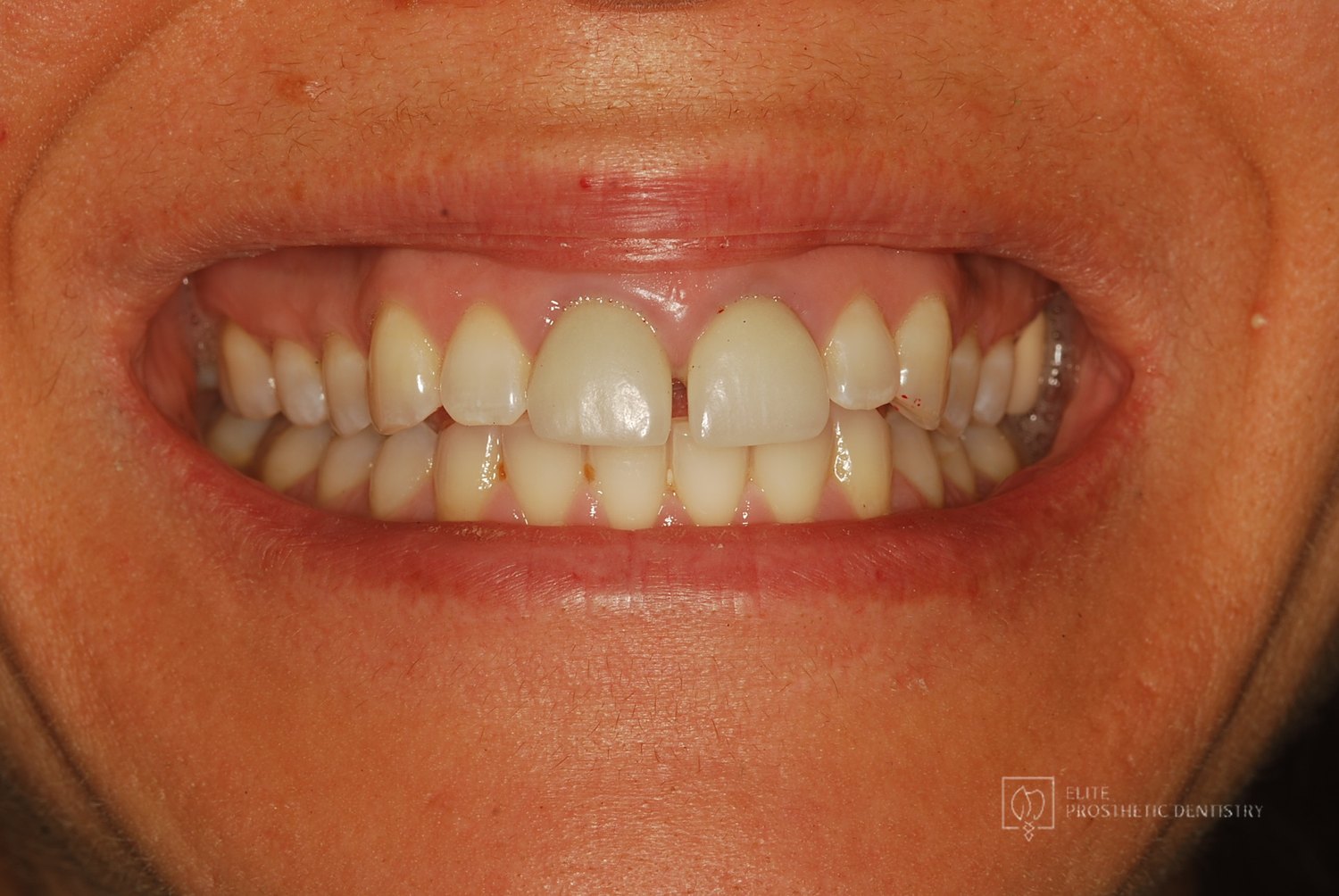 Before
 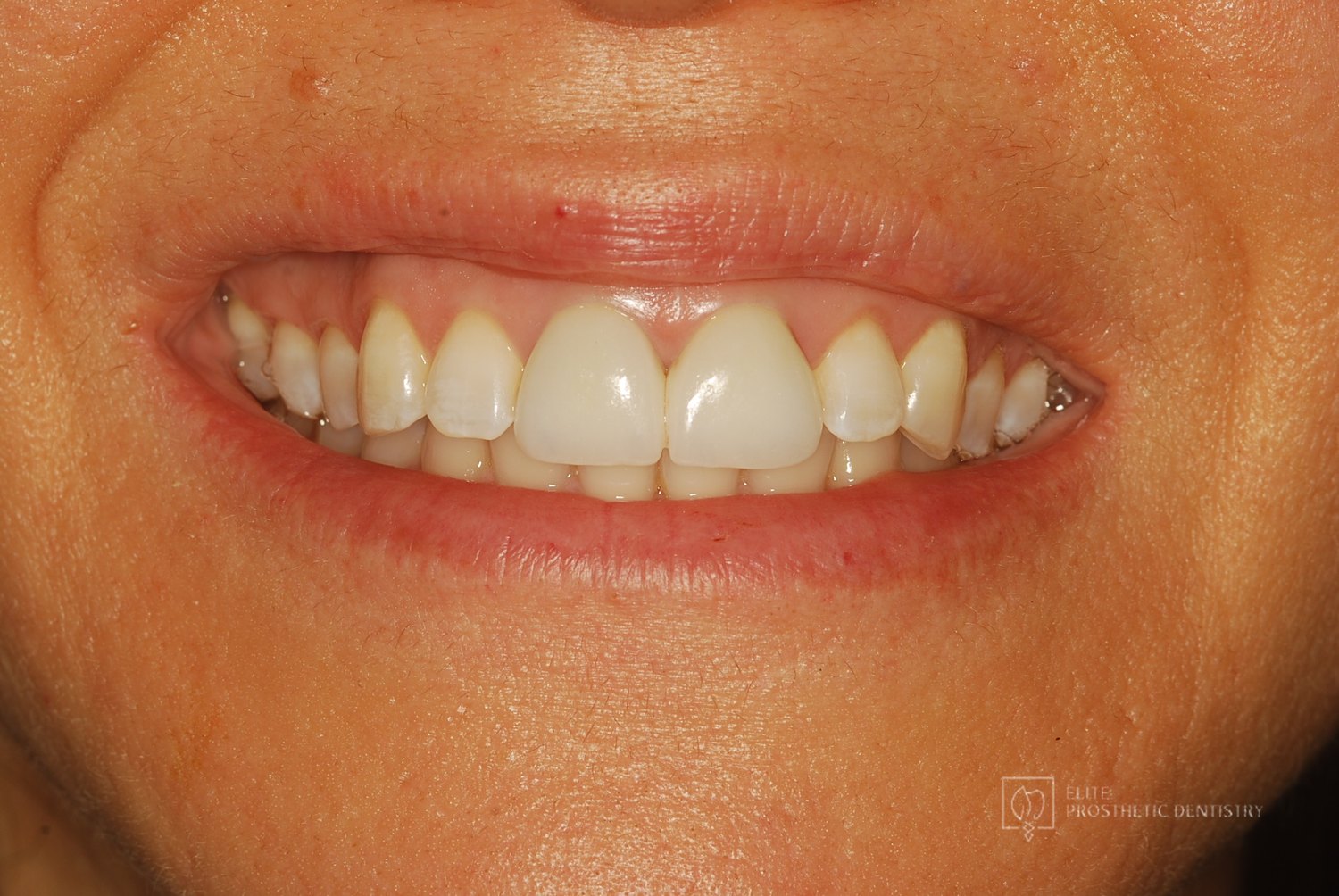 After
After Two Front Teeth Saved From Extraction: A Second Opinion, Custom Gold Posts, and Crowns Made to Last
Two upper central incisors with failed root canal treatment and recurrent decay had been recommended for extraction and implant replacement. A CBCT evaluation showed that removing the roots from their thin facial bone housing could create a visible esthetic defect in the gum and bone contour, made worse by the patient's high lip line.
Related Articles
Deepen your knowledge with additional insights on this topic.
 Dental Crowns
 Why Are Some Temporary Crowns More Natural Than Others?
Temporary crowns do not have to look temporary. A DC prosthodontist explains how lab-made provisionals protect your smile and preview your final crowns.
 Dental Crowns
 What Makes a Natural-Looking Crown?
Emergence profile, translucency, internal color, and healthy gum response: a DC prosthodontist explains the anatomy of a crown no one can detect.
 Dental Crowns
 How Is an Immediate Smile Makeover Performed?
An immediate smile makeover transforms your smile in one visit using hand-crafted temporary crowns as a living preview. A DC prosthodontist explains how.