
Do They Sedate You for Cosmetic Dentistry, a Smile Makeover, or Dental Implants?

Dr. Marlin chairside with a patient at our practice
Many patients considering cosmetic dentistry, a smile makeover, or dental implants ask the same quiet question before anything else: will I be sedated, and will it hurt? The concern is understandable, and it holds a surprising number of people back from treatment they genuinely want.
Here is the straightforward answer. Sedation is available at Elite Prosthetic Dentistry whenever you want it, and unnecessary whenever you do not. Sedation dentistry at our practice includes nitrous oxide, oral sedation, and IV sedation, and the right choice depends on your procedure, your health history, and your own comfort level, not on a one-size policy.
Most Procedures Need Less Than You Think
For many treatments, a local anesthetic alone keeps you comfortable from start to finish. When something more is helpful, the local is combined with mild sedation: we frequently pair nitrous oxide or oral sedation with local anesthesia simply to help patients feel more at ease.
For longer procedures, such as multi-tooth reconstruction or implant surgery, oral sedation makes the appointment feel far shorter and easier than it is. And for patients who prefer to drift through treatment with little or no memory of it, we offer IV sedation, sometimes called twilight sedation. Sedation is safe and effective for qualified patients; your health history and medications are reviewed as part of candidacy before any sedation is planned.
If dental anxiety has been the obstacle between you and treatment, regardless of how simple or complex the dentistry is, tell us. That single piece of information changes how we plan your visits, and either oral or IV sedation can take the dread out of the equation. For what each option feels like as it wears off, see how long sedation dentistry lasts.
Comfort Is Also About How the Dentistry Is Done
Sedation is only half the comfort story. The other half is the precision of the treatment itself. Dr. Marlin has placed more than 3,900 dental implants over a career of more than 40 years, holds 9 U.S. patents in dental implant restoration methodology, and plans implant positioning carefully to avoid the complications that make recoveries unpleasant. Gentle, accurate surgery needs less compensating for afterward.
We also provide a medication regimen before, during, and after surgery, using anti-inflammatory medications on an individualized basis to prevent most post-operative discomfort. Most of our patients tell us they felt better after the procedure than they expected to. Patients weighing implant treatment specifically can read more in is sedation dentistry an option for dental implant treatment and how painful is a dental implant.
What Sedation Is, and What It Is Not
A few clarifications save patients needless worry. Dental sedation is not general anesthesia: even with IV twilight sedation you breathe on your own and can respond to us, and you are monitored throughout the appointment. Local anesthetic still does the job of preventing pain; sedation’s job is your mind’s experience of the visit. And sedation is never a substitute for gentle technique, only a complement to it.
The choice of level usually follows the procedure and the person. Short cosmetic visits with low anxiety typically need nothing beyond the local. Longer restorative appointments pair naturally with oral sedation. Surgical visits, and patients who would simply rather remember nothing, tend toward IV sedation. There is no wrong answer, and nothing is decided without you.
Sedation and the Longer Smile Makeover Visit
Smile makeovers often involve several procedures that can be grouped into fewer, longer appointments. Sedation is what makes those consolidated visits pleasant rather than grueling, letting hours pass like minutes and reducing the number of times you need to block out your calendar. We cover that tradeoff in detail in benefits of a cosmetic smile makeover with dental sedation.
Talk Through Your Comfort Options
If worry about discomfort has kept you from improving your smile or replacing failing teeth, start with a conversation. Dr. Gerald Marlin, a specialty-trained prosthodontist, will walk you through the procedure you are considering, the sedation choices that fit it, and exactly what to expect. Call 202-244-2101 or request an appointment at Elite Prosthetic Dentistry in Friendship Heights, Washington, DC. We serve patients from DC, Bethesda, Chevy Chase, Arlington, and nearby areas of Maryland and Virginia.
See How We Resolve These Problems
Our patient success stories show real cases and real results. Browse outcomes from a specialist prosthodontist with decades of experience and 3,900+ implants placed.
Key Takeaways
- ✓ Sedation is available for cosmetic, smile makeover, and implant procedures, but it is a choice, not a requirement.
- ✓ For most treatments, local anesthetic alone, or local plus mild sedation, keeps patients comfortable throughout.
- ✓ The options are nitrous oxide, oral sedation, and IV 'twilight' sedation, matched to the length of the procedure and your anxiety level.
- ✓ A medication protocol before, during, and after treatment prevents most post-operative discomfort.
- ✓ Fear of pain keeps too many people from care they want. Comfort planning is part of treatment planning, not an afterthought.
Frequently Asked Questions
Do you get sedated for a smile makeover or dental implants?
You can, but it is not automatic. Many patients do well with local anesthetic alone, sometimes supplemented by nitrous oxide or oral sedation. For longer procedures or patients with dental anxiety, oral sedation or IV twilight sedation is available. The choice is made with you, based on the procedure and your preferences.
What sedation options exist for cosmetic dentistry?
Three levels: nitrous oxide, which takes the edge off and wears away quickly; oral sedation, a prescribed medication that keeps you deeply relaxed through longer visits; and IV sedation, often called twilight sedation, where you drift through the procedure with little or no memory of it. Sedation is safe and effective for qualified patients, and candidacy is reviewed as part of planning.
Does implant surgery hurt without full sedation?
The procedure itself is done under local anesthetic, so you should not feel pain during it, sedated or not. Sedation addresses anxiety and the experience of a longer appointment rather than the pain itself. A pre- and post-operative medication regimen manages soreness afterward, and most patients report the recovery was milder than they anticipated.
How do I know which sedation type I need?
Consider the length of the procedure and your own comfort history in a dental chair. Short procedures with low anxiety usually need nothing beyond local anesthetic. Longer reconstructive or implant visits often pair well with oral sedation, and patients who prefer to remember nothing choose IV sedation. Dr. Marlin reviews your health history and helps you decide.
Related Patient Success Stories
Explore similar patient success stories demonstrating our expertise in advanced prosthetic dentistry.
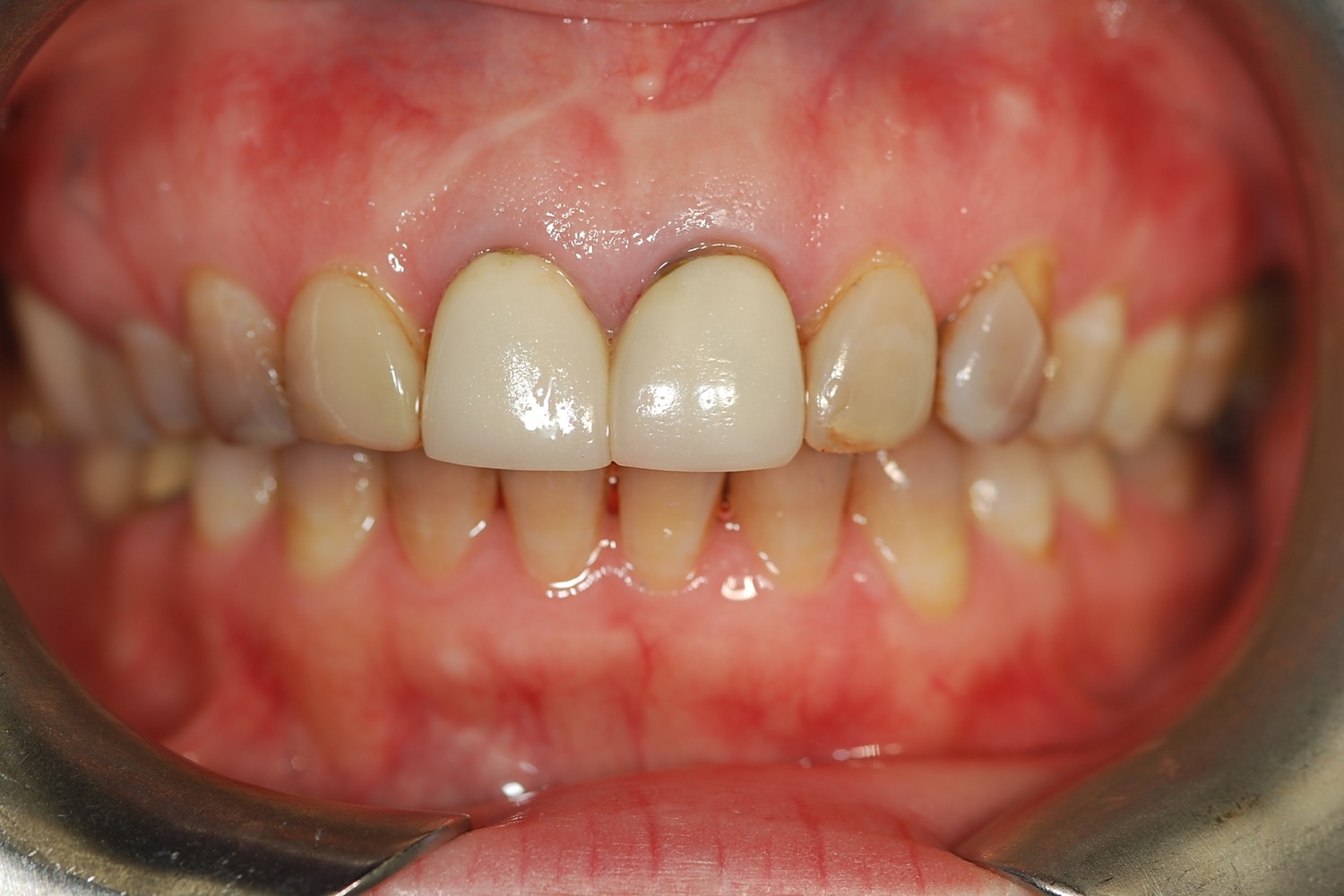 Before
 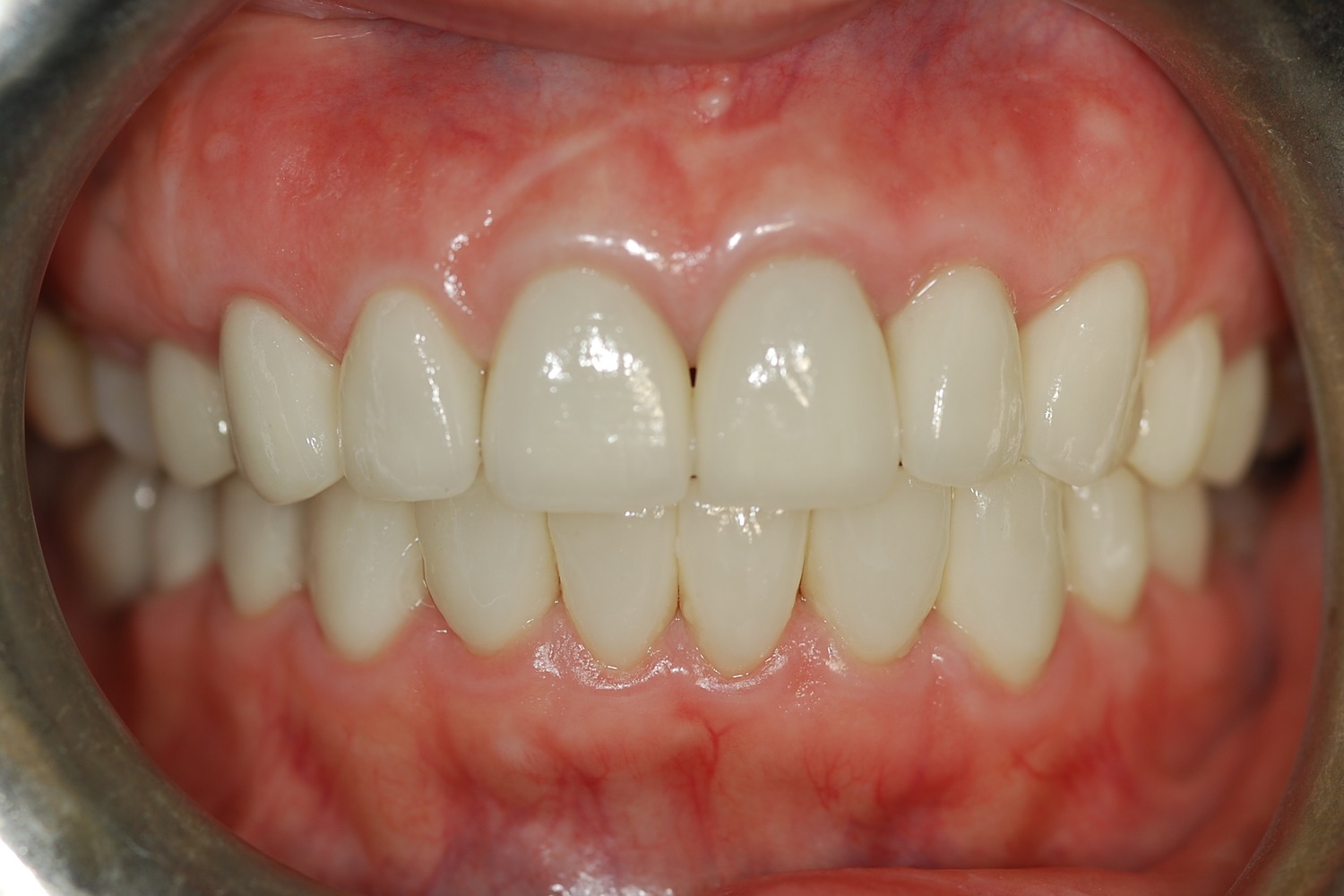 After
After How Aging, Opaque Restorations Were Replaced with Customized Ceramic Restorations Designed for Long-Term Natural Esthetics
The existing restorations appeared opaque, worn, and unnatural over time, affecting both confidence and overall smile harmony.
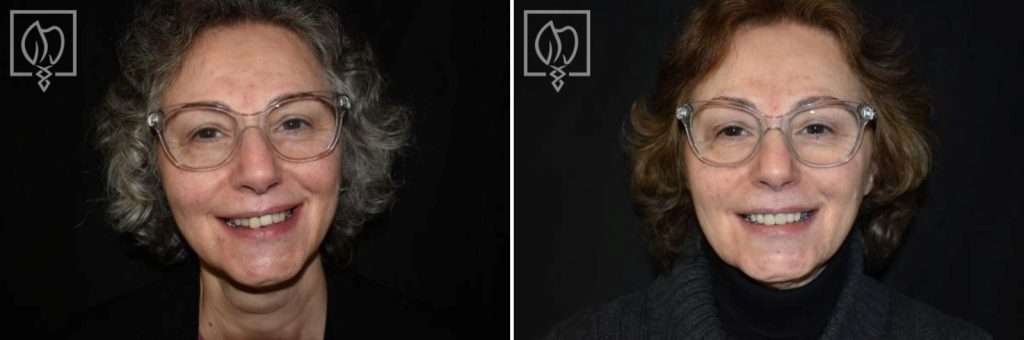
Temporary Crowns Restore a Patient's Smile in One Day with an Immediate Smile Makeover
A patient from Potomac, Maryland came to the practice in pain from a failing dental implant whose restoration was also compromising her appearance and her confidence.
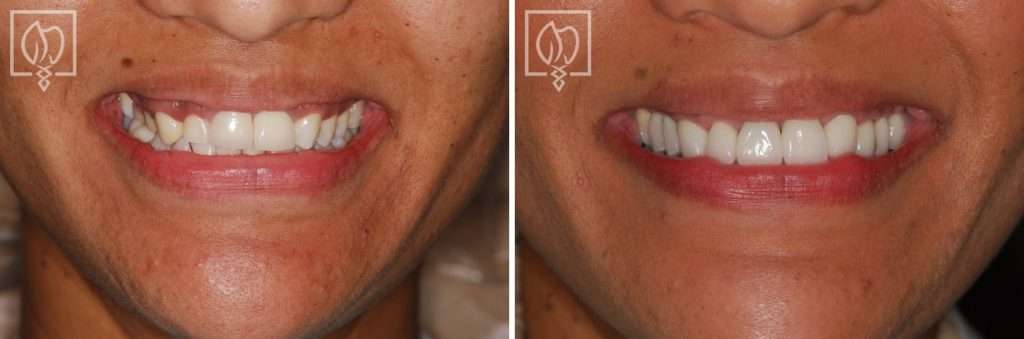
Multi-Faceted Treatment for a Patient Unhappy With the Appearance of Her Crowns, Teeth, and Gums
The patient was unhappy with how her teeth and gums affected her smile: front-tooth crowns that no longer blended with her natural teeth, a missing lateral incisor with the larger canine sitting in its space, and an uneven gum line.
Related Articles
Deepen your knowledge with additional insights on this topic.
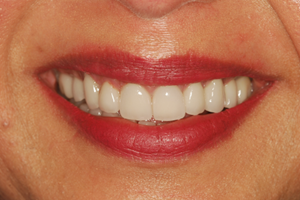 Cosmetic Dentistry
 Can My Tetracycline-Stained Teeth Be Made to Look Beautiful?
Tetracycline staining sits deep inside the tooth, so bleaching cannot fix it. See how translucent porcelain crowns create a bright, natural smile instead.
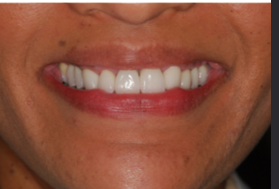 Cosmetic Dentistry
 How Is a Gummy Smile Fixed?
From gum reshaping to custom crowns, a DC prosthodontist explains how a gummy smile is fixed, with a real patient transformation and healing timeline.
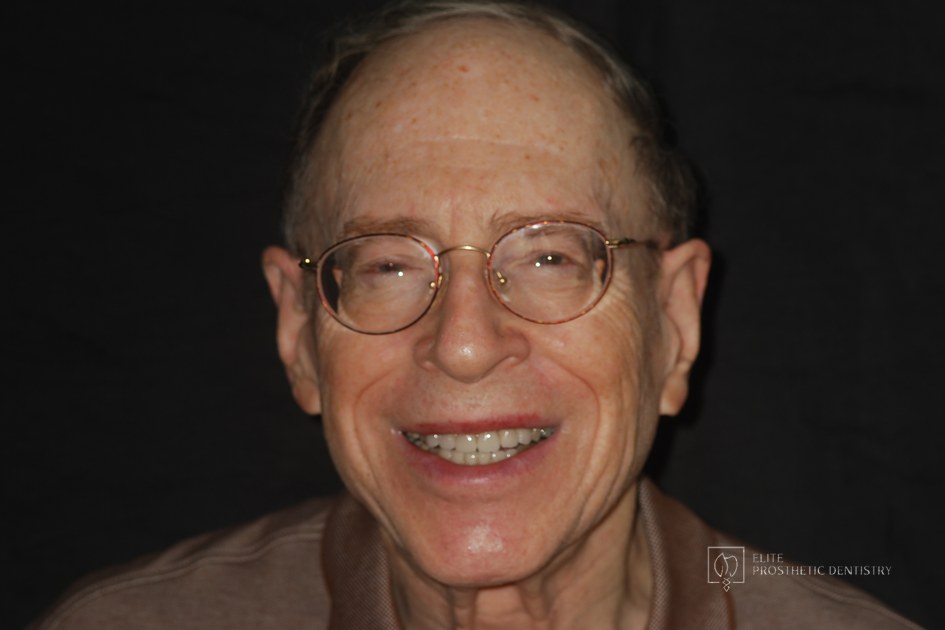 Cosmetic Dentistry
 Discovering Cosmetic Dentistry Beyond Aesthetics
Cosmetic dentistry improves more than looks: easier hygiene, restored chewing function, and better long-term oral health. A DC prosthodontist explains.