
Dentures in Tenleytown: Your Real Questions Answered
Tenleytown residents' real questions about dentures: adaptation timeline, eating changes, speech impact, bone loss, costs, and long-term care explained.
Tenleytown residents considering denture treatment often have practical questions that matter to daily life. How long until eating feels normal? Will my voice change? What happens to my bone? How much clicking is normal? These real concerns guide your decision-making.
How Long Until I Adapt to Eating With Dentures?
Your first week with dentures requires soft foods. Think pudding consistency: yogurt, scrambled eggs, applesauce, mashed potatoes, soup, soft fish. Avoid crunchy, hard, or sticky foods that could dislodge the denture or cause frustration. Your mouth is adjusting to a foreign object, and eating comfortably requires patience.
By week two, you’re progressing. You’ll chew with more confidence. Most patients manage bread, cooked vegetables, pasta, and ground meat. You’re learning the muscle coordination necessary to stabilize the denture while chewing. Eating still requires conscious attention but feels less awkward.
By week three to four, most patients eat most foods. You’ll discover preferences: some patients avoid nuts and hard candy permanently, while others eat them without issue. This personal preference develops as you learn what the denture tolerates. By six weeks, eating approaches your normal patterns.
The key is progression. Don’t expect to eat normally the first week. Expect gradual improvement each week. Dr. Marlin’s adjustment appointments during month one address pressure areas that develop as tissues settle, accelerating your adaptation.
Will My Voice Change and When Does It Normalize?
Yes, your voice will sound different initially. Dentures change the shape of your mouth, altering how air flows during speech. You may sound like you have a slight cold initially. Some patients notice their voice sounds flatter. Others notice clicking when certain consonants are pronounced.
This voice change is temporary. Your nervous system adapts to the new oral anatomy within days to weeks. Most patients report that their voice sounds completely normal by week two to three. The adjustment happens unconsciously; you don’t need to actively practice speaking, though some patients find reading aloud accelerates adaptation.
The reason voice changes is anatomical: dentures cover the roof of your mouth (palate), which is part of your vocal tract. Your mouth must learn to work around this new structure. This happens naturally through everyday speaking. Your denture adjustment appointments address any persistent clicking that suggests the denture is moving during speech.
What Actually Happens to My Bone After Tooth Loss?
Without teeth, your jaw loses the mechanical stimulus that maintains bone. Teeth and their roots create forces during chewing that signal bone cells to maintain bone density. Remove the teeth, and bone cells no longer receive that stimulus.
During the first year after tooth loss, bone resorbs rapidly, sometimes losing half its volume. This resorption continues more slowly in subsequent years. You’ll notice your face changes shape subtly: your chin becomes less prominent and your lower face height decreases slightly.
Dentures rest on this resorbing bone, which is why dentures gradually loosen over years. What fit perfectly when new will feel loose within 3 to 5 years as underlying bone shrinks. Relines (adding material to the denture base to conform to the new bone shape) maintain fit as bone changes.
Implant-supported dentures preserve considerably more bone because implants replicate tooth function, providing the mechanical stimulus that maintains bone. If you’re considering long-term treatment options, this bone preservation aspect of implant-supported dentures justifies the additional investment for some patients.
Why Does My Denture Click and How Long Does It Last?
Clicking occurs when your denture moves slightly during eating or speaking. As tissues heal and settle beneath the denture, movement gradually decreases. Most patients experience noticeable clicking week one, minimal clicking by week three, and no clicking by week four to five.
Persistent clicking after week four suggests the denture needs adjustment: either tissue-adapted to a shape requiring relining, or the denture itself doesn’t fit properly. Dr. Marlin adjusts this by modifying the denture base to conform to your new tissue shape. This adjustment usually resolves clicking.
Don’t expect silence week one. Expect gradual improvement. The clicking itself isn’t harmful; it’s simply annoying until it resolves. Your adjustment appointments ensure tissue changes don’t cause chronic clicking.
Why Do I Feel Gagging Sensation?
Some patients experience gagging sensation when the denture touches the soft palate (back of the roof of your mouth). This is a normal reflex to an unexpected object in the mouth. Your reflex dulls within days as your nervous system becomes accustomed to the denture.
For patients with very sensitive gag reflexes, Dr. Marlin adjusts the denture to avoid touching sensitive areas when possible. Some denture designs minimize palatal coverage. Positioning and reflex adaptation typically resolve gagging within 1 to 2 weeks.
How Does Denture Clicking During Eating Work?
The clicking you hear is often the denture moving slightly on tissue during chewing. As tissues heal and stabilize beneath the denture (typically by week four), movement decreases and clicking stops. This is normal progression, not a denture defect.
If clicking persists beyond week four, the denture base may need minor adjustment to conform to settled tissues. This simple adjustment (called tissue conditioning or relining) addresses persistent movement. Dr. Marlin evaluates clicking at your adjustment appointments and determines whether minor modification is needed.
What About Sleeping With Dentures?
Most patients remove dentures at night for cleaning and storage. This gives gum tissues rest and allows thorough denture cleaning. Your tissues recover moisture overnight, which supports health.
Remove your dentures each evening, soak them overnight in denture solution (never hot water or dry storage), and return them to your mouth each morning. This simple routine maintains both your tissue health and denture longevity.
How Much Maintenance Will I Need After Adaptation?
Once adaptation is complete, denture maintenance is straightforward. Daily cleaning with a denture brush under running water removes food debris and plaque. Weekly soaking in denture solution deeper-cleans the denture.
Professionally, you’ll return for appointments every 6 to 12 months. Dr. Marlin monitors your bone changes, assesses denture fit, and recommends adjustments if tissue changes have occurred. Relines (adding material to the denture base) are usually needed every 3 to 5 years as bone changes require new tissue adaptation.
Getting Here from Tenleytown
Tenleytown residents have just a 5-minute drive north on Wisconsin Avenue NW to our office. The Tenleytown Metro station is nearby if you prefer public transportation. This convenient proximity makes scheduling your initial consultation and adjustment appointments straightforward around your schedule.
Start Your Denture Consultation
If you’re considering dentures, schedule a consultation with Dr. Marlin to discuss your specific situation, answer all your real-world questions, and determine which denture approach fits your needs.
Call (202) 244-2101 or visit 4400 Jenifer Street NW, Suite 220, Washington, DC 20015.
For related care, see our pages on dental implants and Dentures in Spring Valley.
Frequently Asked Questions
How long before I feel normal eating with dentures?
Week one requires soft foods. By week two, you'll manage most foods with modified technique. By week three to four, eating approaches normal patterns. Some patients take longer. Within 4 to 6 weeks, most patients eat comfortably with minimal restrictions.
Will my voice sound different with dentures?
Yes, initially. The denture changes airflow and resonance during speaking. Most patients adjust within 1 to 2 weeks. Practicing speaking exercises (reading aloud, conversation) accelerates adaptation. By week three to four, speech sounds natural again.
What happens to my jawbone after dentures?
Bone gradually resorbs (shrinks) after tooth loss because teeth provide the stimulus maintaining bone. Dentures rest on resorbing bone, so gradual loosening occurs over years. Implant-supported dentures preserve more bone because implants provide ongoing bone stimulus.
Why does my denture click sometimes?
Clicking occurs when the denture moves slightly during speaking or chewing. This happens as tissues heal and settle beneath the denture. Most patients experience clicking in week one, resolving by week three to four. Persistent clicking suggests the denture needs adjustment.
Will my insurance cover dentures?
Most plans cover basic denture costs. Coverage varies widely by plan, deductible, and annual maximum. We verify your benefits before starting treatment and explain your financial responsibility. We offer financing options for costs exceeding insurance coverage.
Related Patient Success Stories
Explore similar patient success stories demonstrating our expertise in advanced prosthetic dentistry.
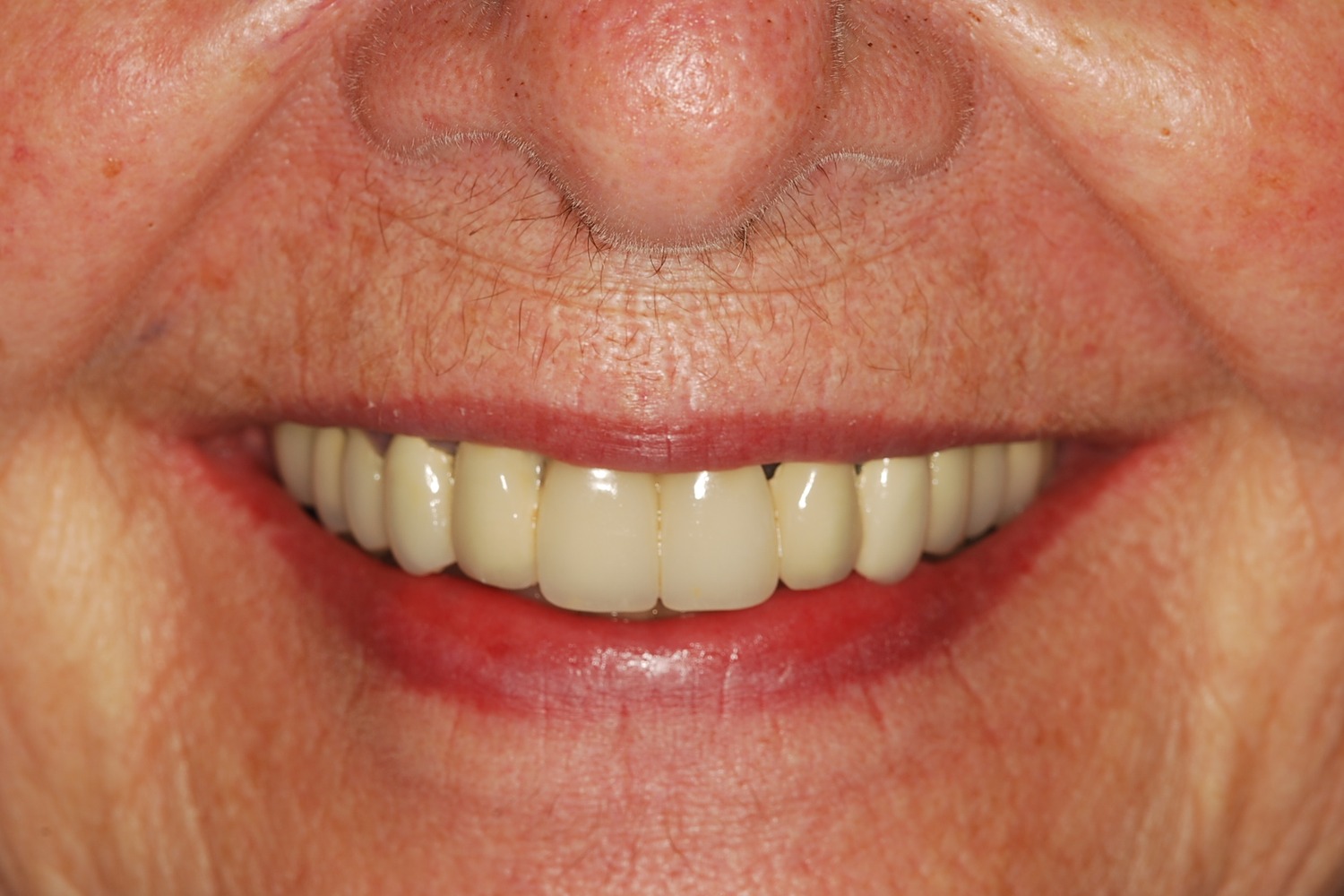 Before
 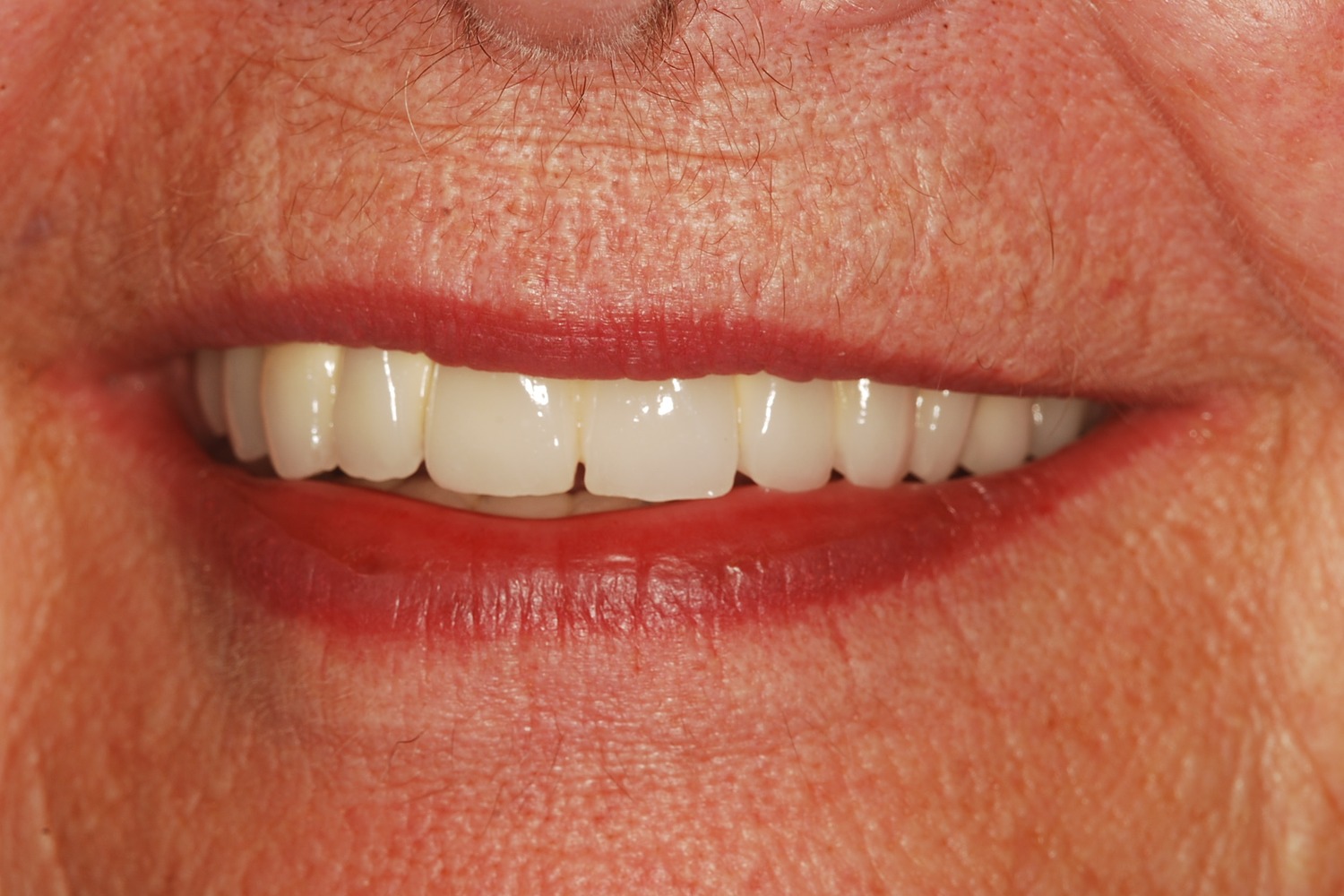 After
After How a Loose Upper Bridge and Aging Crowns Were Rebuilt with Staged Implant and Crown Reconstruction
The patient was referred by her general dentist after years of aging dentistry no longer holding up. A loose upper bridge and crowns over twenty years old combined with the effects of advanced periodo

Temporary Crowns Restore Patient's Smile in Just One Day with an Immediate Smile Makeover
A patient from Potomac, Maryland, came to Elite Prosthetic Dentistry with the chief complaint of pain from a failing dental implant and its significant impact on her appearance.
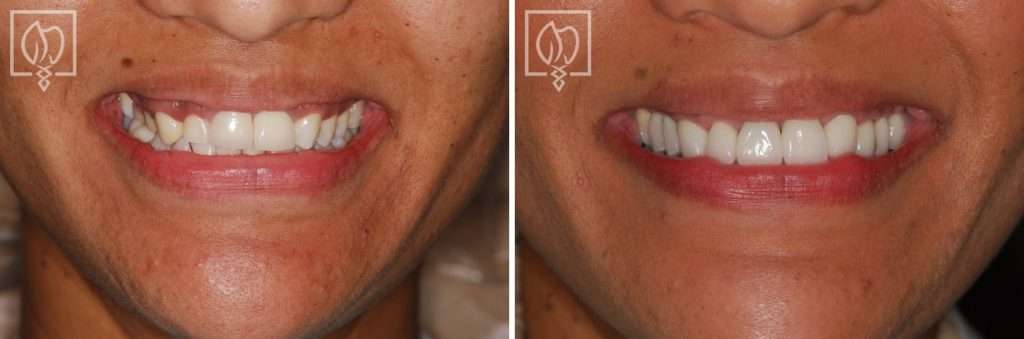
Multi-Faceted Treatment for Patient Unhappy With Her Artificial-Looking Crowns, Teeth and Gums
Many patients come to Elite Prosthetic Dentistry unhappy with the appearance of their smile. However, this particular patient presented with multiple interconnected problems that together created a smile she found deeply unsatisfying.
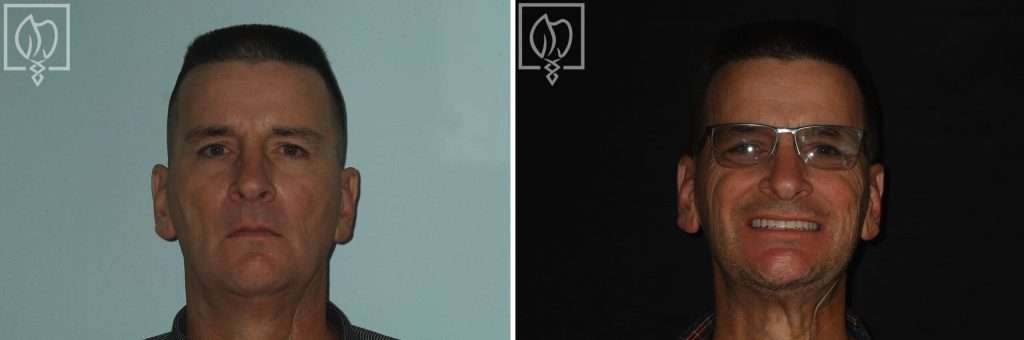
Treating Kevin's Collapsed Bite with a Complete Smile Makeover with New Dentures
Dentures are sometimes not created to the ideal aesthetic and functional scheme. When improperly fabricated, dentures can make an individual appear almost a generation older than their actual age. They can have a poor fit that feels loose and unstable when eating or speaking, and they can actually accelerate bone loss over time.
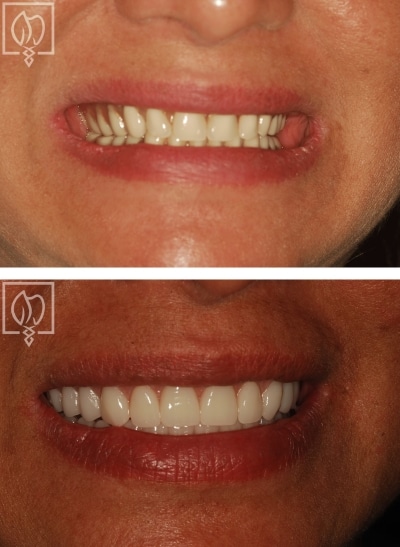
Rejuvenating Maria's Severely Worn Down Implant Overdentures
Many times, per year, patients come to us frustrated because their implant prosthesis is so severely worn down that they are very self-conscious and cover up their smile. They look and feel much older than their age as a result of the extensive wear of their appliance(s).
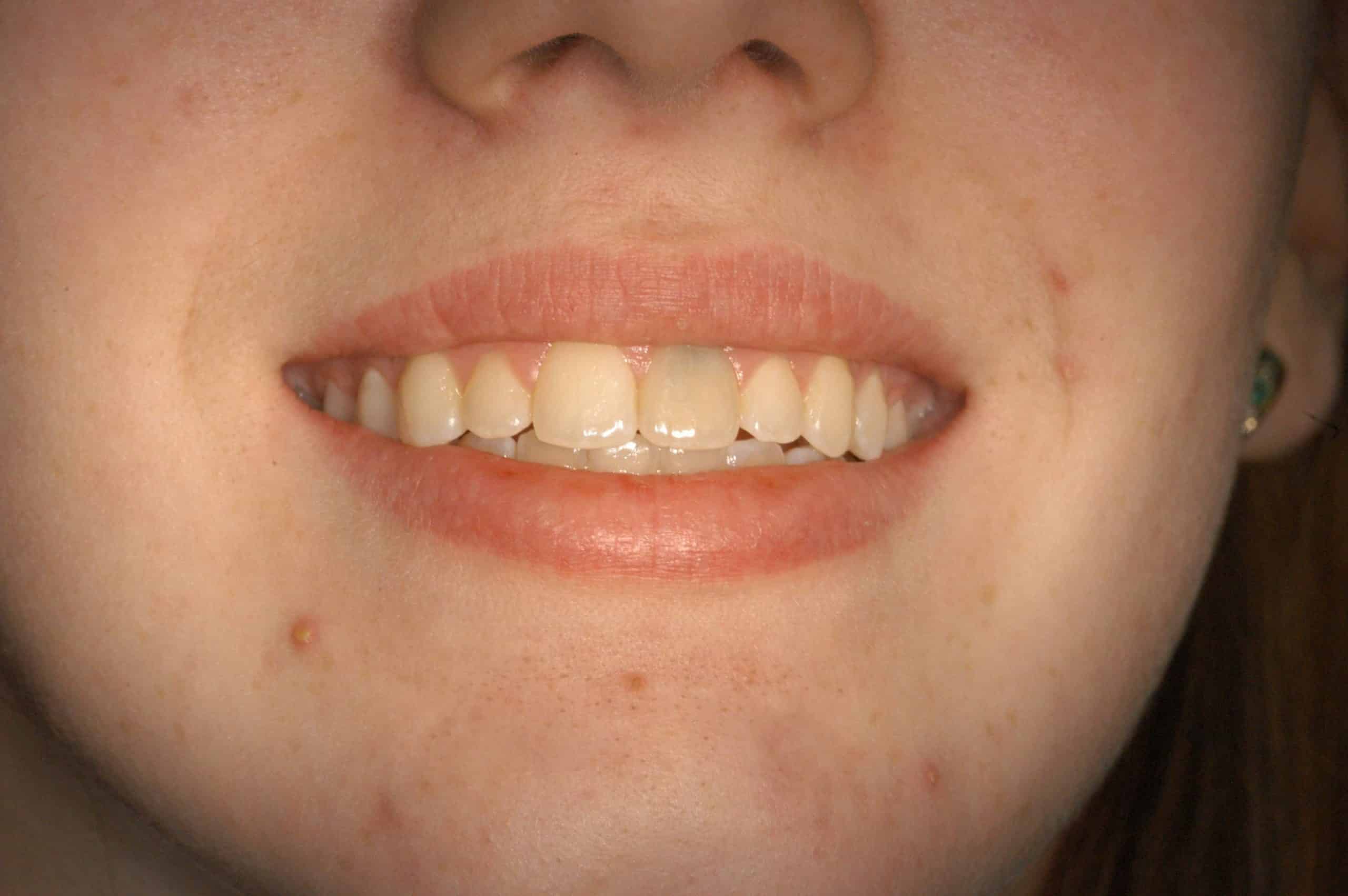
Replacing a Discolored Front Tooth with a Precision Placed Implant
Some of the most challenging restorations occur when fabricating an anterior crown to fit on an implant. Not only does one have the difficulty of matching the single front tooth to the other ones in the high visibility zone, but the dentist must also ensure the position of the underlying implant is precise through accurate preplanning and placement.
Related Articles
Deepen your knowledge with additional insights on this topic.
Our Services in Tenleytown
Beyond Dentures, Tenleytown patients rely on Dr. Marlin for a full range of advanced dental care.
More services available in Tenleytown:
Dentures Near Tenleytown
Dr. Marlin also provides dentures services for patients in these neighboring communities.
Getting Here from Tenleytown
Elite Prosthetic Dentistry is conveniently located near Tenleytown, DC.
Tenleytown residents drive north on Wisconsin Avenue NW to reach our Friendship Heights office at 4400 Jenifer Street NW, Suite 220. Tenleytown Metro station provides transit access for those using public transportation.
Address:
4400 Jenifer Street NW, Suite 220
Washington, DC 20015
Phone: (202) 244-2101
Request a ConsultationRequest a Specialist Consultation from Tenleytown
Tenleytown residents come to Dr. Marlin for specialist prosthodontic care. With 3,900+ implants placed and restored over 40+ years, evaluation, planning, and execution are handled with the depth complex cases require.