
Cosmetic Dentistry in Washington, DC
Cosmetic dentistry in Washington, DC by prosthodontist Dr. Gerald Marlin. Veneers, crowns, whitening, and smile makeovers at Elite Prosthetic.
Artfully Designed Smiles Guided by Prosthodontic Precision
Elevate Your Smile with Washington, DC’s Cosmetic Dental Expert
Cosmetic dentistry isn’t just about looking good. It’s about creating harmony, balance, and confidence in your smile. At Elite Prosthetic Dentistry, Dr. Gerald Marlin blends artistic design with advanced prosthodontic expertise to deliver results that are not only beautiful but built to last. Whether you’re looking for a subtle enhancement or a full smile transformation, we offer customized solutions tailored to your unique goals and facial features.
Why Choose a Prosthodontist for Cosmetic Dentistry?
As a prosthodontist, Dr. Marlin brings exceptional technical training to cosmetic procedures, ensuring that every treatment plan prioritizes both esthetics and function. Prosthodontists complete advanced specialty training focused on smile restoration with ideal tooth proportions, symmetry, and natural coloration. This specialized expertise allows Dr. Marlin to create results that truly look and feel like you, tailored to your unique facial features and personal goals.
A Comprehensive Range of Aesthetic Dental Service
Our Washington, DC office offers a full suite of cosmetic dentistry solutions under one roof:
Why Choose Dr. Gerald Marlin for Your Restorations?
With over 30 years of prosthodontic experience, Dr. Marlin is recognized as a leading specialist in advanced restorative and cosmetic dentistry. He uses a meticulous, patient-focused approach and works with a dedicated on-site lab to ensure ideal results. His restorations are known for their fit, aesthetics, and longevity. These qualities are especially important to patients seeking full smile rehabilitation.
The Comprehensive Approach to Smile Design
At Elite Prosthetic Dentistry, cosmetic dentistry is more than just improving appearance. It’s about creating harmony between your natural facial features, your dental anatomy, and your personal aspirations for your smile. Dr. Marlin takes a holistic approach that considers the relationship between your teeth, lips, gums, and face. This comprehensive perspective ensures that your cosmetic improvements look natural and harmonize beautifully with your overall appearance.
During your consultation, Dr. Marlin will discuss your smile goals and may show you digital renderings of potential outcomes. Modern digital smile design allows you to see a preview of your restored smile before treatment begins. This collaborative approach ensures that the final result matches your expectations and reflects your vision for your smile.
Understanding Your Cosmetic Options
Porcelain Veneers
Porcelain veneers are thin shells of ceramic material that bond to the front surface of your teeth. They can close small gaps, mask discoloration, repair chips, or reshape teeth that appear too small or disproportionate. Unlike crowns, veneers require minimal tooth preparation, preserving more of your natural tooth structure.
The veneers Dr. Marlin places are custom-crafted in our in-house laboratory. Each veneer is precisely designed to match your natural teeth in color, shape, and translucency. The translucency of porcelain means light can pass through just as it does through natural teeth, creating a remarkably lifelike appearance. With proper care, porcelain veneers typically last 10 to 15 years or longer.
Smile Makeovers and Comprehensive Restoration
A complete smile makeover may involve multiple treatments working together to achieve a comprehensive transformation. Dr. Marlin may recommend combining veneers, crowns, whitening, gum reshaping, and other procedures to create a smile that is proportional, balanced, and beautiful. The key to a successful makeover is careful planning and precise execution.
Many patients come to us after years of being unhappy with their smile. A comprehensive approach allows Dr. Marlin to address not just individual tooth problems, but the overall design and balance of your entire smile. The result is often a meaningful transformation that impacts your confidence and quality of life.
Professional Teeth Whitening
Tooth color is determined by both the outer enamel and the inner dentin, along with any staining from external sources. Professional whitening uses advanced formulations to penetrate the tooth structure and lighten the underlying color. Unlike over-the-counter whitening products, professional whitening is stronger, faster, and can achieve more dramatic results.
Dr. Marlin offers professional whitening that is custom-fitted to your teeth and monitored carefully to protect your enamel and minimize sensitivity. Whether performed in the office or using custom trays at home, professional whitening is significantly more effective than drugstore options. Results typically last six months to a year, though touch-ups can maintain your brightness indefinitely.
Gummy Smile Correction
A gummy smile, where excessive gum tissue is visible when you smile, can be corrected through laser gum contouring or surgical reshaping. Dr. Marlin uses gentle laser techniques to precisely remove excess gum tissue, revealing more of your natural teeth and creating a more proportional smile. The procedure is performed under local anesthesia and results in minimal discomfort.
Gummy smile correction is a relatively quick procedure that can have a dramatic impact on your smile’s appearance. Many patients report feeling significantly more confident after even a modest amount of gum tissue is removed.
The Science Behind Beautiful Smiles
Smile esthetics is based on principles of proportion and balance. Ideally, teeth are sized relative to each other and to your face. The colors should be harmonious. The gum line should be even and symmetrical. The relationship between your teeth and your lips should create visual balance. These principles guide Dr. Marlin’s treatment planning.
Factors like tooth size, shape, color, texture, and position all contribute to overall smile esthetics. A sophisticated understanding of how light interacts with teeth, how different materials transmit or reflect light differently, and how slight variations in shade and translucency affect the final appearance distinguishes the work of a specialist prosthodontist from general cosmetic dentistry.
Materials and Technology
Dr. Marlin utilizes the highest-quality ceramic and porcelain materials available. Modern ceramics are stronger than ever while maintaining excellent esthetics. Digital imaging, CBCT scanning, and computer-assisted design allow for precise planning. The in-house laboratory ensures quality control over every detail of your restoration.
The Long-Term Perspective
Cosmetic improvements made by Dr. Marlin are designed to last. Quality materials, expert craftsmanship, and careful attention to detail mean your smile enhancements remain beautiful for years. Additionally, a well-designed restoration supports your overall oral health by improving bite relationships and making cleaning easier.
The Confidence Factor
Beyond the measurable physical changes, cosmetic dentistry often has an intangible but profound impact. Patients who have transformed their smiles frequently report increased confidence, greater willingness to smile in public, improved social interactions, and enhanced self-esteem. These psychological benefits can extend to professional opportunities and personal relationships.
Discover the Smile You Were Meant to Have
You don’t have to settle for an average smile or a rushed approach. At Elite Prosthetic Dentistry, we believe in thoughtful, elegant transformations that bring out the best in your smile, one detail at a time. Schedule a consultation today and see how cosmetic dentistry can help you look and feel more confident.
Restorative Solutions That Enhance Your Smile
Many patients discover that achieving their ideal smile involves both cosmetic and restorative treatments. Missing teeth can be replaced with specialist dental implants DC that look and function like natural teeth. For patients with multiple missing teeth, full mouth dental implants provide a permanent, fixed solution. Sedation dentistry options ensure comfort during longer cosmetic procedures. Every restoration is fabricated with CAD/CAM precision and hand-finished in our in-house laboratory for results that are both beautiful and built to last.
Frequently Asked Questions
What's the difference between a cosmetic dentist and a prosthodontist?
While both can improve the look of your smile, a prosthodontist like Dr. Marlin has advanced specialty training in the functional and aesthetic restoration of teeth, making them uniquely qualified for complex cosmetic cases.
Is cosmetic dentistry only for looks?
No. Many cosmetic treatments also improve oral health, bite function, and long-term tooth stability. Proper alignment and restoration can help prevent wear, jaw pain, and future dental issues.
How long do cosmetic dental results last?
With expert treatment and good home care, cosmetic results can last 10-20 years or more. Our restorations are made from high-quality materials and crafted for durability.
What's included in a smile makeover?
A smile makeover may include crowns, veneers, whitening, gum reshaping, and more, customized to your needs. Dr. Marlin performs a comprehensive evaluation to design the best combination of treatments.
Do you offer financing for cosmetic dentistry?
Yes. We offer flexible payment and financing options to help you access the care you want. Our team can review available plans during your consultation.
Serving Patients From
Maryland
Bethesda (Cosmetic Dentistry) | Bethesda (Deep Teeth Cleaning) | Bethesda (Repairing A Chipped Tooth) | Bethesda (Teeth Cleaning) | Cabin John | Chevy Chase | Kensington | North Bethesda | Potomac | Rockville | Silver Spring
Washington, DC
Cleveland Park | Dupont Circle | Foxhall | Georgetown | Kalorama | Palisades | Spring Valley | Tenleytown | Woodley Park
Virginia
When Elite Prosthetic Dentistry Is a Strong Fit
A strong fit if you are looking for
- Cosmetic treatment planned as cosmetic-functional reconstruction, so the result looks natural and holds up
- A smile concern that involves worn, shifted, or previously restored teeth rather than a single stable tooth
- Design decisions about shade, shape, and gum line made with the in-house laboratory, not by mail
- Cosmetic work that must coordinate with crowns, implants, or a bite that needs correction
- A result meant to last decades, with materials and execution chosen for longevity
The honest boundary
Elite Prosthetic Dentistry may not be the right fit if you are primarily looking for routine insurance-based dentistry, the lowest-cost option, or a quick single-visit solution without a comprehensive evaluation.
Prosthodontist vs. Cosmetic Dentist for Complex Smile Reconstruction →
Your Best Smile Is Within Reach
Request a specialist consultation with Dr. Marlin to discuss your situation and the most appropriate path forward.
Frequently Asked Questions
What is the difference between a cosmetic dentist and a prosthodontist for esthetic dental work?
A general cosmetic dentist completes dental school and may take continuing-education courses in esthetic dentistry. A prosthodontist completes three additional years of accredited postgraduate residency training specifically focused on the diagnosis, planning, and execution of complex restorative and esthetic cases. For multi-tooth cosmetic cases, full smile makeovers, or revision of failed prior cosmetic work, the depth of specialty training meaningfully affects long-term predictability. Dr. Marlin is a specialty-trained prosthodontist (DMD, MSD).
How long do porcelain veneers last?
Well-designed and well-fabricated porcelain veneers placed by a prosthodontist typically last 15 to 20 years or longer when paired with proper home care and regular professional maintenance. Longevity depends on the quality of the original tooth preparation, the bond between the veneer and the underlying tooth, the patient's bite, and parafunctional habits like grinding. Veneers that fail prematurely (under 5 years) most often reflect issues in the original preparation design, the bonding protocol, or unmanaged bite forces.
Can cosmetic dentistry fix a gummy smile?
Yes, but the right treatment depends on the underlying cause. A gummy smile can result from excess gum tissue covering otherwise normal-length teeth, short clinical crowns from wear, a hyperactive upper lip, or skeletal positioning of the upper jaw. Treatment options range from periodontal crown lengthening, esthetic veneer or crown work, lip-repositioning procedures, or referral for orthognathic evaluation. A specialist diagnosis identifies which cause is driving the appearance before any treatment is selected.
What is a smile makeover and how does it differ from individual cosmetic procedures?
A smile makeover is a single, coordinated treatment plan that combines several cosmetic procedures, such as veneers, crowns, whitening, gum contouring, and orthodontic alignment, into a planned esthetic outcome rather than a series of separate fixes. The planning phase is what distinguishes a true smile makeover: tooth proportion, midline, gum architecture, lip dynamics, and facial balance are designed together. Working with a prosthodontist matters because the final design choices on shape, color, and proportion are informed by years of specialty training in restorative esthetics.
Do I need to replace old crowns or veneers if they still function?
Function and appearance are separate considerations. Older crowns and veneers may still chew adequately but show staining at the margin, gray gum lines from metal margins, contour changes, or material wear that makes the smile look aged or unnatural. Replacement is a personal decision driven by how the restorations are aging visually and structurally. A specialist evaluation provides an objective assessment of which restorations are likely to fail in the next 5 to 10 years and which can reasonably stay in place longer.
How much does a smile makeover cost in Washington, DC?
Smile makeover cost varies based on the number of teeth restored, the materials selected (pressed ceramic, lithium disilicate, feldspathic porcelain, zirconia), whether preparatory work is required (gum contouring, orthodontic alignment, replacement of failing fillings), and the complexity of the case. A specialist consultation produces a defined plan with itemized pricing. Financing options are available, and benefit coordination is reviewed when restorative-grade cosmetic work qualifies for partial dental-insurance coverage.
What happens if I have failed cosmetic work from another dentist?
Failed prior cosmetic work, whether veneers that have debonded, crowns that look unnatural, or smile makeovers that did not deliver the expected result, is one of the most common case types in Dr. Marlin's practice. The first step is a specialist diagnostic evaluation to identify why the original work failed: preparation design, material selection, bite forces, bonding protocol, or planning errors. Once the cause is identified, a revision plan addresses the underlying issue, not just the visible symptom. See our [Cosmetic Dentistry Revision](/cosmetic-dentistry-revision/) page for more detail.
Is teeth whitening enough or do I need veneers?
Professional whitening lightens natural tooth structure and can produce significant improvement for staining caused by coffee, tea, wine, or aging. It does not change the shape, proportion, alignment, or surface texture of teeth, and it does not whiten existing crowns, veneers, or fillings, which retain their original color. If the concern is purely color and the teeth are otherwise well-shaped, whitening may be sufficient. If the concern includes chipped edges, uneven proportion, gaps, or worn surfaces, veneers or bonding are usually the more appropriate treatment.
Related Patient Success Stories
Explore similar patient success stories demonstrating our expertise in advanced prosthetic dentistry.
 Before
 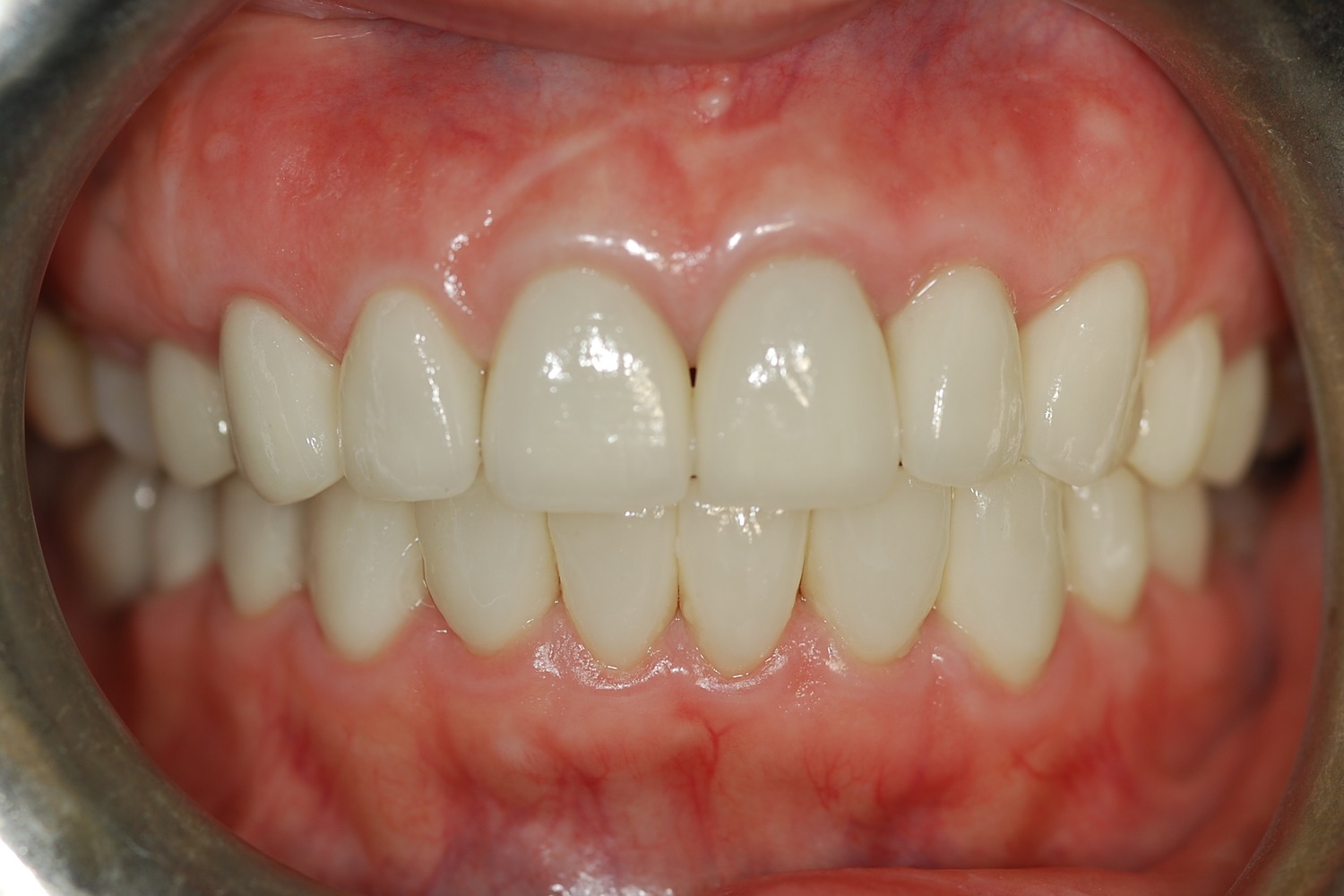 After
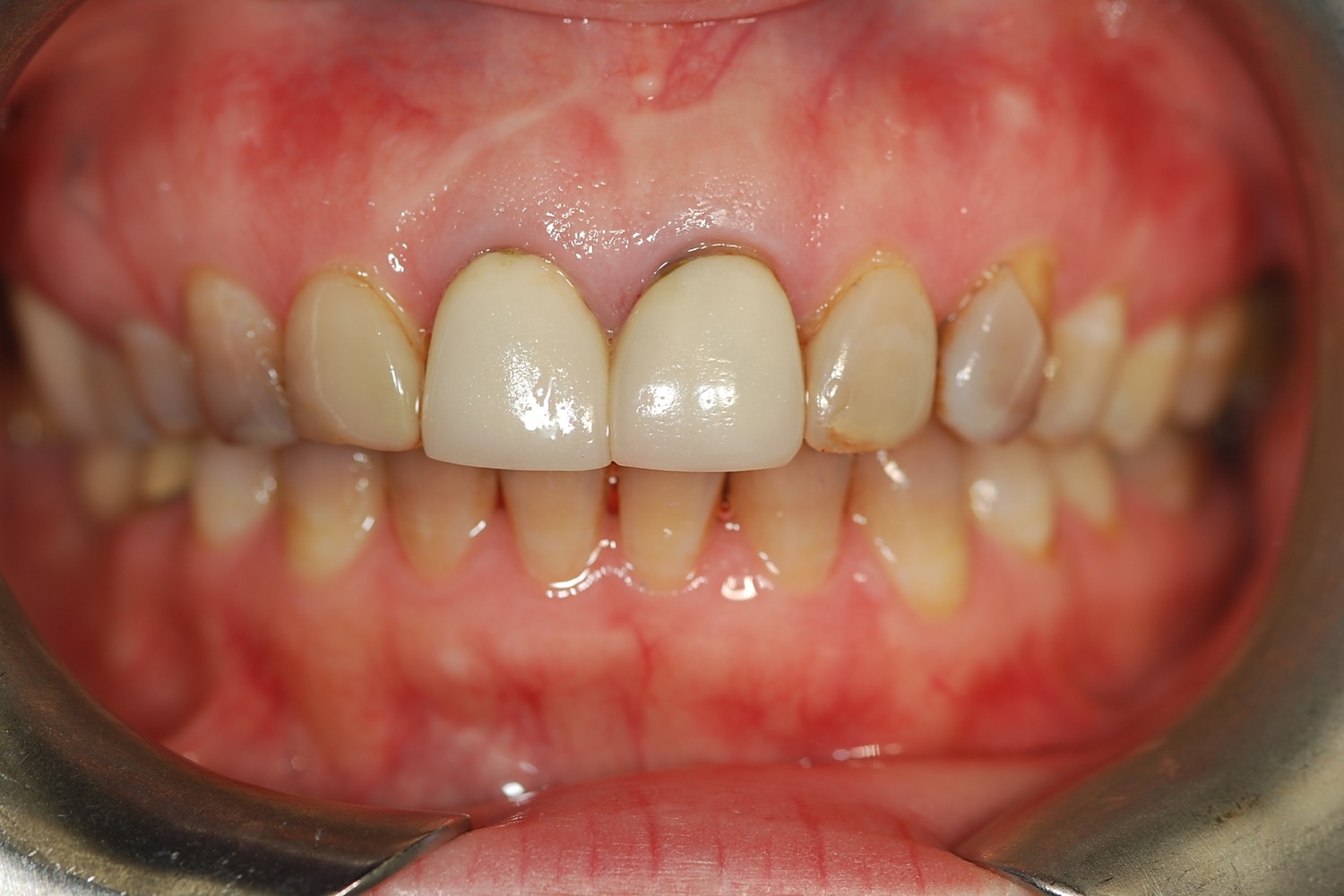
After How Aging, Opaque Restorations Were Replaced with Customized Ceramic Restorations Designed for Long-Term Natural Esthetics
The existing restorations appeared opaque, worn, and unnatural over time, affecting both confidence and overall smile harmony.
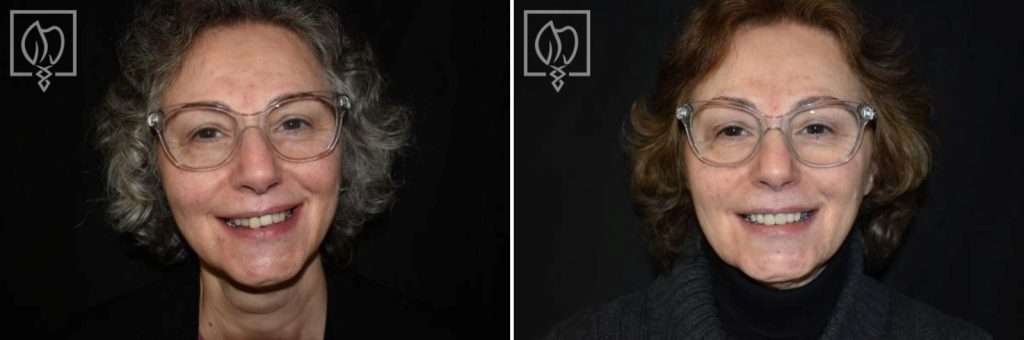
Temporary Crowns Restore a Patient's Smile in One Day with an Immediate Smile Makeover
A patient from Potomac, Maryland came to the practice in pain from a failing dental implant whose restoration was also compromising her appearance and her confidence.
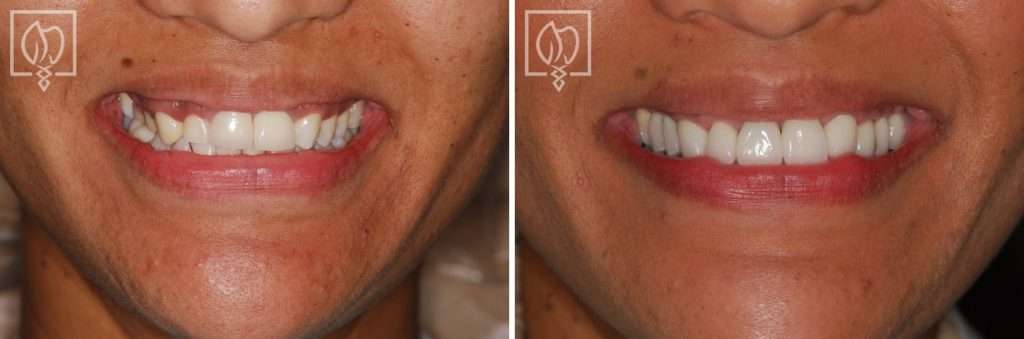
Multi-Faceted Treatment for a Patient Unhappy With the Appearance of Her Crowns, Teeth, and Gums
The patient was unhappy with how her teeth and gums affected her smile: front-tooth crowns that no longer blended with her natural teeth, a missing lateral incisor with the larger canine sitting in its space, and an uneven gum line.
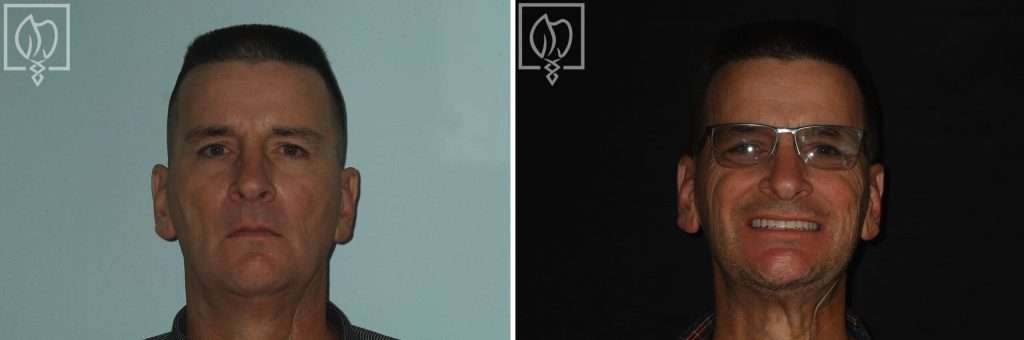
Treating a Collapsed Bite with a Complete Smile Makeover and New Dentures
The patient's bite had collapsed severely, changing his facial proportions and making him look much older than his age, while extensive underlying bone loss and dentures that no longer fit made chewing difficult and kept his teeth hidden when he smiled.
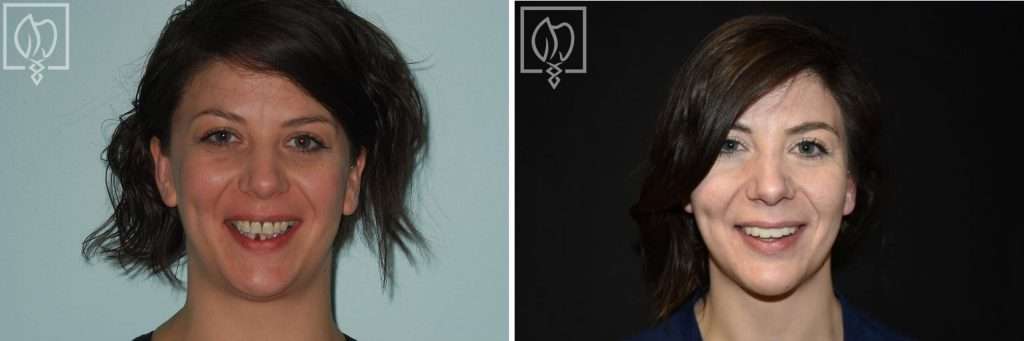
Salvaging Severely Broken-Down Upper and Lower Teeth from Gum and Bone Disease
The patient presented in distress at 34 with severe periodontal disease: two lower front teeth close to being lost and wide gaps opening between her upper and lower front teeth.
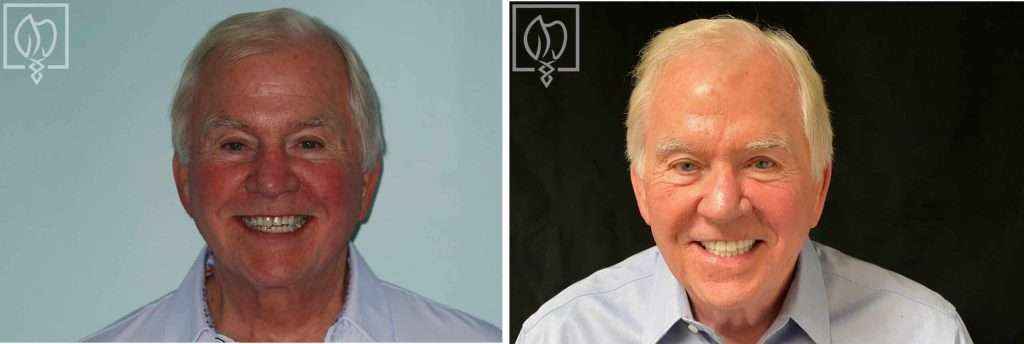
A Smile Transformation in Just Four Months: A Patient’s Dental Crown Restoration for a TV Series
A patient with dental crowns that were in poor shape was going to appear on a streaming video series on a major TV network that was scheduled to begin filming soon. Our patient, John, an author about to embark on a book tour, was anxious as his teeth were not up to his standards to appear on television.
Related Articles
Deepen your knowledge with additional insights on this topic.
 Cosmetic Dentistry
 Can My Tetracycline-Stained Teeth Be Made to Look Beautiful?
Tetracycline staining sits deep inside the tooth, so bleaching cannot fix it. See how translucent porcelain crowns create a bright, natural smile instead.
 Cosmetic Dentistry
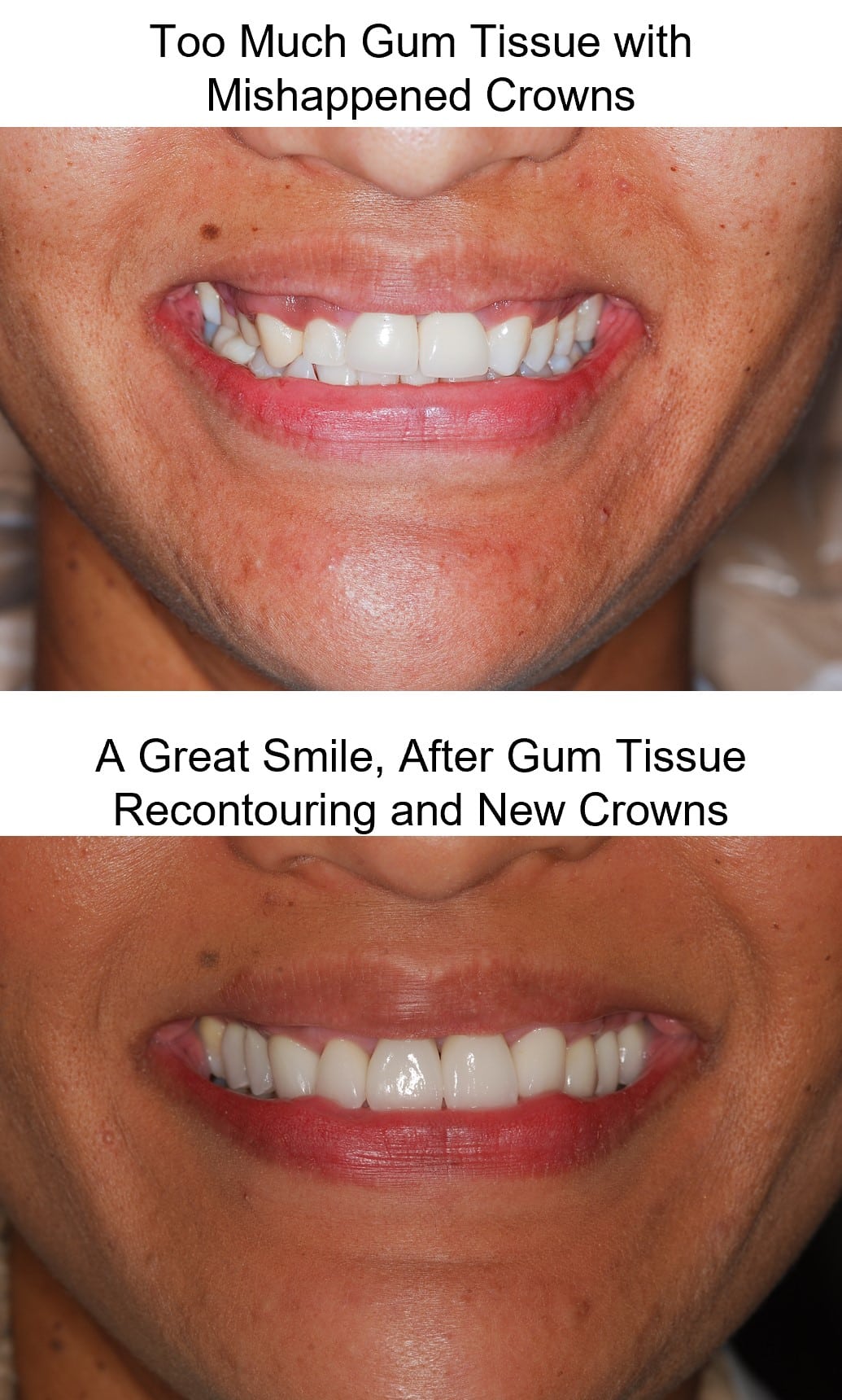
 How Is a Gummy Smile Fixed?
From gum reshaping to custom crowns, a DC prosthodontist explains how a gummy smile is fixed, with a real patient transformation and healing timeline.
 Cosmetic Dentistry
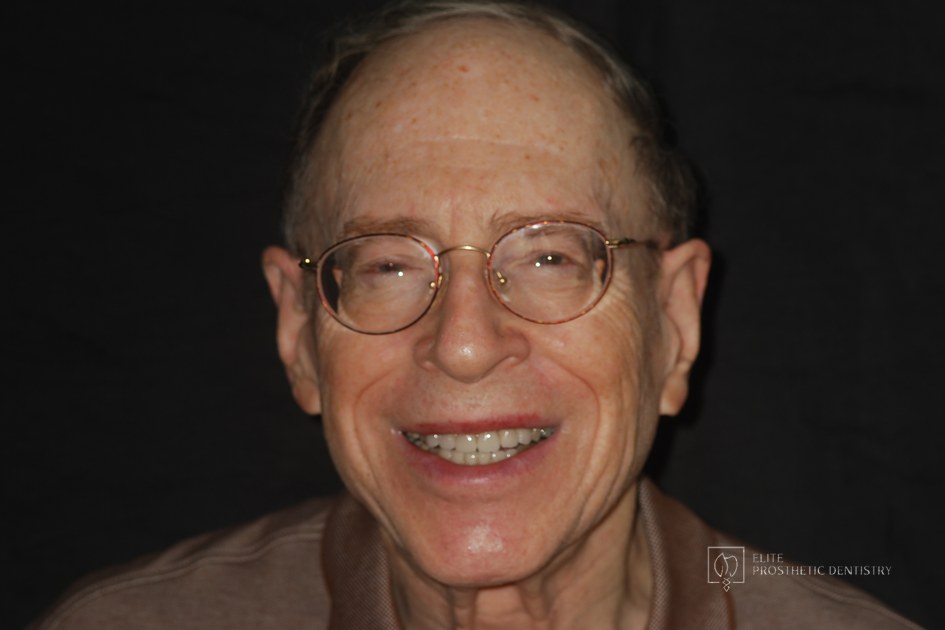
 Discovering Cosmetic Dentistry Beyond Aesthetics
Cosmetic dentistry improves more than looks: easier hygiene, restored chewing function, and better long-term oral health. A DC prosthodontist explains.
 Cosmetic Dentistry
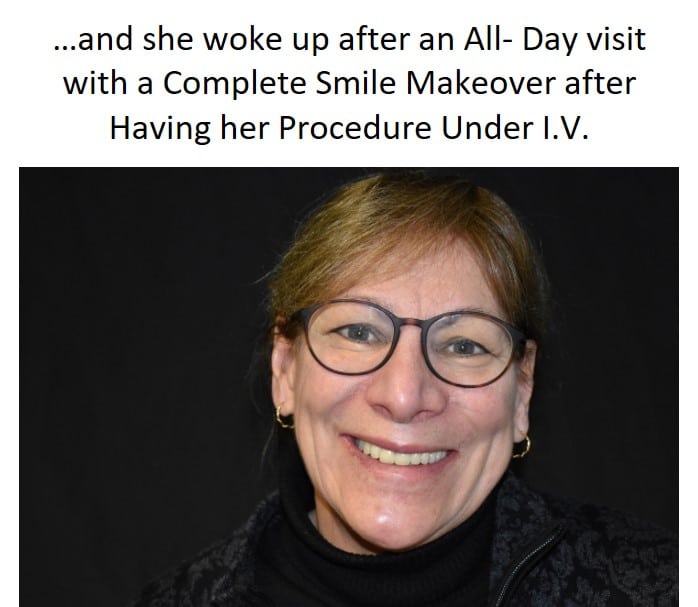
 Benefits of a Cosmetic Smile Makeover With Dental Sedation
Sedation lets longer smile makeover visits feel brief, eases anxiety, and may reduce soreness afterward. A DC prosthodontist explains the benefits.
 Cosmetic Dentistry
 Does Treating or Rehabilitating a Gummy Smile Require Surgery?
Not every gummy smile needs surgery. A DC prosthodontist explains restorative and other alternatives, and what to expect when gum surgery is the right call.
Cosmetic Dentistry Treatable Dental Conditions That Make Patients Self-Conscious About Their Smile
Discolored, worn, gapped, or missing teeth and gummy smiles are all treatable. A DC prosthodontist maps each common condition to its modern fix.
Cosmetic Dentistry in Washington, DC Near You
Dr. Marlin provides cosmetic dentistry in washington, dc services to patients throughout the Washington, DC metropolitan area. Select your community to learn more.
Ready to Transform Your Smile?
With 40+ years of experience and 3,900+ dental implants placed, Dr. Marlin and the team deliver dentistry planned to last. Request a specialist consultation.