
Oral Cancer Awareness: Let's Spread the Word
A Disease That Deserves Louder Awareness
Some health causes have no shortage of public attention. Oral cancer is not one of them, and the quiet costs lives. The American Association of Oral and Maxillofacial Surgeons reports that oral and pharyngeal cancers collectively claim a life nearly every hour of every day in the United States, a toll that exceeds several far better-known cancers. Tens of thousands of Americans are newly diagnosed each year.
Yet most people cannot name a warning sign, do not know their own risk, and have no idea their dentist screens for the disease. Awareness is genuinely the gap here, and awareness is something everyone can help fix.
The Risk Profile Has Changed
For decades, oral cancer was considered a disease of older smokers and heavy drinkers, and tobacco with alcohol remains a potent combination. But the fastest-growing group of newly diagnosed patients is younger, healthier, and often has never smoked. The driver is HPV (human papillomavirus): certain high-risk strains cause oropharyngeal cancer years after exposure, with no warning in between.
The practical meaning is uncomfortable but clarifying: no demographic is exempt. A healthy 35-year-old nonsmoker is not immune, which is exactly why screening belongs in everyone’s routine dental care rather than being reserved for the traditionally at-risk.
Why Early Detection Is the Whole Game
The death rate from oral cancer stays high for one main reason: late discovery. Found early, these cancers often respond to less invasive treatment, and survival improves dramatically. Found late, treatment becomes aggressive, with surgery that can alter the face and mouth, radiation with lasting side effects, and a much harder road for the patient and everyone around them.
Early oral cancer rarely hurts. That is what makes professional screening, rather than waiting for symptoms, the reliable path. A screening takes minutes within a normal examination: careful inspection of the lips, tongue, cheeks, palate, and throat, and palpation of the mouth and neck for lumps or thickened tissue. Suspicious findings are rechecked or referred for biopsy. Simple, quick, and occasionally lifesaving.
How You Can Spread the Word
You do not need medical training to make a difference here.
Tell people dentists screen for oral cancer. Many avoid dental visits for years without realizing what those visits quietly check for. One sentence to a parent, friend, or coworker can prompt the examination that matters.
Share the warning signs. Persistent sores that do not heal within two weeks, white or red patches, lumps or thickening, difficulty swallowing, lasting hoarseness, unexplained numbness or bleeding. Persistence, more than pain, is the signal to get evaluated.
Encourage prevention. No tobacco in any form, moderate alcohol, sun protection for the lips, a diet rich in fruits and vegetables, and, for those eligible, a conversation with their physician about HPV vaccination.
Each April, organizations across dentistry and medicine mark Oral, Head and Neck Cancer Awareness Week with education and screening events, and it is a natural moment to bring the topic up with people you care about. The message holds year-round.
The Prosthodontist’s Role
At Elite Prosthetic Dentistry, every comprehensive examination includes oral cancer screening, with referral for biopsy when anything suspicious appears. There is also a second role prosthodontists play in this disease: rebuilding afterward. When surgery or radiation removes teeth, bone, or parts of the palate, prosthodontic treatment restores eating, speech, and appearance, from conventional restorations and dentures to specialized prostheses like palatal obturators. Restoring function for patients after cancer treatment is some of the most meaningful work in this specialty.
If it has been more than six months since your last thorough examination, let this be the nudge. Call 202-244-2101 or request an appointment with Dr. Gerald Marlin at Elite Prosthetic Dentistry in Friendship Heights, Washington, DC. Then spread the word.
See How We Resolve These Problems
Our patient success stories show real cases and real results. Browse outcomes from a specialist prosthodontist with decades of experience and 3,900+ implants placed.
Key Takeaways
- ✓ Oral and pharyngeal cancers remain deadly largely because they are found late. Early-stage diagnosis dramatically improves both treatment and survival.
- ✓ The risk profile has shifted: HPV-related oral cancers increasingly affect younger, healthy nonsmokers, so no one should assume they are exempt.
- ✓ Screening is quick, noninvasive, and built into a thorough dental examination, which makes regular visits the practical form of vigilance.
- ✓ Awareness is something you can pass along. Telling family and friends that dentists screen for oral cancer may prompt the visit that catches it early.
Frequently Asked Questions
Why is oral cancer so often found late?
Early oral cancer is usually symptomless and easy to overlook, and public awareness of the disease is low, so many people are not looking and do not know dentists screen for it. Without regular examinations, lesions often go unnoticed until they cause symptoms, by which point the disease is more advanced and harder to treat.
Can nonsmokers get oral cancer?
Yes. While tobacco and heavy alcohol use remain major risk factors, HPV-related oropharyngeal cancers have risen sharply and frequently occur in younger, healthy people who never smoked. That shift is a key reason routine screening at dental examinations is recommended for everyone, not just those with traditional risk factors.
What is the dentist's role after oral cancer treatment?
Surgery and radiation for oral cancer can remove or alter teeth, bone, and palate structures, affecting eating and speech. Prosthodontists are the dental specialists trained in rebuilding after such treatment, using restorations and prostheses such as palatal obturators to restore function. Ongoing dental monitoring also remains important for survivors.
Related Patient Success Stories
Explore similar patient success stories demonstrating our expertise in advanced prosthetic dentistry.
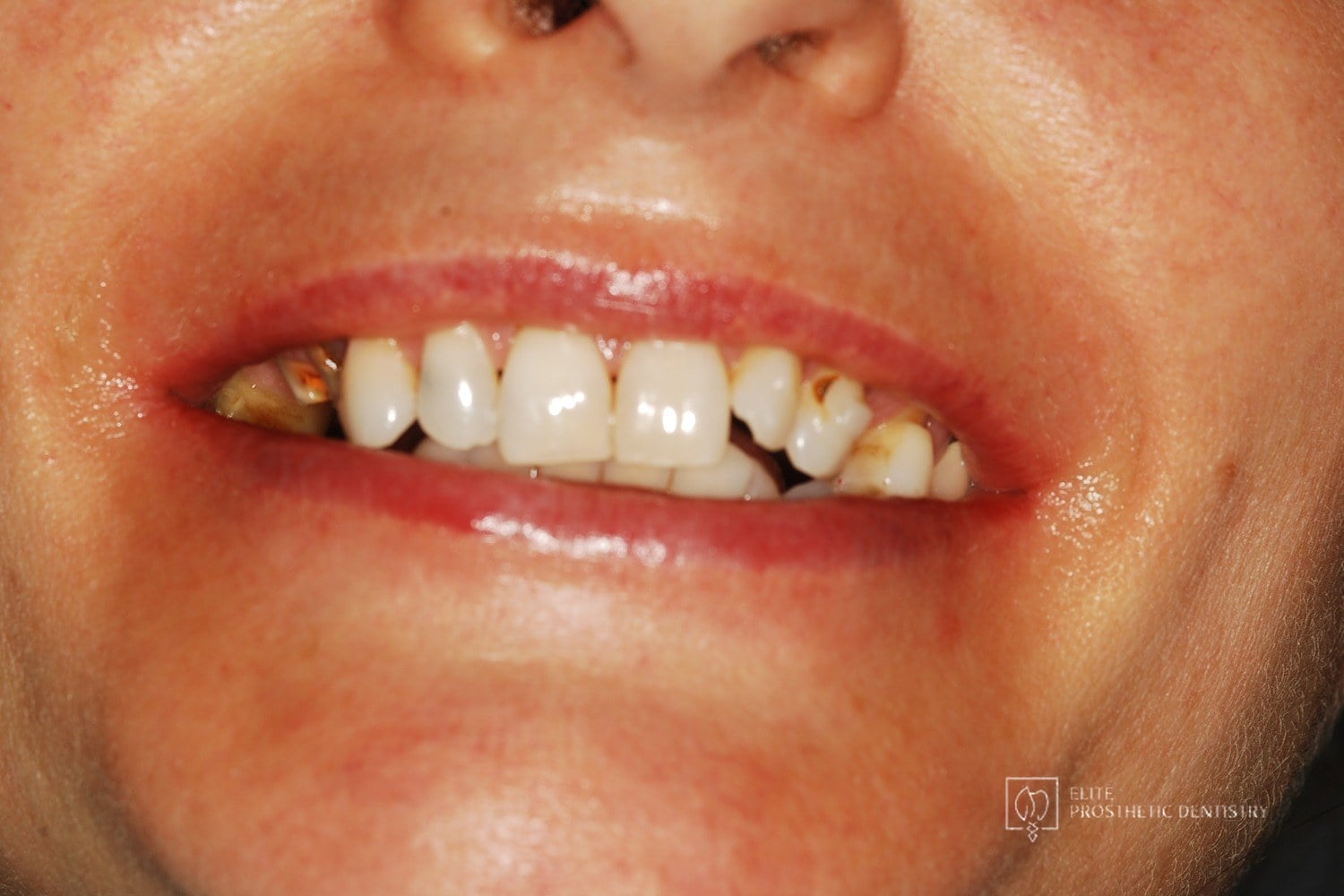 Before
 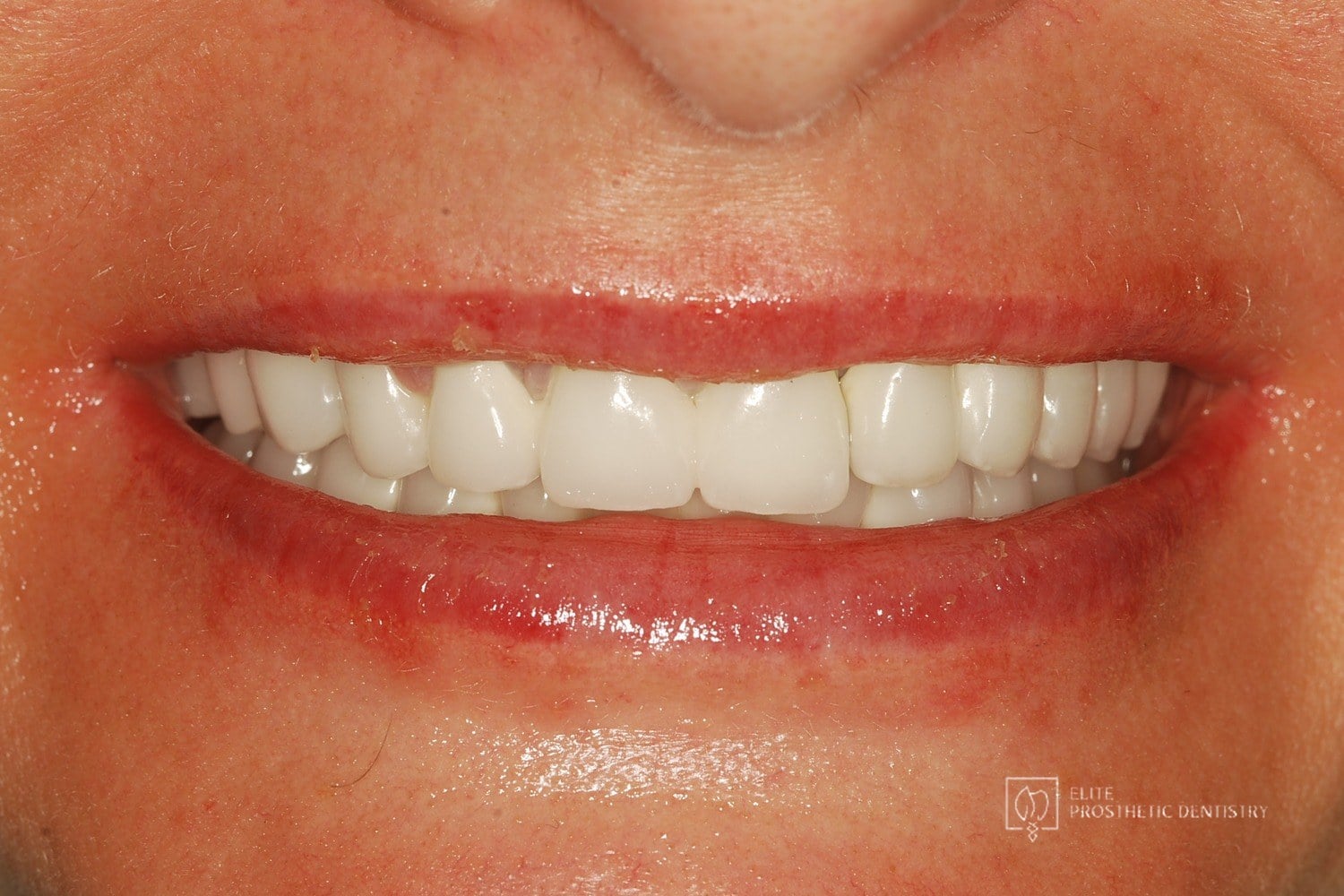 After
After How Aging, Failing Dentistry Was Replaced with a Coordinated Full-Mouth Implant and Crown Reconstruction
The patient presented with throbbing upper-molar pain, long-standing infections, multiple root canals and unfinished prior treatment, generalized sensitivity, and several hopeless teeth.
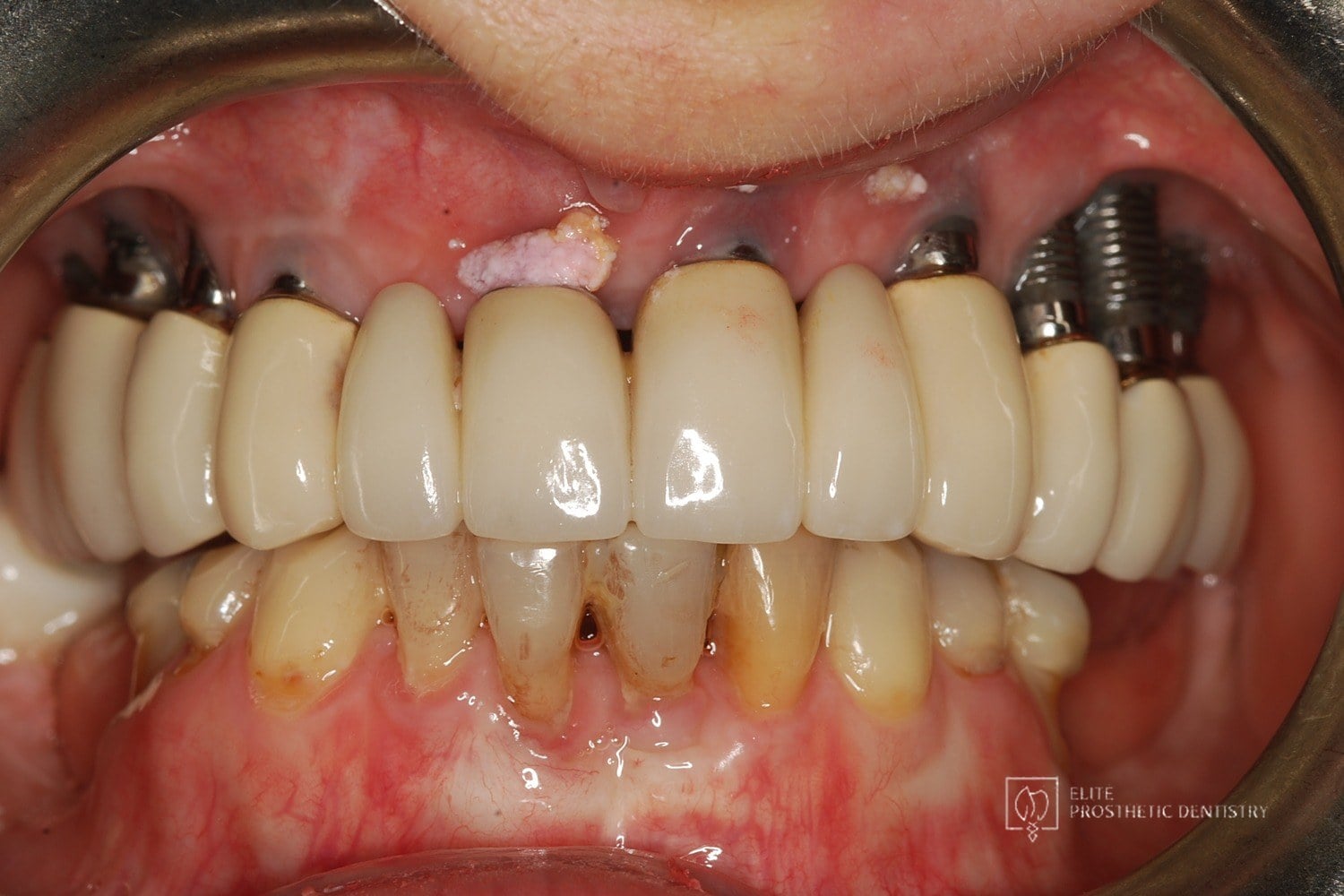 Before
 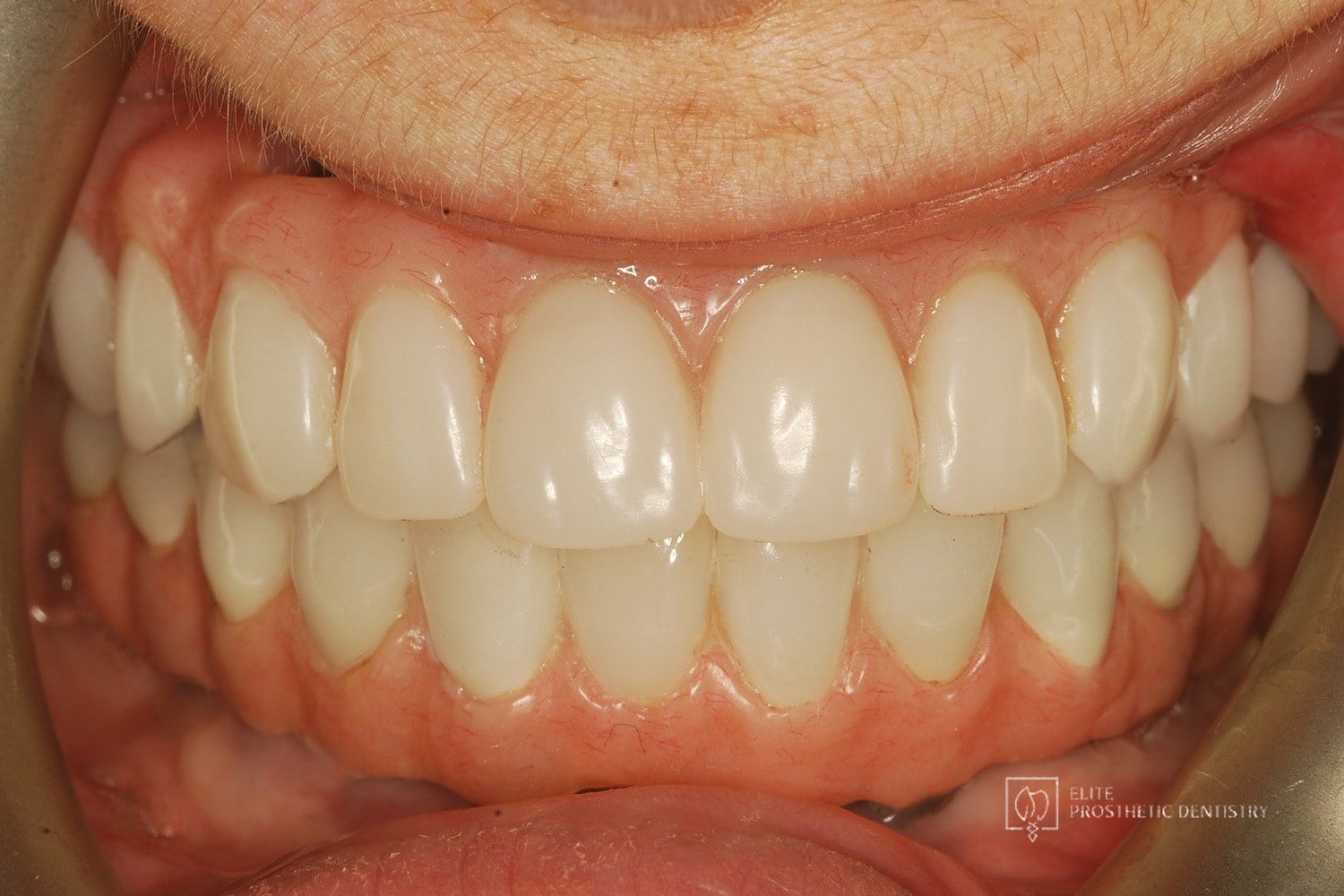 After
After How Failing Implants and Severe Bone Loss Were Rebuilt Into a Stable Full-Arch Implant Reconstruction
The patient presented with significant complications from previously placed implants, severe bone loss, failing posterior implants, and an unesthetic full-arch bridge. Both arches required full reconstruction, with the upper arch showing the most advanced bone loss and instability.
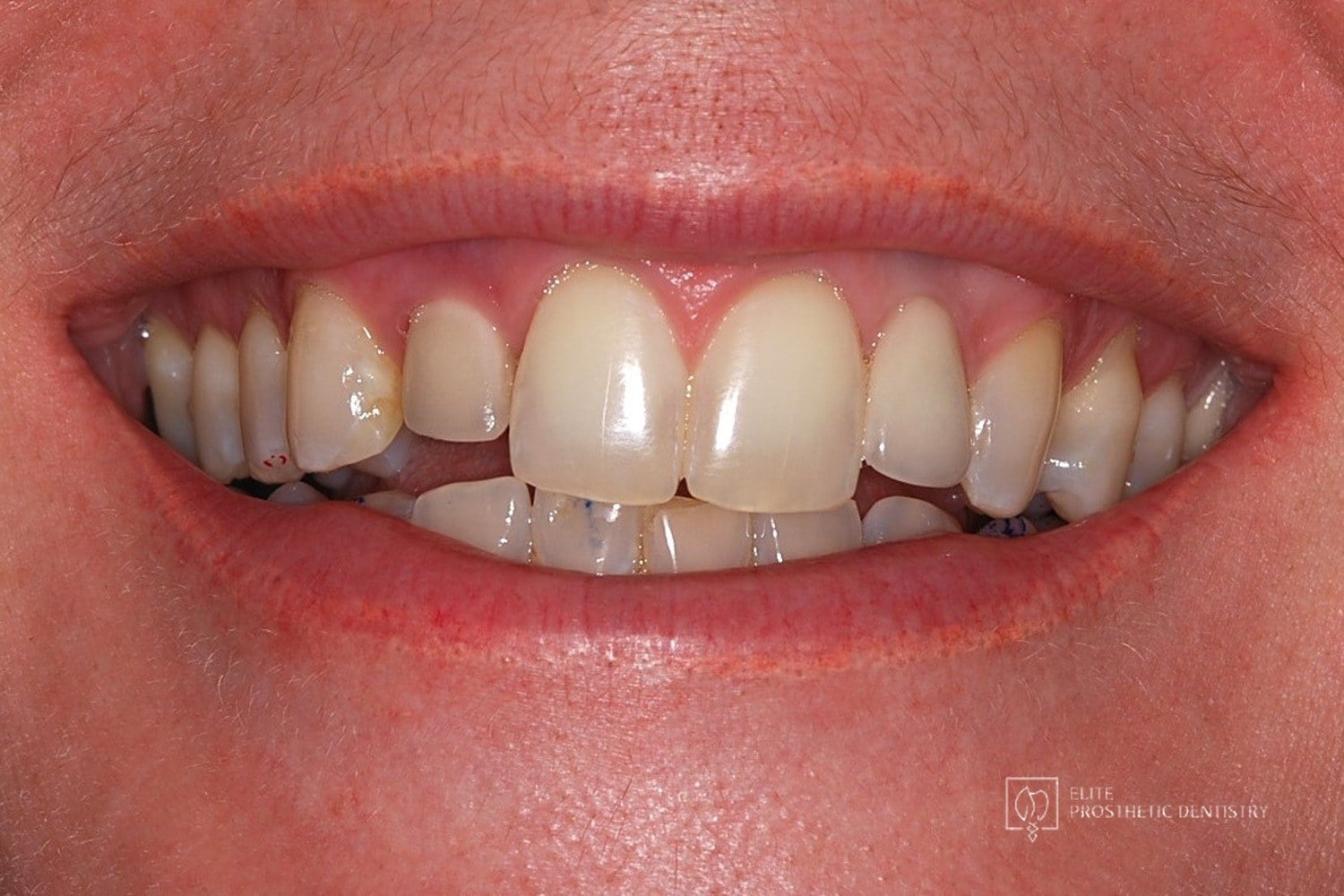 Before
 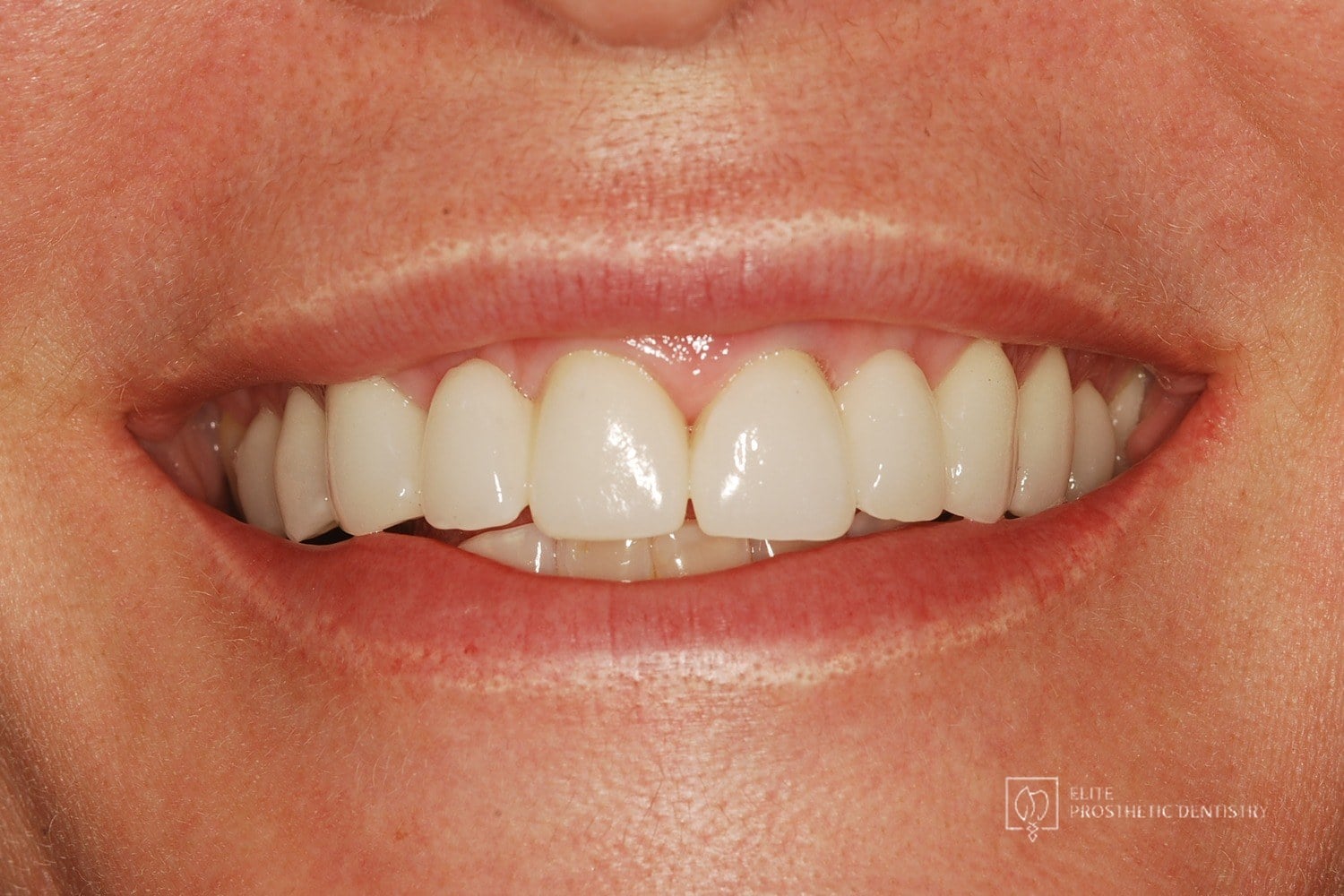 After
After How Failing Lateral Incisor Implants Were Replaced with Custom Zirconia Bridges After Severe Bone Loss Made Replacement Implants Impossible
Comprehensive examination including CBCT imaging revealed significant bone loss surrounding implants that were placed outside the buccal plate, most likely due to placement without a CBCT-generated surgical guide. The implants were determined non-salvageable, and the alveolar ridge was too narrow to support replacement implants without extensive reconstruction.
Related Articles
Deepen your knowledge with additional insights on this topic.
 Oral Health & Prevention
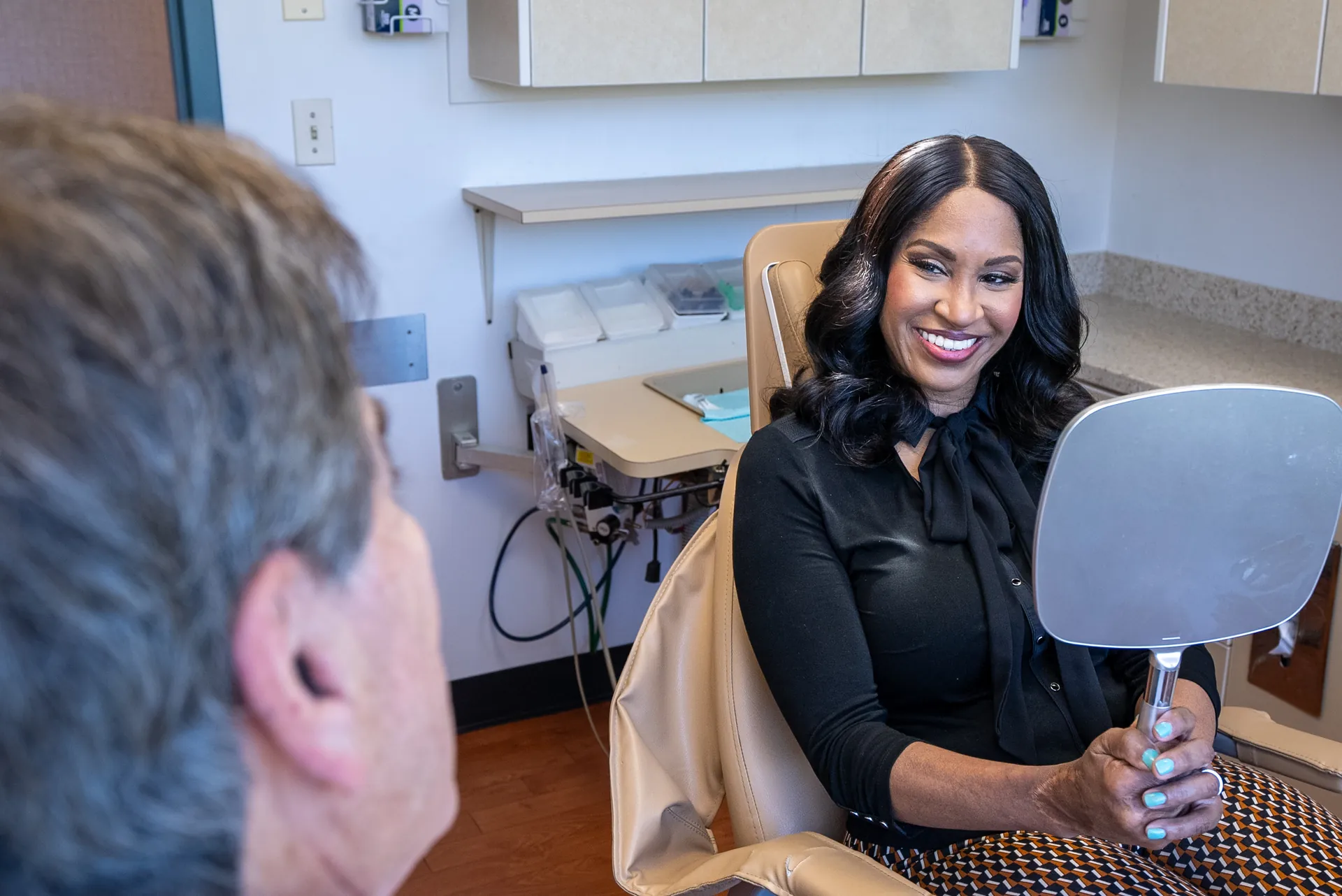
 Common Misconceptions About Gum (Periodontal) Disease: Myths vs. Facts
Bleeding gums are normal? Only older adults get gum disease? A DC prosthodontist corrects eight common myths about periodontal disease signs and treatment.
 Oral Health & Prevention
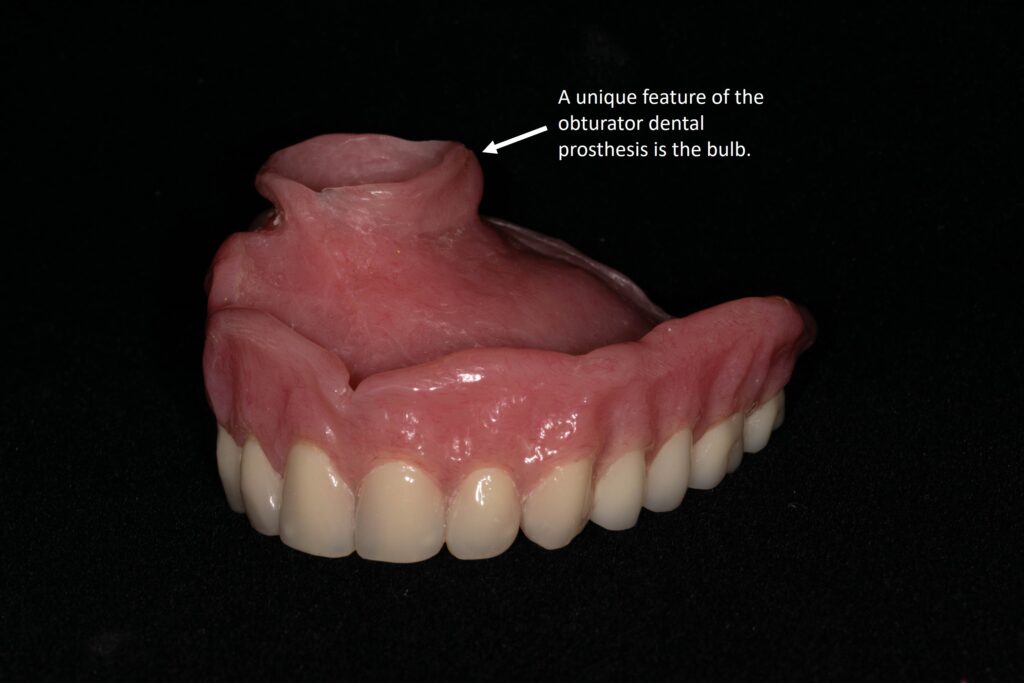
 Understanding Palatal Obturators for Openings in the Roof of the Mouth
A palatal obturator seals an opening in the roof of the mouth from cleft palate, surgery, or trauma. A DC prosthodontist explains how they work and their care.
 Oral Health & Prevention
 Dental Hygiene Care Is Not a 'One-Size-Fits-All' Process
The right hygiene routine depends on your gums, your risk factors, and your dental work. A DC prosthodontist explains why personalized hygiene care matters.