
Bad Breath Is Bad News: Causes and How to Fix It
Chronic Bad Breath Has a Cause, and Causes Have Fixes
“How can I get rid of my bad breath?” is one of the questions we hear most, and it deserves a real answer. Persistent halitosis strains social and professional life, and it often points to an underlying dental problem that wants attention. The encouraging news: the source can almost always be found, and once found, it can be addressed.
The odor itself comes from volatile sulfur compounds that oral bacteria release as they break down proteins and food debris. Garlic and onions produce temporary, harmless versions of this. Breath that stays unpleasant day after day is a different matter, and it usually traces to one of four sources.
The Four Usual Suspects
Incomplete hygiene. When brushing and flossing are inconsistent, food particles and plaque accumulate, and bacteria turn that buildup into odor around the clock. The fix is unglamorous: thorough brushing twice a day and daily cleaning between teeth, where a brush cannot reach.
Gum disease. Bacteria below the gumline create deep, oxygen-poor pockets that favor the most odor-producing species in the mouth. Persistent bad breath is one of the recognized warning signs of periodontal disease, alongside bleeding and tender gums. This cause matters most because it costs more than fresh breath; untreated, it destroys the bone supporting your teeth. Our guide to gum disease misconceptions covers the warning signs.
Dry mouth. Saliva is the mouth’s rinse cycle, buffering acids and washing bacteria away. Medications, mouth breathing, and certain conditions reduce saliva flow, and odor-producing bacteria flourish in a dry mouth. If you suspect a medication is the cause, do not stop taking it; talk with your physician, and tell us so we can help manage the dryness.
The tongue. Its textured surface harbors an enormous share of the mouth’s bacteria, and most people never clean it. A simple tongue scraper, used daily with gentle front-to-back strokes, often produces the single most noticeable improvement in breath.
One more source deserves mention: dental work. Older restorations with worn margins, and dentures that are not removed and cleaned properly each day, can trap debris that no amount of mouthwash will mask. If your breath problem began around aging dental work, that is worth an evaluation.
What Actually Works Day to Day
Brush twice daily for a full two minutes with attention to the gumline, and floss once a day. Scrape your tongue. Drink water through the day; it rinses the mouth and supports saliva between brushings. Crisp produce like apples and celery adds a mild natural scrubbing action, and citrus in moderation stimulates saliva flow.
Be careful with the products marketed as breath fixes. Sugary mints and gum feed the very bacteria causing the odor. Xylitol gum and mints are the smarter choice: xylitol stimulates saliva and cannot be metabolized by odor- and decay-causing bacteria, so it freshens without fueling the problem.
When Bad Breath Outlasts Good Hygiene
If your breath does not improve after a few weeks of genuinely thorough home care, stop guessing and get examined. We look for gum disease, decay, and restorations that trap debris, all findable and all treatable. When the mouth checks out clean, halitosis can occasionally reflect a systemic condition such as diabetes, reflux, or liver or kidney disease, and we will coordinate with your physician for evaluation.
One practical note before you decide it is serious: it is genuinely hard to judge your own breath, since you acclimate to it. Rather than relying on cupped-hand tests, ask someone you trust, or simply run the full routine above for a couple of weeks and see whether it resolves. Bad breath is bad news precisely because people live with it instead of tracing it. If it is time for an examination, call 202-244-2101 or request an appointment with Dr. Gerald Marlin at Elite Prosthetic Dentistry in Friendship Heights, Washington, DC.
See How We Resolve These Problems
Our patient success stories show real cases and real results. Browse outcomes from a specialist prosthodontist with decades of experience and 3,900+ implants placed.
Key Takeaways
- ✓ Chronic bad breath almost always has an identifiable source, most often bacteria metabolizing debris in the mouth, and that means it is fixable.
- ✓ The big four causes are plaque from incomplete hygiene, gum disease, dry mouth, and an uncleaned tongue.
- ✓ Daily brushing, flossing, tongue cleaning, water, and xylitol gum handle most cases. Mints that contain sugar feed the problem they mask.
- ✓ Bad breath that survives good hygiene deserves an examination. It can signal gum disease, decay under old dental work, or a medical condition.
Frequently Asked Questions
What causes bad breath even after brushing?
The usual suspects are an uncleaned tongue, plaque between teeth that brushing cannot reach, gum disease pockets below the gumline, dry mouth, or debris trapped around older dental work and dentures. Brushing alone misses all of these, which is why flossing, tongue cleaning, and hydration matter. If breath does not improve with that full routine, have an examination.
How do I get rid of bad breath fast?
Drink water to rinse and rehydrate the mouth, clean your tongue, and chew xylitol gum to stimulate saliva without feeding bacteria. Those help within minutes. Lasting improvement comes from daily flossing, brushing at the gumline, and treating any underlying gum disease or decay, because odor returns as long as its source remains.
When is bad breath a sign of something serious?
Halitosis that persists despite thorough daily hygiene warrants a dental examination to check for gum disease, decay, or restorations trapping debris. If the mouth is ruled out, some systemic conditions such as diabetes, reflux, and liver or kidney disease can alter breath odor, and your dentist can refer you to your physician for evaluation.
Related Patient Success Stories
Explore similar patient success stories demonstrating our expertise in advanced prosthetic dentistry.
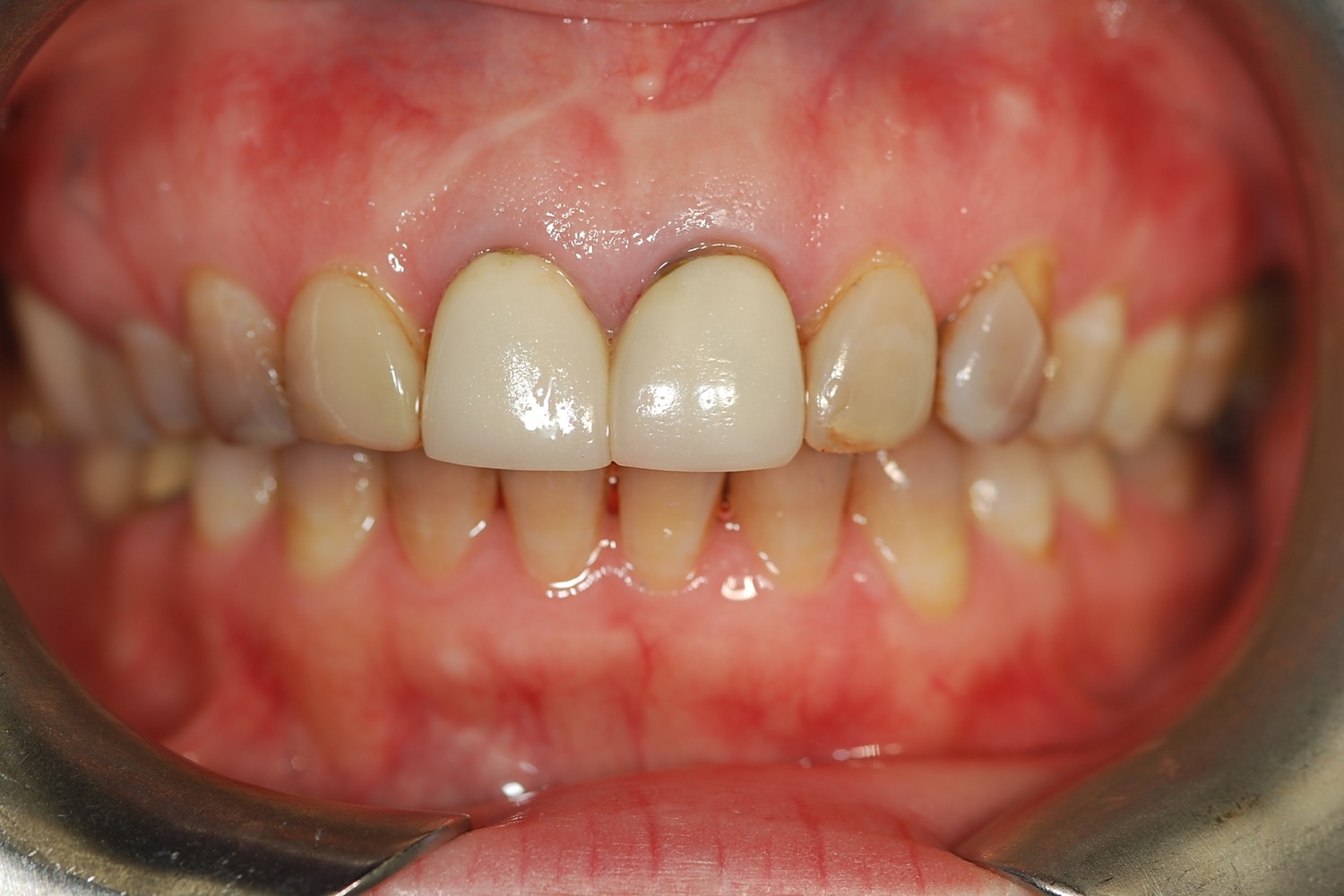 Before
 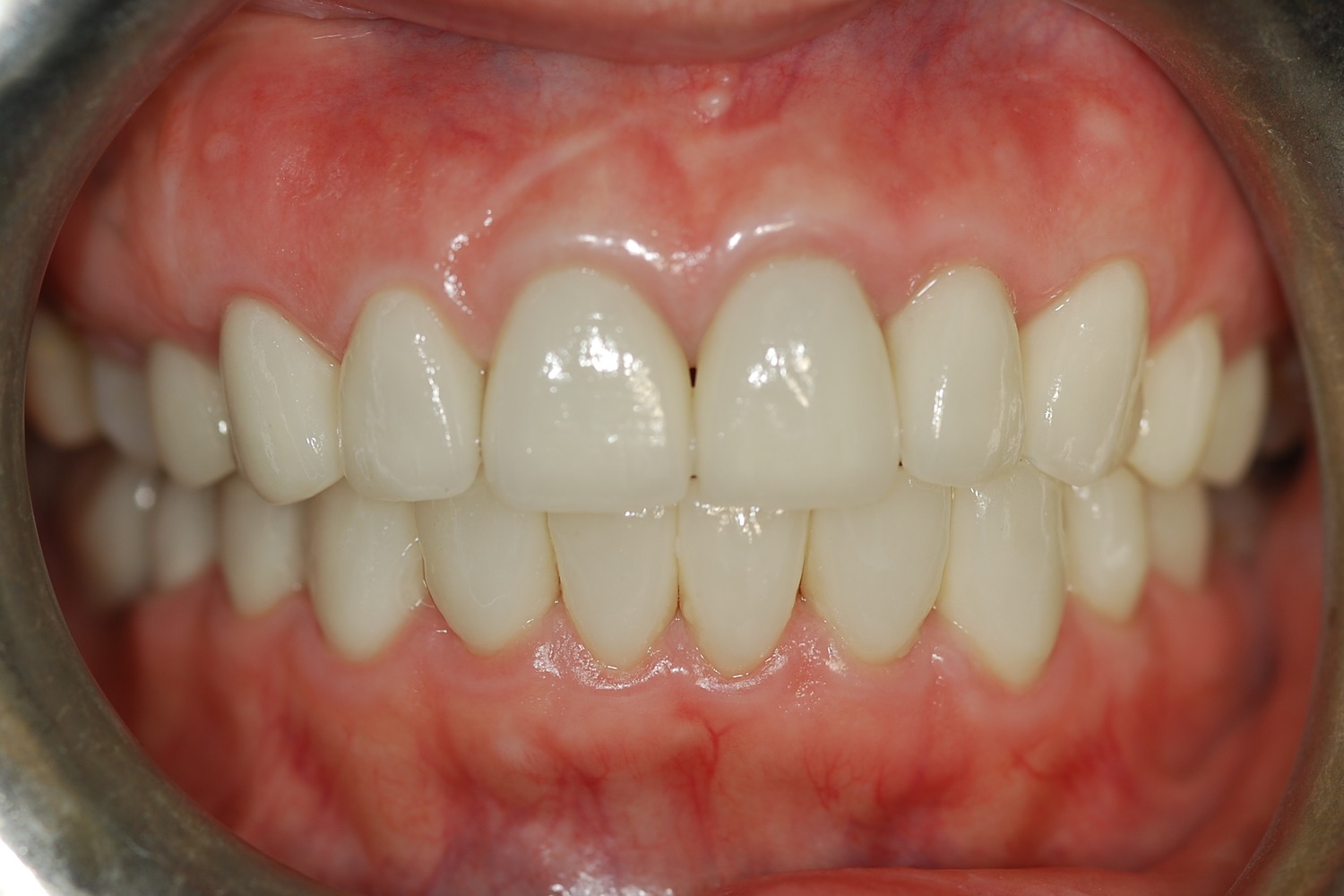 After
After How Aging, Opaque Restorations Were Replaced with Customized Ceramic Restorations Designed for Long-Term Natural Esthetics
The existing restorations appeared opaque, worn, and unnatural over time, affecting both confidence and overall smile harmony.
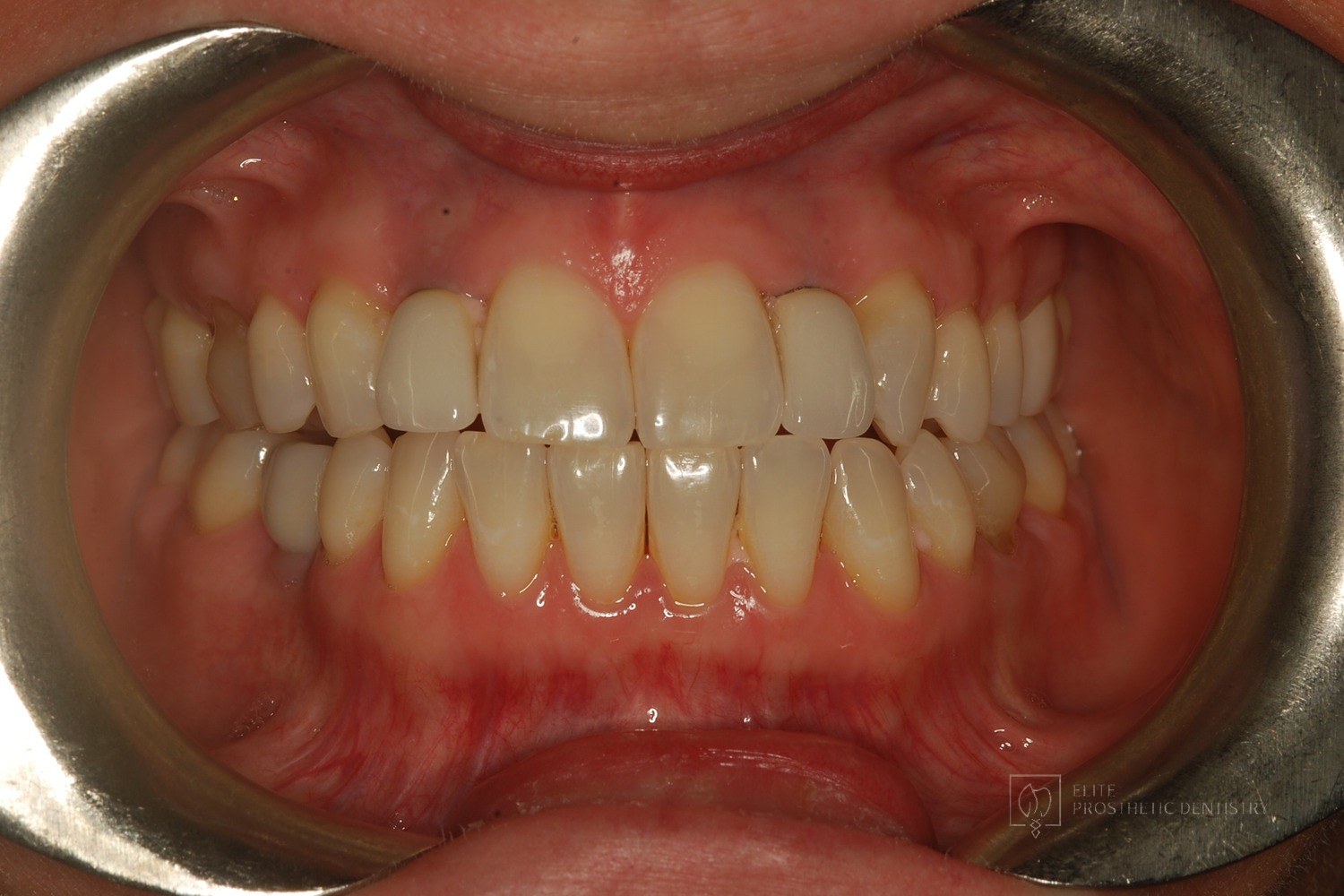 Before
 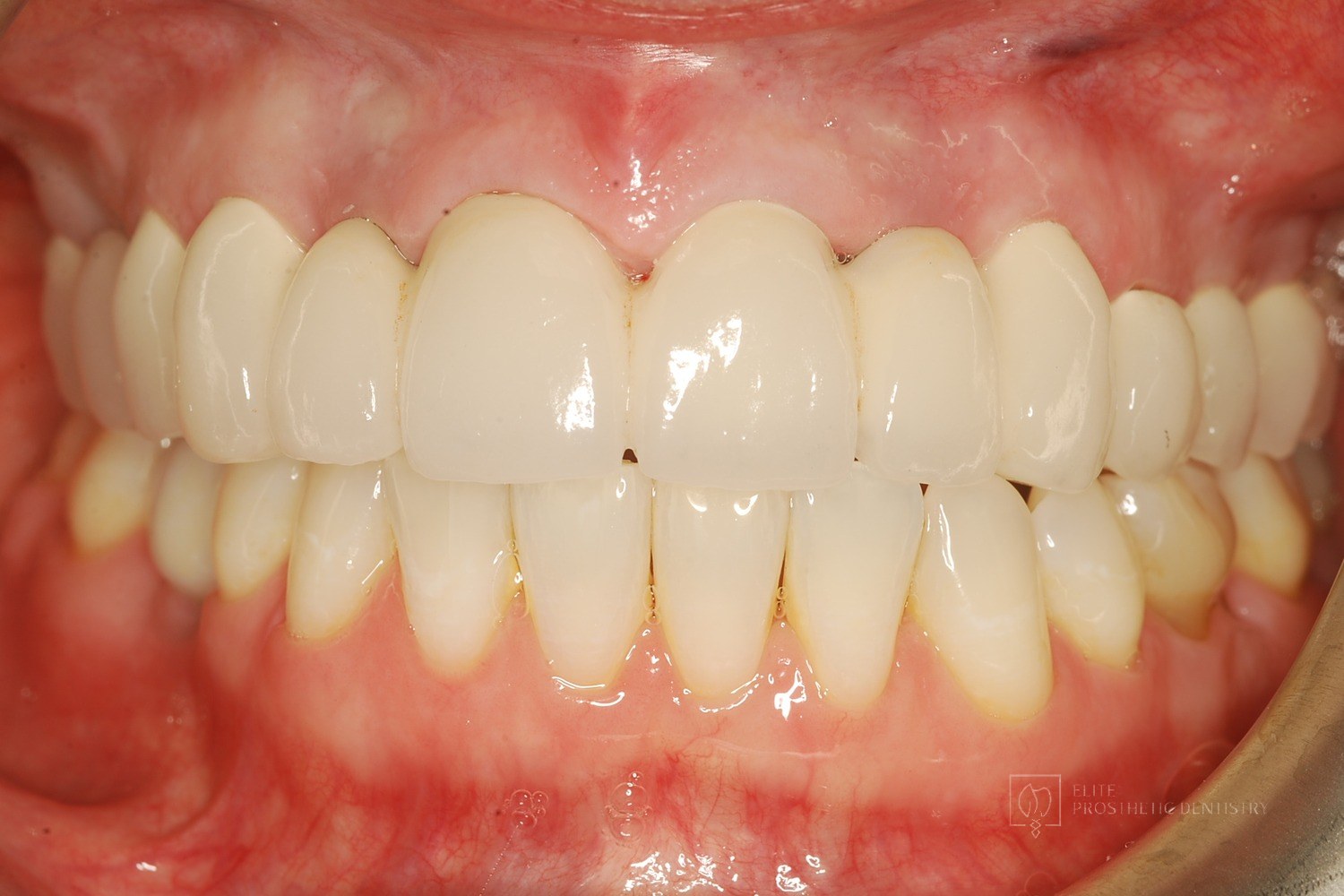 After
After How Older Implant Crowns Were Redesigned for a Better Bite and More Natural Appearance
The patient came in after years of living with implant-supported crowns placed more than twenty years earlier that no longer looked or functioned well. CBCT evaluation, reviewed with a radiologist colleague, showed the implants had been placed too far to the buccal in very thin bone and could not support a healthy long-term restoration.
 Before
  After
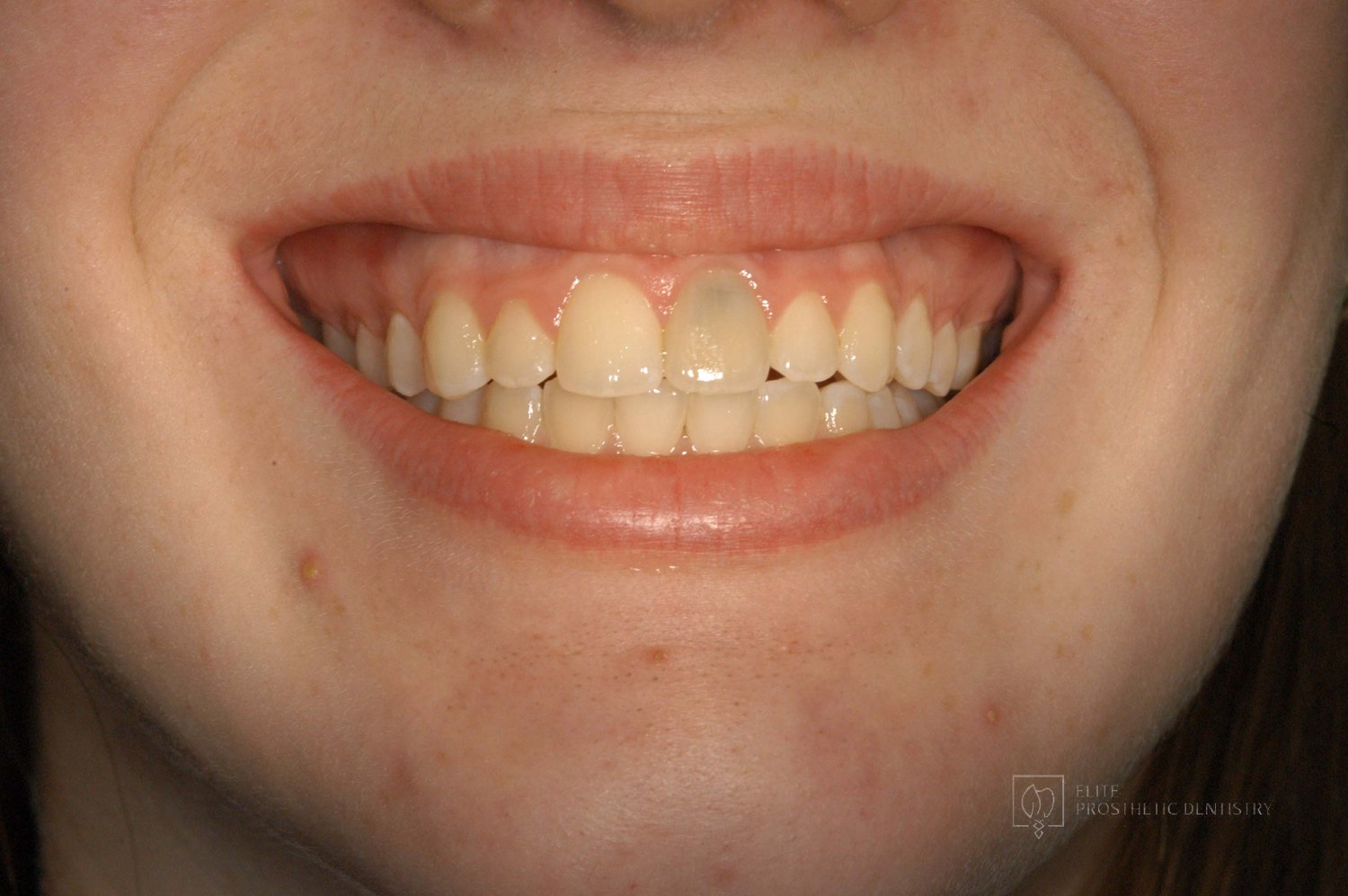
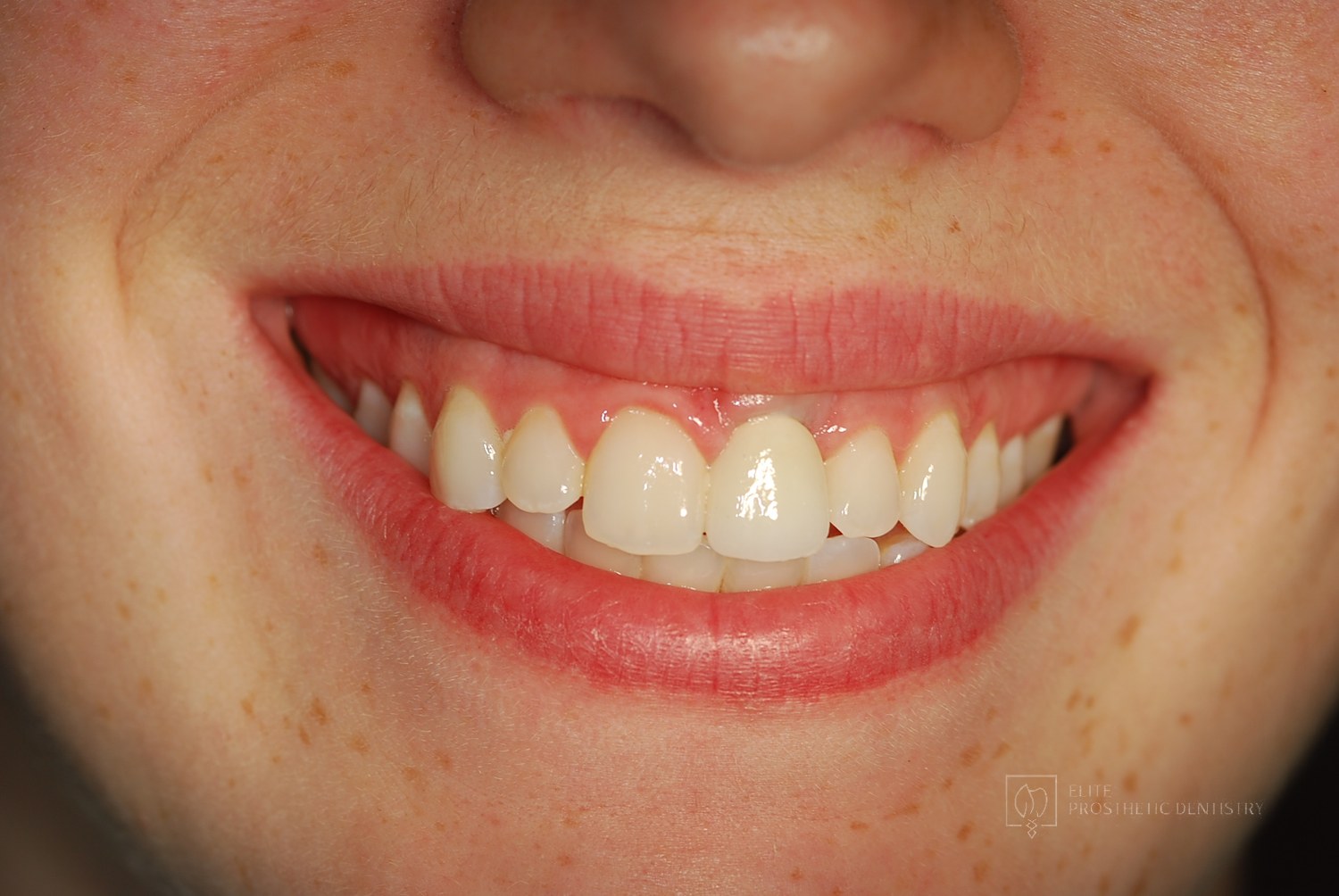
After How a Front Tooth Lost to Childhood Trauma Was Rebuilt with Bone Grafting and a Long-Lasting Implant
A teenager was referred by her father after earlier trauma left her upper left front tooth slowly failing from root resorption. She was still growing, so an immediate implant was the wrong move. The tooth had to be maintained to buy time, then replaced correctly once she reached skeletal maturity.
Related Articles
Deepen your knowledge with additional insights on this topic.
 Oral Health & Prevention
 Common Misconceptions About Gum (Periodontal) Disease: Myths vs. Facts
Bleeding gums are normal? Only older adults get gum disease? A DC prosthodontist corrects eight common myths about periodontal disease signs and treatment.
 Oral Health & Prevention
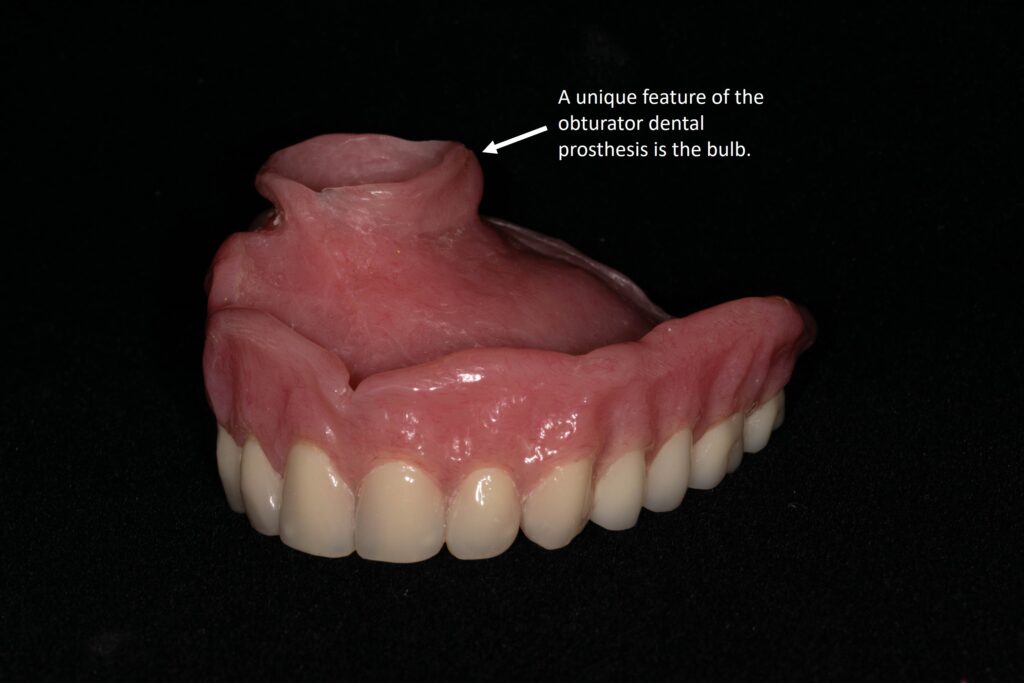
 Understanding Palatal Obturators for Openings in the Roof of the Mouth
A palatal obturator seals an opening in the roof of the mouth from cleft palate, surgery, or trauma. A DC prosthodontist explains how they work and their care.
 Oral Health & Prevention
 Dental Hygiene Care Is Not a 'One-Size-Fits-All' Process
The right hygiene routine depends on your gums, your risk factors, and your dental work. A DC prosthodontist explains why personalized hygiene care matters.