
Crown Placement in Silver Spring, MD: Step-by-Step Clinical Restoration
Precise dental crown placement in Silver Spring, MD. Dr. Marlin provides detailed procedural expertise for complete tooth restoration.
The Procedural Foundation of Successful Crown Placement
A dental crown completely encircles and protects a compromised tooth, restoring structural integrity and function. The placement procedure involves precise preparation, detailed impression capture, and meticulous final restoration. For Silver Spring residents requiring crown treatment, understanding the procedural steps clarifies what to expect and reinforces the expertise applied to your restoration.
The prosthodontic crown procedure differs fundamentally from general dentistry. Rather than simply covering a damaged tooth with a restoration, specialty-trained evaluation determines whether the tooth structure supports long-term crown success. Radiographic assessment, bite analysis, and evaluation of gum health precede any preparation work.
Initial Assessment and Treatment Planning
Crown therapy begins with comprehensive tooth examination. Dr. Marlin evaluates the extent of damage, determines remaining healthy tooth structure, and assesses whether crown treatment is appropriate. If decay is present, radiographs reveal its depth and proximity to the pulp chamber. If the tooth has prior root canal therapy, radiographs confirm the quality of endodontic treatment.
Gum health receives particular attention. Recession, mobility, or inflammation affects treatment planning. Teeth with compromised gum support may require periodontal evaluation before crown placement. This comprehensive assessment prevents complications and ensures crowns are placed in a healthy foundation.
Digital photography documents your existing tooth. These images guide laboratory fabrication, enabling precise shade matching and shape replication. Modern practices supplement this with digital intraoral scanning, capturing three-dimensional tooth geometry that external labs cannot obtain from traditional impressions alone.
The Preparation Appointment: Procedural Steps
Your preparation appointment begins with administration of local anesthesia. Dr. Marlin uses modern anesthetic techniques with appropriate vasoconstrictors, ensuring the tooth remains numb throughout the entire preparation phase while maintaining visibility of the surgical field.
Decay removal precedes tooth shaping. If significant decay is present, Dr. Marlin removes it completely, using hand instruments and rotary burs. Removal must extend into healthy tooth tissue, creating clean margins. Incomplete decay removal results in recurrent caries beneath the crown, causing future failure.
Once decay is cleared, tooth shaping begins. Dr. Marlin removes a thin, uniform layer of tooth structure from all surfaces, creating a tapered preparation with slightly rounded internal line angles. The amount removed is conservative, typically 0.5-1 millimeter per surface. This preservation of tooth structure reflects prosthodontic principles emphasizing maximum retention of natural tissue.
Preparation geometry matters significantly. Occlusal (biting) surfaces require adequate thickness for crown strength. Proximal surfaces must taper slightly to allow insertion. The gingival margin, positioned slightly subgingivally, requires careful contouring to prevent irritation while maintaining adequate retention.
Impression Capture and Recording
After preparation, Dr. Marlin captures an impression using advanced materials and techniques. Modern impression materials provide superior detail compared to traditional compounds. Digital scanning technology adds dimensional accuracy, creating three-dimensional models that laboratories use for precise fabrication.
Bite registration records how your prepared tooth contacts opposing teeth. This critical recording guides laboratory technicians in positioning the crown to match your natural bite pattern precisely.
Shade selection involves careful evaluation under standardized lighting. Dr. Marlin examines your adjacent natural teeth, noting color gradations and translucency variations. This shade selection serves as a reference when our ceramist fabricates your crown.
Temporary Crown Fabrication and Placement
While your permanent crown is being fabricated, a temporary restoration protects your prepared tooth. The temporary crown is milled from preformed plastic or fabricated from acrylic in our in-house laboratory.
The temporary is seated and adjusted, verifying that contact with opposing teeth is properly aligned. Margins are verified to ensure they do not impinge on gum tissue. The temporary is cemented with temporary cement, which allows removal without damaging the preparation during your second appointment.
The Permanent Crown Fabrication Process
During the interim between your appointments, our laboratory technician receives your impression, bite registration, and shade prescription. The technician creates a die model from your impression, capturing your prepared tooth’s exact geometry.
The technician then mills your crown from solid zirconia, lithium disilicate, or other selected material. For all-ceramic crowns, the technician may layer multiple ceramic shades, creating subtle color gradations that match your natural teeth. Surface characterization adds texture and depth, preventing the crown from appearing flat or artificial.
Quality control is continuous. The technician and Dr. Marlin examine the milled crown before final polishing and glazing. The crown’s anatomy is verified, contacts are refined, and esthetics are assessed. Only after Dr. Marlin approves does the crown proceed to final finishing.
The Placement Appointment: Final Restoration
At your second appointment, Dr. Marlin removes the temporary crown, revealing your prepared tooth. The prepared tooth is cleaned thoroughly, removing any residual temporary cement.
Dr. Marlin seats your permanent crown, first without cement, to verify fit. The crown should seat completely with no gaps. Contacts with adjacent teeth are assessed. The bite is evaluated in multiple positions to ensure the crown does not interfere with your chewing or create premature contact points generating excessive force.
Color matching is verified under natural and clinic lighting. The shade, translucency, and surface characterization are assessed. If the shade does not match precisely, the crown is returned to the laboratory for refinement. This quality control step distinguishes prosthodontic care from standard crown placement.
Once fit and esthetics are confirmed, the crown is cemented permanently. A high-strength resin cement bonds the crown to your tooth, creating an integral restoration. The cement is selected based on the crown material and your specific situation.
Bite Refinement and Final Adjustment
After cementation, the bite is verified again. Dr. Marlin uses articulating paper to identify contact points, ensuring the crown contacts other teeth evenly during chewing. If the crown has premature contacts, those areas are carefully polished until the bite is balanced.
Proximal contacts, the contact points between your crown and adjacent teeth, are verified. Proper contacts prevent food trapping and maintain proper spacing.
Margins are polished to eliminate any rough edges. The junction between the crown and your tooth should be smooth and invisible. Gingival margins are verified to ensure they do not impinge on gum tissue.
Post-Operative Care and Long-Term Maintenance
After crown placement, your tooth requires normal oral hygiene. Brush and floss regularly, applying the same technique you use for natural teeth. The junction between the crown and your tooth margin requires particular attention, as plaque accumulation at this location promotes gum disease.
Professional cleanings every six months allow Dr. Marlin to monitor your crown for any changes. The crown should remain stable indefinitely with proper care, though periodic evaluation ensures early detection of any complications.
Avoid chewing on hard objects like ice, hard candy, or fingernails. These habits can damage your crown. If you grind your teeth, discuss this with Dr. Marlin, as grinding can stress crowns. Night guards can protect your crown from grinding damage while you sleep.
Your crown will not decay beneath its margin if margins are properly positioned and you maintain excellent hygiene. However, your natural tooth supporting the crown can still develop decay at the crown margin. Careful flossing and brushing, combined with regular professional evaluation, prevent this complication.
Long-Term Function and Longevity Expectations
Quality crowns fabricated with proper technique typically function 15-20 years or longer. Some patients enjoy their crowns indefinitely with appropriate care. Eventual replacement may become necessary due to wear, color changes, or changes in surrounding teeth. The investment in prosthodontic expertise ensures your crown provides maximum years of reliable service before replacement becomes necessary.
Modern crown materials continue improving. If your crown eventually requires replacement decades from now, superior materials and techniques will be available, potentially offering even better results than your current restoration.
Why Crown Procedure Expertise Matters
Crowns placed with suboptimal technique may function short-term but develop complications eventually. Margins that are rough or improperly positioned irritate gums, promoting inflammation and recurrent decay. Bite imbalances create stress on the crown and supporting tooth. Inadequate shade matching produces crowns that appear artificial despite otherwise excellent function.
Dr. Marlin’s prosthodontic training emphasizes procedural precision, recognizing that superior technique produces restorations functioning decades without complications.
The difference between an adequately placed crown and one placed with prosthodontic precision is evident only over time. An adequate crown might function for 10 years before developing complications. A crown placed with superior technique functions reliably for 20 years or longer. This extended service life represents the practical benefit of specialty-trained care.
Getting Here from Silver Spring
From Silver Spring, drive south on Georgia Avenue or 16th Street NW into Washington DC, then head west toward our Friendship Heights location. The drive requires approximately 20 minutes depending on traffic. Our office is located at 4400 Jenifer Street NW, Suite 220, Washington DC 20015, with free building parking available.
The Friendship Heights Red Line Metro station sits two blocks from our office, offering convenient public transit access for Silver Spring residents preferring not to drive.
Your Crown Restoration Awaits
Whether your tooth requires protection after root canal therapy, has sustained traumatic damage, or suffers from extensive decay, Dr. Marlin’s crown treatment restores complete function and appearance. The procedural expertise applied to your case, combined with in-house laboratory fabrication, produces crowns functioning reliably for decades.
For related care, see our pages on full mouth reconstruction and Dental Crowns in Woodley Park.
Schedule your consultation with Dr. Marlin to discuss crown treatment for your specific situation. Call Elite Prosthetic Dentistry at (202) 244-2101 to begin your restoration journey.
Frequently Asked Questions
How much of my natural tooth gets removed during crown preparation?
Dr. Marlin removes a minimal amount of tooth structure, typically less than 1 millimeter from each surface. The goal is to preserve maximum healthy tooth while creating space for the crown material. Severely compromised portions are removed, but sound tissue is conserved. This conservative approach distinguishes prosthodontic treatment from standard procedures.
What happens during the temporary crown phase?
The temporary crown protects your prepared tooth, prevents sensitivity, maintains spacing, and allows normal eating and speaking. Temporary crowns are crafted from acrylic or composite and cemented with temporary cement. They remain in place for 1-3 weeks while your permanent crown is fabricated in our laboratory.
Does crown preparation require anesthesia?
Yes. Dr. Marlin uses local anesthesia to ensure the tooth remains numb during tooth preparation. The anesthetic is administered using modern techniques, and most patients report the preparation phase is well-tolerated without sensation or pain.
How long does the placement appointment take?
The preparation appointment typically requires 60-90 minutes. This allows adequate time for examination, decay removal, tooth shaping, impression taking, and temporary crown placement. The second appointment for final placement generally takes 45-60 minutes.
What materials can you use for my crown?
Zirconia, lithium disilicate, porcelain-fused-to-metal, and all-ceramic options are available. Dr. Marlin recommends materials based on tooth location, bite forces, and aesthetic requirements. Front teeth typically receive all-ceramic materials for superior appearance, while back teeth may utilize zirconia for exceptional strength.
Related Patient Success Stories
Explore similar patient success stories demonstrating our expertise in advanced prosthetic dentistry.

Temporary Crowns Restore Patient's Smile in Just One Day with an Immediate Smile Makeover
A patient from Potomac, Maryland, came to Elite Prosthetic Dentistry with the chief complaint of pain from a failing dental implant and its significant impact on her appearance.
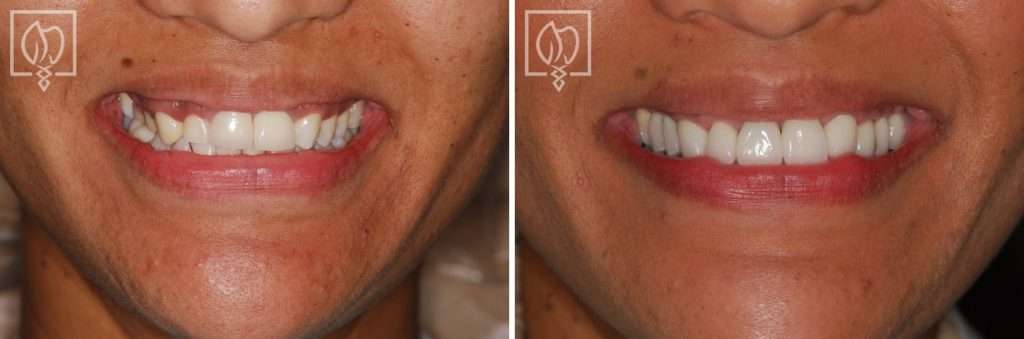
Multi-Faceted Treatment for Patient Unhappy With Her Artificial-Looking Crowns, Teeth and Gums
Many patients come to Elite Prosthetic Dentistry unhappy with the appearance of their smile. However, this particular patient presented with multiple interconnected problems that together created a smile she found deeply unsatisfying.
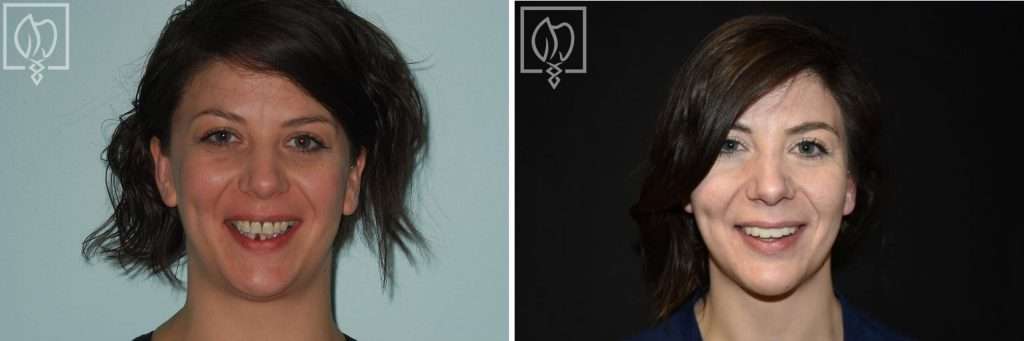
Salvaging Ms. N’s Severely Broken-Down Upper and Lower Teeth from Gum and Bone Disease
Many people in the U.S. suffer from extensive periodontal disease characterized by significant bone loss and shrinkage of the gum tissue. This condition can begin at a very young age and worsen quickly due to hereditary factors and lack of early diagnosis by their dentist.
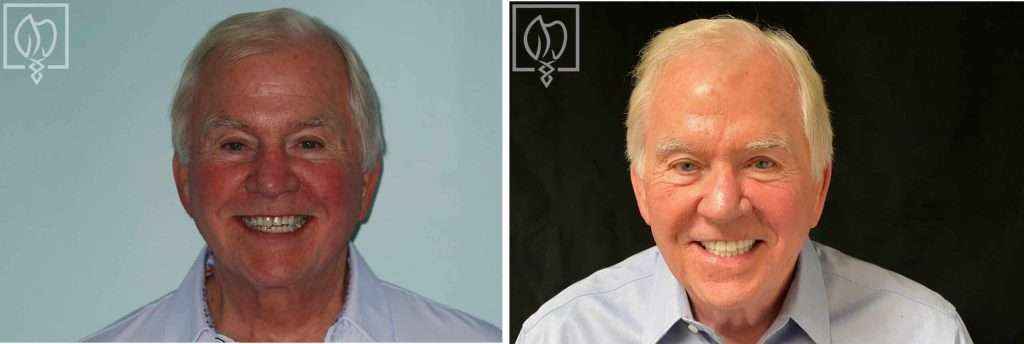
A Smile Transformation in Just Four Months: A Patient’s Dental Crown Restoration for a TV Series
A patient with dental crowns that were in poor shape was going to appear on a streaming video series on a major TV network that was scheduled to begin filming soon. Our patient, John, an author about to embark on a book tour, was anxious as his teeth were not up to his standards to appear on television.
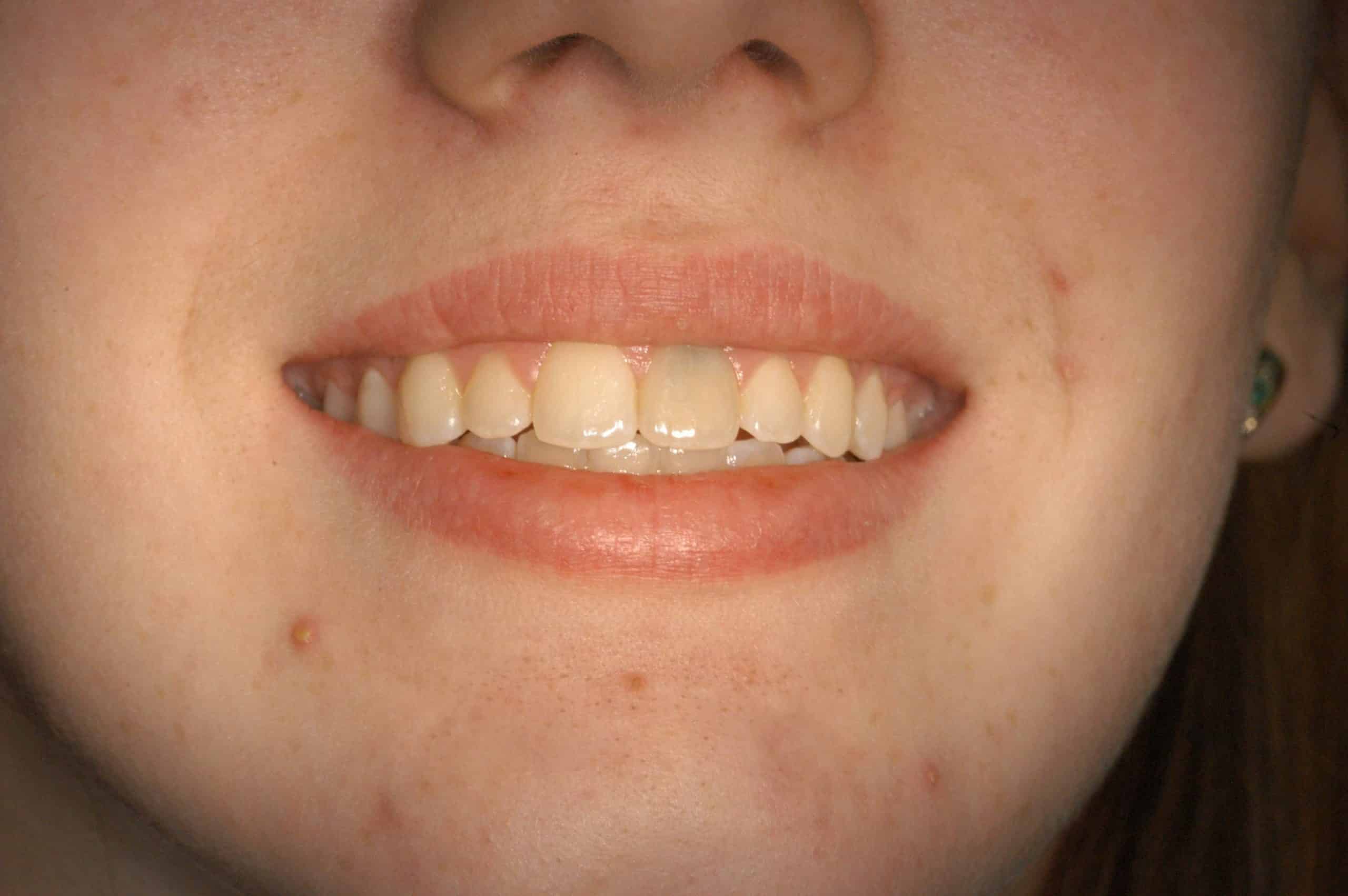
Replacing a Discolored Front Tooth with a Precision Placed Implant
Some of the most challenging restorations occur when fabricating an anterior crown to fit on an implant. Not only does one have the difficulty of matching the single front tooth to the other ones in the high visibility zone, but the dentist must also ensure the position of the underlying implant is precise through accurate preplanning and placement.
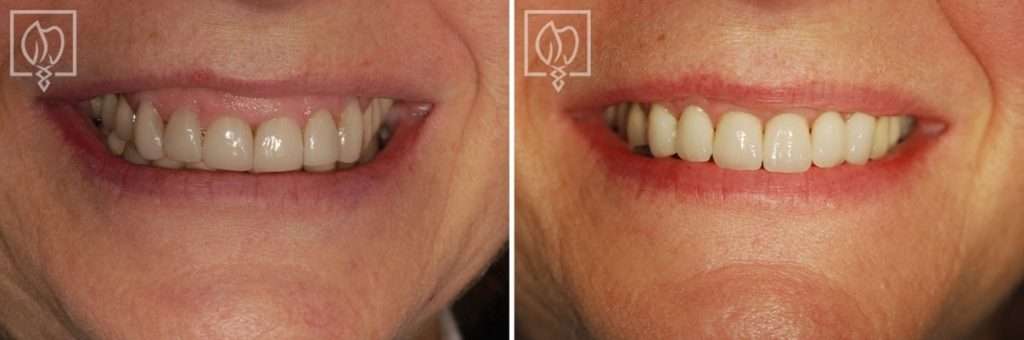
Patient Was Dissatisfied With Her 'Gummy' Smile
Excessive gingival tissue, commonly referred to as a "gummy smile," can significantly impact the appearance of a person's smile and their self-confidence. When someone smiles and a large amount of gum tissue is visible above the teeth, it can create the perception that the teeth are too small or short, even when they are actually normal size.
Our Services in Silver Spring
Beyond Dental Crowns, Silver Spring patients rely on Dr. Marlin for a full range of advanced dental care.
More services available in Silver Spring:
Dental Crowns Near Silver Spring
Dr. Marlin also provides dental crowns services for patients in these neighboring communities.
Getting Here from Silver Spring
Elite Prosthetic Dentistry is conveniently located near Silver Spring, MD.
Take Georgia Avenue south or 16th Street NW into DC, then head west to our Friendship Heights office near the Red Line.
Address:
4400 Jenifer Street NW, Suite 220
Washington, DC 20015
Phone: (202) 244-2101
Request a ConsultationRequest a Specialist Consultation from Silver Spring
Silver Spring residents come to Dr. Marlin for specialist prosthodontic care. With 3,900+ implants placed and restored over 40+ years, evaluation, planning, and execution are handled with the depth complex cases require.