
12 Questions About Dental Crowns Answered by a Woodley Park Prosthodontist
Comprehensive Q&A about dental crowns: when they're needed, placement, feel, costs, longevity, and care. Dr. Marlin answers your crown questions.
Woodley Park patients facing crown treatment often have the same questions. What triggers the need for a crown? What does the experience feel like? How long do crowns last? What happens if your crown breaks? Can you eat normally? This guide answers the substantive questions patients ask before committing to treatment.
Understanding the Crown Need
Crowns protect teeth that cannot be adequately restored with fillings. Large decay, root canal treatment, trauma, or structural weakness creates situations where a filling is insufficient. The tooth needs encasement by a crown to prevent fracture and function reliably.
Your dentist or Dr. Marlin will explain why your specific tooth needs a crown rather than a filling. The fracture pattern, decay location, remaining tooth structure, and clinical judgment all factor into this decision. If your tooth is borderline, Dr. Marlin discusses both options—sometimes a very large filling is possible; sometimes only a crown will succeed.
The Sensations of Crown Preparation
The preparation appointment is not painful but is uncomfortable. Your mouth must remain open for extended periods while Dr. Marlin shapes your tooth. Anesthesia prevents pain but not the sensation of work happening in your mouth.
You will experience:
- Pressure and vibration from the dental drill
- The taste and smell of heated tooth structure
- Suction pulling liquid from your mouth
- The noise of the dental handpiece
- Your jaw becoming fatigued from remaining open
These sensations are unpleasant but manageable. Most patients tolerate the experience better than anticipated. You’re conscious and can signal if you need a brief break.
From Temporary to Permanent: The Difference
Once preparation finishes, Dr. Marlin places a temporary crown. This temporary restoration protects your prepared tooth while your permanent crown is fabricated. Temporary crowns are functional but rough. They might feel bulky. Your bite might feel off initially.
The temporary crown exists only to protect your tooth. It’s not refined. Don’t judge the final result by how the temporary feels. Your permanent crown will be significantly more refined and natural-feeling.
Post-Placement Reality
When your permanent crown is placed, Dr. Marlin seats it precisely. You bite together and your bite is checked multiple times. Dr. Marlin adjusts any high spots ensuring your bite feels balanced.
Soreness afterward is normal. Your tooth was prepared, your gum was manipulated, your bite was adjusted. Mild soreness for a few days is expected. Over-the-counter pain medication manages this easily. If soreness persists beyond a week, contact Dr. Marlin.
Temperature sensitivity occurs because the prepared tooth lost its protective enamel and dentin is now exposed beneath the crown. This sensitivity is temporary. As your body’s natural remineralization occurs, sensitivity fades within 1-2 weeks.
Durability and Lifespan: What to Expect
Your crown’s lifespan depends on multiple factors. The quality of fabrication, the material selected, your bite mechanics, and your care all influence how long your crown lasts.
Dr. Marlin’s crowns typically last 15-20+ years or longer. Some patients keep their original crown for 25+ years without issues. Replacement becomes necessary if new decay develops under the crown, your bite changes significantly, or you want cosmetic refinement.
Most failures result from new decay starting at the crown’s margin rather than the crown material failing. This decay occurs when the seal between the crown and tooth breaks or when flossing is neglected. Prevention through excellent oral hygiene makes crown failure rare.
Protection and Prevention
Your crown is durable but not indestructible. Avoid habits that stress crowns excessively:
- Chewing ice or hard candy
- Grinding your teeth at night (wear a nightguard if you grind)
- Using your teeth as tools to open objects
- Chewing on pens or fingernails
Normal eating—even tough foods like steak—does not damage crowns. Your crown is designed to handle normal chewing forces. Only unusual habits stress crowns beyond their design limits.
Daily Function and Maintenance
Your crown functions like your natural tooth from the moment it’s placed. You eat normally. You speak normally. You smile without thinking about your crown.
Maintenance is minimal. Brush twice daily. Floss daily—the floss slides between your crown and adjacent tooth just as it does between natural teeth. Avoid extremely hard foods and habits that stress your teeth excessively. Attend regular checkups so Dr. Marlin can monitor your crown and catch any issues early.
The Invisible Crown
Dr. Marlin’s crowns blend seamlessly with your natural teeth. You will not see a dark line where your crown meets your tooth. The margin is positioned at or just below your gumline where it’s invisible.
The crown is shaded to match your natural teeth. The shape mirrors your natural tooth’s contours. When you smile, your restored tooth appears as if it was never damaged.
Flossing and Cleaning
Flossing around your crown is normal. Gently slide the floss between your crown and the adjacent tooth. You’ll feel the crown’s edge slightly, but flossing is routine and necessary. Flossing prevents decay beginning at the crown’s margin.
Use a soft toothbrush and gentle brushing technique. Aggressive brushing won’t damage your crown, but gentle technique is the healthiest habit for all your teeth.
What Happens if Your Crown Fails
Crown failure is rare, but if your crown dislodges or develops new decay, contact Dr. Marlin immediately. Do not leave your prepared tooth unprotected. The underlying tooth structure becomes sensitive and vulnerable.
If your crown dislodges, Dr. Marlin can typically recement it the same day or next day. If new decay requires crown replacement, Dr. Marlin fabricates a new crown using the established treatment timeline.
Getting Here from Woodley Park
From Woodley Park, drive north on Connecticut Avenue NW through Cleveland Park. Our Friendship Heights office is located at 4400 Jenifer Street NW, Suite 220, Washington DC 20015, approximately 10 minutes away. Complimentary parking is available in our building.
Schedule Your Crown Consultation
If you need a crown or have questions about crown treatment, schedule a consultation with Dr. Marlin. He’ll evaluate your tooth, discuss treatment options, answer your questions, and help you understand what to expect.
For related care, see our pages on full mouth reconstruction and Dental Crowns in Dupont Circle.
Frequently Asked Questions
How do I know if my tooth actually needs a crown?
Your tooth needs a crown if it has significant damage from decay, a large old filling, trauma, or root canal treatment. A crown covers and protects the remaining tooth structure, preventing fracture and extending lifespan. Dr. Marlin evaluates whether your tooth can be saved with a filling or if it truly requires crown protection.
What does the tooth preparation actually feel like?
Preparation involves anesthesia, so you feel pressure and vibration but minimal discomfort. Your mouth will be open for 60-90 minutes, which fatigues your jaw. You'll hear the dental drill. Smells of burned tooth structure occur. The experience is uncomfortable but tolerable because you're numb.
Will I feel pain after the crown is placed?
Soreness for a few days is normal. Over-the-counter pain relief manages it easily. Temperature sensitivity occurs because the prepared tooth lost its protective outer layer. Sensitivity fades within 1-2 weeks as your dentin remineralizes. If pain persists beyond a week, contact Dr. Marlin.
How does the temporary crown feel compared to the permanent crown?
The temporary crown feels bulkier, might have rough edges, and may feel loose. Your bite might feel off. These sensations are normal. The temporary crown is protective, not refined. Your permanent crown is precisely fitted, smoother, and feels more natural. Most patients prefer the permanent crown immediately.
What if my crown falls off?
If your temporary crown comes off, contact us immediately. We can recement it or remake it quickly. If your permanent crown dislodges, it's an emergency requiring same-day or next-day appointment. Do not leave your prepared tooth unprotected. The underlying tooth structure becomes sensitive and vulnerable to bacteria.
How long does a crown actually last?
Most crowns fabricated by Dr. Marlin last 15-20+ years or longer. Some crowns function well for 25+ years. Longevity depends on the quality of fabrication, the material chosen, your bite habits, and your oral care. Grinding your teeth or using your teeth as tools reduces crown lifespan.
What can damage or break a crown?
Trauma (biting ice, hard candy, or objects), grinding your teeth nightly, or using your teeth as tools can damage crowns. Most daily activities do not damage crowns. Eating normally, even tough foods like steak, is fine. Avoid only extremely hard objects and habits that stress crowns excessively.
Can you see the line where my crown meets my tooth?
Not with Dr. Marlin's crowns. The margin—the edge where your crown meets your tooth—is positioned at or just below your gumline. It's invisible when you smile. The crown blends seamlessly with your natural teeth. External labs might show visible margins; Dr. Marlin's precision prevents this.
Will I be able to floss normally?
Yes. Your crown functions like your natural tooth. Floss slides between your crown and adjacent teeth just as it does between natural teeth. You might feel the edge of the crown slightly, but flossing is normal. Gentle flossing prevents decay at the crown's margin.
What happens at my checkups after my crown is placed?
Dr. Marlin examines the crown for marginal decay, checks your bite, and verifies the gum around the crown is healthy. X-rays reveal any decay beginning around the crown's edge. These checkups allow early detection of any issues. Most crowns require no maintenance beyond normal brushing and flossing.
Can my crown stain or discolor?
Modern crown materials do not stain like natural teeth do. Your crown will not yellow from coffee or red wine. If your crown becomes stained externally, polishing can remove it. The crown's color, once set, remains stable for years. Unlike natural teeth, your crown won't gradually darken.
What's the cost difference between various crown materials?
All-ceramic and zirconia crowns cost more than PFM crowns initially. However, long-term cost should factor in longevity. Premium crowns lasting 15-20+ years cost less per year than cheaper crowns requiring replacement sooner. Dr. Marlin discusses cost, longevity, and your insurance coverage during consultation to help you make informed decisions.
Related Patient Success Stories
Explore similar patient success stories demonstrating our expertise in advanced prosthetic dentistry.
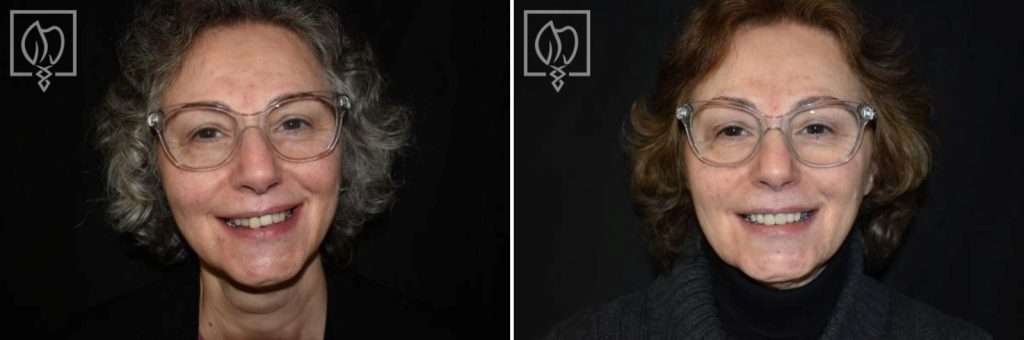
Temporary Crowns Restore Patient's Smile in Just One Day with an Immediate Smile Makeover
A patient from Potomac, Maryland, came to Elite Prosthetic Dentistry with the chief complaint of pain from a failing dental implant and its significant impact on her appearance.
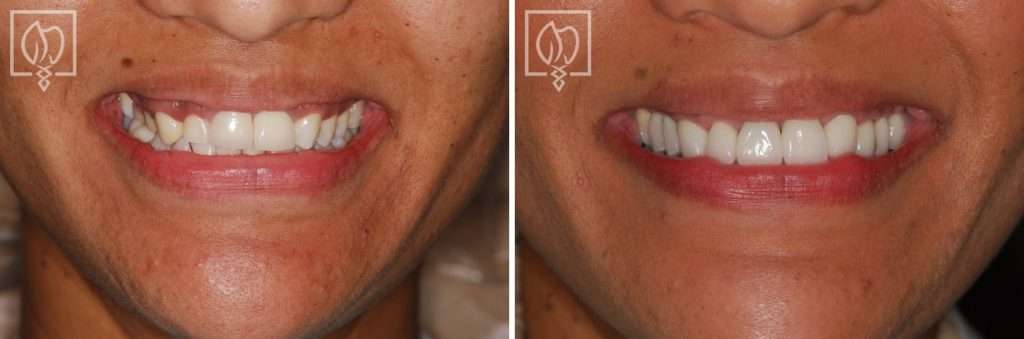
Multi-Faceted Treatment for Patient Unhappy With Her Artificial-Looking Crowns, Teeth and Gums
Many patients come to Elite Prosthetic Dentistry unhappy with the appearance of their smile. However, this particular patient presented with multiple interconnected problems that together created a smile she found deeply unsatisfying.
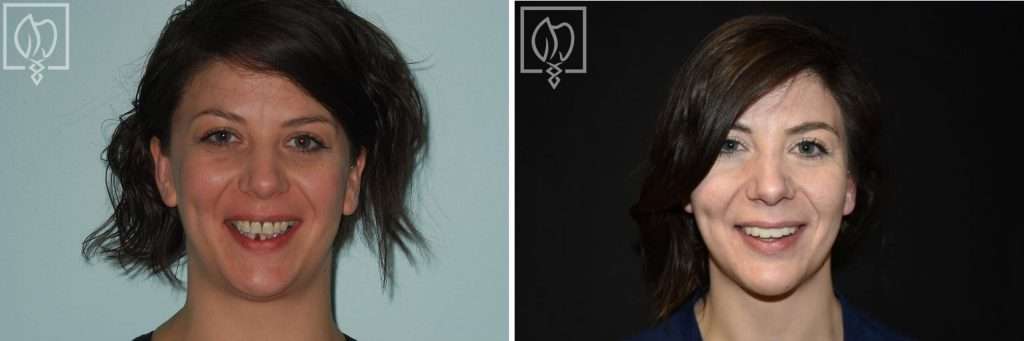
Salvaging Ms. N’s Severely Broken-Down Upper and Lower Teeth from Gum and Bone Disease
Many people in the U.S. suffer from extensive periodontal disease characterized by significant bone loss and shrinkage of the gum tissue. This condition can begin at a very young age and worsen quickly due to hereditary factors and lack of early diagnosis by their dentist.
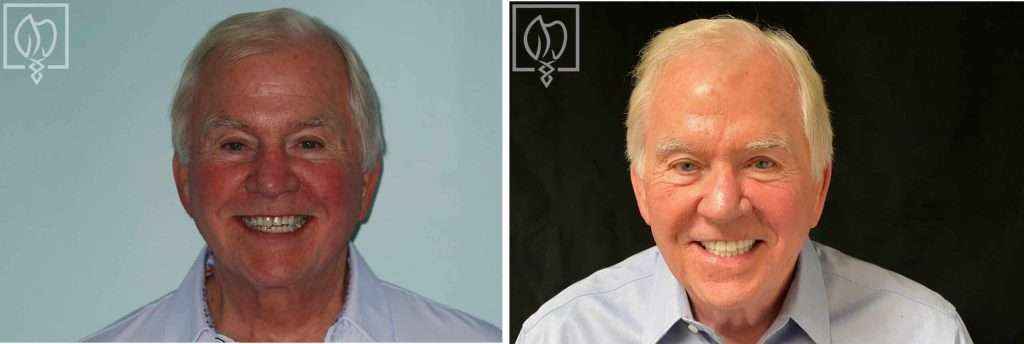
A Smile Transformation in Just Four Months: A Patient’s Dental Crown Restoration for a TV Series
A patient with dental crowns that were in poor shape was going to appear on a streaming video series on a major TV network that was scheduled to begin filming soon. Our patient, John, an author about to embark on a book tour, was anxious as his teeth were not up to his standards to appear on television.
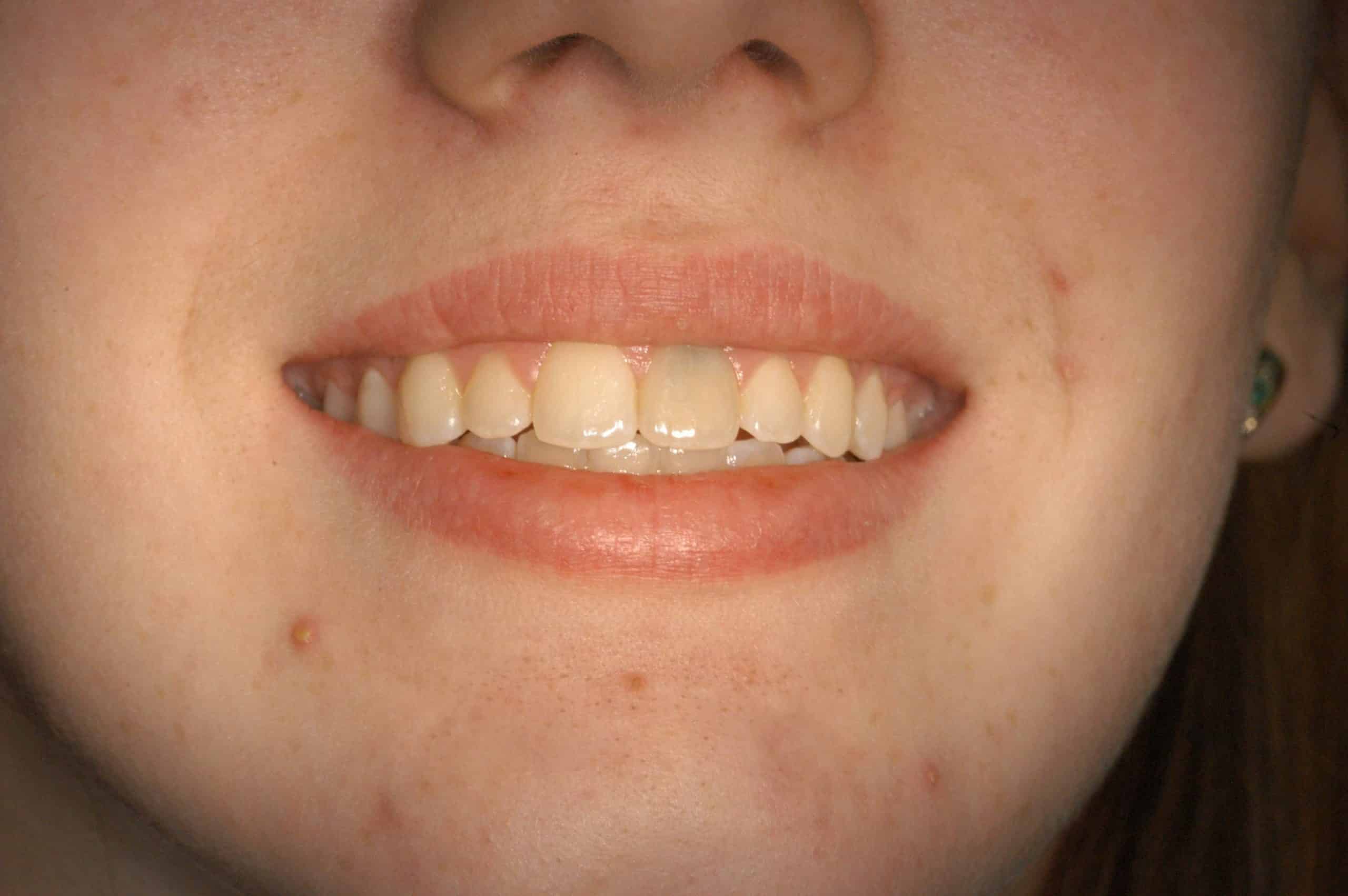
Replacing a Discolored Front Tooth with a Precision Placed Implant
Some of the most challenging restorations occur when fabricating an anterior crown to fit on an implant. Not only does one have the difficulty of matching the single front tooth to the other ones in the high visibility zone, but the dentist must also ensure the position of the underlying implant is precise through accurate preplanning and placement.
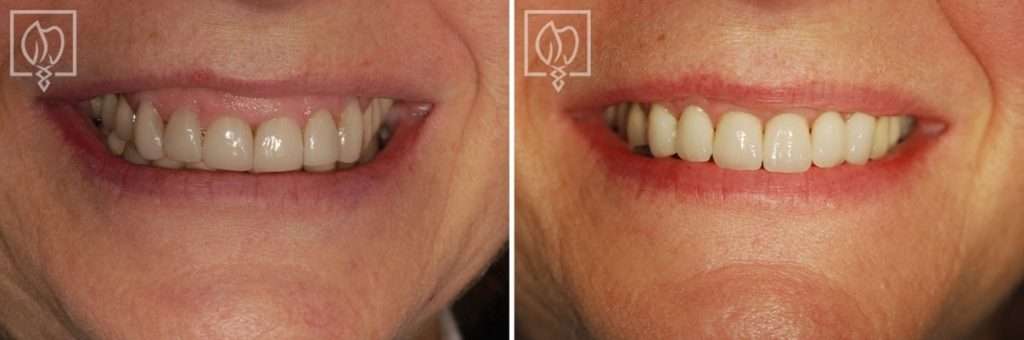
Patient Was Dissatisfied With Her 'Gummy' Smile
Excessive gingival tissue, commonly referred to as a "gummy smile," can significantly impact the appearance of a person's smile and their self-confidence. When someone smiles and a large amount of gum tissue is visible above the teeth, it can create the perception that the teeth are too small or short, even when they are actually normal size.
Our Services in Woodley Park
Beyond Dental Crowns, Woodley Park patients rely on Dr. Marlin for a full range of advanced dental care.
More services available in Woodley Park:
Dental Crowns Near Woodley Park
Dr. Marlin also provides dental crowns services for patients in these neighboring communities.
Getting Here from Woodley Park
Elite Prosthetic Dentistry is conveniently located near Woodley Park, DC.
Drive north on Connecticut Avenue NW from Woodley Park through Cleveland Park to our Friendship Heights office.
Address:
4400 Jenifer Street NW, Suite 220
Washington, DC 20015
Phone: (202) 244-2101
Request a ConsultationRequest a Specialist Consultation from Woodley Park
Woodley Park residents come to Dr. Marlin for specialist prosthodontic care. With 3,900+ implants placed and restored over 40+ years, evaluation, planning, and execution are handled with the depth complex cases require.