
How Aging Veneers Were Replaced for a Rejuvenated, Natural Smile
Smile views
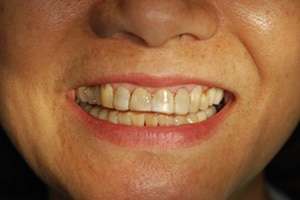 Before
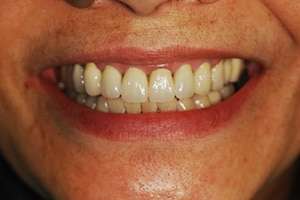 After
After
Provisional phase
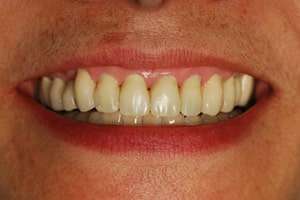
Aging veneers replaced with whitening and custom crowns
Replacing aging composite veneers in Washington, DC. This documented case at Elite Prosthetic Dentistry rejuvenated an upper smile where composite veneers placed several years earlier had begun to stain and discolor. Treatment was planned and completed by Dr. Gerald Marlin, D.M.D., M.S.D., a prosthodontist focused on cosmetic and complex restorative care, working directly with the practice’s in-house laboratory.
Case at a Glance
- Treatment
- Replacement of aging composite veneers with custom crowns, coordinated with professional whitening
- Approach
- Foundation rebuilt first, whitening before shade selection, in-house lab, completed within two months
The presenting condition
The patient had lived with her composite veneers for several years. They had served her well, but staining and discoloration were becoming more apparent, and she decided the time had come to replace them. She came to Dr. Marlin seeking cosmetic improvement with a new set of porcelain veneers or crowns.
Two findings shaped the plan. First, examination showed that her teeth carried underlying restorations and conditions that required careful consideration before the restoration type could be chosen. Second, her surrounding natural teeth showed staining and discoloration of their own, which meant that replacing the veneers in isolation would have left new restorations sitting in a smile that did not match them. The opportunity was to brighten and rejuvenate the entire smile as one esthetic unit rather than treating a few teeth and leaving the rest behind.
Clinical Findings
- →Composite veneers placed several years earlier showing staining and discoloration
- →Underlying restorations and tooth conditions requiring careful evaluation
- →Older fillings and unsound areas that needed attention before the final restorations
- →Staining and discoloration on the surrounding natural teeth
- →A goal of rejuvenating the entire smile as one coordinated esthetic unit
Why this case required prosthodontic-level planning
Replacing veneers looks like a simple swap from the outside. It rarely is. A veneer or crown is only as reliable as the tooth structure underneath it, and teeth that have carried restorations for years often hide older fillings, worn margins, or early decay that a new restoration would simply cover over. Bonding new porcelain over an unsound foundation produces a result that looks right on delivery day and then fails quietly underneath.
Sequence matters just as much. Porcelain does not whiten. Once a crown or veneer is fabricated, its shade is fixed, so the brightness of the surrounding natural teeth has to be decided before the final restorations are made, not after. And the choice between veneers and crowns is not a cosmetic preference; it is a structural judgment about how much sound tooth remains and what the restoration needs to protect. Getting those decisions right, in the right order, is the difference between a smile that is rebuilt once and one that is revisited every few years.
Crowns instead of new veneers, and whitening before the shade was chosen
The first judgment was the restoration type. The patient arrived open to either veneers or crowns, and careful clinical assessment had to establish whether the underlying tooth structure was suitable for veneers or whether crowns would be the more appropriate choice. The underlying restorations Dr. Marlin found led the plan toward custom crowns for the upper anterior teeth. The goal was not simply to replace the aging veneers but to improve on the original esthetic while giving the teeth the support they actually needed.
The second judgment was sequence. Because her natural teeth had accumulated staining of their own, professional whitening was scheduled before the final crown shades were selected. Whitening after the crowns were made would have left permanent restorations matched to a smile that no longer existed. Whitening first meant the crowns could be designed to harmonize with her brightened natural teeth from the start.
The treatment plan
-
1
Comprehensive evaluation
Full assessment of the aging veneers, the underlying tooth structure, and the surrounding teeth to determine whether veneers or crowns would serve the patient better.
-
2
Foundation rebuilt before anything cosmetic
Existing decay and unsound restorations were addressed first. On the same day the temporary crowns were placed, the old fillings were carefully removed and the remaining tooth anatomy was meticulously rebuilt for support and stability.
-
3
Professional whitening before shade selection
The remaining natural teeth received professional teeth whitening to remove accumulated staining, and only then were the final crown colors selected to harmonize with the brightened smile.
-
4
Custom crowns from the in-house laboratory
The new crowns were designed and fabricated by Dr. Marlin with the practice's in-house laboratory, with extended chairside time to establish the ideal emergence angles, contours, color, and translucency.
-
5
Completion within two months
Because the laboratory work stayed under the practice's own roof, this complex restoration was completed within two months.
The outcome
The upper restoration rejuvenated her smile with bright, natural, youthful-looking teeth. The crowns are stable and long-lasting, with durability superior to the aging composite veneers they replaced. Direct coordination between Dr. Marlin and the in-house laboratory kept fit, contour, color, and translucency under one roof from design through delivery.
Just as importantly, the case was planned with the future in mind. The patient and Dr. Marlin discussed restoring her lower anterior teeth as a later phase, with veneers or crowns to cover the dark stains that have accumulated there and to close the spaces between the lower front teeth. She left pleased with her upper smile and motivated to complete that longer-term plan, one carefully sequenced step at a time.
Result Highlights
- ✓Aging composite veneers replaced with custom crowns on the upper anterior teeth
- ✓Old fillings removed and the tooth anatomy rebuilt before the final restorations
- ✓Professional whitening completed first so the crown shades harmonize with the brightened smile
- ✓Crowns designed and fabricated with the practice's in-house laboratory
- ✓Complex restoration completed within two months
- ✓A phased long-term plan established for the lower anterior teeth
Who this case may sound familiar to
This story tends to resonate with patients in a few recognizable situations:
- Your veneers or bonding were placed years ago and have started to stain, discolor, or look tired.
- You have been told you need replacements and are not sure whether new veneers or crowns is the right call.
- You want whitening and new restorations coordinated so the finished smile matches, rather than treated as separate projects.
- You have older fillings under your existing dental work and want the foundation handled correctly, not covered over.
- You would rather have it done correctly once, by a practice that controls its own laboratory work.
If any of those describe where you are, a consultation with Dr. Marlin can establish the diagnostic picture and the specific options for your case.
Frequently asked questions
How long do composite veneers last before they need replacement?
Composite veneers bond tooth-colored material directly to the teeth, and over several years they can stain, discolor, and deteriorate. Their lifespan varies with bite forces, habits, and maintenance, which is why aging composite restorations are evaluated individually rather than replaced on a fixed schedule.
Should old veneers be replaced with new veneers or with crowns?
It depends on what is underneath. Veneers need sufficient sound tooth structure to bond predictably, so teeth that carry large or aging restorations may be better served by crowns, which provide full coverage and protection. A prosthodontic evaluation of the underlying tooth structure makes that call before any cosmetic decision is made.
Why is teeth whitening done before new crowns or veneers?
Porcelain does not change color once it is made. Whitening the natural teeth first establishes the final brightness of the smile so the new restorations can be fabricated to match it. Reversing that order leaves permanent restorations matched to a shade the surrounding teeth no longer have.
How long does it take to replace aging veneers with crowns?
Timelines depend on the complexity of the case and the laboratory workflow. In this documented case, the restoration was completed within two months, helped by the practice’s in-house laboratory and the extended chairside time it allows.
Why see a prosthodontist for veneer replacement?
A prosthodontist is a dentist with advanced specialty training in restoring and replacing teeth. Replacing veneers involves judgments about tooth structure, materials, bite, and sequencing that go beyond matching a shade, and specialty-level planning is what keeps the new restorations from inheriting the problems of the old ones.
More about the work behind this case
This case brings together custom dental crowns, porcelain veneers, and professional teeth whitening in one coordinated plan. The sequencing discipline and in-house laboratory control behind it are part of the practice philosophy that guides restorative work at the practice.
Elite Prosthetic Dentistry treats patients from across the DMV including Bethesda, Chevy Chase, McLean, Arlington, Potomac, and Great Falls, with a record of out-of-area patients traveling to the practice for complex restorative care.
Related Services
Related Patient Success Stories
Explore similar patient success stories demonstrating our expertise in advanced prosthetic dentistry.
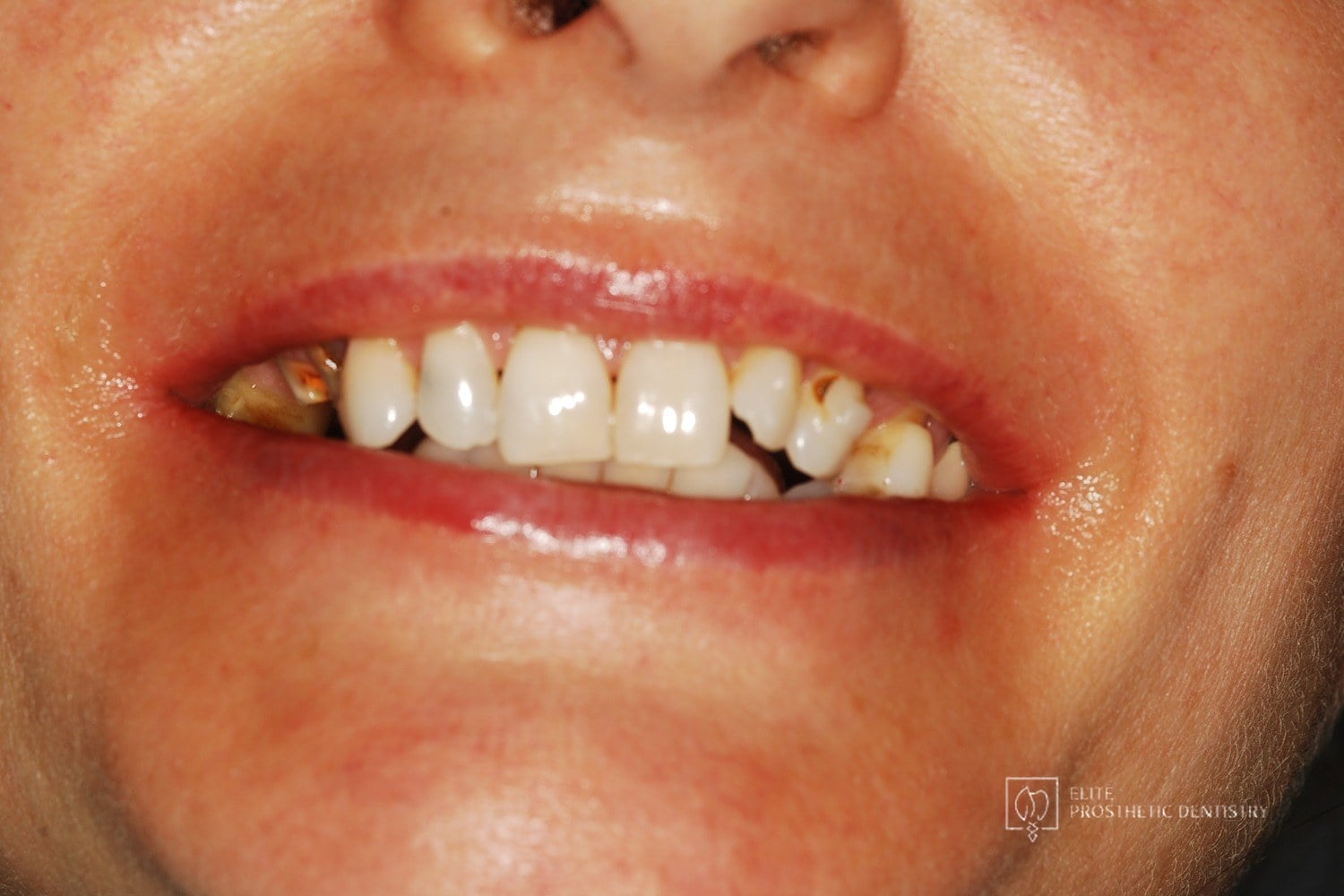 Before
 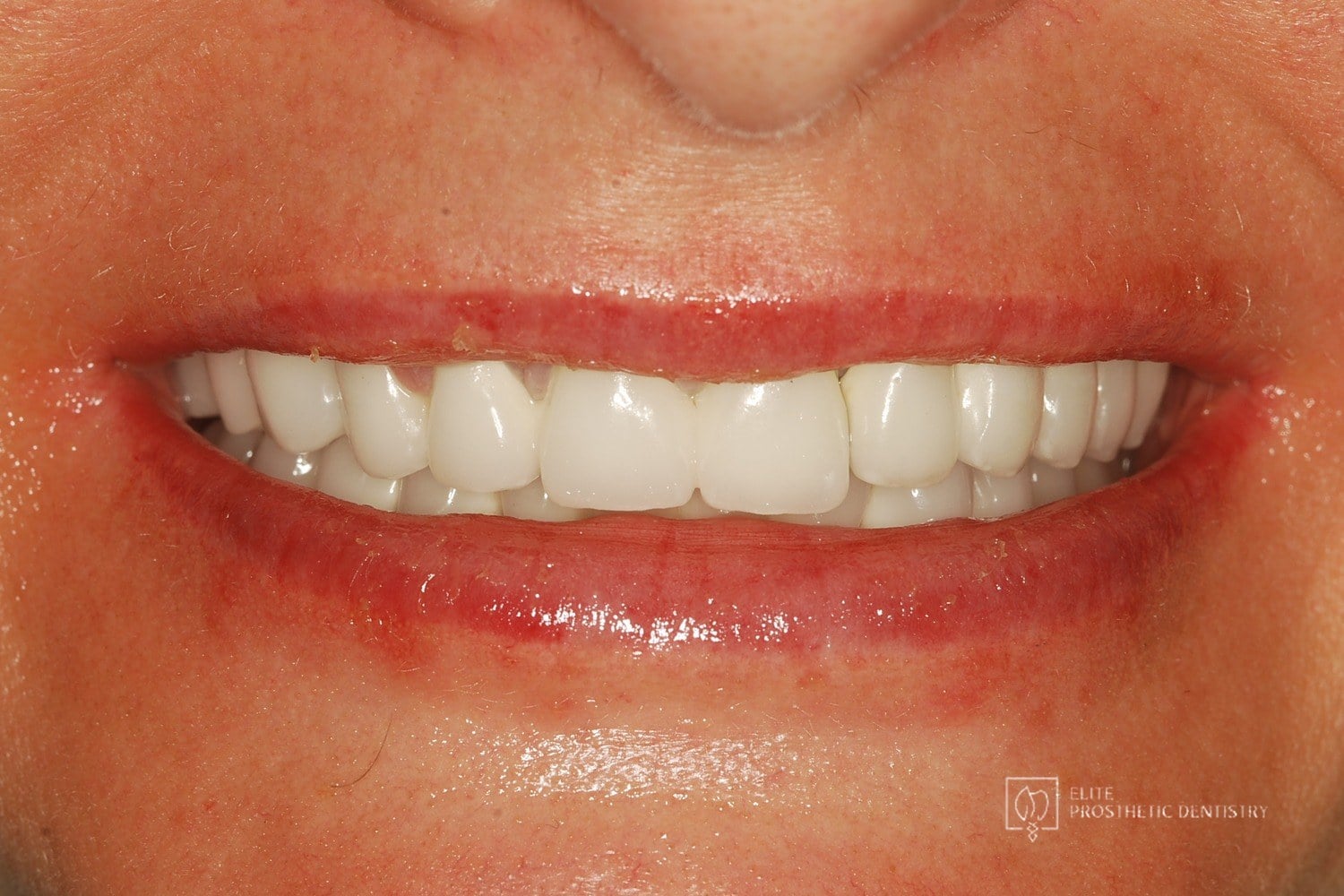 After
After How Aging, Failing Dentistry Was Replaced with a Coordinated Full-Mouth Implant and Crown Reconstruction
The patient presented with throbbing upper-molar pain, long-standing infections, multiple root canals and unfinished prior treatment, generalized sensitivity, and several hopeless teeth.
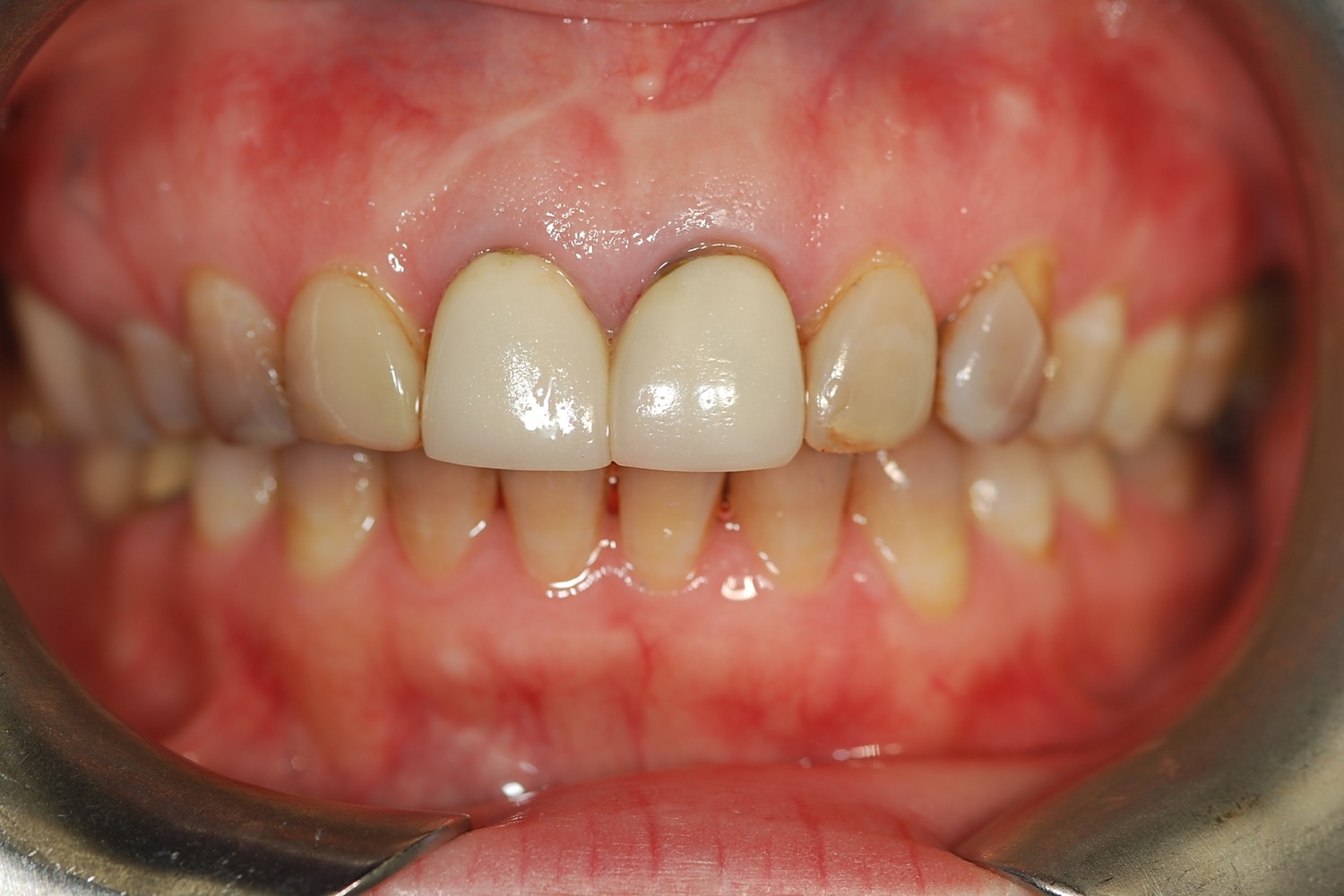 Before
 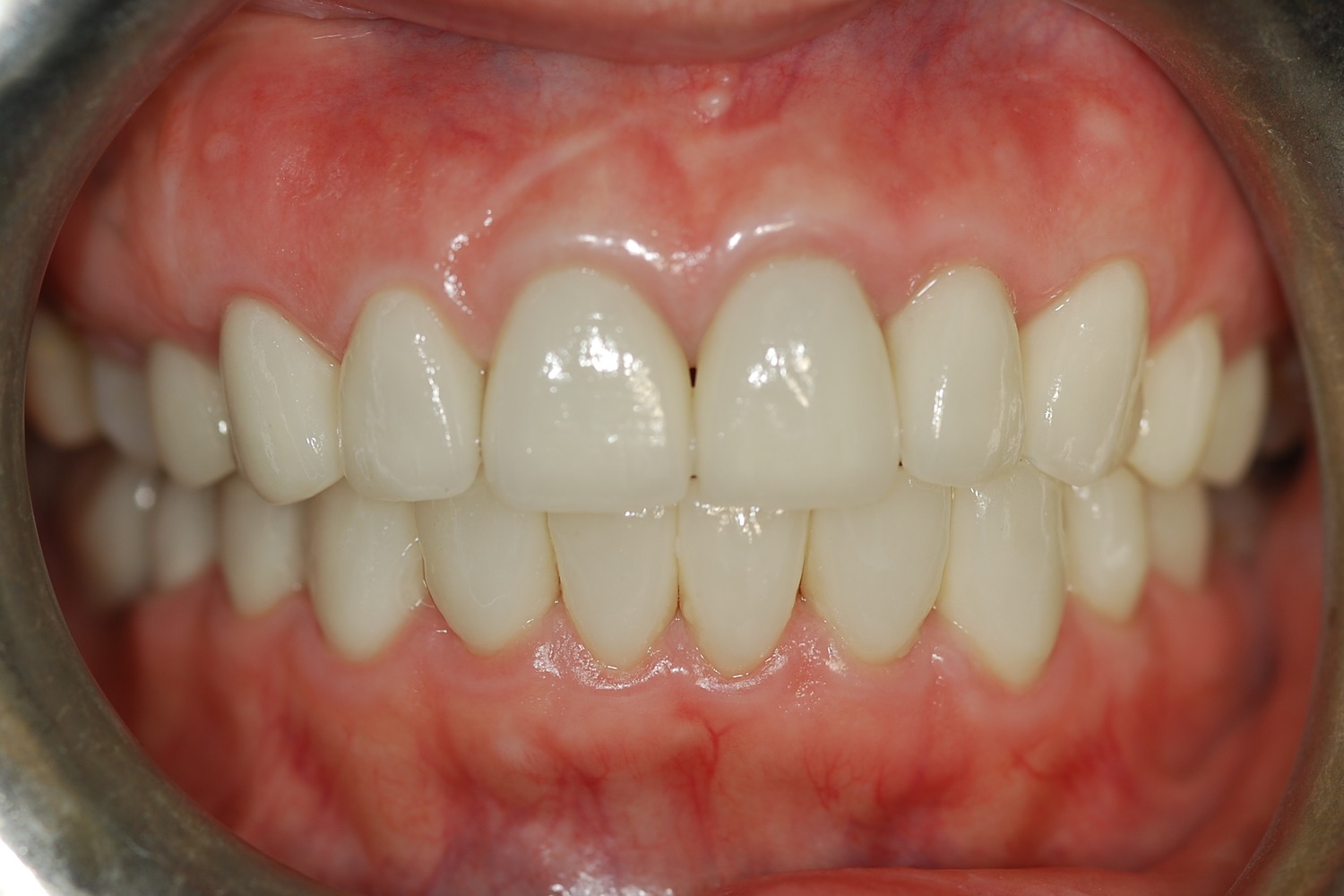 After
After How Aging, Opaque Restorations Were Replaced with Customized Ceramic Restorations Designed for Long-Term Natural Esthetics
The existing restorations appeared opaque, worn, and unnatural over time, affecting both confidence and overall smile harmony.
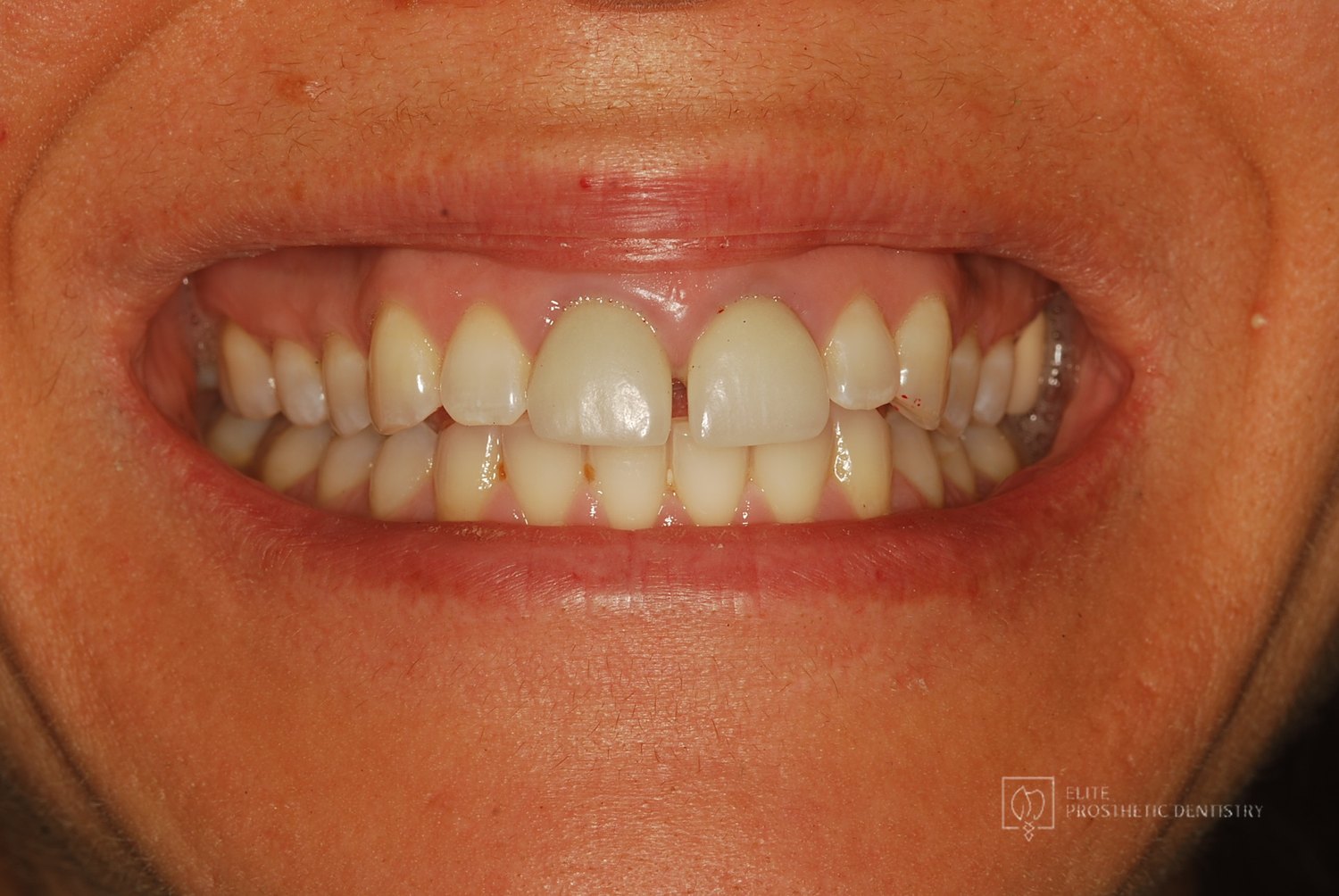 Before
 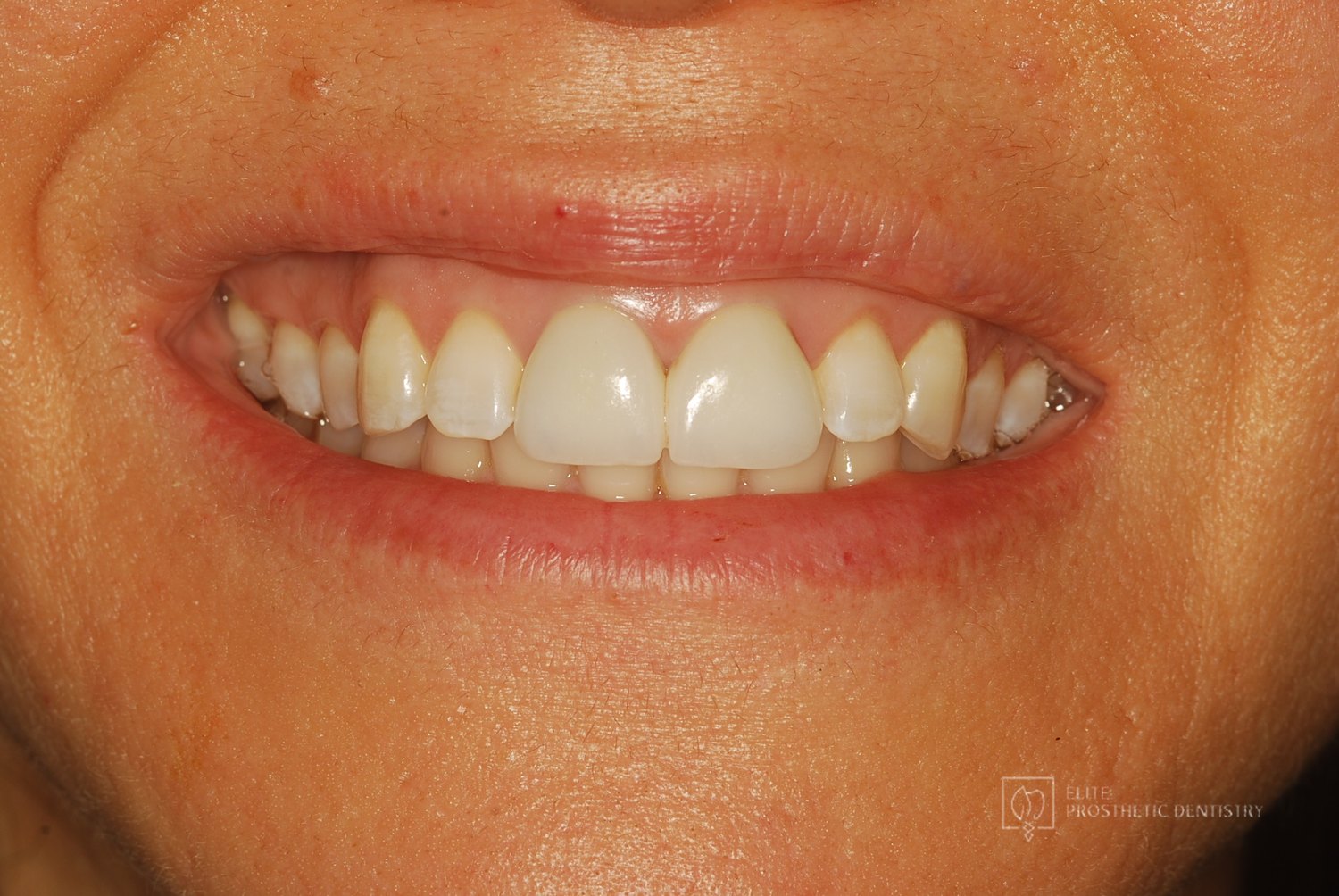 After
After Two Front Teeth Saved From Extraction: A Second Opinion, Custom Gold Posts, and Crowns Made to Last
Two upper central incisors with failed root canal treatment and recurrent decay had been recommended for extraction and implant replacement. A CBCT evaluation showed that removing the roots from their thin facial bone housing could create a visible esthetic defect in the gum and bone contour, made worse by the patient's high lip line.