
A Smile Makeover on the Patient's Own Timeline
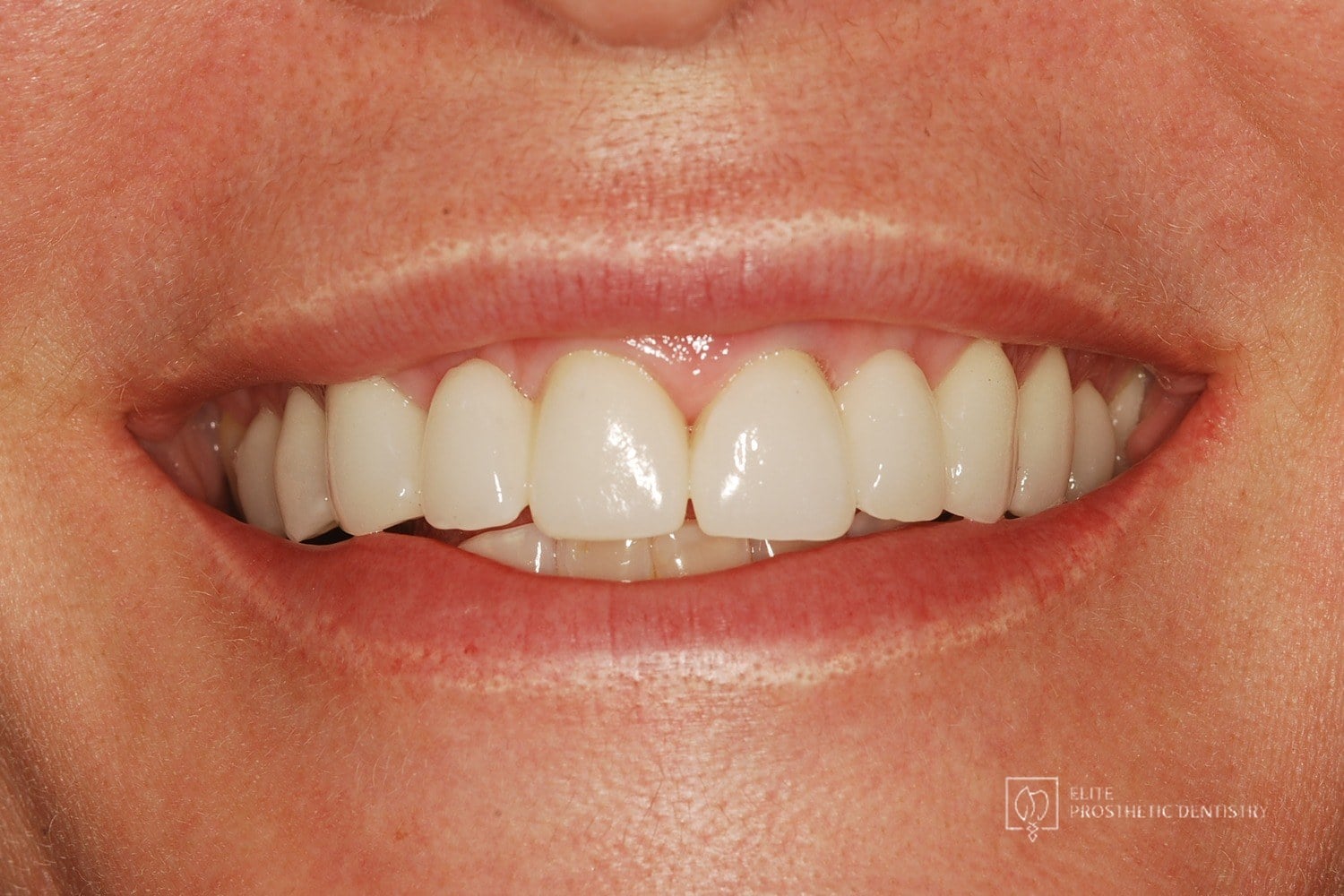
Documented before-and-after view
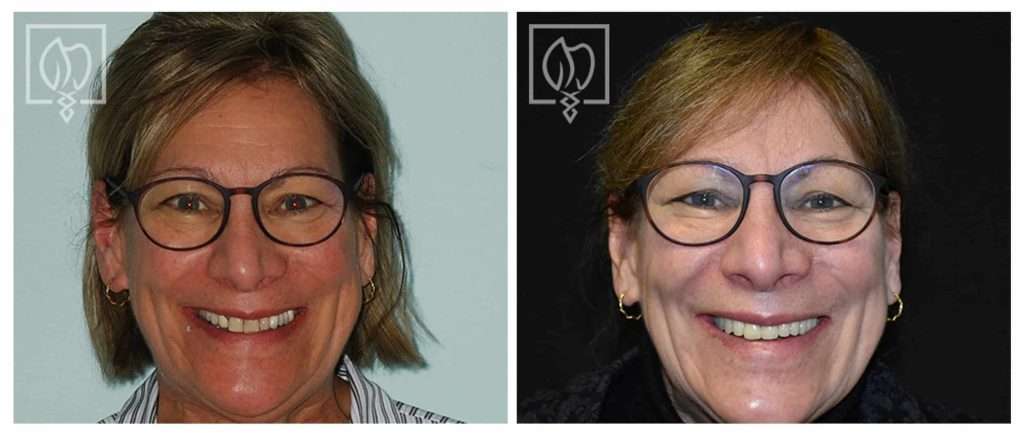
A smile makeover completed on the patient’s own timeline
A smile makeover in Washington, DC involves more than selecting new crowns; it begins with a patient deciding she is truly ready. This documented case at Elite Prosthetic Dentistry followed a patient who consulted about improving her smile, stepped back to prepare for the change, and returned when the time was right to complete a crown-based smile makeover. Treatment was planned and completed by Dr. Gerald Marlin, D.M.D., M.S.D., a prosthodontist focused on cosmetic and restorative dentistry designed to hold up over time.
Case at a Glance
- Treatment
- Comprehensive smile makeover with natural-looking temporary crowns followed by custom permanent crowns
- Approach
- Unhurried decision period, oral sedation for comfort, in-house laboratory design of temporary and final restorations
The presenting condition
The patient first consulted with Elite Prosthetic Dentistry about the possibility of a smile makeover. Like many patients, she was interested in improving her appearance but needed time to mentally prepare for the change. A smile makeover is a significant decision, both emotionally and in terms of the time it asks of a patient, and it is completely natural to consult, learn about the options, and decide on your own schedule.
After her initial consultation, she chose to wait until she felt truly ready to commit. During that period she processed what the treatment would involve, considered whether it aligned with her goals and lifestyle, and built her confidence about the procedure. When she returned, the decision was made. She came in ready to begin, with temporary crowns placed as the first step in a comprehensive smile restoration.
Clinical Findings
- →Patient sought a comprehensive improvement in the appearance of her smile
- →Crowns planned as the primary restorations for the makeover
- →Existing tooth angulation could not be changed with crowns alone; orthodontics would be a separate consideration
- →Oral sedation selected for comfort during the temporary crown appointment
- →A deliberate waiting period between consultation and treatment, at the patient's own pace
Why this case required prosthodontic-level planning
A smile makeover built on crowns succeeds or fails before the first tooth is prepared. The final shape, proportion, shade, and edge position of every crown must be designed as a set, against the patient’s face and bite, rather than chosen one tooth at a time. That is the core of prosthodontic training: plan the endpoint first, then work backward to the individual restorations that achieve it.
The temporary phase deserves the same discipline. Temporary crowns are often treated as simple placeholders, but in a carefully planned makeover they function as a full-scale preview of the final design. They let the patient live with the new tooth form and smile line before anything is finalized, and they show how the design actually looks in conversation and performs in daily function. In this case, that preview role was planned deliberately rather than left to chance, which is why the makeover began delivering results on the first treatment visit instead of the last one.
The decision behind the result: making the temporary phase count
The defining judgment in this case was to treat the temporary crowns as part of the makeover itself, not as something to endure until the final work arrived. The temporary crowns were designed in the practice’s in-house laboratory with careful attention to natural appearance, and they gave the patient an immediate smile transformation on the day they were placed.
That mattered for a very human reason. Patients wearing temporary restorations that look obviously artificial often feel self-conscious for the weeks it takes to complete the final crowns. This patient’s experience was different. Her temporary crowns looked natural enough that she could smile confidently throughout the waiting period, and their anatomic form was designed to complement her facial features even before the permanent restorations were placed.
Honest boundary-setting was part of the same decision. The angle of the teeth could not be altered during the temporary phase. Temporary restorations restore appearance and function while the permanent crowns are fabricated; more comprehensive changes to tooth position or angle would require orthodontic treatment, which is a separate consideration. Stating that plainly before treatment, rather than implying crowns can do everything, is what specialist-level planning looks like in practice.
The treatment plan
-
1
Consultation on the patient's schedule
An initial smile makeover consultation covering what treatment would involve, followed by a waiting period the patient set for herself so she could commit with confidence rather than pressure.
-
2
Oral sedation for comfort
The patient chose oral sedation for the placement of her temporary crowns, allowing her to relax deeply while remaining responsive throughout the appointment.
-
3
Natural-looking temporary crowns
Temporary crowns designed by the in-house laboratory delivered an immediate improvement in the smile and served as a working preview of the final design.
-
4
Fabrication of the permanent crowns
The final custom-crafted crowns were fabricated with the same attention to natural appearance as the temporaries, with even greater precision and durability, through direct coordination between Dr. Marlin and the practice's laboratory technicians.
-
5
Delivery of the final restorations
Once fabrication was complete, the permanent crowns were placed, refining a result the patient had already been living with rather than revealing it for the first time.
The outcome
The permanent custom-crafted crowns completed a natural, rejuvenated smile. Just as importantly, the patient never had to hide her smile along the way. The makeover effectively began the day the temporary crowns were placed and was refined, rather than revealed, at the final visit. Because both the temporary and permanent restorations were produced through the practice’s in-house laboratory, Dr. Marlin kept direct control over fit, contour, and appearance at every stage.
This case demonstrates that patients do not have to choose between immediate improvement and careful pacing. A well-run practice can provide meaningful cosmetic improvement through the temporary phase while the final crowns are completed, and it can respect a patient’s own timeline for starting at all.
Result Highlights
- ✓Immediate smile improvement on the day the temporary crowns were placed
- ✓Temporary crowns natural enough to smile confidently during the waiting period
- ✓Custom-crafted permanent crowns delivered with even greater precision and durability
- ✓Temporary and final restorations designed through the practice's in-house laboratory
- ✓Oral sedation kept the patient comfortable through treatment
- ✓Treatment paced around the patient's readiness rather than an imposed timetable
Who this case may sound familiar to
This story tends to resonate with patients in a few recognizable situations:
- You have been thinking about a smile makeover for a while but have not felt ready to commit.
- You worry about spending weeks in temporary restorations that look obviously artificial.
- You want a clear, honest account of what crowns can change and what would require orthodontics instead.
- You want the design and fabrication handled under one roof rather than sent out to an outside laboratory.
- You would rather have treatment planned carefully and done correctly once than rushed to fit someone else’s schedule.
If any of those describe where you are, a consultation with Dr. Marlin can establish the diagnostic picture and the specific options for your case.
Frequently asked questions
Do temporary crowns look natural?
They can. When the temporary phase is planned as a preview of the final design and the temporary crowns are made with attention to shape, shade, and proportion, patients can smile naturally while the permanent crowns are fabricated. It is reasonable to ask any practice how the temporary restorations will be designed and who will be making them.
Can a smile makeover show results before the permanent crowns are finished?
Yes. Well-designed temporary crowns provide an immediate improvement in the smile and let the patient experience the new tooth form in daily life. What the patient and the prosthodontist learn during the temporary phase can then be carried into the final restorations.
Can crowns straighten crooked teeth?
Crowns can refine the shape, proportion, and shade of teeth, which in some cases improves the appearance of minor misalignment. They cannot change the underlying angle or position of a tooth. Comprehensive changes to tooth position require orthodontic treatment, and an honest treatment plan is clear about which approach fits your goals.
Is sedation available for smile makeover appointments?
Yes. Oral sedation allows patients to relax deeply while remaining responsive, which makes longer restorative appointments more comfortable. The appropriate form of sedation depends on your health history and the scope of the planned treatment.
How long should I take to decide on a smile makeover?
As long as you need. A smile makeover is a significant decision, emotionally and in terms of time, and it is completely normal to consult, learn about your options, and begin only when you are ready. A practice that respects your timeline at the consultation stage is more likely to respect your goals during treatment.
Why have a prosthodontist plan a smile makeover?
A prosthodontist is specialty-trained in the design, restoration, and replacement of teeth. That training means a smile makeover is planned as a complete system, considering tooth form, bite function, and facial harmony together, rather than as a series of individually chosen crowns.
More about the work behind this case
This case sits at the intersection of smile makeover planning and custom dental crowns, with the temporary and final restorations designed through the practice’s own laboratory. That integration of design, fabrication, and clinical judgment is part of the practice philosophy behind comprehensive cosmetic and restorative care.
Elite Prosthetic Dentistry treats patients from across the DMV including Bethesda, Chevy Chase, McLean, Arlington, Potomac, and Great Falls, with a record of out-of-area patients traveling to the practice for complex restorative care.
Related Services
Related Patient Success Stories
Explore similar patient success stories demonstrating our expertise in advanced prosthetic dentistry.
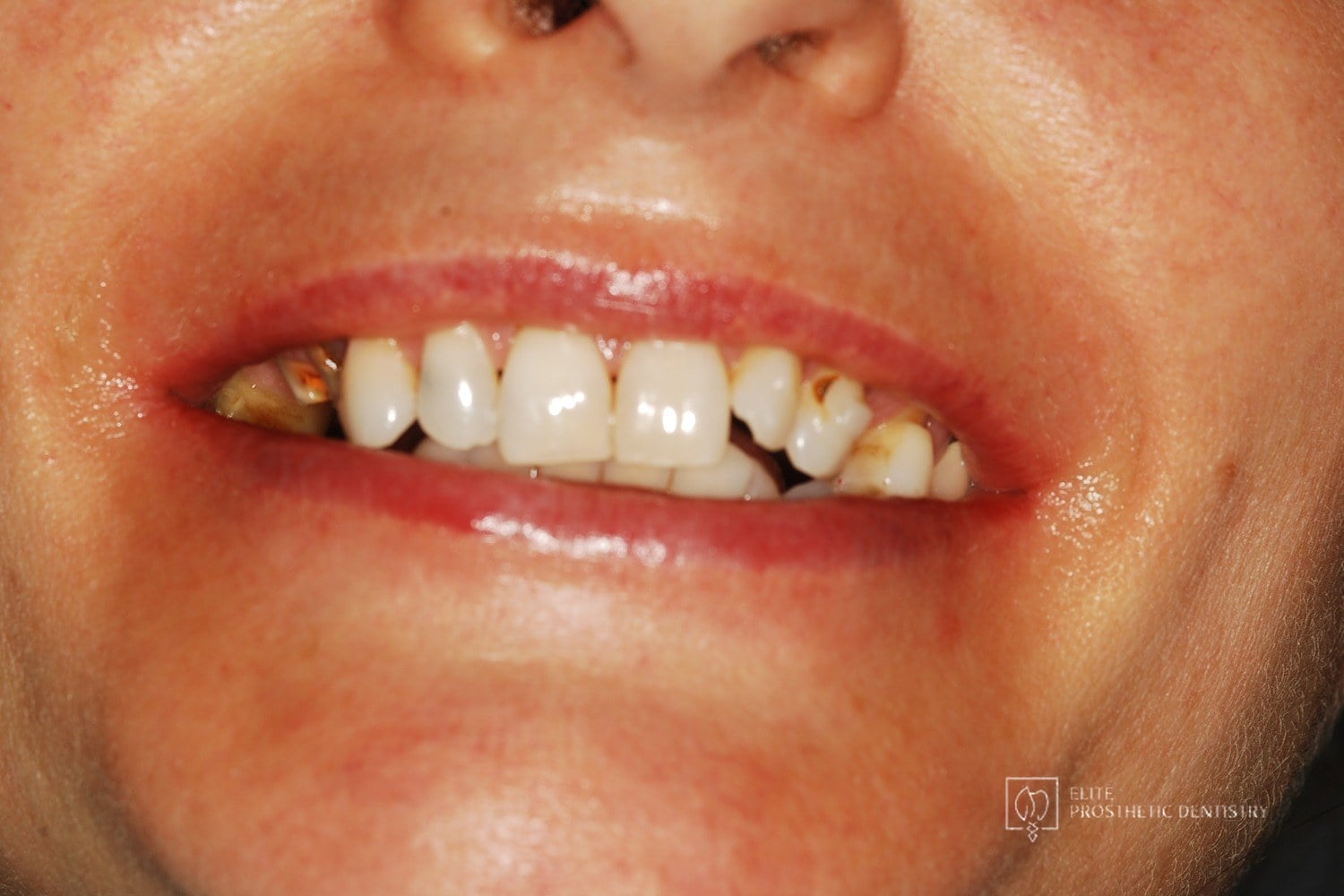 Before
 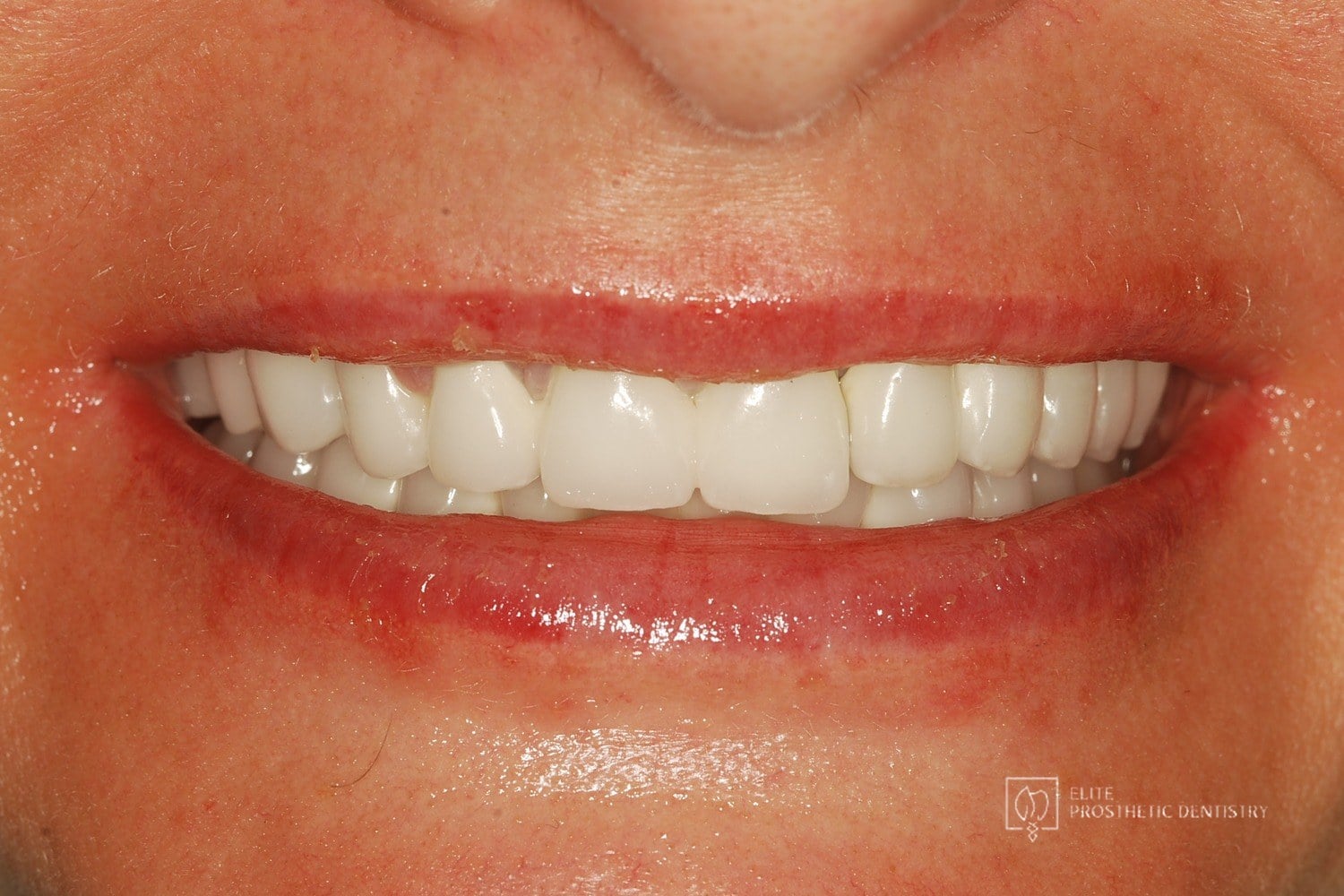 After
After How Aging, Failing Dentistry Was Replaced with a Coordinated Full-Mouth Implant and Crown Reconstruction
The patient presented with throbbing upper-molar pain, long-standing infections, multiple root canals and unfinished prior treatment, generalized sensitivity, and several hopeless teeth.
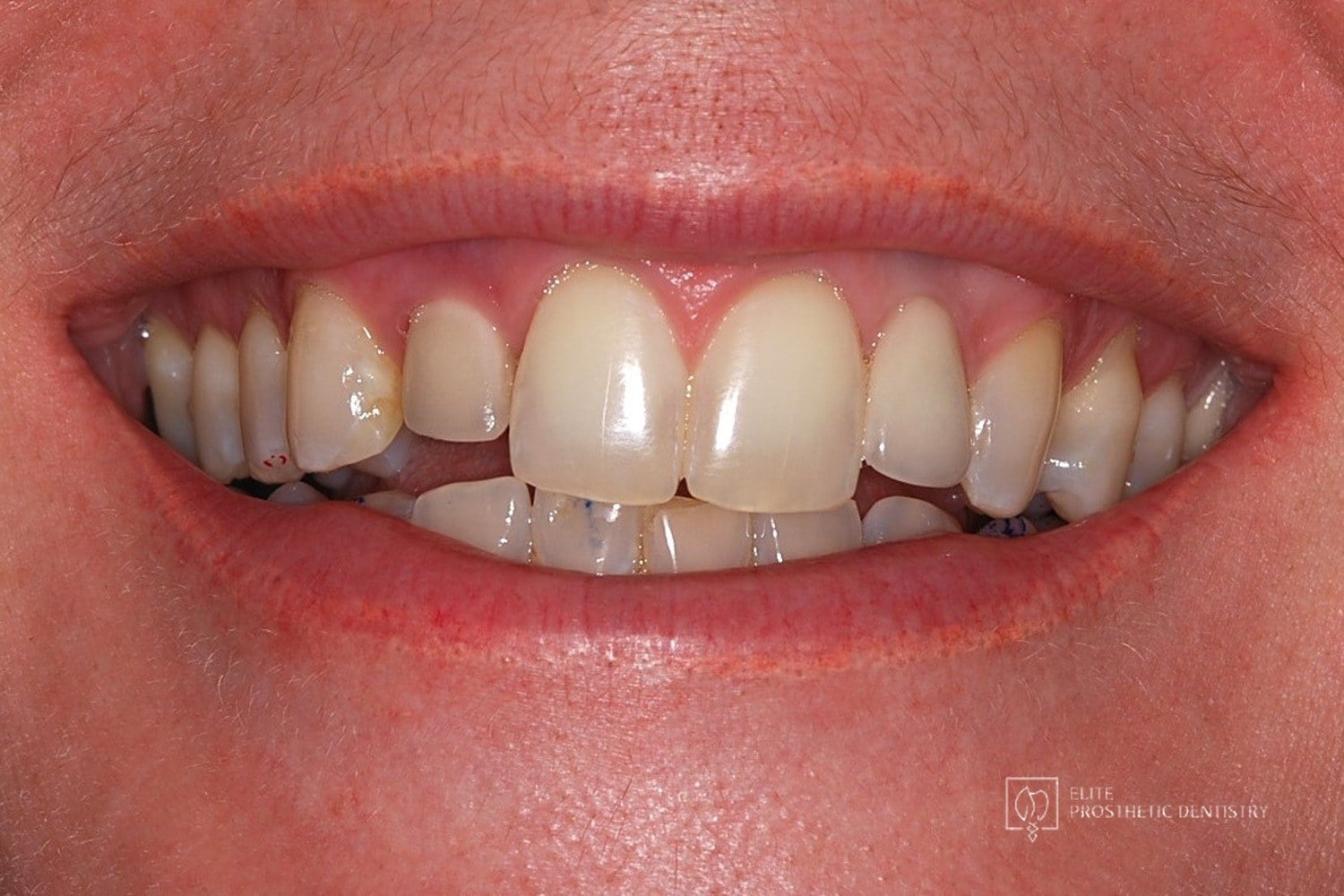 Before
  After
After How Failing Lateral Incisor Implants Were Replaced with Custom Zirconia Bridges After Severe Bone Loss Made Replacement Implants Impossible
Comprehensive examination including CBCT imaging revealed significant bone loss surrounding implants that were placed outside the buccal plate, most likely due to placement without a CBCT-generated surgical guide. The implants were determined non-salvageable, and the alveolar ridge was too narrow to support replacement implants without extensive reconstruction.
 Before
  After
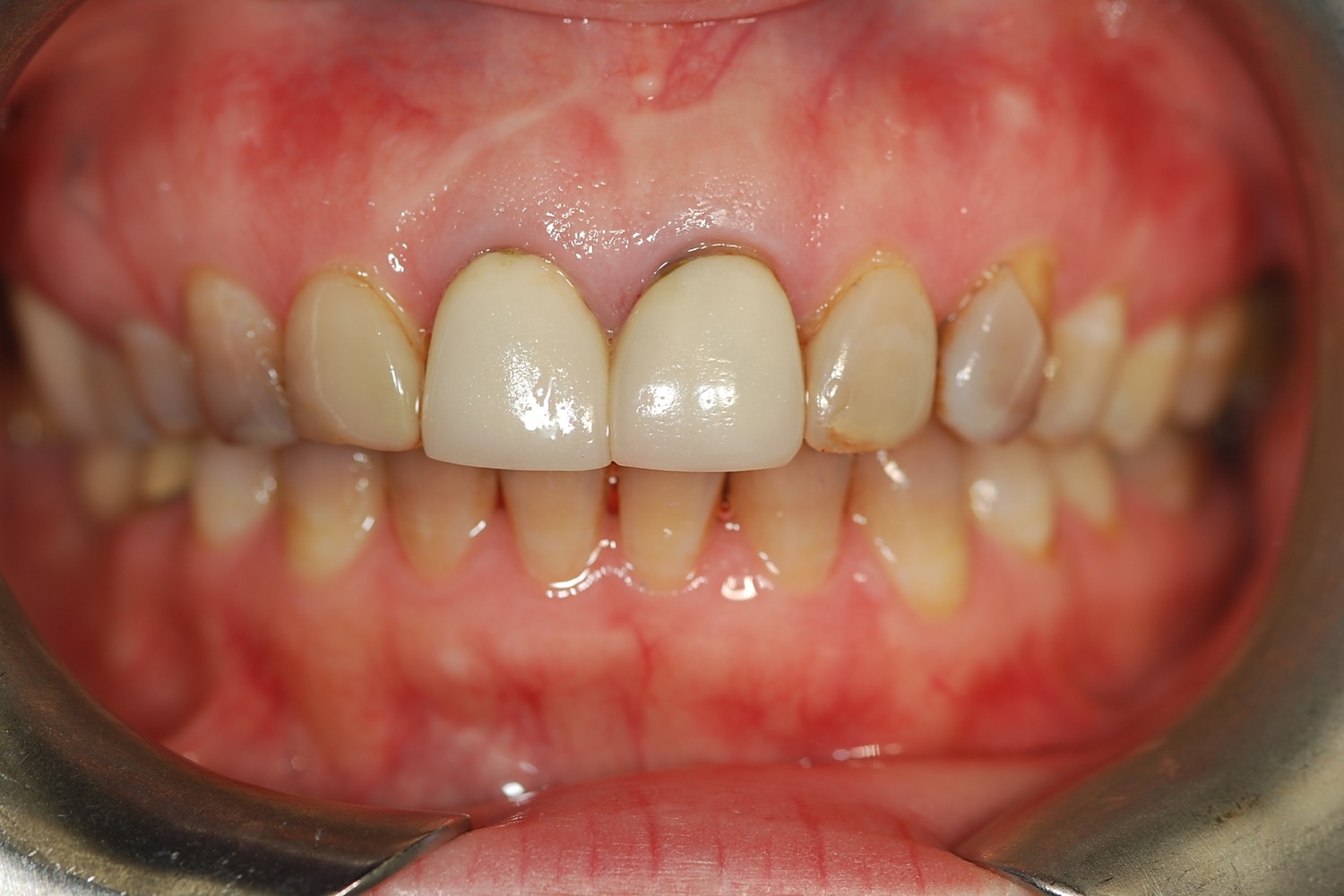
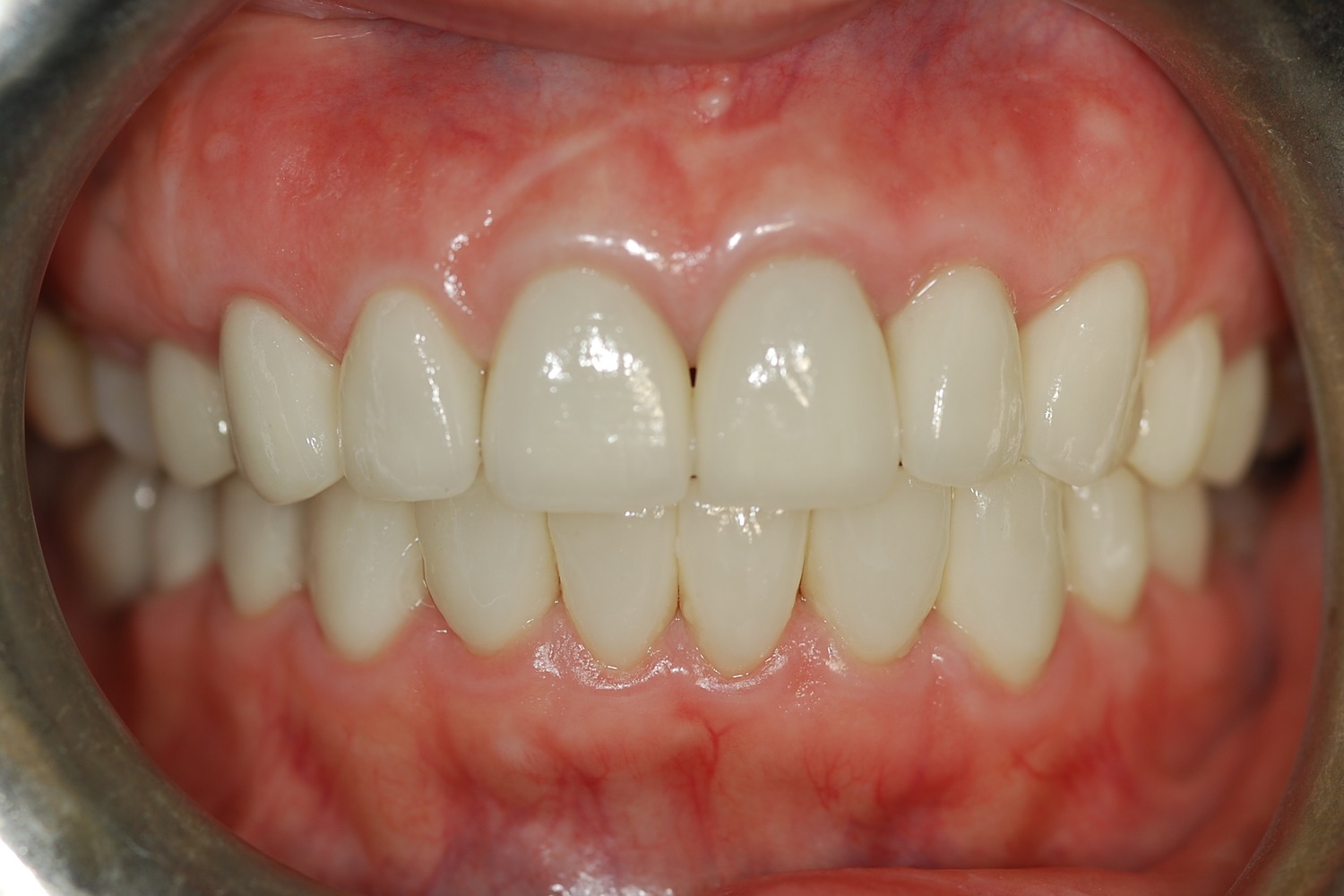
After How Aging, Opaque Restorations Were Replaced with Customized Ceramic Restorations Designed for Long-Term Natural Esthetics
The existing restorations appeared opaque, worn, and unnatural over time, affecting both confidence and overall smile harmony.