
Fix My Smile: Our Patient's Success Story
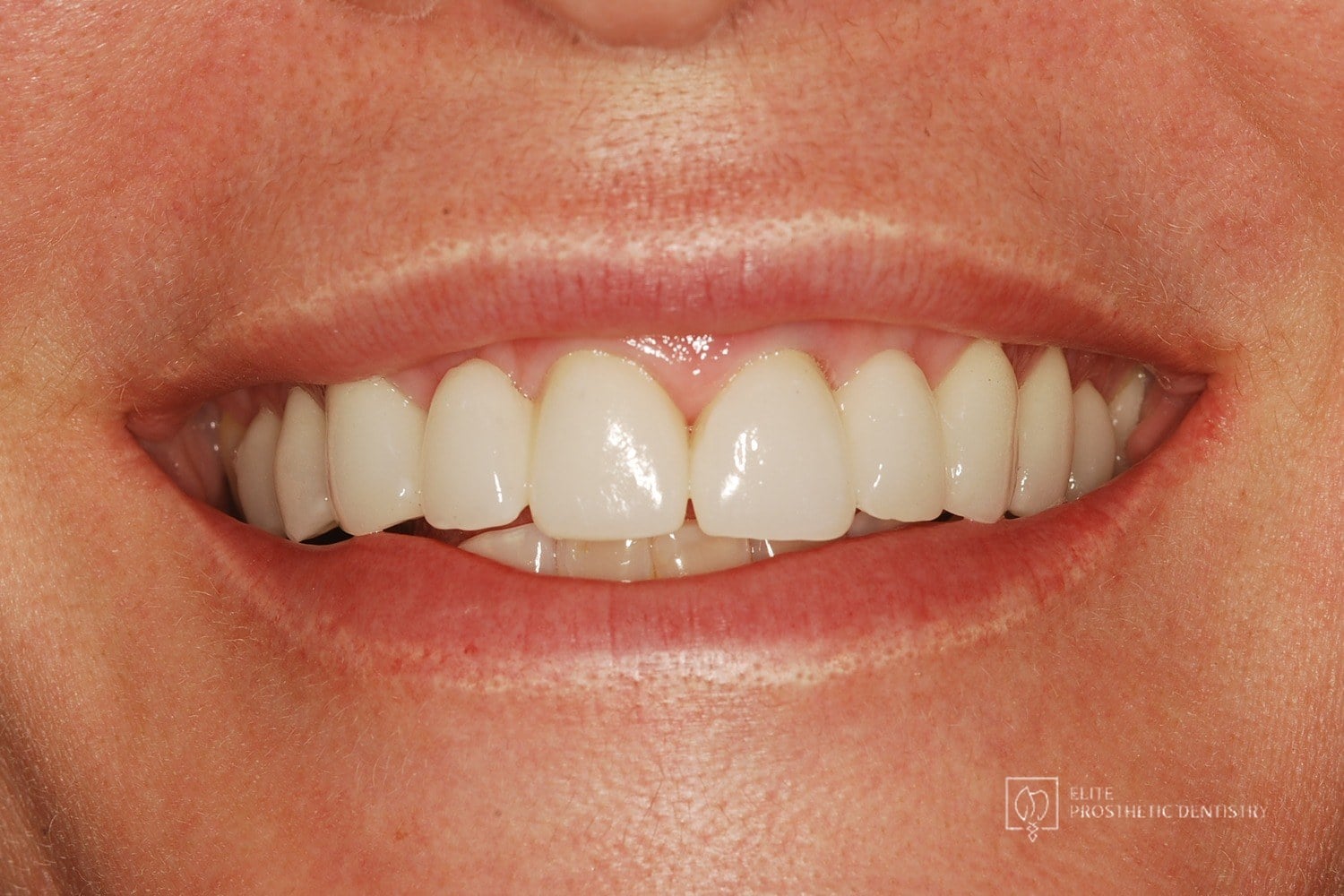
Full smile view
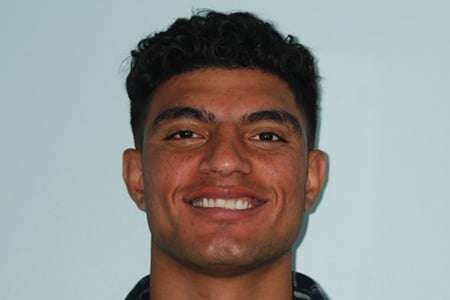 Before
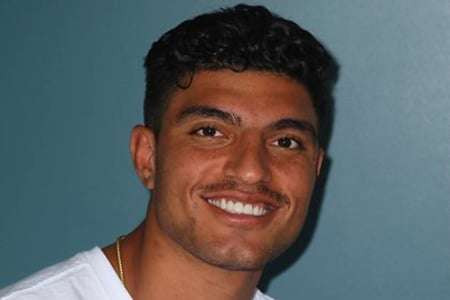 After
After
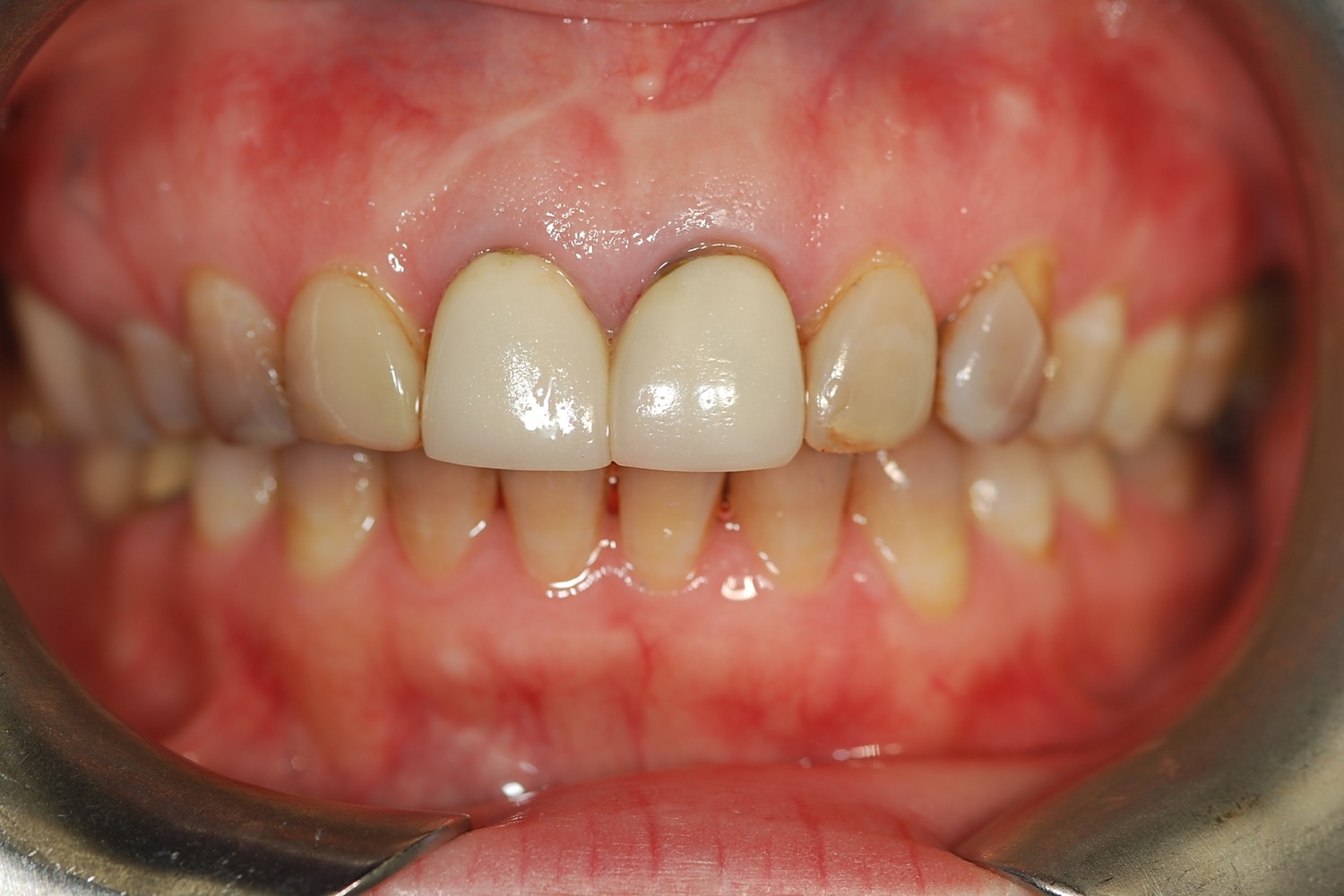
Treatment-phase documentation
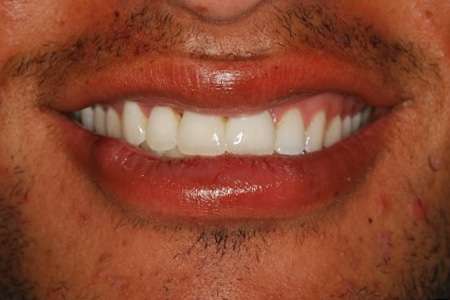
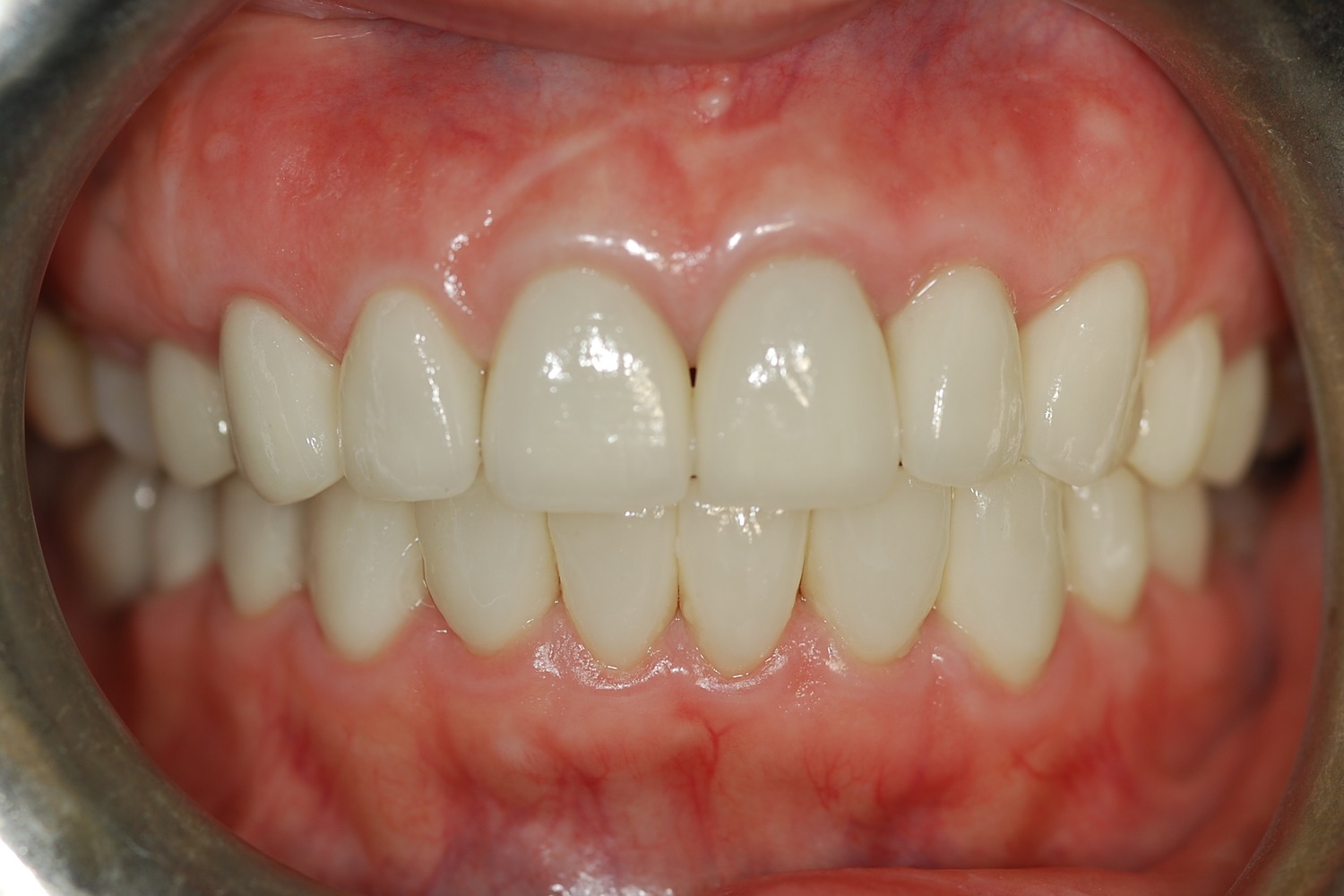
Smile line detail
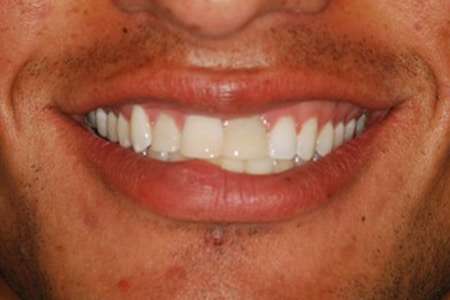 Before
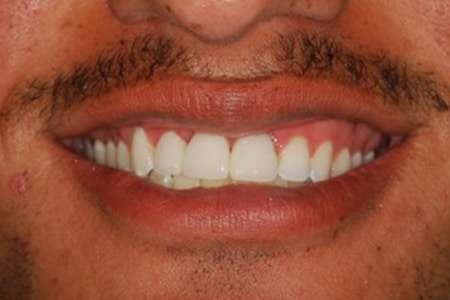 After
After
Front teeth rebuilt after a traumatic dental injury
Fixing damaged front teeth in Washington, DC calls for restorations that disappear into the smile. This documented case at Elite Prosthetic Dentistry restored the front teeth of a recent graduate of the U.S. Naval Academy in Annapolis, Maryland, who suffered a traumatic injury to his four front teeth and later traveled back to the DC area from North Carolina for definitive care. Treatment was planned and completed by Dr. Gerald Marlin, D.M.D., M.S.D., a prosthodontist focused on esthetic crown work and complex restorative care.
Case at a Glance
- Treatment
- Four custom anterior crowns restoring front teeth affected by traumatic injury
- Approach
- Coordinated esthetic planning with in-house laboratory fabrication on an out-of-state patient's timeline
The presenting condition
The patient, a recent Naval Academy graduate, experienced a traumatic injury to his four front teeth while attending the academy. Emergency care at the time of the injury included the placement of a temporary crown. That temporary did the protective job emergency treatment is meant to do, but it was never designed to be a long-term esthetic answer, and it did not give him confidence in his appearance.
The injury was not the whole picture. Two of his other front teeth had fractures and had previously undergone root canal therapy, which meant they were already compromised by both trauma and endodontic treatment. By the time he sought definitive care, he had graduated and moved to North Carolina. He made the decision to return to the Washington, DC area because he wanted the crowns fabricated by someone with expertise in cosmetic prosthodontic treatment who could deliver a high-quality result in a timely manner.
Clinical Findings
- →Traumatic injury to the four front teeth sustained while at the Naval Academy
- →A temporary crown placed during emergency care, serving as a short-term measure
- →Two additional front teeth with fractures and previous root canal therapy
- →An esthetic result that undermined the patient's confidence in his smile
- →Patient living out of state, requiring an efficient and well-sequenced treatment timeline
Why this case required prosthodontic-level planning
Front teeth are the most demanding real estate in dentistry. Restorations in the esthetic zone are judged at conversational distance, in daylight, against the natural teeth beside them, so color, translucency, shape, and the line the teeth trace across the smile all have to be right at once. A single front crown that misses on any of those reads as false. Four of them, side by side, leave no margin for error at all.
The structural picture demanded the same care. Teeth that have experienced trauma, fractures, and root canal therapy carry less reserve than intact teeth, and restoring them is a matter of engineering as much as appearance. Planning four crowns as one coordinated unit, rather than four separate repairs, is what allows the finished smile to function normally and look like it was never injured. That endpoint-first approach is the core of prosthodontic training.
The decision behind the result: one smile, built as a unit, fabricated in-house
The defining judgment in this case was to treat the damaged front teeth as a single esthetic and functional unit and to keep fabrication of the crowns under the practice’s own roof. Elite Prosthetic Dentistry maintains an in-house dental laboratory, which made it possible to fabricate multiple crowns quickly and with close attention to detail. For a patient traveling from North Carolina, that mattered clinically, not just logistically. The lab’s proximity was what allowed a comprehensive anterior restoration to be completed on a timely basis without compromising quality.
The restoration had to meet three tests. The crowns needed to look completely natural and match the patient’s remaining natural teeth. They needed to restore proper function so he could bite and chew normally. And they needed to produce a smile line that enhanced his appearance and returned his confidence. The in-house laboratory technician worked from careful observation of his natural teeth, matching tooth color, translucency, and shape so the finished restorations would be difficult to tell apart from the teeth around them.
The treatment plan
-
1
Evaluation of the injured front teeth
Assessment of the traumatized front teeth and the two adjacent teeth already compromised by fractures and prior root canal therapy, establishing what the definitive restoration needed to accomplish.
-
2
A coordinated plan for four custom crowns
The involved teeth were planned as one esthetic unit, so the finished crowns would match each other, the surrounding natural teeth, and the patient's smile line.
-
3
Temporary crowns through the treatment phase
Temporary crowns, documented in the treatment-phase imaging below, maintained the smile while the final restorations were fabricated.
-
4
In-house fabrication of the final crowns
The laboratory technician matched color, translucency, and shape through direct observation of the patient's natural teeth, with Dr. Marlin overseeing fit and function at each step.
-
5
Delivery of the custom-crafted crowns
The four final crowns were placed, restoring normal biting and chewing function and completing the rejuvenated smile line.
The outcome
After placement of the custom-crafted final crowns, the patient’s smile line was completely rejuvenated. The crowns look natural, they suit his facial features, and they give him a smile that reflects his actual age and vitality rather than the trauma he experienced. Function returned along with appearance, and the patient is very happy with the result.
The case also says something about how patients choose care. This patient had moved away, compared his options, and concluded that returning to Washington, DC for specialty-trained prosthodontic treatment was worth the trip. Quality-focused patients tend to make that calculation the same way: they would rather have the work planned and fabricated correctly once than repeated closer to home.
Result Highlights
- ✓Four custom crowns restored the damaged front teeth as one coordinated smile
- ✓Color, translucency, and shape matched to the patient's natural teeth
- ✓Smile line rejuvenated to reflect the patient's age and vitality rather than his injury
- ✓Normal biting and chewing function restored
- ✓Final crowns fabricated by the practice's in-house laboratory
- ✓Treatment completed on a timeline workable for an out-of-state patient
Who this case may sound familiar to
This story tends to resonate with patients in a few recognizable situations:
- You damaged one or more front teeth in an accident or sports injury and have been living with a short-term repair.
- You have front teeth with fractures or previous root canal treatment whose appearance has changed over time.
- You want front-tooth crowns that cannot be picked out from your natural teeth in conversation or photographs.
- You live outside the DC area and need complex treatment planned realistically around travel.
- You would rather invest in having the work done correctly once than have it revisited later.
If any of those describe where you are, a consultation with Dr. Marlin can establish the diagnostic picture and the specific options for your case.
Frequently asked questions
Can front teeth damaged by trauma be restored with crowns?
Often, yes. When enough sound tooth structure remains, custom crowns can restore both the appearance and the function of traumatized front teeth. The right approach depends on the extent of the damage, the condition of the surrounding teeth, and the bite, which is why a thorough evaluation comes first.
Do crowns work on teeth that have had root canal treatment?
Yes, and crowns are frequently the recommended restoration for them. Teeth that have undergone root canal therapy tend to be more brittle than intact teeth, so a well-designed crown protects the remaining structure while restoring natural appearance. The design has to account for both the structural condition of the tooth and the esthetics of the smile.
Why are crowns on front teeth harder to get right than crowns on back teeth?
Front crowns are seen every time you speak or smile, directly beside natural teeth. Color, translucency, shape, surface texture, and the smile line all have to match, and small errors that would go unnoticed on a molar are obvious on a front tooth. Restorations in the esthetic zone reward specialist planning and close laboratory collaboration.
How does an in-house dental laboratory change the experience?
With an in-house laboratory, the technician can observe the patient’s natural teeth directly rather than working from photographs and written notes. That improves the match of color, translucency, and shape, and it shortens the timeline because design questions are answered in person instead of through shipping cycles.
Is it worth traveling for prosthodontic care?
Many patients decide it is. Front-tooth restorations are long-term investments that are difficult to revise once completed, so who plans and fabricates them matters more than proximity. Treatment can often be sequenced to respect travel, with visits consolidated and laboratory work timed around them.
More about the work behind this case
This case combines custom-crafted crowns with smile makeover planning in the esthetic zone, supported by the practice’s in-house laboratory. That pairing of clinical judgment and on-site fabrication is part of the practice philosophy behind restorative work that is meant to last.
Elite Prosthetic Dentistry treats patients from across the DMV including Bethesda, Chevy Chase, McLean, Arlington, Potomac, and Great Falls, with a record of out-of-area patients traveling to the practice for complex restorative care.
Related Services
Related Patient Success Stories
Explore similar patient success stories demonstrating our expertise in advanced prosthetic dentistry.
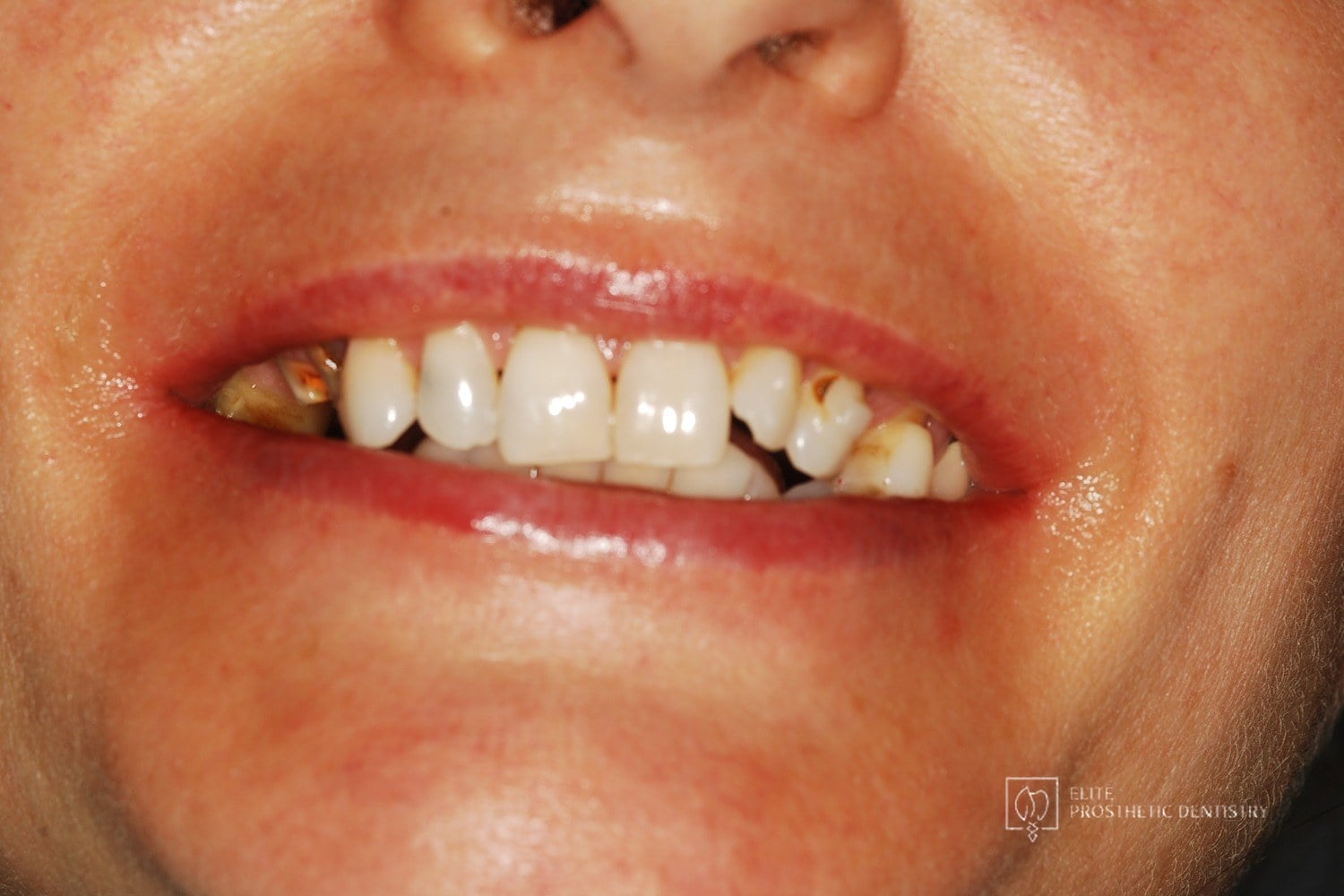 Before
 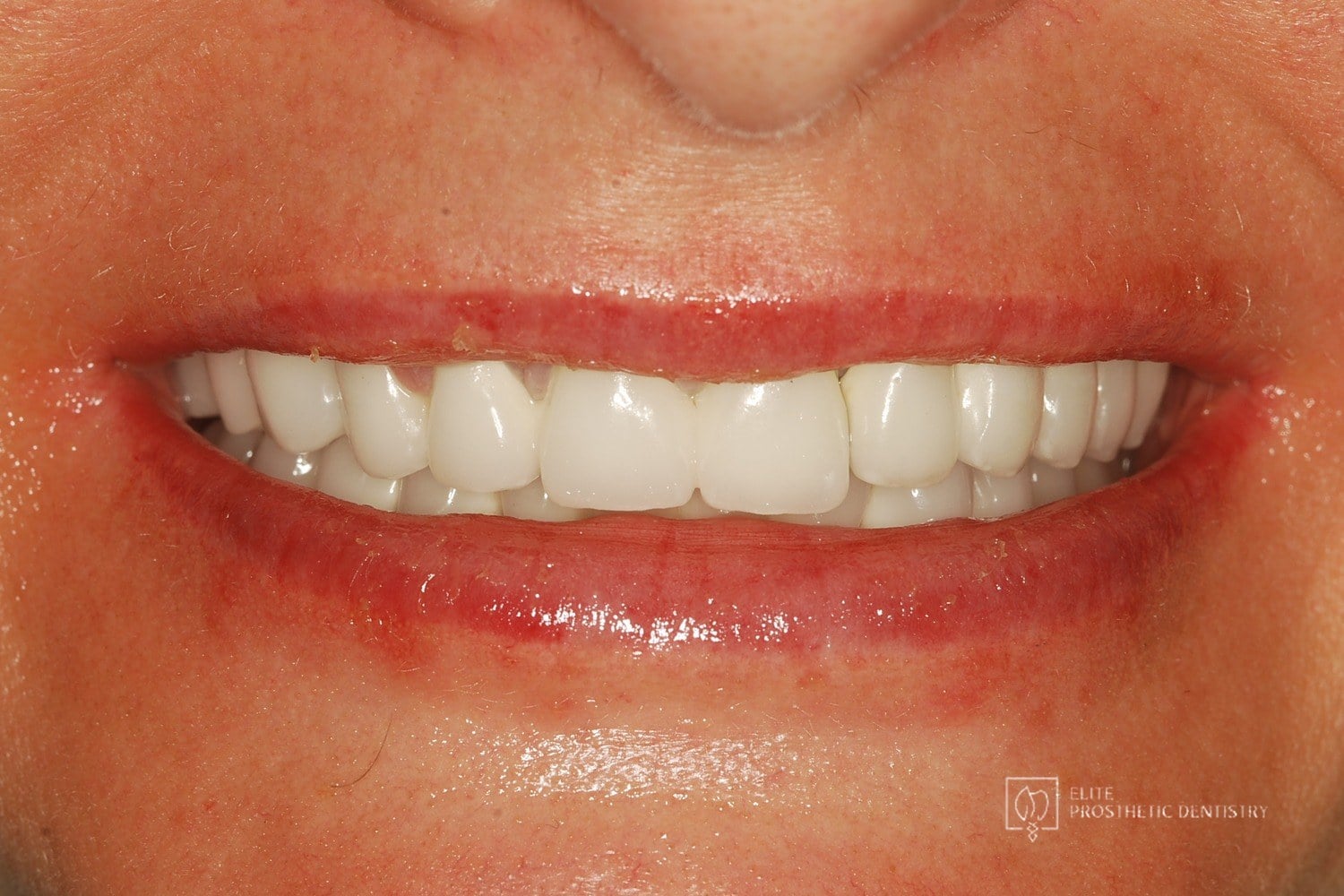 After
After How Aging, Failing Dentistry Was Replaced with a Coordinated Full-Mouth Implant and Crown Reconstruction
The patient presented with throbbing upper-molar pain, long-standing infections, multiple root canals and unfinished prior treatment, generalized sensitivity, and several hopeless teeth.
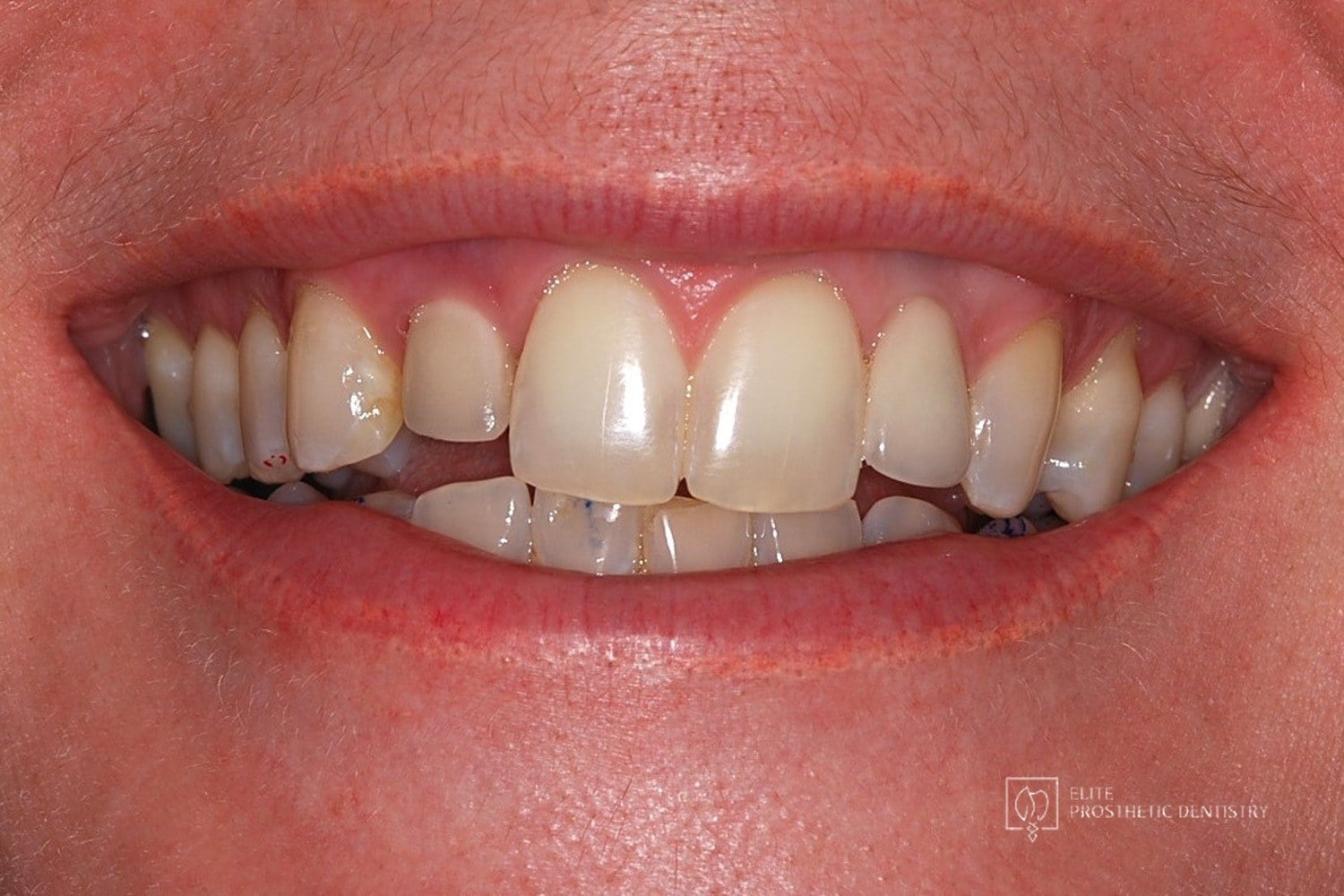 Before
  After
After How Failing Lateral Incisor Implants Were Replaced with Custom Zirconia Bridges After Severe Bone Loss Made Replacement Implants Impossible
Comprehensive examination including CBCT imaging revealed significant bone loss surrounding implants that were placed outside the buccal plate, most likely due to placement without a CBCT-generated surgical guide. The implants were determined non-salvageable, and the alveolar ridge was too narrow to support replacement implants without extensive reconstruction.
 Before
  After
After How Aging, Opaque Restorations Were Replaced with Customized Ceramic Restorations Designed for Long-Term Natural Esthetics
The existing restorations appeared opaque, worn, and unnatural over time, affecting both confidence and overall smile harmony.