
Implant Denture Repair in Cabin John, MD
Expert implant denture repair in Cabin John, MD. Dr. Marlin specializes in restoring loose, damaged, and failing implant-supported dentures.
Cabin John’s affluent community values quality craftsmanship and specialized expertise. When implant-supported dentures that delivered excellent function for years suddenly develop problems, Cabin John residents want access to a specialist with genuine expertise in prosthodontic repair. Dr. Gerald Marlin, a specialty-trained prosthodontist with decades of clinical experience and an on-site laboratory, is conveniently located just 10 minutes north via MacArthur Boulevard.
Unlike general dentists, prosthodontists specialize exclusively in complex prosthetic systems like implant dentures. This specialization provides Cabin John patients with diagnostic accuracy and repair success rates that general practitioners cannot match.
Why Implant Dentures Require Specialist Repair
Implant dentures combine surgical implantology, prosthodontic design, mechanical engineering, and materials science. When problems develop, identifying the specific failure mechanism requires knowledge that general dentists simply don’t possess.
Cabin John patients often consult their general dentist about denture problems and receive vague explanations about bone loss combined with recommendations to replace the denture entirely. This approach misses the actual problem in many cases, leading to unnecessary expense.
A patient might have simple locator cap wear that’s easily repaired for a fraction of denture replacement cost. Or loose framework screws that require 20 minutes of screw tightening. Yet the general dentist attributes all looseness to bone loss and recommends replacement.
Dr. Marlin’s specialty training enables him to distinguish between simple repairable problems and situations that truly require replacement. This diagnostic precision saves Cabin John patients significant money while successfully restoring denture function.
Understanding Locator Attachment System Failures
Most snap-in implant dentures rely on locator attachment systems combining metal and synthetic components. These attachments gradually fail through predictable wear patterns. Understanding this mechanism helps explain why your loose snap-in denture might feel progressively looser despite being structurally intact.
Locator attachments consist of a male component attached surgically to the implant abutment, and a female component housing synthetic rubber caps embedded in the denture base. When you insert the denture, the female component slides over the male component, and the synthetic caps engage and grip, holding the denture in position.
These synthetic caps compress slightly with each insertion and removal. They also degrade gradually from saliva exposure and age. Factors that accelerate wear include aggressive insertion technique, exposure to heat which softens the material, and certain saliva chemistry that can degrade rubber compounds.
The progression is predictable. Your denture feels stable when new. After several years, you might notice subtle looseness that seems minor and easily managed. You compensate by inserting the denture differently or being more careful when eating. Over months, the looseness becomes more obvious. Eventually, the denture might come out unexpectedly during eating or smiling.
The good news is that replacement of worn caps restores retention to like-new condition. Dr. Marlin removes the old worn caps and installs new synthetic caps, re-engaging the attachment mechanism. This repair takes less than an hour and successfully restores retention in virtually all cases.
Bar-Retained Denture Framework Issues
Cabin John patients with bar-retained dentures sometimes experience stability problems that develop gradually. Bar-retained dentures provide excellent stability because they use a metal bar connecting multiple implants, creating a rigid foundation more stable than snap attachments.
However, this design introduces different failure modes. The bar attaches to individual implants via small titanium or gold screws. These screws must maintain proper tension to keep the framework in precise position. Over years of chewing, the screws gradually loosen from repetitive forces.
The loosening is often subtle at first. Patients might notice a barely perceptible movement when chewing specific foods. Some notice clicking sounds from the denture area. As looseness progresses, denture rocking becomes obvious, and stability confidence decreases.
Dr. Marlin uses specialized instruments to check screw tightness and tighten any loose screws to proper specifications. This often takes 20 to 30 minutes and frequently resolves denture movement issues completely. Many Cabin John patients report that stability improves dramatically after this simple procedure.
Occasionally, bar-retained dentures develop more serious framework problems. The bar itself might fracture or develop visible cracks. These problems typically reflect years of concentrated stress, often from uneven loading caused by opposing tooth loss or other factors.
Bar fractures usually require bar replacement. However, the existing denture acrylic teeth and base components can often be preserved and bonded to a new bar. This targeted approach costs significantly less than complete denture replacement while restoring full structural integrity.
Acrylic Base Damage and Repair Options
Cabin John residents sometimes notice cracks appearing in their denture acrylic base. These cracks develop from several sources: thermal cycling from temperature extremes (hot beverages followed by cold drinks), night grinding if you clench your teeth, direct impacts from dropping the denture, or accumulated fatigue over decades of wear.
Small surface cracks in non-structural areas sometimes can be sealed with acrylic resin and remain serviceable. Cracks in structural areas typically compromise base integrity and require base replacement.
Dr. Marlin carefully assesses cracks, determining their location and extent. Small cosmetic cracks might require only sealing. Large structural cracks require base replacement.
For cracks requiring base replacement, our on-site laboratory can preserve existing acrylic denture teeth and attachment components while fabricating a new acrylic base. This targeted approach costs significantly less than complete denture replacement. The new base material is fresh and durable, providing many additional years of function.
For dentures older than 20 years, multiple cracks might develop simultaneously, sometimes indicating that full replacement is more practical than sequential repairs. Dr. Marlin provides honest assessment of whether repair or replacement makes sense for your specific situation.
Denture Tooth Fracture and Material Selection
Acrylic denture teeth occasionally fracture from impacts or chewing, particularly if you eat hard foods. These fractures affect function and esthetics. Broken teeth require replacement.
Our laboratory replaces broken teeth, carefully matching color to existing denture teeth. The replacement is seamless and restores both function and appearance.
Some Cabin John patients choose this opportunity to upgrade to more durable porcelain denture teeth. Porcelain resists staining better than acrylic and is more durable long-term, though it’s more brittle and produces more noise when chewing. Acrylic is more forgiving if broken but stains more easily. Dr. Marlin discusses the advantages and disadvantages of each material option.
Bone Loss Around Implants and Denture Changes
Cabin John patients sometimes wonder whether bone loss around implants causes their denture problems. In significant cases, bone grafting may be necessary. Bone around implants does resorb naturally, but the process is gradual and usually creates minimal denture movement.
Annual bone resorption around implants averages less than 1 millimeter during the first few years after implant placement, then stabilizes at even slower rates as bone achieves equilibrium. Even small amounts of bone resorption don’t typically cause obvious denture looseness or movement.
However, if bone resorption occurs unevenly, the denture might contact supporting tissues unevenly, creating a rocking sensation. The denture tilts around a single contact point rather than distributing pressure evenly across tissues. This condition requires denture adjustment or selective tissue relining to redistribute contact pressure.
Dr. Marlin uses specialized imaging and examination techniques to distinguish between even resorption requiring no treatment and uneven resorption requiring correction.
Getting Here from Cabin John
Cabin John residents reach Elite Prosthetic Dentistry conveniently in approximately 10 minutes via MacArthur Boulevard. Simply follow MacArthur Boulevard north toward Washington, DC. The office is located at 4400 Jenifer Street NW, Suite 220, Washington, DC 20015, in the Forest Hills neighborhood immediately north of Washington.
Convenient parking is available on the building lot. The brief commute makes denture repair and maintenance appointments quick and convenient for Cabin John professionals with busy schedules.
Advanced Diagnostic Capabilities
Dr. Marlin uses diagnostic techniques that identify problems many general dentists miss. Specialized high-definition imaging reveals subtle framework cracks, implant screw looseness, and attachment component shifts not visible to the naked eye. Precision measurement of denture mobility determines whether looseness originates from attachment wear, framework movement, bone changes, or a combination of factors.
This diagnostic precision ensures repair addresses actual problems rather than guessed causes. Many Cabin John patients arrive after unsuccessful repairs elsewhere where dentists treated surface problems without identifying root causes.
In-House Laboratory Advantage
Elite Prosthetic Dentistry’s in-house laboratory provides Cabin John patients with same-day or next-day repair capabilities. Simple repairs like locator cap replacement are often completed while you wait. More complex repairs take only several days rather than the weeks typical when dentures are sent to outside laboratories.
Laboratory technicians working directly in our office coordinate with Dr. Marlin throughout the repair process, ensuring that work meets exacting standards. You avoid communication delays and quality variability that result from outside laboratory services.
Long-Term Denture Care and Maintenance
Implant dentures with proper care typically function reliably for 20 to 30 years or longer. Normal maintenance includes periodic attachment component replacement every 2 to 4 years, annual professional evaluation by Dr. Marlin, and occasional denture adjustments.
These routine maintenance items are normal prosthetic care, not indicators of denture failure. Think of it similar to vehicle maintenance: regular oil changes and inspections prevent major problems and extend vehicle life. Similarly, regular implant denture care extends denture life.
Dr. Marlin provides specific guidance on care practices that prevent or minimize future problems. Gentle handling during insertion and removal protects mechanical attachment components. Daily cleaning with soft brushes prevents plaque buildup. Avoiding extreme temperatures protects acrylic from thermal stress. Protecting dentures from drops and impacts prevents sudden damage.
Many Cabin John patients find that annual professional evaluations catch developing problems early, preventing small issues from becoming major repairs requiring significant expense.
Emergency Denture Repair
If your denture breaks, loosens severely, or develops a significant problem while you’re unable to reach our office immediately, contact us for emergency guidance. Dr. Marlin works with patients experiencing denture emergencies. Many urgent problems can be addressed quickly through rapid appointment scheduling.
Our on-site laboratory enables same-day repairs for many emergency situations. Avoid attempting temporary self-repairs, which often create new problems.
Related Resources
- Implant denture problems and solutions
- Repairing failing implants
- Full and partial dentures
- All-on-4 and All-on-6 implant solutions
- Removable prosthodontics
- Comfortable denture solutions
- Patient success stories
- Meet Dr. Gerald Marlin, specialty-trained prosthodontist
- Our in-house dental laboratory
- Dental implant information
- Schedule an appointment
Schedule Your Consultation or call (202) 244-2101
Cabin John residents with failing implant dentures have expert repair solutions available just minutes away. Most common denture problems are repairable, and many can be fixed without complete denture replacement. Contact Elite Prosthetic Dentistry to schedule an evaluation and discover whether your denture can be restored to full function and confidence.
Frequently Asked Questions
What causes an implant denture to move during eating?
Denture movement during eating indicates either inadequate attachment retention or unstable denture position on the underlying bone. With snap-in dentures, worn locator attachments cause movement. With bar-retained dentures, loose framework screws create movement. With all implant types, uneven bone loss underneath the denture can cause the denture to rock on certain points rather than being fully supported. Some patients unconsciously manipulate their dentures while eating, which might feel like involuntary movement. Dr. Marlin determines the exact cause and directs appropriate repair.
Why is my implant denture uncomfortable even though it was fitted perfectly years ago?
Comfort changes over years for several reasons. Bone around implants gradually resorbs, changing denture pressure distribution. Acrylic materials age and can become less comfortable. If you've adjusted your chewing patterns to accommodate discomfort, muscle fatigue can create new discomfort patterns. Sometimes food accumulation under the denture or buildup on attachment components creates irritation. Annual professional evaluation identifies the source of discomfort and directs targeted solutions rather than guessing about causes.
Can I adjust my implant denture myself if it feels loose?
Attempting self-repair on implant dentures is strongly discouraged. Adjusting dentures requires precision instruments and knowledge of which structures can be modified safely. Over-tightening implant screws causes problems. Over-filing denture attachment contact surfaces can't be undone. Temporary self-adjustments often create new problems. What seems like a simple tightening might require dental laboratory expertise. Let Dr. Marlin's office handle adjustments. Professional repair is more efficient and prevents self-inflicted damage.
How long should an implant denture last before major repair is needed?
Well-maintained implant dentures last 15 to 30 years before major repair or replacement becomes necessary. Locator attachment replacement every few years is normal maintenance, not a major repair. Denture relining or adjustment is routine. Complete denture base replacement might occur after 20 years of wear. Framework replacement is rare if the denture wasn't damaged by trauma. Age isn't the primary factor in when repairs become needed. Proper care, regular maintenance, and appropriate usage patterns determine longevity.
What happens if my implant denture breaks and I can't reach Dr. Marlin immediately?
Emergency implant denture problems require professional attention but allow some time. If your denture breaks, avoid using it until repaired because sharp edges can cut tissues and temporary measures often cause new damage. If the denture loosens or becomes unstable, wearing it might accelerate other problems. Contact Dr. Marlin's office for emergency guidance even after hours. Many urgent problems can be scheduled for rapid appointments. For emergencies far from Washington, DC, seek a prosthodontist's care rather than a general dentist unfamiliar with complex implant dentures.
Related Patient Success Stories
Explore similar patient success stories demonstrating our expertise in advanced prosthetic dentistry.
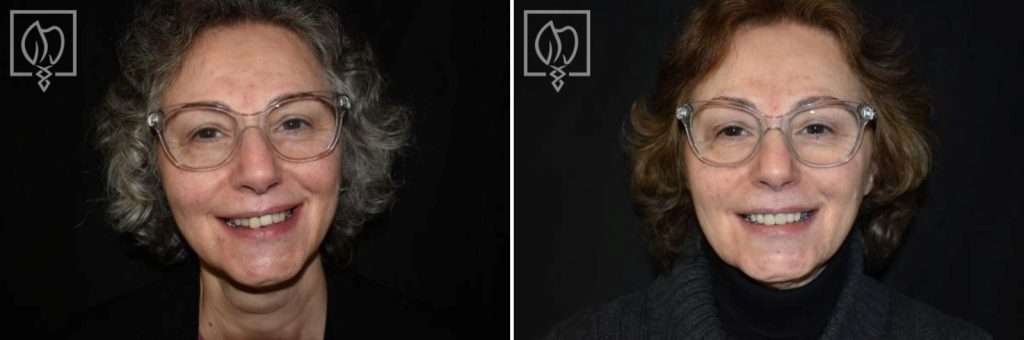
Temporary Crowns Restore Patient's Smile in Just One Day with an Immediate Smile Makeover
A patient from Potomac, Maryland, came to Elite Prosthetic Dentistry with the chief complaint of pain from a failing dental implant and its significant impact on her appearance.
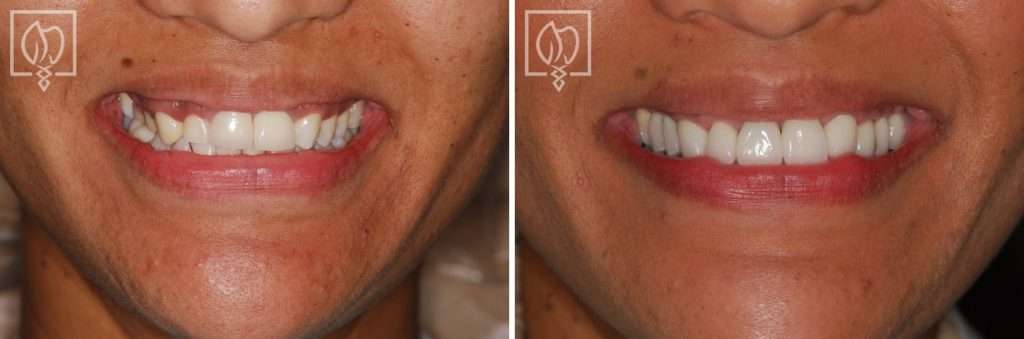
Multi-Faceted Treatment for Patient Unhappy With Her Artificial-Looking Crowns, Teeth and Gums
Many patients come to Elite Prosthetic Dentistry unhappy with the appearance of their smile. However, this particular patient presented with multiple interconnected problems that together created a smile she found deeply unsatisfying.
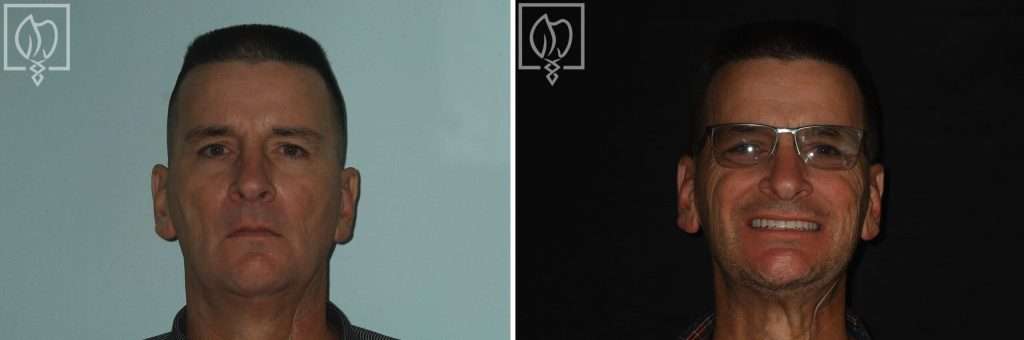
Treating Kevin’s Collapsed Bite with a Complete Smile Makeover with New Dentures
Dentures are sometimes not created to the ideal aesthetic and functional scheme. When improperly fabricated, dentures can make an individual appear almost a generation older than their actual age. They can have a poor fit that feels loose and unstable when eating or speaking, and they can actually accelerate bone loss over time.
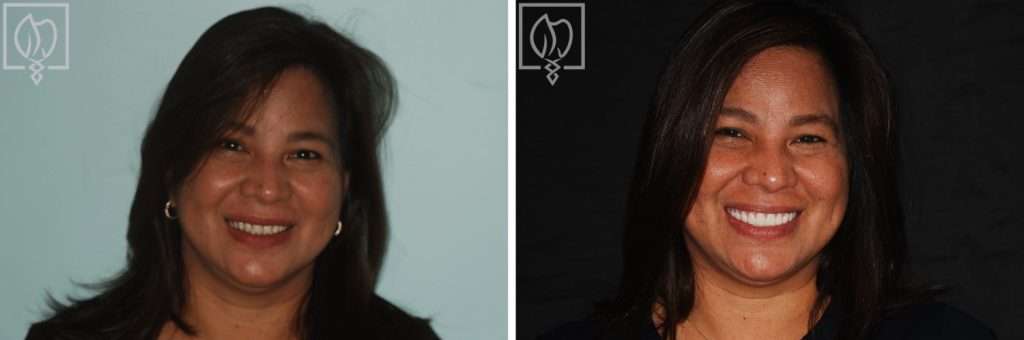
Rejuvenating Maria’s Severely Worn Down Implant Overdentures
Many times, per year, patients come to us frustrated because their implant prosthesis is so severely worn down that they are very self-conscious and cover up their smile. They look and feel much older than their age as a result of the extensive wear of their appliance(s).
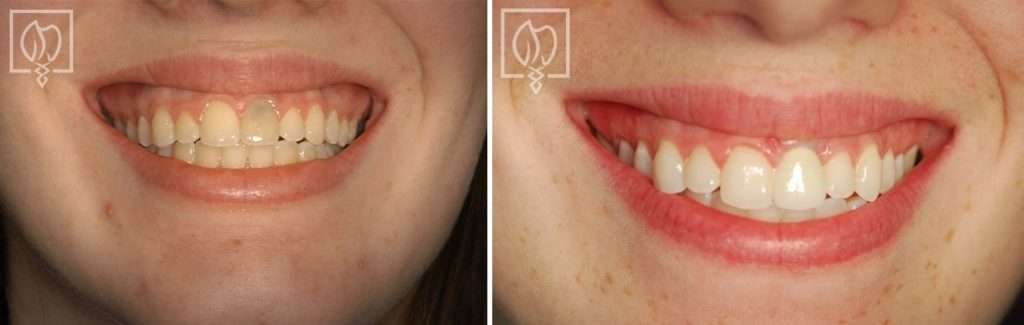
Replacing a Discolored Front Tooth with a Precision Placed Implant
Some of the most challenging restorations occur when fabricating an anterior crown to fit on an implant. Not only does one have the difficulty of matching the single front tooth to the other ones in the high visibility zone, but the dentist must also ensure the position of the underlying implant is precise through accurate preplanning and placement.
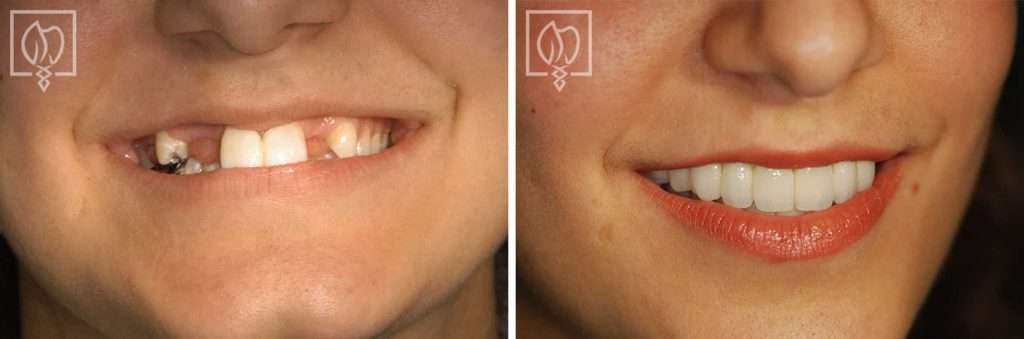
Treating Congenitally Missing Teeth in a Teenager with Dental Implants
A 16-year-old patient from McLean, Virginia, presented with a condition where she was congenitally missing several teeth, meaning they were missing from birth.
Related Articles
Deepen your knowledge with additional insights on this topic.
 Dental Implants
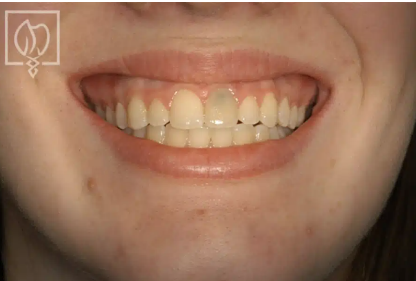
 If a Single Front Tooth is Replaced with an Implant, can it Look Natural?
A single front tooth implant can look completely natural with precision placement, custom abutments, and hand-crafted porcelain crowns. Washington, DC.
 Dental Implants
 What is Precision Implant Placement (PIP)?
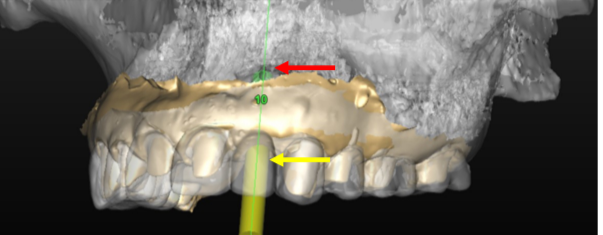
Learn what Precision Implant Placement (PIP) is and how meticulous planning ensures optimal implant positioning for long-lasting results in Washington, DC.
 Dental Implants
 What is the ideal Surgical Guide for Precision Implant Placement?
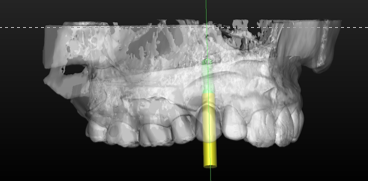
CBCT-based surgical guides allow virtual implant planning for precise positioning in optimal bone, ensuring predictable results in Washington, DC.
 Dental Implants
 When Should an Implant not be Done?
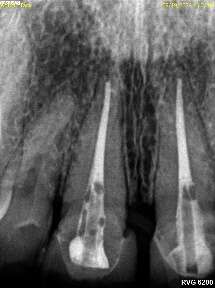
Not every patient is a candidate for dental implants. Learn when healthy roots, fragile bone, or steep angles may make alternatives the better choice.
 Dental Implants
 What is Staged Implant Therapy?
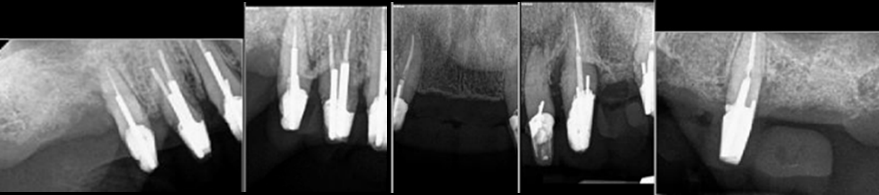
Staged implant therapy replaces teeth gradually using existing teeth as temporary support. A personalized alternative to All-on-X for full-arch cases.
Unveiling the Four Types of Dental Implants: Which One's for You?
Learn about the four types of dental implants - endosteal, subperiosteal, zygomatic, and mini implants - and which option may be right for your needs.
Our Services in Cabin John
Beyond implant-denture-repair, Cabin John patients rely on Dr. Gerald Marlin for a full range of advanced dental care.
More services available in Cabin John:
implant-denture-repair Near Cabin John
Dr. Gerald Marlin also provides implant-denture-repair services for patients in these neighboring communities.
Getting Here from Cabin John
Elite Prosthetic Dentistry is conveniently located near Cabin John, MD.
Cabin John residents reach our office 10 minutes via MacArthur Boulevard north
Address:
4400 Jenifer Street NW, Suite 220
Washington, DC 20015
Phone: (202) 244-2101
Schedule ConsultationSchedule Your Consultation from Cabin John
Cabin John residents trust Dr. Gerald Marlin for precision dental care. With 3,900+ implants placed and 40+ years of experience, your smile is in expert hands.