

Failed All-on-4 Implants in Spring Valley, DC
Struggling with All-on-4 maintenance? Cracks, stains, loose teeth. Expert repair and care guidance in Spring Valley. Get your smile working again.
Failed All-on-4 Implants in Spring Valley, DC: The Maintenance Reality and How to Preserve Your Restoration
You have had your All-on-4 implants for several years now. The initial excitement has worn off, but your prosthesis continues to serve you well functionally. However, you have noticed that keeping it clean is more challenging than you anticipated. Stains develop. Sometimes food seems to get trapped underneath. You have had to have repairs made to chipped teeth or small cracks. You wonder if you are doing something wrong, or if this level of maintenance is normal.
The truth is that All-on-4 prostheses require consistent, meticulous maintenance to remain healthy long-term. Many patients underestimate this maintenance burden when they opt for All-on-4. They imagine that because the restoration is fixed and does not require daily removal, it will be maintenance-free. In reality, the opposite is true. A fixed All-on-4 requires more diligent maintenance than a removable denture because you cannot take it out to clean underneath.
The Maintenance Reality of Fixed All-on-4 Prostheses
A removable prosthesis, like a traditional denture, has an advantage: you can remove it, clean it thoroughly, and let your gums heal and be exposed to saliva during the time the denture is out of your mouth. The oral tissues get a break.
A fixed All-on-4 prosthesis does not come out. Your oral tissues are covered all day and all night. Food particles, bacteria, and plaque accumulate underneath the bridge where your toothbrush cannot reach. Over time, this biofilm creates an environment where inflammation and implant denture problems thrive.
Additionally, acrylic, which is the most common material for All-on-4 bridges, is porous. It absorbs fluids, including colored fluids. Coffee, tea, red wine, and certain foods stain acrylic over time. Regular brushing helps, but you cannot brush away absorbed stains. Professional cleaning and possibly polishing may be needed.
Acrylic is also prone to surface degradation. Small cracks may develop. Teeth may chip at the edges. The interface where the teeth meet the denture base may separate slightly, creating crevices where food can accumulate.
All of these issues are normal and expected in All-on-4 prosthodontics. They are not signs of failure or poor quality. They are simply the reality of living with a fixed prosthesis. The question is whether you are maintaining it well enough to keep problems from accumulating.
Daily Home Maintenance
The foundation of All-on-4 maintenance is excellent daily home care. This is where you have the most control and the most impact on long-term success.
You should brush your teeth and prosthesis at least twice daily, in the morning and before bed, using a soft-bristled toothbrush or an electric toothbrush. Electric toothbrushes are often more effective at plaque removal than manual brushing, particularly in areas that are difficult to access.
Pay particular attention to the area where the teeth meet the denture base, and where the denture base meets your gum tissue. This is where plaque accumulates most readily. Tilt your toothbrush at a 45-degree angle against the gum line and brush gently in small circular motions.
Brushing alone is insufficient. You must also clean under the bridge and between teeth. The area underneath your fixed All-on-4 is inaccessible to your toothbrush, but it is accessible with special interdental cleaning devices.
Floss threaders, which are plastic devices that help you thread dental floss under the bridge, are essential. You thread the floss under the bridge between each tooth and work it back and forth to remove plaque. This takes time and effort, but it is the most effective way to clean the area under your All-on-4.
Water irrigation devices, sometimes called oral irrigators, use a pressurized stream of water to flush food and plaque from under the bridge and around the implant areas. These devices are extremely effective, especially for patients with uncomfortable implant dentures, and many patients find them easier to use than floss threaders.
Antimicrobial rinses, such as chlorhexidine or essential oil-based rinses, help suppress bacterial growth and reduce inflammation. Use these as directed, typically once or twice daily.
Avoid extremely hard, sticky, or crunchy foods. Hard foods can damage your prosthesis. Sticky foods can dislodge parts of your bridge or damage the teeth. Be mindful of what you eat and how you eat.
Professional Maintenance and Cleaning
Even with excellent home care, professional maintenance by a prosthodontist is essential. We have specialized tools, techniques, and knowledge that allow us to clean your prosthesis and implants more thoroughly than home care alone can achieve.
During a professional cleaning visit, we carefully remove your prosthesis if it is attached with a removable fastener, or we thoroughly examine and clean around it if it is cemented. We assess the condition of the implants and surrounding tissues. We look for signs of inflammation, infection, or bone loss around your fixtures.
We clean the undersurface of the prosthesis and the area around the implant attachments. We remove any calculus or biofilm buildup. We assess the fit of the prosthesis and check for any looseness.
We examine the teeth for stains, cracks, or areas of degradation. We may polish the surface to restore shine and remove extrinsic stains.
We inspect the abutments and fasteners to ensure they are secure. We check that all screws are tight and that the prosthesis is stable.
We assess your bite and make sure nothing has changed since your last visit.
We educate you about any findings and reinforce your home maintenance routine.
The frequency of professional visits depends on your individual situation. Patients with excellent home hygiene and low plaque tendency may need visits twice yearly. Patients who struggle with home hygiene, or who have a history of gum disease, may benefit from visits every three months.
Common Maintenance Issues and Solutions
Several maintenance problems occur frequently in All-on-4 cases, and understanding how to address them helps prevent serious complications.
Staining is very common in acrylic All-on-4 prostheses. Extrinsic stains, which are on the surface, can usually be removed with professional polishing. Intrinsic stains, which have been absorbed into the acrylic, are more difficult to remove. Prevention through avoidance of staining foods and beverages, and prompt cleaning after consuming them, is important.
Small cracks in acrylic prostheses often occur at high-stress points, such as where teeth attach to the denture base. These can usually be repaired with composite bonding chairside. However, if cracks recur in the same location, it may indicate a design or stress issue that requires further assessment.
Loose or missing teeth in an All-on-4 bridge can occur if the tooth was not bonded securely to the base, or if stress caused the bond to fail. We can replace the tooth fairly easily if caught early. If a tooth remains loose for extended periods, the gap allows food to accumulate and may accelerate bone loss nearby and require supportive surgical procedures.
Food trapping under the bridge indicates that you may not be cleaning thoroughly enough, or that there is a design issue with the prosthesis that makes complete cleaning difficult. We can often modify the undersurface of the bridge to make it easier to clean, or teach you more effective cleaning techniques.
Inflammation or bleeding around the implant sites indicates plaque accumulation or gum disease. This requires more aggressive home hygiene and possibly more frequent professional cleaning. If inflammation persists despite improved hygiene, we may need to remove the prosthesis to perform deeper cleaning.
Changes in how your prosthesis feels, such as new looseness or shifting, should be reported immediately. These changes may indicate implant problems that need evaluation.
The Relationship Between Maintenance and Implant Longevity
It is critical to understand that your maintenance habits directly impact how long your All-on-4 implants will survive. Implants that are maintained with excellent hygiene and regular professional care remain healthy and functional for decades. Implants that are poorly maintained develop peri-implantitis, bone loss, and failure within years.
This is why we emphasize maintenance so strongly. Your implants are a significant investment. Protecting that investment through conscientious daily care and regular professional maintenance is essential to your long-term dental health.
Cleaning Tools and Techniques
We strongly recommend specific tools and techniques for maintaining All-on-4 prostheses.
Soft-bristled toothbrush or electric toothbrush: Use light pressure and gentle brushing motions to avoid damaging the prosthesis.
Floss threader: These small plastic devices allow you to thread dental floss under the bridge and between teeth. Take time to use them properly between each tooth daily.
Water irrigation device: These are extremely effective at flushing food and plaque from under the bridge. Use once or twice daily, preferably morning and evening.
Antimicrobial rinse: Use as directed to suppress bacterial growth.
Soft picks or rubber stimulators: These help clean the contact points between teeth and stimulate gum tissue.
Avoid: Toothpicks with rigid tips, as they can damage the prosthesis. Abrasive whitening toothpastes, which can damage the acrylic surface. Stiff-bristled toothbrushes, which can scratch the acrylic.
Patient Education and Your Role in Success
One of the most important things we provide is education about how to maintain your All-on-4 properly. During your visits, we teach you specific techniques for brushing, flossing, and cleaning under your bridge. We show you how to use floss threaders and water irrigators. We discuss foods and beverages to avoid or consume carefully.
Your diligence in following this education directly impacts your long-term outcomes. Patients who commit to daily maintenance and regular professional visits rarely experience significant problems. Patients who are inconsistent with home care often develop complications that are difficult to manage, including loose snap-in dentures. This is why we emphasize advanced restorative dentistry and long-term implant health as essential partners.
We believe that patients are partners in their own care. We provide the expertise and professional services, but you must provide the daily commitment to maintenance. When both partners fulfill their roles, outcomes are excellent.
Timeline for Identifying and Addressing Problems
The earlier you identify problems with your All-on-4, the easier they are to address. A small crack found at a professional visit can be repaired with minimal disruption. The same crack that has progressed to a major fracture requires prosthesis replacement.
This is why we encourage patients to have professional visits regularly, and to contact us immediately if they notice anything unusual. Do not wait months to report a problem. Early identification and intervention almost always results in simpler, less costly solutions.
Serving Spring Valley with Maintenance Expertise
Spring Valley residents value quality and longevity in their healthcare choices. Many Spring Valley patients chose All-on-4 implants specifically because they wanted a fixed restoration that they would not have to remove daily. We want to help you get the most value and longevity from that choice.
The key is understanding that fixed restoration requires committed maintenance. If you are willing to invest in daily home care and regular professional visits, your All-on-4 can serve you beautifully for many years. If maintenance is inconsistent, problems will accumulate.
We are here to support your maintenance efforts. We provide the professional expertise and specialized care expected from a skilled prosthodontist, including bone grafting when needed. You provide the daily commitment. Together, we ensure that your All-on-4 remains a source of confidence and function for decades to come.
If you have questions about maintaining your All-on-4, or if you have noticed issues like food trapping or denture movement during eating, contact us for a comprehensive evaluation and maintenance planning visit.
Additional Resources
Learn more about our full-mouth dental implants care and maintenance protocols. Understand how our in-house laboratory supports customized repairs and modifications. Explore our repairing failing implants services when problems occur. Review Dr. Marlin’s expertise in precision implant placement that contributes to easier maintenance. Visit his biography and credentials. Learn about concierge dentistry care that supports proactive implant health. We welcome second opinions on implant care and maintenance strategies. Schedule your maintenance visit today.
Frequently Asked Questions
Why does my All-on-4 require so much maintenance?
All-on-4 prostheses are fixed restorations, meaning they cannot be removed for easy cleaning. Food and plaque accumulate underneath and around the teeth. Additionally, the material, usually acrylic, is porous and absorbs stains. Without meticulous cleaning and regular professional maintenance, problems accumulate quickly.
Can my All-on-4 be cleaned professionally by my regular dentist?
Your regular dentist can perform basic cleaning, but a prosthodontist has specialized knowledge of how to clean fixed All-on-4 prostheses thoroughly without damaging the implant attachments. We have specialized tools and techniques that regular dentists may not possess.
What happens if I do not maintain my All-on-4 properly?
Lack of maintenance leads to plaque accumulation under the bridge, which causes inflammation around the implants. Bacteria colonize, peri-implantitis develops, and bone loss accelerates. Stains accumulate in the acrylic. Cracks in teeth may propagate. Your prosthesis can fail within years instead of decades.
How often should I have my All-on-4 professionally cleaned?
We recommend professional cleaning and inspection every three to six months, depending on your home hygiene habits and your ability to maintain the prosthesis. Patients with excellent hygiene and low plaque-formation tendency may need visits twice yearly. Patients with more challenging hygiene may benefit from quarterly visits.
What can I do daily to maintain my All-on-4?
Brush morning and evening with gentle pressure. Use an electric toothbrush if possible, as it removes more plaque than manual brushing. Floss under the bridge using floss threaders or water irrigation devices designed for implants. Use an antimicrobial rinse. Avoid extremely hard or sticky foods. If anything feels wrong, contact us immediately rather than waiting.
Related Patient Success Stories
Explore similar patient success stories demonstrating our expertise in advanced prosthetic dentistry.

Temporary Crowns Restore Patient's Smile in Just One Day with an Immediate Smile Makeover
A patient from Potomac, Maryland, came to Elite Prosthetic Dentistry with the chief complaint of pain from a failing dental implant and its significant impact on her appearance.
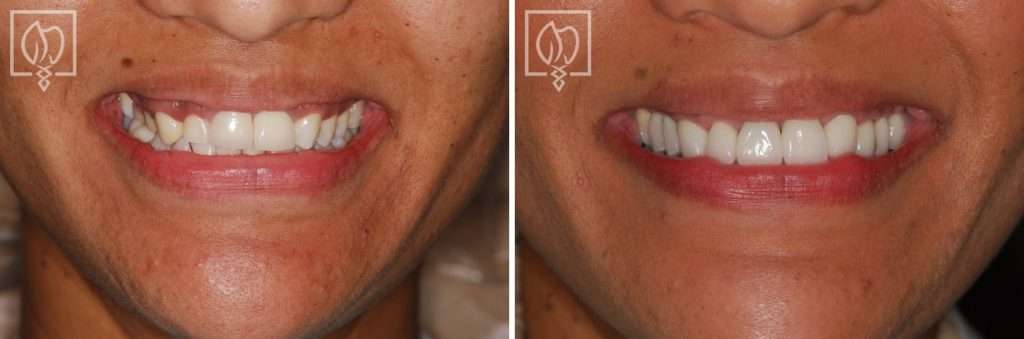
Multi-Faceted Treatment for Patient Unhappy With Her Artificial-Looking Crowns, Teeth and Gums
Many patients come to Elite Prosthetic Dentistry unhappy with the appearance of their smile. However, this particular patient presented with multiple interconnected problems that together created a smile she found deeply unsatisfying.
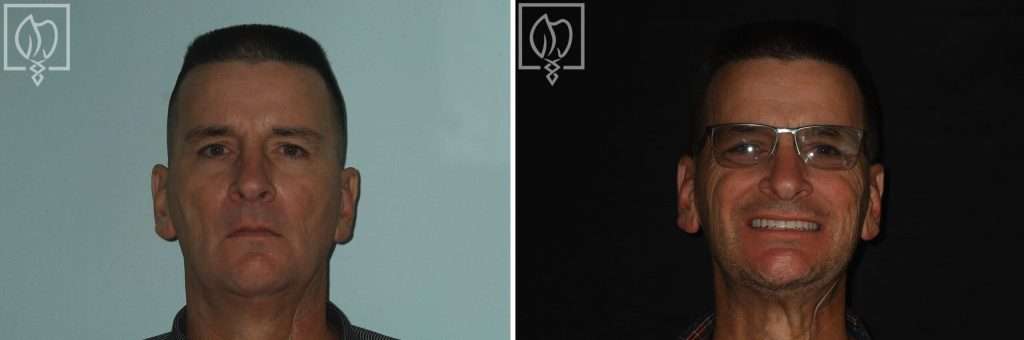
Treating Kevin’s Collapsed Bite with a Complete Smile Makeover with New Dentures
Dentures are sometimes not created to the ideal aesthetic and functional scheme. When improperly fabricated, dentures can make an individual appear almost a generation older than their actual age. They can have a poor fit that feels loose and unstable when eating or speaking, and they can actually accelerate bone loss over time.

Salvaging Ms. N’s Severely Broken-Down Upper and Lower Teeth from Gum and Bone Disease
Many people in the U.S. suffer from extensive periodontal disease characterized by significant bone loss and shrinkage of the gum tissue. This condition can begin at a very young age and worsen quickly due to hereditary factors and lack of early diagnosis by their dentist.

Rejuvenating Maria’s Severely Worn Down Implant Overdentures
Many times, per year, patients come to us frustrated because their implant prosthesis is so severely worn down that they are very self-conscious and cover up their smile. They look and feel much older than their age as a result of the extensive wear of their appliance(s).
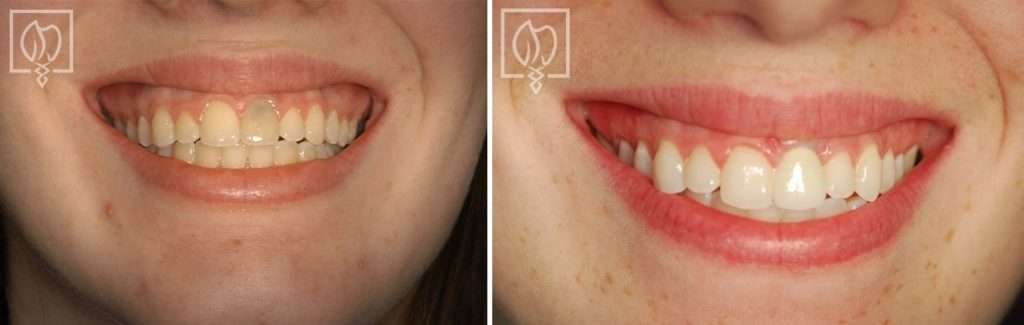
Replacing a Discolored Front Tooth with a Precision Placed Implant
Some of the most challenging restorations occur when fabricating an anterior crown to fit on an implant. Not only does one have the difficulty of matching the single front tooth to the other ones in the high visibility zone, but the dentist must also ensure the position of the underlying implant is precise through accurate preplanning and placement.
Related Articles
Deepen your knowledge with additional insights on this topic.
 Dental Implants
 If a Single Front Tooth is Replaced with an Implant, can it Look Natural?
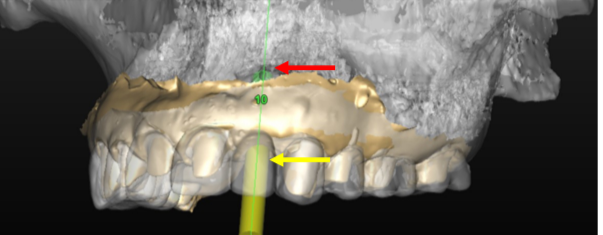
A single front tooth implant can look completely natural with precision placement, custom abutments, and hand-crafted porcelain crowns. Washington, DC.
 Dental Implants
 What is Precision Implant Placement (PIP)?
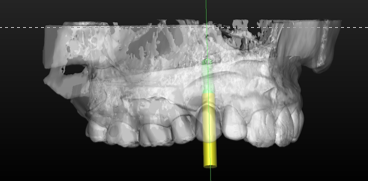
Learn what Precision Implant Placement (PIP) is and how meticulous planning ensures optimal implant positioning for long-lasting results in Washington, DC.
 Dental Implants
 What is the ideal Surgical Guide for Precision Implant Placement?
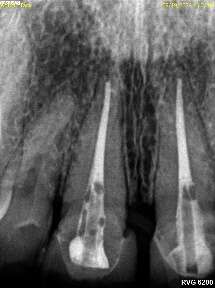
CBCT-based surgical guides allow virtual implant planning for precise positioning in optimal bone, ensuring predictable results in Washington, DC.
 Dental Implants
 When Should an Implant not be Done?
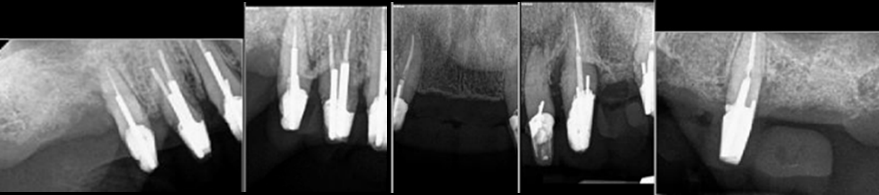
Not every patient is a candidate for dental implants. Learn when healthy roots, fragile bone, or steep angles may make alternatives the better choice.
 Dental Implants
 What is Staged Implant Therapy?
Staged implant therapy replaces teeth gradually using existing teeth as temporary support. A personalized alternative to All-on-X for full-arch cases.
Unveiling the Four Types of Dental Implants: Which One's for You?
Learn about the four types of dental implants - endosteal, subperiosteal, zygomatic, and mini implants - and which option may be right for your needs.
Our Services in Spring Valley
Beyond failed-all-on-4, Spring Valley patients rely on Dr. Gerald Marlin for a full range of advanced dental care.
More services available in Spring Valley:
failed-all-on-4 Near Spring Valley
Dr. Gerald Marlin also provides failed-all-on-4 services for patients in these neighboring communities.
Getting Here from Spring Valley
Elite Prosthetic Dentistry is conveniently located near Spring Valley, DC.
Elite Prosthetic Dentistry is conveniently located just 5 minutes from Spring Valley, accessible via Connecticut Avenue or Yuma Street.
Address:
4400 Jenifer Street NW, Suite 220
Washington, DC 20015
Phone: (202) 244-2101
Schedule ConsultationSchedule Your Consultation from Spring Valley
Spring Valley residents trust Dr. Gerald Marlin for precision dental care. With 3,900+ implants placed and 40+ years of experience, your smile is in expert hands.