
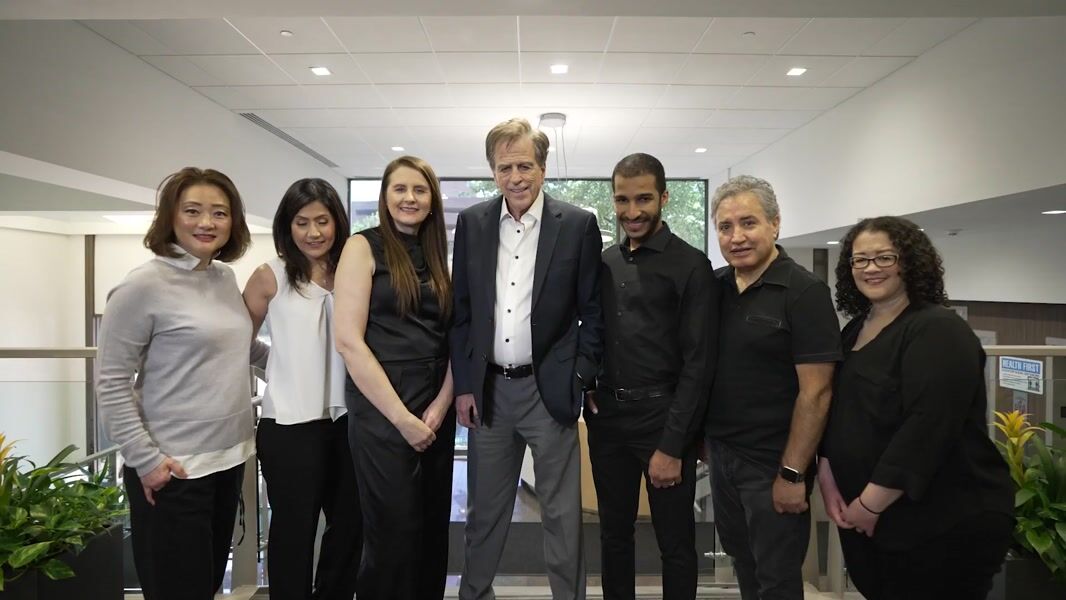
Failed All-on-4 Implants in McLean, VA
Bone loss around All-on-4 implants threatens your restoration's future. Expert monitoring, grafting, and revision in McLean. Protect your investment.
Failed All-on-4 Implants in McLean, VA: Addressing Bone Loss and Peri-Implantitis
Your All-on-4 implants were placed with the expectation that they would serve you for decades. The initial healing went well. The implants integrated successfully. Your prosthesis fit beautifully and functioned perfectly. But recently, during a routine dental visit, your dentist mentioned that you have some bone loss around your implants. The radiographs showed what appeared to be gaps between the implants and the bone that supports them.
This news is concerning, and rightfully so. Bone loss around implants is the most common long-term complication of All-on-4 systems, and if left unchecked, it will eventually lead to implant failure. However, bone loss is not an automatic death sentence for your implants. If identified early and managed correctly through repairing failing implants strategies, bone loss can often be halted or slowed, allowing your implants to serve you many more years.
The Biomechanics of Bone Loss in Full-Arch Implant Cases
To understand why bone loss is so common around All-on-4 implants, we need to consider the biomechanical environment created by this system. A natural tooth is suspended in the bone by a periodontal ligament, which is an elastic connective tissue. This ligament absorbs shock, distributes forces, and provides proprioceptive feedback. When you chew, the periodontal ligament gives slightly, cushioning the forces and protecting the bone.
A dental implant, by contrast, is rigidly integrated into the bone. There is no elastic ligament. The implant and bone are directly connected at the microscopic level. When you chew, the forces are transmitted directly to the bone with no shock absorption.
In a single tooth implant, this is not usually a major problem. The implant is surrounded by bone, and the forces are distributed relatively evenly. But in an All-on-4 system, the implants are supporting a prosthesis that distributes force in ways that may not perfectly match the implant’s designed load capacity.
Additionally, the All-on-4 prosthesis is fixed, meaning you cannot remove it. This is excellent for function and comfort, but it is problematic for cleansability. With a removable denture, patients can take it out, clean underneath, and maintain excellent hygiene. With a fixed All-on-4 bridge, food and plaque accumulate underneath, and even meticulous brushing cannot remove all biofilm from these areas.
This combination of factors: rigid force transmission, unevenly distributed loading, and imperfect cleansability, creates an environment where bone loss is common.
Peri-Implantitis: The Primary Driver of All-on-4 Failure
Bone loss around implants is usually caused by peri-implantitis, which is inflammation around the implant due to bacterial colonization. Plaque bacteria accumulate around the implant, triggering an inflammatory response. The body attempts to wall off the infection by resorbing bone. As bone is lost, the implant becomes less stable, which allows more movement and more bacterial infiltration, accelerating further bone loss and requiring bone grafting.
Peri-implantitis can be silent in its early stages. You may not notice any symptoms. Your bite may feel unchanged. There may be no discomfort or swelling. The only way to detect early peri-implantitis is through radiographic monitoring, which shows bone loss, or through clinical assessment, which may show increased mobility of the prosthesis or slight bleeding around the implant margins.
As peri-implantitis progresses, symptoms become more obvious. You may notice the prosthesis becoming slightly loose or mobile. You might taste or smell drainage from around an implant. You might have discomfort when chewing on one side. Swelling or redness may become visible.
By the time symptoms are obvious, significant bone loss has usually already occurred. This is why early detection through regular monitoring is so important.
Risk Factors That Accelerate Bone Loss
Not all patients experience bone loss around All-on-4 implants at the same rate. Certain factors accelerate the process and should be managed aggressively.
Smoking is perhaps the single most significant risk factor. Smoking impairs blood flow and immune response, compromising the body’s ability to fight bacterial colonization. Heavy smokers develop peri-implantitis around All-on-4 implants at dramatically higher rates than non-smokers. If you are a smoker and have All-on-4 implants, smoking cessation should be a priority for long-term implant health.
Diabetes, especially if poorly controlled, significantly increases peri-implantitis risk. The inflammatory response is compromised in diabetes, making it harder for your body to control bacterial biofilm. If you have diabetes and All-on-4 implants, tight glucose control and regular implant monitoring are essential.
Poor oral hygiene accelerates bone loss. If you are not maintaining excellent brushing and flossing around your All-on-4 bridge, bacteria will flourish. You must clean the areas around and beneath your prosthesis at least twice daily.
History of natural tooth periodontal disease is another risk factor. If you lost your original teeth due to gum disease, you have an inherent susceptibility to bacterial infection. That same susceptibility continues around your implants. You must be even more vigilant with implant maintenance.
Bruxism, or nighttime grinding, can accelerate bone loss by creating excessive lateral forces on the implants. If you grind, a protective nightguard is important.
The Monitoring and Intervention Strategy
If you have been told you have bone loss around your All-on-4 implants, the next step is a comprehensive assessment. We will take new radiographs if recent ones are not available, compare them to previous radiographs to assess the rate of bone loss, and clinically examine your implants for mobility, inflammation, or other signs of distress.
We will also discuss your risk factors. Do you smoke? Do you have diabetes? What is your oral hygiene regimen? Have you had gum disease in the past? This information helps us determine how aggressively we need to intervene.
If bone loss is minimal and stable, and if you are willing to commit to excellent oral hygiene and regular monitoring, we may recommend close surveillance. You will have clinical exams every six months and radiographs annually. We will teach you specific cleaning techniques for your All-on-4 prosthesis that maximize plaque removal.
If bone loss is more significant or progressing, we move to active intervention.
Active Management of Bone Loss
When bone loss is advancing, we implement several strategies to halt or slow the progression. This may involve bone grafting and comprehensive implant repair.
First, we remove your All-on-4 prosthesis to perform thorough cleaning and disinfection. We cannot adequately treat peri-implantitis while your prosthesis is in place. We clean each implant surface thoroughly, removing biofilm, calculus, and any diseased bone. We may use antimicrobial agents or antibiotics locally to suppress bacterial growth.
Second, we address any mechanical factors that may be contributing to the problem. Is your bite uneven? We may need to adjust occlusion. Are your implants angled in a way that creates stress concentration? We may need to redesign your prosthesis to better distribute forces.
Third, we optimize your oral hygiene. We teach you precisely how to clean around your implants. We may recommend special irrigation systems or antimicrobial rinses. If you are a smoker, we strongly encourage cessation.
If your prosthesis is in excellent condition and fits well, we can often replace it after cleaning and treatment. However, if your prosthesis is contributing to the problem, we may need to fabricate a new design that is easier to clean or that better distributes forces.
Bone Grafting for Significant Bone Loss
If bone loss has been severe, and if halting further progression leaves you with inadequate bone support around some of your implants, bone grafting may be indicated. Bone grafting can help regenerate bone and improve implant stability long-term, particularly when combined with supportive surgical procedures.
We have multiple bone graft options available, including autogenous bone harvested from your own body, allogeneic bone from a tissue bank, or synthetic bone substitutes. We also have access to growth factors and membranes that enhance bone regeneration. The goal is to rebuild sufficient bone to restore implant stability and durability.
Our in-house laboratory allows us to place bone grafts and monitor healing with direct oversight. If grafting is needed, we discuss this thoroughly so you understand the process, the timeline, and the expected outcomes.
Long-Term Management and Prevention
Once we have addressed bone loss and halted progression, the focus shifts to long-term prevention. You will continue with regular monitoring. Clinical exams every six to twelve months, radiographs every 12 to 24 months, and an annual comprehensive assessment are typical recommendations.
At each visit, we assess your oral hygiene, look for any signs of recurrent inflammation, and reinforce cleaning techniques. We monitor your risk factors and encourage you to optimize modifiable factors like smoking cessation, diabetes control, and plaque removal.
If you are ever concerned about your implants, do not wait for your next scheduled appointment. Call us immediately. Bone loss can accelerate suddenly, and early intervention is always superior to late intervention.
The Specialist Advantage in Complex Cases
Managing bone loss around All-on-4 implants requires expertise that goes beyond routine implant dentistry. You need a prosthodontist who understands implant biomechanics, who has experience managing peri-implantitis, and who can make sound judgments about when to intervene, how aggressively to treat, and what prosthetic modifications will prevent recurrence.
Dr. Gerald Marlin brings exactly this expertise. He has spent decades managing complex All-on-4 cases, including those with significant bone loss. He understands the interface between implant health and prosthetic design. He knows how to modify prostheses to reduce peri-implantitis risk and how to intervene surgically when needed.
Additionally, our in-house laboratory means that any prosthetic modifications or new prosthesis fabrication is done with direct oversight and quality control. This is crucial when managing compromised implants that cannot tolerate errors in fit or bite.
Serving McLean with Advanced Implant Expertise
McLean residents have typically invested significantly in their healthcare and expect excellent outcomes. Many McLean patients come to us after developing complications with All-on-4 implants placed elsewhere. They want an expert who will manage their implants comprehensively and give them a clear path to long-term success.
If you have been told you have bone loss around your All-on-4 implants, do not panic, but do take action. Contact us for a detailed evaluation. We will assess your situation, explain what is happening and why, and propose a comprehensive management plan. In most cases, even with significant bone loss, we can stabilize your implants and protect your investment.
Your implants can continue to serve you well with proper management and your commitment to excellent oral hygiene and regular monitoring. We are here to guide you through this process and help you achieve long-term success.
Additional Resources
Learn more about our approach to repairing failing implants and our bone grafting services. Understand full-mouth reconstruction failure and prevention strategies. Explore our in-house laboratory capabilities for prosthetic modifications. Review Dr. Marlin’s precision implant placement techniques that minimize long-term complications. Consider concierge dentistry support for ongoing implant monitoring. Learn about payment solutions through our financing programs. See Dr. Gerald Marlin’s credentials and professional background. We welcome second opinions on your case. Schedule your comprehensive implant assessment today.
Frequently Asked Questions
Why is bone loss so common around All-on-4 implants?
Bone loss around implants, called peri-implantitis, occurs when inflammation develops around the implant due to plaque, gum disease, or implant-related factors. All-on-4 cases are particularly susceptible because the implants are bearing significant load and because the fixed nature of the prosthesis makes it difficult for patients to clean underneath. Once bone loss begins, it often accelerates.
How much bone loss is concerning?
Small amounts of bone loss in the first year after implant placement are normal, typically less than 1-2mm. However, ongoing bone loss beyond the first year, or loss of more than 2-3mm around an implant, is concerning and indicates inflammation or mechanical issues. Radiographic monitoring is essential.
Can bone loss around All-on-4 implants be treated or reversed?
Early intervention is important. We manage bone loss through improved plaque control, removal of irritants, sometimes local antibiotic therapy, and addressing any biomechanical issues. Once bone is lost, we cannot regenerate it with certainty, but we can stop the progression. Bone grafting may help rebuild lost bone in some cases.
What is peri-implantitis and how serious is it?
Peri-implantitis is inflammatory disease around implants, similar to periodontitis around teeth. It presents with bleeding, swelling, bone loss, and sometimes drainage. If untreated, peri-implantitis will lead to implant failure. Early detection and intervention are critical.
How often should I have my All-on-4 implants checked for bone loss?
We recommend clinical examination at least annually and radiographic assessment every 12 to 24 months, depending on your risk factors. If you have a history of gum disease or other risk factors, more frequent monitoring may be appropriate. Catching problems early allows us to intervene before significant damage occurs.
Related Patient Success Stories
Explore similar patient success stories demonstrating our expertise in advanced prosthetic dentistry.

Temporary Crowns Restore Patient's Smile in Just One Day with an Immediate Smile Makeover
A patient from Potomac, Maryland, came to Elite Prosthetic Dentistry with the chief complaint of pain from a failing dental implant and its significant impact on her appearance.
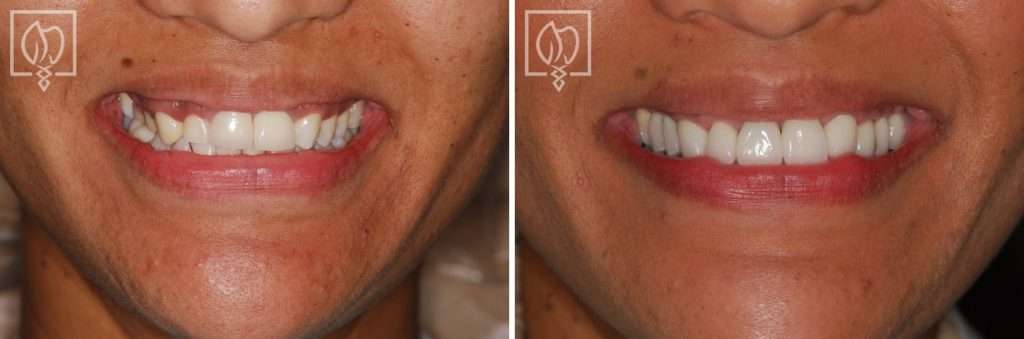
Multi-Faceted Treatment for Patient Unhappy With Her Artificial-Looking Crowns, Teeth and Gums
Many patients come to Elite Prosthetic Dentistry unhappy with the appearance of their smile. However, this particular patient presented with multiple interconnected problems that together created a smile she found deeply unsatisfying.
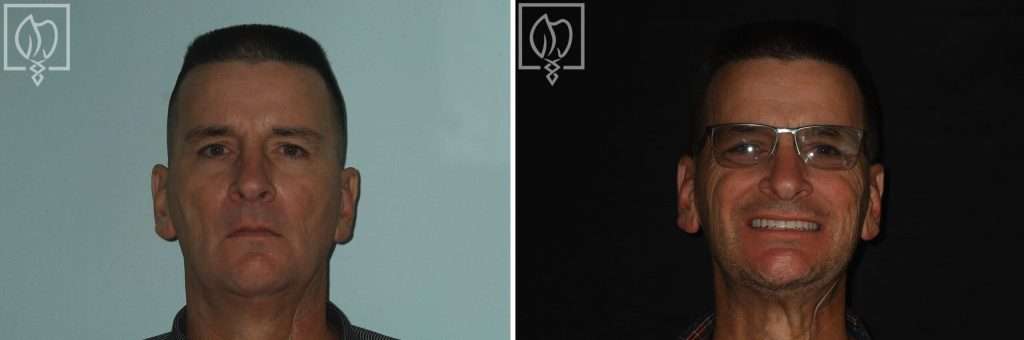
Treating Kevin’s Collapsed Bite with a Complete Smile Makeover with New Dentures
Dentures are sometimes not created to the ideal aesthetic and functional scheme. When improperly fabricated, dentures can make an individual appear almost a generation older than their actual age. They can have a poor fit that feels loose and unstable when eating or speaking, and they can actually accelerate bone loss over time.
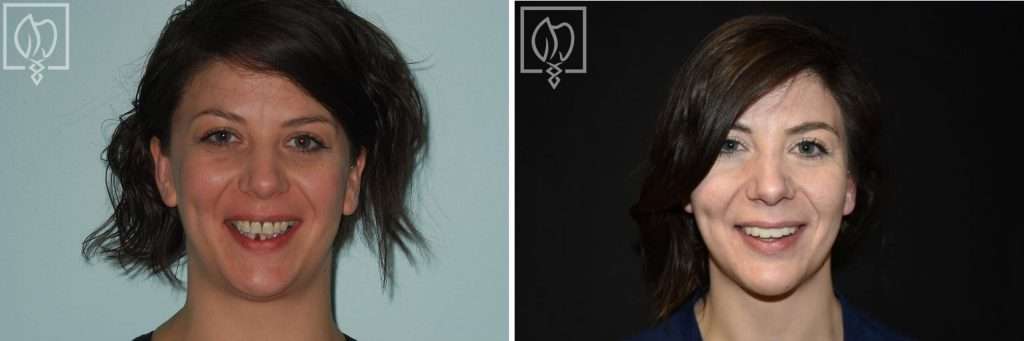
Salvaging Ms. N’s Severely Broken-Down Upper and Lower Teeth from Gum and Bone Disease
Many people in the U.S. suffer from extensive periodontal disease characterized by significant bone loss and shrinkage of the gum tissue. This condition can begin at a very young age and worsen quickly due to hereditary factors and lack of early diagnosis by their dentist.

Rejuvenating Maria’s Severely Worn Down Implant Overdentures
Many times, per year, patients come to us frustrated because their implant prosthesis is so severely worn down that they are very self-conscious and cover up their smile. They look and feel much older than their age as a result of the extensive wear of their appliance(s).
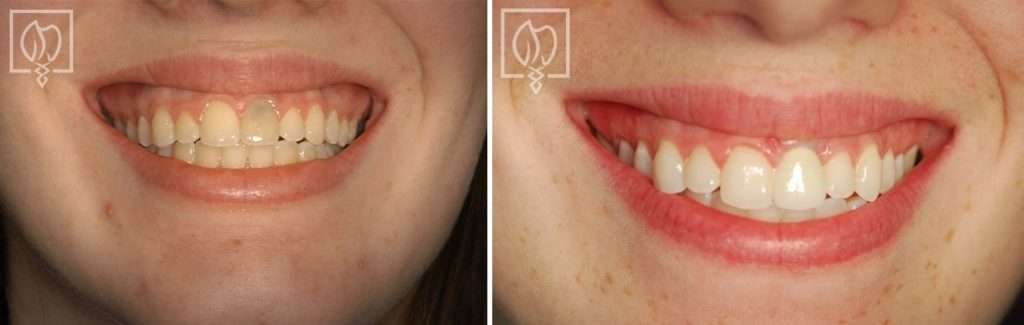
Replacing a Discolored Front Tooth with a Precision Placed Implant
Some of the most challenging restorations occur when fabricating an anterior crown to fit on an implant. Not only does one have the difficulty of matching the single front tooth to the other ones in the high visibility zone, but the dentist must also ensure the position of the underlying implant is precise through accurate preplanning and placement.
Related Articles
Deepen your knowledge with additional insights on this topic.
 Dental Implants
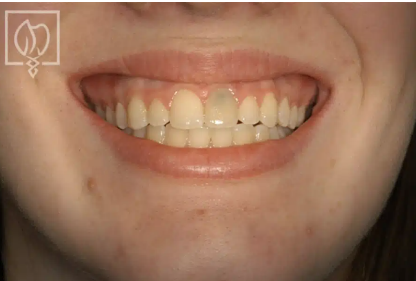
 If a Single Front Tooth is Replaced with an Implant, can it Look Natural?
A single front tooth implant can look completely natural with precision placement, custom abutments, and hand-crafted porcelain crowns. Washington, DC.
 Dental Implants
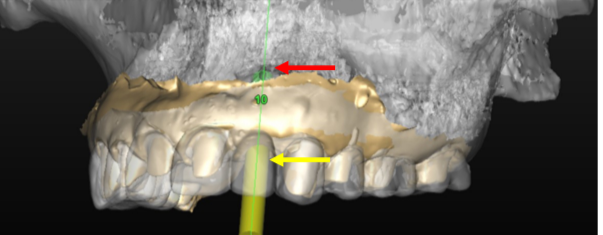
 What is Precision Implant Placement (PIP)?
Learn what Precision Implant Placement (PIP) is and how meticulous planning ensures optimal implant positioning for long-lasting results in Washington, DC.
 Dental Implants
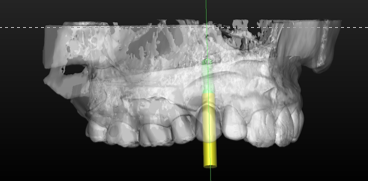
 What is the ideal Surgical Guide for Precision Implant Placement?
CBCT-based surgical guides allow virtual implant planning for precise positioning in optimal bone, ensuring predictable results in Washington, DC.
 Dental Implants
 When Should an Implant not be Done?
Not every patient is a candidate for dental implants. Learn when healthy roots, fragile bone, or steep angles may make alternatives the better choice.
 Dental Implants
 What is Staged Implant Therapy?
Staged implant therapy replaces teeth gradually using existing teeth as temporary support. A personalized alternative to All-on-X for full-arch cases.
Unveiling the Four Types of Dental Implants: Which One's for You?
Learn about the four types of dental implants - endosteal, subperiosteal, zygomatic, and mini implants - and which option may be right for your needs.
Our Services in McLean
Beyond failed-all-on-4, McLean patients rely on Dr. Gerald Marlin for a full range of advanced dental care.
More services available in McLean:
failed-all-on-4 Near McLean
Dr. Gerald Marlin also provides failed-all-on-4 services for patients in these neighboring communities.
Getting Here from McLean
Elite Prosthetic Dentistry is conveniently located near McLean, VA.
Elite Prosthetic Dentistry is conveniently located 15 minutes from McLean, accessible via Chain Bridge Road or the Dulles Toll Road.
Address:
4400 Jenifer Street NW, Suite 220
Washington, DC 20015
Phone: (202) 244-2101
Schedule ConsultationSchedule Your Consultation from McLean
McLean residents trust Dr. Gerald Marlin for precision dental care. With 3,900+ implants placed and 40+ years of experience, your smile is in expert hands.