
Full Mouth Reconstruction Revision in Chevy Chase, MD
Expert reconstruction revision for Chevy Chase patients. Dr. Marlin specializes in bite correction, implant failures, and restoration redesign.
Chevy Chase Reconstruction Revision: Immediate Access to Expertise
Chevy Chase’s proximity to Georgetown, combined with its affluent, health-conscious population, makes it ideally positioned for residents needing specialized prosthodontic care. Our office sits just 3 minutes away via Connecticut Avenue NW, making us closer to Chevy Chase than most general dentists.
This extreme proximity matters profoundly for reconstruction revision cases, which require multiple appointments. Initial evaluation, interim restoration placement, interim adjustments, definitive restoration delivery, and follow-up appointments accumulate quickly. A 3-minute drive makes this entire sequence manageable without calendar disruption. Most Chevy Chase patients schedule reconstruction revision appointments between professional commitments seamlessly.
Complex Anterior Esthetics and Functional Integration
Some reconstruction failures involve anterior esthetic concerns combined with functional problems. Your front teeth might have shifted position over years. Your smile might have changed proportions. Your tooth color might no longer match your natural teeth. These esthetic changes might accompany functional problems like loose restorations or bite shifts.
Balancing Esthetics and Function
Anterior reconstruction revision must balance esthetic concerns with functional requirements. Your front teeth need to look beautiful and participate properly in your bite. They need to work with your natural tooth structure and your jaw movements. They need to last.
This integration requires comprehensive prosthodontic thinking. A dentist approaching this purely esthetically might create front teeth that look perfect in isolation but create bite problems. A dentist approaching this purely functionally might create teeth that work perfectly but don’t match your esthetic expectations.
Our revision strategy balances both requirements. We develop anterior teeth that are esthetically beautiful and functionally optimal.
Anterior Guidance and Posterior Protection
Your anterior guidance is the way your front teeth guide your jaw movements. This is critical to your bite function. Improper anterior guidance creates stress in your posterior teeth during movement. Over time, this stress gradually causes posterior teeth and restorations to fail.
In revision, we establish proper anterior guidance so your front teeth contact smoothly when your jaw moves forward. This guides the movement and releases posterior tooth contact, protecting your posterior restorations from destructive stress.
Cement Failures and Restoration Separation
One specific failure pattern we see involves restorations separating from tooth preparations. The restoration becomes loose, sometimes removable by the patient. This indicates cement failure, not necessarily preparation failure.
Cement Technology Evolution
Cement technology has evolved substantially. Older reconstructions might have used cement that doesn’t bond reliably to contemporary preparation surfaces or restoration materials. When we place restorations in revision, we use adhesive protocols validated for your specific restoration material and tooth preparation.
Underlying Preparation Problems
Occasionally, we discover that the preparation itself is compromised. Tooth structure might be stained or infected under the crown. Preparation walls might be divergent or inadequate for retention. We address these findings directly rather than simply replacing the restoration with an inferior preparation.
Bone Augmentation and Implant Revision
If your reconstruction involves implants with significant bone loss, revision might require bone augmentation. This means adding bone material (your own harvested bone, donor bone, or synthetic bone material) to restore bone volume. Augmentation allows better implant positioning or implant placement in locations where insufficient bone currently exists.
Augmentation Timing and Complexity
Bone augmentation adds time and complexity, typically extending treatment timelines by several months. However, it sometimes allows outcomes superior to working with compromised bone anatomy. We assess whether augmentation is necessary and beneficial during comprehensive evaluation.
Bone Graft Materials
We select bone graft materials based on your specific situation. Autogenous bone (harvested from your own body) is ideal but requires a second surgical site. Allograft bone (from donors) provides good results without requiring a second site. Xenograft bone (from animals) and synthetic bone materials are also effective.
Contemporary Diagnostic Technologies
Our evaluation includes diagnostic tools that provide comprehensive information for accurate revision planning.
Cone Beam CT Imaging
Cone beam computed tomography provides three-dimensional imaging revealing bone levels, implant integration, and spatial relationships that traditional radiographs cannot visualize. This imaging allows precise assessment of bone anatomy and implant positioning.
Digital Bite Recording
Digital bite recording technologies capture your jaw position with precision that manual methods don’t achieve. Computer articulation software allows us to analyze your bite movements in detail, identifying problematic contacts and guidance problems.
Comprehensive Analysis
These technologies provide the diagnostic depth necessary for accurate revision planning. A revision planned without this level of detail is essentially guessing at what led to the failure.
The Interim Restoration Phase
The interim restoration phase is one of our most valuable tools in reconstruction revision. You wear temporary restorations while your tissues stabilize and you adapt to the new bite. This phase typically lasts 2-3 months.
Interim Phase Assessment
During this time, you confirm the new bite feels natural, your jaw joint is comfortable, your esthetic results meet your expectations, and your function is improved. You can request modifications based on your experience.
Addressing Problems Before Permanence
If problems emerge during the interim phase, we address them before definitive restorations are placed. This means adjusting the interim restoration, not replacing permanent work. It’s far easier to modify a temporary restoration than a permanent one.
Vertical Dimension Correction in Detail
Vertical dimension is the vertical distance between your upper and lower jaws. Correct vertical dimension is foundational to reconstruction success.
Facial Analysis and Historical Assessment
We determine correct vertical dimension by analyzing your facial proportions, measuring lower facial height (nose base to chin), observing your natural tooth positions in historical photographs, and evaluating how your facial muscles function.
Neuromuscular Adaptation
We account for your neuromuscular adaptation. Your muscles have adapted to your current jaw position. Moving to significantly different vertical dimension requires adaptation time. We establish dimension that aligns with your facial architecture while accounting for neuromuscular reality.
The Chevy Chase Patient Advantage
Chevy Chase represents the kind of patient population Dr. Marlin serves exceptionally well. You value quality. You’ve invested in excellent dental care previously. You expect excellence and are willing to work with a specialist who explains complex concepts clearly and delivers superior results.
Communication Style
The communication style matters profoundly. Dr. Marlin provides detailed, technically accurate information without oversimplification or jargon obfuscation. He respects your intelligence and your time. He provides the depth of explanation that sophisticated patients deserve.
Treatment Philosophy: Conservative and Aggressive
Our reconstruction revision philosophy is conservative in some ways and aggressive in others.
Conservative Preservation
We’re conservative about preserving existing dental structure. If a tooth or restoration can be salvaged, we prefer to salvage it. This philosophy respects your natural teeth and existing good work.
Aggressive Correction
We’re aggressive about correcting the problems that caused the failure. We don’t accept compromise on the factors that predict long-term success. If failure resulted from fundamental design flaws, we correct those completely rather than patching problems temporarily.
This approach sometimes means recommending more extensive treatment than initially expected, but this thoroughness ensures your revision succeeds.
Material Science and Durability
Different materials offer different advantages for your situation. Gold alloys don’t fracture and are ideal for high-force areas but have esthetic limitations. Zirconia offers excellent durability with superior esthetics. Porcelain-fused-to-metal provides proven performance.
We select materials appropriate for your bite force, esthetic requirements, and maintenance commitment.
In-House Laboratory Advantage
Our in-house laboratory enables collaboration during fabrication. Problems identified during construction can be addressed immediately rather than committing to completed work. This direct collaboration often means the difference between revision success and failure.
Related Resources
- Full Mouth Reconstruction Failure: Overview of why reconstructions fail and revision options
- Full Mouth Reconstruction: Proper reconstruction planning and prosthodontic design
- Dental Implants in Chevy Chase: Implant-supported solutions for reconstruction
- Repairing Failing Implants: Solutions for implant problems
- Second Opinion Dentistry: Expert evaluation of your reconstruction
- Meet Dr. Gerald Marlin: His training and approach to complex cases
- In-House Laboratory: How our laboratory enables superior outcomes
- Patient Success Stories: Results from complex reconstruction cases
- Schedule Your Consultation: Begin your reconstruction revision evaluation
Your Chevy Chase Reconstruction Revision
If you’re a Chevy Chase resident considering reconstruction revision, schedule an evaluation with Dr. Marlin. You’ll understand precisely what failed, why it failed, what’s possible in revision, and what the timeline looks like.
Schedule Your Consultation or call (202) 244-2101 to discuss your reconstruction revision.
Frequently Asked Questions
How do you determine the correct vertical dimension if it was wrong in my original reconstruction?
Vertical dimension assessment involves multiple reference points. We evaluate your facial proportions, measuring the distance from the base of your nose to your chin (lower facial height). We assess how your jaw joint relates to these proportions. We observe your natural tooth positioning in photographs from years before your reconstruction. We evaluate your neuromuscular adaptation by examining how your facial muscles function. We then use these reference points to establish a vertical dimension that aligns with your individual facial architecture, not a generic standard.
Can you actually improve my smile esthetics while correcting the reconstruction failure?
Often yes. If your original reconstruction failed partly because of improper positioning or proportion, the revision allows us to correct both the functional problem and the esthetic issues. Your anterior tooth position, color, shape, and proportion might all be addressed. This is why an interim phase is valuable. You can see the esthetic changes before permanent restorations are placed and request adjustments if needed.
What role does occlusal equilibration play in reconstruction revision?
Occlusal equilibration means adjusting the bite to eliminate premature contacts and create balanced force distribution. In many revision cases, simple equilibration of existing restorations might solve the problem. In others, equilibration is part of a larger revision plan. We assess whether your restorations can be equilibrated successfully or whether they need replacement to achieve proper occlusion. This assessment happens during the comprehensive evaluation.
If my reconstruction involved complex anterior esthetics, how do you ensure the revision maintains that in the revision?
Anterior esthetics involve tooth position, shape, size, color, and translucency. Your original reconstruction established a specific esthetic that you probably liked. If the revision changes that, you'll notice. During the interim phase, you wear restorations that incorporate your anterior teeth at their original position and shade. If changes are needed for functional reasons, we discuss them and modify gradually based on your feedback. This is much different from replacing your anterior teeth with a completely different look.
How do I prepare for my first consultation if I'm considering reconstruction revision?
Bring any records or photographs from your original reconstruction if you have them. This gives us historical context. Make a list of specific problems you're experiencing: which teeth feel loose, where you have discomfort, when problems started. Note any changes in your bite over time. Bring a list of any dentists who have evaluated your teeth since the original reconstruction, because their notes might provide useful diagnostic information. During the consultation, we'll ask detailed questions about your symptoms and history.
Related Patient Success Stories
Explore similar patient success stories demonstrating our expertise in advanced prosthetic dentistry.
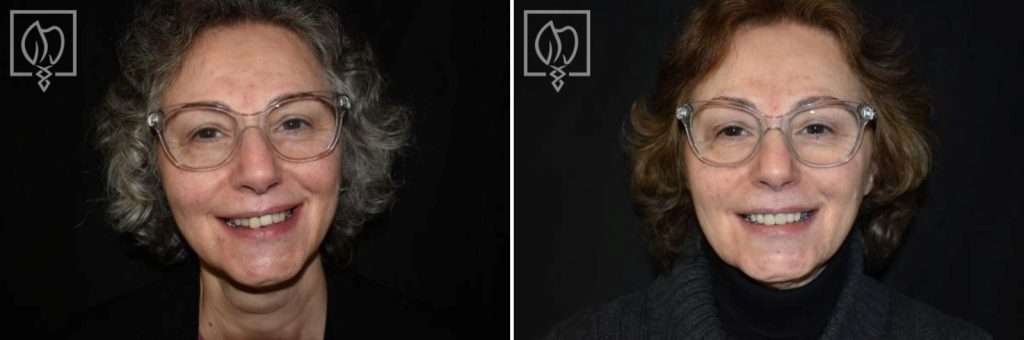
Temporary Crowns Restore Patient's Smile in Just One Day with an Immediate Smile Makeover
A patient from Potomac, Maryland, came to Elite Prosthetic Dentistry with the chief complaint of pain from a failing dental implant and its significant impact on her appearance.
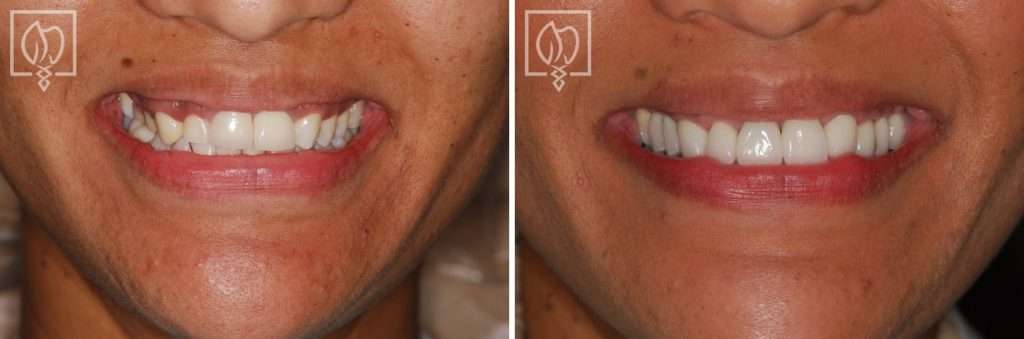
Multi-Faceted Treatment for Patient Unhappy With Her Artificial-Looking Crowns, Teeth and Gums
Many patients come to Elite Prosthetic Dentistry unhappy with the appearance of their smile. However, this particular patient presented with multiple interconnected problems that together created a smile she found deeply unsatisfying.
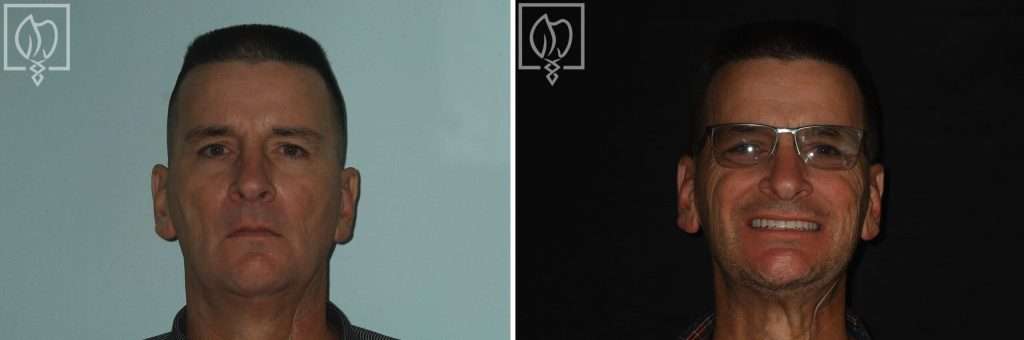
Treating Kevin’s Collapsed Bite with a Complete Smile Makeover with New Dentures
Dentures are sometimes not created to the ideal aesthetic and functional scheme. When improperly fabricated, dentures can make an individual appear almost a generation older than their actual age. They can have a poor fit that feels loose and unstable when eating or speaking, and they can actually accelerate bone loss over time.
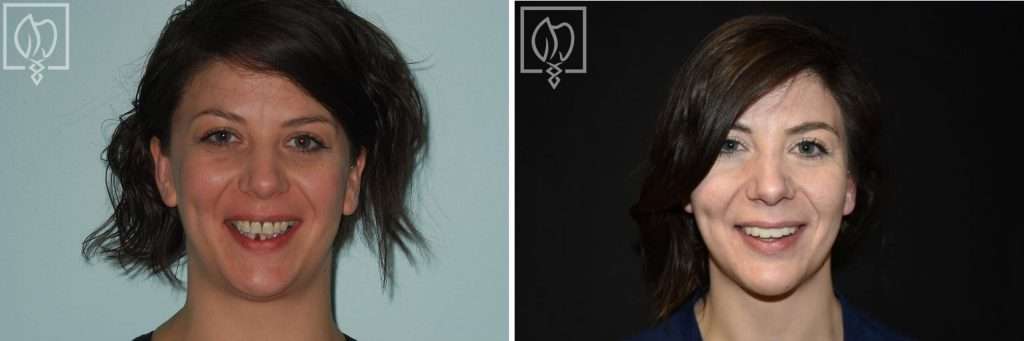
Salvaging Ms. N’s Severely Broken-Down Upper and Lower Teeth from Gum and Bone Disease
Many people in the U.S. suffer from extensive periodontal disease characterized by significant bone loss and shrinkage of the gum tissue. This condition can begin at a very young age and worsen quickly due to hereditary factors and lack of early diagnosis by their dentist.
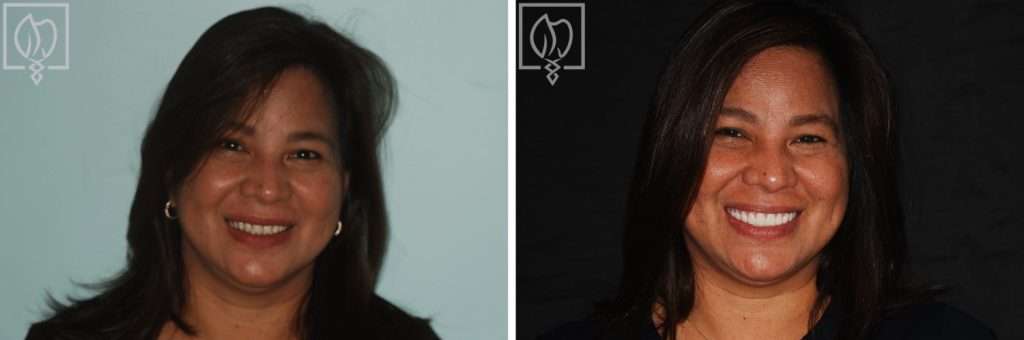
Rejuvenating Maria’s Severely Worn Down Implant Overdentures
Many times, per year, patients come to us frustrated because their implant prosthesis is so severely worn down that they are very self-conscious and cover up their smile. They look and feel much older than their age as a result of the extensive wear of their appliance(s).
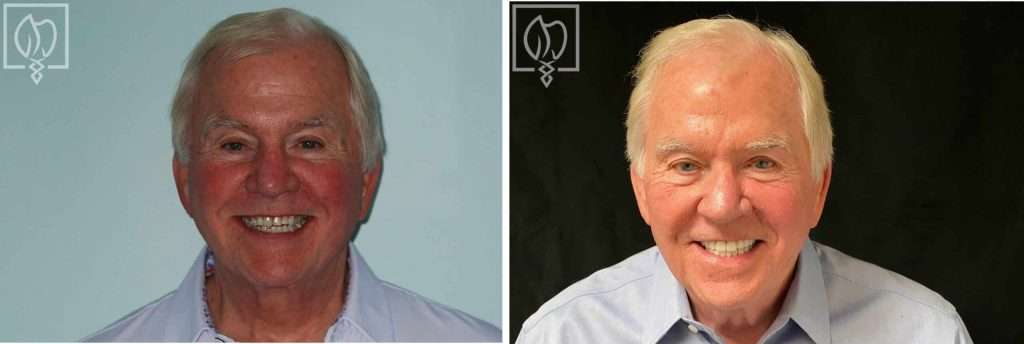
A Smile Transformation in Just Four Months: A Patient’s Dental Crown Restoration for a TV Series
A patient with dental crowns that were in poor shape was going to appear on a streaming video series on a major TV network that was scheduled to begin filming soon. Our patient, John, an author about to embark on a book tour, was anxious as his teeth were not up to his standards to appear on television.
Related Articles
Deepen your knowledge with additional insights on this topic.
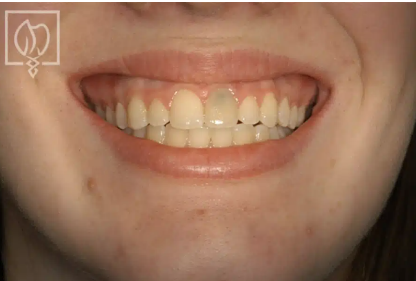 Dental Implants
 If a Single Front Tooth is Replaced with an Implant, can it Look Natural?
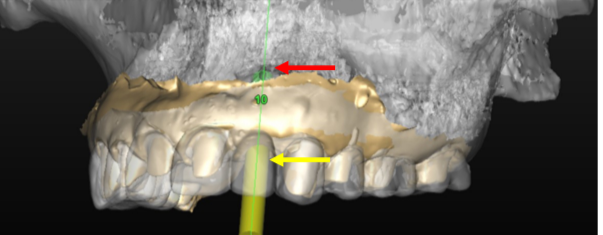
A single front tooth implant can look completely natural with precision placement, custom abutments, and hand-crafted porcelain crowns. Washington, DC.
 Dental Implants
 What is Precision Implant Placement (PIP)?
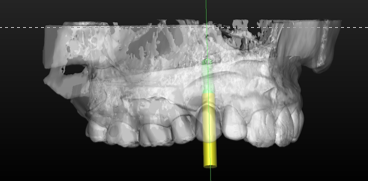
Learn what Precision Implant Placement (PIP) is and how meticulous planning ensures optimal implant positioning for long-lasting results in Washington, DC.
 Dental Implants
 What is the ideal Surgical Guide for Precision Implant Placement?
CBCT-based surgical guides allow virtual implant planning for precise positioning in optimal bone, ensuring predictable results in Washington, DC.
 Dental Implants
 When Should an Implant not be Done?
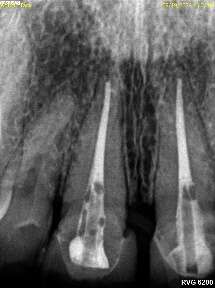
Not every patient is a candidate for dental implants. Learn when healthy roots, fragile bone, or steep angles may make alternatives the better choice.
 Dental Implants
 What is Staged Implant Therapy?
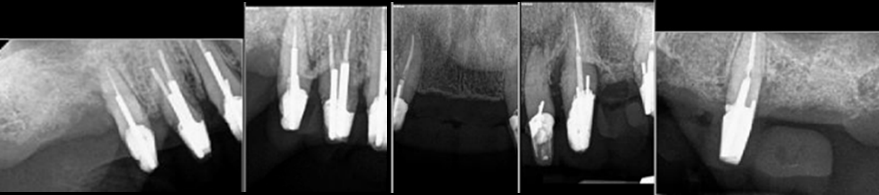
Staged implant therapy replaces teeth gradually using existing teeth as temporary support. A personalized alternative to All-on-X for full-arch cases.
Unveiling the Four Types of Dental Implants: Which One's for You?
Learn about the four types of dental implants - endosteal, subperiosteal, zygomatic, and mini implants - and which option may be right for your needs.
Our Services in Chevy Chase
Beyond reconstruction-revision, Chevy Chase patients rely on Dr. Gerald Marlin for a full range of advanced dental care.
More services available in Chevy Chase:
reconstruction-revision Near Chevy Chase
Dr. Gerald Marlin also provides reconstruction-revision services for patients in these neighboring communities.
Getting Here from Chevy Chase
Elite Prosthetic Dentistry is conveniently located near Chevy Chase, MD.
Chevy Chase residents reach our office 3 minutes via Connecticut Avenue NW
Address:
4400 Jenifer Street NW, Suite 220
Washington, DC 20015
Phone: (202) 244-2101
Schedule ConsultationSchedule Your Consultation from Chevy Chase
Chevy Chase residents trust Dr. Gerald Marlin for precision dental care. With 3,900+ implants placed and 40+ years of experience, your smile is in expert hands.