
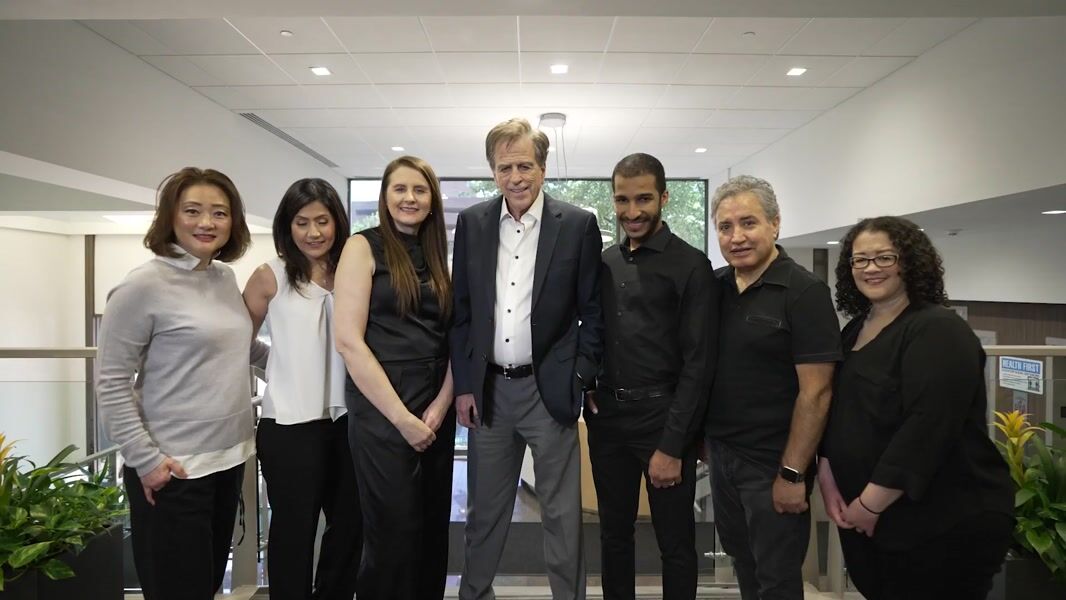
Loose Dental Implant in Georgetown, DC
Is your loose dental implant an emergency? Dr. Marlin provides urgent evaluation and triage for loose implants in Georgetown. Fast diagnosis, clear priorities.
Loose Dental Implant Treatment in Georgetown, DC: Understanding Urgency and Triage
Not every loose implant is an emergency, but not all loose implants can wait either. At Elite Prosthetic Dentistry, we take a triage approach that helps patients understand exactly how urgent their situation is and what timeline makes sense. This clarity removes anxiety and ensures you get the right level of care at the right moment.
The Triage Framework: Urgent, Moderately Urgent, and Elective
When you contact us with a loose implant, our clinical team immediately works to understand your situation and assign it to a triage category. This category determines how quickly we see you and how aggressively we treat.
Category 1: Immediate/Emergency Evaluation Required
Certain scenarios demand evaluation as soon as possible, ideally same-day or next-day.
Implant With Severe Mobility and Pain
An implant that moves significantly and causes sharp pain when you bite down or touch it is likely experiencing acute trauma or severe infection. This combination warrants urgent evaluation.
Implant With Swelling, Redness, or Pus Drainage
These signs indicate active infection that’s progressing. Pus drainage particularly suggests bacterial infection that could spread into your sinuses or bloodstream if untreated. Same-day evaluation is appropriate.
Recently Loosened Implant (Within Hours or Days)
If your implant suddenly became loose after being stable for months or years, something acute has changed. The abutment screw might have completely loosened, or infection might have flared. Rapid onset warrants faster evaluation than gradual loosening.
Implant Crown That Fell Out Completely
If the entire crown or bridge has come loose and you can remove it, we need to evaluate the underlying abutment and fixture quickly. While not inherently dangerous, waiting allows secondary contamination and further loosening.
Implant With Mobility and Recent Trauma
If your loose implant follows a blow to the face or a fall, we need to check for abutment fracture, screw breakage, or implant fixture damage. Trauma changes our diagnostic and treatment approach.
Immunocompromised Patients With Any Loose Implant
If you take immunosuppressive medications, have HIV, or have other conditions that compromise immunity, even a mildly loose implant with any sign of infection requires urgent evaluation.
Category 1 Summary
Seek same-day or next-day evaluation if you have: acute severe pain, active infection signs (pus, fever), complete crown loss, recent trauma, or immunocompromise with loosening.
Category 2: Moderately Urgent Evaluation (Within 1-2 Weeks)
These cases need timely evaluation but aren’t emergencies if they’re stable and asymptomatic.
Painless Implant Mobility Discovered During Dental Checkup
Your general dentist notices your implant moves slightly and sends you for evaluation. Pain-free looseness can indicate early bone loss that needs assessment, but the absence of pain means it’s not immediately dangerous.
Abutment That Seems Loose But Crown Feels Stable
You feel movement between the abutment and fixture when you press on it with your tongue, but the crown itself doesn’t move and nothing hurts. This typically indicates an abutment screw that has backed out slightly.
Progressive but Slow Loosening Over Months
If your implant has become incrementally looser over several months with no pain or swelling, the problem is likely structural rather than infectious. Early intervention prevents advanced bone loss, but it’s not an emergency.
Implant Looser After Eating Hard Foods
You notice your implant is slightly more mobile after chewing something hard, though it returns to baseline stability. This might indicate mechanical loosening that resolves with rest, or early stress-related bone loss.
Cosmetic Concerns From Slightly Loose Implant
If your concern is primarily that you can see or feel slight movement but there’s no pain or other symptoms, moderate-urgency evaluation is appropriate.
Category 2 Summary
Schedule evaluation within 1-2 weeks if you have: pain-free but noticeable mobility, suspected abutment screw loosening, progressive slow loosening, or stress-related mobility.
Category 3: Elective Evaluation (Within a Month or During Routine Appointment)
Some implant situations can be bundled with routine appointments or scheduled at your convenience.
Implant That Was Loose But Seems to Have Re-Tightened
Sometimes an abutment screw that has loosened re-seats slightly as you chew and the implant seems stable again. It’s still worth evaluation because the screw may loosen again, but this isn’t urgent.
Suspected Abutment Screw Loosening With Completely Stable Implant
If the only symptom is a feeling of slight movement in the abutment-screw connection but the underlying implant is completely stable, this can be evaluated during a convenient appointment.
Implant Mobility Noticed Years Ago But Stable Since Treatment
If you had implant problems treated years ago and are experiencing very slight mobility that seems identical to baseline, routine evaluation is appropriate unless there’s change from baseline.
Category 3 Summary
Schedule routine appointments if you have: resolved mobility, suspected minor abutment loosening only, or stable long-term mobility that hasn’t changed.
Understanding What Makes Something Truly Urgent
The key distinction between urgent and non-urgent scenarios is whether the underlying problem is progressive or acute.
Progressive vs. Acute Loosening
A loose implant that has been loose for months at the same level of mobility suggests a stable problem, perhaps chronic bone loss that has plateaued. Acute onset of looseness, where an implant suddenly becomes looser within days, suggests something has just broken or failed, possibly a fractured component.
Infection vs. Mechanical Failure
Looseness accompanied by any sign of infection (drainage, fever, swelling) requires prompt evaluation because infection can advance quickly and spread. This may indicate peri-implantitis that requires aggressive treatment. Purely mechanical looseness (no infection signs) can typically wait a few days or weeks.
Stability of the Foundation vs. Restoration
A loose crown sitting on a completely stable implant is less urgent than an implant fixture itself moving in bone. We distinguish between these scenarios through examination.
Functional Impairment
If loose implant mobility prevents you from eating, talking, or smiling normally, we prioritize getting you seen sooner rather than later, both for function and for your psychological well-being.
What to Do While You Await Your Appointment
Depending on your triage category, you might have a few days to several weeks before your appointment. Here’s how to manage during that time.
If Your Crown is Loose or Coming Out
Do not glue it or attempt temporary repairs. A loose crown on a loosening implant needs professional evaluation with the crown removed so we can assess the abutment and fixture. Do keep the crown clean and dry. If it comes out completely, store it in a clean container and bring it to your appointment.
Dietary Modifications
Eat soft foods and avoid placing direct bite force on your loose implant. This might seem obvious, but many patients continue to use the implant side habitually. Deliberately shift to the opposite side of your mouth when chewing.
Oral Hygiene Around the Implant
Maintain gentle, careful cleaning around the implant. Use a soft toothbrush and water flosser. If there’s any swelling or drainage, rinse with warm salt water several times daily.
Activity and Trauma Avoidance
Avoid contact sports or activities with head-injury risk until we’ve evaluated your implant. If your implant is already compromised, additional trauma could accelerate problems.
Avoid Parafunctional Habits
Do not play with the implant with your tongue or attempt to feel how loose it is repeatedly. Do not try to move it intentionally to see how much movement exists. These habits can accelerate loosening.
Documentation for Your Visit
Write down when you first noticed looseness, whether it’s progressing, any associated symptoms, and any recent events (trauma, dental work, illness). This timeline helps us understand what’s happening.
The Urgent Appointment: What to Expect
If you’re in Category 1 and need urgent evaluation, here’s what typically happens.
Focused Medical History
We ask specifically about the onset of looseness, any symptoms, recent events, medical conditions, and medications. This targeted history is more efficient than a comprehensive intake.
Directed Physical Examination
Rather than a comprehensive exam, we focus on your implant. We assess mobility, check for signs of infection, evaluate the adjacent tissues, and examine your bite relationship.
Targeted Radiography
We take specific radiographs of your implant, not comprehensive mouth X-rays. These images help us assess bone levels and check for fractures.
Rapid Diagnosis
We synthesize findings and tell you what we found: is the abutment screw loose, is the crown loose, is the implant fixture moving, or is there bone loss? This clarity is the primary goal of urgent evaluation.
Treatment Options
Depending on findings, we offer immediate or near-term treatment options. Many Category 1 findings can be resolved in your urgent appointment itself.
Scenarios Resolved in the Urgent Appointment
Some loose implant situations have solutions that can be implemented immediately.
Loose Abutment Screw
If we find the abutment screw has backed out, we tighten it to proper torque immediately. This often completely resolves the perceived looseness. The crown is re-secured and you leave with a stable implant. Simple and elegant.
Loose Crown From Failed Cement
If your crown is cemented and the cement has failed, we remove the crown, clean the abutment, and re-cement with permanent cement. This is typically a 30-minute procedure performed in the urgent appointment.
Screw-Retained Crown With Backed-Out Screw
If your crown is screw-retained and the access screw has backed out, we simply re-tighten it through the crown access hole and restore the hole.
Scenarios Requiring Follow-Up Treatment Planning
Other loose implant situations require more comprehensive planning that happens after the urgent evaluation.
Implant Fixture Mobility With Bone Loss
If we confirm the fixture is loose and radiographs show bone loss, we recommend CBCT imaging and a detailed treatment plan discussing whether to salvage the implant or plan for replacement. This plan develops over 1-2 weeks after the urgent evaluation.
Signs of Infection With Bone Loss
We start antibiotic therapy immediately during the urgent appointment, but longer-term treatment including possible surgical therapy is planned after the infection is partially controlled.
Implant Fracture or Major Component Damage
If we suspect fracture, we recommend advanced imaging and referral to an oral surgeon. The urgent appointment confirms the problem and initiates the referral.
Georgetown’s Role in Implant Care
Georgetown is home to sophisticated, educated patients who maintain high expectations for their healthcare. Our Georgetown office location reflects our commitment to serving discerning patients who want expert evaluation and clear communication about their implant problems.
The Georgetown neighborhood’s proximity to major hospitals and emergency departments makes it an ideal location for addressing implant emergencies. Though implant looseness is rarely life-threatening, the urgent evaluation capability we offer is consistent with the medical infrastructure available nearby.
Time From Evaluation to Resolution
Patients frequently ask how long treatment takes after evaluation. The answer depends on your triage category and underlying problem.
Category 1 Cases
Many resolve in 1-2 appointments. Loose abutment screws are fixed in the urgent appointment. Loose crowns are re-cemented or re-screwed in the urgent appointment. Implant fixture mobility requires more planning but often has a resolution path established within 2 weeks.
Category 2 Cases
These typically require 2-4 appointments over 2-6 weeks, depending on the problem. Non-urgent bone loss treatment proceeds methodically. Infection control takes weeks.
Category 3 Cases
Resolution might happen in a single routine appointment or might be bundled with other dental needs.
The Conversation You Should Have With Your General Dentist
If your general dentist diagnosed your loose implant, ask them directly: on the urgency spectrum, where does my situation fall? If they recommend specialist evaluation, ask why and discuss timeline. If they suggest waiting, ask what they’re basing that on. Clear communication prevents unnecessary delay and ensures you get proper prioritization.
Why Choose Elite Prosthetic Dentistry for Your Loose Implant Evaluation
Dr. Marlin’s Master of Science in Prosthodontics includes extensive training in implant complications and prosthodontic treatment. He evaluates hundreds of loose implants and complex failures throughout his career. This experience means he rapidly assesses your situation accurately.
We maintain urgent appointment availability because we understand that some implant problems can’t wait. When you call, we listen carefully to your situation and allocate appropriate appointment time.
We have in-house diagnostic capabilities including advanced radiography and CBCT imaging. We don’t need to refer out for initial imaging in most cases. This expedites diagnosis.
We communicate clearly about urgency. We don’t minimize real problems or overstate minor issues. You’ll know exactly what’s happening and why any timeline matters. Our implant dentistry expertise ensures comprehensive care.
When Urgent Evaluation Becomes Referral to Oral Surgery
Some loose implants, particularly those with severe bone loss or requiring surgical bone grafting, benefit from oral surgical management. We maintain relationships with leading oral surgeons in the DC area and make smooth referrals when your situation warrants surgical expertise.
Related Services and Connected Care
Your loose implant might benefit from several services we provide. Dental implant bone loss is the common underlying pathology for many loose implants. Repairing failing implants encompasses the broader strategies we use for complex cases.
Bone grafting is frequently necessary to stabilize loose implants caused by bone loss. Failed implant integration describes implants that never healed properly and subsequently become loose.
For Georgetown-area patients, we offer dental implants in Georgetown, bone grafting in Georgetown, implant repair in Georgetown, and full mouth reconstruction in Georgetown services.
Precision implant placement is relevant if you’re considering replacement implants in the future. Sedation dentistry is available for anxious patients. In-house lab capabilities allow us to fabricate components quickly when urgent abutment or restoration work is needed.
Second opinion dentistry is appropriate if you’ve been told your implant definitely needs extraction and you want confirmation. Advanced restorative dentistry ensures your restored implant functions optimally.
Scheduling Your Evaluation
Call us as soon as you notice implant looseness. We’ll ask clarifying questions, understand your urgency category, and schedule appropriately. Our Georgetown location is 10 minutes from many areas in DC proper, making urgent appointments achievable.
Request an appointment today. Include as much detail as possible about your symptoms and timeline so we can properly triage.
Read more about Dr. Marlin’s approach to implant complications and his credentials.
Your loose implant has a timeline. Early intervention prevents complications and simplifies treatment. Let us help you restore your implant to stability and confidence.
Frequently Asked Questions
How quickly should I see a specialist if my implant feels loose?
Non-urgent cases can be seen within a few days to a week. Cases with pain, swelling, or rapid loosening need evaluation within 1-2 days. Implant mobility with pus or severe pain requires same-day or next-day assessment. We triage based on your specific symptoms during your call.
What should I do immediately if my implant crown comes completely loose?
Remove the crown if it's loose enough to come out. Don't force it. Rinse with salt water and keep the crown clean and dry. Schedule an urgent appointment. Don't use adhesive or try temporary repairs. We need to assess the implant and abutment before deciding on restoration.
If my implant is loose but doesn't hurt, is it still urgent?
Painless loosening can still represent significant bone loss or infection. The absence of pain doesn't mean the problem is minor. We recommend urgent evaluation to determine the cause and prevent further deterioration.
Can I wait to address a loose implant if I'm busy with work?
Loose implants progress. Waiting increases the complexity of treatment and risk of losing the implant. Early intervention is simpler and less disruptive than advanced treatment. Schedule evaluation soon, not after weeks or months of delay.
What's the difference between an urgent loose implant and one that's been loose for weeks?
Acutely loose implants might be loose abutment screws that are simple to tighten. Implants loose for weeks often have underlying bone loss or infection. The longer the problem persists, the more bone may be lost, making the situation more complex.
Related Patient Success Stories
Explore similar patient success stories demonstrating our expertise in advanced prosthetic dentistry.

Temporary Crowns Restore Patient's Smile in Just One Day with an Immediate Smile Makeover
A patient from Potomac, Maryland, came to Elite Prosthetic Dentistry with the chief complaint of pain from a failing dental implant and its significant impact on her appearance.
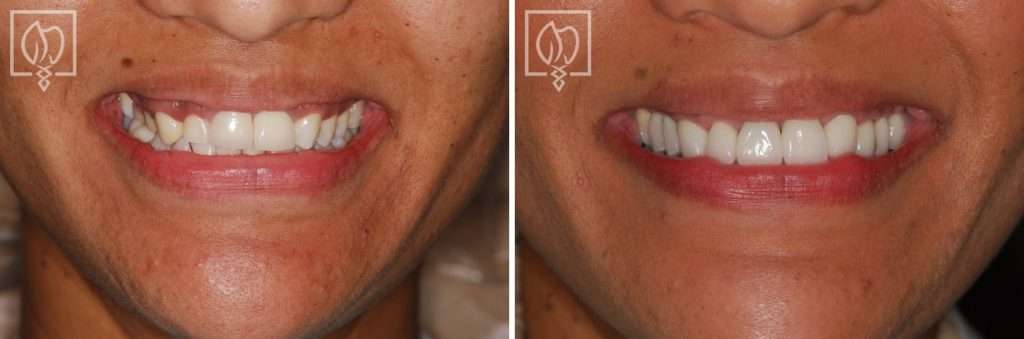
Multi-Faceted Treatment for Patient Unhappy With Her Artificial-Looking Crowns, Teeth and Gums
Many patients come to Elite Prosthetic Dentistry unhappy with the appearance of their smile. However, this particular patient presented with multiple interconnected problems that together created a smile she found deeply unsatisfying.

Treating Kevin’s Collapsed Bite with a Complete Smile Makeover with New Dentures
Dentures are sometimes not created to the ideal aesthetic and functional scheme. When improperly fabricated, dentures can make an individual appear almost a generation older than their actual age. They can have a poor fit that feels loose and unstable when eating or speaking, and they can actually accelerate bone loss over time.

Salvaging Ms. N’s Severely Broken-Down Upper and Lower Teeth from Gum and Bone Disease
Many people in the U.S. suffer from extensive periodontal disease characterized by significant bone loss and shrinkage of the gum tissue. This condition can begin at a very young age and worsen quickly due to hereditary factors and lack of early diagnosis by their dentist.

Rejuvenating Maria’s Severely Worn Down Implant Overdentures
Many times, per year, patients come to us frustrated because their implant prosthesis is so severely worn down that they are very self-conscious and cover up their smile. They look and feel much older than their age as a result of the extensive wear of their appliance(s).
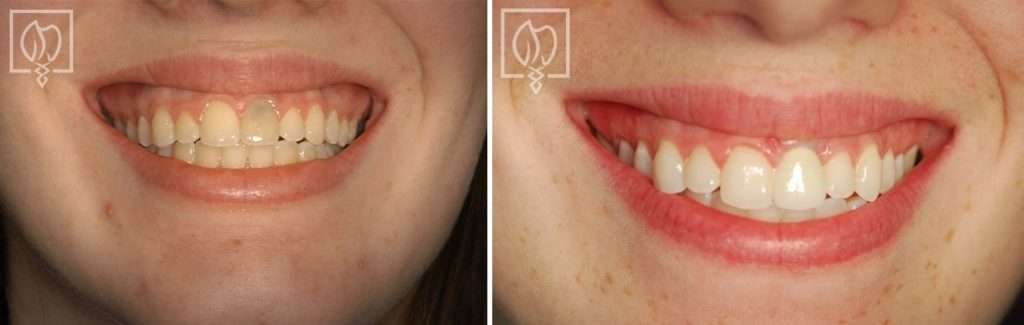
Replacing a Discolored Front Tooth with a Precision Placed Implant
Some of the most challenging restorations occur when fabricating an anterior crown to fit on an implant. Not only does one have the difficulty of matching the single front tooth to the other ones in the high visibility zone, but the dentist must also ensure the position of the underlying implant is precise through accurate preplanning and placement.
Related Articles
Deepen your knowledge with additional insights on this topic.
 Dental Implants
 If a Single Front Tooth is Replaced with an Implant, can it Look Natural?
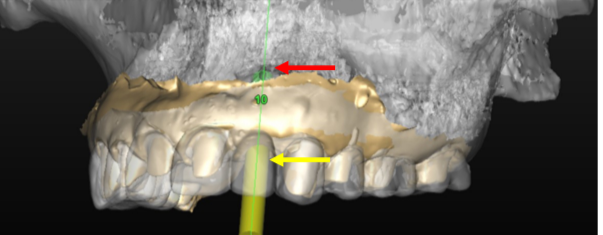
A single front tooth implant can look completely natural with precision placement, custom abutments, and hand-crafted porcelain crowns. Washington, DC.
 Dental Implants
 What is Precision Implant Placement (PIP)?
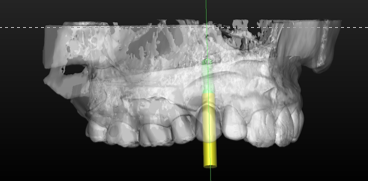
Learn what Precision Implant Placement (PIP) is and how meticulous planning ensures optimal implant positioning for long-lasting results in Washington, DC.
 Dental Implants
 What is the ideal Surgical Guide for Precision Implant Placement?
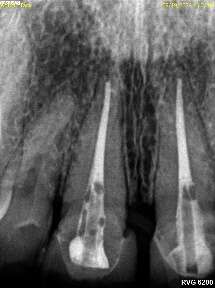
CBCT-based surgical guides allow virtual implant planning for precise positioning in optimal bone, ensuring predictable results in Washington, DC.
 Dental Implants
 When Should an Implant not be Done?
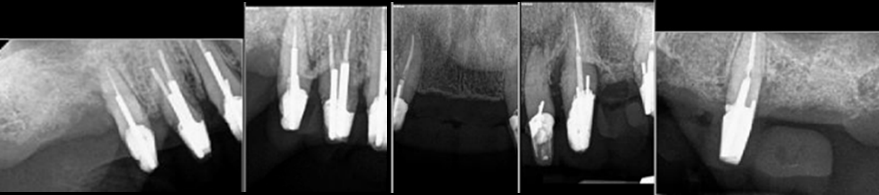
Not every patient is a candidate for dental implants. Learn when healthy roots, fragile bone, or steep angles may make alternatives the better choice.
 Dental Implants
 What is Staged Implant Therapy?
Staged implant therapy replaces teeth gradually using existing teeth as temporary support. A personalized alternative to All-on-X for full-arch cases.
Unveiling the Four Types of Dental Implants: Which One's for You?
Learn about the four types of dental implants - endosteal, subperiosteal, zygomatic, and mini implants - and which option may be right for your needs.
Our Services in Georgetown
Beyond loose-dental-implant, Georgetown patients rely on Dr. Gerald Marlin for a full range of advanced dental care.
More services available in Georgetown:
loose-dental-implant Near Georgetown
Dr. Gerald Marlin also provides loose-dental-implant services for patients in these neighboring communities.
Getting Here from Georgetown
Elite Prosthetic Dentistry is conveniently located near Georgetown, DC.
Georgetown location serves the historic neighborhood near Georgetown University. Accessible via Wisconsin Avenue or M Street.
Address:
4400 Jenifer Street NW, Suite 220
Washington, DC 20015
Phone: (202) 244-2101
Schedule ConsultationSchedule Your Consultation from Georgetown
Georgetown residents trust Dr. Gerald Marlin for precision dental care. With 3,900+ implants placed and 40+ years of experience, your smile is in expert hands.