
Implant Denture Repair in Tenleytown, DC
Expert implant denture repair in Tenleytown, DC. Dr. Marlin specializes in loose dentures, attachment failures, and complex implant restoration.
Tenleytown residents with implant dentures benefit from immediate expert care, just 3 minutes via Wisconsin Avenue NW. Dr. Gerald Marlin, a specialty-trained prosthodontist, provides comprehensive repair services. Located in the Forest Hills area, Elite Prosthetic Dentistry is ideally positioned to serve Tenleytown’s educated, professional demographic who demand excellence in their healthcare decisions.
Implant-supported dentures represent a significant investment in oral function and quality of life. When problems develop, prompt professional attention preserves function and prevents progressive damage that could compromise your implants themselves. Unlike traditional removable dentures, implant dentures involve sophisticated mechanical systems that require specialized knowledge to diagnose and repair properly.
Creaking and Popping Sounds: Identifying the Source
Many Tenleytown patients experience creaking or popping sounds coming from their dentures during eating, speaking, or daily function. These audible signs indicate loose components or unwanted movement within the denture system. Identifying the exact source of the sound is critical to determining the appropriate repair.
Framework screws are common culprits. Your denture’s metal framework is held together and attached to the implants using precision screws. When these screws loosen even slightly due to normal chewing forces and repeated insertion and removal, they create audible clicks and pops. You might notice the sound happens in a particular direction or when chewing on a specific side.
Attachment housing looseness is another frequent source. The locator attachments or bar-retained mechanisms that connect your denture to your implants can develop movement within the denture acrylic if the acrylic becomes worn or if manufacturing defects exist. This creates a distinct popping sound as the denture shifts and then settles back into place.
Internal acrylic cracks create a third source of unwanted sounds. The denture base acrylic is strong but experiences tremendous stress from chewing forces. Over time, stress cracks can develop in the acrylic, sometimes not visible on the surface. As the denture flexes during function, these cracks create clicking or creaking sounds.
Dr. Marlin uses specialized diagnostic techniques to identify the exact source of noise. Sometimes visual inspection reveals the problem immediately. Other times, careful manipulation of the denture combined with listening for sound changes pinpoints the issue. Dr. Marlin may test screw tightness, examine acrylic for cracks using magnification, and assess attachment components.
Most sounds eliminate through straightforward interventions: tightening loose screws, re-securing attachment housing within acrylic, or repairing acrylic cracks. Some problems require sending the denture to our in-house laboratory for more extensive repair. Because we maintain a laboratory on-site, most repairs complete within one to two business days.
Loose Snap-In Dentures and Rocking: Progressive Deterioration
Snap-in implant dentures gradually become looser over time, which is a normal part of the denture lifecycle. Locator attachment caps wear down from repeated insertion and removal. On average, locator caps last two to four years before replacement becomes necessary. However, some high-force users experience accelerated wear and may need replacement within eighteen months. Other patients with gentle insertion techniques and lower chewing force might achieve four or five years before replacement.
When snap-in dentures become loose, they begin to rock. Rocking motion means the denture moves in a tipping or shifting pattern rather than sitting perfectly still against your implants. Initially, this rocking might be barely noticeable. Over time, it becomes progressively more apparent. You might feel the denture rock when you press your tongue against it, or when you chew harder. Some patients notice rocking while speaking, with the denture shifting position slightly as they move their lips and cheeks.
Rocking is problematic for several reasons. First, it’s uncomfortable and diminishes your confidence in your denture. Second, it creates lateral (sideways) forces on your implants that implants were not designed to handle. Implants are strong vertically, along the direction of the root, but lateral forces can damage the bone around the implant and potentially compromise implant integration over many years. Third, a rocking denture makes eating difficult and less enjoyable, as the shifting compromises your ability to chew with full force.
Dr. Marlin evaluates loose snap-in dentures to determine whether the problem is primarily attachment wear or whether bone resorption has changed your denture’s fit. If the problem is attachment wear, locator cap replacement restores retention rapidly and completely. The procedure typically takes one appointment, and your denture returns to feeling like new. If bone resorption is significant, Dr. Marlin might recommend denture relining in addition to cap replacement to ensure optimal fit and stability.
Bar-Retained Overdentures and Framework Stress
Some Tenleytown patients have bar-retained dentures where a metal bar (usually horseshoe-shaped) connects to implants and provides retention through mechanical engagement. Bar-retained dentures generally provide stronger retention than snap-in systems but require different maintenance and troubleshooting.
Framework screws that hold the bar to the implants are critical. These screws experience tremendous stress during chewing and gradually work loose. When framework screws loosen, your denture develops movement along the direction of the bar. You might notice the denture shifts or tilts when you chew. Some patients describe it as a rocking sensation, though it occurs in a different pattern than snap-in denture rocking.
The acrylic flanges that surround the bar can develop stress cracks where they meet the framework. The acrylic at these junctions experiences concentrated stress during chewing. Over several years, cracks develop at these stress points. Small cracks might not cause functional problems, but larger cracks can spread and eventually require denture replacement rather than simple acrylic repair.
Dr. Marlin inspects bar-retained dentures systematically. He checks screw tightness with precision torque instruments, ensuring screws are tight without being over-tightened. He examines acrylic for cracks, paying particular attention to the acrylic-to-framework interface. He evaluates your bite pattern to ensure it’s balanced and not creating asymmetrical stress. He assesses whether the bar has maintained its original shape or whether it has bent or distorted over time.
Locator Attachment Wear and Cap Replacement
Understanding locator attachment wear helps you appreciate the need for routine maintenance. Locator attachments consist of two parts: a female component (cap) that sits in the denture, and a male component (nub) attached to the implant. The nub is permanent; the cap wears out and requires periodic replacement.
The cap material wears through friction and repeated engagement and disengagement. Think of it like a battery that gradually loses its charge through repeated use. The locator cap wears faster with aggressive insertion and removal, higher chewing forces, nighttime grinding, and multiple daily insertions and removals. A patient who removes their denture only twice daily (morning and night) experiences slower wear than a patient who removes it five or six times daily.
As the cap wears, it becomes progressively less retentive. Initially, you notice looseness only when you deliberately push on the denture. As wear progresses, the looseness becomes apparent during normal eating and speaking. Eventually, the cap becomes so loose that the denture shifts visibly during function.
Dr. Marlin recommends replacing locator caps when they become noticeably loose, rather than waiting until they’re extremely loose. Early replacement is less expensive than dealing with months of wearing a loose denture and the potential implant damage that might result. Cap replacement is straightforward: Dr. Marlin removes your old denture, the laboratory removes the old caps and installs new ones, and you receive your denture back typically the next day with retention restored to like-new condition.
Bone Loss and Denture Fit Changes
All denture wearers experience bone loss over time, a process called residual ridge resorption. Bone loss occurs more slowly around implants than around natural teeth that have been extracted, but it does occur. Over ten to twenty years, changes in bone contour can noticeably affect your denture’s fit.
As bone recedes, your denture contacts your ridge differently than it did originally. Areas that previously had intimate contact with bone become gaps. New pressure areas develop where bone previously existed but no longer does. These fit changes lead to discomfort, looseness, or both.
Selective relining addresses these fit changes. This procedure involves updating the denture’s tissue surface to match your current bone contours. Dr. Marlin can perform this procedure using various techniques, from simple chairside adjustments to laboratory relines, depending on the extent of bone change.
Understanding bone loss helps you appreciate why annual evaluations matter. Dr. Marlin can see bone changes developing before they become obviously problematic and recommend preventive relining before significant discomfort develops.
Getting Here from Tenleytown
Tenleytown residents reach Elite Prosthetic Dentistry in just 3 minutes via Wisconsin Avenue NW. The office is located at 4400 Jenifer Street NW, Suite 220, Washington, DC 20015. The immediate proximity makes appointments very convenient. Wisconsin Avenue is the direct route, giving Tenleytown patients one of the shortest commutes of any neighborhood we serve.
Parking is available on our building lot, eliminating the stress of street parking or paid parking garages.
Related Resources
- Implant denture problems
- Repairing failing implants
- Loose snap-in denture solutions
- Denture relines and repairs
- Removable prosthodontics
- Patient success stories
- Meet Dr. Marlin, specialty-trained prosthodontist
- In-house laboratory services
- Dental implants
- Request an appointment
Schedule Your Consultation or call (202) 244-2101
Tenleytown residents with implant denture problems benefit from immediate expert care. Dr. Marlin’s specialty training and convenient location ensure appropriate diagnosis and optimal solutions.
Frequently Asked Questions
Why is my denture creaking or making popping sounds?
Creaking or popping sounds usually indicate loose components or movement within the denture system. Framework screws might be slightly loose. Attachment housing might be loose in the denture acrylic. Denture base might have internal cracks creating movement. Professional evaluation identifies the sound source. Most sounds can be eliminated through screw tightening, component re-securing, or denture repair.
Can I wear my implant denture while playing sports?
Most implant dentures can be worn during sports activities. However, extreme sports with high trauma risk might warrant removing the denture. Some patients find that dentures feel more stable during sports than traditional dentures because implants provide better support. However, if your denture is loose or unstable, sports activities might cause problems. Ensure your denture is in good repair before engaging in physical activities.
What happens if I lose or severely damage my denture while traveling?
Contact Dr. Marlin's office immediately for guidance. If you're traveling far from Washington, DC, seek a prosthodontist's care rather than a general dentist. Some prosthodontists in other cities might be able to provide temporary solutions. If damage is severe, the original denture might not be repairable. You might need temporary care or denture replacement. Having Dr. Marlin's contact information while traveling is wise.
Why do gums sometimes recede around denture implants?
Gum recession around implants typically results from gum disease, excessive force on implants, or aggressive brushing around implants. Unlike teeth, implants don't have periodontal ligaments absorbing force. Excessive lateral force can damage implant tissues directly. Gum disease destroys bone supporting implants and causes gum recession. Prevention through excellent gum care and avoiding excessive force protects implant tissues.
Can denture attachment caps be upgraded to stronger versions?
Yes. Different locator attachment cap strengths exist, providing varying retention levels. Stronger caps might be installed during routine attachment service. However, stronger caps might make insertion and removal more difficult. Some patients prefer weaker caps for easier handling despite slightly reduced retention. Dr. Marlin discusses cap strength options and recommends based on your preferences and wear patterns.
Related Patient Success Stories
Explore similar patient success stories demonstrating our expertise in advanced prosthetic dentistry.

Temporary Crowns Restore Patient's Smile in Just One Day with an Immediate Smile Makeover
A patient from Potomac, Maryland, came to Elite Prosthetic Dentistry with the chief complaint of pain from a failing dental implant and its significant impact on her appearance.
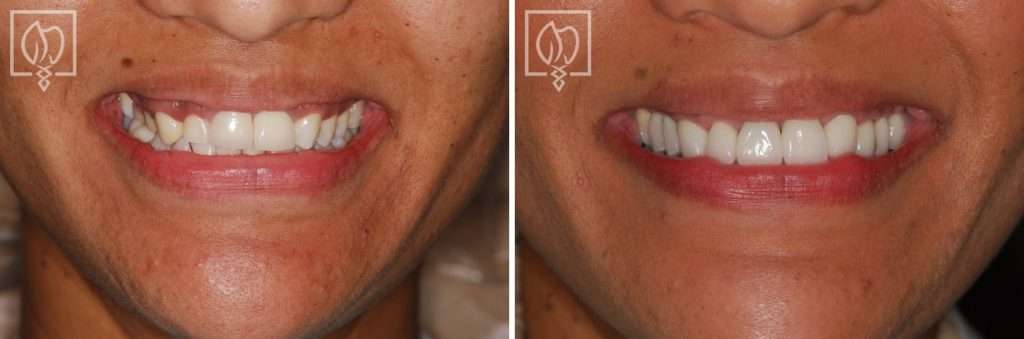
Multi-Faceted Treatment for Patient Unhappy With Her Artificial-Looking Crowns, Teeth and Gums
Many patients come to Elite Prosthetic Dentistry unhappy with the appearance of their smile. However, this particular patient presented with multiple interconnected problems that together created a smile she found deeply unsatisfying.
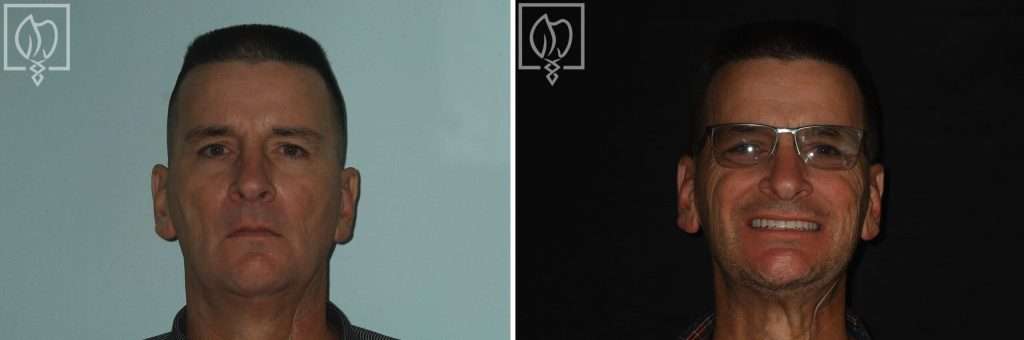
Treating Kevin’s Collapsed Bite with a Complete Smile Makeover with New Dentures
Dentures are sometimes not created to the ideal aesthetic and functional scheme. When improperly fabricated, dentures can make an individual appear almost a generation older than their actual age. They can have a poor fit that feels loose and unstable when eating or speaking, and they can actually accelerate bone loss over time.

Rejuvenating Maria’s Severely Worn Down Implant Overdentures
Many times, per year, patients come to us frustrated because their implant prosthesis is so severely worn down that they are very self-conscious and cover up their smile. They look and feel much older than their age as a result of the extensive wear of their appliance(s).
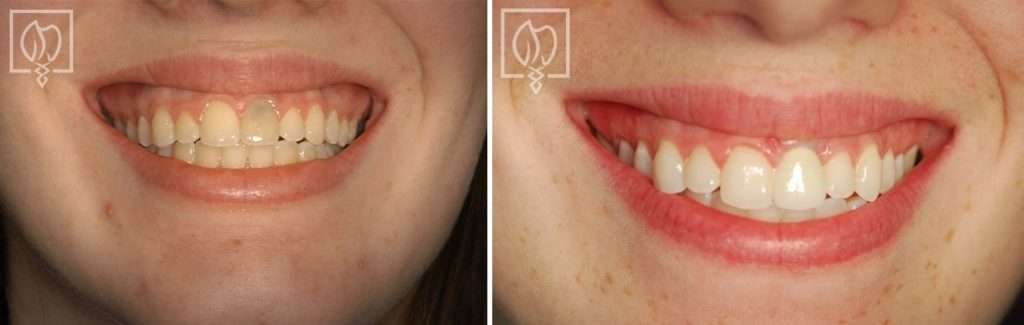
Replacing a Discolored Front Tooth with a Precision Placed Implant
Some of the most challenging restorations occur when fabricating an anterior crown to fit on an implant. Not only does one have the difficulty of matching the single front tooth to the other ones in the high visibility zone, but the dentist must also ensure the position of the underlying implant is precise through accurate preplanning and placement.
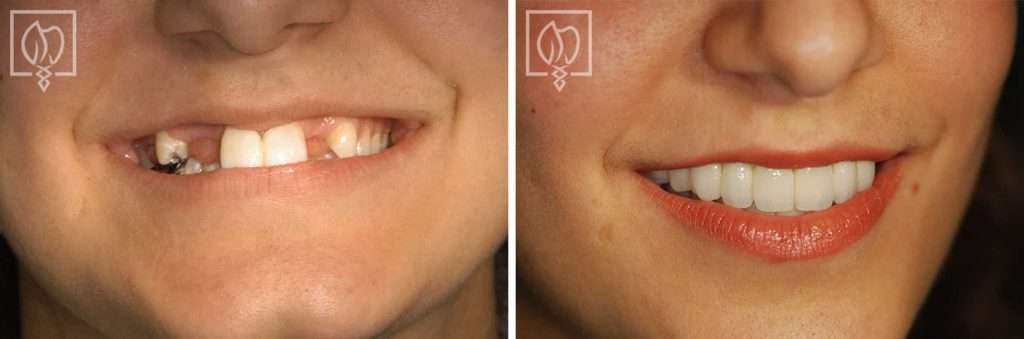
Treating Congenitally Missing Teeth in a Teenager with Dental Implants
A 16-year-old patient from McLean, Virginia, presented with a condition where she was congenitally missing several teeth, meaning they were missing from birth.
Related Articles
Deepen your knowledge with additional insights on this topic.
 Dental Implants
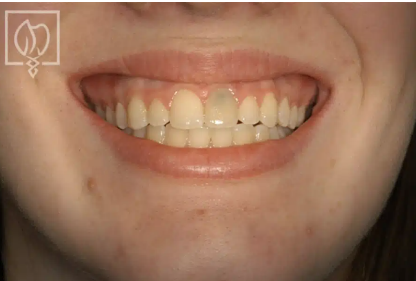
 If a Single Front Tooth is Replaced with an Implant, can it Look Natural?
A single front tooth implant can look completely natural with precision placement, custom abutments, and hand-crafted porcelain crowns. Washington, DC.
 Dental Implants
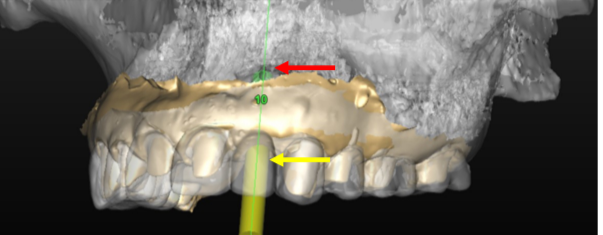
 What is Precision Implant Placement (PIP)?
Learn what Precision Implant Placement (PIP) is and how meticulous planning ensures optimal implant positioning for long-lasting results in Washington, DC.
 Dental Implants
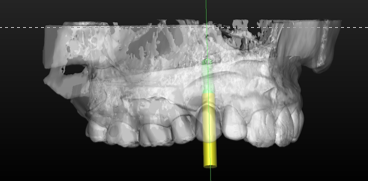
 What is the ideal Surgical Guide for Precision Implant Placement?
CBCT-based surgical guides allow virtual implant planning for precise positioning in optimal bone, ensuring predictable results in Washington, DC.
 Dental Implants
 When Should an Implant not be Done?
Not every patient is a candidate for dental implants. Learn when healthy roots, fragile bone, or steep angles may make alternatives the better choice.
 Dental Implants
 What is Staged Implant Therapy?
Staged implant therapy replaces teeth gradually using existing teeth as temporary support. A personalized alternative to All-on-X for full-arch cases.
Unveiling the Four Types of Dental Implants: Which One's for You?
Learn about the four types of dental implants - endosteal, subperiosteal, zygomatic, and mini implants - and which option may be right for your needs.
Our Services in Tenleytown
Beyond implant-denture-repair, Tenleytown patients rely on Dr. Gerald Marlin for a full range of advanced dental care.
More services available in Tenleytown:
implant-denture-repair Near Tenleytown
Dr. Gerald Marlin also provides implant-denture-repair services for patients in these neighboring communities.
Getting Here from Tenleytown
Elite Prosthetic Dentistry is conveniently located near Tenleytown, DC.
Just 3 minutes via Wisconsin Avenue NW from Tenleytown
Address:
4400 Jenifer Street NW, Suite 220
Washington, DC 20015
Phone: (202) 244-2101
Schedule ConsultationSchedule Your Consultation from Tenleytown
Tenleytown residents trust Dr. Gerald Marlin for precision dental care. With 3,900+ implants placed and 40+ years of experience, your smile is in expert hands.