
Implant Denture Repair in Spring Valley, DC
Expert implant denture repair in Spring Valley, DC. Dr. Marlin specializes in loose dentures, attachment failures, and complex implant restoration.
Spring Valley residents with implant dentures benefit from immediate expert care, just 5 minutes via Massachusetts Avenue NW. Dr. Gerald Marlin, a specialty-trained prosthodontist, provides comprehensive repair services close to home. Spring Valley’s affluent residents understand quality healthcare and demand expertise when problems arise with their implant dentures.
Understanding how denture comfort changes over time, why loose dentures are problematic, and the value of preventive care helps you protect your investment and maintain your quality of life.
Tissue Resorption and Comfort Changes
Spring Valley residents who have worn implant dentures for several years often notice that comfort changes even when dentures initially fit perfectly. This is completely normal and predictable. Comfort changes develop gradually over months and years rather than appearing suddenly.
Bone resorption is the primary cause. After your natural teeth were extracted, your jawbone began resorbing. However, once implants were placed, bone loss slowed dramatically. Implants provide stimulus to bone that prevents the rapid resorption that occurs around missing teeth. Despite this benefit, slow bone resorption continues around implants throughout your lifetime. This is not a sign of implant failure; it is a normal physiological process.
As bone contours change, your denture’s tissue surface no longer contacts bone exactly as it did when the denture was fabricated. Some areas that previously had good contact develop gaps. Pressure points develop in new locations where bone has resorbed. These changes alter pressure distribution on your tissues, sometimes creating discomfort.
Denture acrylic materials age over time. Acrylic can become slightly brittle as it ages. Material properties change subtly. These changes don’t typically cause problems immediately but accumulate over many years of use and exposure to saliva, temperature changes, and food.
Locator attachment components degrade. Polymers in the locator caps absorb saliva and water. This absorption causes minor dimensional changes that affect retention and can change the feel of your denture.
Preventing Loose Denture Conditions
Spring Valley patients should understand that loose dentures are not inevitable. While some looseness develops over time, severe looseness can be prevented through proper care and routine maintenance. Proper insertion technique is critical. Dr. Marlin teaches patients the correct method to insert their dentures to minimize trauma to attachment components. Aggressive insertion or removal dramatically increases wear rates.
Chewing force intensity matters significantly. Patients who chew harder wear denture components faster. Using smaller bites, chewing more slowly, and distributing chewing to both sides of your mouth reduces stress on your denture and implants.
Nighttime grinding is a significant problem for denture longevity. Grinding forces are tremendous, sometimes two to three times normal chewing forces. If you grind your teeth, a protective night guard protects your dentures and implants from accelerated wear.
Avoid hard foods, sticky foods, and foods that require significant cutting force. Cutting denture problems before they start is far easier than managing existing problems.
Implant Damage from Loose Dentures
Spring Valley residents should understand the serious consequences of ignoring loose dentures. Loose dentures create forces your implants were not designed to handle. Implants are mechanically strong but require force transmission in specific directions.
A well-fitting denture transfers force vertically, in the direction of the implant root, similar to how natural tooth roots transfer bite forces. A rocking or shifting denture transfers force laterally, perpendicular to the implant direction. Lateral forces create stress at the bone-implant interface that can damage bone and potentially compromise implant integration.
When loose dentures are worn for months or years, progressive bone loss accelerates around the implants. This bone loss can eventually become severe enough that implants become mobile or even fail. This is why prompt loose denture repair is essential; it protects your implants from damage.
Early-stage bone loss from a loose denture can be halted by restoring denture stability. Later-stage bone loss might require bone augmentation procedures or even implant replacement if bone loss becomes severe. Obviously, preventing bone loss through prompt denture repair is preferable to these more complex interventions.
Selective Relining for Comfort
Selective relining is a procedure that restores denture fit when bone resorption has altered tissue contours. The procedure involves removing the denture acrylic that contacts your tissues and replacing it with fresh acrylic that matches your current bone contours.
Dr. Marlin performs selective relining using several techniques depending on the extent of bone change. Minor changes might require only chairside adjustment and selective material addition. More significant changes might require sending the denture to our in-house laboratory for complete reline.
Relining is significantly less expensive than complete denture replacement. A selective reline typically costs a fraction of the price of a new denture while returning your denture to optimal comfort and function.
Annual Preventive Evaluation
Spring Valley’s successful professionals understand the value of preventive healthcare. Annual denture evaluation is the implant denture equivalent of preventive medicine. Dr. Marlin examines your denture and implants annually to detect developing problems before they become obvious.
During annual evaluation, Dr. Marlin checks framework screw tightness, evaluates locator attachment wear, assesses bone changes, and examines acrylic for developing cracks. He might detect that a locator cap needs replacement soon, preventing months of loose denture wear. He might identify that selective relining would restore comfort before you develop significant discomfort.
Early detection enables simple, affordable interventions. Ignoring problems until they’re obvious usually results in more extensive and expensive repairs.
Denture Rocking and Stability Issues
Rocking dentures are common problems that develop over time. Rocking refers to a tipping or shifting motion where one end of the denture lifts slightly away from tissues while the opposite end bears down. You feel the denture rock when you press against the denture with your tongue or when you chew on a particular side.
Rocking develops for several reasons. With snap-in dentures, uneven bone resorption can cause one side of your ridge to resorb faster than the other. This creates uneven support. Combined with normal locator wear, uneven support causes rocking.
With bar-retained dentures, loose framework screws cause rocking as the bar rocks against the implant connections.
Dr. Marlin diagnoses the cause of rocking through careful evaluation. Determining whether the problem is primarily locator wear, bone resorption, or framework looseness guides the appropriate repair.
Getting Here from Spring Valley
Spring Valley residents reach Elite Prosthetic Dentistry in just 5 minutes via Massachusetts Avenue NW. The office is located at 4400 Jenifer Street NW, Suite 220, Washington, DC 20015. The very short commute makes appointments convenient. Massachusetts Avenue is a direct route, making Spring Valley one of our closest service areas.
Parking is available on our building lot, ensuring convenient access.
Transitioning from Removable to Fixed Implant Prosthetics
Some Spring Valley patients wonder whether they can transition from removable implant dentures to fixed restorations, eliminating the need for daily removal. This transition is sometimes possible but requires careful assessment.
Implant Number and Positioning Requirements
Fixed implant restorations require more implants and more ideal positioning than removable dentures. A removable denture can function with two or three implants positioned almost anywhere. Fixed restorations typically require four or more implants positioned in an arch-like distribution.
If your implants are ideally positioned and adequate in number, transition to fixed restorations might be possible. If implants are positioned suboptimally or insufficient in number, fixed restorations wouldn’t be feasible.
Assessing your specific implants determines whether transition is possible.
Bone Support Adequacy
Fixed restorations require adequate bone support. If significant bone loss has occurred around your implants, fixed restorations might not be supported adequately. Removable dentures can redistribute load over broader tissue areas, tolerating bone loss better than fixed restorations.
Bone assessment reveals whether adequate support exists for fixed restorations.
Cost Considerations and Treatment Timing
Fixed restorations generally cost more than removable dentures. If additional implants are needed for ideal positioning, costs increase substantially. Transitioning from removable to fixed represents significant treatment and expense.
Dr. Marlin assesses whether transition is clinically feasible and helps Spring Valley patients evaluate whether benefits justify costs and treatment complexity.
Maintenance and Hygiene Demands
Fixed restorations require excellent oral hygiene. Cleaning around fixed restorations is more challenging than removable dentures. Patients must achieve excellent hygiene or tissue problems develop.
If you struggle with current denture hygiene, fixed restorations might present hygiene challenges. Assessing your hygiene capability helps determine feasibility.
Related Resources
- Implant denture problems
- Repairing failing implants
- Loose snap-in denture solutions
- Denture relines and repairs
- Removable prosthodontics
- Patient success stories
- Meet Dr. Marlin, specialty-trained prosthodontist
- In-house laboratory services
- Dental implants
- Request an appointment
Schedule Your Consultation or call (202) 244-2101
Spring Valley residents with implant denture problems benefit from immediate expert care. Dr. Marlin’s specialty training and convenient location ensure comprehensive diagnosis and optimal solutions.
Frequently Asked Questions
Why is my denture uncomfortable after being comfortable for years?
Comfort changes over years due to bone resorption changing tissue contours, acrylic material aging, and attachment component degradation. Bone loss is inevitable around implants, though it occurs more slowly than around missing teeth. These changes alter denture pressure distribution. Selective relining restores comfort by replacing tissue-contact materials. Most comfort changes can be corrected through professional adjustment.
Can I damage my implants by wearing loose dentures?
Yes. Loose dentures create forces implants weren't designed to handle. Rocking dentures create lateral forces. Shifting dentures create unpredictable stress patterns. Continued exposure to these abnormal forces can damage bone around implants, accelerating bone loss and potentially compromising implant survival. This is why addressing loose dentures promptly is important. Loose dentures create progressive damage that shouldn't be ignored.
What's the difference between quick denture repairs and complete denture replacement?
Quick repairs address specific problems, such as locator cap replacement. These repairs cost 300 to 600 dollars and often complete same-day. Complete replacement costs 3000 to 6000 dollars and takes longer. Sometimes multiple quick repairs are needed over years. Eventually, when numerous problems develop simultaneously, replacement becomes more economical. Dr. Marlin advises whether repair or replacement is best based on your situation.
Can dentures become too loose to wear safely?
Yes. Extremely loose dentures create risk of dislodging during eating or speaking. This creates embarrassment and potential choking risk. Dentures that loose shouldn't be worn. Professional repair to restore retention is necessary before wearing. If dentures have become extremely loose, contact Dr. Marlin promptly. This situation warrants urgent attention.
Why does Dr. Marlin recommend annual checkups even without problems?
Annual evaluation detects developing problems before they're obvious. Early detection enables simple preventive intervention. Many problems develop silently over months. Framework screw looseness, attachment wear, and bone loss progress without obvious signs. Professional evaluation with specialized instruments reveals these problems. Annual checkups prevent emergency repairs and extend denture lifespan significantly.
Related Patient Success Stories
Explore similar patient success stories demonstrating our expertise in advanced prosthetic dentistry.
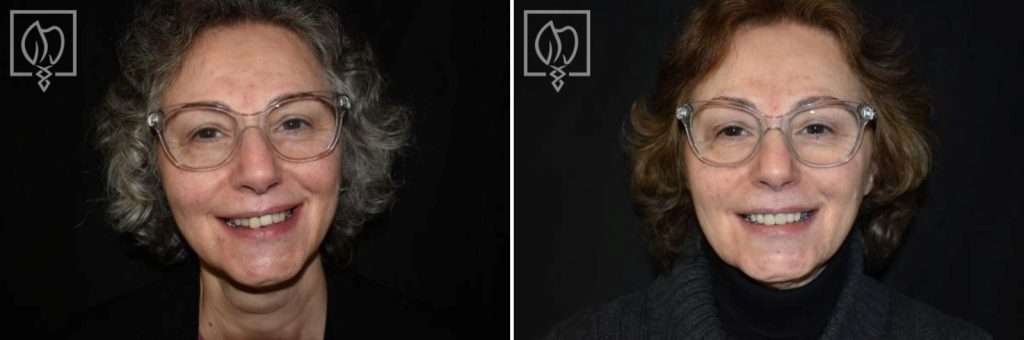
Temporary Crowns Restore Patient's Smile in Just One Day with an Immediate Smile Makeover
A patient from Potomac, Maryland, came to Elite Prosthetic Dentistry with the chief complaint of pain from a failing dental implant and its significant impact on her appearance.
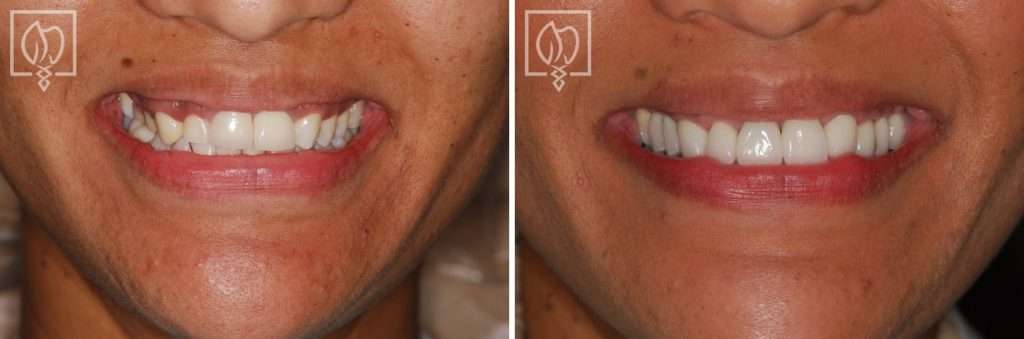
Multi-Faceted Treatment for Patient Unhappy With Her Artificial-Looking Crowns, Teeth and Gums
Many patients come to Elite Prosthetic Dentistry unhappy with the appearance of their smile. However, this particular patient presented with multiple interconnected problems that together created a smile she found deeply unsatisfying.
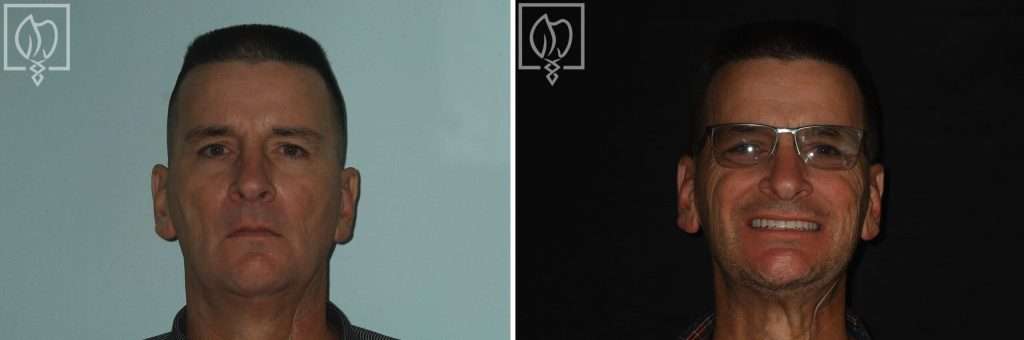
Treating Kevin’s Collapsed Bite with a Complete Smile Makeover with New Dentures
Dentures are sometimes not created to the ideal aesthetic and functional scheme. When improperly fabricated, dentures can make an individual appear almost a generation older than their actual age. They can have a poor fit that feels loose and unstable when eating or speaking, and they can actually accelerate bone loss over time.

Rejuvenating Maria’s Severely Worn Down Implant Overdentures
Many times, per year, patients come to us frustrated because their implant prosthesis is so severely worn down that they are very self-conscious and cover up their smile. They look and feel much older than their age as a result of the extensive wear of their appliance(s).
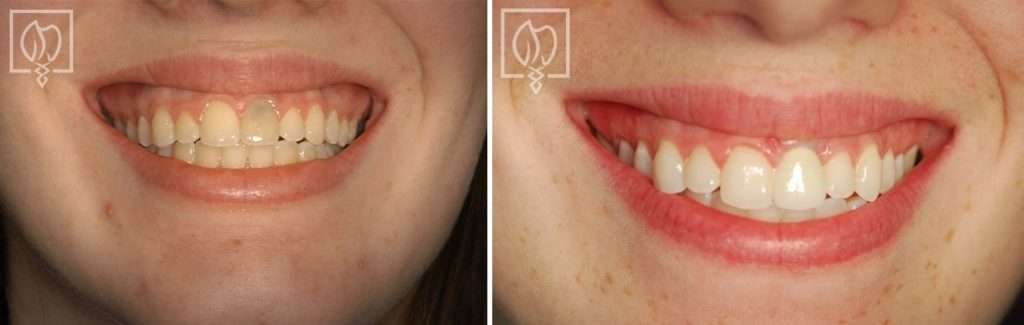
Replacing a Discolored Front Tooth with a Precision Placed Implant
Some of the most challenging restorations occur when fabricating an anterior crown to fit on an implant. Not only does one have the difficulty of matching the single front tooth to the other ones in the high visibility zone, but the dentist must also ensure the position of the underlying implant is precise through accurate preplanning and placement.
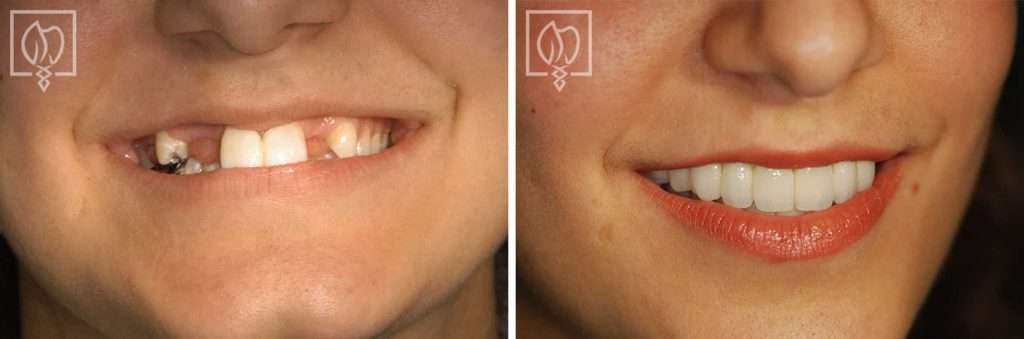
Treating Congenitally Missing Teeth in a Teenager with Dental Implants
A 16-year-old patient from McLean, Virginia, presented with a condition where she was congenitally missing several teeth, meaning they were missing from birth.
Related Articles
Deepen your knowledge with additional insights on this topic.
 Dental Implants
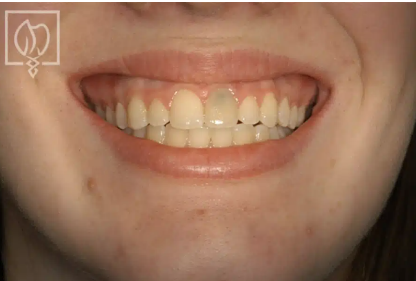
 If a Single Front Tooth is Replaced with an Implant, can it Look Natural?
A single front tooth implant can look completely natural with precision placement, custom abutments, and hand-crafted porcelain crowns. Washington, DC.
 Dental Implants
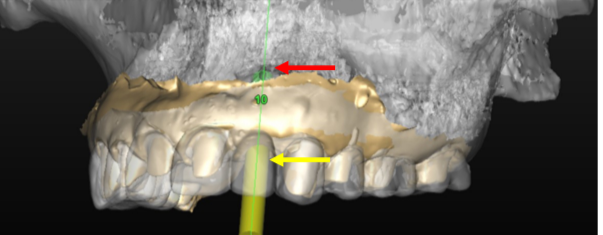
 What is Precision Implant Placement (PIP)?
Learn what Precision Implant Placement (PIP) is and how meticulous planning ensures optimal implant positioning for long-lasting results in Washington, DC.
 Dental Implants
 What is the ideal Surgical Guide for Precision Implant Placement?
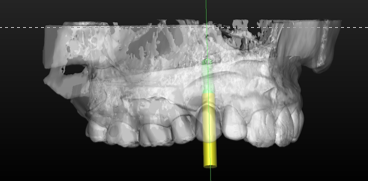
CBCT-based surgical guides allow virtual implant planning for precise positioning in optimal bone, ensuring predictable results in Washington, DC.
 Dental Implants
 When Should an Implant not be Done?
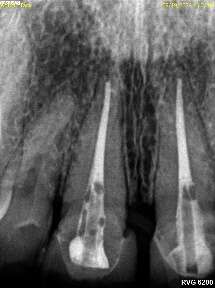
Not every patient is a candidate for dental implants. Learn when healthy roots, fragile bone, or steep angles may make alternatives the better choice.
 Dental Implants
 What is Staged Implant Therapy?
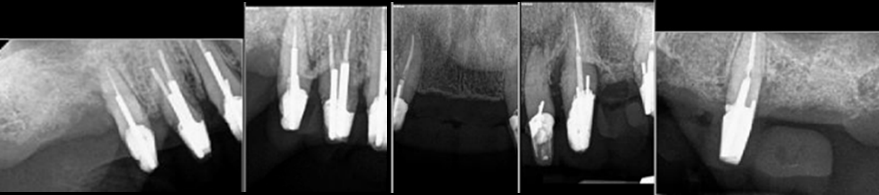
Staged implant therapy replaces teeth gradually using existing teeth as temporary support. A personalized alternative to All-on-X for full-arch cases.
Unveiling the Four Types of Dental Implants: Which One's for You?
Learn about the four types of dental implants - endosteal, subperiosteal, zygomatic, and mini implants - and which option may be right for your needs.
Our Services in Spring Valley
Beyond implant-denture-repair, Spring Valley patients rely on Dr. Gerald Marlin for a full range of advanced dental care.
More services available in Spring Valley:
implant-denture-repair Near Spring Valley
Dr. Gerald Marlin also provides implant-denture-repair services for patients in these neighboring communities.
Getting Here from Spring Valley
Elite Prosthetic Dentistry is conveniently located near Spring Valley, DC.
Just 5 minutes via Massachusetts Avenue NW from Spring Valley
Address:
4400 Jenifer Street NW, Suite 220
Washington, DC 20015
Phone: (202) 244-2101
Schedule ConsultationSchedule Your Consultation from Spring Valley
Spring Valley residents trust Dr. Gerald Marlin for precision dental care. With 3,900+ implants placed and 40+ years of experience, your smile is in expert hands.