

Loose Dental Implant in Tenleytown, DC
Fractured implant or crown? Dr. Marlin diagnoses implant fractures with advanced imaging. Tenleytown implant fracture specialist.
Loose Dental Implant From Implant Fracture in Tenleytown, DC
Among the various causes of implant loosening, one scenario stands apart: the implant fixture itself is cracked or broken. While implant fracture is rare compared to other causes of loosening, it occurs often enough that we screen for it systematically. At Elite Prosthetic Dentistry, we recognize implant fracture as a distinct diagnosis, differentiate it from other causes of loosening, and develop appropriate treatment strategies including removal and replacement planning.
Implant Fracture: A Rare But Real Complication
Titanium and titanium alloys used in dental implants are among the strongest materials we use in dentistry. Implants are designed with safety factors that ensure they tolerate normal chewing forces, heavy grinding, and occasional trauma without failure.
Yet implants can fracture under certain circumstances. Understanding when and why this happens helps you recognize fracture risk factors and take protective action.
Material Properties of Implant Titanium
Commercially pure titanium and titanium-6-aluminum-4-vanadium (Ti-6Al-4V) alloy are both very strong in tension and compression. They resist corrosion beautifully in the oral environment. They are biocompatible and integrate with bone.
But titanium, like all materials, has limits. Beyond a certain force threshold, titanium deforms or breaks. The threshold varies based on the alloy composition, the implant design (the shape and stress distribution), and surface condition.
Design Features That Prevent Fracture
Modern implant designs use finite element analysis to optimize the shape of the fixture and distribute stress favorably. The implant is stronger at the platform (where forces concentrate most) and tapers gradually to the apex.
The surface texture of the implant (roughness that promotes bone integration) can concentrate stress slightly at texture peaks. Very rough surfaces have higher fracture risk than moderately rough ones.
Implant diameter affects fracture risk. Wider implants distribute force over larger surface area and are more fracture-resistant than narrow implants. An 3.75 mm implant can tolerate more force than a 3.5 mm implant.
Why Fracture Is Rare
The safety factor built into well-designed implants is large. Normal chewing forces (100-200 pounds) stress the implant only 10-20 percent of its ultimate failure threshold. Even heavy grinding (1000 pounds) rarely exceeds the fracture threshold for healthy implants in intact bone.
For fracture to occur, either forces must be extreme, or the implant must be compromised in some way.
Causes of Implant Fracture
Understanding the circumstances under which implants fracture helps explain why fracture might have happened to yours. Different causes may require different prevention strategies going forward.
Extreme Trauma or Blunt Force
Direct Impact to the Implant
A blow to the face over an implant site can fracture the implant. This might happen from a fall, sports injury, or interpersonal violence. The force concentrates on the implant fixture, and if force exceeds the material’s strength, fracture occurs. In contrast, normal overloading from grinding causes failure differently.
Attempted Component Removal
If an abutment becomes cemented or stuck firmly and someone attempts to remove it by prying or applying excessive force, that force can transmit to the implant and cause fracture. Proper prosthodontic technique prevents this scenario.
Excessive Insertion Torque at Placement
Over-Tightening During Surgery
Implants are inserted into bone using a torque wrench. If the surgeon applies excessive torque during insertion (over-torquing), stress on the implant increases dramatically. In some cases, over-torquing causes micro-fractures or plastic deformation that weakens the implant.
The implant might be undamaged functionally after initial insertion, but the micro-fractures created during over-torquing propagate over time and eventually become visible fractures.
Predisposition to Later Fracture
Implants inserted with excessive torque are at higher risk for later fracture even if the initial insertion succeeded. The weakened implant might tolerate years of normal forces, then suddenly fracture with a heavy chewing event.
Severe and Prolonged Overloading
Cumulative Stress Damage
Chronic heavy grinding or clenching can, over years, create accumulated stress damage in the implant material. While a single grinding event might not fracture the implant, thousands of heavy-force cycles can initiate and propagate small cracks.
Accelerated Timeline
Implants under chronic heavy load are at higher fracture risk than implants in normal loading situations. We counsel patients with heavy parafunctional habits that implant fracture risk increases with chronic overloading.
Manufacturing Defect or Material Flaw
Quality Control Failures
Implant manufacturers test components extensively for defects. But no manufacturing process is perfect. Very rarely, an implant with a material flaw or processing defect escapes quality control and is placed. This implant might fracture prematurely.
Recall Situations
Occasionally, implant manufacturers identify a batch of implants with defects and issue recalls. If your implant was part of a recalled batch, that might explain early fracture.
Internal Corrosion or Material Degradation
Galvanic Corrosion
If incompatible metals (say, a stainless steel abutment on a titanium implant) are in contact, galvanic corrosion can occur where the two metals meet. This corrosion weakens the implant at that junction.
Environmental Factors
Very acidic oral environments or certain chemical exposures (rare in normal mouths) can accelerate corrosion of the implant material.
Combination of Risk Factors
Synergistic Effects
Sometimes multiple factors combine to increase fracture risk: an implant inserted with slightly high torque, in a patient with heavy grinding, using incompatible abutment materials. The combination of modest stressors can exceed the fracture threshold when any single stressor would not.
Diagnosis of Implant Fracture
Implant fracture is less common than other causes of loosening, so we don’t assume fracture initially. Instead, we systematically assess your situation and consider fracture when other diagnoses don’t fit. We distinguish fracture from failed implant integration and bone loss problems through careful evaluation.
Clinical Presentation
Loose Implant Without Expected Bone Loss
A fractured implant often presents as loose with no significant bone loss visible on radiographs. This discordance is suspicious for fracture. Normally, looseness correlates with bone loss. A loose implant with intact bone suggests something is wrong with the implant itself rather than the bone.
No Signs of Infection
A fractured implant typically has no redness, swelling, drainage, or other infection signs. Infection like peri-implantitis often accompanies looseness from bone loss. Absence of infection signs makes fracture more likely.
Mobility Without Prior Symptoms
An implant that suddenly became loose without prior warning (no gradual loosening, no prior abutment screw issues) might be fractured. Fractures can be sudden events.
History of Trauma
If your loose implant follows a blow to the face or accident, fracture is more likely.
Radiographic Assessment
Standard Radiographs
Periapical or occlusal radiographs sometimes show radiolucent lines or cracks in the implant fixture itself. However, small fractures might not be visible on standard radiography.
CBCT Imaging
CBCT provides 3D visualization that can reveal fracture lines that standard radiographs miss. If implant fracture is suspected, CBCT is indicated.
We examine the implant from multiple angles, looking for any discontinuities or breaks in the fixture. CBCT can be definitive for implant fracture diagnosis.
MRI Limitations
MRI is contraindicated for patients with titanium implants because the implant is metallic and causes image artifacts. If we need imaging for a patient with metallic implants, CBCT is the modality of choice.
Surgical Exploration
Visual Confirmation
When clinical presentation and imaging are inconclusive but fracture is suspected, surgical exploration provides definitive diagnosis. We expose the implant surgically and visually inspect it for fracture lines.
If a fracture is found during exploration, the implant must be removed. We document the fracture location and characteristics for the implant manufacturer and your records.
Implications of Implant Fracture
Once fracture is diagnosed, the implications are clear but not necessarily catastrophic.
The Implant Cannot Be Salvaged
A fractured implant fixture is structurally compromised. It cannot be repaired, welded, or restored to functionality. Removal is the only appropriate treatment.
The Site Must Heal Before Replacement
After removing a fractured implant, the bone site requires healing time before a replacement implant can be placed. We typically wait 4-8 weeks for initial healing before replacement placement, and longer if bone grafting is needed to optimize the site.
Contributing Factors Must Be Addressed
We investigate what caused the fracture. If excessive grinding was the cause, a nightguard is essential before replacement placement. If over-torque at initial placement was the cause, we modify placement protocol for the replacement.
Replacement Implant Considerations
When planning the replacement implant, we consider size, design, material, and placement technique to reduce fracture risk. A slightly larger diameter implant, placed at optimal torque, with proper force distribution, is less likely to fracture.
Treatment Plan for Fractured Implants
Once fracture is confirmed, our treatment approach is systematic.
Implant Removal
We remove the fractured implant carefully, preserving bone anatomy as much as possible. Gentle removal techniques minimize trauma to the bone socket.
We preserve the implant or fragments for analysis if you’re interested in understanding what failed. Your implant manufacturer might also want to examine the fracture for quality assurance purposes.
Bone Site Assessment
After removal, we evaluate the bone site. Usually, bone is intact and healthy (fracture is a problem with the implant, not the bone). We assess bone quantity and quality and determine whether bone grafting would improve the replacement implant site.
Healing Period
We allow 4-8 weeks of healing before replacement implant placement. During this time, initial bone remodeling occurs. We see you for follow-up to ensure healing is progressing normally.
Cause Investigation and Prevention
If your fracture resulted from grinding, we discuss and fit you with a custom nightguard before replacement implant placement. If trauma caused the fracture, we discuss protective measures.
If we suspect your original implant was over-torqued during placement, we modify our torque protocol for the replacement to ensure proper, not excessive, tightening.
Replacement Implant Placement
We use surgical planning and imaging to optimize the replacement implant position. We select appropriate size and design. We place the implant at proper torque and healing timeline.
The replacement implant has improved prospects because we’ve addressed the factors that contributed to fracture of the original implant. Our approach to precision implant placement ensures optimal positioning for strength and longevity.
The Role of Implant System Selection
Not all implant systems have equal fracture resistance. While modern implants from established manufacturers are all very safe, subtle design differences affect safety margins.
Design Differences
Some implant systems have more conservative designs that distribute stress favorably. Others have more aggressive designs that optimize bone contact but with slightly smaller safety factors.
Surface Characteristics
Implant surface roughness (important for bone integration) varies by system. Some systems use moderately rough surfaces that balance integration and fracture resistance. Others use very rough surfaces for superior integration but with slightly higher fracture risk.
Material Composition
While most implants are titanium or titanium alloys, subtle alloy composition differences affect material strength and corrosion resistance.
We Partner With Proven Systems
We select implant systems with proven long-term safety records. We’re familiar with their characteristics and their performance in our patient population. This selection strategy minimizes fracture risk.
Tenleytown and Implant Fracture Prevention
Tenleytown residents appreciate education about preventing serious complications. Understanding fracture risk factors and how to minimize them (grinding protection, force awareness, avoiding extreme trauma) empowers patients to protect their implant investments.
Our Tenleytown location, just 3 minutes away, makes it convenient for follow-up care and monitoring to ensure your replacement implant heals optimally.
Long-Term Outlook After Implant Fracture
While implant fracture is disappointing, the long-term outlook is quite good.
Replacement Implant Success
Replacement implants, when placed in healed bone with improved technique and fracture-risk reduction strategies, have success rates equivalent to primary implants. The fact that a fracture occurred doesn’t doom the replacement.
Learning From the Experience
Your fracture teaches us about your risk factors. The replacement implant can be optimized to minimize those specific risks.
Preventing Recurrence
If you understand why your implant fractured, you can take steps to prevent recurrence. Nightguard therapy, force awareness, and trauma avoidance all contribute to replacement implant longevity.
Related Complications and Broader Implant Health
Implant fracture sometimes intersects with other issues. Repairing failing implants includes management of fractured implants as part of broader salvage or replacement strategies. Failing implants might have fracture as one of multiple problems contributing to failure.
Poorly placed dental implants have increased fracture risk because placement compromises mechanical strength. Dental implant bone loss sometimes accompanies fracture if infection develops around the damaged implant. For Tenleytown patients, we provide dental implants in Tenleytown, bone grafting in Tenleytown, full mouth reconstruction in Tenleytown, implant denture repair in Tenleytown, sedation dentistry in Tenleytown, and full mouth dental implants in Tenleytown.
In-house lab capabilities allow us to fabricate components and temporary restorations quickly as we plan your replacement implant strategy. Precision implant placement ensures your replacement implant is positioned optimally to prevent fracture recurrence. For comprehensive care, advanced restorative dentistry considerations guide your replacement crown design.
Why Choose Elite Prosthetic Dentistry for Implant Fracture Management
Dr. Marlin has diagnosed and managed numerous implant failures including fractures. His experience allows him to recognize fracture as a distinct diagnosis and to plan replacement implants that optimize strength and longevity.
We work with oral surgeons who specialize in complex removal techniques that preserve bone anatomy for optimal replacement implant positioning.
We invest in CBCT imaging, which is critical for confirming implant fracture diagnosis and planning replacement implant placement.
Scheduling Your Evaluation
If you suspect your loose implant might be fractured, request an appointment for evaluation. If you have a history of trauma to the implant area, mention that specifically.
Read more about Dr. Marlin’s approach to complex implant complications.
Implant fracture is a serious complication, but it’s manageable. Careful removal, assessment of bone, and replacement with optimized technique and fracture-prevention strategies give your replacement implant every opportunity to succeed. Let us help you navigate this challenge and restore your smile with a stronger, well-positioned replacement implant.
Frequently Asked Questions
Can a titanium dental implant actually fracture, or is it too strong?
Titanium implants are very strong but not indestructible. Implant fracture is rare but does occur, usually from extreme forces, trauma, or factors that weakened the implant during manufacturing or placement. A fractured implant cannot be saved and must be removed.
How can you tell if an implant is fractured versus just loose from bone loss?
A fractured implant typically has no bone loss and no infection signs, yet the implant feels loose. CBCT imaging can sometimes show fracture lines in the implant fixture. If clinical signs don't match bone loss, and imaging doesn't clarify, surgical exploration confirms the diagnosis.
What causes an implant to fracture?
Extreme forces or trauma are the primary causes. Excessive grinding, an accidental blow to the implant, or attempted removal of a severely stuck component can fracture an implant. Manufacturing defects or material defects are rare but possible. Some implants are predisposed to fracture if they were placed with excessive insertion torque.
If my implant is fractured, can the fracture be repaired?
No. A fractured implant fixture cannot be repaired. The fixture must be removed, and the site must heal before replacement implant placement is possible. If the fracture occurred from a fixable cause (excessive grinding), addressing that cause before replacement reduces recurrence risk.
If my implant fractured, does that mean the implant system is defective?
Not necessarily. Implant systems from established manufacturers are extensively tested and very reliable. Fractures usually result from excessive force, trauma, or manufacturing defect that escaped quality control. We work with the manufacturer to determine if defect contributed.
Related Patient Success Stories
Explore similar patient success stories demonstrating our expertise in advanced prosthetic dentistry.

Temporary Crowns Restore Patient's Smile in Just One Day with an Immediate Smile Makeover
A patient from Potomac, Maryland, came to Elite Prosthetic Dentistry with the chief complaint of pain from a failing dental implant and its significant impact on her appearance.
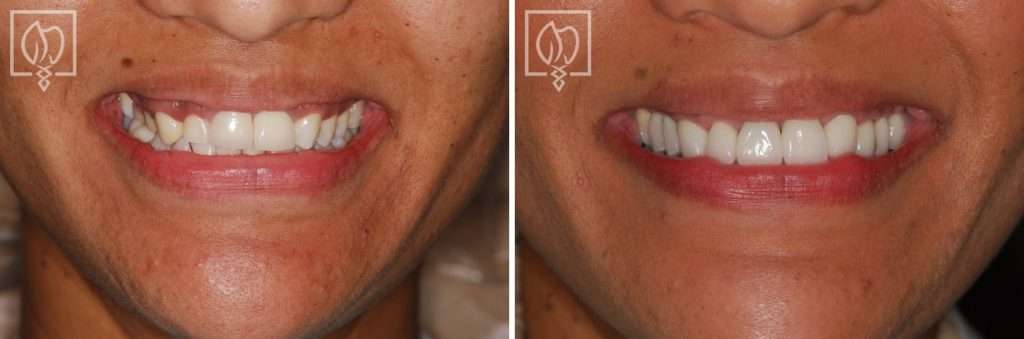
Multi-Faceted Treatment for Patient Unhappy With Her Artificial-Looking Crowns, Teeth and Gums
Many patients come to Elite Prosthetic Dentistry unhappy with the appearance of their smile. However, this particular patient presented with multiple interconnected problems that together created a smile she found deeply unsatisfying.

Treating Kevin’s Collapsed Bite with a Complete Smile Makeover with New Dentures
Dentures are sometimes not created to the ideal aesthetic and functional scheme. When improperly fabricated, dentures can make an individual appear almost a generation older than their actual age. They can have a poor fit that feels loose and unstable when eating or speaking, and they can actually accelerate bone loss over time.

Salvaging Ms. N’s Severely Broken-Down Upper and Lower Teeth from Gum and Bone Disease
Many people in the U.S. suffer from extensive periodontal disease characterized by significant bone loss and shrinkage of the gum tissue. This condition can begin at a very young age and worsen quickly due to hereditary factors and lack of early diagnosis by their dentist.

Rejuvenating Maria’s Severely Worn Down Implant Overdentures
Many times, per year, patients come to us frustrated because their implant prosthesis is so severely worn down that they are very self-conscious and cover up their smile. They look and feel much older than their age as a result of the extensive wear of their appliance(s).
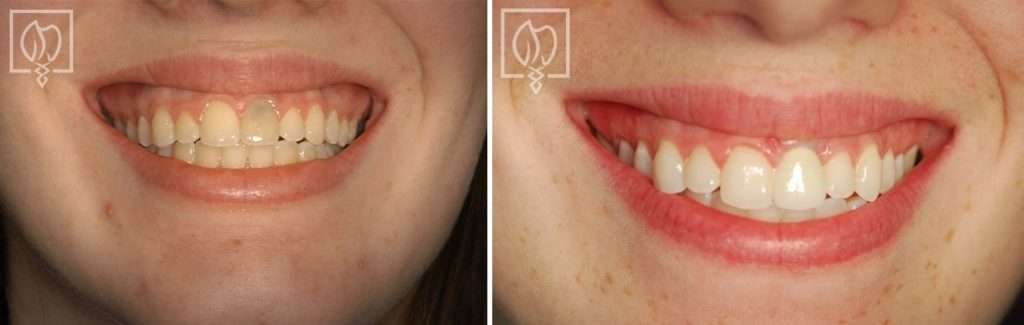
Replacing a Discolored Front Tooth with a Precision Placed Implant
Some of the most challenging restorations occur when fabricating an anterior crown to fit on an implant. Not only does one have the difficulty of matching the single front tooth to the other ones in the high visibility zone, but the dentist must also ensure the position of the underlying implant is precise through accurate preplanning and placement.
Related Articles
Deepen your knowledge with additional insights on this topic.
 Dental Implants
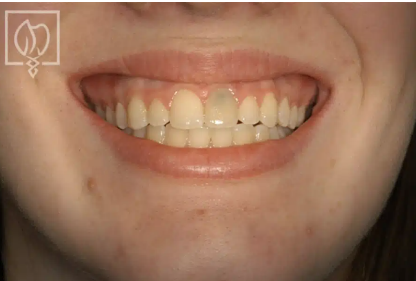
 If a Single Front Tooth is Replaced with an Implant, can it Look Natural?
A single front tooth implant can look completely natural with precision placement, custom abutments, and hand-crafted porcelain crowns. Washington, DC.
 Dental Implants
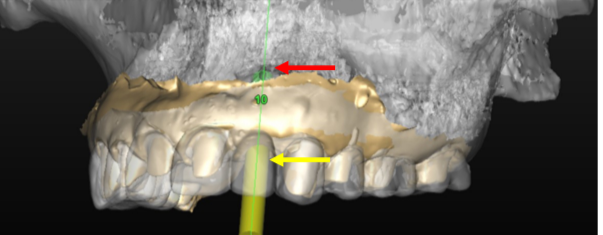
 What is Precision Implant Placement (PIP)?
Learn what Precision Implant Placement (PIP) is and how meticulous planning ensures optimal implant positioning for long-lasting results in Washington, DC.
 Dental Implants
 What is the ideal Surgical Guide for Precision Implant Placement?
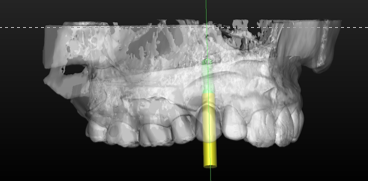
CBCT-based surgical guides allow virtual implant planning for precise positioning in optimal bone, ensuring predictable results in Washington, DC.
 Dental Implants
 When Should an Implant not be Done?
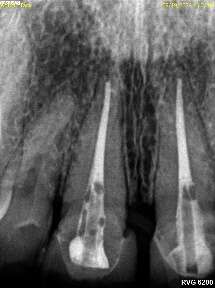
Not every patient is a candidate for dental implants. Learn when healthy roots, fragile bone, or steep angles may make alternatives the better choice.
 Dental Implants
 What is Staged Implant Therapy?
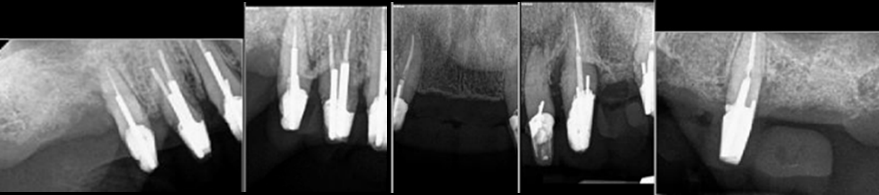
Staged implant therapy replaces teeth gradually using existing teeth as temporary support. A personalized alternative to All-on-X for full-arch cases.
Unveiling the Four Types of Dental Implants: Which One's for You?
Learn about the four types of dental implants - endosteal, subperiosteal, zygomatic, and mini implants - and which option may be right for your needs.
Our Services in Tenleytown
Beyond loose-dental-implant, Tenleytown patients rely on Dr. Gerald Marlin for a full range of advanced dental care.
More services available in Tenleytown:
loose-dental-implant Near Tenleytown
Dr. Gerald Marlin also provides loose-dental-implant services for patients in these neighboring communities.
Getting Here from Tenleytown
Elite Prosthetic Dentistry is conveniently located near Tenleytown, DC.
Tenleytown is our closest location, easily accessible via Wisconsin Avenue or Battery Lane.
Address:
4400 Jenifer Street NW, Suite 220
Washington, DC 20015
Phone: (202) 244-2101
Schedule ConsultationSchedule Your Consultation from Tenleytown
Tenleytown residents trust Dr. Gerald Marlin for precision dental care. With 3,900+ implants placed and 40+ years of experience, your smile is in expert hands.