
Implant Denture Repair in Kalorama, DC
Expert implant denture repair in Kalorama, DC. Dr. Marlin repairs loose snap-in dentures, attachment failure, and complex implant dentures.
Kalorama’s sophisticated residents appreciate quality professional services delivered with genuine expertise and discretion. When implant-supported dentures that have provided excellent function require repair, Kalorama patients want consultation with someone whose credentials and clinical experience inspire complete confidence.
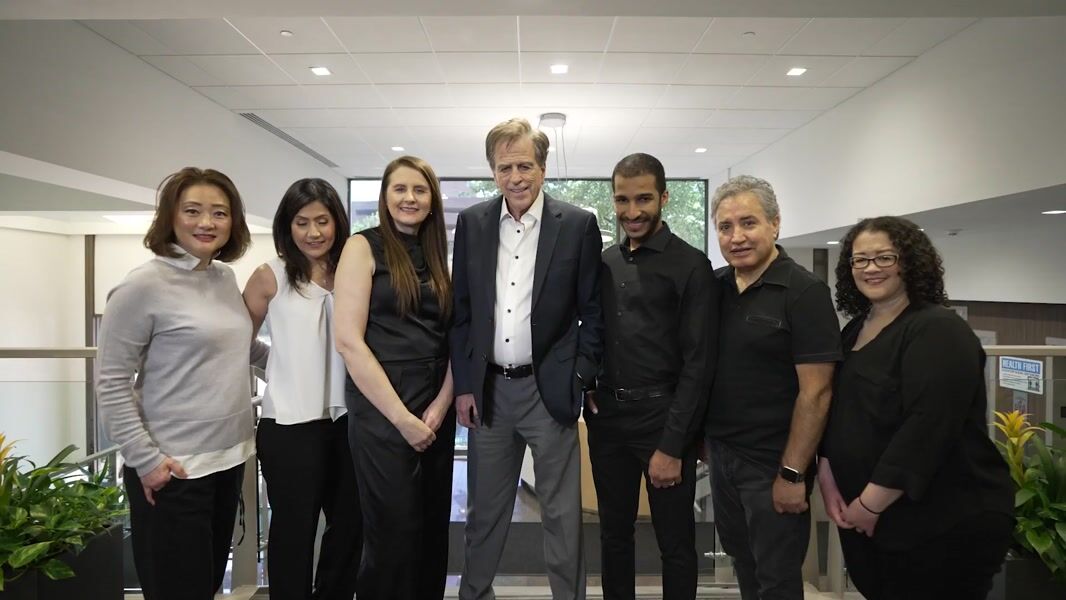
Dr. Gerald Marlin, a specialty-trained prosthodontist with extensive clinical experience in complex denture repair, is conveniently located just 10 minutes south via Connecticut Avenue NW. His exclusive focus on prosthetic dentistry ensures Kalorama patients receive expert evaluation, sophisticated diagnosis, and precise repair.
Understanding Implant Denture System Variations
Kalorama patients benefit from understanding various implant denture configurations and terminology. The terminology can be confusing because multiple system variations exist with different retention and support mechanisms.
Snap-in dentures are retained by attachment mechanisms (usually locators) that the patient controls through insertion and removal. These dentures rest on implants and are retained through mechanical attachment, allowing patient control over retention.
Bar-retained dentures rest on a rigid metal bar (often called a horseshoe bar) that connects implants. The denture rests on this bar and is stabilized by the bar structure. The patient cannot remove bar-retained dentures independently.
All-on-4 and All-on-6 dentures use four or six implants positioned at strategic angles to support complete arch replacement. These systems maximize support and stability using fewer implants than traditional approaches.
Dr. Marlin clarifies what type of denture system you have and what specific components are involved. This understanding ensures appropriate repair recommendations matched to your specific system.
Locator Attachment Wear and Progression
Kalorama patients with loose snap-in dentures most frequently experience locator attachment cap wear. These synthetic rubber caps gradually lose their gripping force through normal insertion and removal cycles.
The wear process is predictable and follows a recognizable progression. Your denture feels stable and provides firm retention initially. After a few years, subtle looseness develops that’s barely noticeable. Progressive looseness continues gradually.
Eventually, obvious looseness develops where the denture shifts noticeably during eating. The denture that once provided confident retention gradually becomes unreliable. Food catches under the loose denture. Speaking becomes less distinct. Social situations become stressful.
Dr. Marlin can identify locator cap wear through careful examination and precision testing. If worn caps are causing looseness, replacement restores retention to like-new condition in a single appointment. Patients often remark how dramatic the improvement is after repair, recovering the confident retention they enjoyed initially.
Framework Problems in Bar-Retained Dentures
Kalorama patients with bar-retained dentures sometimes experience problems from loose framework screws. These screws gradually loosen from metal fatigue and stress relaxation caused by repetitive chewing forces concentrated on the bar structure.
Loose screws create framework movement manifesting as rocking, lateral shifting, or clicking sounds during eating. Dr. Marlin uses precision instruments to check framework screw tightness systematically throughout the bar structure. This examination identifies loose screws before they cause obvious dysfunction.
Tightening loose screws typically takes 20 to 30 minutes and frequently resolves all denture movement issues. However, Dr. Marlin also evaluates what forces created the looseness. Sometimes underlying issues like bone loss around implants or uneven stress distribution need to be addressed to prevent recurrence.
Acrylic Base Integrity and Strategic Replacement
Kalorama residents sometimes notice cracks developing in denture acrylic bases. These cracks develop from thermal cycling when dentures are exposed to temperature extremes, impacts during insertion or cleaning, grinding or clenching during sleep, or accumulated stress from years of use.
Dr. Marlin assesses cracks carefully to determine whether sealing is sufficient or replacement is necessary. Cosmetic cracks in non-structural areas sometimes can be sealed without replacement. Structural cracks require base replacement.
For cracks requiring replacement, our laboratory preserves all existing denture teeth and attachment components while fabricating only a new base. This approach restores structural integrity at significantly lower cost than complete denture replacement.
Partial Implant Dentures and Comprehensive System Evaluation
Kalorama patients should know that partial dentures attached to implants experience similar problems to full implant dentures, including attachment wear, framework looseness, acrylic damage, and tooth fracture. Repair approaches are similar to full denture repair.
Partial implant dentures sometimes have additional complexity because they interface with remaining natural teeth. The natural teeth might be supporting opposing dentures, and changes in natural teeth affect implant denture fit and function.
Dr. Marlin evaluates the entire system including both implants and natural teeth to ensure repair addresses all contributing factors. This comprehensive approach prevents repairs from failing because secondary issues were ignored.
Dietary Modification and Mechanical Stress Management
Kalorama patients sometimes need to modify their diet temporarily during denture repair. Avoiding very hard foods, sticky foods, and foods requiring significant chewing force is wise if dentures are loose or unstable.
These foods place excessive stress on already-compromised mechanical systems and can accelerate failure or break dentures during use. Once repair is completed, normal eating typically can be restored. However, some Kalorama patients with significant bone loss might need permanent dietary modifications for long-term implant stability.
Dr. Marlin advises on appropriate diet during repair and long-term eating patterns based on your specific implant denture system and bone level.
Denture Tooth Damage and Material Upgrading
Denture teeth occasionally fracture from impacts during cleaning or from accidentally biting hard objects. Some Kalorama patients experience chipped teeth or stained teeth from foods or beverages.
Tooth replacement is straightforward. Our laboratory replaces broken or damaged teeth and matches color carefully to create seamless repairs. The replacement is essentially invisible.
Some Kalorama patients choose to upgrade to porcelain denture teeth during replacement. Porcelain is significantly more durable than acrylic and more stain-resistant. Porcelain resists thermal staining from beverages and is less likely to discolor over time. The tradeoff is that porcelain is more brittle and can shatter if struck, whereas acrylic tends to crack rather than shatter.
Aging and Implant Denture Function
Kalorama patients should understand how aging affects implant dentures over decades. Bone loss accelerates slightly due to age-related factors even with successful implants. Acrylic materials age and become more brittle over many years. Attachment components wear at rates related to use patterns.
Regular professional evaluation tracks these changes and adjusts treatment accordingly. Aging itself doesn’t require denture replacement, but appropriate maintenance becomes progressively more important.
Age-related changes are manageable through systematic professional care and preventive maintenance. Kalorama patients in their 80s and beyond with decades-old implant dentures continue functioning well with appropriate care.
Getting Here from Kalorama
Kalorama residents reach Elite Prosthetic Dentistry in approximately 10 minutes south via Connecticut Avenue NW. The office is located at 4400 Jenifer Street NW, Suite 220, Washington, DC 20015, in the Forest Hills neighborhood.
Convenient parking is available on the building lot. The proximity allows Kalorama patients to schedule appointments easily.
Advanced Diagnostic Capabilities
Dr. Marlin employs diagnostic techniques that identify problems many dentists miss. Specialized imaging reveals subtle framework cracks, screw looseness, and attachment issues. Precision testing detects problems in early stages before they cause obvious dysfunction.
This diagnostic precision ensures repair addresses actual problems rather than guessed causes. Accurate diagnosis prevents unnecessary treatment and costly repairs for problems that don’t actually exist.
In-House Laboratory and Same-Day Repairs
Elite Prosthetic Dentistry’s in-house laboratory provides same-day or next-day repairs for most problems. Laboratory staff coordinate directly with Dr. Marlin, ensuring repairs meet exacting standards.
Complex attachment systems, framework alignment, and acrylic bonding require skilled execution. The same technicians who understand your denture’s history complete all repairs, ensuring consistency and quality.
Support Resources and Implant Denture Community
Kalorama patients should know that multiple organizations and support groups focus on implant and denture patients. The American College of Prosthodontists offers comprehensive patient education. Dental implant manufacturer websites provide patient resources. Support groups connect patients with others having similar experiences.
Dr. Marlin can recommend resources specific to your situation. Don’t feel isolated if you’re experiencing denture problems. Many patients experience similar issues, and professional support combined with peer support creates effective coping strategies.
Preventive Maintenance and Long-Term Care
Implant dentures typically function reliably for 20 to 30 years with proper care. This extended lifespan requires commitment to maintenance including periodic attachment replacement every 2 to 4 years, annual professional evaluation by Dr. Marlin, and occasional adjustments as bone changes occur.
Denture care at home involves proper insertion and removal technique, soft brush cleaning, proper storage in a moist environment, and avoiding extreme temperatures. This straightforward maintenance significantly extends denture life.
Related Resources
- Implant denture problems and solutions
- Repairing failing implants
- Loose snap-in denture solutions
- Denture relines and repairs
- Removable prosthodontics
- Comfortable denture solutions
- Patient success stories
- Meet Dr. Gerald Marlin, specialty-trained prosthodontist
- Our in-house dental laboratory
- Dental implant information
- Schedule an appointment
Schedule Your Consultation or call (202) 244-2101
Kalorama residents with failing or deteriorating implant dentures have expert repair solutions available nearby. Most denture problems are repairable, and many can be fixed without complete replacement. Contact Elite Prosthetic Dentistry to schedule an evaluation and discover whether your denture can be restored to full function.
Frequently Asked Questions
Can partial dentures attached to implants also need repair?
Yes. Partial dentures attached to implants function similarly to full implant dentures and experience similar problems. Attachment wear, framework looseness, acrylic damage, and tooth fracture all occur in partial implant dentures. Repair approaches are similar. Partial implant dentures sometimes have additional complexity because they interface with remaining natural teeth. Dr. Marlin evaluates the entire system including both implants and natural teeth to ensure repair addresses all contributing factors.
Should I avoid certain foods if my implant denture is failing?
Limiting foods temporarily during repair is wise. Avoid very hard foods, sticky foods, and foods that require significant force to chew if your denture is loose or unstable. These foods place excessive stress on already-compromised attachment systems and can accelerate failure or break the denture during use. Once repair is completed, normal eating is typically restored. However, some patients with significant bone loss might need permanent dietary modifications. Dr. Marlin advises on appropriate diet during repair and long-term eating patterns.
What's the difference between implant dentures and dentures supported entirely by implants?
Implant-supported dentures rely on implants for retention and stability, as opposed to traditional dentures that rely on soft tissue support. The terminology can be confusing because there are variations: some dentures rest on implants but aren't fully retained by them, while others are fully retained by implants. Dr. Marlin clarifies what type of denture you have and what specific systems are involved to ensure appropriate repair.
How does aging affect implant dentures?
As you age, several changes affect implant dentures. Bone loss accelerates slightly due to age-related factors. Healing and tissue changes occur. Acrylic materials age and can become more brittle. Attachment components wear at rates related to your specific use patterns. Some age-related changes affect denture function. Regular professional evaluation tracks these changes and adjusts treatment accordingly. Aging itself doesn't require denture replacement, but appropriate maintenance becomes more important.
Are there support groups or resources for implant denture patients?
Multiple organizations and support groups focus on implant and denture patients. The American College of Prosthodontists offers patient education. Dental implant manufacturer websites provide patient resources. Support groups connect patients with others having similar experiences. Dr. Marlin can recommend resources specific to your situation. Don't feel isolated if you're experiencing denture problems. Many patients experience similar issues, and professional support combined with peer support creates effective coping strategies.
Related Patient Success Stories
Explore similar patient success stories demonstrating our expertise in advanced prosthetic dentistry.
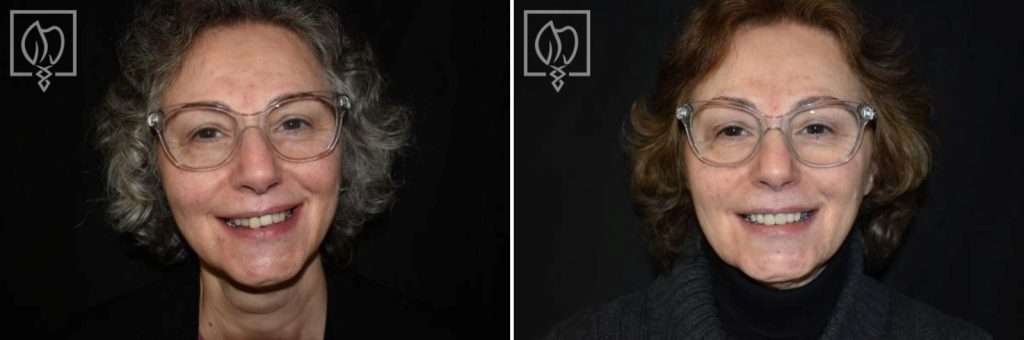
Temporary Crowns Restore Patient's Smile in Just One Day with an Immediate Smile Makeover
A patient from Potomac, Maryland, came to Elite Prosthetic Dentistry with the chief complaint of pain from a failing dental implant and its significant impact on her appearance.
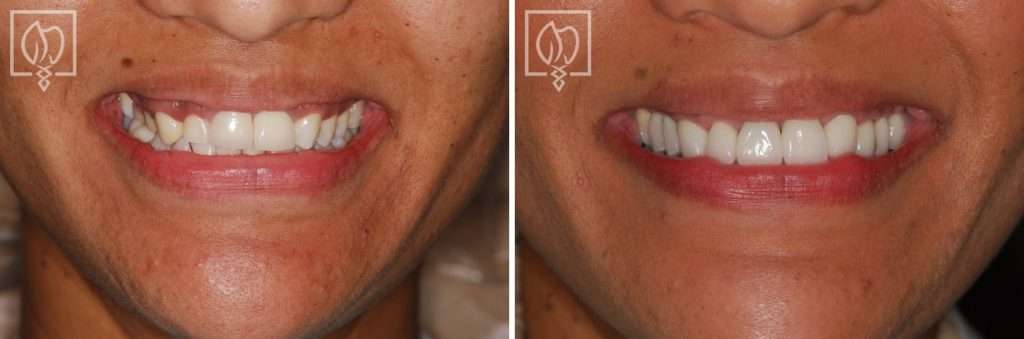
Multi-Faceted Treatment for Patient Unhappy With Her Artificial-Looking Crowns, Teeth and Gums
Many patients come to Elite Prosthetic Dentistry unhappy with the appearance of their smile. However, this particular patient presented with multiple interconnected problems that together created a smile she found deeply unsatisfying.
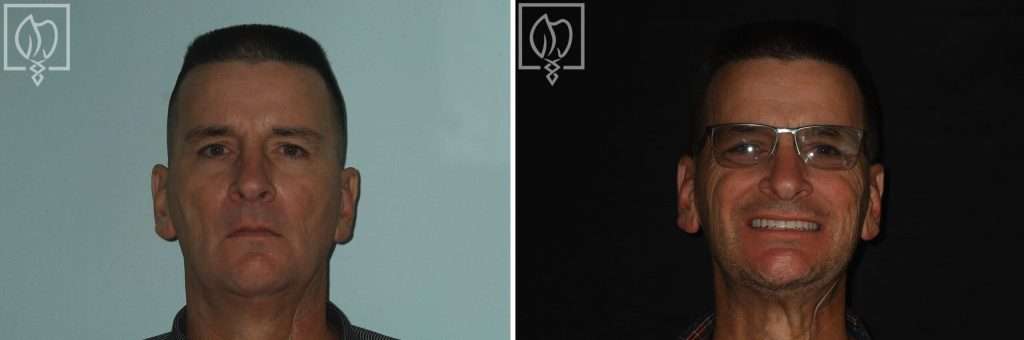
Treating Kevin’s Collapsed Bite with a Complete Smile Makeover with New Dentures
Dentures are sometimes not created to the ideal aesthetic and functional scheme. When improperly fabricated, dentures can make an individual appear almost a generation older than their actual age. They can have a poor fit that feels loose and unstable when eating or speaking, and they can actually accelerate bone loss over time.
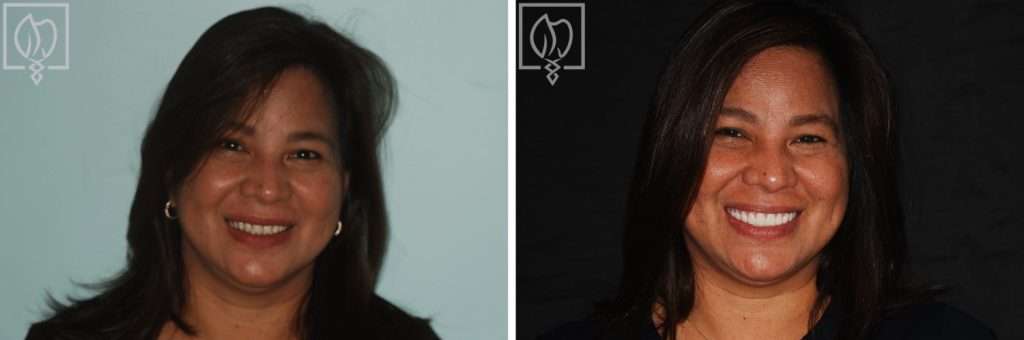
Rejuvenating Maria’s Severely Worn Down Implant Overdentures
Many times, per year, patients come to us frustrated because their implant prosthesis is so severely worn down that they are very self-conscious and cover up their smile. They look and feel much older than their age as a result of the extensive wear of their appliance(s).
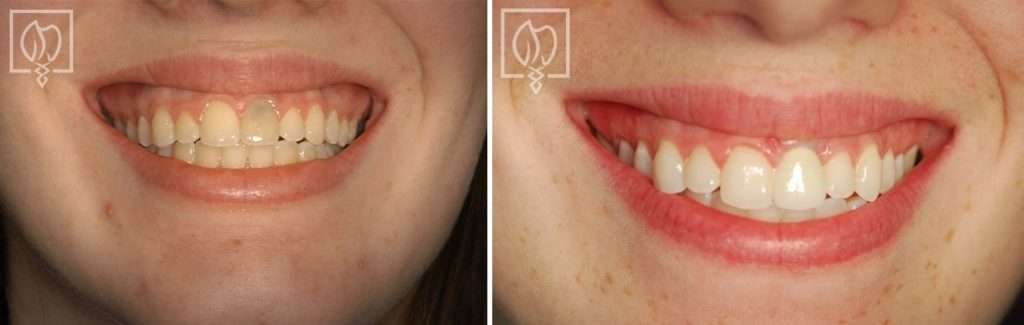
Replacing a Discolored Front Tooth with a Precision Placed Implant
Some of the most challenging restorations occur when fabricating an anterior crown to fit on an implant. Not only does one have the difficulty of matching the single front tooth to the other ones in the high visibility zone, but the dentist must also ensure the position of the underlying implant is precise through accurate preplanning and placement.
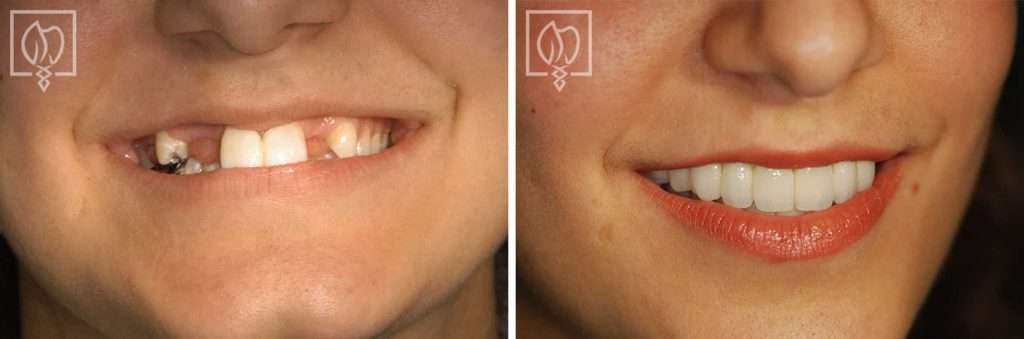
Treating Congenitally Missing Teeth in a Teenager with Dental Implants
A 16-year-old patient from McLean, Virginia, presented with a condition where she was congenitally missing several teeth, meaning they were missing from birth.
Related Articles
Deepen your knowledge with additional insights on this topic.
 Dental Implants
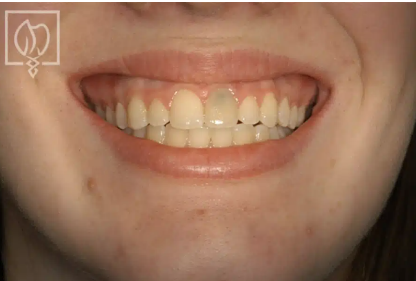
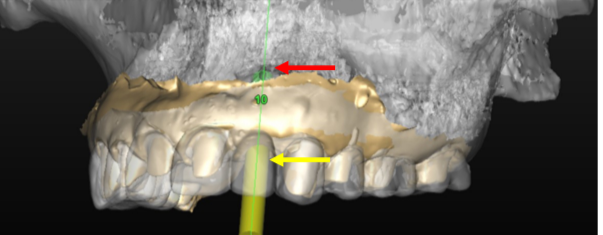
 If a Single Front Tooth is Replaced with an Implant, can it Look Natural?
A single front tooth implant can look completely natural with precision placement, custom abutments, and hand-crafted porcelain crowns. Washington, DC.
 Dental Implants
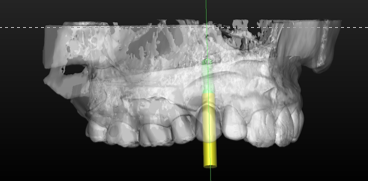
 What is Precision Implant Placement (PIP)?
Learn what Precision Implant Placement (PIP) is and how meticulous planning ensures optimal implant positioning for long-lasting results in Washington, DC.
 Dental Implants
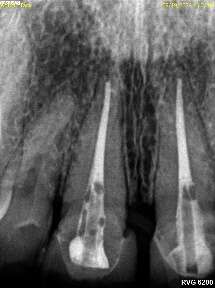
 What is the ideal Surgical Guide for Precision Implant Placement?
CBCT-based surgical guides allow virtual implant planning for precise positioning in optimal bone, ensuring predictable results in Washington, DC.
 Dental Implants
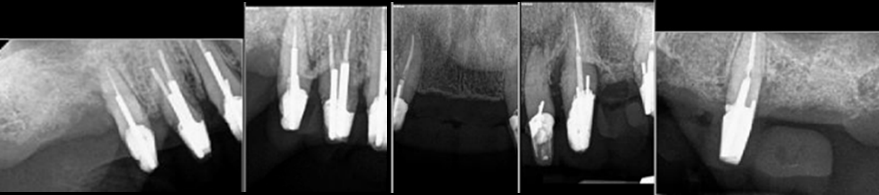
 When Should an Implant not be Done?
Not every patient is a candidate for dental implants. Learn when healthy roots, fragile bone, or steep angles may make alternatives the better choice.
 Dental Implants
 What is Staged Implant Therapy?
Staged implant therapy replaces teeth gradually using existing teeth as temporary support. A personalized alternative to All-on-X for full-arch cases.
Unveiling the Four Types of Dental Implants: Which One's for You?
Learn about the four types of dental implants - endosteal, subperiosteal, zygomatic, and mini implants - and which option may be right for your needs.
Our Services in Kalorama
Beyond implant-denture-repair, Kalorama patients rely on Dr. Gerald Marlin for a full range of advanced dental care.
More services available in Kalorama:
implant-denture-repair Near Kalorama
Dr. Gerald Marlin also provides implant-denture-repair services for patients in these neighboring communities.
Getting Here from Kalorama
Elite Prosthetic Dentistry is conveniently located near Kalorama, DC.
Kalorama residents reach our office 10 minutes south via Connecticut Avenue NW
Address:
4400 Jenifer Street NW, Suite 220
Washington, DC 20015
Phone: (202) 244-2101
Schedule ConsultationSchedule Your Consultation from Kalorama
Kalorama residents trust Dr. Gerald Marlin for precision dental care. With 3,900+ implants placed and 40+ years of experience, your smile is in expert hands.