
Implant Denture Repair in Foxhall, DC
Expert implant denture repair in Foxhall, DC. Dr. Marlin fixes loose dentures, attachment failures, and complex implant denture problems.
Foxhall’s established residents appreciate specialized healthcare delivered with efficiency and precision. When implant-supported dentures that have provided excellent function develop problems, Foxhall patients want access to an expert who specializes in complex prosthetic restoration.
Dr. Gerald Marlin, a specialty-trained prosthodontist with decades of clinical experience in implant denture diagnosis and repair, is conveniently located just 7 minutes via Foxhall Road NW. His exclusive focus on complex prosthetics ensures Foxhall patients receive expert evaluation and precise repair.
Understanding Bone Loss and Denture Stability
Foxhall patients sometimes worry that bone loss around implants is inevitably causing their denture problems. This concern deserves clear explanation.
Bone loss around implants does occur naturally and gradually, but the rate is much slower than bone loss around missing teeth. Annual bone loss averages less than 1 millimeter in early years after implant placement, then stabilizes at even slower rates as bone achieves equilibrium.
Small amounts of bone resorption alone don’t create obvious denture looseness. However, if bone loss occurs unevenly, the denture might contact tissues unevenly, creating a rocking sensation. The denture contacts at only one or two points rather than distributing pressure evenly. Selective relining can correct uneven fit by adding tissue-contact material in areas that contact loosely.
Dr. Marlin uses specialized imaging to assess bone changes and determine whether even resorption (requiring no treatment) or uneven resorption (requiring correction) is present.
Locator Attachment Wear and Progressive Looseness
Most Foxhall patients with loose snap-in dentures have locator attachment cap wear. These synthetic rubber caps gradually wear through normal insertion and removal cycles.
The wear process is entirely predictable. Your denture feels stable initially. After several years, you notice progressive looseness. The denture that once provided firm retention gradually becomes unreliable. Eventually, looseness becomes obvious enough to seek professional care.
Dr. Marlin can identify cap wear through examination. If worn caps are causing looseness, replacement restores retention to like-new condition in a single appointment. This is one of the most successful repairs in prosthodontic practice.
Framework Screw Tightening in Bar-Retained Dentures
Foxhall patients with bar-retained dentures sometimes experience stability problems from loose framework screws. These screws gradually loosen from repetitive chewing forces.
Loose screws create framework movement manifesting as denture rocking, shifting, or clicking. Dr. Marlin uses precision instruments to check screw tightness and tighten any loose screws. This procedure typically takes 20 to 30 minutes and frequently resolves denture movement issues completely.
Acrylic Base Damage and Replacement
Foxhall residents sometimes notice cracks developing in their denture acrylic base. These cracks develop from thermal cycling, impacts, grinding, or accumulated stress.
Small surface cracks in non-structural areas sometimes can be sealed. Large structural cracks require base replacement.
Dr. Marlin assesses cracks carefully, determining whether replacement is necessary or whether sealing is sufficient. For cracks requiring base replacement, our laboratory preserves existing denture teeth and attachment components while fabricating a new base. This is more economical than complete denture replacement.
Continuous Wear Versus Nightly Removal
Some Foxhall patients wonder whether sleeping with their dentures in accelerates wear. Sleeping with dentures in accelerates some types of wear, particularly locator attachment wear, because it increases daily wear and more insertion cycles.
However, some prosthodontists recommend nightly removal for tissue health. With proper care and appropriate attachment systems, 24-hour wear is feasible. Dr. Marlin advises whether your specific denture is suitable for continuous wear or whether nightly removal is preferable based on your attachment type and tissue response.
Denture Tooth Fracture and Replacement
Acrylic denture teeth occasionally fracture from impacts or chewing. Fractured teeth affect function and esthetics.
Replacement is straightforward. Our laboratory replaces broken teeth and matches color carefully. The repair is seamless.
Some Foxhall patients choose to upgrade to porcelain denture teeth. Porcelain is more durable and stain-resistant, though more brittle.
Early Warning Signs of Attachment Problems
Foxhall patients should recognize early signs of attachment problems. Subtle clicking sounds during chewing, a slight rocking sensation, or feeling that the denture isn’t perfectly stable suggest developing problems.
Sometimes loose screws are so loose you can feel movement with your finger. Other times, looseness is detectable only with professional instruments. Annual professional evaluation checks for developing problems before they cause obvious dysfunction.
Food-Specific Denture Instability
Some Foxhall patients notice their denture feels less stable after eating certain foods. Certain foods create different chewing forces and movement patterns. Hard, sticky, or fibrous foods require different chewing mechanics than soft foods.
If denture attachment is starting to wear, certain foods might create more noticeable instability. Understanding which foods create problems helps clarify whether problems are progressive.
Stress and Nocturnal Grinding
Foxhall patients should understand that stress-related teeth grinding and jaw clenching increase wear on denture attachment components and accelerate loosening. When stressed, you might clench your jaw harder while eating, creating greater forces on attachment systems.
Stress management and avoiding nocturnal grinding through a nightguard protects dentures from stress-related acceleration.
Getting Here from Foxhall
Foxhall residents reach Elite Prosthetic Dentistry conveniently in approximately 7 minutes via Foxhall Road NW. The office is located at 4400 Jenifer Street NW, Suite 220, Washington, DC 20015, in the Forest Hills neighborhood.
The extremely convenient location makes denture maintenance appointments efficient for busy Foxhall residents.
Advanced Diagnostic Evaluation
Dr. Marlin employs diagnostic techniques that identify problems many dentists miss. Specialized imaging reveals subtle framework cracks, screw looseness, and attachment issues. Precision measurement determines whether looseness originates from attachment wear, bone changes, framework movement, or combinations.
This diagnostic precision ensures repair addresses actual problems rather than guessed causes.
In-House Laboratory Advantage
Elite Prosthetic Dentistry’s in-house laboratory provides same-day or next-day repairs for most problems. Laboratory staff coordinate directly with Dr. Marlin, ensuring repairs meet exacting standards.
Long-Term Care and Maintenance
Implant dentures typically function reliably for 20 to 30 years with proper care. Normal maintenance includes periodic attachment replacement every 2 to 4 years, annual professional evaluation by Dr. Marlin, and occasional adjustments.
Annual evaluations catch developing problems early, preventing small issues from becoming major repairs.
Attachment System Comparison and Upgrade Options
Your implant denture’s attachment system significantly affects its retention, maintenance requirements, and longevity. Understanding different attachment options helps you evaluate upgrade possibilities.
Locator Versus Ball Attachments
Locator attachments use precisely engineered mechanical components with specific retention angles. They’re adjustable, allowing retention to be modified without complete replacement. Locators provide predictable retention with good longevity when properly maintained. Locators are the most common current attachment system because of their predictable performance and adjustability.
Ball attachments use a spherical implant abutment with a socket in the denture. Ball attachments are simpler mechanically but provide less adjustment flexibility. Retention is fixed based on socket tightness. Ball attachments have a longer clinical history and proven longevity. Some patients prefer the simplicity of ball systems despite lower adjustability.
Transitioning from one system to the other requires denture modification, sometimes substantial. We assess whether transition is worthwhile compared to attachment replacement within your current system.
Bar-Retained Systems and Framework Advantages
Bar-retained systems use a metal framework connecting implants and providing retention through mechanical engagement. These systems provide very strong retention and are valuable when locator retention alone seems inadequate. Bar systems require more denture framework and can be less esthetic at the denture border.
Bar systems work excellently for patients with significant bone loss where locator positioning would be compromised. They also work well for patients with very limited manual dexterity who have difficulty with snap-in retention.
Magnetic Attachment Systems
Magnetic systems use magnets embedded in denture bases attracting to magnetic implant abutments. Magnetic systems provide good retention with minimal insertion force required. They’re valuable for patients with limited manual dexterity.
However, magnetic retention generally decreases over time as magnets weaken. Magnetic systems are less adjustable than other options. Magnetic systems can be useful adjuncts in specific situations.
Hybrid Systems and Combination Approaches
Sometimes combining attachment types works best. A denture might use locators on one side combined with a bar on the other. Or a denture might use locators supplemented with implant-retained clasps. These hybrid approaches sometimes solve problems that single systems can’t address.
Assessing your specific situation determines whether a single system upgrade or hybrid approach is optimal.
Related Resources
- Implant denture problems and solutions
- Repairing failing implants
- Loose snap-in denture solutions
- Denture relines and repairs
- Removable prosthodontics
- Patient success stories
- Meet Dr. Gerald Marlin, specialty-trained prosthodontist
- Our in-house dental laboratory
- Dental implant information
- Schedule an appointment
Schedule Your Consultation or call (202) 244-2101
Foxhall residents with failing implant dentures have expert repair solutions available nearby. Most denture problems are repairable, and many can be fixed without complete replacement. Contact Elite Prosthetic Dentistry to schedule an evaluation and discover whether your denture can be restored to full function.
Frequently Asked Questions
Does bone loss around implants always make dentures loose?
No. Bone loss around implants occurs gradually and slowly. Annual bone loss averages less than 1 millimeter in early years, then stabilizes at even slower rates. Small amounts of bone resorption don't create obvious denture looseness. However, if bone loss occurs unevenly, the denture might contact tissues unevenly, creating a rocking sensation. The denture contacts at only one or two points rather than distributing pressure evenly. Selective relining can correct uneven fit by adding tissue-contact material in areas that contact loosely, restoring even pressure distribution.
What's the relationship between implant denture problems and sleeping with the denture in?
Sleeping with dentures in accelerates some types of wear. Locator attachment wear increases with longer daily wear and more insertion cycles. However, some prosthodontists recommend nightly removal for tissue health. With proper care and appropriate attachment systems, 24-hour wear is feasible. Dr. Marlin advises whether your specific denture is suitable for continuous wear or whether nightly removal is preferable based on your attachment type and tissue response.
How can I tell if my denture attachment is loosening before it becomes a major problem?
Early signs of attachment problems include subtle clicking sounds during chewing, a slight rocking sensation, or feeling that the denture isn't perfectly stable. Sometimes loose screws are so loose you can feel movement with your finger. Other times, looseness is detectable only with professional instruments. Annual professional evaluation checks for developing problems before they cause obvious dysfunction. If you suspect problems, contact Dr. Marlin rather than ignoring subtle signs.
Why does my denture sometimes feel less stable after I eat certain foods?
Certain foods create different chewing forces and movement patterns. Hard, sticky, or fibrous foods require different chewing mechanics than soft foods. If your denture attachment is starting to wear, certain foods might create more noticeable instability because they demand more force or movement. Additionally, if you have developed compensatory chewing patterns to accommodate denture problems, certain foods might exacerbate those patterns. Understanding which foods create problems helps clarify whether problems are progressive.
Can stress or anxiety worsen implant denture problems?
Stress and anxiety can worsen denture problems indirectly. Stress-related teeth grinding and jaw clenching increase wear on denture attachment components and accelerate loosening. Stress can also increase conscious manipulation of dentures, accelerating wear. Additionally, when anxious or stressed, you might clench your jaw harder while eating, creating greater forces on attachment systems. Managing stress and avoiding nocturnal grinding through a nightguard protects dentures from stress-related acceleration.
Related Patient Success Stories
Explore similar patient success stories demonstrating our expertise in advanced prosthetic dentistry.
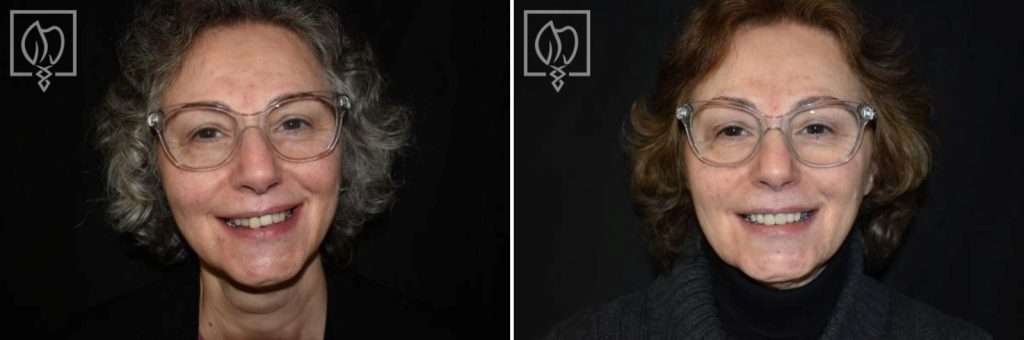
Temporary Crowns Restore Patient's Smile in Just One Day with an Immediate Smile Makeover
A patient from Potomac, Maryland, came to Elite Prosthetic Dentistry with the chief complaint of pain from a failing dental implant and its significant impact on her appearance.
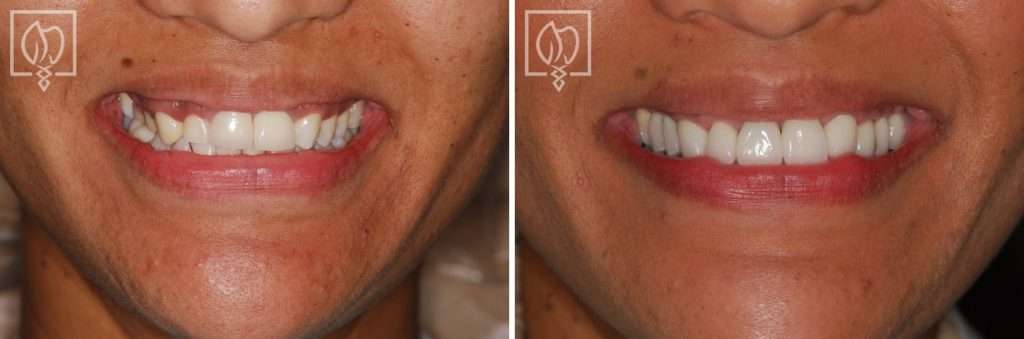
Multi-Faceted Treatment for Patient Unhappy With Her Artificial-Looking Crowns, Teeth and Gums
Many patients come to Elite Prosthetic Dentistry unhappy with the appearance of their smile. However, this particular patient presented with multiple interconnected problems that together created a smile she found deeply unsatisfying.
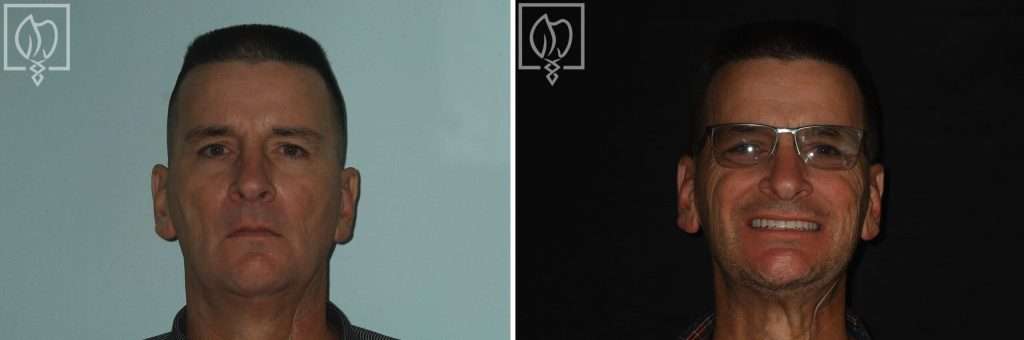
Treating Kevin’s Collapsed Bite with a Complete Smile Makeover with New Dentures
Dentures are sometimes not created to the ideal aesthetic and functional scheme. When improperly fabricated, dentures can make an individual appear almost a generation older than their actual age. They can have a poor fit that feels loose and unstable when eating or speaking, and they can actually accelerate bone loss over time.

Rejuvenating Maria’s Severely Worn Down Implant Overdentures
Many times, per year, patients come to us frustrated because their implant prosthesis is so severely worn down that they are very self-conscious and cover up their smile. They look and feel much older than their age as a result of the extensive wear of their appliance(s).
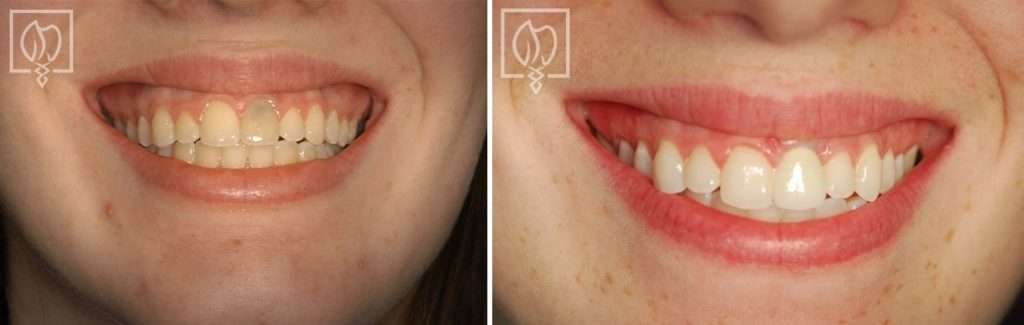
Replacing a Discolored Front Tooth with a Precision Placed Implant
Some of the most challenging restorations occur when fabricating an anterior crown to fit on an implant. Not only does one have the difficulty of matching the single front tooth to the other ones in the high visibility zone, but the dentist must also ensure the position of the underlying implant is precise through accurate preplanning and placement.
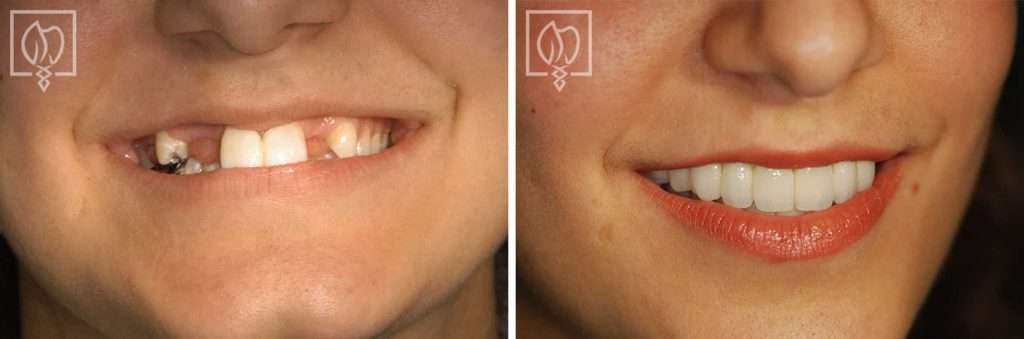
Treating Congenitally Missing Teeth in a Teenager with Dental Implants
A 16-year-old patient from McLean, Virginia, presented with a condition where she was congenitally missing several teeth, meaning they were missing from birth.
Related Articles
Deepen your knowledge with additional insights on this topic.
 Dental Implants
 If a Single Front Tooth is Replaced with an Implant, can it Look Natural?
A single front tooth implant can look completely natural with precision placement, custom abutments, and hand-crafted porcelain crowns. Washington, DC.
 Dental Implants
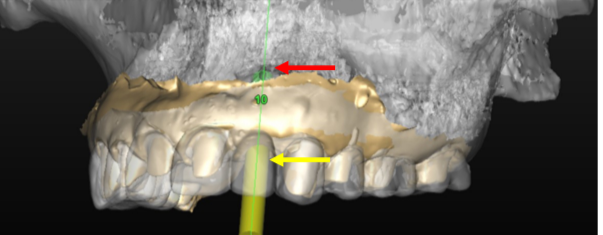
 What is Precision Implant Placement (PIP)?
Learn what Precision Implant Placement (PIP) is and how meticulous planning ensures optimal implant positioning for long-lasting results in Washington, DC.
 Dental Implants
 What is the ideal Surgical Guide for Precision Implant Placement?
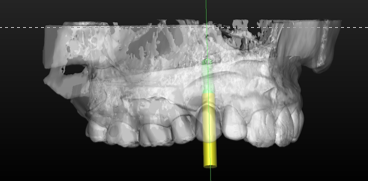
CBCT-based surgical guides allow virtual implant planning for precise positioning in optimal bone, ensuring predictable results in Washington, DC.
 Dental Implants
 When Should an Implant not be Done?
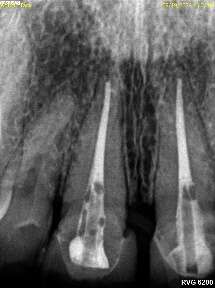
Not every patient is a candidate for dental implants. Learn when healthy roots, fragile bone, or steep angles may make alternatives the better choice.
 Dental Implants
 What is Staged Implant Therapy?
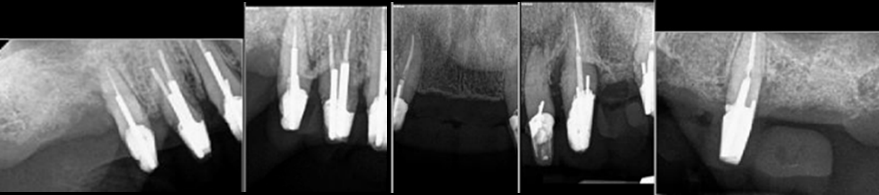
Staged implant therapy replaces teeth gradually using existing teeth as temporary support. A personalized alternative to All-on-X for full-arch cases.
Unveiling the Four Types of Dental Implants: Which One's for You?
Learn about the four types of dental implants - endosteal, subperiosteal, zygomatic, and mini implants - and which option may be right for your needs.
Our Services in Foxhall
Beyond implant-denture-repair, Foxhall patients rely on Dr. Gerald Marlin for a full range of advanced dental care.
More services available in Foxhall:
implant-denture-repair Near Foxhall
Dr. Gerald Marlin also provides implant-denture-repair services for patients in these neighboring communities.
Getting Here from Foxhall
Elite Prosthetic Dentistry is conveniently located near Foxhall, DC.
Foxhall residents reach our office 7 minutes via Foxhall Road NW
Address:
4400 Jenifer Street NW, Suite 220
Washington, DC 20015
Phone: (202) 244-2101
Schedule ConsultationSchedule Your Consultation from Foxhall
Foxhall residents trust Dr. Gerald Marlin for precision dental care. With 3,900+ implants placed and 40+ years of experience, your smile is in expert hands.