
Failed All-on-4 Implants in Tenleytown, DC
Need All-on-4 revision or replacement? Understand the timeline, phases, and what to expect during the process. Expert guidance in Tenleytown.
Failed All-on-4 Implants in Tenleytown, DC: Understanding the Revision Process
Your All-on-4 implants have failed in some way. Perhaps the prosthesis broke catastrophically. Perhaps implants have loosened or bone loss has become severe. Perhaps you are unhappy with the original result and want a comprehensive full-mouth reconstruction revision. You now face the prospect of revision treatment, and you have many questions. How long will it take? Will you have to go without teeth? What are the phases of treatment? What should you expect?
Understanding the revision process before you begin helps you prepare emotionally and logistically, and it helps you maintain realistic expectations about the timeline and what you will experience.
The Comprehensive Revision Assessment
Before revision treatment begins, we perform a thorough evaluation to understand what went wrong and what needs to be corrected. This comprehensive assessment guides all subsequent treatment planning and precision implant placement decisions.
We take detailed radiographs or 3D computed tomography scans to assess the position of your implants, the quality and quantity of bone, any defects or loss, and the health of each implant. We clinically examine your implants to test mobility, assess surrounding tissues, and evaluate inflammation that may require bone grafting intervention.
We obtain impressions or digital scans of your current implants and soft tissues. We take new bite records to assess your jaw relationships.
We discuss your goals. What do you want to achieve with revision? Better function? Better esthetics? Simply stability and longevity? Your goals inform the treatment plan.
We assess your overall health. Any medical conditions, medications, or healing compromises need to be considered.
We develop a comprehensive treatment plan that may span several phases.
The Phases of All-on-4 Revision
Depending on your situation, revision may involve several distinct phases. Understanding each phase helps you know what to expect when.
Phase One: Implant and Bone Assessment. If your implants are still in place but require removal due to bone loss or implant failure, we remove them. We assess the bone defects left behind. If bone grafting is needed, we perform it at this time.
Phase Two: Healing and Bone Incorporation. After implant removal, the socket heals. If bone grafting was performed, the graft must incorporate and mature before we place new implants. This phase typically takes six to eight weeks for healing after extraction, and several months for bone graft incorporation if grafting was needed.
Phase Three: Implant Placement. Once the bone is ready, we place new implants in carefully planned positions. This is often different from the original implant positions because we have learned from the original failure. We have time to plan precisely where each implant should go.
Phase Four: Osseointegration. After implant placement, the implants must integrate into bone before they can support prostheses. This phase typically takes four to six months. During this time, you wear a temporary prosthesis.
Phase Five: Abutment Selection and Prosthesis Fabrication. Once implants are integrated, we select appropriate abutments and fabricate your final prosthesis. This phase typically takes two to four weeks.
Phase Six: Prosthesis Delivery and Adjustment. Your final prosthesis is delivered, adjusted, and optimized for fit, comfort, and function.
Not all revision cases require all these phases. If your implants are already in place and integrated, and only the prosthesis needs replacement, you skip phases one through four and go directly to prosthesis fabrication.
Managing Functional Needs During Revision
One of the most important aspects of revision planning is ensuring that you remain functional throughout the process. You should not have to go without teeth for months while implants heal.
We provide temporary prostheses to wear during healing and integration phases. The temporary is fabricated before the final restoration is ready, so there is no gap period.
The temporary prosthesis is a functional bridge that allows you to eat a reasonable diet, speak clearly, and maintain your appearance. It may not be as comfortable or perfectly fit as your final prosthesis will be. You may need to avoid very hard foods or follow other precautions. But you remain functional.
In some cases, your original prosthesis can be repaired or reinforced to serve as a temporary while the permanent solution is fabricated. This avoids the cost of a separate temporary prosthesis.
Surgical Phases of All-on-4 Revision
If your revision requires implant placement or bone grafting, surgical phases are involved. We perform these procedures in an office setting using local anesthesia and sometimes IV sedation to keep you comfortable.
When we place implants, we use advanced techniques and sometimes guided implant placement technology to position implants precisely according to the plan. We can usually place multiple implants in a single surgical session if needed.
If bone grafting is necessary, we may harvest bone from your chin or ramus if autogenous bone is ideal for your situation. Alternatively, we use allogeneic bone from a tissue bank or synthetic bone substitutes.
The surgical procedure is generally well-tolerated. Most patients are surprised by how minimally uncomfortable the process is, especially with sedation dentistry support. You will experience some swelling and bruising in the days following surgery. We provide detailed post-operative instructions for managing swelling, pain, and activity restrictions.
Most patients can return to light activities within a few days and resume normal activities within one to two weeks, with the exception of heavy exercise or contact sports.
Timeline Expectations
The total timeline for All-on-4 revision depends on your specific situation.
If you need only prosthesis replacement and your implants are already integrated, expect two to four weeks for fabrication and delivery of your new prosthesis.
If you need implant placement on bone that is already adequate, expect four to six months from implant placement to delivery of your final prosthesis. This includes four to six months for osseointegration plus two to four weeks for prosthesis fabrication.
If you need bone grafting, add six to eight weeks for graft healing and incorporation before implant placement.
If you need implant removal, socket healing, bone grafting, implant placement, and osseointegration, the timeline may extend to six to twelve months or longer, depending on healing and graft incorporation rates.
This extended timeline is one of the most difficult aspects of All-on-4 revision. You must be patient. Rushing the process compromises outcomes. The implants must fully integrate before we place final prostheses, or the prostheses will be unstable.
The Provisional Prosthesis Phase
During the months when your implants are healing and integrating, you wear a provisional prosthesis. This is a temporary bridge that allows you to function while the permanent restoration waits.
The provisional may be secured to your implants with temporary screws or cement, or it may be supported by remaining natural teeth if you have any.
The provisional is designed to be strong enough to allow normal function, but we typically recommend care with very hard foods. You should avoid biting directly on hard candies, nuts, or ice.
The provisional may require more frequent adjustments as the implants integrate and position changes subtly. This is normal. We see you regularly during this phase to adjust the provisional as needed.
The provisional phase, while not ideal, is an excellent time to assess implant positioning and overall restoration design. As the implants integrate, we can observe how the tissues respond and how the restoration feels and functions. This information informs final prosthesis design. Many patients find that the provisional phase helps them understand what works well and what might need to be adjusted in the final version.
Final Prosthesis Fabrication
Once all implants are integrated, we begin fabricating your final prosthesis. This is where the investment in careful planning pays off. Your final prosthesis is designed specifically for your anatomy, your implant positions, your esthetic goals, and your functional needs.
We take final impressions or scans. We determine your final bite relationship. We confirm the tooth shape, color, and size that best complements your face. We design a prosthesis that will be beautiful, functional, and durable.
The prosthesis is fabricated by our laboratory team with direct oversight. We monitor the work to ensure quality control. We can make adjustments in real-time if needed.
Fabrication typically takes two to four weeks, depending on the complexity of the case and the material chosen.
Delivery and Adjustment
When your final prosthesis is ready, we remove your provisional restoration and place the final one. We check the fit against your implants, ensuring that it is seated precisely. We verify your bite and make any necessary adjustments.
We teach you how to care for your new restoration. We go over your daily cleaning routine and recommend a schedule for professional maintenance visits.
We schedule a follow-up appointment one week after delivery to check how you are adapting and make any final tweaks needed.
Managing Expectations During Revision
All-on-4 revision is a process that requires patience. The timeline can feel long. There are multiple appointments and adjustments. But this methodical approach is what ensures success.
We strongly recommend that you set realistic expectations before treatment begins. Understand that the timeline may extend if healing is slower than expected. Understand that your implants must fully integrate before final prostheses are placed. Understand that there will be an adjustment period even after your final prosthesis is delivered.
We also recommend that you prepare logistically. If your revision requires surgical phases, plan for time off work if needed. Arrange for someone to drive you home on surgical days if you receive IV sedation. Stock soft foods for the post-operative period.
Most importantly, commit to the process and follow our instructions carefully. The outcomes of well-executed revision are excellent. Patients are almost universally satisfied with their revised All-on-4 systems because those systems are custom-designed based on lessons learned from the original failure.
The Specialist Advantage in Revision
All-on-4 revision is one of the most complex procedures in implant dentistry. It requires expertise in surgical implant placement, bone grafting, prosthetic design, and management of complex cases. It requires judgment about how long to wait for healing, when to proceed to the next phase, and how to adjust plans if unexpected issues arise.
General dentists and even many implant specialists do not perform All-on-4 revisions regularly. Dr. Gerald Marlin, by contrast, has spent decades performing exactly these cases with expertise in advanced restorative dentistry and fixed prosthodontics. He understands the nuances, the potential complications, and the strategies that lead to success.
Our in-house laboratory is another significant advantage. We do not send your prosthesis to a distant lab and wait for a return. We fabricate it ourselves with direct oversight. If adjustments are needed, we can make them immediately. This accelerates the timeline and ensures superior quality control.
Serving Tenleytown with Complex Implant Expertise
Tenleytown residents have come to expect expertise and sophistication in their healthcare. Many Tenleytown patients come to us from elsewhere for All-on-4 revision specifically because they know that this complex procedure requires a specialist with deep expertise.
We are honored to serve the Tenleytown community. We take revision cases seriously. We invest the time necessary to understand each situation, plan comprehensively, and execute carefully. The result is All-on-4 restorations that are significantly improved over what came before.
If you are contemplating All-on-4 revision, or if you have been told you need it, we encourage you to contact us for a detailed consultation. We will assess your situation, explain the phases and timeline, and give you a clear picture of what to expect. We will answer all your questions and address your concerns.
All-on-4 revision is a significant undertaking, but the outcome is worth the effort. You will emerge with a restoration that you can depend on and be proud of.
Additional Resources
Learn more about our full-mouth dental implants approach and custom design. Understand full-mouth reconstruction failure and revision planning. Explore our repairing failing implants and bone grafting services. Review our precision implant placement techniques and advanced restorative dentistry philosophy. Learn about our in-house laboratory capabilities. Explore concierge dentistry support through long revision timelines. Review financing options for complex revision. Visit Dr. Marlin’s biography and credentials. We welcome second opinions on complex cases. Schedule your revision consultation today.
Frequently Asked Questions
What is the typical timeline for All-on-4 revision?
If your implants are healthy and require only prosthesis replacement, two to four weeks is typical. If implant modifications are needed, four to eight weeks. If implants must be removed and bone grafting is needed, the timeline extends to four to six months or longer, depending on healing and graft incorporation.
Will I have teeth during my All-on-4 revision process?
Yes. We always provide a temporary prosthesis during revision so you remain functional. You do not have to go without teeth. The temporary may be worn less comfortably or with more care required compared to your final restoration, but you can eat and speak reasonably well.
Can the revision be done in phases, or does it have to be done all at once?
Revision can be done in phases when necessary. For example, if you need bone grafting, we might graft first, wait for healing and incorporation, then place new implants, wait for integration, then deliver your final prosthesis. We break the process into phases that optimize outcomes.
What happens during the provisional phase of All-on-4 revision?
During the provisional phase, you wear a temporary bridge that allows you to function while the implants heal or integrate. The provisional may require more frequent adjustments. It may not have perfect fit or bite, but it allows you to eat a reasonable diet and maintain normal daily activities.
How painful is All-on-4 revision?
Most patients report that surgical aspects are less painful than expected, thanks to modern anesthesia and sedation options. The prosthesis adjustment phases are not painful. Some patients experience soreness in the days following surgery. We provide detailed guidance on pain management and what to expect.
Related Patient Success Stories
Explore similar patient success stories demonstrating our expertise in advanced prosthetic dentistry.

Temporary Crowns Restore Patient's Smile in Just One Day with an Immediate Smile Makeover
A patient from Potomac, Maryland, came to Elite Prosthetic Dentistry with the chief complaint of pain from a failing dental implant and its significant impact on her appearance.
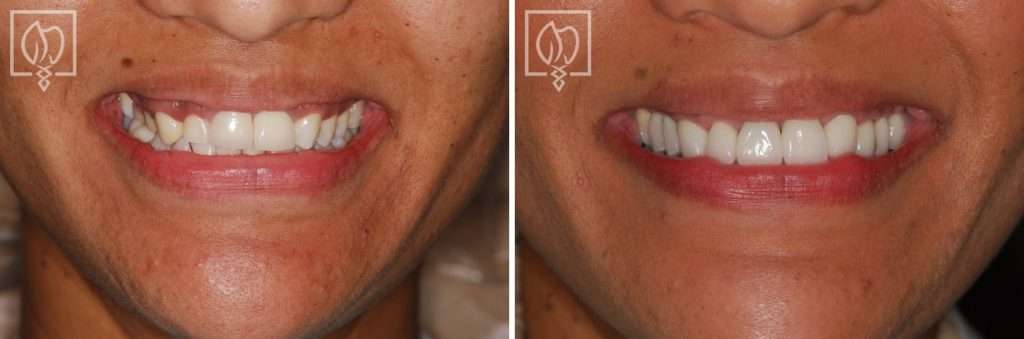
Multi-Faceted Treatment for Patient Unhappy With Her Artificial-Looking Crowns, Teeth and Gums
Many patients come to Elite Prosthetic Dentistry unhappy with the appearance of their smile. However, this particular patient presented with multiple interconnected problems that together created a smile she found deeply unsatisfying.
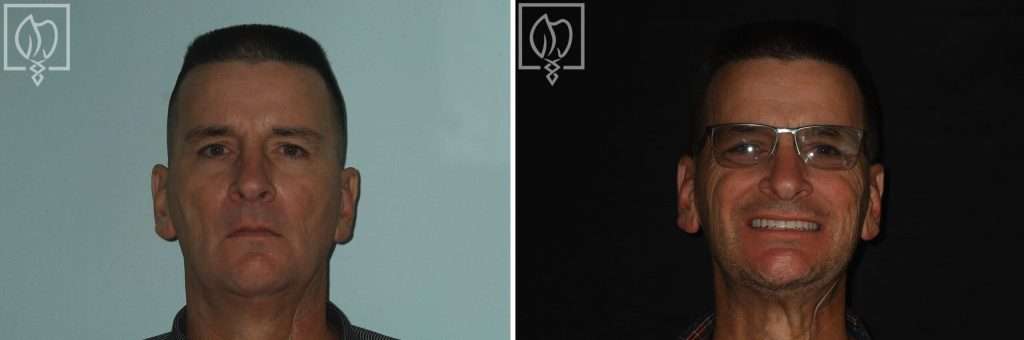
Treating Kevin’s Collapsed Bite with a Complete Smile Makeover with New Dentures
Dentures are sometimes not created to the ideal aesthetic and functional scheme. When improperly fabricated, dentures can make an individual appear almost a generation older than their actual age. They can have a poor fit that feels loose and unstable when eating or speaking, and they can actually accelerate bone loss over time.
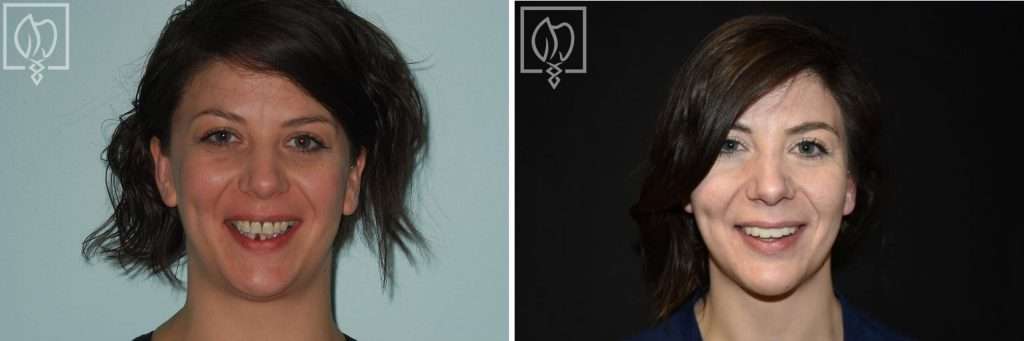
Salvaging Ms. N’s Severely Broken-Down Upper and Lower Teeth from Gum and Bone Disease
Many people in the U.S. suffer from extensive periodontal disease characterized by significant bone loss and shrinkage of the gum tissue. This condition can begin at a very young age and worsen quickly due to hereditary factors and lack of early diagnosis by their dentist.
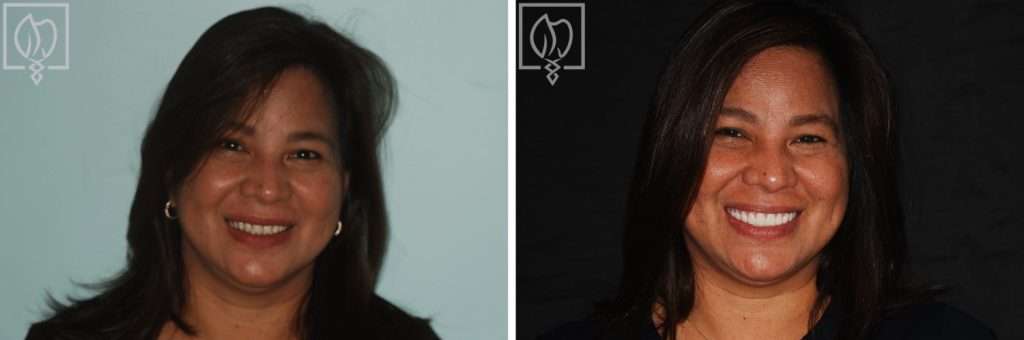
Rejuvenating Maria’s Severely Worn Down Implant Overdentures
Many times, per year, patients come to us frustrated because their implant prosthesis is so severely worn down that they are very self-conscious and cover up their smile. They look and feel much older than their age as a result of the extensive wear of their appliance(s).
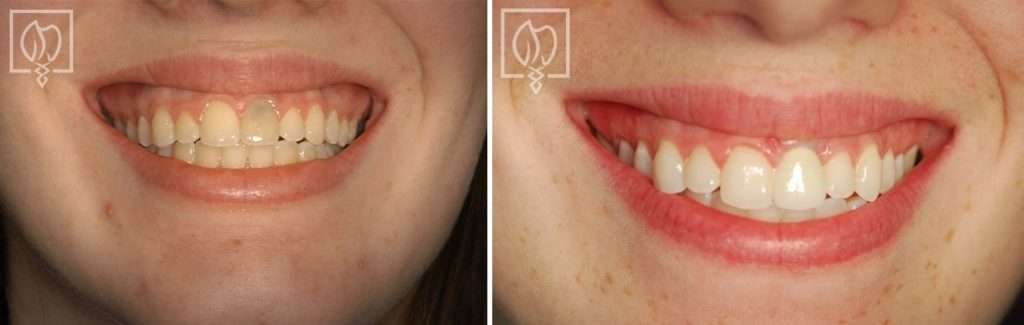
Replacing a Discolored Front Tooth with a Precision Placed Implant
Some of the most challenging restorations occur when fabricating an anterior crown to fit on an implant. Not only does one have the difficulty of matching the single front tooth to the other ones in the high visibility zone, but the dentist must also ensure the position of the underlying implant is precise through accurate preplanning and placement.
Related Articles
Deepen your knowledge with additional insights on this topic.
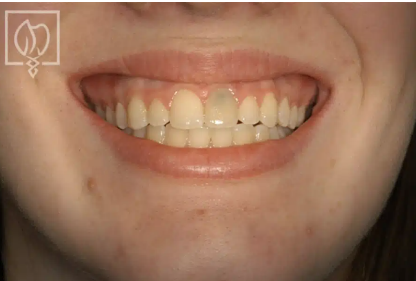 Dental Implants
 If a Single Front Tooth is Replaced with an Implant, can it Look Natural?
A single front tooth implant can look completely natural with precision placement, custom abutments, and hand-crafted porcelain crowns. Washington, DC.
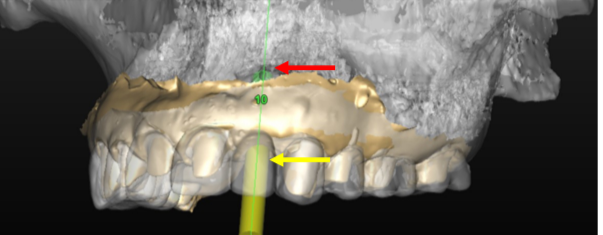 Dental Implants
 What is Precision Implant Placement (PIP)?
Learn what Precision Implant Placement (PIP) is and how meticulous planning ensures optimal implant positioning for long-lasting results in Washington, DC.
 Dental Implants
 What is the ideal Surgical Guide for Precision Implant Placement?
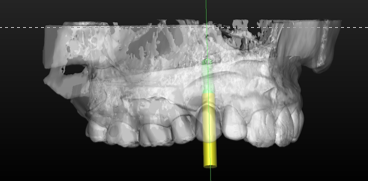
CBCT-based surgical guides allow virtual implant planning for precise positioning in optimal bone, ensuring predictable results in Washington, DC.
 Dental Implants
 When Should an Implant not be Done?
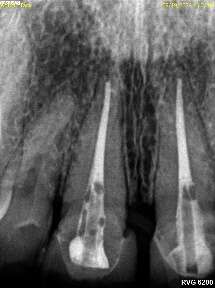
Not every patient is a candidate for dental implants. Learn when healthy roots, fragile bone, or steep angles may make alternatives the better choice.
 Dental Implants
 What is Staged Implant Therapy?
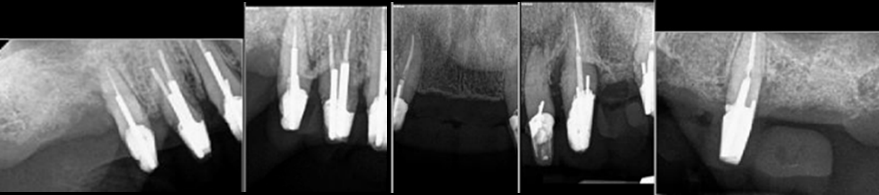
Staged implant therapy replaces teeth gradually using existing teeth as temporary support. A personalized alternative to All-on-X for full-arch cases.
Unveiling the Four Types of Dental Implants: Which One's for You?
Learn about the four types of dental implants - endosteal, subperiosteal, zygomatic, and mini implants - and which option may be right for your needs.
Our Services in Tenleytown
Beyond failed-all-on-4, Tenleytown patients rely on Dr. Gerald Marlin for a full range of advanced dental care.
More services available in Tenleytown:
failed-all-on-4 Near Tenleytown
Dr. Gerald Marlin also provides failed-all-on-4 services for patients in these neighboring communities.
Getting Here from Tenleytown
Elite Prosthetic Dentistry is conveniently located near Tenleytown, DC.
Elite Prosthetic Dentistry is just 3 minutes from Tenleytown, accessible via Wisconsin Avenue or Albemarle Street.
Address:
4400 Jenifer Street NW, Suite 220
Washington, DC 20015
Phone: (202) 244-2101
Schedule ConsultationSchedule Your Consultation from Tenleytown
Tenleytown residents trust Dr. Gerald Marlin for precision dental care. With 3,900+ implants placed and 40+ years of experience, your smile is in expert hands.