
Dental Second Opinion in Chevy Chase, MD
Expert dental second opinion from a prosthodontist in Chevy Chase, MD. Get specialist perspective beyond general dentistry evaluation.
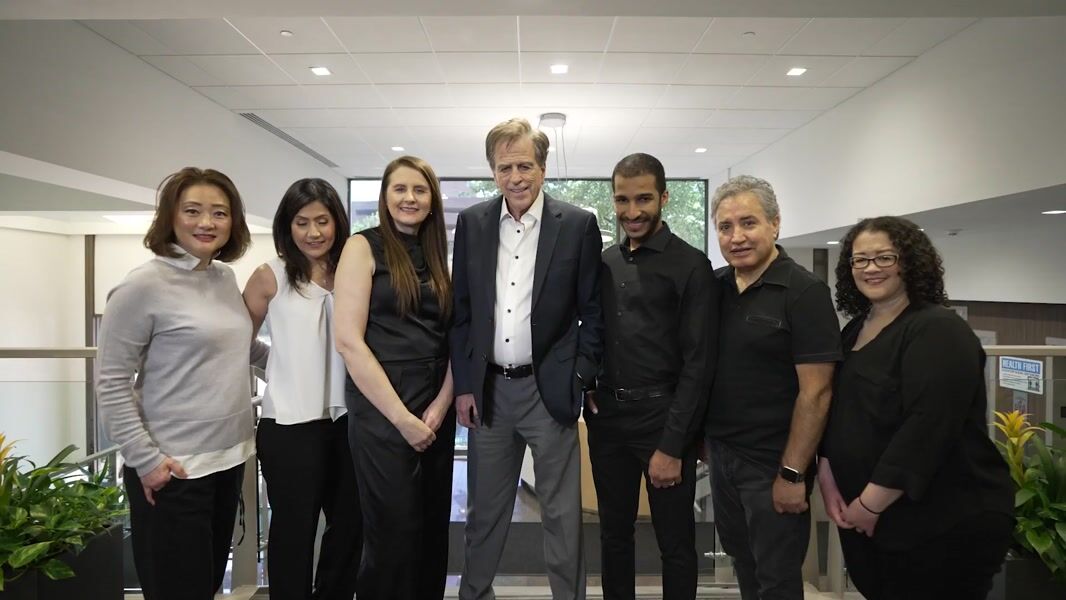
Chevy Chase professionals who’ve received dental treatment recommendations often find value in seeking a specialist’s perspective. There’s an important distinction between a general dentist’s second opinion and a prosthodontist’s second opinion. Both are professional evaluations, but they bring different training, different expertise, and different depth of experience with complex cases.
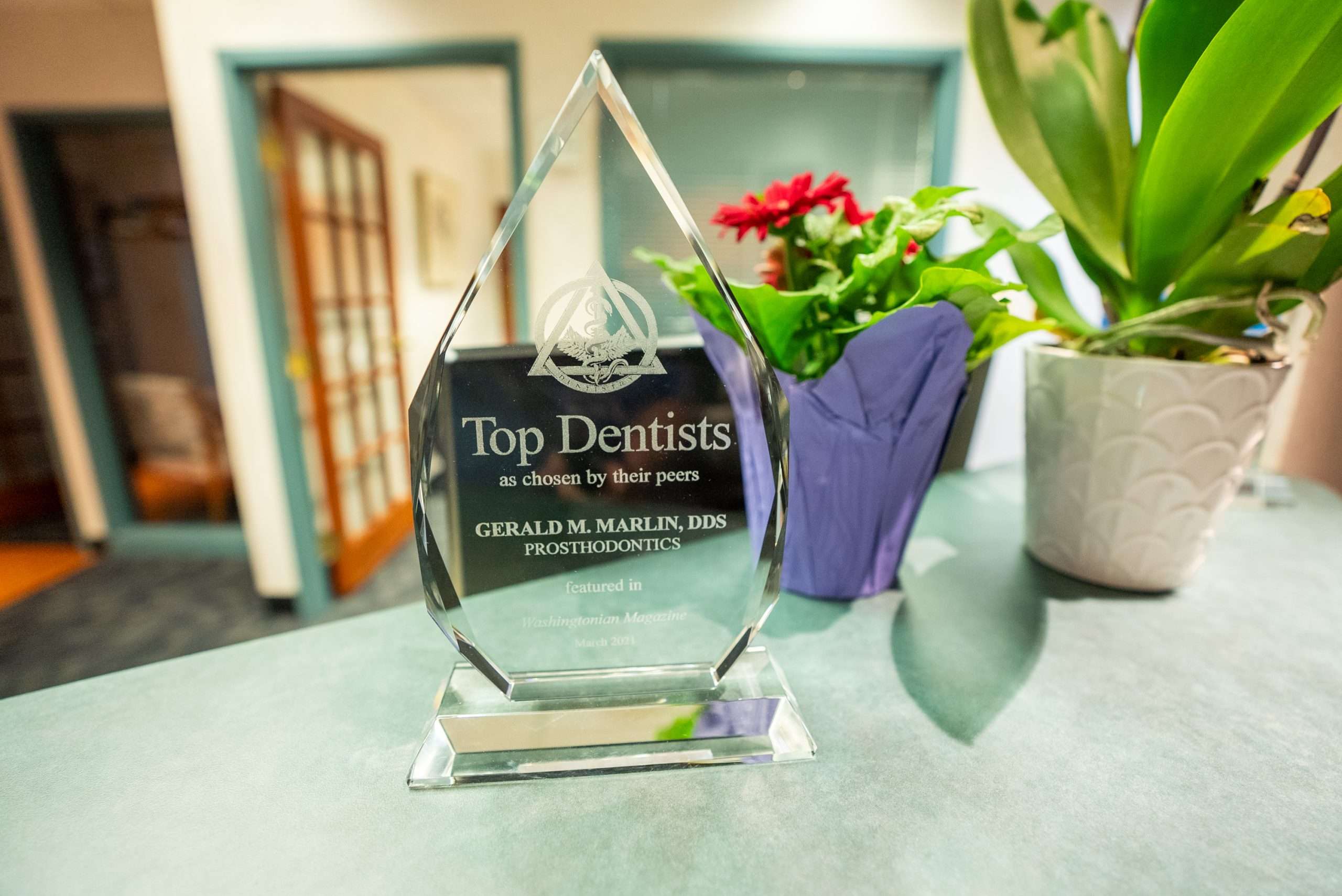
When treatment involves implants, multiple missing teeth, extensive restoration, or significant cosmetic considerations, a prosthodontist’s second opinion provides insight that general dentistry evaluation doesn’t. At Elite Prosthetic Dentistry, Dr. Gerald Marlin brings specialized training and thousands of complex cases to every second opinion consultation.
Why Specialist Training Matters
Dental school teaches general dentistry principles across all disciplines. Dentists graduate with broad knowledge and the ability to manage most dental problems patients encounter. However, prosthodontics is a different level of specialization, similar to how a cardiologist has different training than an internal medicine doctor.
Prosthodontists complete four additional years of specialized training in restorative dentistry, implants, full mouth reconstruction, and complex prosthetic cases. They spend years studying how to integrate multiple restorations into stable, functional systems. They develop expertise in cosmetic precision, long-term functionality, and managing difficult clinical situations.
This means a prosthodontist evaluating your case has different reference points. When a general dentist recommends a crown, they’re recommending a crown. When a prosthodontist evaluates a crown recommendation, they’re evaluating whether a crown is the best approach among multiple options, how that crown will function long-term, how it affects surrounding teeth and bite relationships, and whether alternatives might be superior.
Understanding Prosthodontist Perspective on Complex Treatment
Complex treatment often involves multiple restorations, multiple teeth, or full mouth reconstruction. General dentists manage these cases, but prosthodontists specialize in them. A prosthodontist evaluating a complex case brings perspective on how different treatment components fit together, how individual restorations will function as part of a larger system, and how to optimize long-term outcomes.
Consider a case involving multiple missing teeth. A general dentist might recommend dental implants in specific locations based on technical feasibility. A prosthodontist adds additional considerations: optimal implant spacing for prosthetic design, implant angulation for optimal function through precision implant placement, bone quality in proposed implant sites evaluated through bone grafting needs, how the final prosthesis will look and function, how the solution maintains long-term stability, and what happens to your bite in the years after treatment. All-on-4 or All-on-6 approaches might be compared with individual implant strategies.
This comprehensive perspective often reveals nuances that aren’t apparent in straightforward evaluation.
The Role of Prosthodontist Expertise in Implant Cases
Implants are a significant focus of prosthodontic training. While general dentists place implants, prosthodontists receive specialized training in implant indications, surgical planning, prosthetic design for implants, managing complex implant cases, and solving implant complications.
This training means a prosthodontist’s second opinion on implant treatment brings specific implant expertise. When evaluating an implant treatment plan, Dr. Marlin assesses whether proposed implant location, quantity, and positioning will result in optimal function and esthetics. He evaluates whether the proposed treatment approach addresses your specific situation optimally. He identifies alternatives that might be superior.
Cosmetic Evaluation Through Prosthodontist Training
Many Chevy Chase patients seek second opinions when cosmetic considerations are important. Prosthodontic training emphasizes cosmetic precision and smile design in ways that general dentistry training may not. Prosthodontists understand subtle factors that affect how teeth appear, including tooth shape, contour, color, shade, alignment, and gingival display. Understanding porcelain veneers and custom crafted crowns and bridges becomes essential for cosmetic evaluation.
When evaluating cosmetic treatment, a prosthodontist considers whether proposed treatment will achieve your cosmetic goals, how results will look not just in photographs but in person and during speech, how cosmetic solutions will function long-term, and whether alternatives might achieve superior results like cosmetic dentistry or ultimate smile makeover approaches.
This specialist perspective is particularly valuable when cosmetic treatment is complex or when you’re dissatisfied with results from previous botched cosmetic dentistry work or fake-looking teeth that resulted from previous treatment.
Evaluating Implant Versus Non-Implant Approaches
A common area where general dentists and prosthodontists might recommend different approaches is missing tooth replacement. A general dentist might recommend a bridge or removable partial denture. A prosthodontist would evaluate dental implants, bridges, and removable options, assessing advantages and limitations of each approach for your specific situation.
Dental implants offer advantages in bone preservation, long-term functionality, and ease of maintenance through repairing failing implants when issues develop. However, they might not be appropriate in all cases due to bone quality, overall health, or patient preferences. Bone grafting might be necessary to prepare the site. A prosthodontist’s evaluation identifies which approach is truly optimal for your situation, whether All-on-4, bridges, or other solutions.
How Prosthodontists Approach Problem-Solving
Prosthodontists develop problem-solving approaches to difficult cases through years of specialized training and case experience. When you present a challenging situation, a prosthodontist has likely encountered similar situations and understands different approaches and their outcomes.
This experience-based perspective is different from general training. A general dentist might approach a difficult case by consulting textbooks or colleagues. A prosthodontist brings direct experience with similar cases and understanding of what has worked, what hasn’t, and why.
Biomechanical Analysis in Prosthodontic Evaluation
Prosthodontists receive specialized training in biomechanics, the study of forces and how structures respond to those forces. This training means a prosthodontist evaluates how your bite creates forces, how those forces are distributed to teeth and restorations, and how restorations must be designed to withstand those forces long-term.
A general dentist might place a crown that functions acceptably. A prosthodontist evaluates whether that crown is positioned optimally relative to your bite, whether the restoration is contoured to handle forces efficiently, and whether alternatives might distribute forces more favorably.
Materials and Technical Expertise
Prosthodontist training includes detailed knowledge of restorative materials, their properties, their indications, their limitations, and their long-term performance. This means a prosthodontist’s second opinion evaluates whether recommended materials are appropriate for your situation, whether alternatives might be superior, and whether proposed materials will perform well long-term.
Sometimes better outcomes result from using different materials than initially proposed. A prosthodontist’s material expertise helps identify these opportunities.
Recognizing Limitations of General Dentist Approaches
This isn’t to say general dentists are inadequate. Rather, it’s recognizing that some cases exceed the scope of general dentistry training. A general dentist who recognizes this will refer to a prosthodontist. A prosthodontist’s second opinion helps you understand whether your case falls into this category and what additional expertise might benefit your treatment.
Functional Assessment Beyond Esthetics
Many treatment recommendations emphasize cosmetic outcomes. A prosthodontist’s evaluation adds functional assessment. Yes, teeth should look good. But they should also function well, withstand normal forces, last long-term, and maintain health of supporting structures.
A prosthodontist evaluates whether proposed treatment achieves both cosmetic goals and functional excellence. Sometimes these goals align perfectly. Sometimes they require compromise. A prosthodontist helps navigate that balance.
Long-Term Durability Perspective
Prosthodontist training emphasizes long-term outcomes. Restorations last years or decades. Treatment should be planned not for short-term appearance but for long-term durability, function, and maintenance requirements.
When evaluating your situation, Dr. Marlin considers not just what’s recommended but how recommended treatment will perform over time. Will crowns last 10 or 20 years? Will implants remain stable? Will cosmetic work maintain appearance? These long-term considerations guide evaluation.
The Value of Getting Specialist Perspective Before Major Treatment
If you’re considering significant treatment, getting a prosthodontist’s perspective beforehand is wise. You might learn that alternatives exist that you hadn’t considered. You might learn that your proposed treatment approach is optimal. Either way, you make treatment decisions from a position of informed understanding rather than uncertainty.
Collaborative Approach Between Generalists and Specialists
Quality dental care involves collaboration. Your general dentist diagnosed a problem and recommended treatment. A prosthodontist’s second opinion isn’t necessarily disagreement. It’s specialist perspective that complements general dentistry diagnosis.
In fact, many prosthodontists work collaboratively with general dentists. A general dentist refers a complex case to a prosthodontist, they discuss the situation, and together they design optimal treatment. This collaborative approach is ideal.
When to Seek Prosthodontist Second Opinion
Seek a prosthodontist’s second opinion if treatment involves implants, if multiple teeth require treatment, if cosmetic precision is important, if treatment is complex or extensive, if you’re unhappy with results from previous work, or if you simply want specialist perspective on your situation.
There’s no rule that you need a referral. You can contact a prosthodontist directly for second opinion evaluation.
Understanding Diagnosis Versus Treatment Planning
Sometimes a diagnosis is straightforward but treatment planning offers multiple options. A general dentist might recommend one approach. A prosthodontist might evaluate that approach and identify superior alternatives through CAD-CAM restorations or advanced restorative dentistry techniques.
Understanding the difference between diagnosis and treatment planning is important. The diagnosis might be correct. The treatment planning approach might not be optimal, especially if loose dental crowns, crown and bridge problems, or other multiple restorations failing issues are involved. A prosthodontist’s evaluation helps distinguish between the two.
Chevy Chase Patients’ Access to Specialist Evaluation
Chevy Chase’s proximity to our practice means specialist evaluation is accessible and convenient. You don’t need to travel far to access a prosthodontist’s second opinion. You can discuss your situation with Dr. Marlin and understand his specialist perspective on your treatment options.
The Investment in Clarity
Getting a second opinion from a specialist requires time and has a cost. But that investment is justified when treatment is significant. You’re making decisions that affect your health and finances for years to come. Making those decisions from a place of understanding and confidence is invaluable.
Next Steps for Your Second Opinion
Contact Elite Prosthetic Dentistry to schedule a second opinion consultation. Bring copies of your records from your previous dentist. Describe your concerns and questions.
Dr. Marlin evaluates your situation thoroughly and provides his specialist perspective on your treatment options. You leave with clarity and confidence in your understanding of what treatment is necessary, what alternatives exist, and what approach is optimal for your situation.
Call (202) 244-2101 or request an appointment online. Our office is located at 4400 Jenifer Street NW, Suite 220, Washington, DC 20015, just 3 minutes from Chevy Chase via Wisconsin Avenue.
Chevy Chase Services
Explore Chevy Chase-specific second opinion services including prosthodontist in Chevy Chase, dental implants in Chevy Chase, cosmetic dentistry in Chevy Chase, and full mouth reconstruction in Chevy Chase. Additional services include crown problems in Chevy Chase, veneer problems in Chevy Chase, and sedation dentistry in Chevy Chase.
Additional Resources
Review crown and bridge problems if your concerns involve existing restorations. Learn about failing veneers if you’re unhappy with cosmetic results. Investigate loose dental crown or pain under dental crown issues.
Investigate full mouth reconstruction failure if extensive treatment is involved. Explore botched cosmetic dentistry to understand complications from cosmetic work. Check chipped or cracked veneers for veneer-specific issues.
Learn about Dr. Marlin’s background and training. Review patient success stories to see how complex cases have been managed. Visit our in-house laboratory to understand our technical capabilities.
Check unhappy with dental work if you’ve experienced treatment complications. Explore multiple restorations failing if several restorations are problematic. Review repairing failing implants and dental implant bone loss for implant-specific concerns.
Dr. Gerald Marlin brings specialized prosthodontist training and 3,900+ implant placements to every second opinion consultation at Elite Prosthetic Dentistry.
Frequently Asked Questions
What is the difference between a general dentist's perspective and a prosthodontist's perspective on the same case?
General dentists receive broad training across all dental disciplines including preventive, operative, surgical, and prosthetic dentistry. They manage straightforward cases and refer complex cases to specialists. Prosthodontists complete additional years of specialized training in complex restorative dentistry, full mouth rehabilitation, implants, and advanced prosthetics. When evaluating treatment options, a prosthodontist focuses on how teeth and restorations function together as a system, evaluates long-term sustainability, considers biomechanical factors that a general dentist might not prioritize, and often identifies sophisticated alternatives that general training doesn't emphasize.
Why would a prosthodontist's recommendation differ from my general dentist's recommendation?
Different specialists bring different expertise and different treatment philosophies. A general dentist might recommend a crown for a tooth problem. A prosthodontist might evaluate the entire bite, assess whether multiple teeth need treatment to achieve stable function, and recommend an approach that addresses root causes rather than isolated symptoms. This doesn't mean your general dentist was wrong. It means a specialist brings additional perspective that reveals options or concerns that aren't apparent at the general dentistry level. Prosthodontic perspective is particularly valuable for treatment affecting multiple teeth or requiring restoration precision.
How does prosthodontist training in implant dentistry provide better perspective?
Prosthodontists receive extensive training in implant selection, placement planning, prosthetic design for implants, and managing complex implant cases involving multiple missing teeth. They understand biomechanics of implants in ways that general dentist training doesn't emphasize. When evaluating implant cases, prosthodontists consider bone quality and quantity, implant positioning for optimal prosthetics, long-term functional stability, esthetics, and maintenance requirements. This specialist perspective often identifies implant approaches or modifications that optimize long-term outcomes.
When should I seek a prosthodontist's opinion instead of another general dentist's opinion?
Seek a prosthodontist's opinion when your treatment involves implants, when multiple teeth require treatment, when significant cosmetic considerations exist, when you have complex bite or jaw relationship issues, when previous treatment has failed and you need sophisticated solutions, or when treatment will be extensive or long-term. A prosthodontist's perspective is valuable for understanding how comprehensive treatment fits together and how different components affect long-term success.
Can a prosthodontist evaluate and critique treatment my general dentist has already completed?
Absolutely. If you're unhappy with treatment results, experiencing unexpected problems, or wondering whether treatment was completed optimally, a prosthodontist can evaluate completed work, assess whether it was done according to sound principles, identify what might be improved, and discuss options for correction. Post-treatment evaluation is common. Many patients want to understand whether completed treatment is as good as it could be.
Related Patient Success Stories
Explore similar patient success stories demonstrating our expertise in advanced prosthetic dentistry.
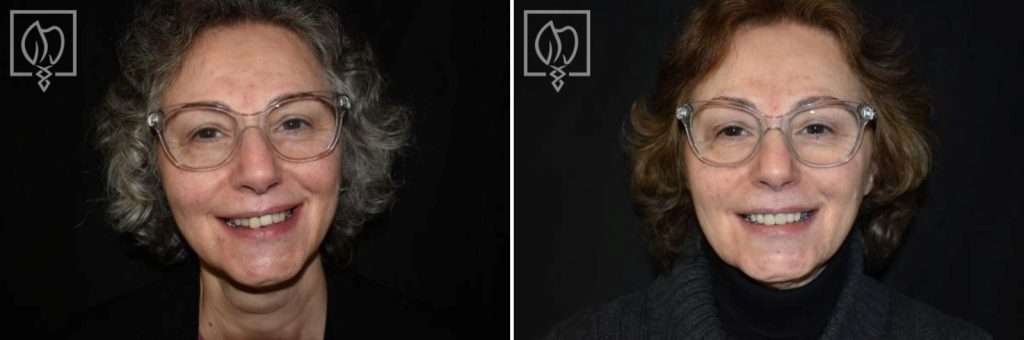
Temporary Crowns Restore Patient's Smile in Just One Day with an Immediate Smile Makeover
A patient from Potomac, Maryland, came to Elite Prosthetic Dentistry with the chief complaint of pain from a failing dental implant and its significant impact on her appearance.
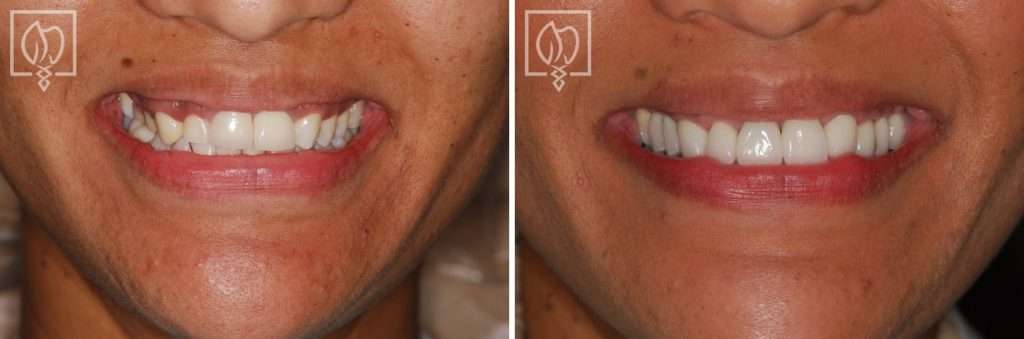
Multi-Faceted Treatment for Patient Unhappy With Her Artificial-Looking Crowns, Teeth and Gums
Many patients come to Elite Prosthetic Dentistry unhappy with the appearance of their smile. However, this particular patient presented with multiple interconnected problems that together created a smile she found deeply unsatisfying.
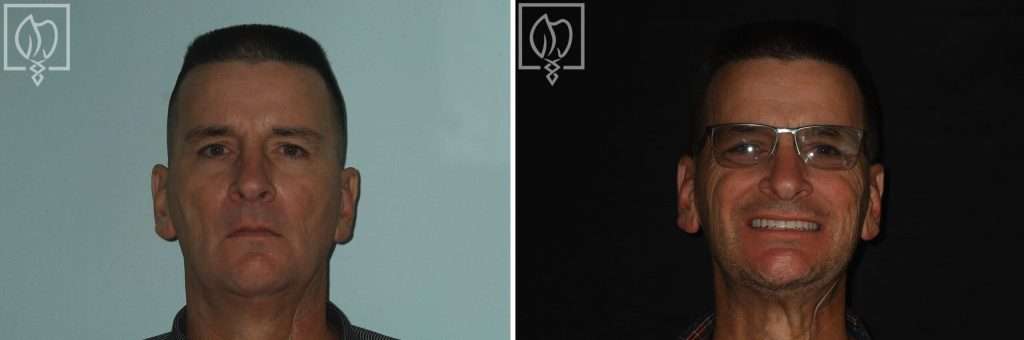
Treating Kevin’s Collapsed Bite with a Complete Smile Makeover with New Dentures
Dentures are sometimes not created to the ideal aesthetic and functional scheme. When improperly fabricated, dentures can make an individual appear almost a generation older than their actual age. They can have a poor fit that feels loose and unstable when eating or speaking, and they can actually accelerate bone loss over time.
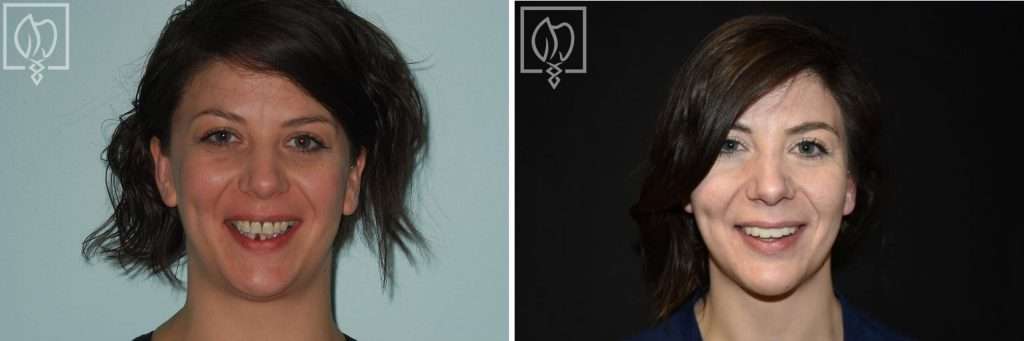
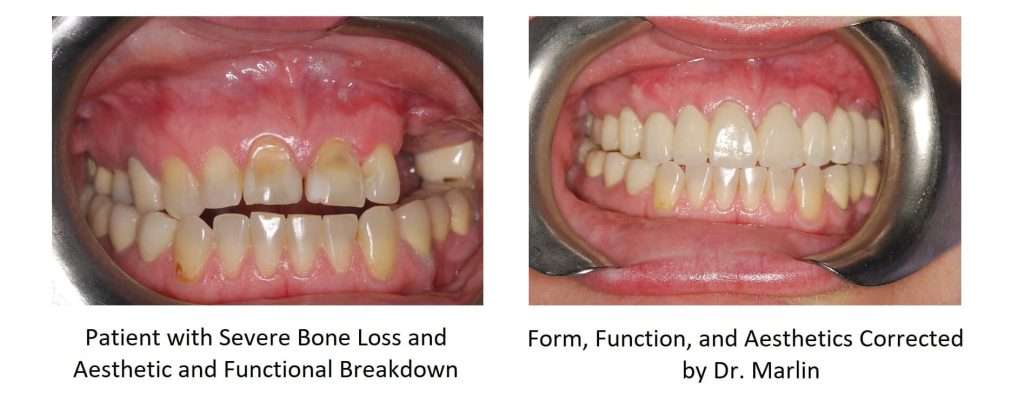
Salvaging Ms. N’s Severely Broken-Down Upper and Lower Teeth from Gum and Bone Disease
Many people in the U.S. suffer from extensive periodontal disease characterized by significant bone loss and shrinkage of the gum tissue. This condition can begin at a very young age and worsen quickly due to hereditary factors and lack of early diagnosis by their dentist.
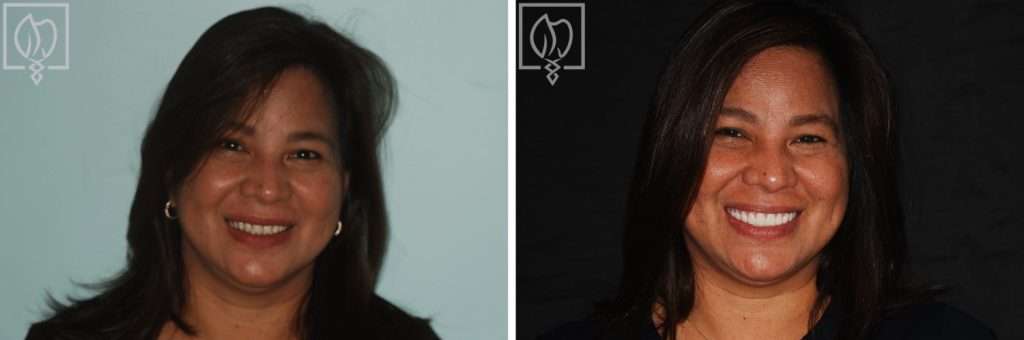
Rejuvenating Maria’s Severely Worn Down Implant Overdentures
Many times, per year, patients come to us frustrated because their implant prosthesis is so severely worn down that they are very self-conscious and cover up their smile. They look and feel much older than their age as a result of the extensive wear of their appliance(s).
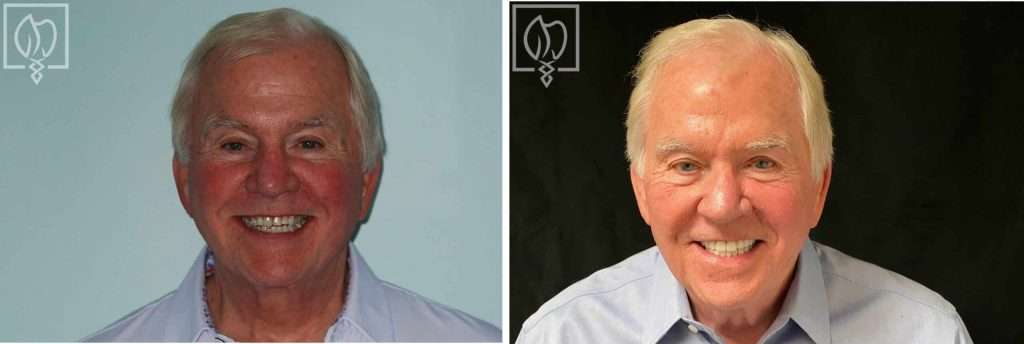
A Smile Transformation in Just Four Months: A Patient’s Dental Crown Restoration for a TV Series
A patient with dental crowns that were in poor shape was going to appear on a streaming video series on a major TV network that was scheduled to begin filming soon. Our patient, John, an author about to embark on a book tour, was anxious as his teeth were not up to his standards to appear on television.
Related Articles
Deepen your knowledge with additional insights on this topic.
The Patient's Guide to Implant, Cosmetic and Restorative Dentistry
Comprehensive guide to implant, cosmetic & restorative dentistry: quality care, selecting a prosthodontist, dental labs, insurance & smile makeovers.
 Choosing a Prosthodontist
 What is a Prosthodontist?
A prosthodontist is a dental specialist with advanced training in crowns, implants, dentures, and complex restorations. Washington, DC specialist.
4 Ways You Can Benefit from Our In-House Dental Lab
4 Ways You Can Benefit from Our In-House Dental Lab. When it comes to finding a new prosthodontist, you’ve got a checklist of criteria.
 Choosing a Prosthodontist
 What is the Difference Between a Dentist and a Prosthodontist?
Prosthodontists complete three additional years of specialty training beyond dental school. Learn when you need a specialist versus a general dentist.
Don't Wait 'Til It's Too Late: Complete Your Virtual Dental Consultation
Schedule a virtual dental consultation from the comfort of your home. Early evaluation prevents costly problems. Washington, DC prosthodontist.
 Choosing a Prosthodontist
 Emergency Dentistry: The Benefits of an In-House Laboratory
There are few things as shocking and overwhelming as a dental emergency. Your mouth is in pain. Elite Prosthetic Dentistry in Washington, DC.
Our Services in Chevy Chase
Beyond dental-second-opinion, Chevy Chase patients rely on Dr. Gerald Marlin for a full range of advanced dental care.
More services available in Chevy Chase:
dental-second-opinion Near Chevy Chase
Dr. Gerald Marlin also provides dental-second-opinion services for patients in these neighboring communities.
Getting Here from Chevy Chase
Elite Prosthetic Dentistry is conveniently located near Chevy Chase, MD.
Straight south on Wisconsin Avenue from Chevy Chase. Quickest access from our practice.
Address:
4400 Jenifer Street NW, Suite 220
Washington, DC 20015
Phone: (202) 244-2101
Schedule ConsultationSchedule Your Consultation from Chevy Chase
Chevy Chase residents trust Dr. Gerald Marlin for precision dental care. With 3,900+ implants placed and 40+ years of experience, your smile is in expert hands.