
Bone Grafting in Palisades, DC
Advanced bone grafting for Palisades residents. Dr. Marlin restores jawbone structure enabling successful implant placement.
Advanced Bone Reconstruction for Implant Success
Many Palisades residents experiencing tooth loss also experience bone resorption, the gradual shrinking of jawbone that occurs when teeth are absent. This bone loss can make dental implant placement impossible without bone reconstruction. Bone grafting enables restoration of adequate bone structure, making implant placement possible for patients who previously thought they were ineligible.
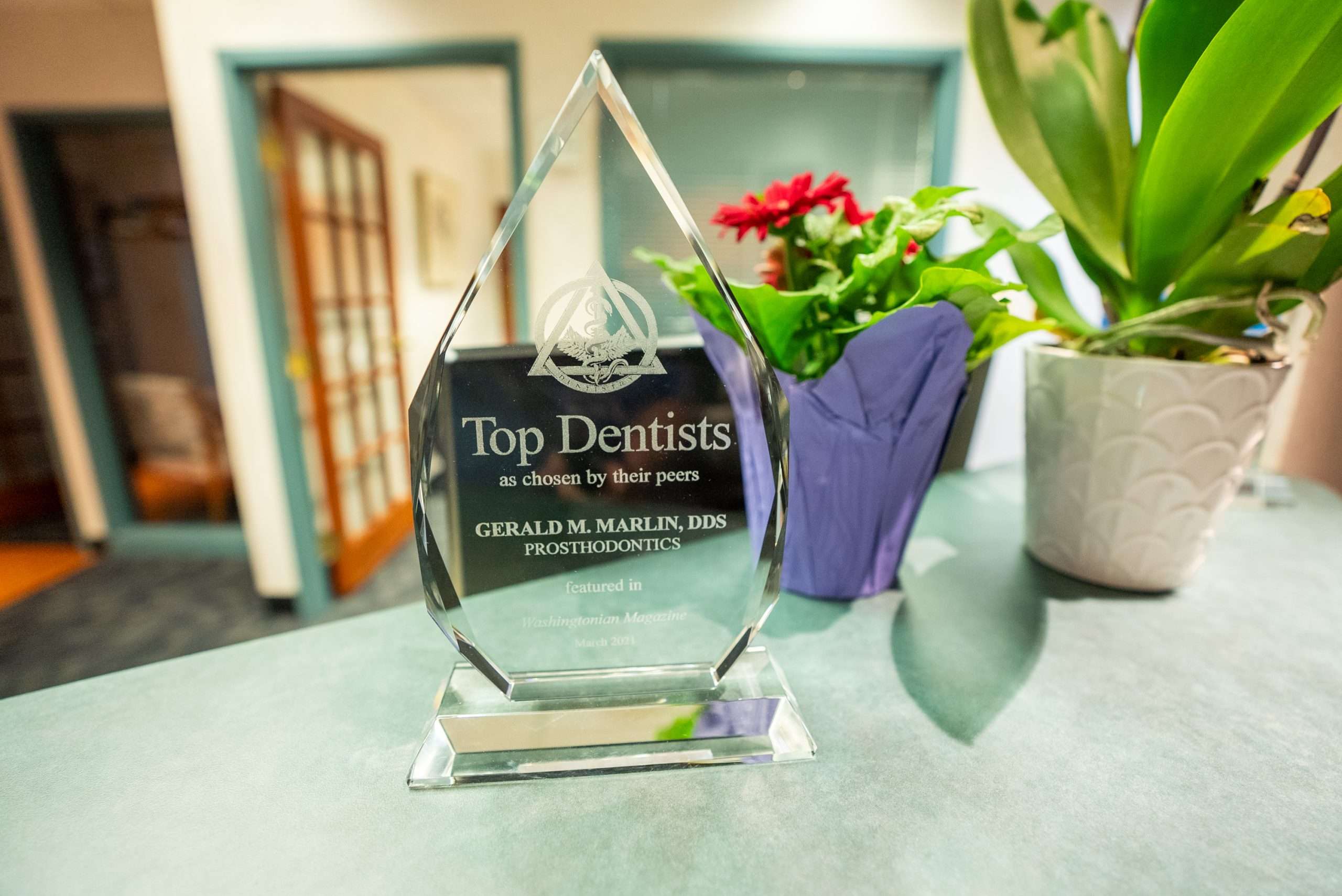
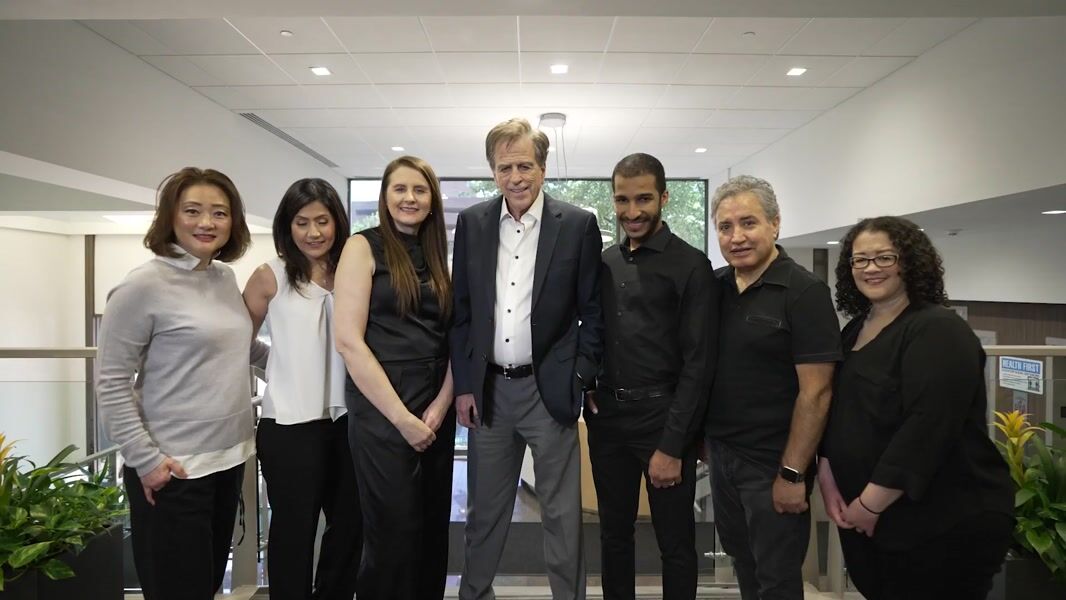
Bone grafting is a sophisticated surgical procedure requiring expertise and precision. Dr. Gerald Marlin’s decades of specialized experience combined with advanced bone grafting techniques enables reconstruction of bone even after severe resorption. His expertise makes implant treatment possible for Palisades residents who might otherwise be limited to dentures.
Bone grafting opens doors to superior restoration. Rather than accepting limitations of conventional solutions, Palisades residents can now pursue dental implants providing permanent function and natural appearance.
Schedule Your Bone Grafting Consultation to explore whether bone reconstruction can enable your implant treatment.
Understanding Bone Resorption: Why Bone Grafting is Needed
When teeth are lost, the surrounding jawbone gradually resorbs (shrinks) because it no longer receives stimulus from tooth roots. The bone that previously supported teeth gradually disappears, reducing bone width and height. This resorption is a normal biological response but creates significant problems for patients desiring tooth replacement through implants.
The degree of resorption depends on how long teeth have been missing. Resorption begins immediately after tooth loss and continues throughout your life. Patients with extended tooth loss (many years without teeth) often experience severe bone resorption affecting their entire jaw shape.
This resorption creates multiple challenges. First, implants require adequate bone for placement. Without sufficient bone, implants cannot be positioned properly. Second, bone loss affects facial appearance, making the face appear shorter and aged. Third, significant bone loss may affect ability to wear dentures comfortably.
Bone grafting addresses all these problems by restoring lost bone structure.
Bone Grafting Materials: Options and Advantages
Bone graft materials derive from several sources, each with advantages and considerations.
Autogenous bone (your own bone) represents the ideal graft material because it is biologically identical to your own bone, promoting rapid healing and integration. Autogenous bone derives from other areas of your jaw or from hip bone. Harvesting requires additional surgery, but the superior healing characteristics make it worthwhile in many cases.
Allogeneic bone (from human bone banks) provides excellent results without requiring donor site surgery. Bone bank material has been carefully processed and sterilized, making it safe for grafting. Allogeneic bone integrates well and promotes new bone formation.
Xenogeneic bone (from other species, typically bovine) provides good graft support and promotes bone integration. It is widely available and doesn’t require harvesting from your body.
Synthetic bone substitutes provide bone graft material without biological source material. Some synthetic materials perform excellently, while others provide more limited results. Dr. Marlin selects appropriate materials based on your specific situation and budget.
Dr. Marlin discusses graft material options during your consultation, recommending appropriate choice for your needs.
Surgical Bone Grafting Procedure: Reconstruction Technique
Bone grafting surgery involves surgical access to your jaw, careful placement of graft material in areas requiring bone reconstruction, and secure fixation to promote integration. The specific technique depends on the amount and location of bone requiring grafting.
For limited grafting (small localized areas), the procedure may be relatively straightforward. For extensive grafting (large areas requiring significant reconstruction), the procedure is more involved and may require multiple stages.
Dr. Marlin uses advanced techniques including guided bone regeneration using membranes directing bone growth, ensuring optimal results. He positions graft material precisely where bone is needed, maximizing integration and healing.
The procedure typically requires 1-3 hours depending on graft complexity. You receive local anesthetic numbing the surgical area, so you feel no pain. For patient comfort, conscious sedation can be combined with the procedure.
Healing After Bone Grafting: The Integration Process
After bone grafting surgery, the graft material gradually integrates into your existing bone over 4-6 months. During this time, your own bone cells migrate into the graft material, and blood vessels grow through the graft. Gradually, the graft material becomes incorporated into your living bone, becoming permanent.
You may experience swelling and bruising for several days after surgery. Pain is typically manageable with prescribed medications. Most patients resume normal activities within 1-2 weeks, though you should avoid heavy exercise for 3-4 weeks.
Dr. Marlin monitors healing with periodic appointments and imaging. Three-dimensional images confirm bone integration progress and help determine when bone is ready for implant placement.
Recovery After Bone Grafting: What to Expect
Recovery from bone grafting surgery typically involves swelling and bruising for 3-5 days. Pain is usually mild to moderate and manageable with prescribed medications. Most patients feel comfortable resuming normal activities within 1-2 weeks.
You should avoid heavy lifting, strenuous exercise, and activities creating pressure on the graft site for 3-4 weeks. After this initial healing phase, normal activities resume.
You can eat soft foods immediately after surgery. Avoid very hot foods and drinks, as heat may increase swelling. As healing progresses, you gradually return to normal diet.
Implant Placement After Bone Grafting: Achieving Your Goal
Once bone grafting heals completely (typically 4-6 months), Dr. Marlin evaluates whether bone is adequate for implant placement. Three-dimensional imaging confirms bone integration and structure. Once bone is suitable, implant placement proceeds.
Implant placement surgery typically occurs 4-6 months after bone grafting. The timeline may be shorter in some cases if bone integrates quickly, or longer if extensive grafting requires additional healing.
Once implants are placed, they integrate with your newly grafted bone for 3-6 months before final restoration. The success of your implants depends on successful bone grafting, making bone graft quality critically important.
Success Rates: Bone Grafting Outcomes
Bone grafting success rates exceed 90 percent, meaning the vast majority of grafted bone successfully integrates and becomes permanent bone suitable for implant support. Success depends on multiple factors including graft material, surgical technique, your healing capability, and post-operative care.
Dr. Marlin’s extensive experience and meticulous surgical technique contribute to superior outcomes. Most of his patients achieve successful bone integration enabling successful implant placement.
Restoring Facial Appearance: Beyond Implant Preparation
Beyond enabling implant placement, bone grafting restores facial bone structure, improving facial appearance. Extended tooth loss causes bone resorption changing facial structure, making the face appear shorter, lips more drawn, and overall appearance aged.
By restoring bone structure through grafting, you restore facial height and appearance. Combined with implant restoration, you not only restore tooth function but also restore facial appearance and youthful proportions.
Advanced Sinus Bone Grafting: Specialized Technique
For patients requiring implant placement in the upper back jaw, bone often extends into the sinus cavity, limiting available bone height. Sinus bone grafting (sinus lift) involves carefully separating sinus membrane and placing bone graft material underneath, rebuilding bone height in this area.
Sinus bone grafting is a sophisticated procedure requiring specialty expertise. Dr. Marlin’s extensive experience enables safe, effective sinus grafting enabling implant placement in areas previously considered impossible.
Guided Bone Regeneration: Promoting Optimal Results
Advanced bone grafting often incorporates guided bone regeneration using specialized membranes directing bone growth. These membranes protect graft material, directing bone growth precisely where needed while excluding soft tissue.
Guided bone regeneration enhances bone grafting outcomes, promoting optimal bone integration and structure. Dr. Marlin uses advanced membrane materials providing superior results.
Distraction Osteogenesis: Extreme Bone Reconstruction
For cases requiring massive bone reconstruction, distraction osteogenesis represents an advanced technique. This process involves surgically cutting bone, then gradually separating the bone pieces using a specialized device. The bone naturally fills the gap, creating new bone volume.
Distraction osteogenesis is particularly valuable for cases with severe bone loss making conventional grafting insufficient. Though complex and time-consuming, this technique enables reconstruction of bone previously considered impossible.
Dr. Marlin’s expertise enables successful distraction cases, opening implant treatment possibilities for patients with severe bone loss.
Maintaining Your Grafted Bone: Long-Term Health
Once your bone graft integrates and implants are placed, maintaining bone health requires excellent oral hygiene and regular professional care. Healthy gums and clean teeth support healthy implant-supporting bone.
Regular professional cleanings every six months help maintain bone health. Avoiding smoking and managing conditions like diabetes promotes optimal bone health. Most grafted bone, once integrated, remains stable indefinitely with proper care.
Getting Here from Palisades: Access to Bone Grafting Expertise
From Palisades, drive east on MacArthur Boulevard NW through Foxhall toward Friendship Heights and our office at 4400 Jenifer Street NW, Suite 220, Washington DC 20015. The drive typically requires just 8 minutes via MacArthur Boulevard NW.
This convenient location makes scheduling bone grafting consultations straightforward for Palisades residents. The direct route via MacArthur Boulevard connects Palisades to our practice, providing easy access to expert ridge augmentation care.
Why Palisades Residents Choose Dr. Marlin for Bone Grafting
Dr. Marlin’s decades of specialty-trained prosthodontic experience combined with extensive bone grafting expertise provides Palisades patients with advanced grafting care. His consistent outcomes and patient satisfaction reflect his depth of experience in complex bone reconstruction.
His commitment to meticulous surgical technique and advanced procedures enables bone reconstruction in cases requiring advanced techniques. For Palisades residents requiring bone grafting, Dr. Marlin delivers the expertise producing superior results.
Your Bone Grafting and Implant Future Awaits
Bone loss doesn’t have to prevent implant treatment. Advanced bone grafting enables restoration of adequate bone structure, making dental implants possible for patients previously thought ineligible. Your smile restoration awaits through bone grafting expertise.
Schedule Your Bone Grafting Consultation or call (202) 244-2101 to discuss bone reconstruction options. Discover how bone grafting can enable the implant restoration you’ve always wanted.
From Palisades to Bone Grafting Excellence: Drive east on MacArthur Boulevard NW from Palisades through Foxhall to Elite Prosthetic Dentistry at 4400 Jenifer Street NW, Suite 220, Washington DC 20015. Dr. Gerald Marlin’s decades of specialty-trained expertise in bone augmentation offers Palisades residents advanced reconstruction enabling permanent implant restoration.
Related Resources
Frequently Asked Questions
Why is bone grafting necessary before implant placement?
Dental implants require adequate bone width, height, and density for proper placement. Patients with extended tooth loss often experience bone resorption shrinking their jawbone. Without adequate bone, implants cannot be positioned properly for optimal esthetics and function. Bone grafting rebuilds bone creating adequate support for implants. Many patients who previously thought they were ineligible for implants become candidates through bone grafting.
What materials are used for bone grafting?
Bone graft materials include autogenous bone (your own bone harvested from another area), allogeneic bone (from human donors), xenogeneic bone (from other species), or synthetic bone substitutes. Dr. Marlin recommends appropriate materials based on your specific situation. Each material has advantages and disadvantages regarding healing, integration, and outcomes. He discusses options during your consultation.
How long does bone grafting take to heal?
Bone graft healing typically requires 4-6 months before implant placement. During this time, your bone integrates the graft material, becoming incorporated into your existing bone. The bone gradually hardens and matures over this period. Dr. Marlin monitors healing with periodic appointments and imaging, determining when bone is ready for implant placement.
Is bone grafting surgery painful?
Bone grafting is a surgical procedure, but you receive local anesthetic numbing the surgical area so you feel no pain during the procedure. You may experience swelling, bruising, and mild discomfort after surgery for several days. Pain is typically manageable with prescribed medications. [Sedation dentistry](/sedation-dentistry/) can be combined with bone grafting if you desire comfort during surgery.
How successful is bone grafting for enabling implant placement?
Bone grafting success rates exceed 90 percent. Most patients who undergo bone grafting develop adequate bone for successful implant placement. However, success depends on several factors including graft material type, surgical technique, and your healing capability. Dr. Marlin's extensive bone grafting experience contributes to superior outcomes.
Related Patient Success Stories
Explore similar patient success stories demonstrating our expertise in advanced prosthetic dentistry.
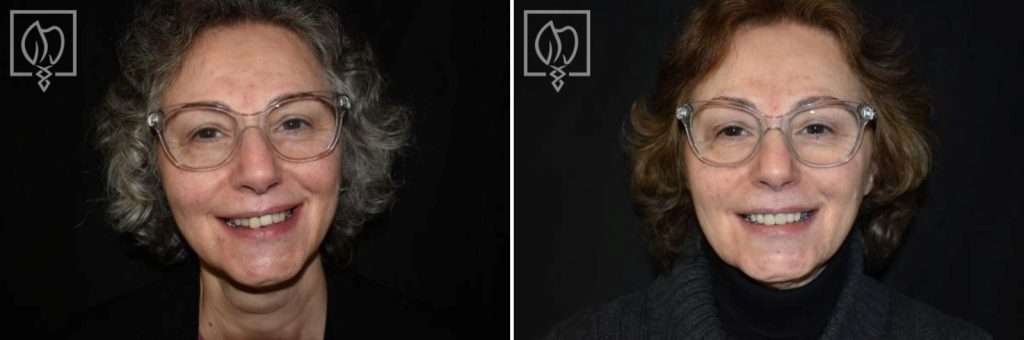
Temporary Crowns Restore Patient's Smile in Just One Day with an Immediate Smile Makeover
A patient from Potomac, Maryland, came to Elite Prosthetic Dentistry with the chief complaint of pain from a failing dental implant and its significant impact on her appearance.
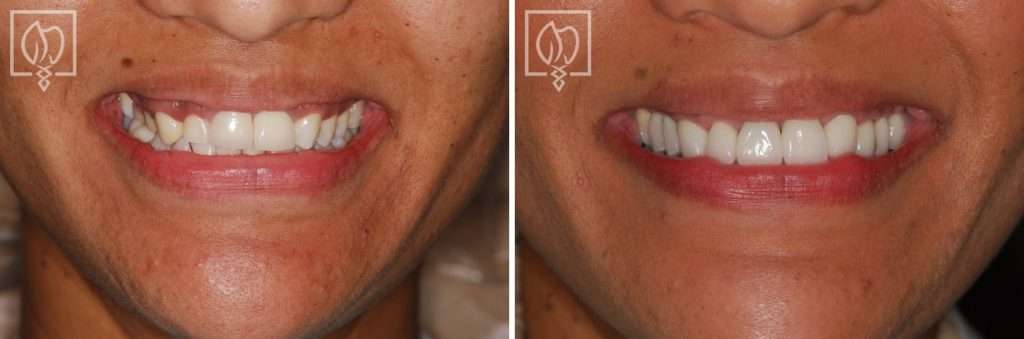
Multi-Faceted Treatment for Patient Unhappy With Her Artificial-Looking Crowns, Teeth and Gums
Many patients come to Elite Prosthetic Dentistry unhappy with the appearance of their smile. However, this particular patient presented with multiple interconnected problems that together created a smile she found deeply unsatisfying.
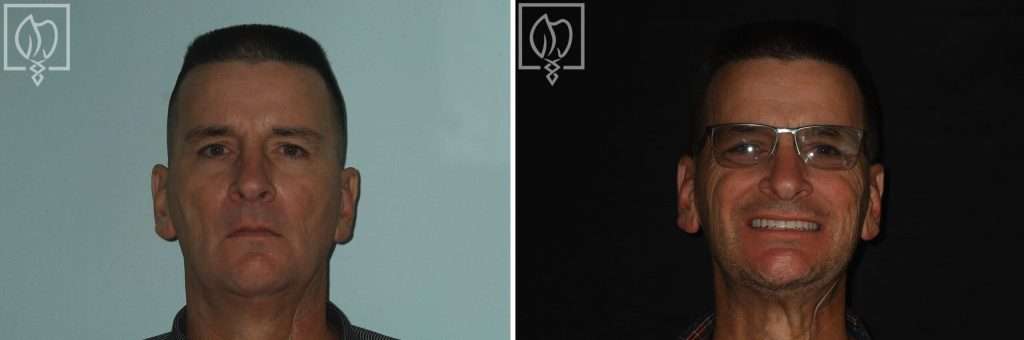
Treating Kevin’s Collapsed Bite with a Complete Smile Makeover with New Dentures
Dentures are sometimes not created to the ideal aesthetic and functional scheme. When improperly fabricated, dentures can make an individual appear almost a generation older than their actual age. They can have a poor fit that feels loose and unstable when eating or speaking, and they can actually accelerate bone loss over time.
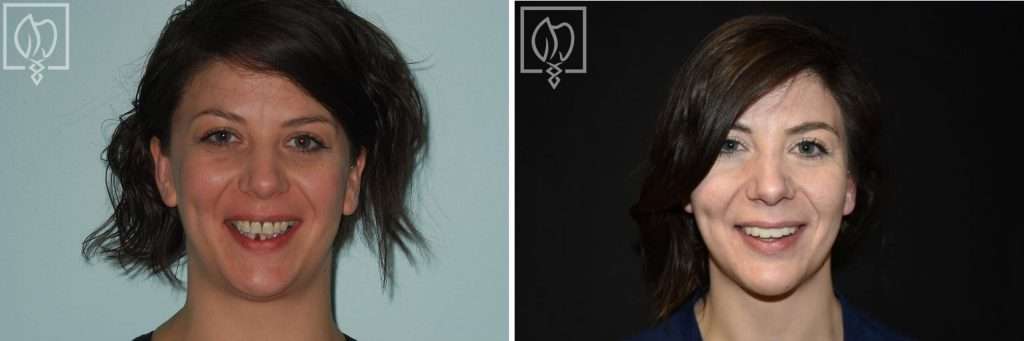
Salvaging Ms. N’s Severely Broken-Down Upper and Lower Teeth from Gum and Bone Disease
Many people in the U.S. suffer from extensive periodontal disease characterized by significant bone loss and shrinkage of the gum tissue. This condition can begin at a very young age and worsen quickly due to hereditary factors and lack of early diagnosis by their dentist.
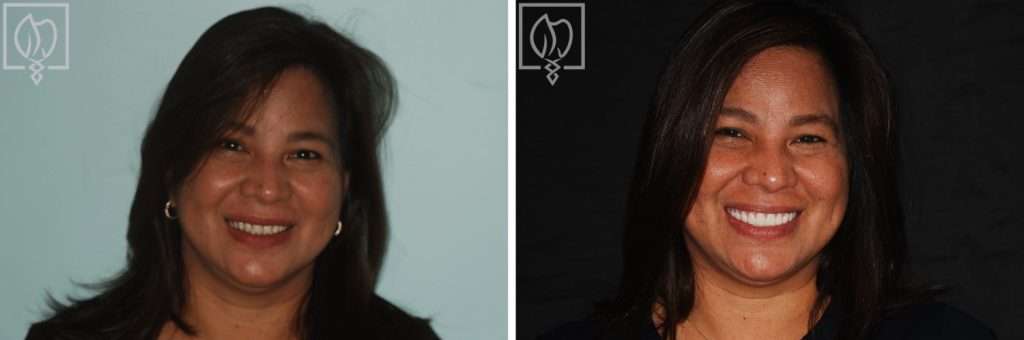
Rejuvenating Maria’s Severely Worn Down Implant Overdentures
Many times, per year, patients come to us frustrated because their implant prosthesis is so severely worn down that they are very self-conscious and cover up their smile. They look and feel much older than their age as a result of the extensive wear of their appliance(s).
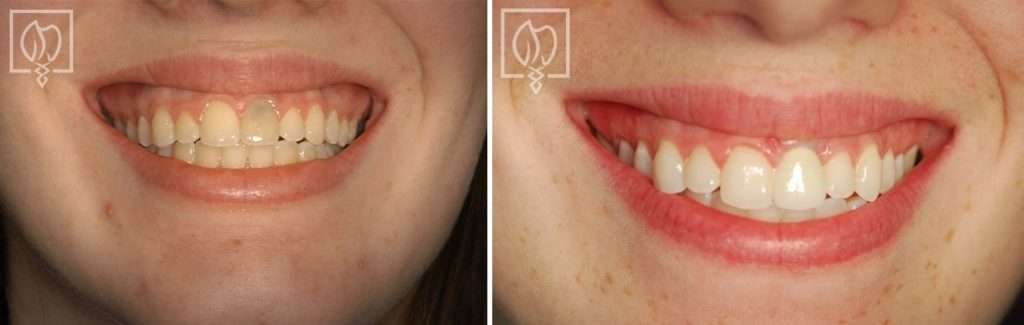
Replacing a Discolored Front Tooth with a Precision Placed Implant
Some of the most challenging restorations occur when fabricating an anterior crown to fit on an implant. Not only does one have the difficulty of matching the single front tooth to the other ones in the high visibility zone, but the dentist must also ensure the position of the underlying implant is precise through accurate preplanning and placement.
Related Articles
Deepen your knowledge with additional insights on this topic.
 Dental Implants
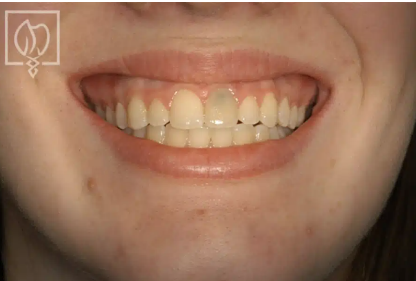
 If a Single Front Tooth is Replaced with an Implant, can it Look Natural?
A single front tooth implant can look completely natural with precision placement, custom abutments, and hand-crafted porcelain crowns. Washington, DC.
 Dental Implants
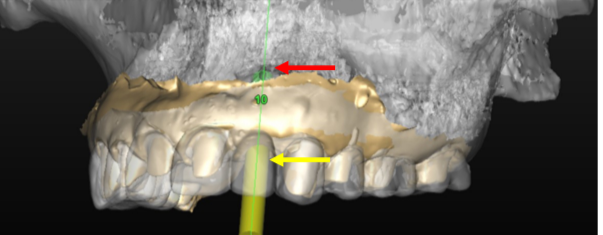
 What is Precision Implant Placement (PIP)?
Learn what Precision Implant Placement (PIP) is and how meticulous planning ensures optimal implant positioning for long-lasting results in Washington, DC.
 Dental Implants
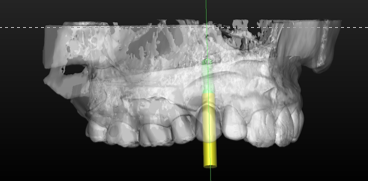
 What is the ideal Surgical Guide for Precision Implant Placement?
CBCT-based surgical guides allow virtual implant planning for precise positioning in optimal bone, ensuring predictable results in Washington, DC.
 Dental Implants
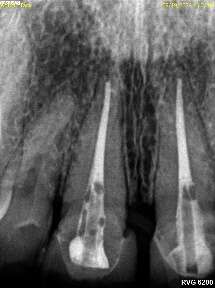
 When Should an Implant not be Done?
Not every patient is a candidate for dental implants. Learn when healthy roots, fragile bone, or steep angles may make alternatives the better choice.
 Dental Implants
 What is Staged Implant Therapy?
Staged implant therapy replaces teeth gradually using existing teeth as temporary support. A personalized alternative to All-on-X for full-arch cases.
Unveiling the Four Types of Dental Implants: Which One's for You?
Learn about the four types of dental implants - endosteal, subperiosteal, zygomatic, and mini implants - and which option may be right for your needs.
Our Services in Palisades
Beyond Bone Grafting, Palisades patients rely on Dr. Gerald Marlin for a full range of advanced dental care.
More services available in Palisades:
Bone Grafting Near Palisades
Dr. Gerald Marlin also provides bone grafting services for patients in these neighboring communities.
Getting Here from Palisades
Elite Prosthetic Dentistry is conveniently located near Palisades, DC.
Drive east on MacArthur Boulevard NW from Palisades through Foxhall to our Friendship Heights office.
Address:
4400 Jenifer Street NW, Suite 220
Washington, DC 20015
Phone: (202) 244-2101
Schedule ConsultationSchedule Your Consultation from Palisades
Palisades residents trust Dr. Gerald Marlin for precision dental care. With 3,900+ implants placed and 40+ years of experience, your smile is in expert hands.